
You want a soft, cozy manicure that fits your style. I’ll tell you up front: mocha nails sit richer and deeper, while latte nails land lighter and creamier — so latte usually looks softer on most skin tones. If your goal is a gentle, understated look, choose latte shades; if you want warmth with more contrast, pick mocha.
I’m Ella Hart, and I write about nails and seasonal trends. I’ll walk you through how both shades read on different skin tones, how to soften either look with finish and shape choices, and which vibe suits fall, winter, or everyday wear so you can pick the best option for your style.
Key Takeaways
- Latte shades appear softer and more muted than mocha tones.
- Mocha offers richer warmth and more visible contrast.
- Finish and nail shape can make either shade look softer.
Understanding Mocha Nails
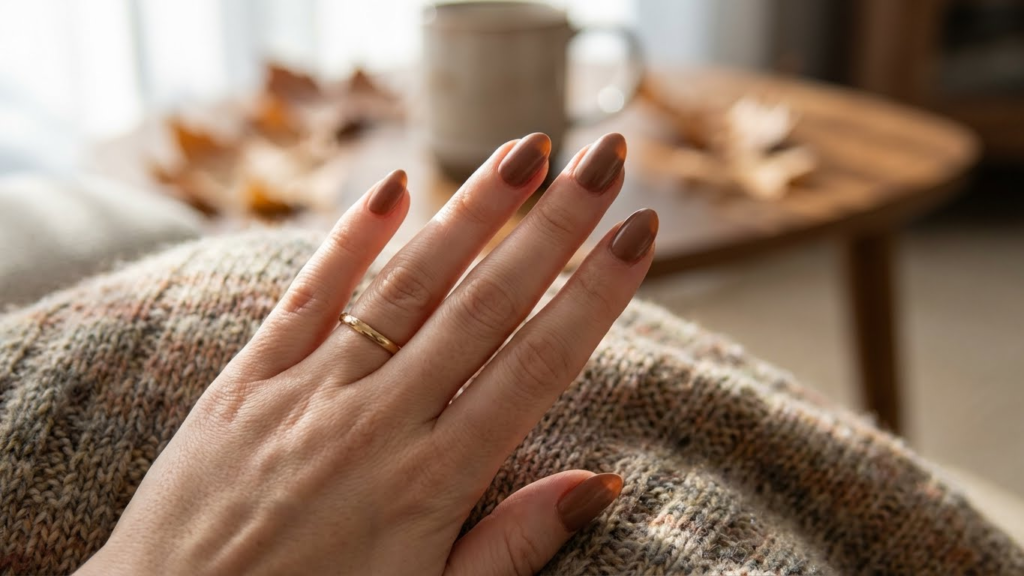
I’ll explain how mocha nails look, feel, and get styled so you can compare them to latte shades. Focus on the color depth, surface choices, and common designs that make mocha feel warmer and richer.
Color Profile and Undertones
Mocha nails sit between medium brown and warm taupe. I see tones that echo dark milk chocolate mixed with cream, so they read richer than pale latte shades.
Undertones usually lean warm. Expect subtle red or caramel hints rather than cool gray. This warmth helps mocha pair well with gold jewelry and deep autumn clothing.
Shade range runs from deep coffee brown to a milkier mocha. I recommend testing swatches in natural light because store lighting can mute the red or caramel notes. Skin tone affects how warm the shade appears—on lighter skin it can look more chocolatey; on deeper skin it can read as a soft, neutral brown.
Finish and Texture
Mocha works well in glossy and satin finishes. A high-gloss topcoat boosts the rich, creamy look and makes color appear denser.
Matte or velvet finishes soften the shine and make mocha feel more modern or muted. I use matte when I want the color to read subtle rather than reflective.
Texture effects like soft shimmer or microchrome add depth without changing the base warmth. If you want a more natural coffee look, go for smooth, even coats. For a statement, try a mixed finish—glossy tips with satin bases.
Popular Mocha Nail Designs
Mocha is a strong base for tonal and minimalist looks. I often see single-color almond nails in mocha for a polished, understated style.
Tonal gradients are common: darker at the cuticle fading to milkier tips. This mimics layered espresso and steamed milk and keeps the manicure wearable.
Accents include thin gold lines, tiny white dots, or soft marble veining. These small details add interest while preserving the warm, cozy vibe. I also recommend combining mocha with deeper browns or muted beige for French tips or crescent moons.
Exploring Latte Nails
I see latte nails as warm, creamy neutrals that sit between beige and light brown. They lean milky rather than dark, with soft depth and a smooth, wearable feel that pairs well with everyday looks.
Color Profile and Undertones
Latte shades range from pale beige to soft tan. I look for a base that reads milky or slightly warm, often with yellow or peach undertones rather than cool gray.
These tones mimic steamed milk mixed with espresso, so they keep brightness without heavy brown. On fair skin, they appear almost creamy nude; on deeper skin, they show as soft tan. I recommend testing polish swatches in daylight to check undertones.
For matching jewelry and outfits, latte nails work best with gold, warm metals, and ivory fabrics. If you want a cooler look, choose a latte with subtle gray undertones.
Finish and Texture
I prefer satin or glossy finishes for latte nails because they enhance the milky, smooth effect. A glossy topcoat adds sheen and makes the color read creamier.
Matte can work, but it dulls the milky look and can make the shade appear flatter. Sheer, layered polishes also suit latte nails; thin coats build a translucent, milky depth without becoming opaque.
For texture, subtle sheers, micro-glitter, or a soft shimmer keeps the look refined. Avoid chunky glitter or heavy textures that break the soft, neutral vibe. For application tips, the American Academy of Dermatology offers nail care guidance that helps polish last longer: https://www.aad.org.
Popular Latte Nail Designs
Simple solid latte is the most common. I often choose a single creamy beige on almond or squoval shapes for a polished, low-maintenance mani.
Gradient and sheer layering are popular too. I blend a light milky beige at the base into a slightly darker tan at the tip for a soft ombré. French tips get a twist with latte bases and white or deeper brown tips.
Accent nails work well: a matte latte with one glossy nail or a thin metallic stripe adds interest without overpowering the neutral tone. For visual inspiration and trends, I reference style sites like Byrdie for current mani variations: https://www.byrdie.com.
Comparing Softness: Mocha Nails vs Latte Nails
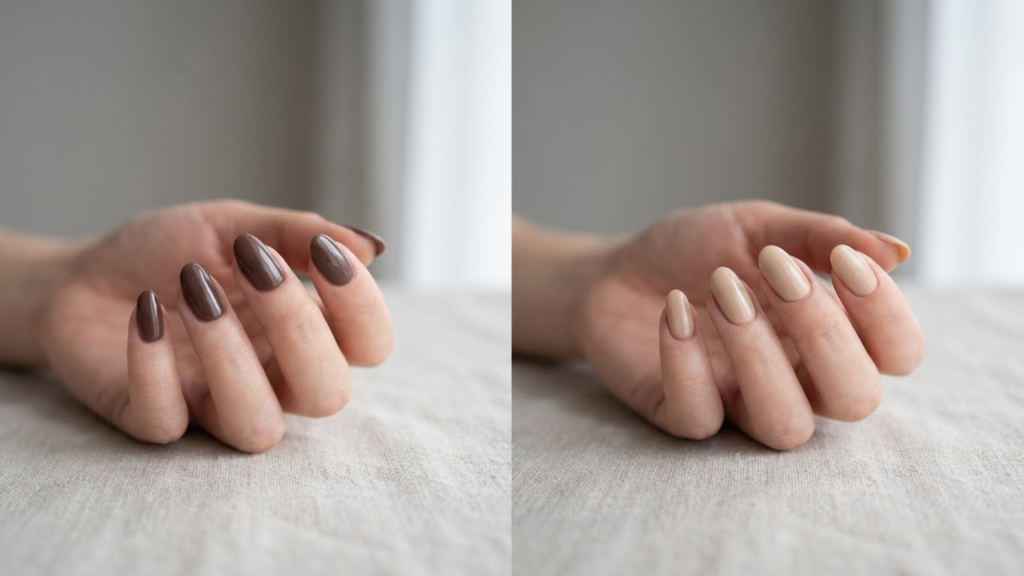
I focus on color depth, undertones, and finish to decide which manicure reads softer on the hand. I compare visual cues like contrast with skin and subtle warm or cool tones that change perceived softness.
Visual Appearance and Softness
Mocha nails sit deeper on the color spectrum. I see richer brown pigments that give more contrast against lighter skin. That contrast makes mocha feel warmer but slightly bolder, so it reads less “soft” than paler shades.
Latte nails use a light beige or creamy tan. I notice they reduce contrast with fair and medium skin, which creates a gentler, airier look. Sheer or satin finishes on latte tones increase the soft effect, while glossy finishes add polish without making them look stronger.
Shape and length also matter. Almond or short rounded shapes with latte tones enhance softness the most. Long squared tips hold more presence, which can temper the soft impression even in latte shades.
Influence of Undertones on Softness
Undertones control whether a shade reads warm, cool, or neutral. I find mocha with red or orange undertones reads cozier but stronger. If mocha leans neutral-brown, it can feel smoother but still deeper than latte.
Latte shades with yellow or warm cream undertones often read the softest. A cool beige with gray undertones can look muted and sophisticated, but not as soft as warm creamy latte tones. Neutral undertones in latte keep it versatile and gently soft across skin tones.
Layering techniques change perceived softness too. I use sheer glazes, translucent topcoats, or thin gradients to soften mocha. For latte, adding a matte or satin finish amplifies the soft, low-contrast look I aim for.
Skin Tones and Suitability
I look at undertones and contrast to choose which shade will read softer on your hands. Mocha tends to be deeper and richer; latte stays lighter and milky. Match the shade to your skin’s undertone and the contrast you want.
Best Pairings for Cool Skin Tones
If you have cool undertones (pink, red, or bluish veins), I recommend latte shades with a neutral-beige base rather than warm, golden browns. A soft latte with a hint of beige or taupe keeps the look gentle on cool skin and avoids looking washed out.
For more contrast, pick a latte that leans slightly cool—think light tan with minimal yellow. That helps your nails look defined without appearing harsh. I avoid deep mocha browns here unless they have blue or ash undertones, which keep the color from clashing with cool skin.
Tips:
- Choose polishes labeled “taupe,” “cool beige,” or “ash brown.”
- Try a sheer latte or one-coat formula to keep the finish soft.
- Test against natural light to confirm the undertone matches your skin.
Best Pairings for Warm Skin Tones
For warm undertones (yellow, golden, or olive veins), I favor mocha shades that carry warm chocolate or caramel notes. A richer mocha warms the hands and reads soft because it complements the skin’s natural glow.
If you prefer something subtler, pick a latte with warm cream or honey tones rather than a neutral-beige. That keeps the manicure cozy without disappearing into your skin. I recommend avoiding cool taupes that can make warm skin look dull.
Tips:
- Look for “warm mocha,” “caramel brown,” or “honey latte” finishes.
- Matte or satin topcoats keep warm shades feeling soft and modern.
- Compare swatches on your finger, not the bottle, to gauge the true effect.
Styling Tips for a Softer Look
I focus on small choices that make nails read softer: shorter lengths, rounded edges, and creamier finishes. These bring out warmth in mocha or keep latte shades delicate.
Shape and Length Recommendations
I choose short to medium lengths to keep the look gentle and practical. Aim for a length that extends just past the fingertip; this avoids a harsh silhouette and makes fingers look slimmer.
Rounded and soft-oval shapes are my go-to. They remove sharp corners and reflect light smoothly, which makes color appear more muted. Almond can work if you keep it shorter and narrow the sides slightly.
If you prefer square, I suggest a softly filed square (squoval) to blend the straight edge with rounded corners. Maintain consistent free-edge length across fingers for a polished, uniform finish.
For natural nail health, I follow nail strengthening routines and use a glass file to prevent splitting. For technical advice on shaping and nail care, I often refer to resources from the American Academy of Dermatology.
Top Coat and Finish Options
A satin or cream finish gives a soft, modern look without the high shine that can make colors read brighter. I apply a matte top coat sparingly—matte can mute the color, but too much can look flat.
For depth without glare, I use a glossy top coat with a thinner application. This preserves the warmth in mocha or the softness in latte while keeping the manicure wearable. Reapply a clear top coat every 5–7 days to prevent chipping.
Consider a sheer pearl or luminescent top coat for subtle glow; it softens contrast and adds dimension. For product guidance and ingredient safety, I check recommendations from the U.S. Food & Drug Administration and trusted nail brands before I buy.
Seasonal and Fashion Trends
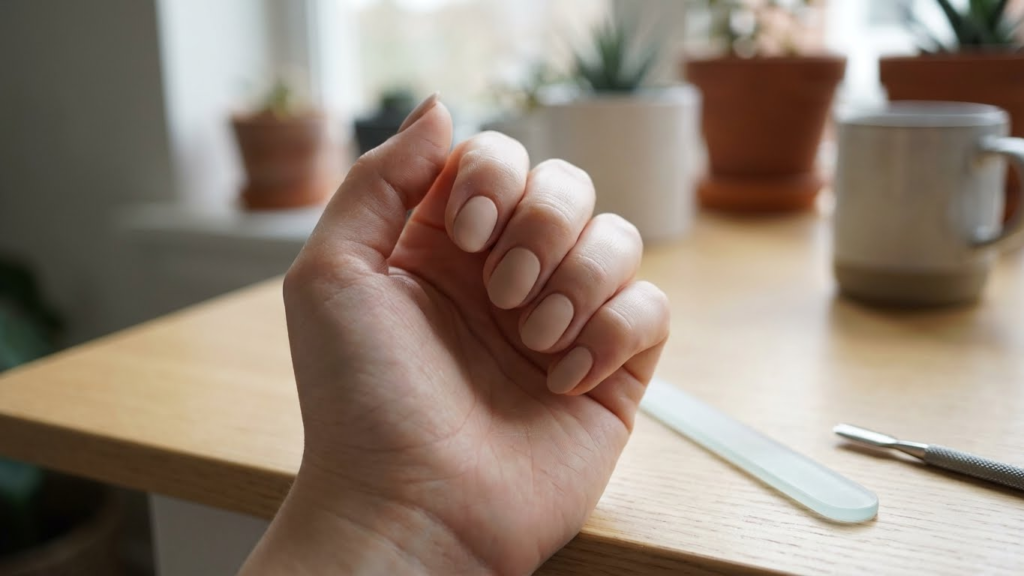
I track how color, texture, and styling shift across seasons and runways. The next paragraphs compare how mocha and latte nails fit into current soft-nail trends and which celebrities and shows push each look.
Current Trends in Soft Nail Looks
I see mocha mousse—Pantone’s 2025 pick—leading a move toward richer, milky-brown nails. Mocha finishes range from glossy deep-brown to milky satin, so they read warmer and more saturated than latte shades.
Latte nails favor pale beige and creamy taupe. They look softer because they sit closer to natural nail tones and often use sheer or semi-sheer formulas. That makes latte better for subtle, everyday polish.
Practical styling tips I recommend:
- For softer appearance: choose a sheer latte or a glossy nude topcoat.
- For cozy fall/winter: pick a warm mocha with satin finish.
- Nail shape matters: short rounded nails amplify softness; long square tips make both colors bolder.
Celebrity and Runway Inspiration
I follow street style and fashion weeks where mocha and latte nails appear frequently. Celebrities who favor soft, minimal looks often wear latte tones for photoshoots and red carpets because they complement skin without stealing focus.
Designers and beauty editors push mocha mousse in seasonal collections and editorials. That makes mocha common in autumn/winter lineups and in luxe, “quiet luxury” spreads.
How I copy these looks:
- For a celebrity minimalist: use a thin, sheer latte with clear gloss.
- For a runway-ready twist: layer a mocha base with subtle metallic tips or matte topcoat.
- For media-friendly nails: pick shades that photograph well—latte for soft light, mocha for warm indoor shots.
Choosing Between Mocha and Latte Nails
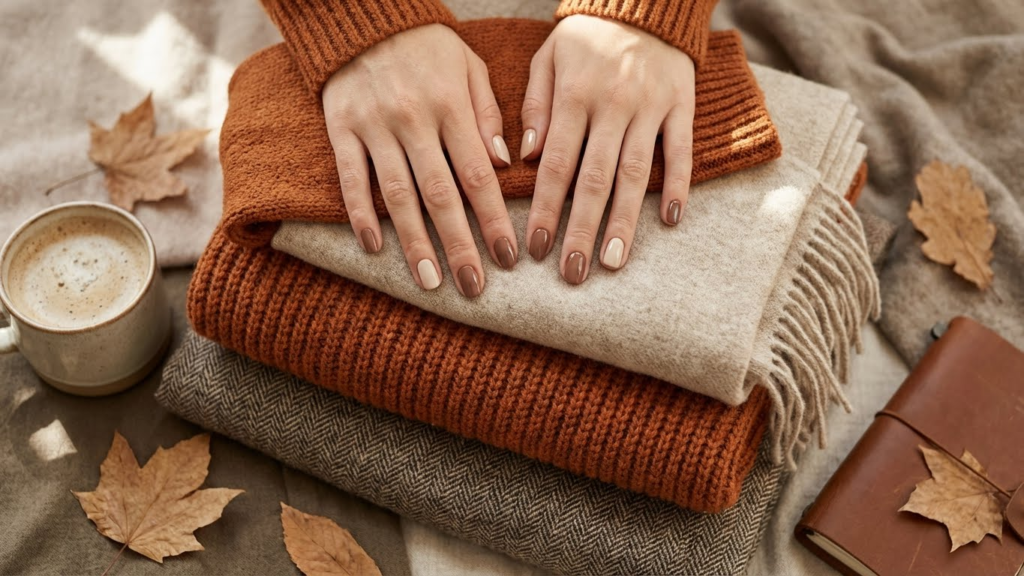
I look at skin tone and style first when I pick between mocha and latte nails. Mocha tends to be richer and deeper, so it shows up more on lighter skin and can complement warm undertones well. Latte is softer and more muted, which works nicely if I want a low-key, polished look.
I consider occasion and outfit next. For a bold everyday choice or a night out, I might choose mocha for its warmth and depth. For work, a brunch, or when I want my nails to blend with a neutral look, latte feels gentler and less attention-grabbing.
I compare maintenance and visibility of chips. Darker mocha shades hide small chips better than pale latte tones, which can show wear faster. If I prefer low-maintenance nails, mocha can save touch-ups.
Use this simple table to decide quickly:
| Factor | Mocha | Latte |
|---|---|---|
| Softness | Medium | High |
| Visibility on light skin | Strong | Subtle |
| Shows chips | Less | More |
| Best for | Warm, bold looks | Soft, minimal looks |
I also mix tones when I can’t pick one. A gradient, accent nail, or tonal set gives me the richness of mocha with the softness of latte. That way, I get contrast and a gentle finish at once.
Conclusion
If your priority is the softest, most understated manicure, latte nails are the clear winner. Their lighter, creamier base creates low contrast against the skin, which naturally reads gentle and polished on most hands. Mocha nails, while still cozy and elegant, bring more depth and warmth, making them feel richer and slightly bolder rather than purely soft.
That said, softness isn’t only about color. Finish, nail shape, length, and undertones all influence the final look. A sheer latte on short, rounded nails with a satin topcoat will always feel airy and delicate, while a matte mocha on the same shape can feel cozy-soft instead of dramatic. Use your skin tone, lifestyle, and the vibe you want—minimal vs. warm and luxe—to guide your choice. When in doubt, blending both shades gives you the best of each world.
FAQs
1. Are latte nails always softer than mocha nails?
In most cases, yes. Latte shades are lighter and closer to natural nail tones, which reduces contrast and creates a softer appearance. Mocha can look soft too, but it usually reads warmer and deeper rather than airy.
2. Can mocha nails look soft instead of bold?
Absolutely. Choose a lighter mocha, apply it sheerly, and use a satin or matte finish. Short, rounded nail shapes also help mocha feel cozy and muted instead of strong.
3. Which shade is better for everyday, low-key wear?
Latte nails are better for everyday and professional settings because they blend easily with outfits and don’t draw much attention. They give a clean, polished look without feeling heavy.
4. Do latte nails work on deeper skin tones?
Yes. On deeper skin tones, latte shows up as a soft tan rather than a pale beige. Choosing a latte with warm or honey undertones prevents it from looking chalky and keeps the manicure flattering.
5. Which color hides chips better: mocha or latte?
Mocha hides chips and tip wear better because it’s darker. Latte shades, especially sheer or very light ones, can show wear more quickly and may need more frequent touch-ups.
