Removing nail glue from a fake nail can feel scary, but you can do it safely at home with a few simple steps and patience. Soak the nail in pure acetone or an acetone-based remover until the glue softens, then gently lift or push the fake nail off without forcing it. This method protects your natural nail and lowers the chance of damage.
Before you start, gather basic supplies like acetone, a small bowl, cotton, foil, an orange stick, and a nail buffer. Work slowly, check progress often, and stop if you feel sharp pain or see skin damage.
Key Takeaways
- Use an acetone soak to soften glue and remove fake nails safely.
- Prepare simple tools and work slowly to avoid nail damage.
- Stop and seek help if you experience pain or skin injury.
Understanding Nail Glue and Fake Nails
Nail glue bonds fake nails to your natural nail using different chemicals and strengths. Knowing the glue type, how it sticks, and safety steps helps you remove nails without harming your nail beds.
Types of Nail Glue Used in Press-On Nails
Most press-on nails use cyanoacrylate-based glue. This is the same family as super glue and sets fast, often within seconds to a minute. Some formulas add thickening agents for stronger hold or flexibility to resist bending.
You may also find “brush-on” adhesives and adhesive tabs. Brush-on glue is liquid, provides a thin bond, and is easier to soak off. Adhesive tabs are peel-and-stick pads; they give a weaker bond and remove more easily but may lift sooner.
Look at the product label when you buy glue. If it lists ingredients like ethyl cyanoacrylate, expect strong adhesion. If it mentions water-based or removable adhesive, removal will be gentler on your nails.
Common Challenges with Removal
Glue that bonds fully to the nail plate can lift layers of your natural nail if you force it off. Ripping or prying increases risk of cracks, splits, and thinning of the nail plate.
Residue can remain after you remove the fake nail. Hardened glue often needs soaking or careful filing to remove without scratching the nail surface. Wrong tools—metal picks or aggressive sanding—make damage more likely.
If glue has seeped under the cuticle, it can bind skin to nail and cause pain during removal. You’ll face longer soak times and must work slowly, softening glue before attempting to lift the fake nail.
Safety Considerations When Removing Nail Glue
Always use acetone in a well-ventilated area and avoid prolonged contact with your skin. Pure acetone removes most cyanoacrylate glues but dries skin and can irritate cuticles.
Protect your surrounding skin with a small amount of petroleum jelly or a cuticle oil before soaking. This reduces irritation and helps you avoid excessive dryness.
If you see redness, swelling, or persistent pain after removal, stop and let your nails rest. Seek medical advice for signs of infection or if glue contacts eyes. Use gentle tools—nail file, wooden cuticle stick—and avoid force to keep your natural nails healthy.
Essential Tools and Materials for Removal
You need acetone or a gentle alternative, a non-abrasive file, cotton pads, foil, and cuticle tools to remove glue safely. For sensitive skin, pick milder solvents, extra oil, and protective barriers.
Must-Have Supplies
- Acetone: Use pure or high-purity acetone for fastest glue breakdown. Buy a small bottle labeled 100% or “nail polish remover, pure acetone.”
- Cotton pads or balls: Saturate them with acetone to apply on the nail surface. They hold the solvent and prevent drips.
- Aluminum foil: Cut into small strips to wrap soaked cotton over each nail. This keeps acetone contact and speeds lifting.
- Orange stick or cuticle pusher: Use gently to lift softened fake nail edges. Pick a wooden or rubber-tipped tool to avoid scratching the nail plate.
- Fine nail file (180–240 grit): Lightly file the top coat of the fake nail to let acetone penetrate. Don’t over-file natural nails.
- Small bowl and towel: Use if you soak; keep a towel underneath to protect surfaces from acetone.
Follow directions and work one nail at a time to avoid skin exposure and reduce damage.
Recommended Alternatives for Sensitive Skin
- Non-acetone removers: Look for ethyl acetate or citrus-based removers labeled “for sensitive skin.” They act slower but irritate less.
- Nail oil and petroleum jelly: Apply petroleum jelly around the nail to protect skin before any solvent. Use cuticle oil after removal to replenish moisture.
- Soapy water soak: Warm water with a mild soap can help lift press-on nails or soften adhesive before heavier solvents.
- Gentle tools: Swap metal pushers for wooden orange sticks and use a soft buffer instead of coarse files.
- Gloves and barrier cream: Wear nitrile gloves when possible. If you can’t, use a thin layer of barrier cream on surrounding skin to reduce irritation.
Test any alternative on one nail first. Stop if you feel burning, stinging, or excessive dryness.
Preparation Steps Before Glue Removal
Gather the right supplies and take simple nail-care steps so you remove glue safely and avoid damage. Focus on cleaning, protecting skin, and arranging tools within reach.
Protecting Your Natural Nails
Start by washing your hands with warm water and soap to remove oils and dirt. Dry your hands well so acetone or other solutions work better.
File the top of the fake nail gently with a coarse file to break the seal. Do not file into your natural nail; stop when you feel less resistance.
Push back cuticles with a cuticle stick. That gives you room around the nail edge and reduces pulling on the skin.
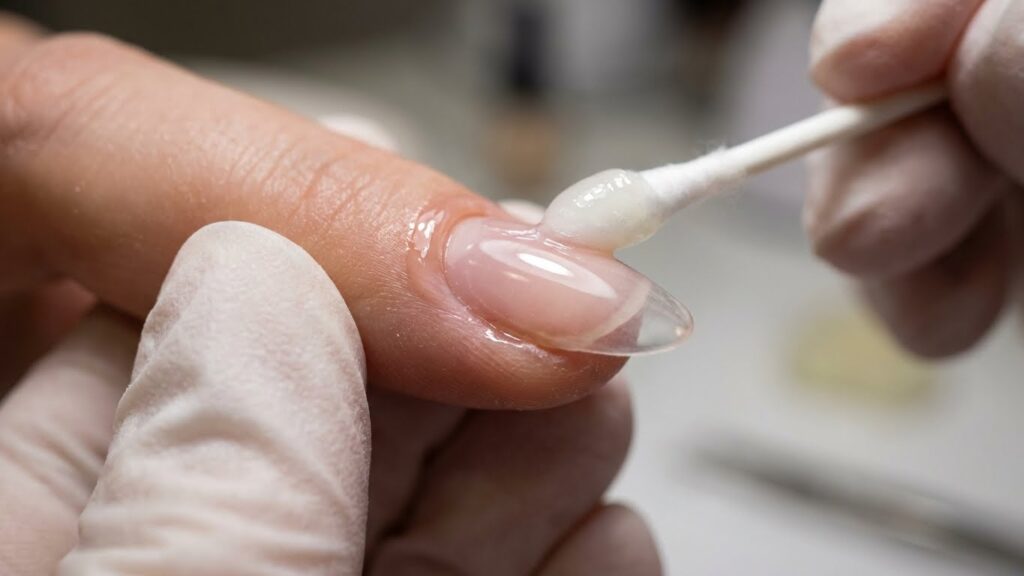
Apply petroleum jelly or a thick hand cream to the skin and cuticles around the nail. This protects skin from drying or irritation if you use acetone.
Trim any long edges of the fake nail with clippers if possible. Shorter tips let acetone reach the glue faster and lower the chance of tearing your natural nail.
Setting Up Your Work Area
Choose a flat, well-lit table near a sink. Good lighting helps you see glue edges and prevents accidental scraping.
Lay down a towel or disposable paper towels to catch acetone drips and nail pieces. Keep a small bowl for warm water and a separate bowl for acetone if you plan to soak.
Arrange tools in order: nail clippers, coarse file, cuticle stick, cotton pads, aluminum foil (if doing foil method), and a nail oil or moisturizer for aftercare. Keep a trash bag or container close.
Open windows or use a fan for ventilation when using acetone. Keep pets and children away from the area until you finish.
Gentle Soaking Methods to Loosen Nail Glue
Soak the glued fake nail to soften the adhesive before you try to lift or pry. Use warm soapy water for a gentle approach, or acetone for faster breakdown of most nail glues.
Warm Soapy Water Technique
Fill a small bowl with warm (not hot) water and add a few drops of gentle dish soap. Submerge the affected nail for 10–20 minutes to let the glue absorb moisture and lose grip.
After soaking, use a soft cloth or a wooden cuticle stick to gently work at the edge of the fake nail. Do not force or yank; if the nail resists, soak another 5–10 minutes.
If oil is available, add a teaspoon of olive or coconut oil to the water or massage oil around the nail after soaking. Oil helps loosen glue and protects the skin from drying. Finish by washing with soap and water, then apply a light moisturizer.
Acetone Soak Method
Work in a well-ventilated area and protect skin with petroleum jelly around the nail to reduce dryness. Pour pure acetone into a small glass or metal bowl and soak the nail for 5–10 minutes, checking every few minutes to see if the glue softens.
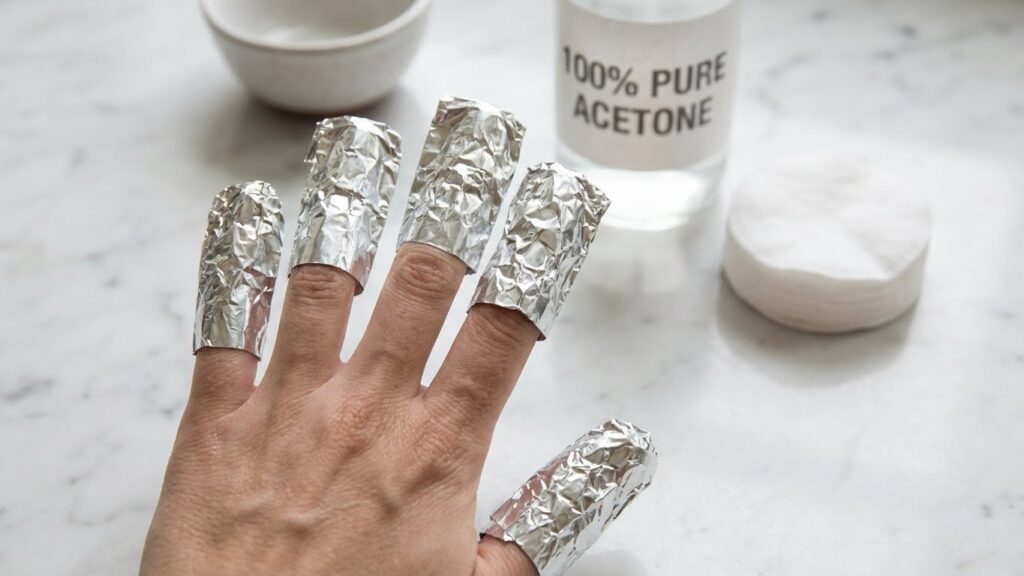
For a stronger effect, wrap a cotton ball soaked in acetone over the nail and secure with aluminum foil for 10–15 minutes. Use a wooden stick to gently nudge the fake nail free once the glue has softened. Rinse thoroughly with soap and water and apply cuticle oil or a moisturizer to restore moisture.
Step-By-Step Guide to Removing Nail Glue from Fake Nails
Work slowly and protect your natural nails. Use gentle lifting, soaking or light buffing depending on how the glue bonds to the fake nail.
Manual Lifting and Peeling Safely
Start by washing your hands and drying them. Trim any long free edges of the fake nails so they don’t catch when you lift.
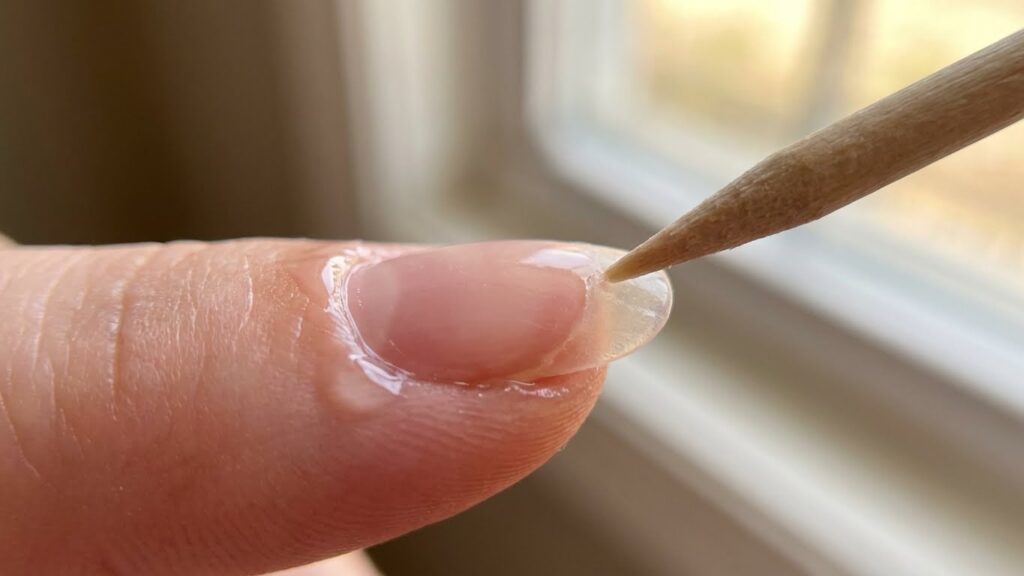
Soak a cotton ball in 100% acetone and place it on the glued edge for 10–15 minutes, then wrap with foil. Check one nail first; if the glue softens, gently press at the cuticle with an orange stick and lift the fake nail from the edge. Pull slowly and keep the angle low to avoid ripping the natural nail.
If a nail won’t budge, re-soak for another 10 minutes rather than force it. Stop if you feel sharp pain or see flakes of your nail plate; seek a pro if needed. After removal, wash hands and apply cuticle oil.
Buffing Away Stubborn Glue Residue
Once the fake nail is off, use a 180–240 grit file or an electric nail file on low to remove thick glue lumps. Work in short, light strokes and always file away from the cuticle to avoid thinning the nail plate.
Switch to a finer buffer (240–400 grit) to smooth remaining residue. Use small circular motions and check frequently so you don’t over-file. Finish by cleansing with acetone on a cotton pad to lift faint glue, then rinse and apply a nourishing oil or hand cream to rehydrate the nail and skin.
Post-Removal Nail Care
Your nails will need moisture and gentle handling after glue removal. Focus on rehydrating the nail plate and cuticles, and avoid activities that stress the nails while they recover.
Hydrating Your Nails and Cuticles
Start by washing your hands with a mild soap and warm water to remove any leftover acetone or debris. Pat your hands dry, then apply a nail oil or cuticle oil containing ingredients like jojoba oil, vitamin E, or almond oil.
Massage the oil into the base of each nail and the surrounding skin for 30–60 seconds. This boosts circulation and helps the oil penetrate the nail layers. Repeat this 2–3 times daily for a week, then once daily until your nails feel normal.
Use a thick hand cream after oiling, especially before bed. For extra repair, soak your nails in warm olive oil for 10–15 minutes once or twice a week. Avoid harsh soaps and hot water during the first few days.
Preventing Nail Damage After Removal
Trim nails to a short, even length to lower the chance of peeling or catching on things. File only in one direction with a fine-grit file to smooth edges; avoid aggressive buffing of the nail surface.
Wear gloves when doing chores that use water or chemicals, such as washing dishes or cleaning. Limit use of nail polish and removers for at least one week to let nails restore moisture.
If you notice pain, deep ridges, or persistent lifting of the nail, stop home care and see a nail technician or a healthcare provider. Keep a simple care routine: oil, cream, gentle filing, and protection.
What to Avoid During Nail Glue Removal
Avoid using tools or products that cut, burn, or strip your nail and skin. Stick to gentle methods and products made for nails to prevent pain, infection, and long-term damage.
Risks of Using Sharp Tools
Do not use metal files, cuticle knives, or razor blades to pry off glued fake nails. These tools can gouge the nail plate and tear the skin at the cuticle. Even a small nick can let bacteria enter and cause an infection.
Avoid scraping hard under the nail with pointed instruments. That pressure can lift the natural nail from the nail bed, causing pain and possible permanent thinning. Use soft tools like a wooden cuticle stick only after the glue has softened.
If you must lift an edge, soak the nail first to soften the glue. Work slowly and stop if you feel sharp pain. Seek professional help for stubborn nails rather than forcing them off with sharp implements.
Harmful Chemicals to Steer Clear Of
Do not use industrial adhesives removers, paint thinner, or nail polish remover with high-strength solvents if you can avoid it. These products can dry and burn the nail plate and surrounding skin.
Avoid straight acetone on irritated or cracked skin without protecting the skin first. Acetone works but strips oils and can cause redness, peeling, and brittle nails when overused. Use plain acetone sparingly and follow with a moisturizer.
Stay away from DIY mixes that promise fast removal but contain unknown chemicals. If you need a stronger product, choose a nail-specific acetone remover and use a soak method with care, or get a salon professional to remove the glued nail.
Alternative Methods for Stubborn Nail Glue
These options use everyday ingredients or store-bought solvents to soften glue without prying. Pick a method that fits what you have and how much time you can spend; protect surrounding skin either way.
DIY Natural Solutions
Try oil or warm-soapy soaks first to loosen glue gently. Soak your nails in warm water with a mild soap for 15–20 minutes to soften edges. If the glue is still firm, rub a small amount of olive oil, coconut oil, or petroleum jelly into the base and under the edge with a cotton swab. Oils slide the glue away and hydrate your nail and cuticle.
For really stubborn spots, use a 1:1 mix of white vinegar and warm water and soak for 10–15 minutes. Vinegar helps break down adhesive bonds more than plain water, but it works slower than acetone. After any soak, gently push at the fake nail with an orange stick; never force it. Finish by washing and applying a moisturizer or cuticle oil.
Over-the-Counter Removers
Use commercial nail glue removers when natural methods fail or for thicker adhesive. Look for products labeled “nail adhesive remover” or pure acetone formulas in small bottles or pads. Pure acetone dissolves most glue quickly, so work in a ventilated area and protect skin with petroleum jelly around the nail.
Apply remover with a soaked cotton pad, wrap the nail in foil, and wait 10–15 minutes before checking. For less harsh options, try non-acetone solvent pads made for press-ons; they take longer but are gentler. Always follow product instructions and rinse thoroughly after removal.
When to Seek Professional Help
If your nail is painful, swollen, or the fake nail won’t budge after DIY steps, get professional help. A nail technician can remove glued-on nails safely and treat damage that home methods might worsen.
Signs You Need a Nail Technician
If you feel sharp pain under the fake nail, stop DIY removal and see a technician. Pain or intense throbbing can mean the glue is stuck to the nail bed or the natural nail is lifting. Redness, warmth, or pus are signs of infection and need prompt professional care.
If the glued tip covers a large part of your natural nail or the glue has hardened into thick layers, a technician can file and remove it without shaving your nail down too far. Also seek help if you have medical conditions like diabetes, poor circulation, or a weakened immune system. These increase risk of complications from cuts, infections, or prolonged irritation.
Potential Complications from Improper Removal
Prying or peeling a glued nail off can tear the nail plate and cause long-term ridging or permanent nail loss. Aggressive filing or using metal tools at home can thin the nail, making it weak and prone to breakage for months.
Using strong solvents incorrectly can burn the surrounding skin or strip protective oils, leading to dry, cracked cuticles and raised nail edges. If an infection develops because adhesive traps moisture or debris, you may need antibiotics or professional debridement. A technician will use safe soaking, controlled filing, and sterile tools to reduce these risks.
FAQs
What if the glue won’t come off with acetone?
Try soaking longer and gently pushing at the edge with an orange stick. Use pure acetone and a glass bowl for best results. If your nails still resist, visit a pro to avoid damage.
Can acetone harm your skin or nails?
Yes, it can dry out skin and nails. Apply petroleum jelly around the nail and use a cuticle oil afterward. For sensitive skin, wear nitrile gloves or try a non-acetone remover first.
Is it safe to pry off fake nails?
Prying can tear your natural nail. Only pry after the glue softens from soaking. Work slowly and stop if it hurts.
How long should you soak fake nails?
Soak for 10–20 minutes with pure acetone; check every few minutes. Thicker glue or acrylic may need longer or a second soak.
Can household items remove nail glue?
Some items help with residue—olive oil, warm soapy water, or petroleum jelly can loosen small spots. For full removal, acetone is usually the most effective.
When should you see a professional?
See a nail tech if glue covers the cuticle, you feel pain, or you can’t remove the glue safely. Professionals use proper tools and techniques to protect your nail bed.
Where can you learn more about nail safety?
Check guidance from reputable sources like the American Academy of Dermatology for nail care tips and safety.
Conclusion
You can remove nail glue from fake nails safely if you work slowly and use the right methods. Soaking with acetone, using gentle filing, or applying oil each work well when done carefully.
Protect your natural nails by avoiding forceful picking and heavy scraping. Keep tools clean and use a cuticle pusher or orange stick to loosen edges after softening the glue.
If you notice pain, swelling, or signs of infection, stop and seek professional help. A salon can remove stubborn glue without risking damage to your nails.
Keep a small kit handy: acetone, cotton balls, foil, a buffer, and nail oil. Use them in order—soak, lift, file, then hydrate—to reduce the chance of harm.
Practice patience; rushed removal often causes damage. With care, you’ll preserve the strength and look of your natural nails for your next set.