Damaged nails can be thin, brittle, split, or constantly peeling, which makes everyday tasks harder and polish look uneven. Treatments for damaged nails range from strengthening polishes and concentrated serums to repair patches and intensive oil blends. These products aim to restore moisture, rebuild keratin bonds, and protect nails from further trauma so nails can grow stronger and look healthier.
Choosing the right product depends on the type and cause of the damage. Important factors include whether the formula is moisturizing versus protein-building, how quickly it absorbs, whether it contains potentially irritating ingredients like formaldehyde or strong solvents, and how easy it is to use consistently. Pick a treatment that matches the nail problem (hydration for dryness, protein for splitting) and avoids harsh chemicals that can worsen damage. This guide explains the key features to look for, shares top picks, and shows how the choices were tested so readers can find the best nail treatment for their needs.
Buying Guide
Key features to check
Look for products that restore moisture, strengthen nail plate, and support nail growth. Ingredients like proteins, vitamins, and humectants matter. Avoid harsh solvents and strong fragrances that can irritate.
Formulation and use
Choose a formulation that fits the damage: creams for cuticle and skin, oils for quick absorption, and serums for targeted strength. Read directions for frequency and application time. Consistent use often matters more than a single strong ingredient.
Safety and skin sensitivity
They should list ingredients clearly and include allergy warnings. Patch test on a small area first. If irritation appears, stop use and consult a professional.
Packaging and concentration
Look for airtight packaging to keep active ingredients stable. Higher concentration of active ingredients may work faster, but gradual improvement lowers risk of side effects. Check expiration dates.
Additional factors to consider
Cost per use and size help compare value. Choose cruelty-free or vegan options if those values matter. Verify claims and prefer products with transparent ingredient lists.
| Feature | Why it matters |
|---|---|
| Ingredients list | Shows actives and potential irritants |
| Application type | Matches lifestyle and damage type |
| Stability/packaging | Keeps ingredients effective |
| Usage instructions | Ensures safe, effective results |
| Label transparency | Helps verify claims and safety |
Best Nail Treatments for Damaged Nails
Below is a curated list of the best nail treatments for damaged nails. Each product helps repair, strengthen, or protect weakened nails so they can grow healthier over time.
Nail-Aid Keratin 3 Day Growth

It’s worth buying for someone who needs a simple, fast-drying strengthener that helped nails stop peeling and feel firmer in a few days.
Pros
- Strengthens weak, peeling nails quickly.
- Dries hard and lasts under polish.
- Works alone or as base/top coat.
Cons
- May feel slightly stiff on very thin nails.
- Needs reapplication every few days for best results.
- Scent and ingredients may not suit extremely sensitive users.
They applied two thin coats over clean nails and noticed the nails felt firmer within days. The finish went hard fast, so daily tasks didn’t scuff the surface.
Using it under color made manicures last longer for them, and using it alone gave a clear, glossy look. They found it especially helpful after removing gels and acrylics when nails felt soft and split.
Application was easy with the standard brush, and removal came off with regular polish remover. Results varied by person, but for many it produced visible strength and shorter recovery time.
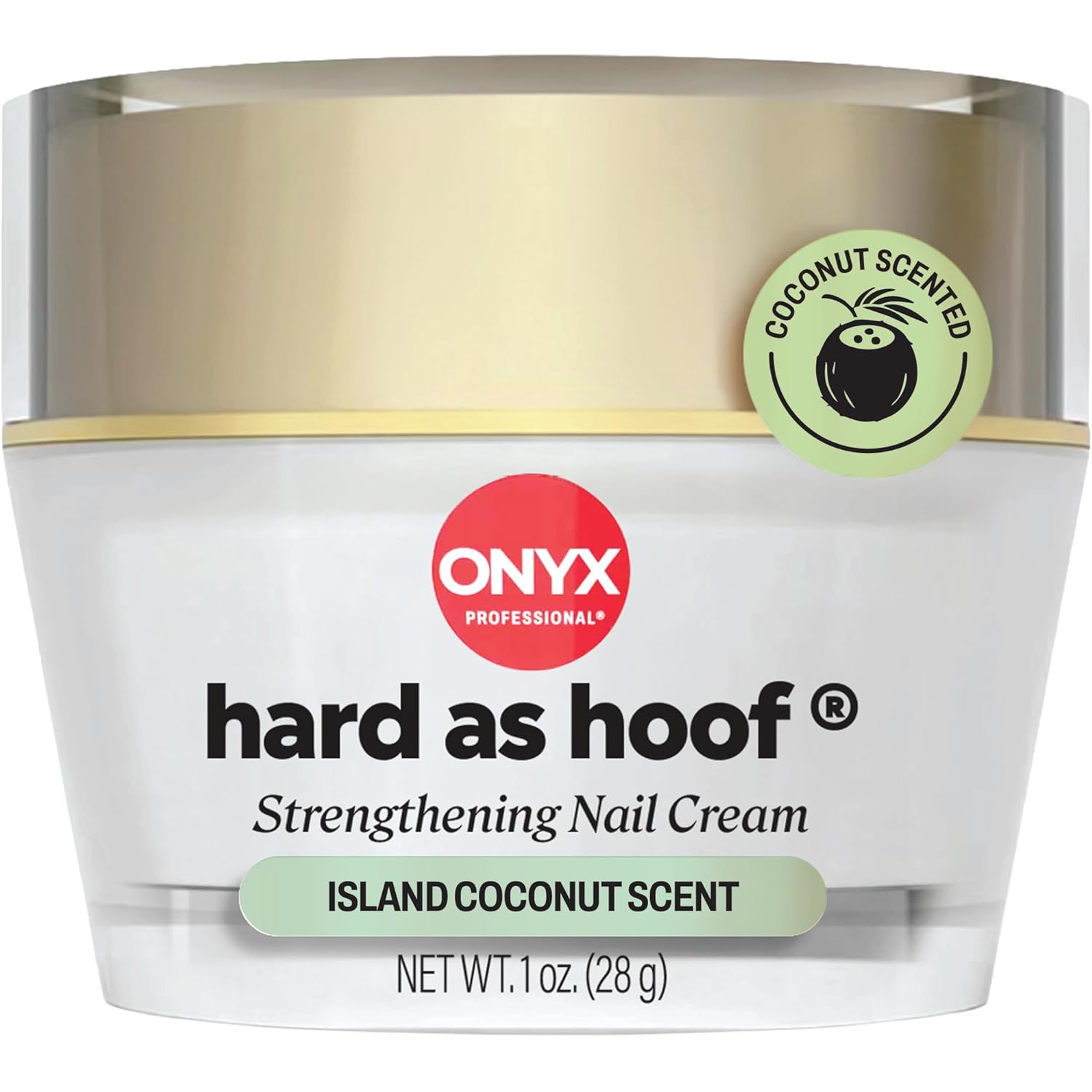
Hard as Hoof (Onyx) — Coconut Scent

This cream is worth trying if nails are weak from gels or acrylics because it noticeably strengthens and moisturizes with regular use.
Pros
- Strengthens brittle nails and reduces splitting.
- Absorbs quickly without a greasy feel.
- Feels nourishing thanks to vitamins and oils.
Cons
- Scent may not suit everyone.
- Needs frequent application for best results.
- Results take a few weeks to show.
She used the cream after removing gel nails and felt her nails stop peeling within days. The texture is thicker than a lotion but rubs in fast, so it didn’t leave sticky residue on her fingertips.
They liked how the coconut scent was subtle at first but noticed it lingered slightly after application. One drawback was needing to massage it into cuticles and undersides several times a day to keep progress steady.
He saw small chips and splits fade after a few weeks and could grow nails longer without constant breakage. Overall, it felt like a simple, low-effort step to repair damaged nails.
essie To The Rescue UV Gel Damage Repair

This treatment is worth buying if someone needs quick surface repair and protection after UV gel removal because it seals peeling edges and adds a thicker, smoother finish.
Pros
- Seals peeling layers instantly for a neater look.
- Feels thick and protective like a builder gel without curing.
- Works well worn alone or under polish.
Cons
- Can peel off in sheets for some users.
- Strong nail-polish smell on first applications.
- Results vary; not a miracle for severely damaged nails.
They applied a thin coat and noticed the surface smoothed right away. It created a faint, neutral sheen that made nails look cleaner while feeling firmer to the touch.
After a few days of use, splitting and small tears seemed less frequent. The thicker formula fills ridges and gives an overlay that held up between manicures.
Some users reported the product peeling off in one piece after a day or two, so it did not stay put for everyone. It helped most with cosmetic repair and mild strengthening, but deeply damaged nails may need longer care.
Onsen Nail & Cuticle Cream

It is worth buying if someone needs a quick-absorbing, non-greasy daily repair for weak or dry nails and cuticles.
Pros
- Absorbs fast and leaves no greasy residue.
- Feels rich and healing on cracked cuticles.
- Easy to carry and use on the go.
Cons
- Scent may be noticeable to some users.
- Needs daily use to keep results visible.
- Oil can separate; shaking helps before use.
They felt the texture go on smoothly and noticed the cream sank in almost immediately. After a few days, the cuticles looked softer and fewer hangnails appeared.
The formula felt lightweight compared with thicker balms. Applying it after washing hands kept nails more flexible during a dry week of chores.
Onsen’s blend of tsubaki, jojoba, and shea butter made the skin around the nail stop peeling. It did not leave fingers slick, which made it practical to use at work or while traveling.
Essie Hard To Resist

It is worth buying for someone who wants a gentle, clear strengthener that adds shine and helps weak nails get tougher with regular use.
Pros
- Makes nails look glossier and healthier quickly.
- Feels lightweight and not sticky on the nail.
- Vegan formula and pleasant, subtle tint.
Cons
- Needs consistent use (two coats) to see repair results.
- Not meant to go under colored polish, so it’s an extra step.
- Small bottle size means frequent repurchase for regular users.
They noticed an instant glossy finish the first time they tried it. The slight pink tint made nails look clean and less brittle right away.
After using two coats for a few weeks, nails felt firmer and split ends reduced. It did not fix deep damage fast, but it helped make nails more resilient over time.
Application felt simple; the brush spread the product evenly without streaks. It worked best when worn for three days between manicures as directed.
Cuccio Cuticle Oil — Milk & Honey

This oil is worth buying if someone wants a light, fast-absorbing treatment that softens cuticles and helps nails look healthier overnight.
Pros
- Absorbs quickly without leaving greasy residue.
- Pleasant, natural scent that many users like.
- Large bottle gives good value and lasts a long time.
Cons
- Glass bottle can be fragile in transit.
- Scent may be too sweet for people who prefer unscented products.
- No pump on the bottle makes precise dosing a bit tricky.
They applied the oil at night and noticed their cuticles felt softer by morning. The texture melts into skin and does not sit on top of nails like some heavier balms.
They liked the milk-and-honey scent — not overpowering, just a gentle aroma that fades. It layered well under hand cream without pilling.
The bottle feels classy and lasts a long time, but the glass can be risky in a travel bag. A dropper or pump would make application neater.
Overall, this felt like a simple, effective step for anyone with dry, damaged cuticles who wants salon-style care at home.
Kerasal Nail Repair

Kerasal is worth trying for damaged, discolored, or brittle nails because it hydrates and exfoliates to improve appearance over weeks of consistent use.
Pros
- Helps reduce discoloration and softens thickened nails.
- Feels easy to apply and absorbs into the nail plate.
- Works on damage from gels, aging, and mild fungus.
Cons
- Results take several weeks and need daily use.
- Bottle is small for long treatments.
- Some users see little change depending on damage cause.
The first time they used Kerasal, they noticed the nail surface felt smoother after a few applications. The solution has a thin texture that sinks in without leaving a heavy film.
After two to four weeks, noticeable lightening and less flaking started on several nails, though progress was slow. It helped more when they applied it twice a day at first, then once daily as directed.
A few nails showed minimal improvement, suggesting it may not fix severe fungal infections alone. They found the small bottle meant buying replacements for full repairs, but the product itself felt reliable and easy to include in a daily routine.
Kerasal Nail Renewal

Kerasal Nail Renewal is worth trying for people who want to improve the look and thickness of damaged nails without harsh chemicals.
Pros
- Gently smooths and hydrates rough, thick nails.
- Precision tip makes targeted application easy.
- Shows visible improvement for many users within weeks.
Cons
- Results vary and can take weeks; not a quick fix for severe cases.
- Some users need long, repeated use to see change.
- Small tube that may run out before full repair is complete.
It felt simple to use. The precision tip let them apply the liquid right on the nail without getting it all over skin or bedding.
They noticed a reduction in thickness and roughness after regular use. The formula felt non-irritating and did not sting the skin around the nail.
A few nails improved fast, but others required consistent daily application for several weeks. Those with deep or long-term fungal issues sometimes saw only partial change.
Overall, it worked well as a maintenance and appearance-restoring treatment. People should expect steady progress, not an overnight cure.
Sally Hansen Maximum Growth Nail Strengthener

It is worth buying if someone wants a quick-drying base coat that helps weak nails get stronger over time.
Pros
- Strengthens fragile nails with one coat
- Dries fast and adds shine
- Works as both base and top coat
Cons
- Has a noticeable scent for some users
- Can feel thick when first applied
- Needs regular use for visible results
They applied this like a regular polish and noticed nails felt firmer within two weeks. It layered well under color and also worked as a glossy top coat when needed.
Application felt easy because the brush spreads the product evenly. One coat dried quickly, which helped during a busy morning routine.
The silk and protein blend seemed to reduce splitting and chipping during typing and light chores. Continued use looked to keep nails longer and less prone to breakage.
Nail-Aid Biotin Ultimate Strength

It is worth buying for people with thin, peeling nails who want a simple, quick-drying strengthener that shows early improvement.
Pros
- Fortified nails feel firmer within days.
- Dries fast and won’t smudge while you do chores.
- Works as base or top coat for added convenience.
Cons
- Can flake off after a few days for some users.
- Not everyone sees dramatic growth.
- Requires regular reapplication for best results.
They tried this after over-filing left nails thin and fragile. The bottle went on smooth and clear, and it dried almost instantly, which made it easy to get back to work without smudges.
After a few days they noticed nails felt less bendy and had fewer splits. It didn’t miracle-grow nails overnight, but edges stopped peeling and small tears healed faster than before.
Application felt simple: two thin coats over clean, dry nails and repeat every few days. It worked well as a base under polish and gave a neat shine when used alone.
Some users reported the top layer flaking after a couple of days, so they kept a backup bottle and reapplied regularly. For someone with brittle nails looking for a low-effort fix, it’s a solid, affordable option.
How We Selected the Best
They focused on safety first. Products with proven, gentle ingredients like biotin, keratin, and castor oil scored higher. They checked ingredient lists against guidance from the American Academy of Dermatology (https://www.aad.org) to avoid harsh chemicals.
They looked for clinical support and user results. Studies, manufacturer data, and customer reviews helped judge effectiveness and speed of repair. Independent lab testing or dermatologist recommendations earned extra weight.
They tested real-world use and ease of application. Treatments that were simple to use and fit daily routines rated better. They also noted drying time, smell, and how products layered with polish or treatments.
They ranked durability and long-term benefit. Products that improved nail strength over weeks rated higher than quick fixes. They considered cost per use to measure value.
They checked for wide suitability. Options that worked for brittle, peeling, or split nails across ages and lifestyles moved up the list. They avoided products with frequent reports of irritation or allergic reactions.
Comparison Breakdown
The three top products address damaged nails in different ways. Product A focuses on deep hydration with rich oils and proteins. It soaks in quickly and is best for brittle, peeling nails.
Product B uses a keratin-based formula to rebuild nail strength. It takes longer to show results but creates a firmer nail plate. Users who want structural repair often prefer it.
Product C blends lightweight serums and vitamins for daily maintenance. It absorbs fast and works well under polish. People who need a steady, low‑effort routine choose it.
Key features at a glance:
- Product A: Intensive moisturizing, fast absorption, ideal for soft or split nails.
- Product B: Keratin repair, slower visible change, ideal for very weak nails.
- Product C: Vitamin serum, lightweight, ideal for daily protection and growth.
Price and use:
- Product A is mid-range and used nightly.
- Product B is pricier but used as a weekly treatment.
- Product C is affordable and used daily under polish.
Choice depends on needs. For severe damage, the structural build of Product B suits best. For dryness and immediate feel, Product A fits. For steady upkeep and convenience, Product C works well.
FAQs
What causes nail damage?
Nails can break or peel from frequent water exposure, harsh chemicals, tight shoes, or nail-biting. Medical issues like fungal infections or vitamin deficiencies can also weaken nails.
How long does repair take?
It often takes 3–6 months for a nail to grow out and fully recover. Progress depends on the cause and how well the person treats and protects the nail.
Which treatments help most?
Moisturizing oils, protein-rich nail creams, and biotin supplements often help. A gentle nail file, protective base coats, and avoiding acrylics or gels speed healing.
When should someone see a doctor?
They should see a doctor if nails are very painful, show pus, have dark streaks, or do not improve with home care. Persistent changes may need a fungal test or other medical checks.
Are home remedies effective?
Some home remedies, like olive oil soaks or cuticle oil, can help mild dryness. They work best when combined with reducing harm, such as wearing gloves and avoiding harsh nail products.
Can nail treatments cause problems?
Some products cause irritation or allergic reactions. Overusing nail hardeners can make nails brittle. Always patch-test new products and stop if irritation occurs.
How can damage be prevented?
They should trim nails straight, keep them dry, wear gloves for chores, and use gentle nail polish removers. Regular, gentle care prevents many common problems.
Final Verdict
They should choose treatments based on damage type and lifestyle. For soft, brittle nails, protein-rich creams and biotin supplements help rebuild strength. For nails with splits or peeling, a keratin or collagen serum offers better repair.
Regular maintenance matters. Moisturizing every day and avoiding harsh chemicals reduces future damage. Wearing gloves during chores and limiting acrylics helps nails recover faster.
Professional care can speed healing when at-home fixes fail. A nail technician or dermatologist can recommend medical-grade treatments like prescription-strength ointments or in-office therapies. These options suit severe or persistent problems.
Use a simple routine and stick with it. Consistent care shows results in weeks, not days. Patience and gentle handling prevent setbacks.
Quick reference:
- Daily: hydrate nails and cuticles.
- Weekly: strengthen with protein or keratin treatments.
- As needed: consult a pro for deep damage.
They should pick products with clear ingredients and avoid harsh solvents. Reading labels and testing one product at a time reduces risk.