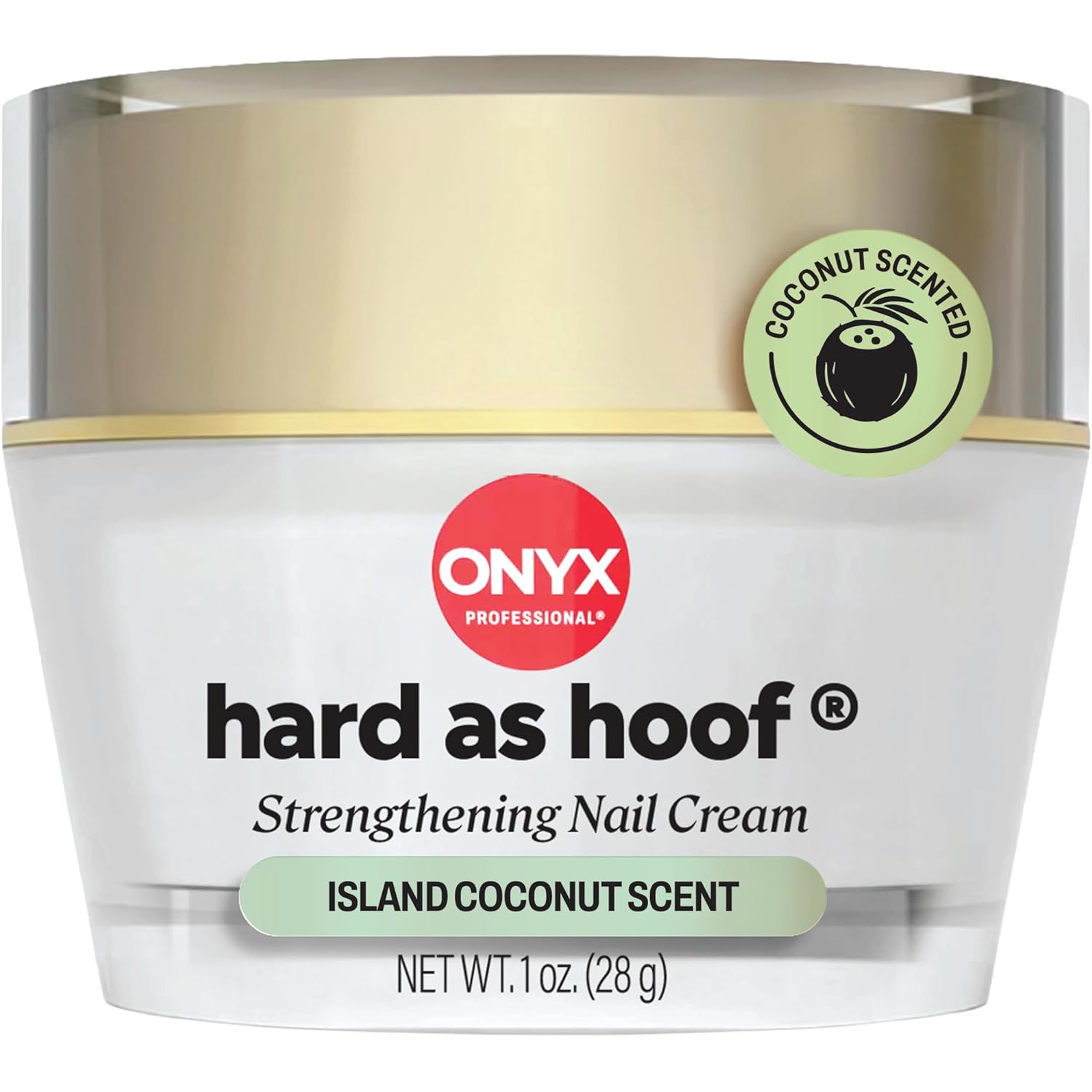
The best simple nail growth secrets are really about preventing breakage, keeping nails hydrated, and using gentle daily care. With consistent oiling, smart filing, and basic protection, nails can look longer and stronger over time.
Simple nail growth secrets are usually less about chasing instant length and more about helping your nails stay intact long enough to grow. If you want stronger, longer-looking nails without a complicated routine, the best approach is a mix of protection, hydration, and a few smart habits that fit real life.
- Hydrate daily: Nail oil helps reduce dryness and breakage.
- Protect your nails: Gloves and gentle filing preserve length.
- Keep nails manageable: Shorter lengths often grow out better.
- Avoid damage habits: Don’t pick, peel, or use nails as tools.
- Watch for warning signs: Pain, discoloration, or lifting needs professional help.
What “Simple Nail Growth Secrets” Really Means in 2026
Search intent: quick, realistic methods for longer nails without salon-level effort
Most readers searching for simple nail growth secrets want easy steps they can start today. They are usually not looking for an expensive salon plan or a long list of products they will never use.
The best nail growth advice in 2026 is still practical: reduce breakage, keep the nail plate flexible, and avoid habits that chip away at length. That is what makes nails look longer sooner, even if the actual growth rate does not change dramatically.
Why nail growth is more about retention than “fast growth”
Fingernails grow at a fairly steady pace, but visible length depends on how much of that growth survives daily wear. If your nails split, peel, or snag, they can seem like they are “not growing” even when they are.
That is why retention matters so much. A nail that grows a little and breaks a little never appears to get ahead.
What readers can expect from a simple routine vs. miracle claims
A simple routine can help nails feel less dry, look smoother, and break less often. It may also make polish wear better and help your manicure last longer.
What it cannot do is guarantee dramatic overnight length. If a product promises instant transformation, it is usually overselling what nail care can realistically do.
Start With the Growth Basics: Cuticle Care, Hydration, and Protection
How dry cuticles and cracked edges slow visible length
Dry cuticles and rough sidewalls can make even healthy nails look shorter because the edges catch, peel, or split. Once the free edge cracks, you lose the length you were trying to keep.
Hydration helps the nail area stay more flexible, which can reduce that brittle, frayed look. For readers who want more detail on oil-based care, NailPrime also covers cuticle oil for growth and strength in a separate guide.
Everyday protection habits: gloves, gentle filing, and avoiding over-buffing
Hands take a lot of daily stress from water, cleaning products, and friction. Wearing gloves for dishes or household cleaning can make a bigger difference than many people expect.
Gentle filing also matters. Over-buffing or rough shaping can thin the nail surface and make breakage more likely, especially for nails that already peel easily.
Keep a nail file in your bag or desk drawer so you can smooth a tiny snag before it turns into a full split.
Practical example: a 2-minute nightly nail care routine
A short routine is easier to repeat, and repetition is what keeps nails looking better over time. You do not need a long spa session to get useful results.
Clean hands gently, then dry thoroughly around the nails and cuticles.
Massage a small amount of nail oil into the nail plate and surrounding skin.
File any rough edge in one direction so it does not catch overnight.
Simple Nail Growth Secrets That Actually Help Nails Look Longer Sooner
Use a nail oil consistently and how often to apply it
One of the simplest nail growth secrets is also one of the most overlooked: use nail oil regularly. Oiling helps support the skin around the nail and can reduce the dry, brittle feel that leads to breakage.
For many people, applying oil once or twice a day is a realistic starting point. If your hands are washed often or exposed to dry air, you may need it more often.
Choose a strengthening base coat or ridge-filling treatment when needed
A strengthening base coat can help some nails feel a little more protected, especially if they peel or bend easily. Ridge-filling formulas can also create a smoother surface, which makes nails look neater while they grow.
These products are not magic, and they are not necessary for everyone. But they can be useful if your nails need a bit of cosmetic support while you build better habits.
Keep nails short enough to prevent breakage while they grow
This may sound counterintuitive, but keeping nails slightly shorter at first can help them reach longer lengths later. If the edge is too long for your current nail strength, it is more likely to bend or snap.
A modest length is often the sweet spot for people trying to grow nails out. Once the nail is stronger and less prone to snagging, you can gradually let it get longer.
File in one direction to reduce splits and peeling
Back-and-forth sawing can rough up the edge and encourage peeling, especially on soft nails. Filing in one direction is a gentler option that helps preserve the nail tip.
If you want smoother results, use a fine file and finish with light pressure. The goal is to shape, not thin the nail.
Nails often look longer faster when the surrounding skin is hydrated and tidy, even before the nail itself has grown much.
Nutrition, Supplements, and Lifestyle Habits That Support Nail Growth
Protein, iron, biotin, and hydration: what matters most
Nails are made from keratin, so protein intake matters as part of overall nail support. Iron and hydration also play a role in how healthy nails look and feel.
Biotin is often talked about in nail care, but it is not a universal fix. The most helpful nutrition habit is usually a balanced diet with enough protein and fluids, not a single trendy ingredient.
When supplements may help and when they are unnecessary
Supplements may be useful if a healthcare professional suggests them or if your diet is lacking in a specific area. They are not always needed for people who already eat well and have no known deficiency.
It is also important to remember that results vary. What helps one person’s nails may do very little for another.
Common mistake: expecting topical products to fix internal deficiencies
Cuticle oil and strengthening base coats can improve the look and feel of nails, but they cannot correct a nutrient issue from the inside. If nails are persistently weak, spooned, unusually brittle, or changing quickly, the cause may be more than dryness.
That is when it makes sense to look at the bigger picture instead of buying another product. Internal health and external care need to work together.
If you suspect a deficiency or a health issue, a dermatologist or healthcare professional can help you figure out whether testing or treatment is appropriate.
What Slows Nail Growth: Common Mistakes to Avoid
Picking at polish, gels, or peeling layers
Picking is one of the fastest ways to damage length. When polish, gel, or a peeling layer is pulled off, it often takes part of the nail surface with it.
That leaves nails thinner and more likely to split. If you love long nails, protecting the top layers is just as important as moisturizing them.
Frequent acetone use and harsh removers
Acetone can be useful for certain removals, but frequent use may leave nails and surrounding skin feeling very dry. Over time, dryness can make nails more fragile.
If you wear polish often, try to balance removal with hydration afterward. For readers comparing removal methods, NailPrime also has a guide on nail polish remover and gel that explains why technique matters.
Using nails as tools and exposing them to repeated water damage
Opening packages, scraping labels, or prying things apart with your nails creates tiny stress points. Those stress points can become breaks later.
Repeated soaking and drying can also weaken nails over time. Water damage is sneaky because it often happens during ordinary daily tasks.
Over-filing, aggressive cuticle cutting, and DIY damage
Cuticles help protect the nail area, so cutting them too aggressively can cause irritation and leave the skin vulnerable. Over-filing can also thin the free edge and create peeling.
Gentle care is usually safer than trying to force perfect-looking nails at home. If you are unsure, less is often better.
Do not continue using a product if it causes burning, itching, swelling, or redness around the nail. Those can be signs of irritation or an allergy.
When to Ask a Nail Tech or Medical Professional for Help
Warning signs: persistent splitting, discoloration, pain, lifting, or sudden changes
Some nail issues are more than a simple dryness problem. Persistent splitting, dark discoloration, pain, nail lifting, swelling, or sudden texture changes deserve attention.
If the nail area looks infected, feels hot, or is getting worse, do not wait it out. A professional can help you decide what is going on and what to do next.
When a nail tech can help with shaping, strengthening, and breakage prevention
A licensed nail tech can often help with safer shaping, product selection, and maintenance choices that reduce breakage. That can be especially useful if your nails keep snagging at the same spot.
Ask for a style that fits your nail strength, not just your inspiration photo. A slightly shorter, well-shaped manicure may last longer than an ambitious length that breaks quickly.
When to seek medical advice for possible deficiency, infection, or skin conditions
If nail problems keep returning, a dermatologist or healthcare professional may need to check for infection, skin conditions, or a nutrient issue. This is especially important if you notice green discoloration, significant pain, bleeding, or lifting.
For serious nail concerns, home care is not enough. Getting the right diagnosis can save you time and prevent more damage.
Contact a licensed nail tech, dermatologist, or healthcare professional if you have pain, swelling, infection signs, or sudden nail changes that do not improve.
Cost, Time, and Results: What a Simple Nail Growth Routine Looks Like
Budget-friendly routine vs. salon-supported maintenance comparison
A simple at-home routine can be very budget-friendly because it usually relies on a file, oil, and a basic strengthening product if needed. Salon-supported maintenance may offer more shaping help and a more polished finish, but costs and services vary by location.
Neither option is automatically better. The best choice depends on your budget, your nail condition, and how much help you want.
How long it typically takes to notice less breakage and better length retention
Some people notice less dryness and fewer snags within a couple of weeks of better care. Visible length retention usually takes longer because nails need time to grow past the point where they were breaking.
Results depend on your starting condition, how often your nails are exposed to water or chemicals, and how consistent you are with the routine.
What “progress” looks like over 2, 4, and 8 weeks
In two weeks, progress may simply mean fewer rough edges and less peeling. That is a good sign, even if the change is subtle.
By four weeks, nails may look smoother and hold polish better. By eight weeks, you may notice that your nails finally seem to be keeping the length they gain instead of losing it right away.
| Timeframe | What You May Notice | What It Means |
|---|---|---|
| 2 weeks | Less dryness, fewer snags | Early signs of better nail retention |
| 4 weeks | Smoother edges, better polish wear | Routine is starting to pay off |
| 8 weeks | More visible length, fewer breaks | Consistent habits are supporting growth |
Final Recap: The Easiest Nail Growth Habits to Keep Doing
Summarize the highest-impact habits for stronger, longer-looking nails
The easiest simple nail growth secrets are also the most reliable: use nail oil, protect your hands, file gently, keep nails at a manageable length, and avoid picking or peeling. Add balanced nutrition and hydration, and your nails have a much better chance of staying intact as they grow.
Encourage consistency over quick fixes and unrealistic promises
Longer-looking nails usually come from consistency, not dramatic hacks. If you stick with a simple routine and avoid the habits that cause breakage, you give your nails the best chance to look stronger over time.
Frequently Asked Questions
Most people do well with nail oil once or twice a day. If your hands are washed often or feel very dry, you may need it more often.
Ask for gentle shaping, help choosing a strengthening service, and advice on keeping the free edge from snagging. A good nail tech can suggest a length and shape that fits your nail strength.
Acetone can be drying if used often, but it is not always a problem when used correctly. Follow removal with hydration and avoid picking at polish or gel.
A strengthening base coat or ridge-filling treatment may help some weak or peeling nails look smoother and feel more protected. Check the formula, avoid anything that irritates your skin, and stop using it if it causes discomfort.
Contact a dermatologist if you have pain, swelling, lifting, discoloration, infection signs, or sudden nail changes that do not improve. Persistent problems may need medical evaluation.
Keep them slightly shorter while they are growing out, file in one direction, wear gloves for wet work, and avoid using nails as tools. These habits help preserve length and reduce splits.