
UV nail lamps can contribute to skin exposure, but the risk is usually low for occasional use and higher with frequent, repeated manicures. You can lower risk by following cure times, keeping hands positioned correctly, and using sunscreen or UV gloves if needed.
Gel manicures are popular because they look polished and last longer than regular polish, but many readers still ask the same question: can UV nail lamps damage skin? The short answer is that exposure from nail lamps is usually low, but it is not zero, and the level of risk depends on lamp type, curing time, skin sensitivity, and how often you get gel services.
If you already understand the basics of gel nails explained, the next step is learning how the curing light works and what simple habits can help reduce unnecessary exposure. NailPrime readers should think of this as a safety and routine question, not a reason to panic or give up gel nails entirely.
- Risk level: Usually low per manicure, but exposure can add up over time.
- Higher risk: Sensitive skin, photosensitivity, and frequent gel use matter most.
- Best prevention: Follow cure times and avoid overexposure.
- Extra protection: Sunscreen or UV gloves may help some users.
Can UV Nail Lamps Damage Skin? Understanding the Real Risk in 2026
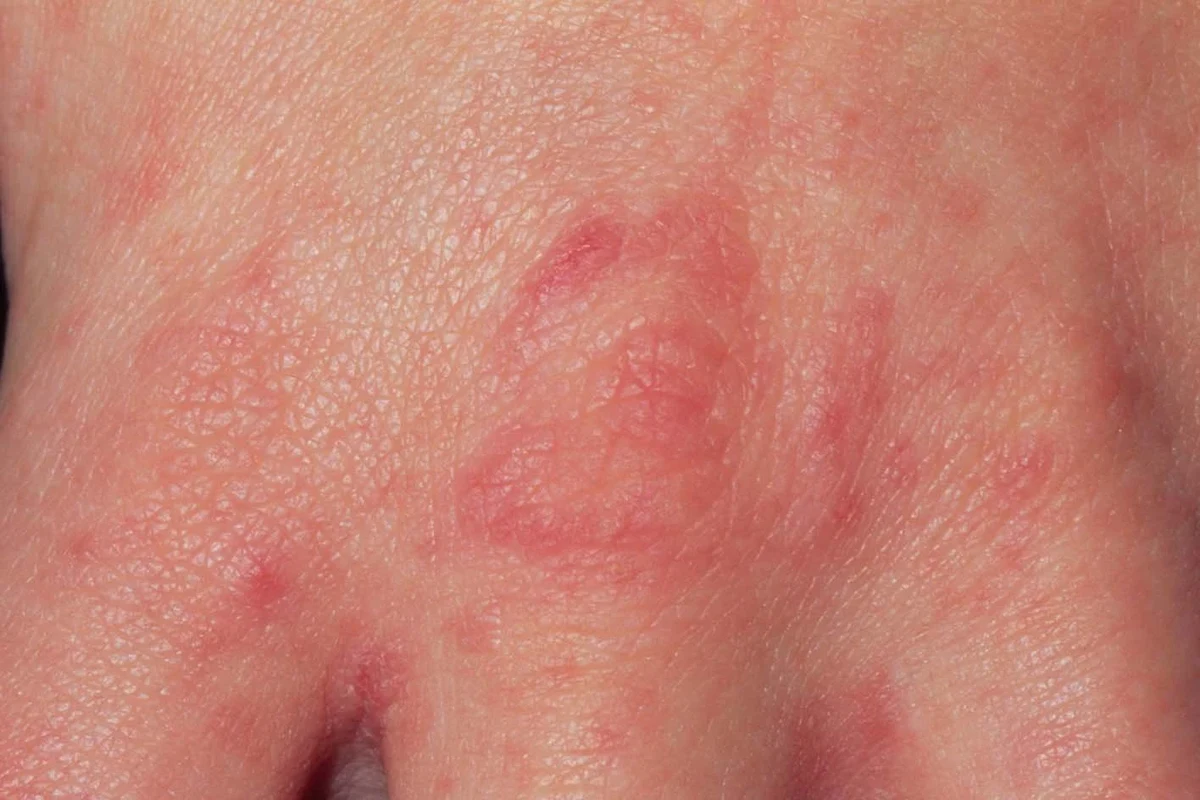
Visual guide: Can UV Nail Lamps Damage Skin? Understanding the Real Risk in 2026
UV nail lamps can expose the skin on your hands to ultraviolet light, which is the same type of light that can contribute to skin changes over time. That does not mean every manicure causes noticeable harm, but repeated exposure can matter, especially for people who get gel nails often.
For everyday users, the main concern is cumulative exposure. One salon visit is typically a small event, but many small exposures can add up over months and years.
What “UV damage” means for everyday gel manicure users
When people say “UV damage,” they usually mean skin dryness, irritation, pigmentation changes, or long-term aging effects caused by repeated ultraviolet exposure. In a nail setting, the exposure is generally brief, but it still reaches the back of the hands and fingers.
For most healthy adults, the risk from occasional use is considered lower than from intense sun exposure. Still, the skin on the hands is thin and often already exposed to sunlight, so it makes sense to be careful.
Why this question matters more as gel manicures stay popular
Gel manicures are common because they cure quickly, resist chips, and work for both salon and at-home routines. As more people use them regularly, even small safety questions deserve attention.
That is especially true for readers who also use hand creams, retinoids, or acne products that can make skin more reactive. A simple manicure habit can become more important when it is repeated often.
How UV and LED Nail Lamps Work During a Gel Manicure
Nail lamps are designed to harden gel polish by triggering a curing reaction. The light is not there to tan the skin; it is there to help the product set properly so the manicure lasts.
The exact amount of exposure depends on the lamp, the formula, and how long your hands stay inside the device.
The difference between UV, LED, and dual-cure lamps
Traditional UV lamps use ultraviolet light to cure certain gel formulas. LED lamps cure faster for many modern gels, while dual-cure lamps are made to work with a broader range of products.
From a user’s point of view, the biggest difference is often curing speed. Faster curing can mean less time with your hands under the lamp, though the product still needs to match the lamp type for best results.
Why curing time matters for skin exposure
The longer your hands stay under the light, the more exposure your skin receives. That is why following the recommended cure time matters, even if the manicure seems like it needs “just a little more.”
Over-curing does not usually make a gel manicure dramatically safer or better. It may simply add extra light exposure without much benefit.
How the hand position inside the lamp affects risk
Hand placement matters more than many people realize. If your fingers sit too far forward, more skin is exposed to the light instead of staying tucked in the curing area.
Keeping your hand centered and relaxed can help limit unnecessary exposure. This is a small habit, but it is easy to do and costs nothing.
What Skin Damage Can Happen from Nail Lamp Exposure?
Most concerns about nail lamps focus on the skin of the hands, fingers, and cuticles. The effects are usually mild at first, but repeated exposure may create more noticeable changes over time.
Short-term effects: dryness, redness, and irritation
Some people notice dry skin, mild redness, or a tight feeling after repeated lamp exposure. This can happen more easily if the skin is already sensitive, freshly exfoliated, or exposed to strong hand sanitizer and acetone.
If you are also dealing with brittle nails or peeling skin, it can help to look at the bigger picture of nail care. Sometimes the issue is not only the lamp, but also the manicure routine around it, including removal habits and product overuse.
Dryness after gel services is not always caused by the lamp alone. Prep products, acetone, filing, and frequent hand washing can all contribute.
Long-term concerns: premature aging, pigmentation, and cumulative exposure
Long-term concerns usually center on hand aging, uneven pigmentation, and the possibility that repeated UV exposure may contribute to skin damage over time. The hands are already a high-exposure area because they are often in sunlight during daily life.
That is why some readers choose to think of nail lamp exposure as one piece of their overall skin care habits. If you protect your hands in the sun but ignore repeated lamp exposure, you may be missing an easy opportunity to reduce risk.
How much exposure is considered low, moderate, or concerning
There is no universal label that fits every person, because risk depends on how often you get gel manicures, what lamp is used, and how sensitive your skin is. Occasional exposure is generally less concerning than frequent back-to-back services.
Exposure becomes more worth discussing when someone gets gel nails very often, uses older or untested devices, or has a history of light sensitivity. If you are unsure where your routine falls, a licensed nail tech or dermatologist can help you think through it.
Who May Be More at Risk from UV Nail Lamps?
Some people can tolerate lamp exposure with little issue, while others may be more likely to react. Knowing your own skin history is an important part of choosing safer nail habits.
People with sensitive skin or a history of photosensitivity
If your skin reacts easily to sunlight, skincare actives, or certain medications, you may be more likely to notice redness or irritation from nail lamp use. People with photosensitivity should be more cautious than the average gel manicure client.
That does not automatically mean you must avoid gel nails, but it does mean you should pay attention to how your skin responds after services.
Those using retinoids, acne treatments, or other light-sensitive products
Some skincare and acne products can make skin more reactive to light exposure. If you use retinoids or other light-sensitive treatments, ask a dermatologist or the product label whether extra UV caution is recommended.
It is also smart to avoid assuming that a hand cream or cuticle oil will block UV light. Moisture helps comfort, but it is not the same as sun protection.
Clients with skin cancer history or high sun exposure habits
If you have a personal or family history of skin cancer, or if your hands already get a lot of sun exposure, it is worth taking nail lamp safety seriously. Your total UV load comes from many sources, not just the salon.
In these cases, a more cautious approach may make sense, especially if you get gel manicures often. A dermatologist can help you decide what level of exposure is reasonable for you.
If you have a skin cancer history, a light sensitivity condition, or a reaction after curing, contact a dermatologist or healthcare professional for personalized advice.
Common Mistakes That Increase Skin Exposure at the Nail Table
Many lamp-related concerns come down to simple habits rather than the manicure itself. Small mistakes can increase exposure without improving the final result.
Over-curing nails longer than recommended
Leaving your hands under the lamp longer than needed is one of the easiest ways to add unnecessary exposure. More time is not always better, especially if the product already cured properly.
Follow the directions for the gel system you are using, and let the timer do its job. If the polish still feels tacky or soft, the issue may be the formula or lamp match, not the need for extra minutes.
Placing hands too far forward in the lamp
When fingers are pushed forward, more skin is exposed to the light. This can happen when someone is trying to “help” the polish cure faster or fit a larger hand into a small lamp.
A centered hand position is usually better. It helps the gel cure evenly while keeping unnecessary skin exposure down.
Skipping sunscreen or protective gloves when needed
Some people use broad-spectrum sunscreen on the backs of the hands before a gel service, while others prefer UV-protective manicure gloves with fingertip openings. These options may be useful for frequent gel users or people with sensitive skin.
They are not required for everyone, but they can be a smart extra step when you want more protection. If you choose sunscreen, make sure it is fully absorbed before curing.
Using low-quality or untested lamps
Not all lamps are the same, and quality can vary by brand, age, and product compatibility. A lamp that is too weak may lead to under-curing, while one that is poorly made may not provide predictable performance.
For safety and results, choose a lamp that is appropriate for the gel system you use and follow the manufacturer’s directions. This is one area where guessing is not a good idea.
Do not keep curing longer just because the polish looks slightly glossy. Follow the product instructions, since over-curing can add exposure without improving the manicure.
How to Reduce Risk Without Giving Up Gel Nails
If you enjoy gel manicures, the goal is not fear; it is smarter habits. A few small changes can help lower exposure while keeping your nails looking polished.
Practical protection steps for clients at home
At home, use the lamp only for the time the gel system recommends. Avoid stacking extra cure cycles unless the product instructions specifically say to do so.
You can also keep your hands moisturized after the manicure with cuticle oil and hand cream. That will not block UV light, but it can help with dryness and make the skin around the nails feel better.
What nail techs can do to lower exposure during services
Nail techs can help by using the correct lamp for the product, setting accurate timers, and guiding clients on hand placement. Good technique reduces the chance of unnecessary exposure and helps the manicure cure properly.
If a client mentions photosensitivity or skin concerns, the service may need to be adjusted. Salon policies and product options can vary, so a quick conversation before the appointment is the best place to start.
When broad-spectrum sunscreen or UV gloves makes sense
Broad-spectrum sunscreen or protective gloves may make sense for frequent gel users, people with sensitive skin, or anyone who wants an extra layer of precaution. These options are especially helpful if you already wear sunscreen on your hands daily.
Just remember that gloves and sunscreen are add-ons, not substitutes for correct curing. They work best when combined with proper lamp use.
Choosing the right lamp, timer, and curing method
The safest setup is usually the one that matches your gel product, cures efficiently, and follows clear instructions. A reliable timer matters because it prevents accidental overexposure.
If you are shopping for a device, check whether it is designed for your specific gel formula and whether it has clear curing guidance. In 2026, the smartest purchase is often the one that balances compatibility, speed, and consistent results rather than the one with the most flashy claims.
How should I ask my nail tech about lamp safety without sounding difficult?
You can simply say you are trying to be careful with UV exposure and ask what lamp and cure time they use. A good tech should be comfortable explaining the product system and any options for extra protection.
UV vs LED Nail Lamps: Which Is Safer, Faster, and More Cost-Effective?
People often assume LED is automatically safer, but the real answer is more nuanced. The better choice depends on the gel formula, curing speed, and how often the lamp will be used.
Comparison of exposure time, curing speed, and typical use
LED lamps often cure faster than older UV lamps, which can reduce the time your hands spend under the light. That said, the actual exposure still depends on the product, the lamp quality, and how the service is performed.
Dual-cure lamps are common because they can work with a range of gels. For many readers, compatibility matters more than the label on the lamp.
| Option | Best For | Note |
|---|---|---|
| UV lamp | Older gel systems | May require longer cure times |
| LED lamp | Faster routine use | Works with many modern gels |
| Dual-cure lamp | Flexible salon setups | Check product compatibility first |
How salon professionals can balance safety and efficiency
Salon professionals often balance speed, product compatibility, and comfort. The best routine is usually the one that cures correctly the first time, without repeated sessions under the lamp.
That is why a well-matched lamp and product system is so important. Faster is useful only when it still gives a proper cure.
What to consider when buying a lamp in 2026
When buying a lamp, look for clear curing instructions, product compatibility, and a timer that is easy to trust. You may also want to think about hand size, salon volume, and whether you need a home-use device or a professional-style setup.
Price and performance can vary widely, so avoid choosing based on appearance alone. A simple, dependable lamp is often the better long-term choice.
Some hand-safety concerns during gel manicures come from the whole routine, not just the lamp, including acetone use, filing, and frequent drying of the skin.
Final Recap: What NailPrime Readers Should Remember Before Their Next Gel Manicure
So, can UV nail lamps damage skin? They can contribute to skin exposure, but the risk is usually tied to repeated use, longer curing times, and personal sensitivity rather than one single appointment.
For most readers, the practical answer is to keep enjoying gel nails while using smart habits: follow cure times, keep hands positioned correctly, and consider sunscreen or gloves if you are more cautious or more sensitive.
Key takeaways on risk, prevention, and smart salon habits
Think in terms of exposure management, not panic. The safest gel manicure is the one that uses the right lamp, the right product, and the right amount of time.
If you also want to protect your nails overall, it helps to stay consistent with gentle removal and basic nail care. For readers dealing with breakage, it may be worth learning why nails break easily and how routine habits can make them weaker over time.
When to pause and ask a nail tech or dermatologist for help
Pause and get advice if you notice burning, swelling, persistent redness, unusual darkening, or a rash after lamp exposure. Those signs may point to irritation, allergy, or another issue that needs attention.
If you suspect a nail or skin problem rather than simple dryness, ask a licensed nail tech or healthcare professional before your next service. And if you are ever dealing with nail changes after product use, knowing how to remove products correctly matters too, which is why many readers also look at whether nail polish remover can remove gel before trying a home fix.
Frequently Asked Questions
They can contribute to cumulative UV exposure, especially with frequent gel manicures. For most people the risk is low per visit, but repeated use and sensitive skin can raise concern.
LED lamps often cure faster, which can reduce time under the light. Safety still depends on the product, lamp quality, and how the service is done.
Broad-spectrum sunscreen on the backs of the hands may make sense for frequent gel users or anyone who wants extra protection. Let it absorb fully before curing.
Watch for redness, burning, dryness, itching, swelling, or a rash. If symptoms are persistent or severe, contact a dermatologist or healthcare professional.
Ask what lamp and cure time they use and mention that you are trying to reduce UV exposure. A professional tech should be able to explain the product system clearly.
Check product compatibility, timer settings, and whether the lamp matches the gel formulas you use. A reliable, well-matched lamp is usually more important than a flashy design.
