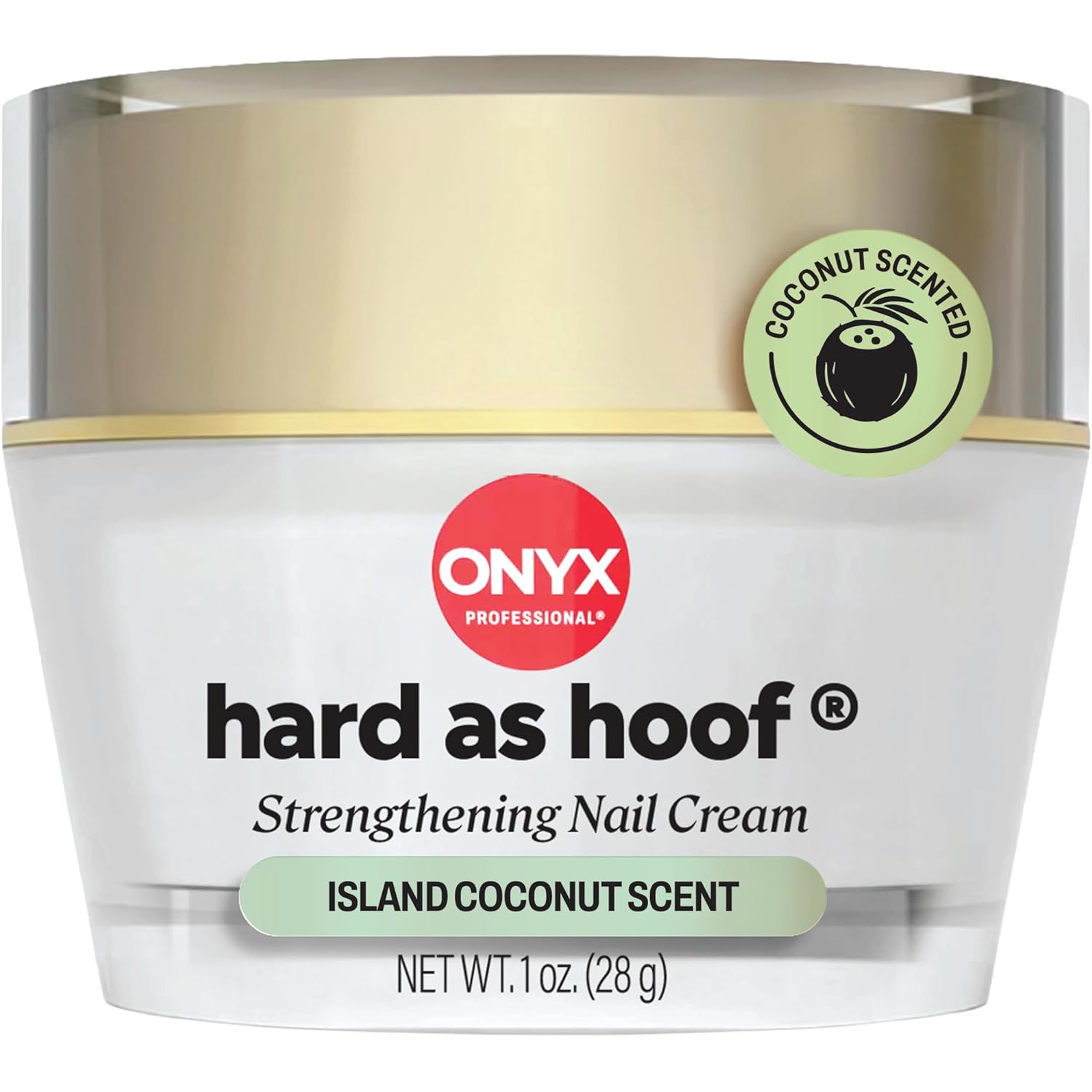
The best at home nail growth tips focus on preventing breakage, not forcing faster growth. Moisturizing, gentle filing, and protecting nails from water and harsh habits can help you grow longer nails more reliably.
If you want longer nails, the best approach is usually less about one miracle product and more about protecting the nail you already have. These at home nail growth tips focus on reducing breakage, keeping nails flexible, and building habits that help length show up faster.
- Moisture matters: Cuticle oil and hand cream help reduce splitting.
- File gently: One-direction filing protects the nail edge.
- Protect from water: Gloves can reduce daily damage.
- Avoid picking: Peeling gel or polish can thin the nail plate.
At Home Nail Growth Tips: What Actually Helps Nails Grow Stronger in 2026
Nails grow from the matrix under the skin, so you cannot truly “speed up” growth overnight. What you can do at home is reduce damage so the nail plate has a better chance to grow out without snapping, peeling, or splitting.
That means the most useful nail growth tips are often the simplest ones: moisturize regularly, file gently, limit water exposure, and avoid habits that weaken the edges. If you have been dealing with repeated breakage, it may help to also read NailPrime’s guide on why nails break easily for a fuller breakdown of common causes.
Why Nails Break Before They Grow: Common Causes Behind Slow Nail Growth
Many people think their nails “won’t grow,” when the real issue is that the free edge keeps breaking off before it becomes visible. Weakness, dryness, and repeated stress can make nails feel like they are growing slowly even when the growth rate is normal.
Everyday damage from water, cleaning, and repeated handwashing
Water exposure is one of the biggest hidden causes of nail weakness. Nails swell when wet and shrink again when dry, and that repeated cycle can make them more prone to peeling and splitting.
Cleaning products can add more stress, especially if you wash dishes, sanitize often, or use strong soaps. Over time, that combination can leave nails dry, rough, and easier to snag.
Even “normal” daily routines can be rough on nails if your hands are in water often or exposed to detergents without protection.
Nutrition gaps, dehydration, and harsh nail habits
Low hydration and not getting enough overall nutrition can also affect nail quality. Nails are not a quick fix beauty area; they reflect what is happening over time, so changes usually take consistency to notice.
Harsh habits matter too. Picking at polish, peeling off enhancements, biting nails, or overusing rough files can thin the nail surface and make growth look stalled.
At Home Nail Growth Tips That Work: Daily Habits for Stronger Nails
The most effective at home nail growth tips are the ones you can repeat every day. Small habits add up, especially when the goal is to keep nails intact long enough to show length.
Moisturize nails and cuticles to reduce splitting and peeling
Dry nails are more likely to peel, crack, and split at the edges. A good hand cream and cuticle oil can help keep the nail area more flexible, which may reduce breakage over time.
Apply moisturizer after washing your hands and before bed. If your nails feel especially dry, reapply during the day, especially after sanitizer use or dishwashing.
Should I ask for cuticle oil at the salon?
Yes, it is a normal request and many salons use it at the end of a manicure. If your nails are dry or peeling, ask the tech to be gentle and avoid aggressive cuticle work.
File correctly to prevent snags and edge fractures
Filing is one of the easiest ways to protect length, but only if you do it gently. Use a fine file and move in one direction rather than sawing back and forth, which can rough up the edge.
Keep the shape balanced so one side does not get weaker than the other. If your nails snag often, slightly shorter nails with smooth edges may actually grow out better than longer nails that keep catching.
Use gloves and reduce water exposure during chores
Gloves are a simple but underrated nail care tool. Wearing them for dishes, bathroom cleaning, or yard work can help protect both the nail plate and the surrounding skin.
If you cannot avoid water, dry your hands well afterward and reapply cream. This small step can make a noticeable difference in how often nails peel or bend.
Cuticles help protect the nail matrix area, so overly aggressive cuticle trimming can sometimes create more problems than it solves.
Best Nail-Friendly Products to Support Growth at Home
Products cannot magically make nails grow overnight, but the right ones can support healthier-looking length. Look for formulas that help seal in moisture, reduce breakage, and make the nail surface smoother.
Cuticle oils, hand creams, strengthening base coats, and ridge fillers
Cuticle oils are helpful because they target the dry skin and nail area around the nail plate. Hand creams add a second layer of moisture, while strengthening base coats can help some nails feel more protected under polish.
Ridge fillers may be useful if your nail surface is uneven and polish tends to catch. If you prefer oils, you may want to compare options like cuticle oil for growth and strength or jojoba oil for nail growth to see which texture and ingredient style fits your routine.
What ingredients to look for and what to avoid
Helpful ingredients often include humectants and emollients that support moisture, such as glycerin, jojoba-based oils, and nourishing plant oils. For strengthening base coats, look for formulas that are designed for natural nails rather than harsh, overly rigid coatings.
Be cautious with products that make nails feel extremely hard or dry if your nails already split easily. “Stronger” is not always better if it means less flexibility and more snapping.
If a product stings, causes redness, or leaves the nail area irritated, stop using it and consider getting advice from a licensed nail technician or healthcare professional.
Simple At-Home Nail Care Routine for Faster Visible Results
A steady routine is usually more effective than switching products constantly. The goal is to keep the nail plate smooth, hydrated, and protected so length has time to appear.
Weekly shaping, gentle buffing, and polish breaks
Once a week, check for snags and lightly shape the free edge. Gentle buffing can smooth rough spots, but it should be minimal because too much buffing can thin the nail.
Short polish breaks can help you assess nail condition, especially if your nails feel dehydrated or brittle. If you wear polish often, a break can also make it easier to spot peeling before it turns into a bigger split.
Wash hands gently and dry nails completely.
Apply hand cream and cuticle oil after washing.
File in one direction and smooth rough edges.
Use gloves for cleaning and reapply moisturizer after chores.
Step-by-step routine for natural nails vs. polished nails
For natural nails, keep the routine simple: cleanse, moisturize, file, and protect. That is often enough for people who mainly want length without extra maintenance.
For polished nails, start with a protective base coat and avoid chipping or peeling polish off by hand. If you wear gel or enhancements, proper removal matters a lot; forcing product off can do more damage than the manicure itself.
If you are unsure about safe removal, NailPrime’s guide on whether nail polish remover can remove gel may help you understand when a gentle approach is enough and when salon removal is safer.
Common Mistakes That Slow Nail Growth and Cause Breakage
Some habits feel harmless but can quietly ruin progress. If your nails keep snapping at the same point, one of these mistakes may be part of the problem.
Picking gel, cutting cuticles, over-filing, and using nails as tools
Picking at gel or polish can lift layers of the nail plate and leave the surface thin and uneven. Cutting cuticles too aggressively can also irritate the skin and increase the chance of damage around the nail fold.
Over-filing weakens the free edge, and using nails to open cans, peel stickers, or scrape surfaces creates tiny fractures. Those fractures often become the exact spot where breakage starts.
Why “harder” does not always mean healthier
It is tempting to think a very hard nail is a strong nail, but nails that are too rigid can crack more easily. A healthier nail is usually flexible enough to bend slightly without splitting.
This is why moisture matters so much. A balanced nail tends to handle daily stress better than one that feels dry, brittle, and glass-like.
- Less breakage from daily wear
- Smoother edges and fewer snags
- Better moisture retention
- Too much hardness can increase cracking
- Over-filing can thin the nail plate
- Picking or peeling products can cause layers to lift
When to Stop DIY and See a Nail Tech or Medical Professional
Home care is great for routine maintenance, but not every nail problem should be handled at home. If something looks painful, infected, or unusual, it is safer to pause DIY care and get help.
Warning signs: pain, discoloration, lifting, thinning, or persistent splitting
Pain, swelling, green or dark discoloration, nail lifting, or a nail that keeps splitting in the same place can point to a deeper issue. These are not signs to ignore, especially if the problem is getting worse.
If you notice bleeding, strong odor, or skin irritation around the nail, stop using products on the area until it is checked. For possible fungus, allergy, or infection concerns, a dermatologist or healthcare professional is the safest next step.
Contact a licensed nail technician, dermatologist, or healthcare professional if nail damage is persistent, painful, or linked to product reactions, lifting, or discoloration.
When salon help, product removal, or a health check is the safer choice
Salon help makes sense when you need careful enhancement removal, shaping after a break, or advice on which service will be gentlest for your nails. A good nail tech can often help you protect length while you grow out damage.
Sometimes the safer choice is a health check rather than another treatment. If the nail problem is not improving with basic care, a medical professional can help rule out underlying causes and guide the next step.
Avoid salon services if the nail area is bleeding, swollen, painful, infected, or reacting badly to a product.
Final Recap: The Most Effective At Home Nail Growth Tips for Longer Nails
The best at home nail growth tips are the ones that reduce breakage and keep nails flexible. Moisturizing, gentle filing, glove use, and careful product habits will usually do more for visible length than chasing a fast fix.
Quick summary of the highest-impact habits, realistic timeline, and maintenance mindset
Focus on daily moisture, weekly shaping, and protection during chores. If you wear polish or enhancements, remove them carefully and avoid picking or over-filing.
Real results take time because nails grow gradually, so the goal is consistency rather than perfection. With steady care, many readers see better-looking length as they keep the nail edge intact and reduce the small breaks that usually hold progress back.
- Moisture and protection are the biggest at-home helpers.
- Gentle filing and glove use reduce breakage.
- Harder nails are not always healthier nails.
- Pain, lifting, or discoloration should be checked professionally.
Frequently Asked Questions
Moisturize after washing your hands and again before bed if possible. Daily use of hand cream and cuticle oil can help reduce dryness and breakage.
Ask for gentle shaping, careful cuticle work, and advice on the safest service for your nail condition. If your nails are thin or damaged, mention that you want to avoid extra filing.
Yes, some products can irritate sensitive skin or leave nails feeling too dry or rigid. Stop using anything that stings, reddens, or causes itching, and check with a professional if the reaction continues.
Use a fine file and move in one direction instead of sawing back and forth. Keep the edge smooth and avoid filing too aggressively, especially if your nails peel easily.
Rounded or soft square shapes often work well for short nails because they reduce snagging. The best shape depends on your nail width, length, and how much daily wear your hands get.
Contact a dermatologist if you have pain, swelling, discoloration, lifting, or persistent splitting. These can be signs of infection, allergy, fungus, or another condition that needs medical attention.