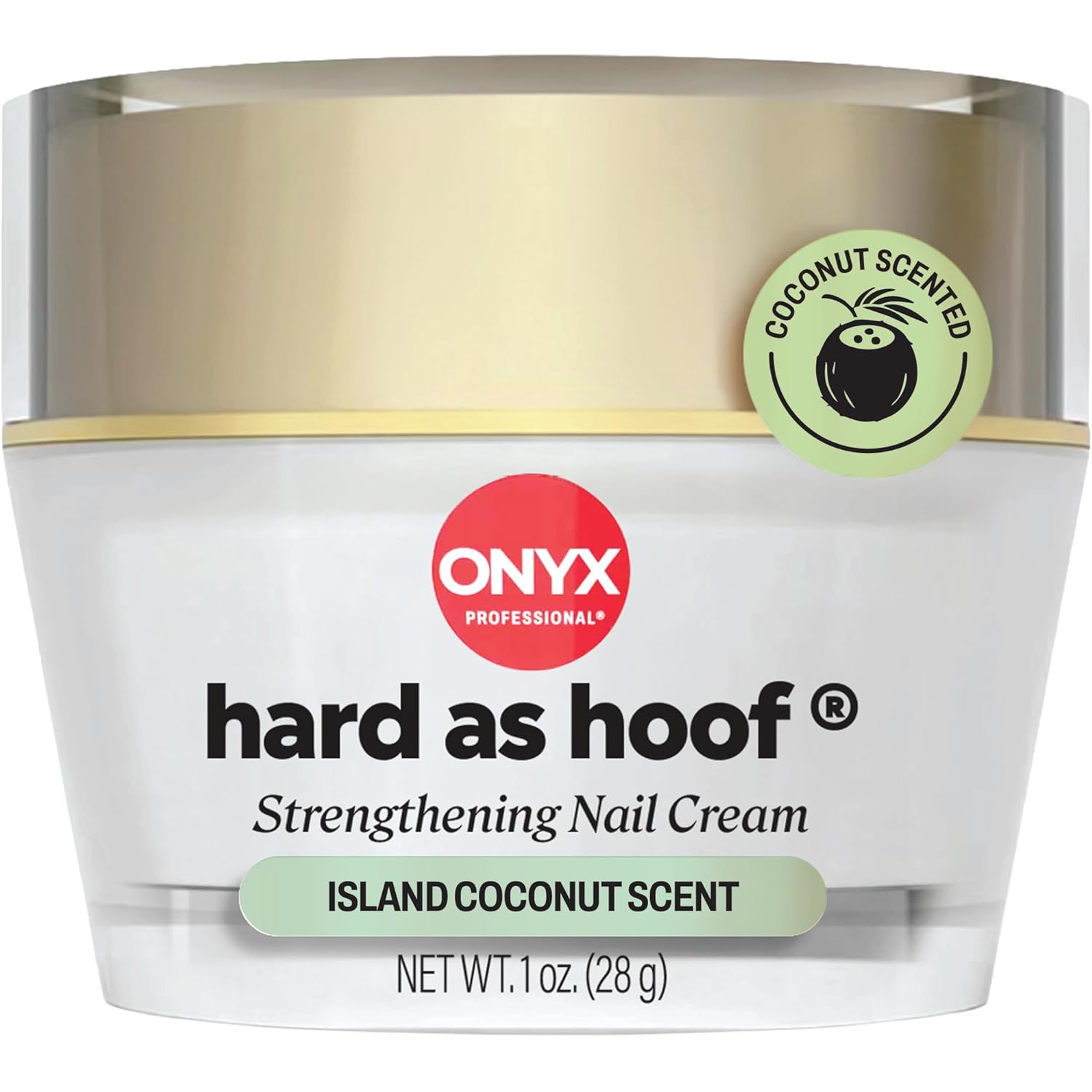
The best cuticle care routine is gentle, consistent, and focused on hydration rather than cutting. Softening, light cleanup, and daily oil use can help nails look healthier within days to weeks.
If you want the best cuticle care routine for healthy nails fast, focus on gentle cleanup, steady hydration, and avoiding damage. The goal is not to “remove” cuticles completely, but to keep the skin around the nail soft, neat, and protected so nails can grow in a cleaner-looking way.
- Hydrate first: Cuticle oil and hand cream do most of the work.
- Trim less: Cut only loose hangnails and dead tissue.
- Use tools gently: Light pressure protects the nail area.
- Stay consistent: Daily care beats occasional overdoing.
- Watch for warning signs: Pain, swelling, or redness needs professional advice.
What “Best Cuticle Care Routine” Means for Healthy Nails in 2025
In 2025, the best cuticle care routine is simple, safe, and realistic. It should help your nails look tidier while supporting the skin barrier around the nail, which matters more than chasing extreme length or a perfect polished finish.
For NailPrime readers, the smartest routine is one you can repeat without irritation. That usually means less cutting, more moisturizing, and using tools only when they actually help.
Why cuticle care matters more than polish or nail length
Polish can make nails look finished, but cuticle care affects how healthy the nail area feels day to day. Dry, cracked, or overworked cuticles can make nails look rough even when the polish is fresh.
Healthy cuticles also help reduce picking, hangnails, and the temptation to over-file the nail edge. If you want nails that look better with or without color, cuticle care is the foundation.
What readers are really looking for: faster growth, cleaner nails, less peeling
Most people searching for a best cuticle care routine want three things: nails that seem to grow faster, a cleaner nail line, and less peeling around the fingertips. A good routine can support all three, but results depend on nail condition, habits, and consistency.
If your nails are also weak or breaking easily, it may help to pair this routine with broader beginner nail care essentials and a nourishing oil that fits your daily use.
Tools and Products That Actually Belong in a Cuticle Care Routine
You do not need a huge kit to care for cuticles well. A few basic tools and products are usually enough for at-home maintenance, and the right choices depend on how dry your skin gets and how often you do manicures.
Cuticle oil, hand cream, remover, pusher, nippers, and buffer: what each does
Cuticle oil helps soften the skin around the nail and supports flexibility. Hand cream adds moisture to the hands and seals in hydration after washing, while cuticle remover can help loosen built-up dead skin before gentle cleanup.
A cuticle pusher is used to nudge softened cuticle skin back carefully, not forcefully. Nippers should be reserved for true hangnails or dead tissue, and a buffer can smooth minor roughness on the nail surface when used lightly.
Hand cream
Cuticle remover
Cuticle pusher
Nippers
Fine buffer
Soft skin is easier to manage and less likely to peel
Budget vs premium product comparison for everyday use
Budget products can work well for everyday care if they are gentle and easy to use. Premium products may feel nicer, absorb better, or come in more convenient packaging, but the best choice is the one you will actually use consistently.
| Option | Best For | Note |
|---|---|---|
| Budget cuticle oil | Daily moisturizing | Good for frequent use if the formula feels comfortable |
| Premium oil or cream | Dry cuticles or gift sets | May feel richer, but results still depend on consistency |
| Basic pusher and nippers | Simple home upkeep | Choose tools that feel controlled, not harsh |
Product names, ingredients, and salon pricing can vary by location and brand. If your skin is sensitive, check labels carefully and patch test new products when possible.
Step-by-Step Best Cuticle Care Routine for Home Use
This routine is designed to be gentle enough for regular use and effective enough to keep nails looking neat. Work slowly, use light pressure, and stop if anything feels sore or irritated.
Wash your hands with mild soap and warm water, then pat them dry. A short soak can help soften the skin, but long soaking may leave nails too soft or swollen, which can make cleanup less precise.
Use only a small amount of cuticle remover and follow the product directions. It should loosen dead skin, not burn or sting; if it does, wash it off and stop using it.
Use a clean pusher and move the softened cuticle back with light pressure. The goal is a neat nail line, not scraping or forcing the skin away from the nail plate.
If you see a loose hangnail, trim only the lifted piece with clean nippers. Never cut living cuticle tissue, because that can create pain, redness, and a higher risk of damage.
Finish with cuticle oil around each nail, then apply hand cream over the hands. This is the step that helps the routine actually last, especially after washing, sanitizing, or using acetone.
Do not use cuticle remover on broken skin, and do not cut deeply into the nail folds. If you are unsure whether tissue is dead or living, leave it alone.
How Often to Do Cuticle Care Without Damaging Nails
The best schedule is usually light daily care with one deeper cleanup session each week. Overdoing cuticle work can make the area drier and more reactive, especially if you already wash your hands often.
Daily, weekly, and monthly maintenance schedule
Daily care can be as simple as applying oil once or twice and using hand cream after washing. Weekly care can include gentle pushing back, light cleanup, and trimming only obvious hangnails.
Monthly care is a good time for a more complete manicure prep, especially if you wear polish or want a cleaner look for events. If you use gel or acrylic services, your maintenance may also depend on the salon’s refill schedule and your nail growth rate.
Oil, hand cream, and protection after washing or sanitizing.
Gentle push-back, light cleanup, and hangnail trimming if needed.
Full refresh for polish prep or salon-style maintenance.
Time needed per routine: quick upkeep vs full manicure prep
A quick upkeep session may take only a few minutes if you are just oiling and moisturizing. A fuller routine with remover, push-back, and cleanup usually takes longer, but it should still feel manageable at home.
Common Cuticle Care Mistakes That Slow Nail Health
Many cuticle problems come from doing too much, too fast. A gentle routine usually works better than trying to make the nail area look “perfect” in one session.
Cutting living cuticle tissue
Cutting living tissue can leave the area sore and more likely to crack or peel later. If you only remove loose dead skin and hangnails, you reduce the chance of irritation.
Using metal tools too aggressively
Metal tools are useful, but aggressive pressure can scrape the nail plate or push too hard on the skin. Use slow, controlled movements and stop as soon as the cuticle looks neat.
Skipping hydration after washing, sanitizer, or acetone
Frequent washing, sanitizer, and acetone can all leave the skin around nails drier. If you skip hydration afterward, cuticles may become rough, tight, and more prone to tearing.
Picking, biting, or peeling dry cuticles
Picking at dry skin can turn a tiny rough patch into a painful hangnail. If you tend to do this, keep oil nearby and trim only what is already loose instead of pulling at it.
Cuticles look ragged, sore, or constantly dry even after basic care.
Fix
Scale back trimming, increase daily oil use, and avoid picking or scraping the area.
Signs Your Cuticles Need Extra Help or a Nail Tech Visit
Some cuticle issues are simple dryness, but others can point to infection, allergy, or nail damage. When symptoms go beyond mild roughness, it is better to pause home care and get help.
When redness, swelling, cracking, or pain may signal infection
Redness, swelling, warmth, drainage, or increasing pain can suggest a problem that needs professional attention. Cracking that keeps reopening may also mean the skin barrier is not healing well on its own.
When to stop at-home care and seek a licensed nail tech or medical advice
If the area is bleeding, swollen, painful, infected, or reacting badly to a product, stop your routine. A licensed nail tech may be able to adjust the manicure approach, but medical symptoms should be checked by a dermatologist or healthcare professional.
Contact a licensed nail tech, dermatologist, or healthcare professional if you notice spreading redness, pus, severe tenderness, or repeated nail lifting. Do not keep trimming or pushing back the area if it hurts.
Avoid salon services if the nail area is bleeding, swollen, painful, infected, or reacting badly to a product.
Best Cuticle Care Routine for Different Nail Types and Lifestyles
The best cuticle care routine changes a little depending on your nail type, your daily habits, and whether you wear enhancements. What works for one person may be too much or too little for another.
Dry, brittle nails and frequent hand-washers
If your hands are dry or you wash them often, prioritize moisture over trimming. Use oil after every wash when possible, and keep hand cream in places you use often, like your desk, bag, or sink.
If your nails also split or break easily, it may help to read more about why nails break easily so you can adjust your routine beyond the cuticle area.
Gel, acrylic, and natural nail wearers
Natural nails usually respond well to simple oil-and-cream care with light weekly cleanup. Gel and acrylic wearers should be careful around the cuticle line, because over-pushing or rough removal can affect how the enhancement sits and may lead to lifting.
If you are comparing enhancement options, our guide to gel nails explained can help you understand why careful prep matters. For removal habits, it is also smart to avoid harsh shortcuts that can stress the nail area.
Men’s grooming and low-maintenance routines
Men’s cuticle care does not need to look polished or complicated. A low-maintenance routine can be as simple as weekly cleanup, daily hand cream, and a quick oil application after hand washing.
For a neat, natural look, trim only hangnails and keep the nail edge clean rather than trying to make the cuticle area look overly “manicured.”
Many nail pros focus on softening and moisturizing first because dry cuticles are harder to clean safely than hydrated ones.
Final Recap: The Fastest Path to Healthy Cuticles and Stronger Nails
The fastest path is not a dramatic cuticle overhaul. It is a steady routine: soften, clean gently, remove only loose dead skin, and moisturize every day.
Simple routine summary and realistic results timeline
You may notice softer cuticles and a cleaner nail line within days if you stay consistent. Bigger changes, like fewer hangnails and a healthier-looking nail area, often take several weeks of regular care.
If you want a deeper cuticle hydration strategy, a focused product guide like our cuticle growth and strength article can help you choose an oil that fits your routine.
Key takeaways for maintaining healthy nails year-round
Keep your routine gentle, hydrate often, and avoid cutting living skin. That combination usually does more for healthy-looking nails than any one tool or trend.
For lasting results, think maintenance, not rescue work. The best cuticle care routine is the one you can repeat comfortably all year.
Common Questions
Start with hand washing, cuticle oil, and a gentle push-back only when needed. Add trimming only for loose hangnails.
Daily use is ideal, especially after washing hands or using sanitizer. More frequent use can help if your cuticles are very dry.
It can if used too often or left on too long. Follow the directions closely and avoid applying it to broken skin.
Dryness, picking, and frequent washing are common causes. Regular moisture and less cutting usually help.
You can, especially for a neat manicure prep or if you prefer a professional touch. Choose a salon that uses clean tools and stop if the area feels painful.
Frequently Asked Questions
Look for clean tools, fresh liners or sanitized workstations, and a tech who does not rush through the service. If anything looks dirty or reused unsafely, it is best to leave.
A gentle service usually involves a pusher, clean nippers for loose hangnails, and light cleanup rather than deep cutting. The tech should use controlled pressure and stop if the skin looks irritated.
A quick at-home version can take just a few minutes, while a fuller manicure prep takes longer. Timing depends on how dry your cuticles are and how much cleanup is needed.
Tipping customs can vary by location and salon policy. If you are unsure, check local expectations or ask the front desk politely.
Wash it off right away and stop using the product. If redness, swelling, or pain continues, contact a dermatologist or healthcare professional.
Look for a formula that feels comfortable, absorbs well, and is easy to use every day. The best option is usually the one you will apply consistently without irritation.