Easy healthy nail maintenance works best when you keep nails gently shaped, moisturized, and protected from daily stress. A simple routine can reduce breakage, peeling, and salon repairs over time.
Easy healthy nail maintenance is less about doing more and more about doing the right basics consistently. If your nails peel, split, or snag often, a few small habit changes can make them look and feel stronger over time.
- Moisture matters: Use hand cream and nail oil regularly, especially after washing.
- Shape gently: File in one direction and avoid harsh buffing or over-shortening.
- Protect daily: Wear gloves for cleaning and avoid using nails as tools.
- Watch for damage: Pain, lifting, discoloration, or swelling needs professional attention.
Easy Healthy Nail Maintenance: What Readers Want to Achieve in 2026
For NailPrime readers, “healthy nails” in 2026 usually means nails that stay strong without constant salon fixes. The goal is not perfect, hard-as-acrylic nails; it is nails that flex a little, resist breakage, and recover well from everyday wear.
That matters because nails are exposed to water, soap, sanitizer, friction, and tools all day long. A simple routine can reduce damage without turning nail care into a full-time project.
Why “healthy nails” now means strength, flexibility, and low-damage upkeep
Strong nails are helpful, but overly rigid nails can still crack if they take a hit. Healthy nails usually need a balance of moisture, gentle shaping, and protection from repeated stress.
Low-damage upkeep also matters because many readers want nails that fit real life. That means fewer harsh removals, less aggressive buffing, and more practical maintenance that can be repeated week after week.
Who this guide is for: natural nails, weak nails, and busy routines
This guide is for anyone wearing natural nails, especially if they are thin, brittle, or prone to peeling. It is also useful if you keep your nails short for work, parenting, typing, or general convenience.
If your routine is busy, the best nail care plan is the one you can repeat. You do not need a long list of products to see improvement; you need a few habits that are easy to keep.
Daily Nail Care Habits That Prevent Breakage and Peeling
Daily care is where easy healthy nail maintenance starts. Small habits like drying thoroughly and moisturizing at the right time can help reduce peeling and splitting before they become a bigger issue.
Simple cleaning, drying, and moisturizing steps that take under 5 minutes
Keep nails clean, but avoid scrubbing them hard with sharp tools. After washing, dry hands and nails fully, especially around the cuticle area and under the free edge if it is long enough to trap water.
Then apply hand cream and a small amount of cuticle oil or nail oil. If you want product guidance, NailPrime readers often compare options in our best nail oil for healthy nails guide when choosing a routine product.
Best times to apply hand cream and cuticle oil for visible results
The easiest rule is to moisturize after water exposure and before bed. Nails and surrounding skin tend to benefit most when moisture is added after washing, not hours later when everything has already dried out.
Cuticle oil is especially useful when applied regularly to the nail plate and cuticle area. Hand cream helps seal in hydration, while oil can support a softer, less brittle feel around the nail edge.
Practical examples: after washing dishes, after hand sanitizer, before bed
After washing dishes, dry your hands well and use cream right away. Dishwater and cleaning products can strip moisture, so this is one of the most important moments to reset your routine.
After hand sanitizer, wait for it to dry, then moisturize if your hands feel tight. Before bed, use a richer cream or oil so your nails get a longer stretch of contact time overnight.
Keep a small hand cream in your bag, near the sink, and on your nightstand so moisturizing becomes automatic.
Safe Nail Trimming, Filing, and Shaping for Stronger Growth
Trimming and filing may seem basic, but they matter a lot for preventing stress points. A clean edge is less likely to catch on fabric, chip, or split than a rough one.
How to trim nails without creating stress points
Trim nails in small steps instead of taking off a lot at once. Leaving a little length can help protect the fingertip, but over-shortening can expose the nail to more impact and make daily tasks feel harsher.
If your nails are already weak, trim them when they are dry and use sharp, clean clippers or scissors. Dull tools can crush the edge instead of cutting it cleanly.
File direction, grit choice, and shape comparisons: square vs. soft oval vs. round
File in one direction rather than sawing back and forth. A finer file is usually gentler on natural nails, while very rough files can leave the edge frayed and more likely to peel.
Shape also matters. Square nails can look crisp, but the corners may snag more easily; soft oval and round shapes usually feel more forgiving for weak or frequently broken nails.
Best for nails that are naturally strong and not prone to corner breaks.
Good for most natural nails because it balances style and durability.
Best for short nails, active hands, and readers who want lower snag risk.
Common mistakes: sawing back and forth, over-shortening, and aggressive buffing
Back-and-forth filing can weaken the edge, especially if your nails are already thin. Over-shortening removes the part that helps absorb minor bumps, which can make breakage feel more frequent.
Aggressive buffing is another common issue. A little smoothing is fine, but too much can thin the nail plate and make it more vulnerable to peeling.
Moisture, Diet, and Product Choices That Support Nail Health
Moisture and product choice matter because nails are not meant to stay dry and stripped all the time. At the same time, nutrition and hydration affect how your nails look from the inside out.
What to look for in nail oils, hand creams, and strengthening treatments
Look for nail oils and creams that feel comfortable enough to use often. The best product is usually the one you will actually apply consistently, not the one with the longest ingredient list.
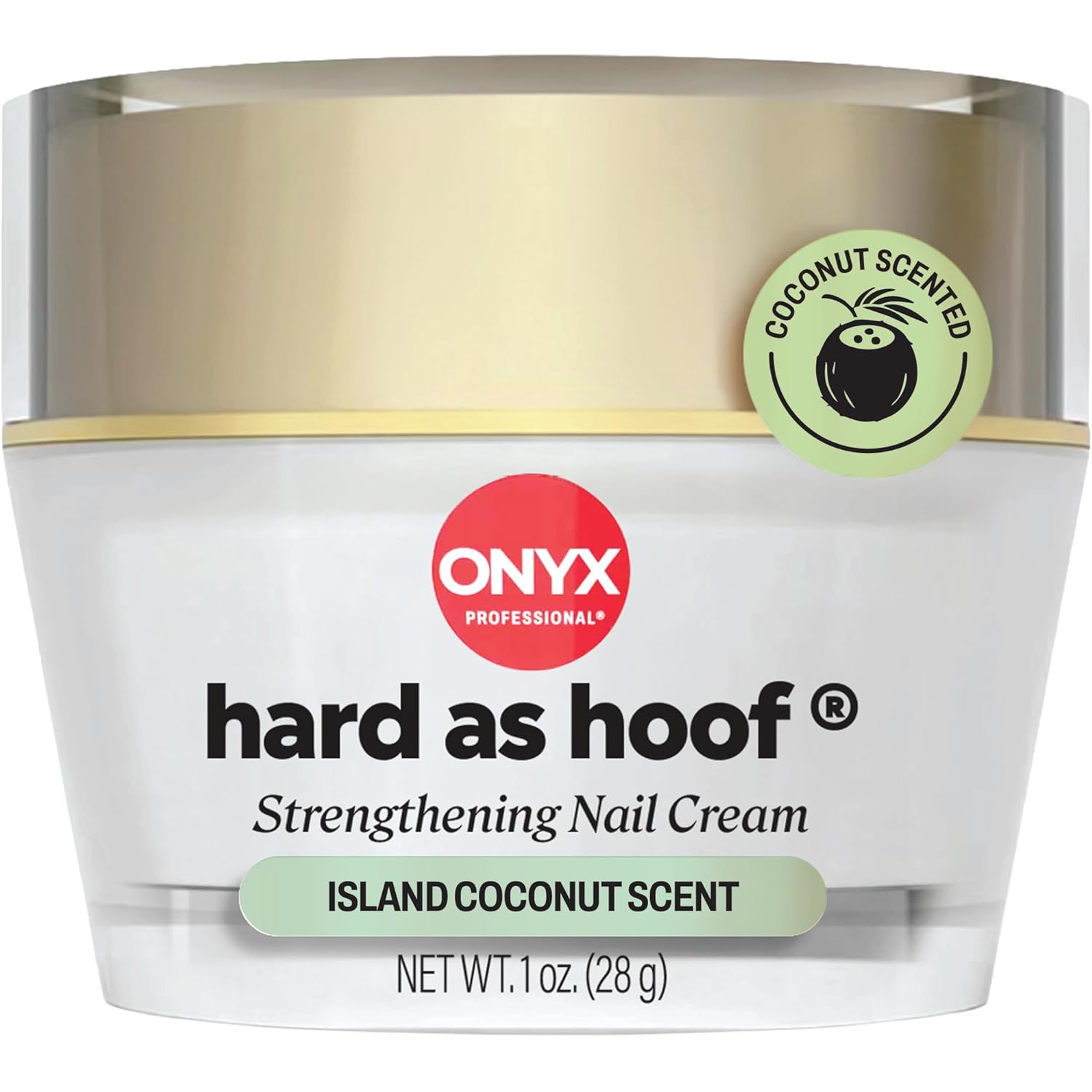
If you use a strengthening treatment, read the label carefully and avoid assuming that “harder” always means “healthier.” Some formulas can help with wear, but overly rigid results may not suit very flexible or dry nails.
If a product stings, burns, or causes redness, stop using it and check whether the nail area is irritated or reacting to an ingredient.
Hydration and nutrition basics that affect brittleness and splitting
Hydration supports overall nail condition, but it does not work like a quick fix. If your nails are brittle, it can help to drink enough water, eat balanced meals, and avoid long periods of dryness when possible.
Nutrition also plays a role, though nail changes often take time. If you suspect a deficiency or your nails suddenly change texture, it is safer to ask a healthcare professional rather than guessing.
At-home comparison: basic care only vs. care plus targeted strengthening products
Basic care only can work well for many people, especially if the main issue is dryness or minor peeling. That routine usually includes cleaning, drying, filing gently, and moisturizing regularly.
Adding targeted strengthening products may help if your nails chip easily or grow weak at the edge. Results vary by nail type, product formula, and how consistently you use them.
| Option | Best For | Note |
|---|---|---|
| Basic care only | Low-maintenance readers | Good starting point for dryness and minor peeling |
| Basic care + nail oil | Dry, flexible nails | Helpful when used daily or after washing |
| Basic care + strengthening treatment | Frequent breakage | Check ingredients and stop if nails feel too rigid |
How to Protect Nails During Work, Cleaning, and Everyday Tasks
Even the best nail routine can be undone by repeated stress. Protecting your hands during chores and work is one of the most cost-effective parts of easy healthy nail maintenance.
Glove use for dishes, gardening, and chemical exposure
Wear gloves for dishes, gardening, and cleaning products whenever possible. This helps limit water exposure, friction, dirt, and chemical contact that can dry out nails and surrounding skin.
If your gloves trap too much moisture, take them off when finished and dry your hands well. A quick hand cream afterward can help restore comfort.
Typing, opening cans, and using nails as tools: what to avoid
Try not to use nails to pry, scrape, or open objects. Opening cans, peeling labels, and picking at packaging can create tiny cracks that later turn into breaks.
Typing is usually fine, but very long nails may catch or bend more often. If you work at a keyboard all day, a shorter, rounded shape may be easier to maintain.
Low-cost prevention habits that save time and reduce salon repairs
Keep nails at a length that matches your lifestyle, not just your favorite photo reference. A shape that is slightly shorter and smoother often saves time because it snags less and needs fewer emergency fixes.
For readers who enjoy nail looks but want low-maintenance options, our gel nails explained article can help you compare common manicure choices before booking a service.
When Nail Damage Needs Professional Help from a Nail Tech or Doctor
Most routine nail wear can be handled at home, but some problems need a professional opinion. Persistent pain, infection signs, or unusual nail changes should not be treated as a normal part of nail maintenance.
Warning signs: persistent pain, lifting, discoloration, thickening, or infection
Watch for pain that does not go away, nail lifting, green or dark discoloration, thickening, swelling, or drainage. These can point to damage, infection, fungus, or another issue that needs attention.
If you notice bleeding, swelling, or a reaction after a product or enhancement, avoid further at-home experiments until the area has been checked.
Avoid salon services if the nail area is bleeding, swollen, painful, infected, or reacting badly to a product.
When a nail tech can help vs. when medical care is the safer choice
A licensed nail tech may be able to help with shaping, gentle maintenance, and safer cosmetic solutions for normal wear and tear. They can also often suggest practical salon approaches for weak nails, depending on what they see.
Medical care is the safer choice if the nail is painful, infected, thickening, lifting from the nail bed, or changing color in a concerning way. A dermatologist or healthcare professional can help identify the cause.
If damage keeps returning in the same nail, or if you suspect fungus, allergy, or infection, contact a licensed nail tech, dermatologist, or healthcare professional.
Why ignoring recurring damage can make maintenance harder and more expensive
Repeated breakage can gradually weaken the same area, making each new chip or split easier to trigger. What starts as a small snag can turn into a cycle of trimming, patching, and salon repairs.
Addressing the cause early is usually simpler than fixing long-term damage later. That is especially true if the problem comes from moisture imbalance, harsh products, or repeated trauma.
Easy Healthy Nail Maintenance Routine: Weekly Schedule and Final Recap
A weekly routine keeps nail care simple and realistic. You do not need to do everything every day, but you do need a pattern that covers cleaning, moisture, and damage checks.
Simple 7-day routine for filing, moisturizing, and checking for damage
Trim if needed, then file gently in one direction.
Apply hand cream after washing and use cuticle oil at night.
Check for snags, peeling, or rough edges and smooth them lightly.
Moisturize after hand sanitizer or cleaning tasks.
Inspect nails for lifting, discoloration, or soreness.
Reapply oil and cream before bed for an overnight moisture boost.
Reset the routine, clean tools, and plan the next trim if needed.
Time and cost breakdown: budget routine vs. upgraded routine
A budget routine can be very simple: a file, hand cream, and a basic cuticle oil. An upgraded routine may add a strengthening treatment, better gloves, or a salon manicure for shaping support.
Time and cost will vary by product choice, nail condition, and salon location. If you want a sense of what to keep on hand, our essential oil for nail health article may help you compare supportive add-ons.
Key takeaways for maintaining stronger nails long term
The best routine is the one you can repeat without stress. Keep nails gently shaped, moisturized after water exposure, and protected during chores.
If you stay consistent, easy healthy nail maintenance becomes less about fixing damage and more about preventing it. That is usually the simplest path to nails that look better, feel better, and break less often.
- Use gentle filing, regular moisture, and short daily habits to reduce peeling and breakage.
- Protect nails from water, tools, and chemicals so they stay stronger between trims.
- Get professional help for pain, infection signs, lifting, or unusual discoloration.
Frequently Asked Questions
Most people can file lightly as needed when the edge feels rough or snags. Use a gentle file and avoid over-filing the same spot.
Ask for a shape and service that supports weak nails, and mention any peeling, lifting, or pain. A licensed nail tech can suggest a gentler approach based on your nail condition.
Nail oil can help dry nails and cuticles feel more flexible when used regularly. Check that the formula feels comfortable on your skin and stop using it if it causes irritation.
Get checked if you have persistent pain, swelling, lifting, thickening, discoloration, or signs of infection. These symptoms can point to a problem that needs medical care.
Soft oval or round shapes are often easier to maintain because they snag less than sharp corners. Shorter shapes also tend to fit busy routines better.
Focus on a good file, hand cream, and cuticle oil, plus gloves for chores. Small prevention habits often reduce the need for repairs or salon fixes later.