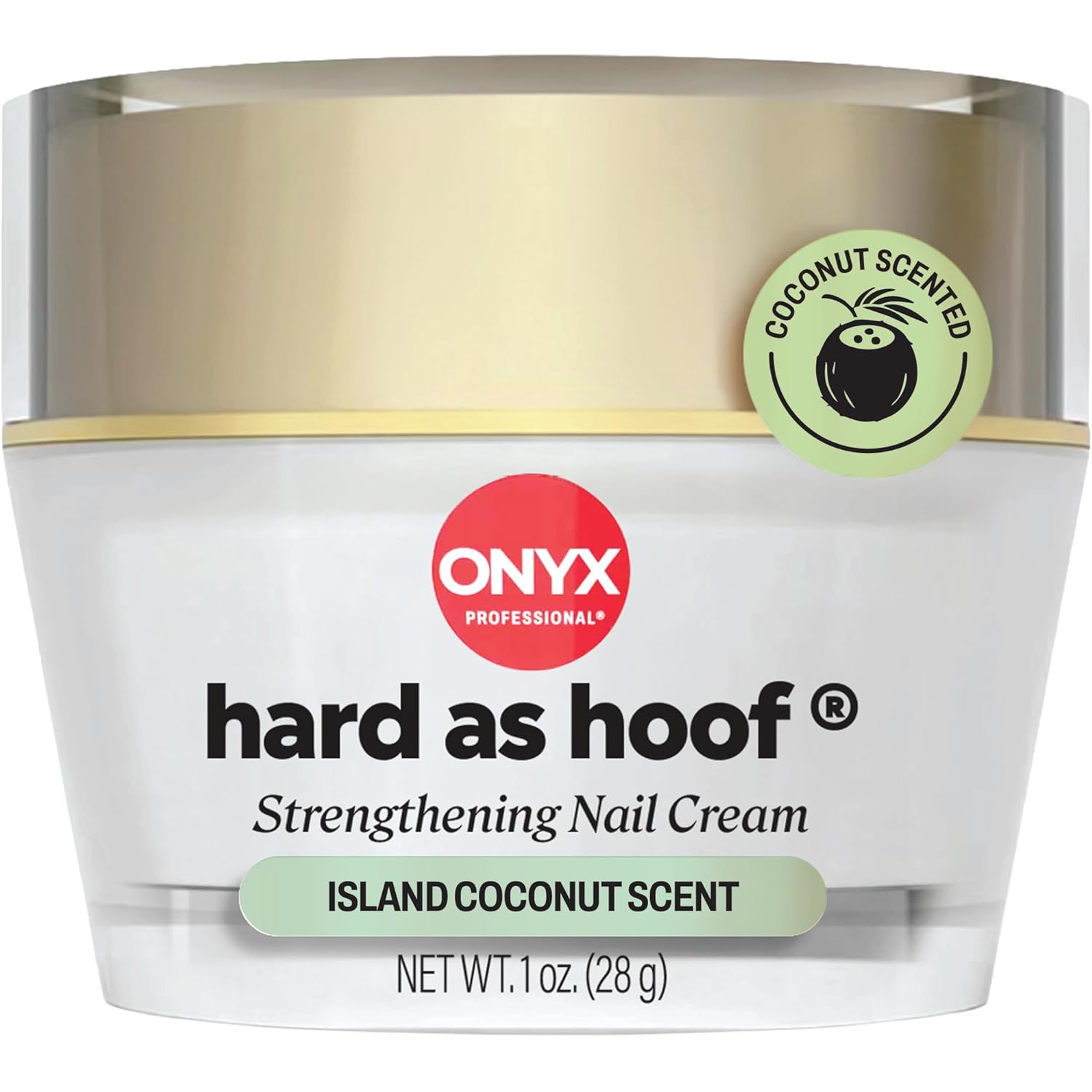
Daily nail health tips work best when they are simple: keep nails clean, moisturized, and protected from repeated water, chemicals, and rough handling. Watch for pain, swelling, lifting, or discoloration, and get professional help if symptoms do not improve.
Healthy nails usually come from small, repeatable habits—not occasional “repair” days. If you want stronger, cleaner, more resilient nails, the best daily nail health tips focus on moisture, protection, and gentle care that fits real life.
- Moisture matters: Use hand cream and cuticle oil every day.
- Protect often: Wear gloves for cleaning and wet work.
- Be gentle: File snags early and avoid peeling polish.
- Watch warning signs: Pain, swelling, or lifting needs attention.
What “Daily Nail Health Tips” Really Means in 2026
Search intent: simple habits for stronger, cleaner, more resilient nails
Most readers searching for daily nail health tips are not looking for a complicated routine. They want practical habits that help nails look neat, feel comfortable, and hold up better between manicures.
That means choosing routines you can actually repeat: wash gently, moisturize often, file carefully, and avoid habits that cause peeling or breakage. If you want a deeper look at why nails split or weaken, NailPrime also covers why nails break easily in more detail.
Why daily care matters more than occasional nail treatments
Nails grow slowly, so one treatment rarely changes them overnight. Daily care matters because your nails face repeated stress from water, cleaning products, typing, and grooming.
A few minutes each day can help prevent the small damage that adds up over time. That is often more effective than waiting until nails are already peeling, dry, or painful.
Healthy nail basics: growth, moisture balance, and protection
Healthy nails need a balance of moisture and protection. If nails become too dry, they can become brittle; if they stay wet for too long, they may soften and split more easily.
Daily nail care is really about supporting that balance. Think of it as protecting the nail plate, caring for the cuticle area, and reducing repeated friction.
Build a 5-Minute Daily Nail Care Routine That Actually Works
Morning and evening nail hygiene steps
A simple routine is easier to maintain than a long one. In the morning, wash hands gently, dry well, and apply hand cream before heading into your day.
At night, check for rough edges, reapply moisturizer, and use cuticle oil or a barrier balm if your hands feel dry. A small routine like this can be enough for office workers, parents, food service staff, and beauty professionals alike.
How to cleanse under nails without over-scrubbing
Clean under the nails with a soft nail brush or a gentle washcloth, not a sharp tool. Over-scrubbing can lift the nail edge or irritate the skin around it.
If dirt is stuck, soak briefly in warm water first, then clean lightly. The goal is to remove buildup without thinning or traumatizing the nail.
Best daily moisturizers: hand cream, cuticle oil, and barrier balms
Hand cream helps support the skin around the nails, while cuticle oil can help reduce dryness at the nail fold. Barrier balms are useful when your hands are exposed to frequent washing or cold weather.
Look for products that feel comfortable enough to use consistently. The best product is usually the one you will actually reapply during the day.
Keep a small hand cream near your sink, desk, and bag so moisturizing becomes automatic instead of optional.
Practical example: a workday routine for office, kitchen, or salon hands
If you work at a desk, moisturize after handwashing and before bed, then file any snags before they catch on fabric. If you work in a kitchen or salon, gloves and frequent drying matter even more because repeated water exposure can weaken nails.
For hands that stay busy all day, think short and realistic: clean, dry, moisturize, protect, and repeat. That is the kind of routine most people can maintain without feeling overwhelmed.
Wash with mild soap and dry thoroughly, including around the fingertips.
Apply hand cream after washing and add cuticle oil when nails feel dry.
Wear gloves for cleaning, dishwashing, or chemical exposure when possible.
File snags early so small breaks do not turn into larger splits.
Daily Habits That Strengthen Nails From the Inside Out
Hydration, protein, and key nutrients that support nail growth
Nails are made of keratin, so they generally do better when your overall diet is balanced. Drinking enough water, eating enough protein, and getting a mix of nutrients can support normal growth.
There is no single food that guarantees perfect nails, but steady nutrition matters more than quick fixes. If your diet has been very limited, improving it may help more than buying a new polish treatment.
How sleep, stress, and circulation affect nail condition
Sleep and stress do not just affect your energy; they can also show up in skin, hair, and nails over time. Poor rest may make it harder for your body to recover from daily wear and tear.
Good circulation also helps deliver nutrients throughout the body. Regular movement, stretching, and general wellness habits can support nail condition indirectly.
When supplements may help and when they are unnecessary
Supplements may be useful if a healthcare professional identifies a deficiency or if your diet is lacking key nutrients. But they are not always necessary for healthy-looking nails.
It is wise to be cautious with “nail vitamins” that promise dramatic results. If you are considering supplements, check with a healthcare professional first, especially if you take other medications or have health concerns.
Nails often show wear from daily habits before they show serious problems, which is why small changes can make a noticeable difference over time.
Protect Your Nails From the Most Common Everyday Damage
Water exposure, detergents, and frequent handwashing
Water is one of the most overlooked causes of nail weakness. Repeated soaking and drying can leave nails soft, then brittle once they dry out again.
Detergents and cleaning products can make that cycle worse. If your nails are prone to splitting, try gloves for dishes and cleaning, and moisturize right after your hands dry.
Typing, picking, opening cans, and other hidden stressors
Even everyday tasks can stress the free edge of the nail. Typing, scratching labels, prying open tabs, and picking at polish all add tiny amounts of damage.
These habits do not always cause immediate problems, but they can weaken nails over time. Using fingertips instead of nails for opening or scraping is a simple but important change.
Gloves, nail length choices, and safer grooming habits
Gloves are one of the easiest forms of protection, especially for cleaning or wet work. Nail length also matters: shorter nails are usually less likely to snag, bend, or break.
Safer grooming helps too. File in one direction, avoid aggressive cuticle trimming, and keep edges smooth so they are less likely to catch.
Common mistakes: using nails as tools, peeling polish, and skipping base coat
Using nails as tools is one of the fastest ways to create chips and splits. Peeling polish off by hand can also lift layers of the nail surface.
If you wear polish, a base coat can help create a smoother surface and may reduce staining. For readers who use gel or press-ons often, NailPrime also explains what gel nails are and how they fit into regular wear.
If your nails are already thin, painful, or lifting, avoid aggressive filing, peeling polish, or forceful removal. Gentle care is safer than trying to “fix” damage quickly.
Choose Nail-Friendly Products and Tools for Daily Use
Ingredients to look for in polish, remover, and cuticle care products
For daily use, many readers do best with gentle, non-drying products. Look for moisturizing ingredients in hand creams and cuticle oils, and choose a remover that matches how often you change polish.
If your nails are dry or fragile, it can help to prioritize conditioning over strong, fast-acting formulas. Product choice should match your nail condition, routine, and sensitivity level.
What to avoid: harsh acetone overuse, aggressive buffers, and drying formulas
Acetone can be useful for certain removals, but repeated overuse may be drying for some people. Aggressive buffers can also thin the nail surface if used too often.
If a formula leaves your nails feeling tight, rough, or very dry, scale back and add more moisture. For readers comparing removers, NailPrime has a separate guide on whether nail polish remover can remove gel.
Comparison: quick-dry polish vs. long-wear gel for everyday wear
Quick-dry polish is often convenient for busy routines because it is easier to change and usually simpler to remove. Long-wear gel can last longer, but it may require more careful removal and maintenance.
| Option | Best For | Note |
|---|---|---|
| Quick-dry polish | Frequent color changes | Easier for everyday wear and simple touch-ups |
| Long-wear gel | Longer-lasting shine | Removal and upkeep matter more |
Budget vs. premium nail care products: what is worth the cost
You do not need the most expensive products to care for your nails well. A good file, a basic hand cream, and a reliable cuticle oil may be enough for many people.
Premium products may be worth it if they feel more comfortable, last longer, or fit your routine better. But results can vary by nail type, product formula, and how consistently you use them.
Spot Early Warning Signs Before Nail Problems Get Worse
What brittle, ridged, yellowed, peeling, or spoon-shaped nails can signal
Brittle or peeling nails often point to dryness or repeated damage, while ridges can sometimes appear with age or stress on the nail plate. Yellowing may be caused by staining, product buildup, or other issues.
Spoon-shaped nails, severe thinning, or sudden changes deserve more attention. These signs do not always mean something serious, but they should not be ignored.
Nails are splitting, peeling, or bending more than usual.
Fix
Reduce water exposure, moisturize daily, and avoid harsh removal or filing.
Signs of infection, inflammation, or allergic reaction
Redness, swelling, warmth, pain, pus, or a rash around the nail can point to infection or irritation. Allergic reactions may also cause itching, lifting, or inflammation after a product is used.
If a new polish, glue, or treatment seems to trigger symptoms, stop using it and watch the area closely. Do not keep applying the same product if the reaction is getting worse.
When to stop DIY care and seek a nail tech or medical professional
If a nail is lifting, bleeding, very painful, or repeatedly breaking in the same spot, it is time to pause DIY care. A licensed nail tech can help with cosmetic concerns, but medical symptoms need a healthcare professional.
When in doubt, choose the safer path. A small delay is better than making a nail problem worse with more filing, more product, or forceful removal.
Contact a licensed nail tech, dermatologist, or healthcare professional if you notice spreading redness, swelling, pus, severe pain, nail lifting, or symptoms that keep returning.
Help warning: symptoms that need prompt attention
Seek prompt help if the nail area is bleeding, swollen, hot, or very tender, or if the nail changes quickly after a product service. Dark streaks, sudden discoloration, or a nail that becomes detached also deserve medical attention.
For fungal concerns, it is better to get proper guidance early rather than keep covering the problem with polish. If you suspect fungus, NailPrime has a dedicated article on nail fungus treatment options.
Avoid salon services if the nail area is bleeding, swollen, painful, infected, or reacting badly to a product.
Simple Weekly Checkpoints to Keep Your Nail Routine on Track
How to inspect nail length, cuticles, and polish condition
Once a week, take a close look at nail length, rough edges, and the skin around the nail. This is the best time to catch snags before they become breaks.
Check whether polish is chipping, lifting, or staining, and decide whether it needs a refresh. A quick weekly check keeps small issues from turning into bigger ones.
Safe trimming, filing, and cuticle maintenance schedule
Trim nails as needed to keep them from catching, then file lightly to smooth the edge. Avoid cutting healthy cuticle tissue; instead, gently soften and push back only what is loose and appropriate.
Many people do well with a weekly or every-other-week maintenance rhythm, but the right schedule depends on nail growth, length, and lifestyle. If you wear extensions or frequent salon sets, upkeep may need to be more regular.
- Any new splits or snags
- Dry cuticles or hangnails
- Polish lifting or staining
- Redness, pain, or swelling
- Length that makes daily tasks harder
Time and cost breakdown: low-effort daily care vs. salon upkeep
Low-effort daily care usually takes only a few minutes and can be done at home with basic products. Salon upkeep may offer a polished finish, but it depends on your budget, schedule, and the condition of your nails.
There is no single best choice for everyone. Some readers prefer simple natural nails with regular care, while others want salon services for shape, color, or durability.
Final recap: the most effective daily nail health tips for stronger, beautiful nails
The best daily nail health tips are the ones you can repeat without stress: keep nails clean, moisturized, and protected; avoid using them as tools; and watch for early signs of damage. Small habits matter more than occasional fixes.
If you stay consistent, your nails are more likely to look neat, feel comfortable, and hold up better through everyday life. That is the real goal of healthy nail care.
- Moisturize daily and protect nails from repeated water and chemical exposure.
- File gently, avoid peeling polish, and keep nail length practical.
- Watch for pain, swelling, lifting, or discoloration and get help early.
Frequently Asked Questions
Most people benefit from moisturizing after handwashing and again before bed. If your hands get dry often, reapply hand cream or cuticle oil during the day.
Gentle cleaning, regular moisturizing, and avoiding nails as tools are some of the safest habits. Wearing gloves for cleaning and filing snags early can also help.
Frequent remover use can be drying for some people, especially with strong formulas. If your nails feel brittle, reduce use and add more moisture.
Get medical advice if you notice pain, swelling, pus, spreading redness, nail lifting, or sudden color changes. A dermatologist or healthcare professional can help identify the cause.
Ask about gentle filing, removal methods, product choices, and how to maintain your nails between appointments. It is also reasonable to ask about salon hygiene and tool sanitation.
Shorter nails are usually less likely to snag or break during daily tasks. Longer nails can look elegant, but they may need more careful maintenance and protection.