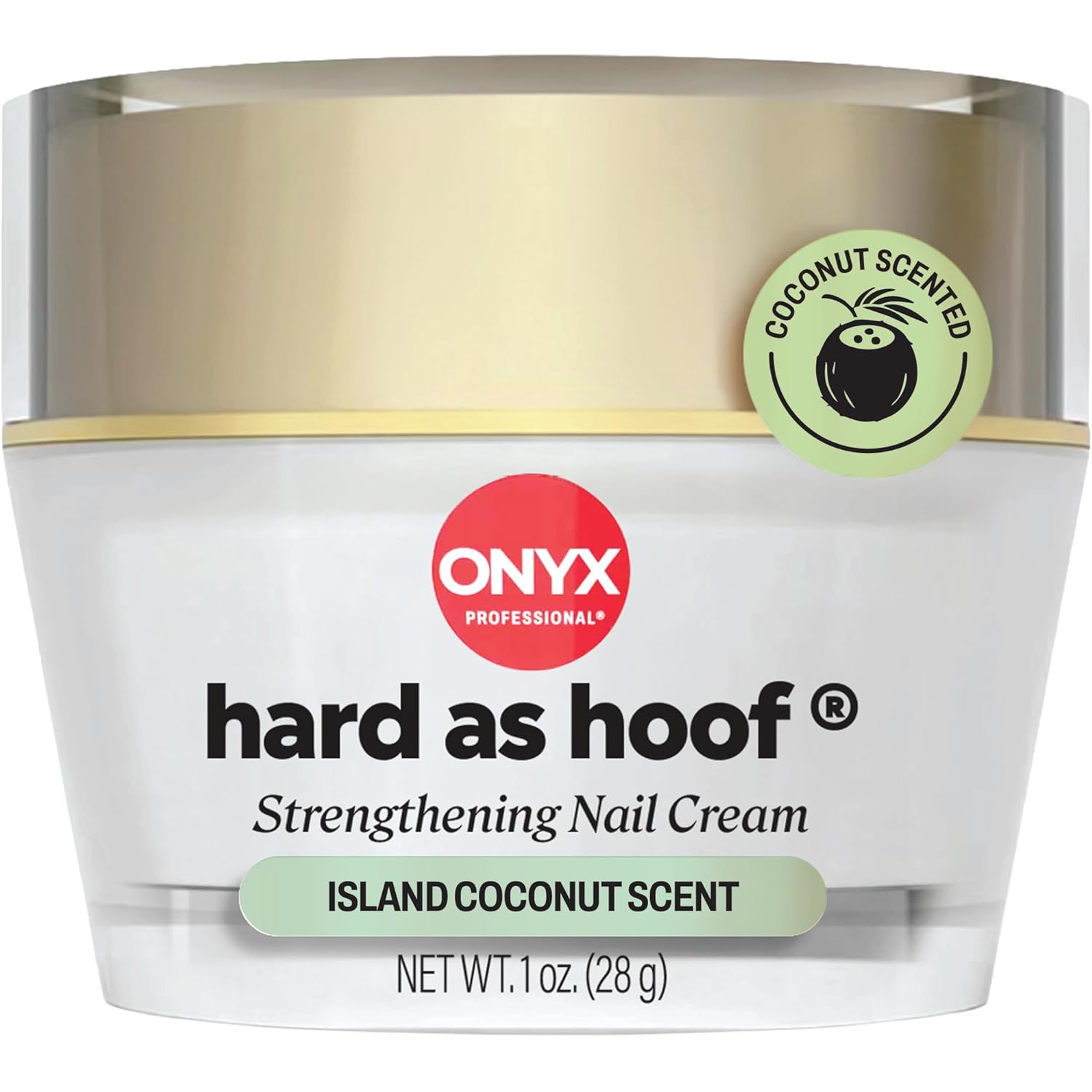
Safe nail care for healthy nails means using gentle shaping, clean tools, and good moisture habits to prevent breakage. It also means knowing when to pause treatments and ask a professional if you see pain, swelling, lifting, or discoloration.
Safe nail care for healthy nails is really about keeping your routine gentle, clean, and low-damage. The goal is not just pretty nails today, but nails that stay flexible, resist peeling, and grow without constant breakage.
- Gentle first: Fine-grit filing and minimal buffing help protect the nail surface.
- Moisture matters: Cuticle oil, hand cream, and gloves support flexibility.
- Removal counts: Harsh removal can cause more damage than polish itself.
- Salon safety: Clean tools and clear communication reduce irritation risk.
- Know the red flags: Pain, swelling, lifting, or discoloration should be checked.
Safe Nail Care for Healthy Nails: What “Safe” Really Means in 2026
In 2026, “safe” nail care means choosing habits and products that protect the natural nail plate, the skin around the nail, and the nail bed underneath. It also means being honest about what your nails can handle right now, because a routine that works for one person may be too harsh for another.
For NailPrime readers, safe care usually means fewer aggressive steps, better hygiene, and smarter product choices. That can include gentler filing, careful cuticle work, and removal methods that do not strip the nail surface.
Why nail safety matters for growth, strength, and long-term nail health
Nails do not grow faster because they are treated harder. In many cases, rough handling leads to peeling, splitting, and thin-looking nails that seem like they “won’t grow,” when they are actually breaking before length can build.
Safe habits help preserve the nail’s edge, reduce moisture loss, and lower the chance of irritation around the nail folds. Over time, that supports a smoother look and a stronger base for polish, nail art, or simple natural nails.
What readers are likely searching for: damage prevention, stronger nails, and salon-safe habits
Most people looking for safe nail care want practical answers: how to stop breakage, how to keep nails strong, and how to avoid damage from manicures. They also want to know what is worth paying for at a salon and what can be done at home.
If you have ever wondered why nails break so easily, it often comes down to repeated stress, dryness, harsh removal, or the wrong tools. If that is a concern, our guide on why nails break easily can help you connect the dots.
How to Build a Safe Nail Care Routine at Home
A safe home routine should be simple enough to repeat. The more consistent you are with gentle care, the less likely your nails are to chip, peel, or feel brittle between manicures.
Gentle cleaning, trimming, filing, and cuticle care basics
Start with clean nails, but avoid scrubbing under the nail with sharp tools. Wash hands normally, dry well, and use a soft nail brush only when needed.
Trim nails straight across or slightly rounded if that feels more comfortable. File in one direction with a fine-grit file, and avoid sawing back and forth because that can fray the edge.
Cuticles should be treated gently. Instead of cutting them aggressively, soften them after a shower or soak, then lightly push back only what is already loose.
If your nails split often, keep them a little shorter for a few weeks. Shorter nails usually bend less and are easier to maintain while you rebuild strength.
Practical examples of a weekly nail routine for busy schedules
A safe routine does not need to take long. For many people, five to ten minutes a few times a week is enough to keep nails in better shape.
Apply cuticle oil and hand cream after washing hands or before bed.
Check for snags, lightly file rough edges, and clean up polish chips if needed.
Use a base coat, avoid over-buffing, and remove polish gently.
Tools and products that reduce breakage and irritation
Choose tools that do the job without being too abrasive. A fine-grit file, a soft buffer used sparingly, a clean cuticle pusher, and a nourishing oil are usually enough for most at-home routines.
If you are shopping for a new file, look for one made for natural nails rather than a coarse file meant for heavy shaping. A good starting point is our guide to the best nail file grit for natural nails.
Common Nail Care Mistakes That Weaken Healthy Nails
Many nail problems come from small habits repeated over time. Even if a manicure looks neat right away, the wrong technique can quietly weaken the nail underneath.
Over-buffing, aggressive cuticle cutting, and using the wrong file grit
Buffing can smooth ridges, but too much of it thins the nail surface. That can leave nails feeling soft, bendy, or more likely to peel at the tips.
Aggressive cuticle cutting can also create irritation and tiny injuries around the nail fold. And if a file is too rough, it can cause edge splitting instead of a clean shape.
The nail surface looks thinner, feels tender, or peels after shaping.
Fix
Pause buffing, switch to a gentler file, and keep shaping minimal until the nail grows out.
Frequent polish changes, acetone overuse, and skipping base coat
Changing polish constantly is not automatically bad, but repeated removal can dry the nail if the process is too harsh. Acetone is effective, yet frequent soaking without follow-up care can leave nails and skin feeling stripped.
Skipping base coat can also make staining more likely, especially with darker shades. If you like regular color changes, protect the nail with a base coat and follow with oil and hand cream after removal.
For readers who wear enhancements, removal method matters even more. If you are comparing options, our article on how to remove fake nails at home can help you avoid the most damaging mistakes.
How these mistakes slow growth and cause peeling, splitting, or thinning
Nails may seem slower to grow when the free edge keeps breaking off. Peeling and splitting reduce visible length, which makes it feel like growth has stalled.
Thinning also makes nails more sensitive to water, detergents, and everyday impact. The safest fix is usually less force, more moisture, and better removal habits rather than more products stacked on top of damage.
Safe Salon and Nail Tech Practices to Ask For
A good salon service should leave your nails looking polished without leaving them sore, over-filed, or irritated. If a technician is careful and communicative, that is usually a better sign than a service that feels rushed.
What a professional should do to protect natural nails during manicures
At a minimum, a technician should avoid over-filing the natural nail, use clean tools, and handle cuticles gently. They should also ask questions about allergies, sensitivity, and what kind of finish you want.
If you are getting gel or another enhancement, safe prep matters. If you want a clearer overview of that category, see our guide to what gel nails are explained before booking.
Signs of a hygienic salon and properly sanitized tools
Look for a tidy workstation, fresh-looking implements, and a technician who washes or sanitizes tools between clients. Single-use items should not be reused if they are meant to be disposable.
You do not need to inspect every detail like an auditor, but it is reasonable to ask how tools are cleaned. A professional salon should be able to answer clearly without acting annoyed.
- Clean work surface
- Fresh files or sanitized tools
- Technician washes hands or sanitizes before service
- No strong chemical smell or visible dust buildup
When to speak up if a service feels too harsh or rushed
If filing feels painful, if cuticles are being cut too deeply, or if the nail surface is being aggressively thinned, speak up right away. You are allowed to ask for a gentler touch or to stop the service.
A respectful phrase like “Could we keep this a little gentler on the natural nail?” is often enough. If the service does not improve, it is okay to leave and choose another salon.
How do I ask a nail tech to be gentler?
Say that you want to keep your natural nails healthy and prefer light filing, minimal cuticle cutting, and a gentle removal process. A good technician should understand and adjust the service.
Product and Service Comparisons: What Helps Healthy Nails Most
The best option depends on your nail condition, your routine, and how much maintenance you are willing to do. Some finishes are lower commitment, while others can be beautiful but require more careful upkeep.
Regular polish vs. gel vs. dip vs. acrylic for nail safety and maintenance
Regular polish is usually the simplest option because it is easier to apply and remove. Gel, dip, and acrylic can last longer, but they often need more prep, more careful removal, and more maintenance between appointments.
| Option | Best For | Note |
|---|---|---|
| Regular polish | Low-maintenance wearers | Gentler to remove, but chips sooner |
| Gel | People who want longer wear | Can be a good choice if removal is done carefully |
| Dip | Those who like strong color and structure | May need more careful prep and removal |
| Acrylic | People who want added length and durability | Often best when maintained by an experienced technician |
Which options are best for weak, brittle, or naturally strong nails
Weak or brittle nails often do best with the least aggressive option that still fits your lifestyle. That may mean regular polish, short natural nails, or a gentle strengthening treatment rather than heavy enhancements.
Naturally strong nails may tolerate more options, but they still benefit from safe prep and removal. If you wear press-ons, the right adhesive and careful removal matter just as much as the look itself.
Cost and time comparison for upkeep, removal, and repair
Costs and timing vary by salon, location, and the type of service you choose. In general, lower-maintenance looks take less removal work, while longer-lasting enhancements may require more time and more careful aftercare.
That is why “cheaper” is not always the same as “gentler,” and “longer lasting” is not always the same as “better for your nails.” Choose based on your nail goals, not just the finish you see on day one.
Ingredients and Habits That Support Stronger Nail Growth
Healthy nails are shaped by both what you put on them and how you treat them day to day. Moisture, protection, and consistency usually matter more than dramatic treatments.
Hydrating oils, strengthening treatments, and protective top coats
Cuticle oil can help keep the nail area more comfortable and flexible, especially if your hands are often washed or exposed to dry air. A protective top coat can also help polish last longer and reduce surface wear.
Strengthening treatments may help some nails feel less fragile, but they are not magic. If a product makes your nails feel hard but also more likely to snap, it may not be the best fit for your nail type.
If you want to learn more about oil options, our guide to the best nail oil for healthy nails is a useful place to start.
Handwashing, moisture balance, gloves, and daily protection tips
Frequent handwashing is important, but water and soap can dry the nail area if you do not rehydrate afterward. Try to dry hands well and follow with cream or oil when possible.
Wear gloves for dishes, cleaning, and prolonged water exposure. That simple habit can reduce swelling, dryness, and the softening that often leads to peeling.
Nails can absorb water and temporarily swell, which may make them feel softer and more prone to bending until they dry fully.
Nutrition and lifestyle habits that influence nail condition
Nails often reflect overall habits like hydration, sleep, and balanced eating. A varied diet with enough protein and key nutrients supports the body that builds the nail plate in the first place.
That said, nail changes can have many causes, and supplements are not a guaranteed fix. If your nails suddenly change texture, color, or strength, it is worth paying attention rather than assuming it is just cosmetic.
Warning Signs Your Nails Need a Break or Professional Help
Sometimes the safest step is to stop adding more products and let the nail recover. Other times, the issue may need a licensed nail tech or medical professional to look at it more closely.
Red flags like pain, lifting, discoloration, swelling, or repeated breakage
Watch for pain, swelling, green or dark discoloration, lifting from the nail bed, or breakage that keeps happening even when you are careful. These can signal irritation, trauma, or a problem that should not be ignored.
If you notice bleeding, swelling, strong pain, or a reaction after a product service, stop using the product and avoid further filing or polishing until the area is calm.
When to stop at-home treatments and consult a nail tech or medical professional
If the nail is only dry or mildly rough, a simple break from enhancements may be enough. But if the nail looks infected, the skin is inflamed, or the damage is getting worse, it is time to get professional help.
Contact a licensed nail technician, dermatologist, or healthcare professional if you have persistent pain, swelling, suspected fungus, allergy symptoms, or nail lifting that does not improve.
How to recover damaged nails safely without making the problem worse
The safest recovery plan is usually simple: keep nails short, avoid harsh removers, use gentle filing, and moisturize regularly. If you wear polish, choose easier removal methods and give the nail time between services.
Avoid salon services if the nail area is bleeding, swollen, painful, infected, or reacting badly to a product.
For some readers, the best next step is a true break from enhancements. For others, it may be switching to a gentler system and learning safer removal habits, especially if you use press-ons or glue-based styles.
Final Recap: The Safest Path to Healthy, Stronger Nails
Safe nail care for healthy nails is less about doing more and more about doing the right basics consistently. Gentle shaping, good hygiene, moisture, and careful removal are what help nails stay strong over time.
Key takeaways for building a low-damage routine that supports growth
The safest routines protect the natural nail, avoid over-filing, and keep the surrounding skin comfortable. They also match your real life, so you can maintain them without stress or overcomplication.
Simple next steps readers can apply right away for safer nail care
Start by switching to a fine-grit file, using cuticle oil daily, and choosing gentler removal methods. Then pay attention to how your nails respond, because your nails will usually tell you when a routine is helping or hurting.
- Gentle filing and careful cuticle care protect the natural nail.
- Moisture, gloves, and proper removal help reduce peeling and breakage.
- Salon hygiene and honest communication matter for safer manicures.
- Pain, swelling, discoloration, or lifting should be checked by a professional.
Frequently Asked Questions
Look for a clean workstation, sanitized tools, and a technician who washes or sanitizes hands between clients. If you are unsure, it is okay to ask how tools are cleaned before the service starts.
The safest option depends on your nail condition and how well the service is applied and removed. Regular polish is usually the lowest-maintenance choice, while gel, dip, and acrylic may require more careful upkeep.
Stop adding more product and avoid more filing until the area settles. If you have pain, swelling, bleeding, or signs of infection, contact a licensed nail technician, dermatologist, or healthcare professional.
Avoid over-buffing, aggressive cuticle cutting, and using a file that is too rough for natural nails. Skipping base coat and overusing acetone can also dry and weaken nails over time.
Many people do well using cuticle oil once or twice a day, especially after washing hands or before bed. The best schedule depends on your nail dryness, climate, and daily routine.
Stop if you notice lifting, repeated breakage, discoloration, swelling, or ongoing pain. If the nail area looks infected or reacts badly to a product, get professional advice rather than trying to fix it at home.