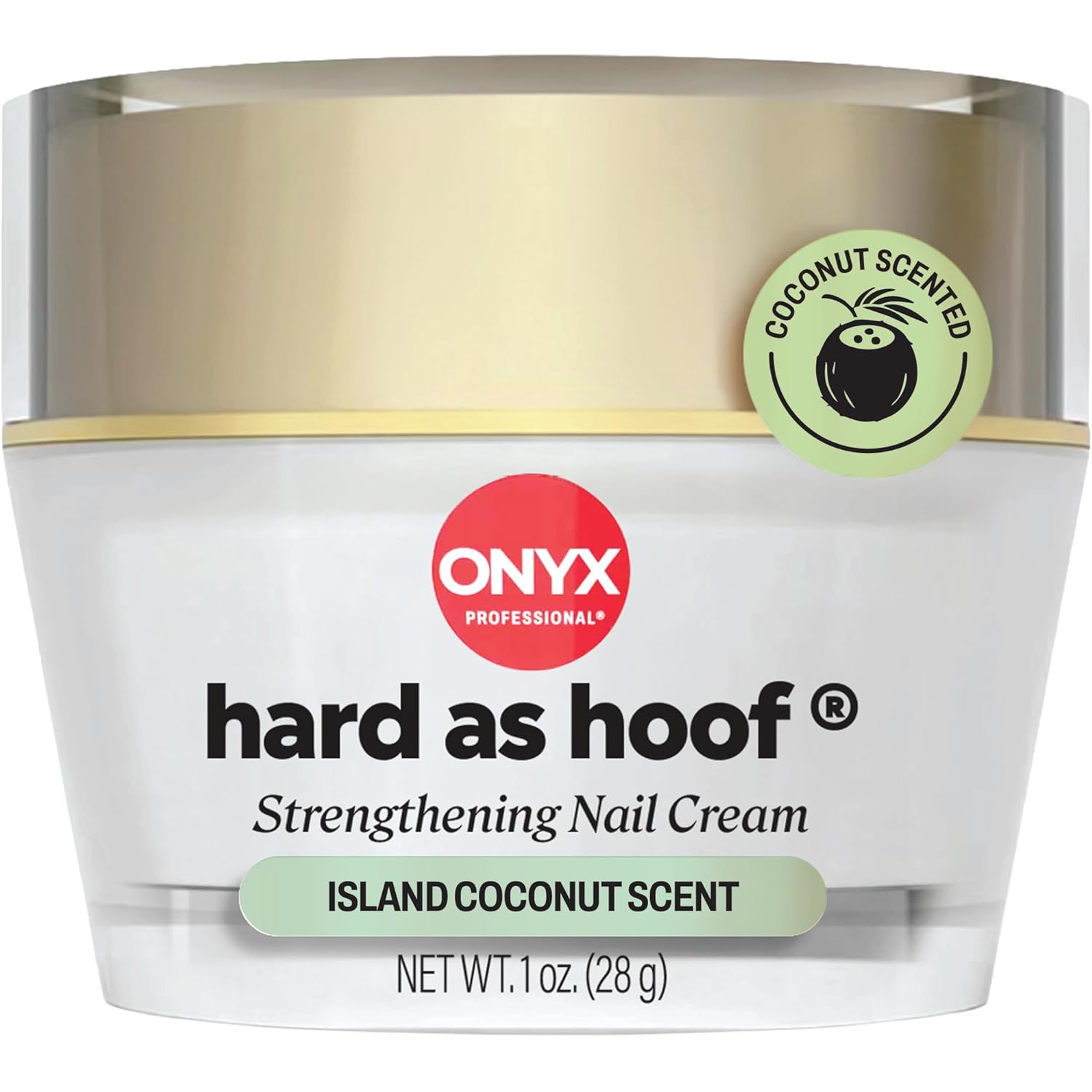
Moisture-focused care is best for nails that are dry, peeling, or brittle, while protective trimming and gentle shaping are better for active hands and frequent breakage. If you want a neat look with minimal upkeep, a low-maintenance natural finish can work, but it usually needs gentler removal and more care than bare nails.
Simple natural nail care is less about one perfect routine and more about choosing the method that protects your nails with the least stress. For some people, that means regular moisture and very light shaping; for others, it means keeping length short, sealing the edges, and avoiding anything that causes peeling or lifting.
- Best balance: Moisture plus gentle shaping works for many nail types.
- Best for damage control: Short, protective nails reduce snagging and edge splits.
- Best for dryness: Regular moisture helps brittle or peeling nails stay flexible.
- Best for convenience: Minimal-polish routines look neat but need careful removal.
Simple Natural Nail Care Methods Compared: Which Approach Best Supports Healthy Nails?
Direct answer: the healthiest simple natural nail care method depends on nail condition, daily habits, and how much upkeep you can maintain
The best simple natural nail care method is the one you can keep up consistently without irritating the nail plate or surrounding skin. If your nails are soft or peeling, moisture-focused care usually matters most; if your hands are constantly busy, protective trimming and gentle shaping may be the more realistic choice.
Healthy nails usually respond better to low-trauma routines than to dramatic changes. That means less aggressive filing, less picking at cuticles, and more attention to daily wear and tear.
What “simple natural nail care” means in 2025: low-chemical, low-trauma, maintenance-focused routines
In 2025, simple natural nail care usually refers to routines that keep nails clean, shaped, and hydrated without heavy product layers or frequent harsh removal. The focus is on reducing stress, preserving flexibility, and preventing small problems from turning into breakage.
This can include basic moisturizing, careful trimming, soft filing, cuticle protection, and sometimes a minimal-polish or bare-nail approach. The goal is not perfection; it is steady, realistic maintenance.
Moisture-based care is better for dryness, peeling, and brittle edges, while protective trimming works well for active hands and nails that break when they get too long.
Side-by-Side Comparison of the Most Common Simple Natural Nail Care Methods
Comparison table: moisture-based care vs. protective trimming vs. gentle shaping vs. minimal-polish routines
Most readers are not choosing just one method forever. In practice, simple natural nail care often combines two or more approaches, but the main emphasis changes based on nail condition and lifestyle.
| Feature | Moisture-Based Care | Protective Trimming / Gentle Shaping | Minimal-Polish Natural Routine |
|---|---|---|---|
| Best for | Dry, peeling, brittle nails | Active hands, weak free edges, breakage-prone nails | People who want a neat look with low upkeep |
| Maintenance | Often daily | Usually weekly or as needed | Weekly touch-ups, removal when needed |
| Breakage risk | Can improve flexibility over time | Often lower if length is kept practical | Depends on polish removal and prep |
| Appearance | Healthy, natural, slightly glossy | Clean, short, tidy | More polished and finished |
| Cost variation | Usually low, but varies by routine | Usually low, at home or salon | Varies more if salon polish or removal is involved |
What to compare: strength, flexibility, breakage risk, maintenance time, cost variation, and appearance
Strength is not just about hardness. Nails that are too dry can feel hard but still snap, while nails with enough flexibility may bend slightly without splitting.
Maintenance time matters because the best routine is the one you can repeat. Cost can also vary a lot depending on whether you do everything at home or use salon services for shaping, cleanup, or polish.
Moisture-Focused Natural Nail Care
Best for dry, peeling, or brittle nails that need flexibility and regular conditioning.
VS
Protective Trimming and Gentle Shaping
Best for active hands, short nails, and readers who want fewer snags and less daily breakage.
Moisture-based care may improve long-term flexibility, while protective trimming may reduce immediate stress on the free edge.
Protective trimming is usually easier to maintain because there is less length to manage, while moisture care has no removal step but needs consistency.
Key Differences Between Simple Natural Nail Care Methods
How each method affects nail plate health, cuticle condition, and edge splitting
Moisture-focused routines support the nail plate by helping reduce dryness around the nail and cuticle area. That can matter a lot for nails that peel at the edges or split after washing.
Protective trimming and gentle shaping reduce the leverage that longer nails place on the nail bed. This can lower the chance of snagging, especially if your hands are frequently in water, tools, or cleaning products.
Minimal-polish routines can help nails look smoother and more finished, but the benefit depends on how the polish is applied and removed. Rough removal or over-prep can undo the visual polish benefit by thinning the surface.
The healthiest method is often the one that reduces both dryness and trauma, not the one that looks the most “natural” on the surface.
Short-term results vs. long-term nail health outcomes
Short-term results are easy to see. A neat trim, a smooth file, or a bit of moisture can make nails look cleaner right away.
Long-term outcomes take more patience. Nails that are repeatedly over-filed, over-buffed, or left dry after washing may keep breaking no matter how polished they look for a day or two.
That is why simple natural nail care works best when it solves the cause of the problem, not just the appearance of it.
When a method helps and when it can make nails weaker or more fragile
Moisture-focused care helps when nails are dry, flexible, or peeling. It can be less useful if the real issue is length-related breakage, because soft care alone will not stop snags.
Gentle trimming helps when nails are catching on fabric or splitting at the tips. It can become a problem if the nail is cut too short or filed too aggressively, which may trigger more edge stress.
Minimal-polish routines help when you want a neat finish with limited upkeep. They can make nails weaker if removal is harsh or if the surface is repeatedly scraped and re-prepped.
Your nails are soft, dry, or peeling
Moisture-based care is usually the better starting point because it supports flexibility and helps reduce flaking at the edges.
Your nails break from everyday use
Protective trimming and shaping may work better if you need lower snag risk and a routine that fits a busy schedule.
Best-Fit Situations: Which Simple Natural Nail Care Method Works for Which Nail Type?
Best for soft, peeling nails
Soft, peeling nails usually do better with moisture-focused care and very gentle shaping. The priority is reducing dryness and avoiding any routine that thins the edge further.
In many cases, keeping nails slightly shorter while adding regular moisture is more helpful than trying to grow them long too quickly.
Best for dry, brittle nails
Dry, brittle nails often need a balance of hydration and protection. Moisture helps improve flexibility, but protective trimming may still be needed if the nails are catching or splitting at the tips.
A short, rounded, or softly squared shape is often easier to maintain than a sharp edge on brittle nails.
Best for weak or brittle nails that need fewer sharp corners and less snagging.
Best for a clean look with moderate protection, especially on nails that are not overly thin.
Best for fingers that want a slightly elongated appearance without much extra stress.
Best for active hands, frequent washing, or workplace restrictions
If you wash your hands often, use your hands for physical work, or need a very practical nail style, protective trimming usually makes the most sense. Shorter nails are easier to keep clean and are less likely to catch or chip.
For many people, this is the most realistic form of simple natural nail care because it lowers maintenance without requiring a full bare-nail reset every day.
Best for people who want a polished look with minimal upkeep
If you want a finished look but do not want a high-maintenance routine, a minimal-polish approach can be the middle ground. It gives a neater appearance than bare nails while still keeping the routine relatively simple.
The trade-off is that polish-related upkeep can add removal time and may require more care during prep and cleanup.
Choose moisture-focused care if your main issue is dryness, peeling, or brittleness, but choose protective trimming if your nails are mostly breaking from daily activity. Choose a minimal-polish routine only if you want a neater appearance and are comfortable with the extra maintenance that comes with polish removal.
Pros and Cons of Each Simple Natural Nail Care Approach
Moisture-focused care: benefits, limitations, and upkeep demands
Moisture-focused care is simple, low-cost in many cases, and easy to build into a daily habit. It can improve the feel and flexibility of nails over time.
The limitation is that it is not a quick fix for length-related breakage. If your nails are constantly snagging, moisture alone may not solve the problem.
- Helps dryness and peeling
- Supports cuticle comfort
- Fits a simple daily routine
- Needs consistency
- May not stop snagging by itself
- Can feel too minimal for very active hands
Gentle trimming and shaping: where it helps, where it can cause stress
Gentle trimming helps reduce breakage from length and can make nails look cleaner quickly. It is often the most practical option for people who use their hands a lot.
The risk comes from cutting too much, filing in one direction too aggressively, or rounding the corners too sharply. Those habits can create stress points that split later.
- Lower snag risk
- Easy to maintain
- Works well for busy routines
- Can be overdone
- May feel too plain for some people
- Does not address dryness on its own
Low-maintenance natural finish: convenience versus protection trade-offs
A bare or lightly polished natural finish is convenient because it is easy to maintain and usually looks clean. It can be a good choice if you want less salon time and fewer steps.
The trade-off is that it may offer less protection from everyday wear unless you keep the nails shaped well and moisturized. Convenience is useful, but it should not replace basic care.
Practical examples of how these methods look in everyday routines
A moisture-focused routine may look like washing hands gently, drying well, and applying a conditioning step after water exposure. A protective routine may mean keeping nails short, filing lightly, and preventing corners from catching.
A minimal-polish routine may involve a clean prep, a simple finish, and careful removal when needed. Each one can be simple, but they protect nails in different ways.
Dry hands fully and reapply moisture if your nails feel tight or rough.
Look for snags, splits, or rough edges before they become larger breaks.
File lightly only when the edge starts to look uneven or catch on fabric.
Safety, Removal, and Maintenance Considerations for Healthy Nails
How to remove length, shape, or residue without causing peeling or trauma
When reducing length, it is usually safer to remove only a little at a time and finish with gentle filing. Ripping, biting, or forcing a break can split layers of the nail plate.
If you are removing residue from polish or buildup, avoid scraping the surface. The less pressure you use, the less likely you are to create peeling or thin patches.
Even simple natural nail care can become damaging if the nail surface is repeatedly filed, buffed, or picked at too hard.
Maintenance frequency: daily, weekly, and seasonal adjustments
Daily care is usually about moisture and protection. Weekly care is about shaping, checking for damage, and cleaning up rough edges before they worsen.
Seasonal changes matter too. Nails may need more hydration in dry weather and more practical trimming during periods of heavy hand use or frequent washing.
Nail tech warning signs: when weakness, pain, discoloration, or lifting needs professional attention
If nails become painful, lift from the nail bed, change color, or show swelling or bleeding, that is no longer a simple care question. Those signs deserve attention from a licensed nail technician, dermatologist, or healthcare professional.
The same is true if a product triggers burning, itching, rash, or worsening redness around the nail area.
Contact a licensed nail tech, dermatologist, or healthcare professional if you notice pain, lifting, discoloration, swelling, bleeding, or signs of infection.
Cost and time variation: at-home simplicity versus salon-level maintenance
At-home simple natural nail care is usually the most flexible in terms of time and cost, but results depend on consistency and technique. Salon services may save effort on shaping or cleanup, though prices and service details vary by location.
For some readers, the best balance is a mostly at-home routine with occasional professional help when shaping, damage, or special maintenance becomes harder to manage alone.
Common Mistakes That Undermine Simple Natural Nail Care
Over-buffing, over-filing, and aggressive cuticle pushing
One of the biggest mistakes is treating the nail surface like it needs constant correction. Over-buffing can thin the plate, and aggressive filing can create weak edges that split later.
Cuticles also need a gentle approach. Pushing too hard or cutting too much can irritate the skin and open the door to damage or infection.
Using nails as tools and skipping moisture after washing
Nails are not meant to pry, scrape, or open packaging. Using them as tools creates tiny stresses that add up over time.
Skipping moisture after washing is another common issue. Water exposure without follow-up care can leave nails and surrounding skin dry and more likely to peel.
Confusing “natural” with “no care” and letting damage build up
Natural nail care does not mean ignoring your nails. It means caring for them in a simpler, lower-trauma way.
If you let rough edges, dryness, or snags build up, small problems can become breakage that is harder to manage later.
Ignoring hygiene, sanitation, and signs of infection or nail disease
Clean tools, clean hands, and careful habits still matter in natural routines. Hygiene is part of nail health, even when you are not using heavy products.
If you notice unusual thickening, spreading discoloration, odor, or persistent pain, do not treat it as a routine issue. Get professional guidance instead.
Do not continue salon or home nail care if the area is bleeding, swollen, infected, or reacting badly to a product.
Final Recommendation: The Most Balanced Simple Natural Nail Care Method for Healthy Nails
Final recap of which method offers the best balance of health, practicality, and maintenance in 2025
The most balanced simple natural nail care method in 2025 is usually a hybrid of moisture-focused care and gentle protective shaping. That combination supports nail flexibility while also reducing the daily risk of snags and splits.
If your nails are dry or peeling, lead with moisture. If your hands are active or your nails break easily from length, lead with protective trimming. If you want a cleaner finish, add minimal polish only when the removal process stays gentle.
For most readers, the best simple natural nail care routine is the one that combines regular moisture with low-stress shaping, because it balances health, practicality, and upkeep. Choose a minimalist bare-nail routine if your nails are already stable and low-maintenance, but choose a more protective routine if you deal with peeling, frequent breakage, or heavy hand use.
Summary of when to choose a minimalist routine versus a more protective routine
Choose minimalist care when your nails are naturally resilient, your daily activities are gentle, and you want the least possible upkeep. Choose protective care when your nails are thin, your hands work hard, or your edges keep catching before they can grow out.
Simple natural nail care works best when it matches your real life, not when it follows the most polished-looking routine on paper.
Frequently Asked Questions
Brittle nails usually do best with moisture-focused care plus gentle shaping. If the nails keep splitting, a more protective short shape may help reduce everyday stress.
Protective trimming is often better if your nails snag, split, or get heavy daily use. Longer nails can look elegant, but they usually need more careful maintenance to stay healthy.
Most routines need some daily moisture and a weekly shape check. If your hands are very active or dry, you may need small adjustments more often.
Not always. A minimal-polish routine can look neater, but it only stays nail-friendly if prep and removal are gentle.
Cost varies by whether you do the care at home or use salon services, plus how often you maintain the nails. Nail condition, location, and service type can also change the total.
Pain, swelling, bleeding, lifting, unusual discoloration, or signs of infection should be checked by a licensed nail technician, dermatologist, or healthcare professional.