
How to Choose Nail for Kids Safely and Easily

The safest way to choose nails for kids is to match the product to the child’s age, activity level, and sensitivity. Stickers, water-based polish, and short press-ons are usually the easiest beginner-friendly choices.
Choosing nails for kids should feel fun, not confusing. The safest option depends on age, activity level, product ingredients, and how easily the nails can be removed without damage.
- Age first: Younger kids usually do best with temporary, gentle options.
- Shape matters: Short, rounded nails are safer than long or pointed styles.
- Check ingredients: Look for kid-friendly, low-irritation formulas and easy removal.
- Watch for problems: Stop if you see redness, pain, swelling, or lifting.
Why Choosing the Right Nail for Kids Matters in 2025
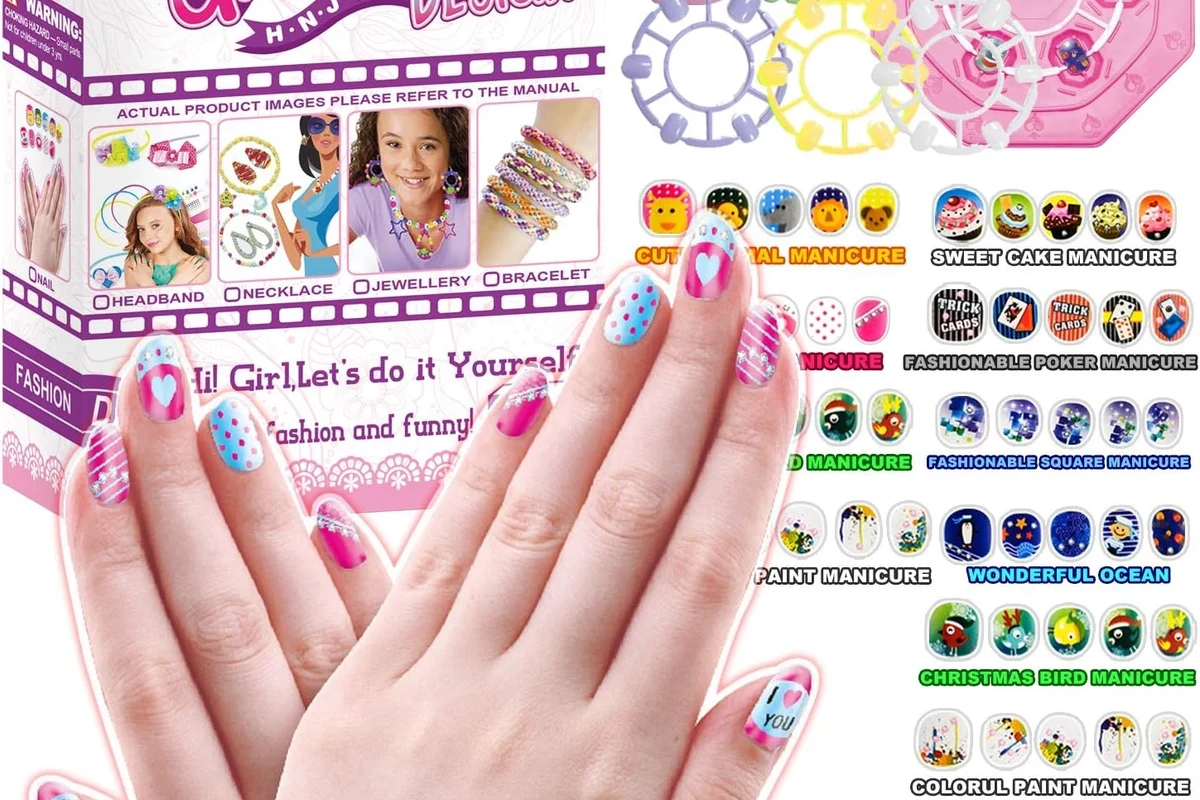
Visual guide: Why Choosing the Right Nail for Kids Matters in 2025
Kids’ nails are smaller, softer, and more sensitive than adult nails, so the wrong product can cause irritation, lifting, or breakage. A good choice also helps parents avoid tugging, strong adhesives, and designs that are too long or sharp for everyday play.
Safety, comfort, and age-appropriate style
The best kid-friendly nail choice balances three things: safety, comfort, and style. For children, that usually means shorter lengths, gentle formulas, and easy removal instead of long-lasting wear at any cost.
What parents and caregivers are actually searching for
Most parents want something simple, low-mess, and low-risk that still makes a child feel included. That is why many searches for how to choose nail for kids focus on non-toxic polish, press-ons for special events, and beginner-friendly options like stickers.
If you are comparing salon and at-home choices, it can help to first understand how to choose a good nail salon. A child-friendly salon should be clean, patient, and willing to explain products before applying anything.
How to Choose Nail for Kids Based on Age and Activity
Age matters because younger children are more likely to pick at products or put their hands near their mouths. Activity matters too, since sports, playground time, and daily handwashing can all affect how well a nail product stays on.
Toddlers and preschoolers: soft, temporary, low-risk options
For toddlers and preschoolers, the safest choices are usually nail stickers, water-based polish, or a very short-lived play manicure. These options are easier to remove and less likely to cause discomfort if a child touches or peels them.
For very young children, avoid anything that needs strong glue, long wear, or salon-style filing that can thin the nail plate.
School-age kids: durability without heavy chemicals
School-age kids often want something that lasts through a party, weekend, or school event. Water-based polish, peel-off polish, and short press-ons can work well if the product is made for children and removed gently.
At this age, it is also smart to check whether the child has nail brittleness or peeling. If nails already split easily, it may help to read more about why nails break easily so you can avoid products that make the problem worse.
Active kids: choosing nails that won’t snag, chip, or irritate
Active kids need shorter shapes and smooth edges. Rounded tips are usually better than pointed ones because they are less likely to snag on clothes, hair, or sports gear.
Best for toddlers, active kids, and short natural nails.
Good for everyday wear with a softer look.
A practical choice for older kids who want a neat shape.
More likely to snag, bend, or feel uncomfortable.
Best Nail Types for Kids: Press-On, Polish, Stickers, or Salon?
There is no single best option for every child. The right choice depends on how long the nails need to last, how sensitive the child’s skin is, and how much cleanup you want afterward.
Press-on nails for short-term fun and special events
Press-ons can be a cute choice for birthdays, photos, or dress-up days. For kids, choose short, lightweight styles and avoid heavy glue whenever possible.
If you want to compare styles before buying, it may help to review budget-friendly press-on nails and focus on kid-safe length, shape, and easy removal rather than dramatic designs.
Water-based and peel-off polish for easy removal
Water-based polish is often one of the easiest options for children because it is simple to remove. Peel-off formulas can also be useful for short wear, especially if a child likes changing colors often.
Shorter wear times are often better for kids because they reduce the chance of picking, peeling, and accidental nail damage.
Nail stickers and wraps for the safest beginner-friendly choice
Nail stickers are often the easiest starting point for kids because they do not require liquid polish or strong glue. They are also helpful for children who want nail art without a long drying time.
For many families, stickers are the most practical answer to how to choose nail for kids because they are quick, playful, and usually less messy than polish or press-ons.
When a salon service may be appropriate and when to avoid it
A salon service may be appropriate for an older child attending a special event, especially if the service is simple and the child can sit still comfortably. Keep the look short, gentle, and age-appropriate.
Avoid salon services if the nail area is bleeding, swollen, painful, infected, or reacting badly to a product.
Should a child get acrylic-style or high-maintenance enhancements?
Usually no, unless a licensed professional and the child’s caregiver both agree the service is appropriate and low-risk. For most kids, simpler options are safer and easier to remove.
Safety Checklist Before Applying Nails on Children
Before you buy or apply anything, check the ingredient list, the size of the nails, and how the product comes off. A child-safe manicure should be easy to understand and easy to undo.
Non-toxic ingredients to look for in 2025
Look for products labeled as kid-friendly, non-toxic, or water-based, but still read the full ingredient list when possible. Labels can vary by brand, so it is better to focus on simple formulas and fewer harsh-smelling ingredients.
- Water-based or peel-off formula
- Short wear time
- Simple ingredient list
- No strong fumes if possible
- Clear removal instructions
Allergy testing, skin sensitivity, and patch checks
Even kid-friendly products can irritate sensitive skin. If a child has eczema, allergies, or a history of reacting to beauty products, test a tiny amount first and wait before applying the full set.
If you notice itching, redness, hives, swelling, or burning, stop using the product right away and wash the area gently.
Proper nail size, shape, and adhesive selection
Kid nails should fit the natural nail bed without overlapping the skin. If a press-on is too wide, too long, or too curved, it can lift early or press into the cuticle.
Adhesive choice matters too. For children, a gentler adhesive or adhesive tab is often safer than strong glue, especially if the nails are only needed for a short event.
Signs the product is not kid-safe
If the product has a strong chemical smell, requires harsh filing, feels hot or stingy, or is made for long-term adult wear, it may not be the best choice. Anything that encourages picking, soaking for a long time, or forceful removal is also a red flag.
The product stings, smells very strong, or causes the child to scratch the area.
Fix
Remove it carefully, stop use, and switch to a gentler formula or a sticker-based option.
Step-by-Step: How to Apply Kids’ Nails Safely at Home
At-home application should be quick, calm, and low-pressure. The goal is to protect the natural nail while still making the child feel included in the process.
Prep the natural nail without over-buffing
Start with clean, dry hands. Gently wash the nails, push back skin only if needed, and avoid aggressive buffing because children’s nails do not need heavy prep.
Simple application for polish, stickers, or press-ons
Apply a thin layer of polish, press each sticker flat, or place press-ons only after checking the fit. Keep the design short and smooth so the child can use their hands comfortably.
Wash and dry the hands so the product adheres better and lasts more evenly.
Match each product to the natural nail without touching the skin.
Use light pressure and stop if the child feels discomfort.
Gentle removal methods that protect the nail bed
Removal should be slow and gentle. Peel-off products should lift easily, stickers should come off with minimal resistance, and press-ons should be removed according to the product instructions without pulling.
If you are unsure how to remove a fake nail safely, it is better to choose a gentler method than to force it. For more general removal guidance, see how to remove fake nails at home and avoid anything that tears the natural nail.
Common Mistakes Parents Make When Choosing Nails for Kids
Most mistakes happen when adult nail habits are copied onto children. Kids usually need simpler products, shorter wear, and more careful removal than adults do.
Picking adult nail products for children
Adult formulas may last longer, but they can also be harder to remove and more likely to irritate sensitive skin. Heavy gels, acrylic-style systems, and strong adhesives are usually not the easiest starting point for kids.
Using strong glue or long, pointed shapes
Strong glue can make removal harder and increase the chance of damage if the child picks at the nails. Long or pointed shapes are also more likely to catch on clothing or scratch the skin during play.
Leaving nails on too long or skipping removal care
Even a good kid-friendly product should not stay on forever. Once it starts lifting, snagging, or looking worn, remove it instead of layering on more product.
For children with weak or peeling nails, it can help to understand the basics of nail care and why some nails are more fragile than others. That makes it easier to choose a gentler option and avoid repeated stress on the nail plate.
When to Ask a Nail Tech or Stop Using the Product
Some situations are better handled by a professional, while others mean the product should come off right away. If you are ever unsure, safety should come before style.
Warning signs: redness, pain, lifting, or nail damage
Stop using the product if the child complains of pain, if the skin turns red, or if the nail starts lifting in a painful way. Cracking, swelling, or drainage are also signs to take seriously.
If you notice infection signs, bleeding, swelling, or ongoing nail pain, contact a licensed nail technician, dermatologist, or healthcare professional.
Situations where professional help is safer than DIY
Professional help is a better choice if the child has very sensitive skin, a history of allergic reactions, or a damaged nail that needs careful attention. It is also safer when a product has been glued on too firmly to remove without force.
How a kid-friendly nail tech should handle the service
A kid-friendly nail tech should keep the service short, explain each step, use gentle products, and avoid pushing the child into a more advanced service than needed. Clean tools, calm pacing, and age-appropriate shapes matter just as much as the design itself.
Cost, Time, and Final Recap for Parents Choosing Kids’ Nails
The best option is not always the longest-lasting one. For kids, value usually means the safest product that is easy to apply, easy to remove, and fun enough to wear without stress.
Budget-friendly options compared by price and maintenance
At-home stickers and water-based polish are often the easiest budget options because they are simple and low-maintenance. Press-ons and salon services may cost more, and prices can vary by brand, location, and the type of service.
How long each nail option usually lasts
Stickers and peel-off polish are often best for short wear. Water-based polish may last through a day or two depending on activity, while press-ons can last longer if they are fitted well and the child avoids picking at them.
Quick recap: the safest and easiest way to choose nails for kids
Start with the child’s age, activity level, and sensitivity. Then choose the simplest product that gives the look you want without strong glue, harsh chemicals, or difficult removal.
- Pick the simplest product that fits the child’s age and routine.
- Choose short, rounded shapes and gentle, easy-to-remove formulas.
- Avoid strong glue, heavy filing, and long pointed styles.
- Stop use quickly if there is redness, pain, or nail damage.
If you are unsure, nail stickers are often the easiest first choice for kids because they are quick, low-risk, and simple to remove.
Common Questions
Nail stickers are often the easiest because they are quick to apply and simple to remove. They also avoid strong glue and long drying times.
Short press-ons can be okay for special events if they fit well and use gentle adhesive. Avoid long, heavy, or sharp styles.
It is better to choose kid-friendly or water-based formulas when possible. Adult products may be harder to remove and more irritating.
Follow the product instructions and avoid pulling or forcing anything off. Gentle removal protects the natural nail bed.
Stop if the child has pain, redness, itching, swelling, or nail damage. If symptoms do not improve, ask a professional.
Frequently Asked Questions
Use clean tools, wash hands before and after, and avoid shared items that cannot be sanitized. In a salon, look for fresh liners or properly disinfected tools and a tidy workstation.
It depends on the product, the child’s activity level, and how well the nails were fitted. Temporary polish may last a day or two, while press-ons can last longer if they are applied gently and not picked at.
You can say you want a simple, short, child-friendly manicure with gentle products and no strong glue. It also helps to mention any sensitivities before the service starts.
Watch for redness, itching, swelling, burning, or a rash around the nail area. Remove the product right away and contact a healthcare professional if the reaction is strong or continues.
Avoid long-wear adult systems, strong adhesives, and anything with harsh filing or a very strong chemical smell. These are more likely to be uncomfortable or harder to remove safely.
Yes, if the nail looks infected, painful, swollen, or keeps changing after product removal, a dermatologist or healthcare professional is the safest next step. A nail tech can help with cosmetic concerns, but medical symptoms need medical advice.
