
Best Nail Files for Classical Guitarists: Precise Tools and Techniques for Tone and Durability

Classical guitarists rely on their nails to shape tone, control attack, and bring out overtones that make the instrument sing. Nail files let players refine nail length, edge shape, and smoothness without grinding away too much keratin, so they get consistent tone and quicker repairs during practice or gigs. A good nail file balances grit and control so you can shape the nail precisely without chipping or thinning the tip.
When choosing a file, pay attention to grit level, file material, ergonomics, and how gentle it is on the nail’s tip. Coarse grits remove length fast but can cause rough edges; finer grits smooth and polish for a clear, even tone. We tested a range of files to find ones that help classical players shape nails reliably and keep tone consistent, and our picks focus on durability, ease of use, and the best results for the sound.
Best Nail Files for Classical Guitarists
Below is our full list of the best nail files for classical guitarists. We chose tools that help shape nails for clear tone, fast attack, and consistent tone across strings. Use this list to find a file that matches your shaping style and maintenance routine.
Teenitor Nail File Set

We recommend this set if you want a full, budget-friendly kit that covers shaping, smoothing, and shining for classical guitarists’ nails.
Pros
- Wide range of grits gives control from rough shaping to high shine.
- Durable emery and EVA feel sturdy and washable.
- Small, varied shapes let us reach thumb and finger contours.
Cons
- Coarser grits can feel too aggressive if you press hard.
- Some pieces wear faster with heavy use.
- Grit labels can be small and easy to mix up.
We used these files on our fingertips after practice and found the 150/180 pieces trim quickly to the basic shapes we like for classical tone. The 240 and 1000/4000 sides smoothed and polished the nail edge so the attack felt cleaner and less snaggy on single-line passages.
The buffers removed light ridges and left a glossy surface that held for several days, which helped reduce unwanted string noise. Holding the rhombus shape felt natural when working the fleshy fingertip angles common to classical technique.
A few of the rougher boards showed wear after frequent sessions, so we reserve the coarser grits for shaping and use the finer pieces daily. Overall, the kit gives us a complete at-home setup at a low price without sacrificing the control we need for tone and consistency.
MR.GREEN Stainless Steel File
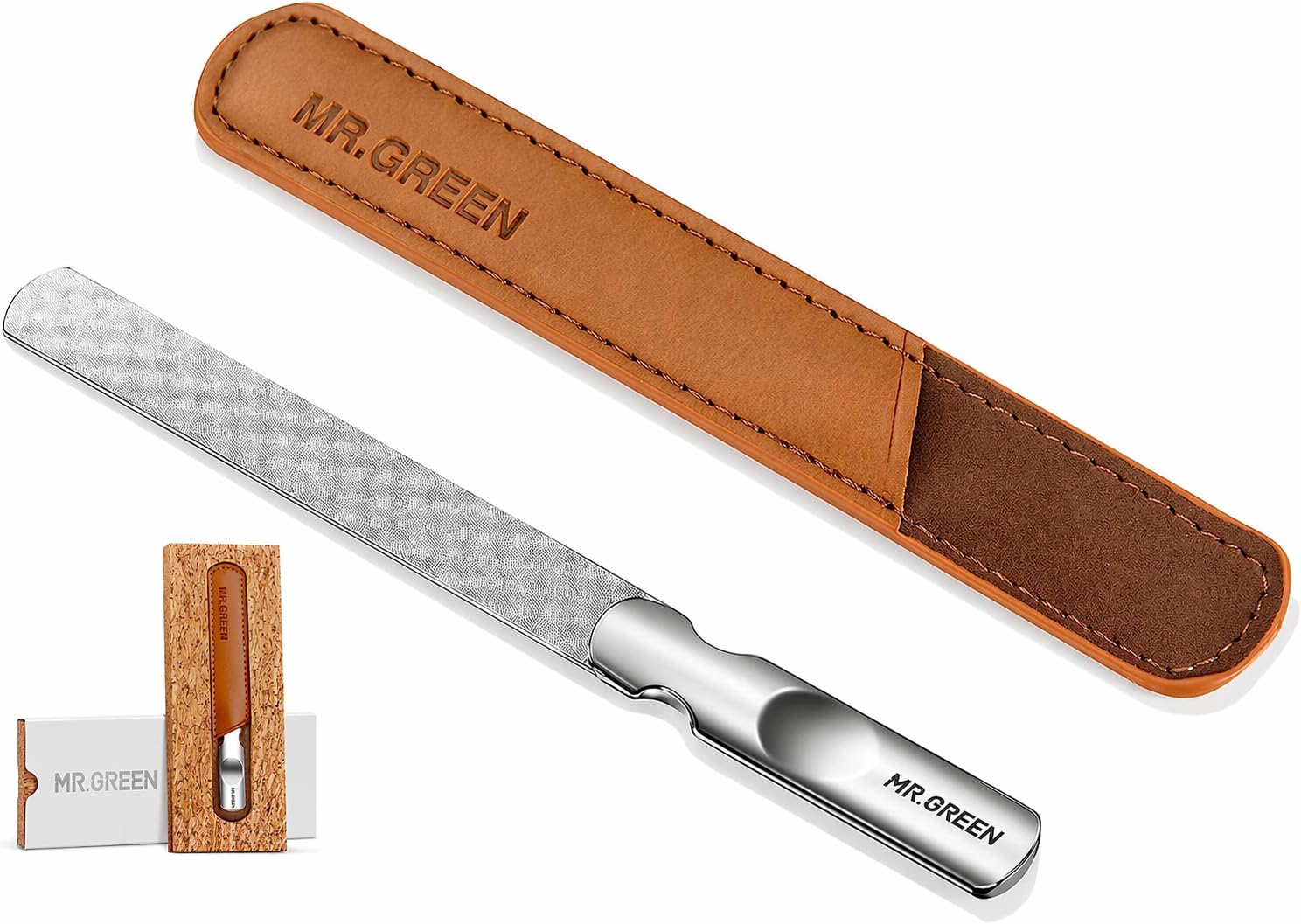
We recommend this if you want a durable, easy-to-clean metal file that shapes and smooths quickly.
Pros
- Lasts a long time and cleans easily.
- Double-sided grit lets us shape fast and finish smooth.
- Comes with a leather case for travel.
Cons
- Edges can feel sharp if you’re not careful.
- Metal may feel heavy for small hands.
- Fine grit may remove less material than cloth files.
We used this file on our classical guitar nails and liked how fast the coarse side trimmed length. It takes off stubborn edges without needing much pressure, which helps keep nail shape consistent between sessions.
The fine side leaves a clean, smooth edge that lets the nail glide on strings without catching. The metal body feels solid in hand and the anti-slip handle keeps it steady while we work.
A warning: the metal edges are sharp near the tip, so we took it slow around the nail bed to avoid nicks. The leather case makes it easy to carry to rehearsals or gigs without dulling the surface.
Iridesi 4-Way Nail File & Buffer

We recommend this if you want an all-in-one, travel-friendly file that shapes, smooths, and adds shine to natural nails.
Pros
- Four grits in one tool for shaping, smoothing, and shining.
- Gentle on natural nails — it removes material without shredding.
- Lightweight and easy to toss in a gig bag or case.
Cons
- Printed labels can rub off and leave residue on nails.
- Adhesive layers may degrade if soaked or scrubbed too hard.
- Disposable foam boards wear out faster than metal or glass files.
We used this file after a rehearsal and liked how quickly it shaped our nails. The 240 grit takes down length without ripping, and the 320 cleans up the edges so the nail feels even. It’s fast when you need a quick fix before a set.
Buffing with the 1000 grit really smoothed the surface, and the 3000 side gave a natural shine that looked good without polish. We wiped away dust between steps to check progress, which kept the finish clean and consistent.
The board is thin and light, so it fits in our guitar case pocket. It won’t last forever like a metal tool, but for a low-cost, single-use or travel option it performs well. Watch for occasional black printing transfer and avoid soaking it to keep the adhesive intact.
3 Swords Sapphire Files (3 Swords Germany)

We recommend this set if you want a tough, long-lasting file that shapes and smooths nails with good control.
Pros
- Durable sapphire-coated surface that stays sharp for a long time
- Dual grit lets us shape then finish without swapping tools
- Comfortable grip and small sizes fit travel and gig bags
Cons
- Metal feel may be harsh if you prefer softer emery boards
- Grit can remove length quickly if you press too hard
- Buffer included is small and not suited for heavy finishing
We used these on our fingertips and on classical guitar nails. The coarse side removes length fast and cleanly, which helps when we need a quick, precise shape before practice. The fine side leaves a smooth edge that catches less on nylon strings.
The grip feels secure during repetitive filing, so our hand doesn’t slip while shaping the nail’s curve. Files are slim and light, so we keep one in our case and another in our travel kit. They held up after many sessions and still filed well.
These files suit players who maintain a defined nail edge and like a tool that lasts. Press gently when refining length, and use the fine side to round the tip for a quieter attack on the strings.
3 Swords Sapphire Pocket File
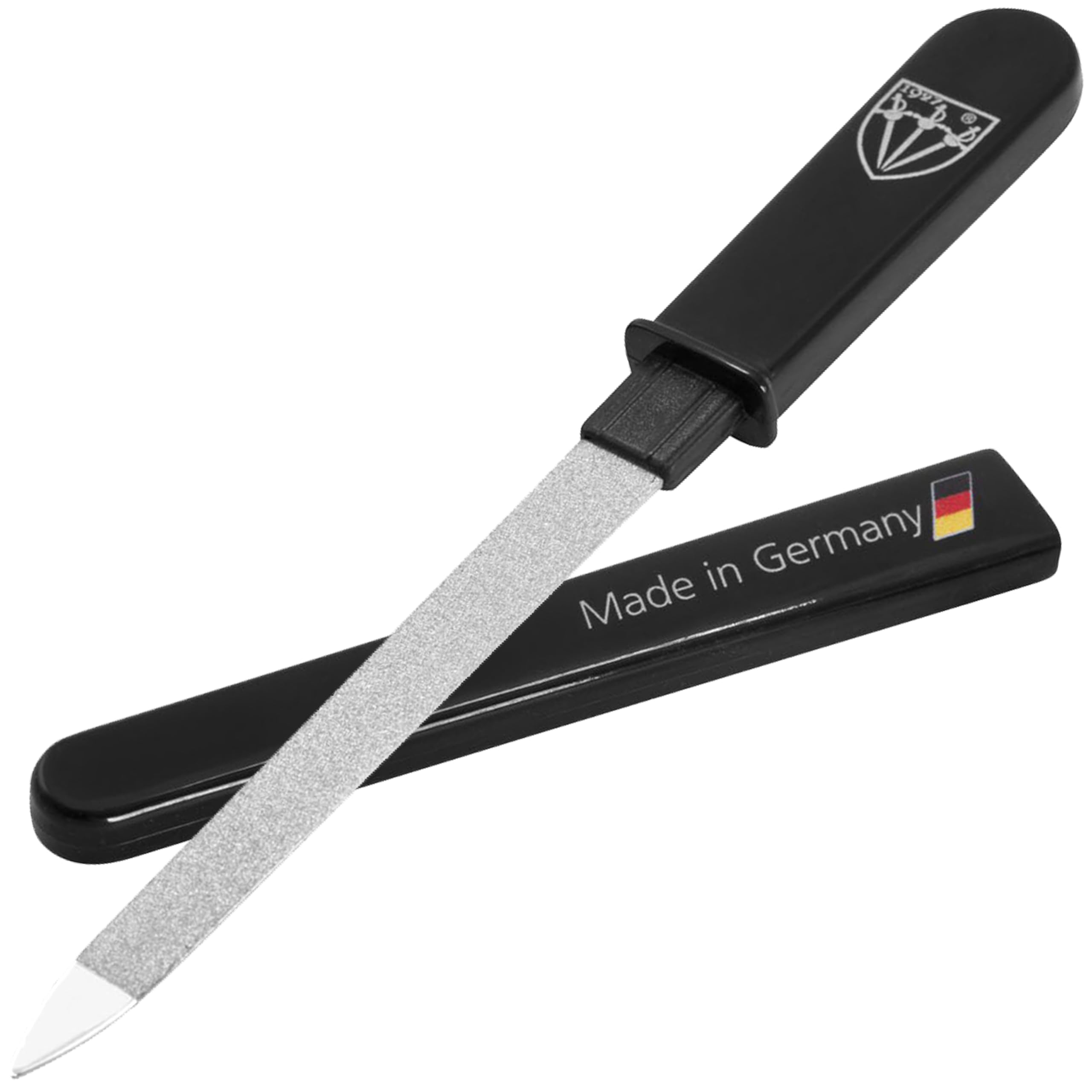
We recommend this pocket sapphire file if you want a durable, small tool for quick, precise nail shaping on the go.
Pros
- Feels solid and lasts through many uses.
- Dual grit lets us shape and smooth without switching tools.
- Protective sheath keeps it clean in a gig bag or case.
Cons
- Filing area is short, so larger nails take more time.
- Small size can feel awkward for home sessions.
- Coarse side can catch if used at the wrong angle.
We used this file during rehearsals and quick touch-ups before gigs. It handled classical nail shaping well and gave a clean edge without chipping when we worked carefully along the tip.
The metal sapphire surface cuts efficiently. We liked the contrast between the coarse and fine sides; the coarse trims fast and the fine finishes clean. The protective hard case kept it from snagging other items in our bag.
Its compact size makes it perfect for travel and quick fixes, but at home we reached for a longer file for faster shaping. Overall, it feels like a professional pocket tool that holds up after repeated use.
Cliganic 12-Pack Emery Boards
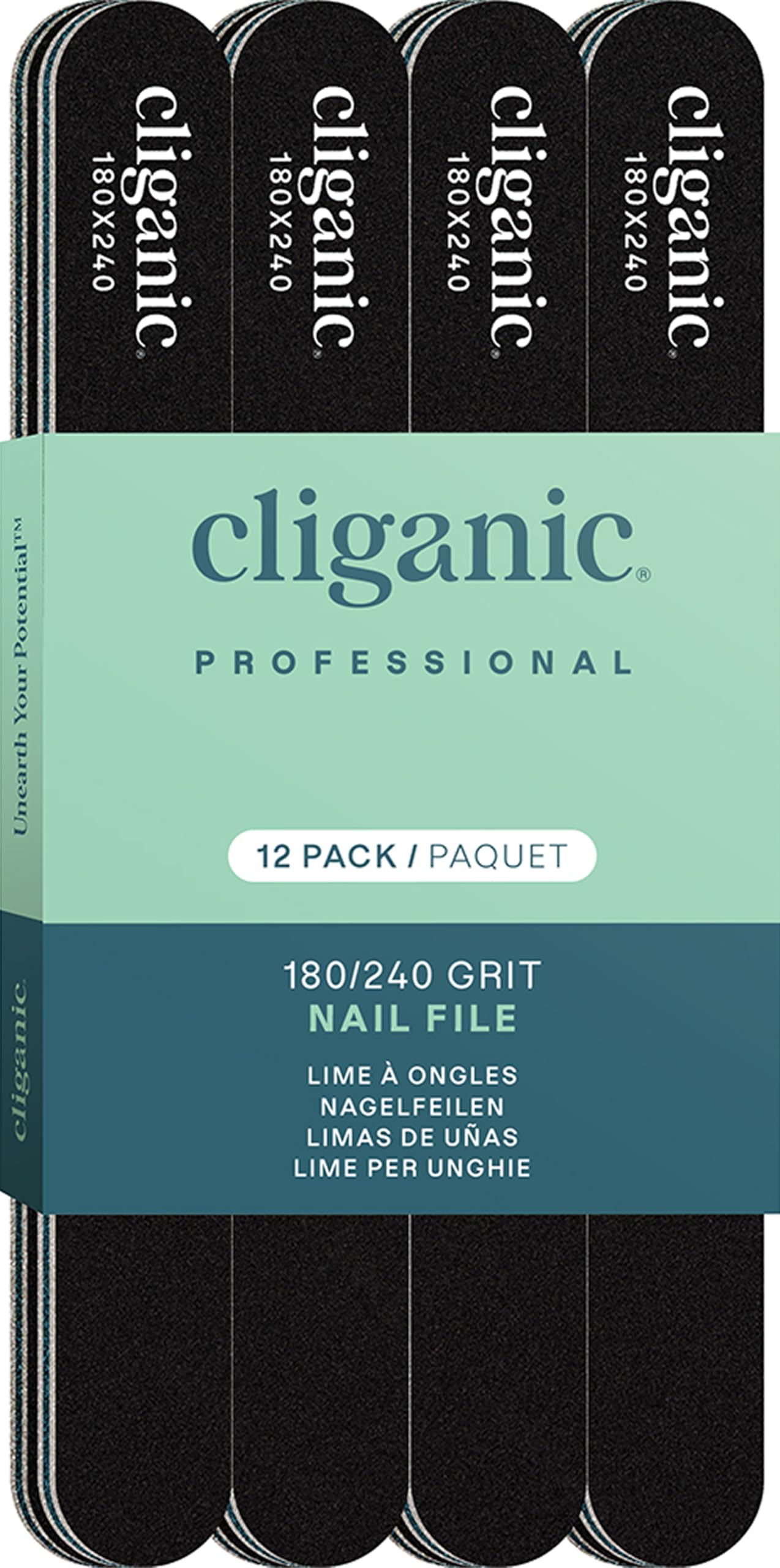
We recommend this set for classical guitarists who want a reliable, affordable way to shape and finish their nail edges.
Pros
- Durable double-sided grit for shaping and smoothing
- Long length gives better control for curved nail tips
- Washable and easy to keep clean
Cons
- Medium side can be too coarse for fragile natural nails
- Emery surface may shed grit after heavy use
- Not as gentle as specialty glass or crystal files
We used these emery boards on our own nylon-string setups and liked the control the 7″ length gave us when rounding the nail edge. The 180 grit shapes quickly, which helped when we needed to remove a snagged bit of nail before practice.
Finishing with the 240 side left a smooth playing surface, but we still had to touch up with a finer buffer for a glass-like sheen. The files felt sturdy in the hand and stayed usable across several sessions without wearing flat.
For quick shape changes and travel, this 12-pack gives good value. We would choose a finer glass file later if we wanted the absolute smoothest, longest-lasting nail edge for tone consistency.
AhaTopia Nail File & Buffer Set

We recommend this kit for classical guitarists who want a simple, affordable way to shape and shine their nails at home.
Pros
- Durable emery boards handle both natural and thicker nails.
- Four-way buffers give a fast, natural shine without polish.
- Compact set means you can keep spares in gig bags or practice cases.
Cons
- Buffers are a bit soft if you prefer a very rough initial grit.
- Emery boards wear faster than metal or crystal files.
- Not specialized for curved thumb nails or extreme shaping needs.
We used these files on our own nails during practice sessions and found them very handy. The 100/180 boards shape quickly, and the 4-way blocks smooth and polish in a few swipes. They saved time between rehearsals when we only needed a quick touch-up.
The buffers give a clean, natural sheen that keeps tone clear for a few days. They don’t remove too much nail at once, so we felt safer keeping length for tone and attack. For delicate shaping near the corners, we worked slowly because the emery board edges are broad.
Carrying spares in a gig bag proved useful; we replaced worn files on the road without fuss. If you want a tougher initial file or very precise shaping, add a metal or crystal file to your kit. Overall, this set gives reliable, travel-ready tools that suit most classical guitarists’ nail routines.
HeeYaa 10-Pack Nail Files
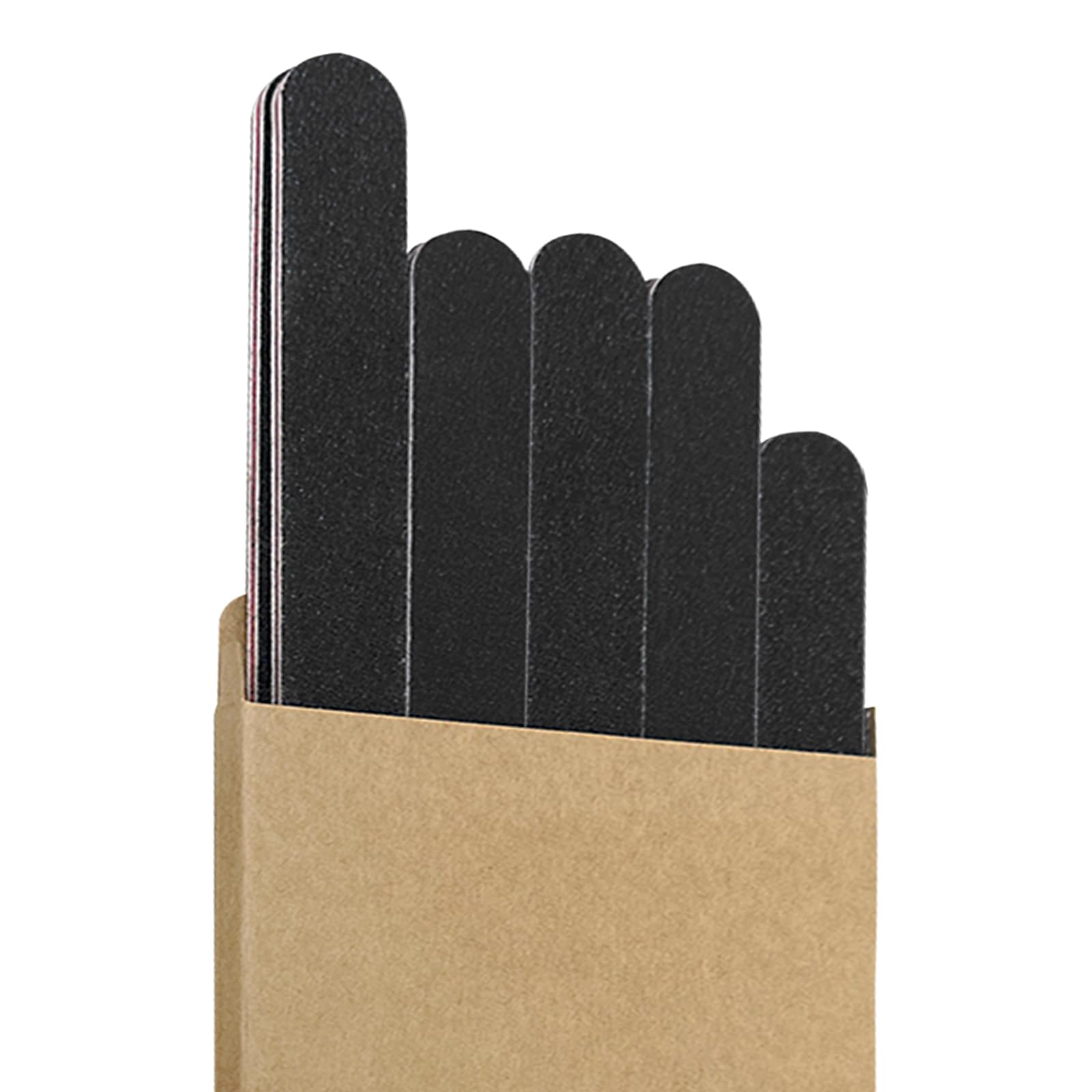
We recommend this pack if you want durable, simple emery boards that hold an edge and last through many practice sessions.
Pros
- Long-lasting feel thanks to the tough red PP core.
- Double-sided 100/180 grit covers coarse shaping and fine smoothing.
- Good value with ten files in a tidy kraft box.
Cons
- Files are a bit large to carry in a small gig bag or pocket.
- Some batches feel slightly uneven between sides.
- Not as fine as specialty glass or crystal files for super-smooth tips.
We used these files on fingernails and found the 100 grit shaves length quickly while the 180 grit refines the curve with control. The board grips well and doesn’t bend when we push a firm stroke, which helps keep consistent nail shapes for classical right-hand tone.
The size makes them comfortable to hold for long sessions at home. We noticed one or two boards in our pack had a rougher finish than the others, but most felt consistent and durable across many uses.
For travel, the boards are bulky compared with slim travel files, but the kraft box keeps them neat in our case. They’re a good everyday tool for guitarists who shape nails often and want a reliable, inexpensive option.
HomeyEra 100/180 Emery Boards (12 Pack)

We recommend this pack if you want sturdy, long files that shape and smooth classical guitarists’ nails without breaking the bank.
Pros
- Durable feel that holds up after multiple uses
- Two grits (100/180) cover shaping and finishing needs
- Long, square shape gives better control for precise edges
Cons
- Coarse side can remove too much if used aggressively
- Emery surface will wear after heavy use
- Bulk pack may be more than a solo player needs
We tried these files on our own nails and on guitarists who prefer a crisp attack. The length and square end made it easier to get a straight, clean edge for thumb and fingertips. The grip felt solid and never bent while filing thicker nails.
Shaping with the 100 grit removed length quickly but required a careful hand near the tip to avoid over-thinning. Switching to the 180 grit smoothed ridges and left a playable surface without a rough catch on nylon strings.
For practice and gig prep, the set gives enough backups so we didn’t worry about wasting a file. They’re not a lifelong tool, but they deliver consistent results and good value for players who file often.
HomeyEra 100/180 Emery Boards (12 Pack)
Revlon Emeryl File
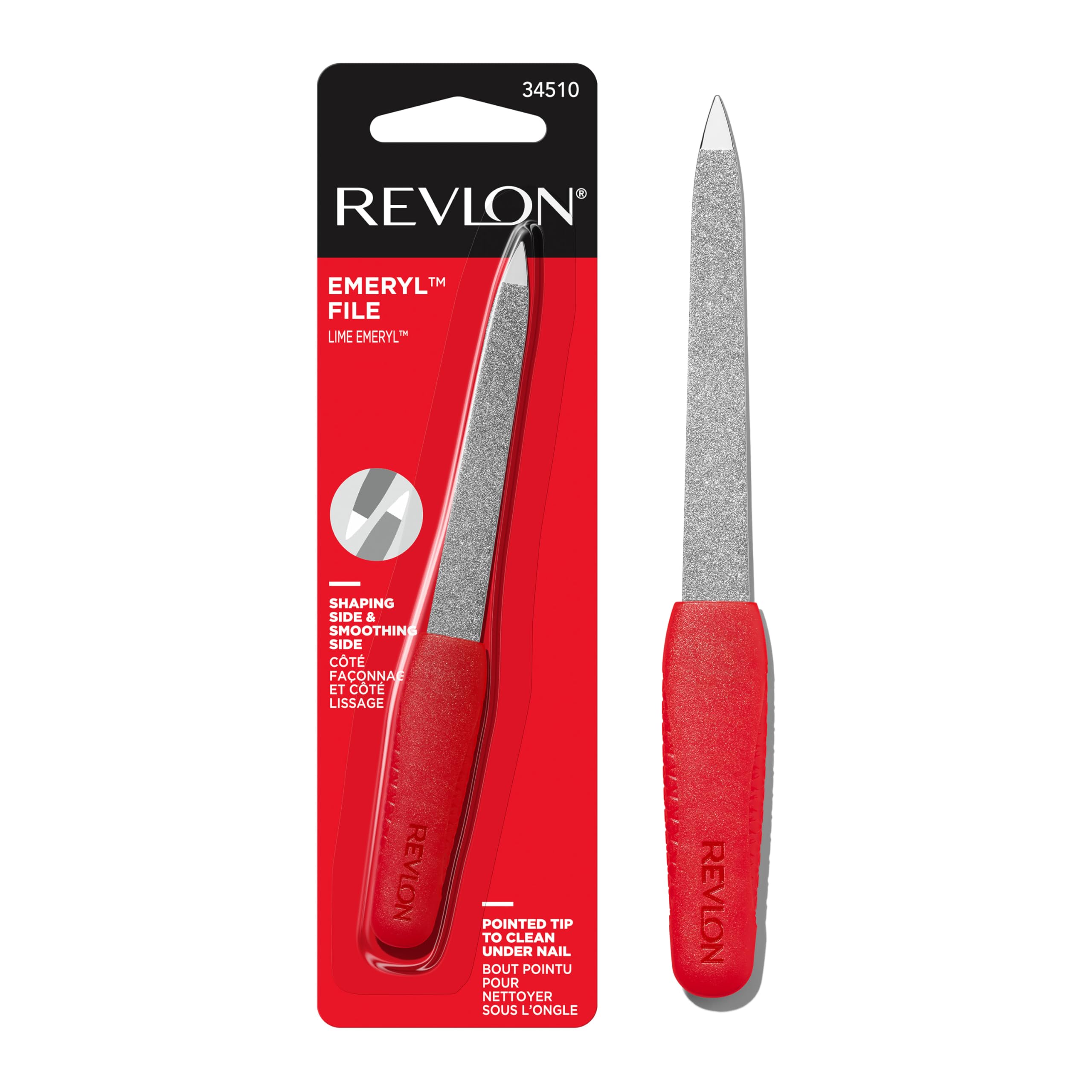
We recommend this file for classical guitarists who need a durable, precise tool to shape and smooth nail edges quickly.
Pros
- Lasts longer than cardboard or disposable files
- Pointed tip cleans under nails and refines the edge
- Easy-grip handle gives steady control while shaping
Cons
- Fine grit may be slow for heavy reshaping
- Metal can feel stiff when trying for very rounded tips
- Needs occasional cleaning to stay smooth
We used this file on our fingernails and found it gives a clean, hard edge that suits classical playing. The metal surface holds up after many uses, so you don’t waste time replacing it every few weeks.
The pointed tip is great for clearing debris from under the nail and for refining the nail corner without catching the string. The no-slip handle felt natural during long sessions, which helped keep shapes consistent across fingers.
Shaping with the fine grit took a little patience when shortening a long nail, but the result was a smooth, resilient edge that resisted splitting. For players who prefer a sharper, long-lasting edge, this felt like an upgrade over flimsy disposable files.
Buying Guide
We look for nail files that give smooth, consistent edges without taking too much nail away. Pay attention to grit: finer grits create a polished edge while coarser grits shape faster. Match the grit to how much shaping you need and how often you file.
We consider shape and size next. A pointed or slim file helps reach the fingertip and shape the nail curve. A wider or rounded file can speed up work on the nail sides and reduce slipping.
We check material and durability. Metal and glass files last longer and keep an even surface. Emery or cardboard-backed files are cheaper but wear out faster. Think about replacement needs and cost over time.
We value finish and noise. A file that leaves minimal burrs helps tone and reduces string noise. Also look for a file that files smoothly—some textures feel scratchy and uneven.
We weigh portability and protection. A case or cap keeps the file clean and prevents damage. Compact options fit in a gig bag or pocket so we can shape nails before rehearsals.
We consider feel and control. A textured handle or non-slip surface helps when our hands sweat. Balance and weight affect how steady we are while working near the nail tip.
We look at maintenance and hygiene. Files that are easy to clean or sanitize cut down on dirt and microbes. Removable or washable surfaces make upkeep simple.
Editor’s Choice
We picked files that balance tone control, speed, and durability. Our top pick gives a smooth edge without snatching or splintering the nail surface.
We prefer a medium-grit glass file with a rounded tip. It shapes the nail evenly and seals the edge to reduce chipping.
For players who want speed, we recommend a two-sided metal file with a fine finish. Use short strokes and light pressure to avoid thinning the nail too much.
We value portability. A compact case keeps the file clean and protects the grit, so it lasts longer.
Key features we looked for:
- Material: Glass or fine metal for consistent shaping.
- Grit: Medium to fine for control and smooth edges.
- Tip shape: Rounded or slightly pointed for thumb and index contours.
- Durability: Scratch- and rust-resistant construction.
We tested each file on different nail types — thick, thin, and brittle. Our choice performed well across all three, giving a reliable edge and preserving nail strength.
We include a grooming tip: file in one direction with a light touch. This keeps the nail smooth and preserves the tone of your pluck.
Conclusion
We value precision and feel the right nail file makes a real difference for classical guitarists. A good file gives control, protects strings, and keeps tone consistent.
We recommend choosing files that match your nail shape and maintenance style. Glass or ceramic suits gentle shaping, while fine metal files work for quick touch-ups.
We suggest keeping at least two tools: one for shaping and one for smoothing. This prevents overworking nails and helps preserve a clean attack.
We believe regular, light maintenance beats occasional heavy filing. Short sessions reduce damage and keep nails predictable during practice and performance.
We stand by these practical choices: prioritize control, comfort, and consistent tone. Our picks aim to balance durability with a gentle finish, helping you play with confidence.
FAQS
What grit should we choose for classical guitar nails?
We prefer a medium grit (around 180–240) for shaping and a fine grit (320–600) for smoothing. This combo gives control and a clean edge without weakening the nail.
How often should we file our nails?
File after every few practice sessions or when we feel the tone change. Small, frequent touch-ups work better than big, aggressive filing.
Do nail files damage nails or finish?
High-quality files made for fingernails are gentle when used correctly. Avoid metal files and heavy sanding for natural nails; prefer emery or glass files to limit splitting.
Can we use the same file for all string players?
Not always. Players who want brighter attack may use harder files and finer finishing. We match file type to playing style and nail strength.
How do we maintain the file?
Clean with a soft brush and mild soap, then dry fully. Store in a case to keep the abrasive surface effective longer.
Should we shape nails differently for technique?
Yes. Rounder tips suit a warmer tone and more contact area. Squared tips help clarity and attack. We adjust shape to our repertoire and hand anatomy.
Is there a quick test for a good file?
A good file gives smooth strokes and predictable removal. If it tears or feels uneven, replace it.

