
Best Nail Files for Guitarists: Precise Shaping and Durable Finishes for Playing Nails

Nail files are a small but important tool for guitarists. They shape and refine the tips of fingernails so players can control tone, attack, and comfort while playing. For many fingerstyle and classical players, the right file helps create a consistent nail edge that produces a clear, even sound and reduces snags on the strings.
Choosing the right nail file means paying attention to grit, shape, and material. Grit affects how quickly you remove nail—coarser grits remove more but can splinter; finer grits polish the edge. Shape matters for fitting the curve of your nail and for reach on the thumb and little finger, while durable materials like glass or ceramic wear evenly and are easy to clean. We tested a range of files with different grits and shapes to find the ones that give guitarists control, consistency, and a smooth finish.
Best Nail Files for Guitarists
We tested and compared nail files that help guitarists control tone, speed, and comfort while playing. Below is our list of the best options for shaping, smoothing, and maintaining natural nails and artificial tips.
MR.GREEN Stainless Steel Nail File
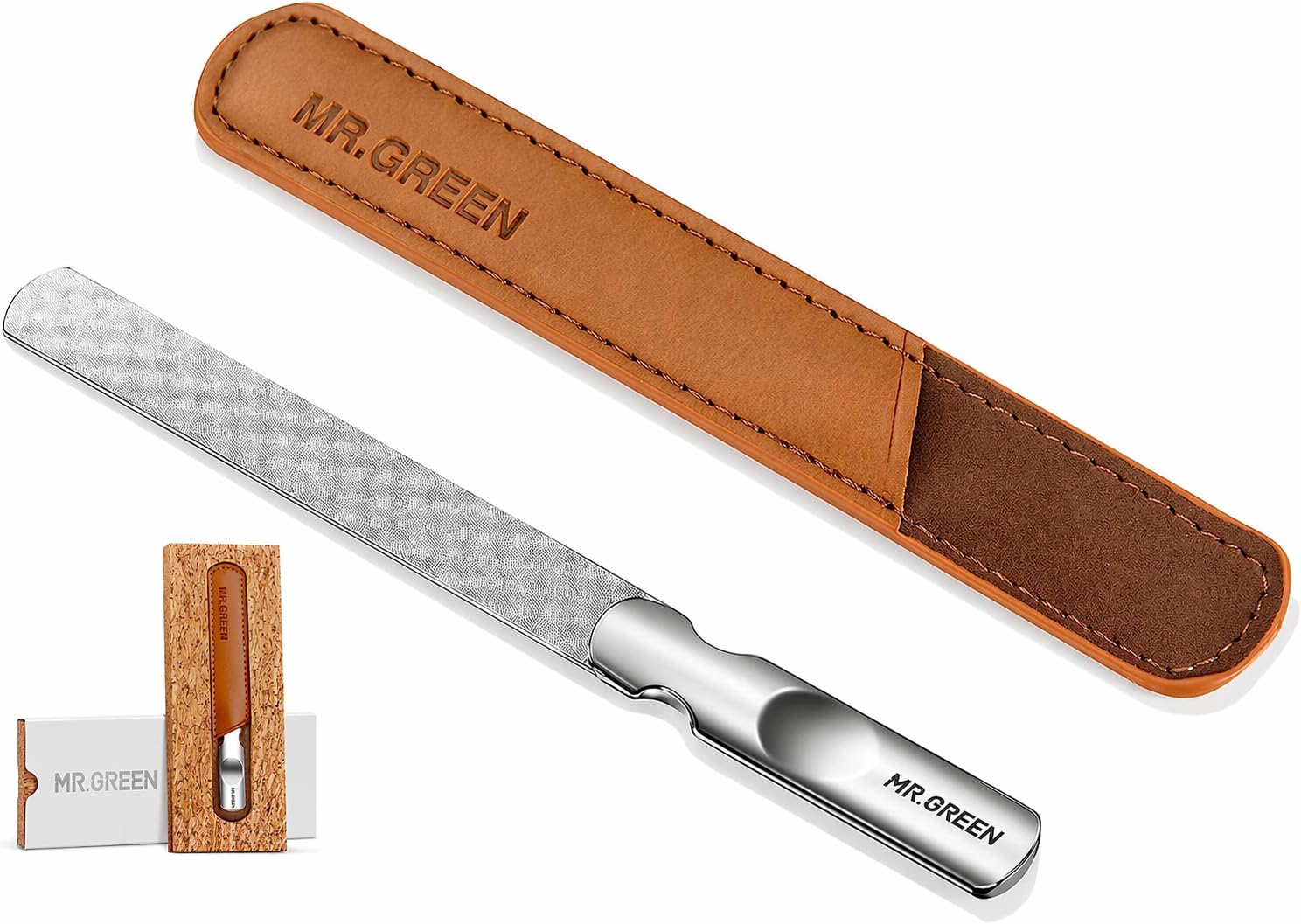
We recommend this file if you want a durable, travel-ready metal option that shapes and smooths quickly.
Pros
- Lasts a long time and rinses clean
- Two textures let us shape fast and finish smooth
- Comes with a leather case for safe storage
Cons
- Edges can feel sharp if you press too hard
- Metal weight may bother players used to emery boards
- Not as forgiving for very soft or thin nails
We used this file after a few long practice sessions and it handled thick, snappy nails without bending. The coarse side removes length fast, which helped us get back to playing quickly. The fine side left a neat, rounded edge that reduced string catching.
Holding the anti-slip handle felt secure while filing, even when we filed down callused tips. The metal body stays rigid, so every stroke cuts predictably. It’s heavier than disposable files, but that solidity made precise shaping easier.
The leather case keeps the file safe in our gig bag. Rinsing the file after use only took seconds, and it showed no rust after repeated cleaning. Be careful near the nail bed; we noticed the outer edges can be sharp if you rub them against skin.
3 Swords Sapphire Nail File Set

We recommend this set if you want a durable, precise metal file that holds up to frequent use.
Pros
- Lasts a long time and keeps grit without wearing down.
- Dual-sided grit lets us shape and finish without swapping tools.
- Comfortable grip and small size fit in our gig bag.
Cons
- Metal files feel firmer than emery boards and can catch if used too aggressively.
- Not as flexible for curved nail edges as soft files.
- Buffer included is basic; we still prefer a separate buffer for shine.
We took these files to rehearsals and quick fixes on stage. The sapphire coating files through rough edges fast and the fine side leaves a clean shape we can trust. Handling stayed secure thanks to the rubberized grip, even with sweaty fingers.
The set feels built well and weighed less than we expected. After several weeks of regular use the abrasive still worked exactly the same. We liked keeping one in our case and one at home so we always had a backup.
Shaping thick nails or quick trims was simple, but we worked slowly at first to avoid snagging. The small buffer works for a quick smooth, though it won’t replace a full nail buffer for gloss. Overall, this is a solid, long-lasting choice for guitarists who need precise nail edges for playing.
Lobodt Steel Nail Files (2-pack)

We recommend this set if you want a durable, portable metal file that files quickly and lasts longer than disposable boards.
Pros
- Feels solid and files nails fast.
- Two grits cover quick shaping and fine smoothing.
- Comes with a small leather case for travel.
Cons
- Metal grit can feel aggressive if you press too hard.
- Pointed file tip may snag on soft skin if used carelessly.
- Case is small and can be tricky to open with wet hands.
We keep one of these in our gig bag and one at home. The files cut through thicker nails faster than emery boards and save time between sets. The anti-slip handle helps when we trim on stage or in low light.
The double-sided texture works well: the coarse side shapes edges, the fine side smooths and polishes. We used the pointed file for quick edge work and the rounded one for tip blending. Both clean up easily under water after a sweaty practice.
Carry size and the leather pouch make this handy for road use. We did notice you must be careful around skin and cuticles because the metal is efficient. Overall, this is a reliable tool for guitarists who want steady, long-lasting nail files.
HomeyEra 100/180 Nail Files (12 Pack)

We recommend this pack when you need long-lasting, versatile emery boards for shaping and smoothing both natural and acrylic nails.
Pros
- Durable, doesn’t bend easily during heavy shaping
- Dual 100/180 grit covers coarse shaping and fine smoothing
- Long square shape gives a steady grip and good control
Cons
- Coarse side can feel aggressive on very thin natural nails
- Bulk pack may be more than casual players need
- Not a replaceable metal file for some specific stingy edges
We used these in rehearsal and at home for a few weeks. The length and square design made it easy to hold while filing callused fingertips and shaping tips for fingerstyle playing. The 100 grit removed length quickly, which helped when nails had thick edges from breaks.
Switching to the 180 side smoothed ridges without eating into the nail too fast. We liked how the grit stayed consistent after several uses and the boards stayed rigid, so we could push with confidence when shaping.
For gig prep the pack gave us enough spares to keep in different cases and kits. If you play regularly and need to keep nail shapes tuned, this set feels like a practical, cost-effective option.
Cliganic 12-Pack Nail Files
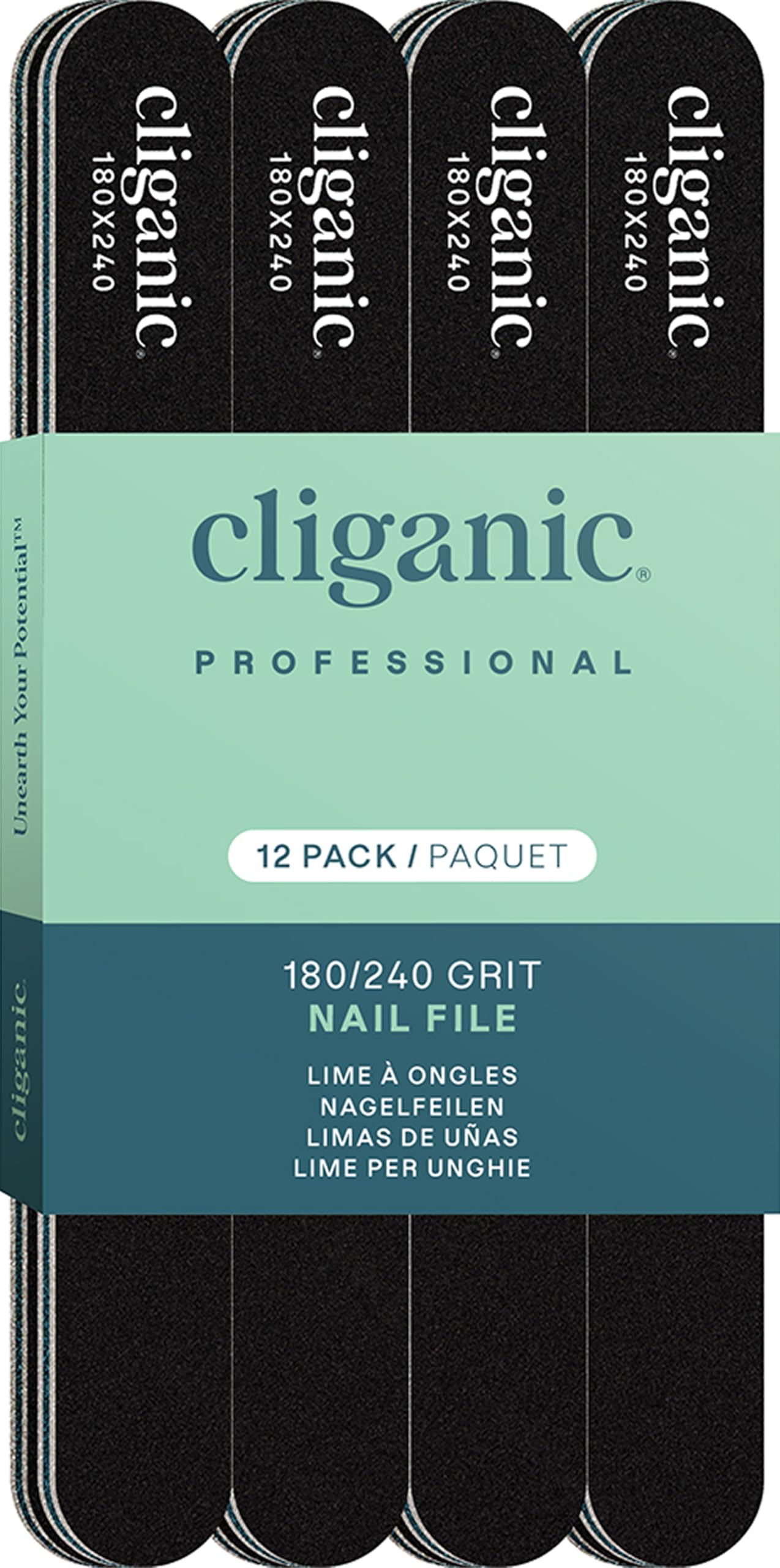
We recommend this set for guitarists who need durable, double-sided files that shape quickly and clean easily.
Pros
- Long-lasting grit that stays consistent
- Two grits (180/240) for shaping and finishing
- Washable and easy to rinse after use
Cons
- 180 grit can feel coarse on delicate nails
- Emery boards wear faster than metal files with heavy use
- Thin profile may bend under heavy pressure
We used these files after several rehearsal sessions to tame rough edges and shape thumbnail picks. The 180 side removes length fast and the 240 side smooths the edge so strings feel less scratchy under fingertips.
Handling felt familiar and light. The boards are thin, so we had good control for quick trims between sets, but we had to be gentle when filing aggressively or the board would flex.
Cleaning is simple — a quick rinse with soap removed debris without harming the grit. For gig bags, the 12-pack gives spare files for touring or sharing with bandmates.
3 Swords Sapphire Pocket File
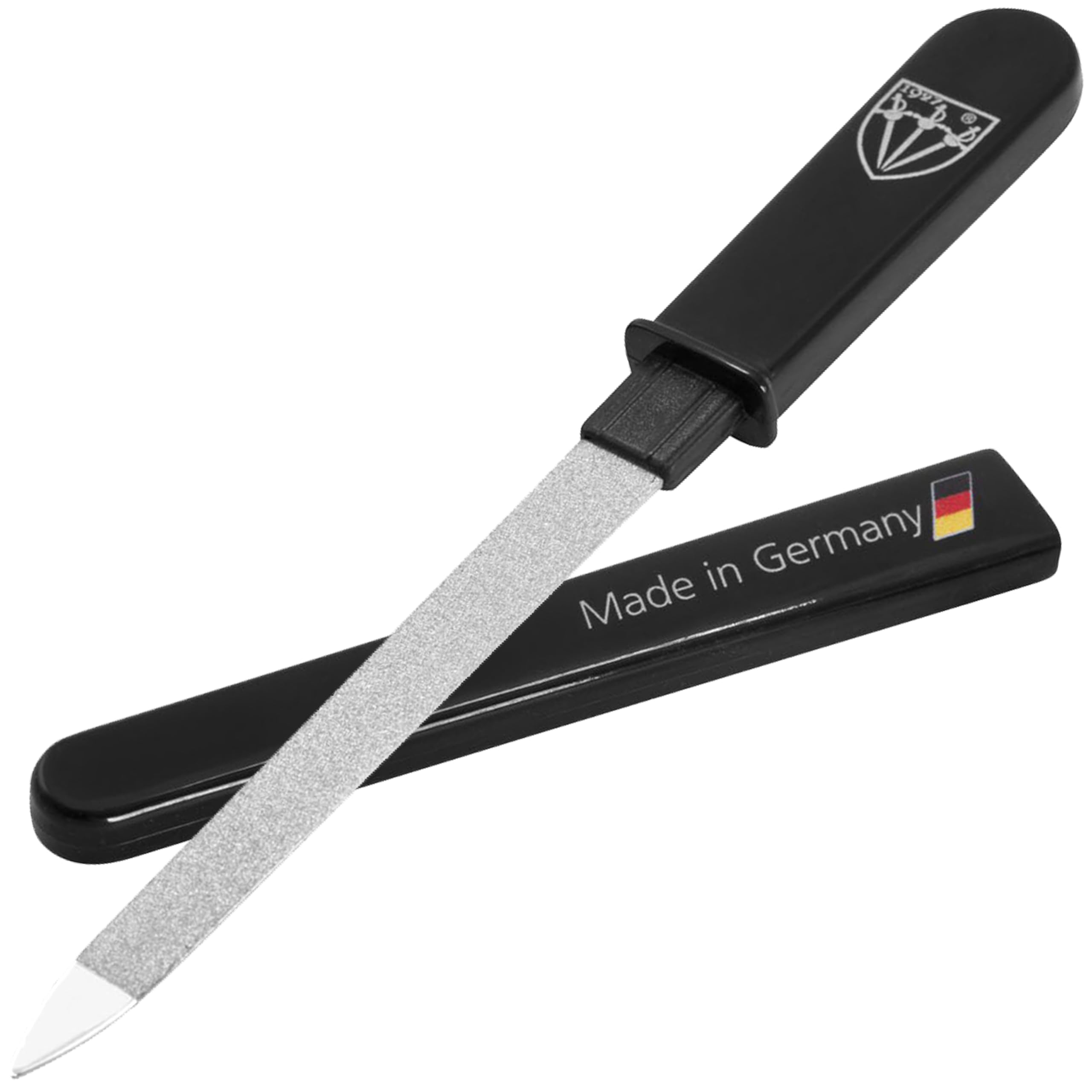
We recommend this file if you want a small, durable nail file that travels well and keeps guitar nails tidy.
Pros
- Very sturdy feel and lasts a long time.
- Two grits let us shape and smooth without switching tools.
- Slim case keeps it clean in a gig bag or pocket.
Cons
- Short filing area can feel small for home use.
- Slim size may be fiddly for larger hands.
- Coarse side can remove too much if pressed hard.
We used this file on and off the guitar for weeks and liked how solid it feels in the hand. The sapphire surface cuts cleanly, so we could shape nail curves without chipping. It handled quick touch-ups between songs and stayed sharp.
Travel is where this file shines. Its slim profile slides into a pick wallet or case pocket easily. The plastic sheath keeps the file from snagging on cables and picks while on the road.
At home we sometimes missed a longer filing surface. For long sessions or major reshaping we reached for a larger file, but for routine maintenance it saved time. Overall, it’s a reliable pocket tool that works well for guitarists who need quick, precise trims.
Revlon Emeryl File
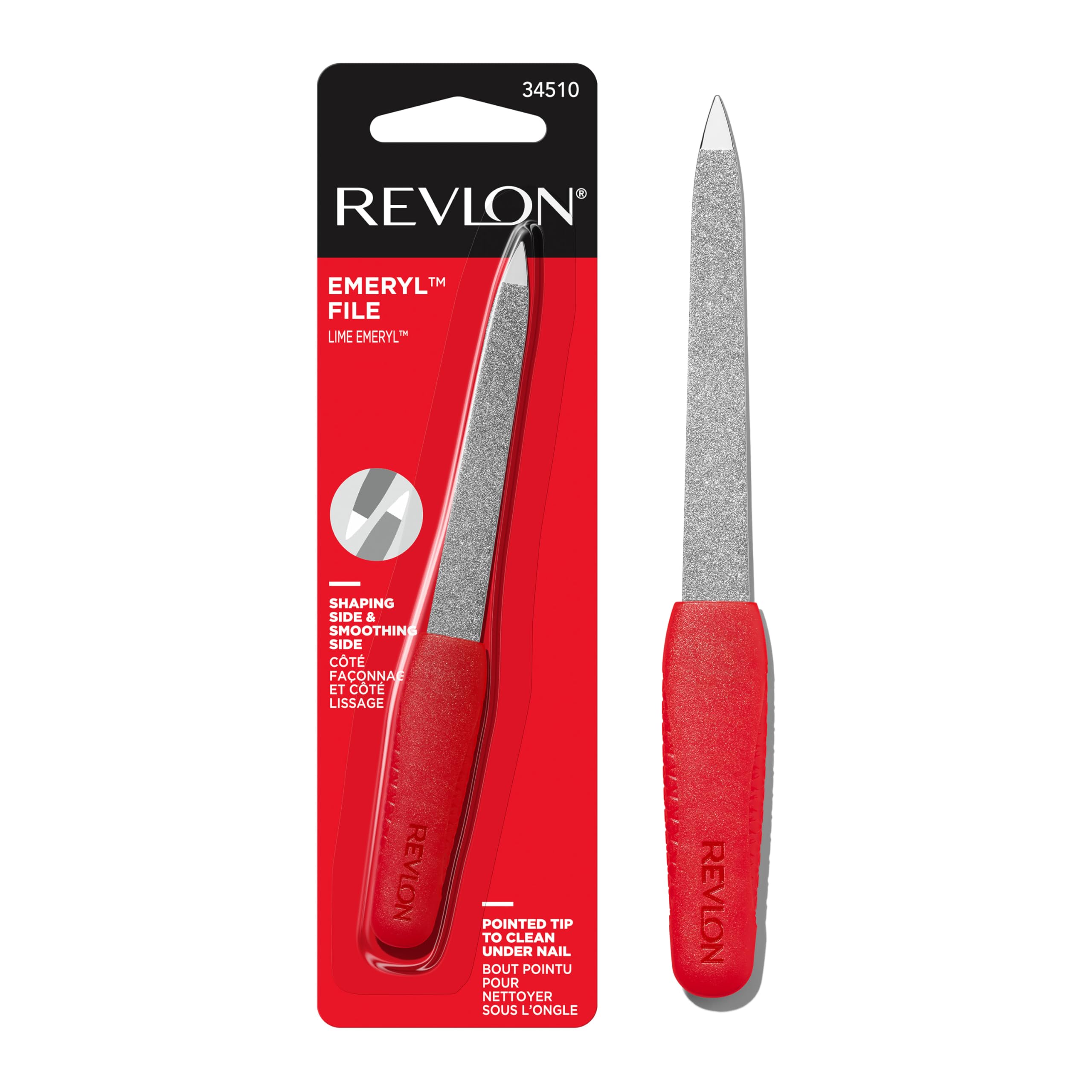
We recommend this if you want a simple, durable metal file that shapes and smooths nails quickly.
Pros
- Sturdy metal construction holds up to repeated use.
- Dual sides let us shape and then smooth without switching tools.
- Pointed tip cleans under the nail and reaches tight spots.
Cons
- Fine grit may be slow for very thick nails.
- Metal can feel harsh if you press too hard.
- Handle is small for those who prefer larger grips.
We used this Revlon Emeryl File on our fingertips and thumbs over several sessions. It felt solid in the hand and didn’t fray like cardboard emery boards. The dual surfaces let us go from shaping to a smooth edge without changing tools, which saves time when practicing or gigging.
The pointed tip proved handy for cleaning under the nail and refining the edges of our picks area. We noticed the fine grit offers precise control, which helps when we want a specific nail shape for fingerstyle playing.
On the downside, the fine grit takes longer on thick nails, so we needed more strokes than with coarser files. Applying too much pressure left a sharper edge, so we adjusted to gentler strokes. Overall, it’s a compact, reliable tool that fits easily in a gig bag and lasts longer than disposable files.
Krisp Beauty Diamond Stainless Steel Nail File (Pack of 2)

We recommend this if you want a durable, easy-to-clean metal file that works well on both fingernails and guitarist-style rounded tips.
Pros
- Very long-lasting compared to emery boards
- Two grits let us shape and smooth without swapping tools
- Good grip and size for precise fingertip work
Cons
- Metal grit can feel aggressive if you overfile
- Slight learning curve to avoid thinning the nail too much
- Not cushioned like a buffer for softer finishing
We used these on our own playing nails and found the weight and size helpful for shaping rounded tips. The coarse side removes length fast, while the fine side cleans the edge so picks and strings glide smoothly over the nail.
The stainless steel feels solid and easy to hold during quick touch-ups between shows. We disinfected them between uses and liked that they stay usable, unlike disposable boards that wear down.
If you like a controlled, repeatable edge for fingerstyle or hybrid picking, these give consistent results. Beginners should file gently at first to avoid making the nail too thin, but once you get a feel, they speed up maintenance.
Teenitor Nail File Set

We recommend this kit if you want a complete, low-cost set that covers shaping, smoothing, and shining for both natural and acrylic nails.
Pros
- Lots of grit options so we can finish every step without switching tools.
- Sturdy emery boards that last through multiple uses.
- Buffers give a real shine quickly.
Cons
- Coarser grits feel rough at first and need a light touch.
- Some lower-grit pieces seem less effective and get discarded.
- Not as fancy as salon-only tools if you want premium feel.
We used the Teenitor kit for several sessions and liked how it handled different nail jobs. The 150/180 files take off length fast, which is handy when we need to reshape quickly before practice or a gig. The finer files and buffers leave the nail edge smooth and reduce snags on strings.
The buffer blocks surprised us with how much shine the 4000-grit side produced. A few passes and our natural nails looked polished without any product. Cleaning was simple — a quick rinse and gentle scrub got rid of dust and debris.
For players who trim and shape their nails often, this set gives good value. We did toss one or two coarse boards that felt too aggressive, but the rest stayed useful. If you want a basic, reliable kit to maintain nail shape and tone, this one covers the steps well.
MR.GREEN Stainless Steel Guitarist File
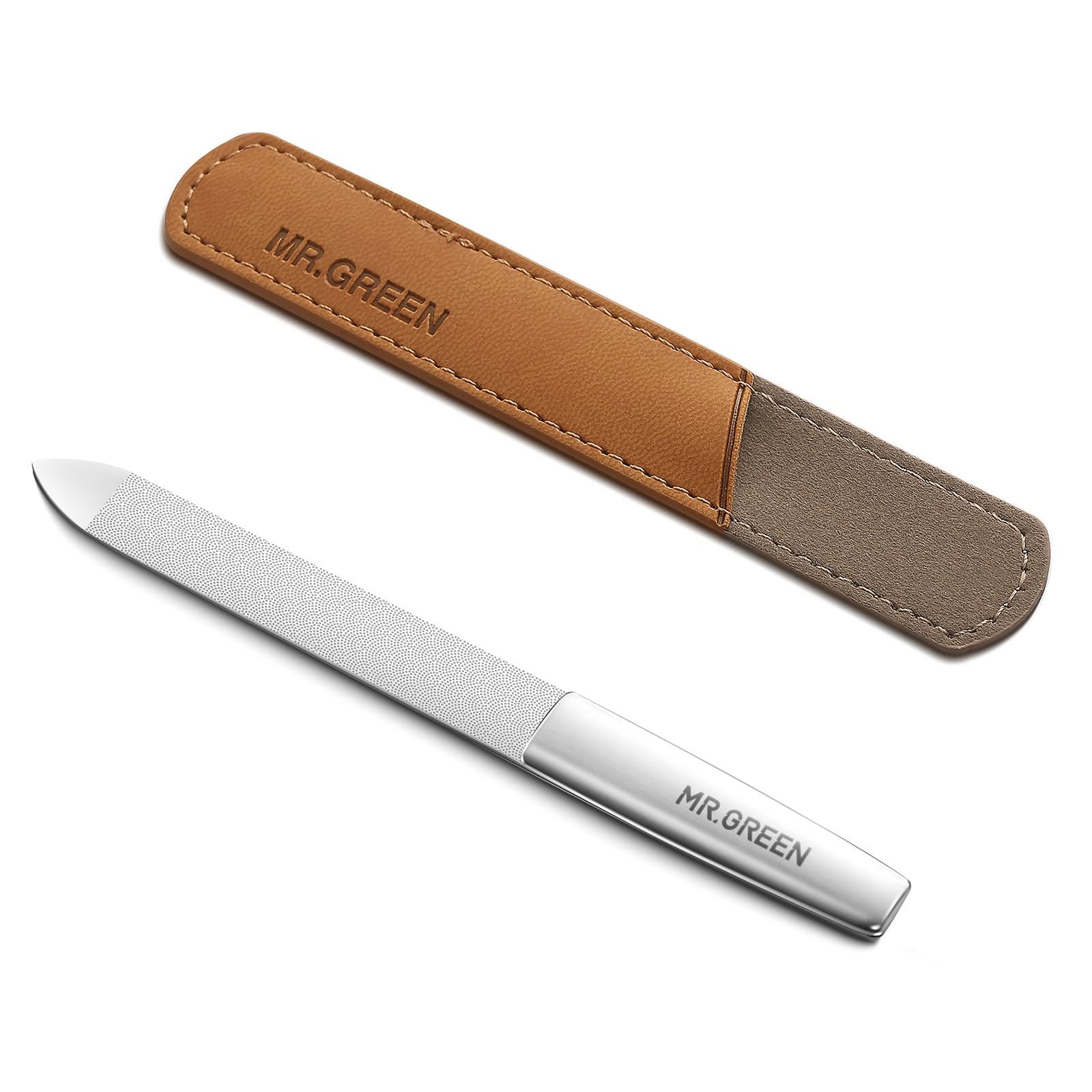
We recommend this file if you want a durable, precise tool for shaping and maintaining guitar nails.
Pros
- Very sturdy metal that holds its edge.
- Pointed tip cleans under the nail well.
- Small size and leather case make it travel-friendly.
Cons
- Metal grit can feel abrasive at first.
- Short length may feel tight for large hands.
- Leather case is thin and not very protective.
We used this file while tuning nail shapes for fingerstyle playing and found it cuts clean without splintering. The double-sided texture saved time: the coarse side removes thickness quickly and the finer side smooths the edge for a clear attack.
The pointed tip helped get under the nail and tidy the curve near the cuticle. We liked that it felt solid in the hand and didn’t flex when we applied pressure, which made shaping consistent from stroke to stroke.
Cleaning proved easy since the steel is waterproof and wiped bright after a quick rub. The compact size fit in our gig bag, but larger-handed players might prefer a longer tool for more control.
Buying Guide
We look for nail files that balance control, durability, and comfort. Guitarists need files that shape the nail cleanly without splintering or leaving rough edges.
We check grit first. Coarse grits remove length fast but can chip the nail. Fine grits smooth and refine the edge. A two-sided file or a set with multiple grits gives the most control.
We value shape and size next. Narrow, rounded files reach thumb and index nails easily. Wider files work for broader nails. A lightweight, slim design fits in a gig bag or pocket.
We consider material and durability. Metal and ceramic hold up long but can be harsh if too coarse. Glass and crystal files wear evenly and are gentle on nail layers. Choose a material that matches how often we play and how delicate our nails are.
We pay attention to handle and grip. A nonslip handle keeps the file steady during quick touch-ups. Comfort matters when we file on stage or between songs.
We also weigh portability and maintenance. Compact files are handy for gigs. Files that resist rust or have washable surfaces last longer. Replace or resurface files when they lose abrasive power.
We use this checklist when shopping:
- Grit options (coarse + fine)
- Appropriate shape and length
- Durable material suited to our nails
- Comfortable grip and balance
- Portability and easy cleaning
Editor’s Choice
We picked the Dunlop Diamond Nail File as our top choice. It balances durability, grit, and control for both electric and acoustic players.
We like its fine diamond surface because it shapes nails without chipping or tearing. The file stays effective for months with normal use.
Its size fits a pickguard or gig bag pocket. That makes it handy between songs and at practice.
Key features:
- Material: Diamond-coated for long life.
- Grit: Fine enough for smooth edges, coarse enough to remove rough spots.
- Size: Compact and portable.
We tested how each file affected tone and playability. The Dunlop preserved attack and clarity better than cheaper emery boards.
We also considered price and availability. It gives pro-level results without a big cost, which makes it a practical pick for most guitarists.
Conclusion
We picked nail files that suit different playing styles and needs. Some of us need durability and a smooth glide, while others prefer finer control for tone and feel.
We recommend carrying two types: a coarse file for quick shape and a fine file for smoothing edges. This combo helps maintain consistent nail length and prevents snags during playing.
We value comfort and grip in a file, since long sessions demand steady control. Lightweight tools with secure handles reduce hand strain and improve accuracy.
We tested materials like glass, ceramic, and metal-coated files. Each has pros and cons, so choose based on how often you file and the nail texture you prefer.
We suggest checking grit rating before buying. Lower grit reshapes fast; higher grit polishes and refines the edge for a cleaner attack.
We photograph and compare options for clarity, and we encourage trying a few to find the best fit for your technique. Keep files clean and store them safely to prolong life and performance.
FAQS
How often should we file our nails as guitarists?
We file nails when they start to catch or chip. For many players, this means once a week. Some need it more often if they use heavy picking or play every day.
Which file grit works best?
We recommend a mix: 240–320 grit for shaping and 400–600 grit for smoothing. Coarser grit removes length fast; finer grit prevents split edges.
Can we use metal files on our nails?
Metal files can be too harsh and cause splitting. We prefer glass, ceramic, or fine emery files for less damage.
Do nail files affect tone or attack?
Yes. A rounded, smooth edge gives a warmer, fuller tone. A sharp or rough edge makes a brighter, harsher attack. We shape nails to match our playing style.
How do we maintain a consistent nail shape?
We set one shape and check it after every session. Use a buffer lightly to keep edges smooth. Keep spare files in your case for quick fixes.
Are there quick fixes on stage?
Yes. Use a fine emery board or a nail clipper and finish with a glass file. Practice the quick fix at home so it’s fast and steady during a gig.
What about singers who play guitar?
We balance nail length for both singing and playing. Shorter nails help strumming and singing comfort. Longer nails can help fingerstyle but may need more care.

