
Can You Nail File a Tooth? Why DIY Dental Sanding Is Dangerous

Social media trends often make DIY beauty hacks look fast, cheap, and convenient. From shaping acrylics at home to repairing split nails, nail files are staple tools in almost every beauty vanity. Recently, however, viral videos have circulated asking a shocking question: can you nail file a tooth to fix a minor chip, smooth out a jagged edge, or change your smile?
While it might seem like a quick cosmetic fix, using an emery board, metal file, or glass nail file on your teeth is extremely hazardous. Nail care tools are engineered strictly for keratin—the flexible protein that makes up fingernails and toenails—and not for living dental tissue.
In this guide, we will break down the biological differences between nails and teeth, explain the severe risks of DIY tooth filing, and explore safe, professional alternatives to help you achieve a flawless smile without risking your health.
Quick Answer
No, you should never file your teeth with a nail file. If you are asking can you nail file a tooth safely at home, the answer is an emphatic no. Tooth enamel does not grow back, and using abrasive nail tools strips away this protective barrier, leading to permanent structural damage, extreme sensitivity, nerve exposure, and costly emergency dental repairs.
Tooth Enamel vs. Nails: Understanding the Biological Difference
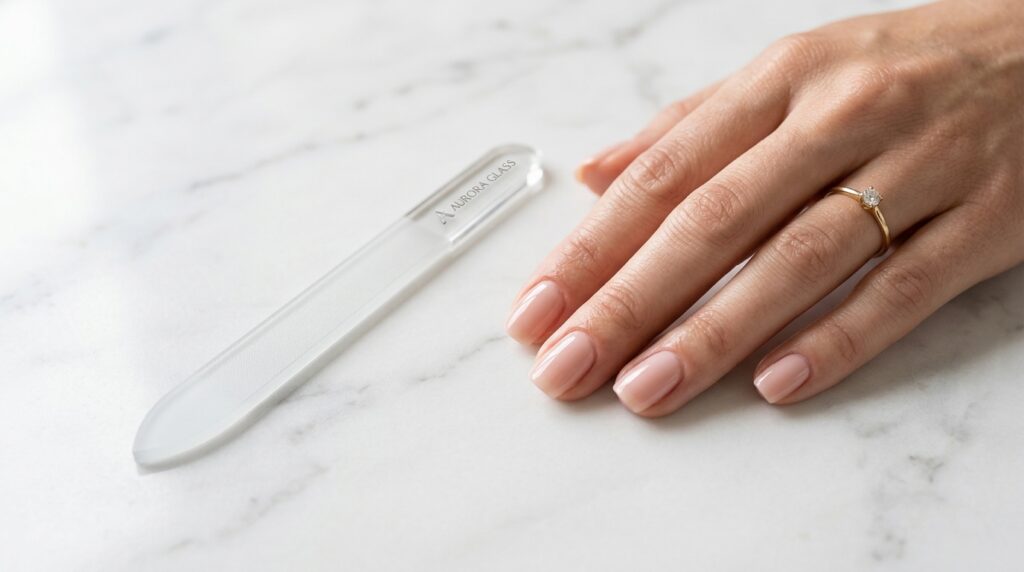
To understand why DIY tooth filing is so dangerous, it helps to look at human anatomy. Fingernails and teeth might both feel hard and smooth, but biologically, they could not be more different.
Fingernails are composed of dense layers of keratin, the same dead structural protein found in hair. When you trim, file, or buff your nails, you are shaping non-living tissue that continuously regenerates from the matrix under your cuticle. As noted in the American Academy of Dermatology nail care tips, filing nails properly maintains strength and prevents snagging because the nail plate constantly grows outward over time.
Teeth, on the other hand, are complex, mineralized organs protected by an outer shell called enamel.
- Enamel is the hardest tissue in the human body, made mostly of calcium and phosphate minerals.
- Unlike fingernails, tooth enamel contains no living cells.
- Once enamel is ground away, scraped, or chipped, it can never regenerate or regrow.
Because enamel cannot repair itself, using an abrasive nail tool permanently destroys the only barrier protecting the sensitive inner layers of your teeth.
What Happens When You Use a Nail File on a Tooth?
Dragging an abrasive nail file across a tooth does not simply polish away an uneven edge. It causes immediate, irreversible damage to the tooth structure and surrounding mouth tissues.
+-------------------------------------------------------------------+
|                     CHAIN REACTION OF DIY FILING                  |
|                                                                   |
| [Nail File Abrasion] ──> [Enamel Depletion] ──> [Dentin Exposure] |
|                                                                   |
|                                   │                               |
|                                   ▼                               |
| [Root Canal / Tooth Loss] <── [Nerve Damage] <── [Severe Pain]    |
+-------------------------------------------------------------------+
1. Irreversible Loss of Enamel
Nail files act like harsh sandpaper. Grinding down a tooth strips away the thin mineral layer protecting the tooth core. Once this enamel is gone, your tooth becomes weaker, thinner, and far more prone to cracking under normal chewing pressure.
2. Hypersensitivity to Hot and Cold
Directly underneath your enamel lies dentin, a yellowish, porous tissue containing microscopic tubules that lead straight to the nerve center (pulp) of the tooth. According to Centers for Disease Control and Prevention guidance on oral health, preserving natural tooth structures is vital for preventing long-term oral pain and decay. Exposing dentin causes sharp, shooting pain whenever you drink hot coffee, eat ice cream, or breathe cold air.
3. Nerve Damage and Pulp Infection
Aggressive or repeated filing easily wears through thin enamel, reaching the delicate tooth pulp inside. This introduces friction heat and pressure directly to the nerve, leading to severe inflammation, excruciating toothaches, and potential nerve death that requires an emergency root canal.
4. Bacterial Contamination and Micro-Fractures
Nail files—especially used emery boards—carry skin oils, debris, fungal spores, and synthetic glues. Using a non-sterile nail tool inside your mouth rubs these contaminants into tiny micro-fractures in the tooth, creating an ideal environment for rapid tooth decay and painful gum infections.
5. Bite Misalignment and TMJ Pain
Your bite is calibrated down to fractions of a millimeter. When you file down one or more teeth at home, you alter how your upper and lower jaws fit together. This imbalance can lead to:
- Chronic jaw pain and clicking (TMJ disorders)
- Uneven wear on neighboring teeth
- Tension headaches and facial muscle strain
Why No Type of Nail File Belongs in Your Mouth
Some viral beauty trends suggest using specific types of nail files—like fine glass boards or soft buffers—thinking they are safe. In reality, every single nail tool poses a major threat to teeth.
Emery Boards
Emery boards consist of cardboard coated with coarse abrasives like silicon carbide or aluminum oxide, held together with industrial adhesives. When rubbed against tooth enamel, particles crumble off into your mouth while carving deep, jagged grooves into your teeth.
Metal Nail Files
Metal files feature rigid, cross-hatched steel teeth designed to take down dense acrylics or thick toenails. On teeth, metal files act like chisels, easily gouging enamel, cracking tooth corners, and slicing delicate gum tissue.
Glass and Crystal Nail Files
Glass files are beloved in nail care for sealing natural nail edges smoothly. However, on teeth, they act like ultra-fine sandpaper. They grind away enamel seamlessly, making it hard to realize how much protective structure you have stripped away until sharp pain sets in hours later.
Electric Nail Drills (E-Files)
Electric nail drills spin at thousands of revolutions per minute. Applying an e-file bit to a tooth generates extreme friction heat that can literally cook the living nerve tissue inside the pulp within seconds, killing the tooth instantly.
Safe, Professional Alternatives for Fixing Uneven Teeth
If you are wondering can you nail file a tooth because you have a minor chip or jagged edge, there is good news: professional cosmetic dentistry can fix these issues quickly, safely, and painlessly.
- Odontoplasty (Dental Contouring): A licensed dentist uses specialized, water-cooled diamond burs to smooth out minor chips or uneven edges. This precise procedure removes micro-amounts of enamel while ensuring the protective barrier remains intact.
- Dental Bonding: For noticeable chips or gaps, a dentist applies a tooth-colored composite resin. The resin is shaped to match your natural tooth contour, hardened with a curing light, and polished smooth in a single visit.
- Porcelain Veneers: If a tooth has extensive surface damage, thin porcelain shells can be custom-crafted and bonded over the front surface to restore shape, color, and strength.
- Custom Night Guards: If your teeth are uneven because of nighttime clenching or grinding (bruxism), a dentist can craft a custom guard to prevent further wear and protect your smile.
DIY Filing vs. Professional Dental Reshaping
| Feature | DIY Nail Filing | Professional Odontoplasty |
|---|---|---|
| Primary Tool Used | Emery boards, glass files, or e-files | Water-cooled diamond burs & polishers |
| Impact on Enamel | Uncontrolled, destructive stripping | Precise, microscopic smoothing |
| Nerve & Tissue Safety | High risk of permanent nerve damage | Complete safety monitoring |
| Infection Risk | High (unsterile tools, glue, grit) | Zero (sterile medical equipment) |
| Long-Term Cost | Expensive emergency repairs | Affordable, single-visit fix |
| Reversibility | Irreversible permanent damage | Safe, stable structural results |
When to See a Nail Technician or Dermatologist
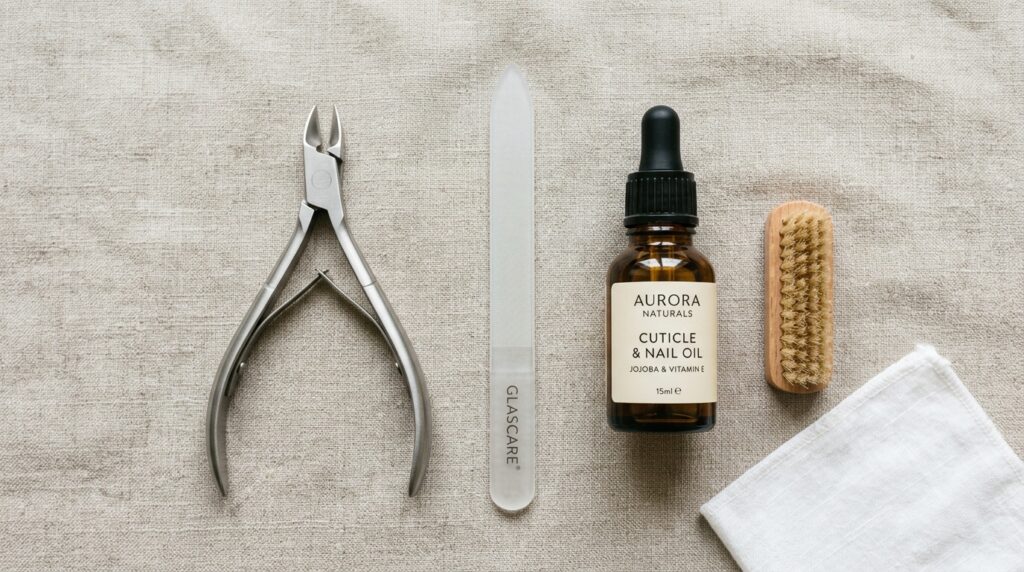
Understanding tool boundaries is an essential skill for any beauty enthusiast. At NailPrime, we always advocate for respecting the limits of home tools, whether you are caring for your hands, feet, or overall grooming routine.
Just as dental issues require a licensed dentist, specific hand and nail conditions require trained experts rather than DIY experimentation:
- Persistent Nail Thinning or Splitting: If your natural nails are constantly peeling or brittle, avoid over-filing the surface. Consult a dermatologist to check for nutrient deficiencies, thyroid issues, or localized infections.
- Signs of Paronychia or Cuticle Infection: Redness, swelling, throbbing pain, or pus around the nail border should never be masked with polish or handled with sharp tools. Seek medical evaluation promptly.
- Severe Surface Ridges: Sanding down deep vertical or horizontal ridges thins the natural nail plate, exposing the sensitive nail bed beneath. A certified nail technician can safely apply a ridge-filling base coat instead.
- Allergic Reactions to Enhancements: If you develop itching or scaling after using gel or acrylic products, stop using them immediately. The U.S. Food and Drug Administration beauty safety guidelines warn that acrylates can trigger severe contact allergies when misapplied or improperly cured.
Expert Tip:
Never use a cosmetic tool on a body part it was not explicitly engineered for. Nail files, e-files, and buffing blocks are formulated exclusively for flexible keratin. Keep nail care tools far away from your teeth, skin wounds, and delicate oral tissues to avoid permanent injury and cross-contamination.
Common Mistakes to Avoid
- Falling for Social Media Beauty Hacks: Online trends prioritize short, dramatic videos over long-term safety and health outcomes.
- Assuming Glass Files or Buffers Are Safe: Soft buffers and crystal files still strip away precious, non-renewable tooth enamel.
- Ignoring Early Sensitivity Signals: If a tooth hurts after a minor bump or DIY attempt, exposed dentin or nerve trauma has already occurred.
- Putting Unsterile Tools Near Your Mouth: Makeup bags and manicure kits harbor bacteria that can cause severe oral infections if introduced to tooth micro-fractures.
- Attempting DIY Shape Corrections: Trying to fix misaligned or chipped teeth at home almost always results in expensive emergency dental work.
FAQs
Can filing a tooth with an emery board cause permanent damage?
Yes. Filing a tooth with an emery board permanently strips away enamel, which cannot regrow. This leaves the inner layers of your tooth vulnerable to decay, cracking, and severe sensitivity.
What should I do if I already filed my tooth with a nail file?
Stop filing immediately and schedule an appointment with a dentist. Avoid very hot, cold, or acidic foods in the meantime to protect exposed dentin, and let your dentist evaluate the enamel thickness.
How much does professional tooth smoothing cost compared to filing at home?
Professional tooth contouring (odontoplasty) is relatively inexpensive, often ranging from $50 to $300 per tooth. Attempting to file at home can result in thousands of dollars in emergency root canals, crowns, or implants.
Can a nail file wear down teeth if done very lightly?
Yes. Even gentle friction with a glass file or buffer removes microscopic layers of enamel. Because enamel is very thin on the edges of front teeth, light filing quickly breaches this protective barrier.
Why does my tooth hurt after using a nail file on it?
Pain indicates that you have filed through the outer enamel layer and exposed the dentin beneath, or that friction heat has inflamed the pulp nerve inside the tooth.
Can using a nail file in my mouth cause infections?
Yes. Nail files accumulate bacterial dust, fungal spores, skin oils, and chemical adhesives. Introducing these into your mouth can trigger soft tissue infections and tooth decay.
Conclusion
When asking can you nail file a tooth, the clear answer from both nail editors and dental professionals is a resounding no. While nail files work wonders for shaping keratin, they are completely destructive when applied to living dental enamel. Attempting to smooth or reshape your teeth with an emery board, glass file, or e-file causes irreversible damage, severe pain, and costly dental emergencies.
If you have a chipped, jagged, or uneven tooth, leave the nail files in your manicure kit and schedule a consultation with a dentist. Safe, affordable options like dental bonding and contouring can give you a seamless smile in minutes—without risking your health.
For all your safe, professional, and practical at-home manicure guides, explore our latest step-by-step tutorials on NailPrime to keep your hands and nails healthy, strong, and beautifully maintained.

