
Can You Nail File a Wart Off? The Truth About DIY Wart Removal

Dealing with a stubborn bump on your finger, toe, or cuticle can be incredibly frustrating. When you are doing your weekly manicure, it is tempting to grab your emery board and simply buff the rough skin away. If you are wondering, can you nail file a wart off, the short answer is that you should absolutely avoid doing this.
Warts are not just normal calluses or thickened dead skin—they are highly contagious viral infections. In this comprehensive guide from NailPrime, we will explain exactly why filing a wart is a dangerous idea, how to safely treat the issue at home, and what to do with your nail tools to prevent spreading the infection.
Quick Answer
You cannot safely nail file a wart off. Warts are caused by the human papillomavirus (HPV). Aggressively filing a wart will tear the infected skin, cause heavy bleeding, and likely spread the highly contagious virus to other parts of your body. Instead of filing, use an over-the-counter salicylic acid treatment or consult a dermatologist for safe removal.
Understanding Warts: Why They Appear Near Your Nails
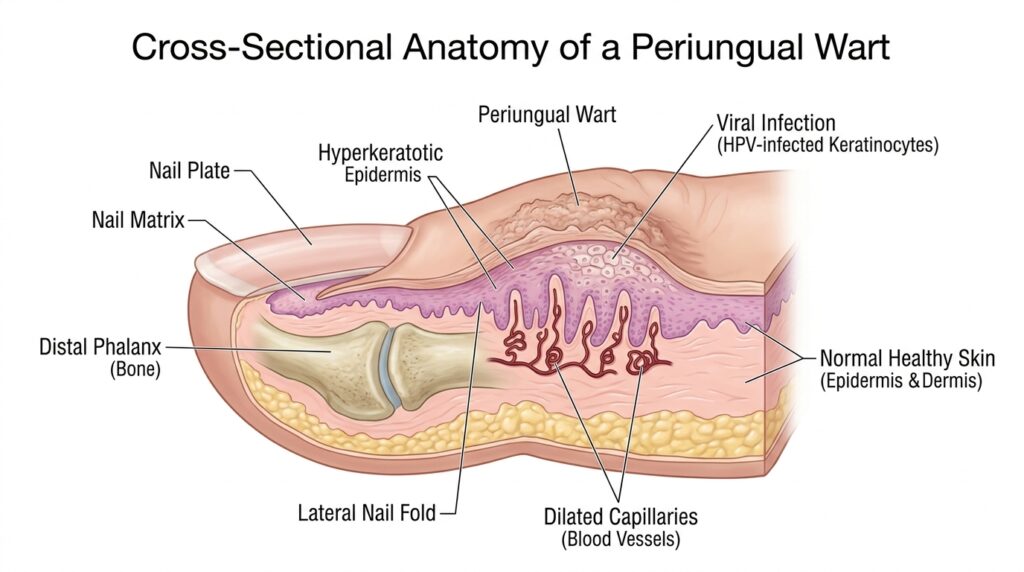
Before you reach for your favorite glass nail file, it is important to understand what you are dealing with. Periungual warts are a specific type of wart that grows under or around the fingernails and toenails. They usually start small but can grow into rough, cauliflower-like clusters.
Because they grow near the nail bed, they can easily be mistaken for hardened cuticles or standard calluses. However, warts are caused by the human papillomavirus (HPV) entering the skin through tiny cuts or scrapes. If you have a habit of biting your nails or picking at your cuticles, you are at a higher risk of developing these warts.
Because the virus lives in the top layers of your skin, any physical friction—like aggressive filing or buffing—disturbs the viral cells.
Why You Should Never Nail File a Wart Off
Using a nail file to grind down a wart is one of the most common DIY beauty mistakes. While it might seem like a quick fix, it almost always makes the problem much worse.
1. Spreading the Highly Contagious Virus
Your nail file acts like a microscopic cheese grater. When you drag a file across a wart, you pick up living viral cells in the grit of the file. If you then use that same file on a healthy nail, you will spread the infection to a new finger or toe.
According to the American Academy of Dermatology Association, warts are caused by viruses in the human papillomavirus (HPV) family, meaning any physical trauma to the area can easily spread the infection to surrounding healthy skin.
2. The Hidden Danger of Bleeding
Unlike normal calluses, warts have their own dedicated blood supply. If you look closely at a wart, you might notice tiny black dots inside it. These are actually tiny clotted blood vessels.
If you try to nail file a wart off, you will quickly hit these blood vessels. Warts tend to bleed heavily when ruptured, and that blood carries the virus. Filing a wart will not just be painful; it creates an open, bleeding wound that is highly susceptible to secondary bacterial infections.
3. Risk of Permanent Nail Damage
Periungual warts grow very close to the nail matrix (the root of your nail). If you file the area aggressively, you risk damaging the nail matrix. This can lead to permanently ridged, split, or deformed nail growth long after the wart is gone.
How to Safely Remove Warts at Home
Instead of aggressively filing a wart dry, you should use safe, clinically proven methods to treat the virus. These methods take patience, but they will not spread the infection or scar your nail beds.
Over-the-Counter Salicylic Acid
The most reliable at-home treatment for warts is salicylic acid. This gentle acid comes in liquids, gels, or adhesive pads. It works by slowly peeling away the infected skin layers over a few weeks.
According to Mayo Clinic guidelines on common warts, treatments containing salicylic acid peel the wart away one layer at a time and also trigger your immune system to fight the virus locally.
At-Home Freezing Kits (Cryotherapy)
You can purchase over-the-counter freezing sprays at your local pharmacy. These kits use a mixture of dimethyl ether and propane to freeze the wart tissue. A blister forms around the wart, and the dead tissue eventually falls off.
Important warning: Never use freezing kits on the actual nail plate or deep into the nail matrix, as this can cause permanent damage to your nail growth.
The Right Way to Use a Nail File During Treatment
You cannot file a wart off completely, but dermatologists sometimes recommend gently filing the dead skin away only while actively treating it with medicine. If your doctor instructs you to do this, you must follow strict sanitary rules.
- Soak the area first: Soak the wart in warm water for 10 to 15 minutes to soften the skin.
- Use a disposable emery board: Gently swipe the dead, white skin off the top. Do not file until it bleeds or hurts.
- Throw the file away immediately: Never reuse this emery board. Do not save it for later, and absolutely never use it on your healthy nails.
- Apply medication: Apply your salicylic acid treatment to the freshly exposed layer of the wart.
- Wash your hands: Scrub your hands thoroughly with antibacterial soap.
Helpful Table: Filing vs. Proper Medical Treatment
To help you make the best decision for your nail health, here is a breakdown of what happens when you try to file a wart versus using proper treatments.
| Feature | Using a Nail File to Remove a Wart | OTC Salicylic Acid or Freezing |
|---|---|---|
| Pain Level | High (Likely to cause bleeding and raw skin) | Low (Mild stinging or tingling) |
| Infection Risk | Very High (Spreads virus, risks bacterial infection) | Very Low (If kept clean and covered) |
| Effectiveness | Zero (The root of the virus remains in the skin) | High (Eliminates the virus over time) |
| Tool Safety | Ruins the nail file; makes it a biohazard | No tools required, highly sanitary |
| Scarring Risk | High (Tearing the skin can lead to permanent scars) | Low (Gently removes layers of skin) |
Common Mistakes to Avoid
When dealing with a wart near your nails, avoid these common pitfalls that can make the situation much worse:
- Using your favorite glass or metal files: Viruses can live on these surfaces. If you accidentally use one on a wart, it must be rigorously sterilized or thrown away.
- Biting your nails or cuticles: This transfers the HPV virus from your hands to your lips and face.
- Hiding it with acrylics: Never apply acrylics, dip powder, or gel over a wart. The chemicals can irritate it, and trapping moisture underneath creates a breeding ground for bacteria.
- Sharing nail clippers: Never share nail tools with friends or family members if you have an active wart.
- Ignoring pain: If a bump near your nail is throbbing, hot, or leaking fluid, it is not just a wart; it is likely infected.
When to See a Nail Technician or Dermatologist
It is crucial to understand the difference between cosmetic care and medical care. A nail technician cannot diagnose, treat, or file away a wart. In fact, if you go to a nail salon with an active, uncovered wart, a responsible nail tech will politely refuse service.
According to the American Podiatric Medical Association, warts on the feet and hands require careful, hygienic treatment, and salon workers are trained to avoid touching them to prevent spreading the virus to their tools and other clients.
You should skip the salon and visit a dermatologist or doctor if:
- The wart is painful, red, or swollen.
- The wart is growing under the nail plate and lifting the nail.
- At-home treatments have not worked after two months.
- You have diabetes or a weakened immune system.
- The wart is spreading to other fingers or toes.
Expert Tip:
If you have an important event and need your nails done but have a small wart on one finger, call your salon in advance. Some salons will still perform a manicure on your healthy fingers as long as the wart is securely covered with a waterproof bandage and they completely bypass that finger during the service.
FAQs
Can you cut a wart off with nail clippers?
No. Just like filing, cutting a wart with nail clippers will cause heavy bleeding, immense pain, and will spread the virus to the clippers and surrounding skin.
Does a glass nail file spread warts?
Yes. While glass nail files are less porous than emery boards, the HPV virus can still transfer onto the abrasive glass surface. If you use it on a wart and then on a healthy nail, you will spread the infection.
How do you clean a nail file after it touches a wart?
If you used a cardboard emery board, you must throw it in the trash. If you accidentally used a metal or glass file, soak it in 70% to 90% rubbing alcohol for at least 30 minutes, or boil it in water for 20 minutes to sanitize it.
Will nail polish remover kill a wart?
No. Acetone and nail polish removers will not kill the HPV virus that causes warts. They will only severely dry out and irritate the skin, making the wart more painful.
Can I get a gel manicure if I have a wart?
You should avoid getting manicures on the infected finger. UV lights and nail chemicals do not cure warts, and the salon environment poses a risk of spreading your virus to others. Treat the wart first.
Why did my wart turn black after filing it?
If a wart turns black after you file or pick at it, it means the tiny blood vessels inside the wart have ruptured and clotted. This is a sign of trauma to the tissue. Stop filing immediately and let it heal.
Conclusion
When asking yourself, can you nail file a wart off, remember that patience and proper treatment are always better than a quick, painful fix. Filing a wart will only lead to bleeding, pain, and the spread of the highly contagious HPV virus to your healthy nails.
Instead of reaching for your manicure tools, switch your focus to gentle, proven methods like over-the-counter salicylic acid or a visit to a medical professional. Keep your favorite glass and metal nail files far away from the infected area, and always prioritize the long-term health of your hands over a temporary cosmetic fix. If you are struggling with a stubborn wart that will not budge, skip the salon and book an appointment with a dermatologist today.

