
Can You Use a Nail File to Get Rid of Calluses? Complete Safety Guide

If you are dealing with rough, dry patches of skin on your hands or feet, it is incredibly tempting to grab the nearest tool in your manicure kit. After all, if a file can shape a hard acrylic nail, shouldn’t it be able to smooth out a stubborn patch of skin?
You might be wondering, can you use a nail file to get rid of calluses safely and effectively? It is a common question, especially when a callus starts catching on your clothes or causing discomfort during your daily routine.
While it might seem like a quick DIY fix, using the wrong tool on your skin can lead to irritation, micro-tears, or even infection. In this guide, we will cover exactly when a nail file is appropriate, why it often fails for thicker skin, and the best tools to use for a smooth, healthy finish.
Quick Answer
Yes, you can use a nail file to get rid of calluses, but it is only truly effective for small, mild calluses on your fingers or hands. For thicker foot calluses, a standard emery board is too small and too fine. You should use a dedicated foot file or pumice stone instead to avoid damaging your healthy skin or instantly ruining your nail file.
Understanding Calluses and Nail Files
To understand whether you should use your nail file on your skin, it helps to know exactly what you are dealing with.
Calluses are thick, hardened layers of skin that develop when your skin tries to protect itself against repeated friction or pressure. They most commonly form on the heels of your feet, the balls of your feet, or the palms of your hands.
Nail files, on the other hand, are specifically designed to grind down the hard keratin structure of fingernails and toenails. They are not primarily designed for soft tissue or skin.
Types of Nail Files
Not all nail files are created equal. The type of file you have will determine what it does to your skin:
- Emery Boards: Made of cardboard and abrasive paper. They bend easily and dull quickly if used on thick skin.
- Glass Files: Smooth and gentle. They can lightly exfoliate but will not remove deep calluses.
- Metal Files: Harsh and aggressive. Using these on your skin can easily cause scratches or cuts.
When Is It Safe to Use a Nail File on a Callus?
There are a few specific scenarios where a standard nail file can actually be a handy tool for skin care.
If you have small, highly localized calluses, a standard emery board can work well. These types of calluses usually appear on the hands rather than the feet.
Common examples include:
- Writer’s calluses: Small bumps on the side of the finger from holding a pen.
- Guitar player calluses: Hardened fingertips from pressing on strings.
- Weightlifting calluses: Mild thickening right at the base of the fingers.
Because these calluses are small and located on relatively sensitive areas, a standard 180-grit or 240-grit nail file provides the gentle, precise exfoliation needed without aggressively tearing the skin.
Why You Shouldn’t Use a Standard Nail File for Foot Calluses
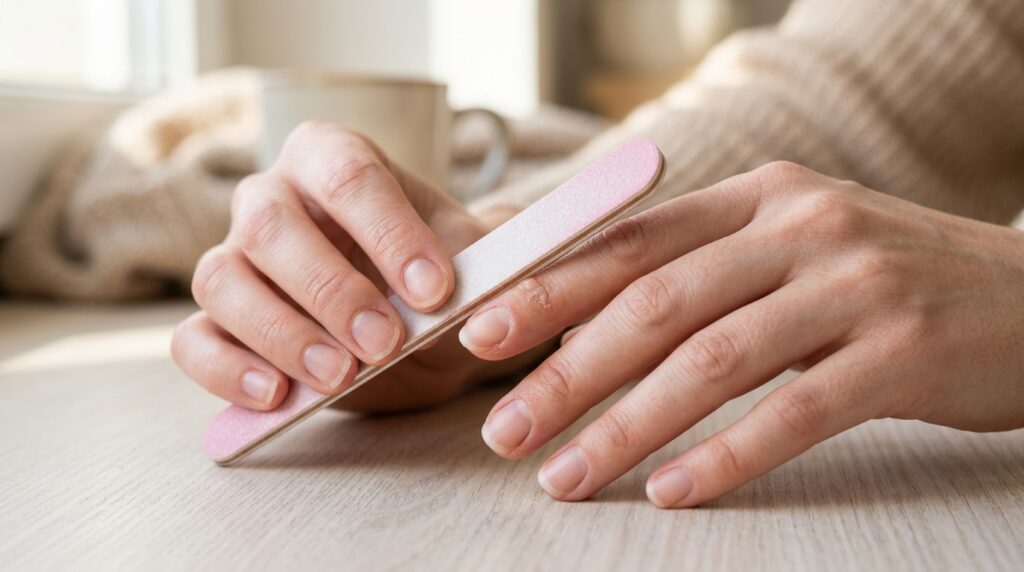
While filing a small finger bump is perfectly fine, taking your emery board to a thick, cracked heel is a bad idea for several reasons.
1. The Grit is Too Fine
Standard emery boards are designed for the edge of a nail. A thick foot callus requires a much coarser grit to make any real progress. If you try to use a nail file on your heel, you will likely just rub the surface of the skin, generating heat from friction without actually removing the dead tissue.
2. The Tool is Too Small
Foot calluses cover broad areas. Using a narrow nail file will create uneven patches on your skin, rather than a smooth, uniform surface.
3. Risk of Cross-Contamination
This is the most critical safety issue. Using the same tool on your feet and your fingernails is incredibly unhygienic. The Centers for Disease Control and Prevention emphasizes that sharing unsterilized nail tools or using them on different body parts can easily spread fungal and bacterial infections. If you use a file on a foot fungus and then use it on your fingernails, you risk spreading the infection to your hands.
The Best Tools for Removing Thick Calluses
If a nail file isn’t the right tool for your feet, what should you use? Building a proper at-home pedicure kit will give you better, safer results.
Foot Files (Callus Rasps)
These look like large, paddle-shaped nail files or cheese graters. They are designed specifically with a coarse grit to handle thick foot skin. They cover a large surface area, making quick work of rough heels.
Pumice Stones
A pumice stone is a lightweight, porous volcanic rock. It provides excellent, natural exfoliation. According to the American Academy of Dermatology, soaking your skin before applying friction helps safely remove dead tissue without causing painful micro-tears.
Chemical Callus Removers
For severely cracked or thick heels, physical scrubbing might not be enough. Gels or creams containing urea, salicylic acid, or lactic acid can chemically break down the dead skin over a few weeks, making it incredibly easy to slough off in the shower.
Comparing Callus Removal Tools
To help you choose the right tool for your specific needs, review this comparison table before starting your at-home treatment.
| Tool | Best Used For | Pros | Cons |
|---|---|---|---|
| Standard Nail File | Small finger/hand calluses | Cheap, readily available, precise | Too small for feet, dulls quickly on skin |
| Pumice Stone | Daily/weekly foot maintenance | Natural, gentle, inexpensive | Harbors bacteria if not dried properly |
| Paddle Foot File | Thick heel and sole calluses | Covers large areas, highly effective | Can cause cuts if pressed too hard |
| Chemical Removers | Severely thick or cracked heels | Requires no physical scrubbing | Can cause chemical burns if misused |
Step-by-Step: How to Safely File a Small Callus at Home
If you have decided that your small hand callus is a good candidate for a nail file, follow these steps to ensure you do it safely and effectively.
- Wash and dry your hands: Cleanse the area with warm water and mild soap to remove any surface dirt and soften the skin slightly.
- Ensure the skin is dry: Never use a cardboard emery board on wet skin. The paper will disintegrate, and wet skin is more prone to tearing.
- Choose the right grit: Select a medium-grit file (around 180-grit). Avoid aggressive metal files.
- File in one direction: Gently swipe the file across the callus in a single direction. Do not aggressively saw back and forth, as this creates heat and damages healthy surrounding skin.
- Stop before you hit pink skin: You only want to remove the top, dead layer of the callus. If you feel any pain or sensitivity, stop immediately.
- Moisturize deeply: Apply a thick hand cream or cuticle oil to the area to lock in hydration and promote healing.
Expert Tip:
Never share your nail files! Even if you are just filing a small skin callus, dead skin cells and microscopic bacteria get trapped in the grit of the file. Always use a dedicated, clean file for your skin and replace it regularly to prevent bacterial buildup.
Common Mistakes to Avoid
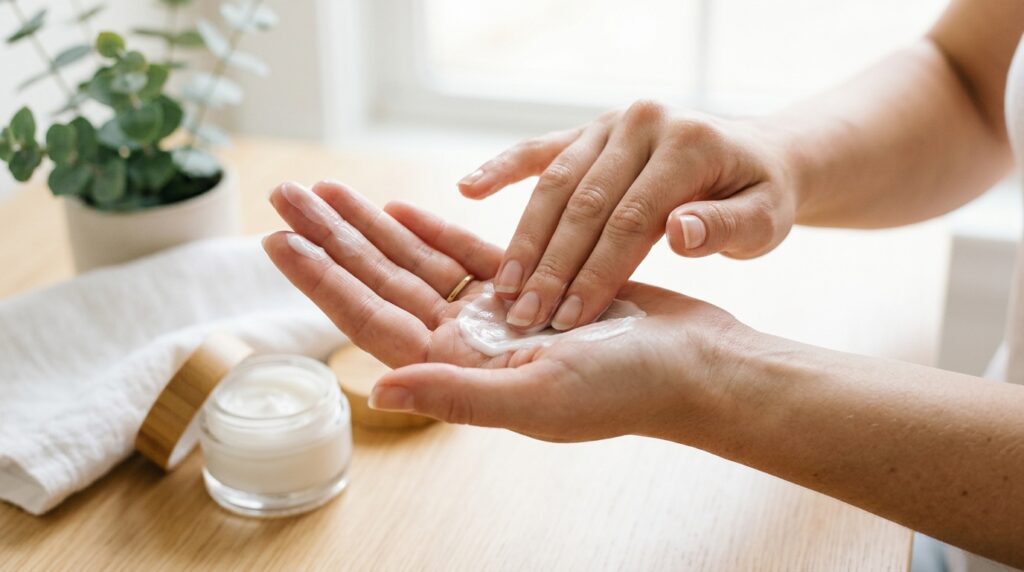
When attempting DIY skin and nail care, minor errors can lead to painful consequences. Avoid these common pitfalls:
- Using a “cheese grater” foot file on dry skin: These sharp metal foot files should ideally be used on softened, soaked skin to prevent slicing into live tissue.
- Trying to remove the whole callus at once: Calluses are there to protect your skin. If you remove the entire thickness in one sitting, the raw skin underneath will be incredibly painful and vulnerable to blisters.
- Using cuticle nippers to cut calluses: Never cut your calluses. Nippers and clippers easily grab live tissue, leading to deep, bleeding cuts that are highly prone to infection.
- Using an electric nail drill on your feet without training: E-files spin at thousands of revolutions per minute. Using them on soft tissue without professional training can cause severe friction burns.
When to See a Nail Technician or Dermatologist
While at-home maintenance is fine for mild roughness, some situations require professional intervention.
If your callus is painful, bleeding, or weeping fluid, it is no longer a cosmetic issue—it is a medical one. Do not attempt to file or treat broken skin at home.
Furthermore, the American Podiatric Medical Association strictly advises individuals with diabetes, neuropathy, or poor circulation to avoid DIY callus removal entirely. Because these conditions affect healing and sensation, a minor nick from a file can rapidly escalate into a severe, limb-threatening ulcer. Always visit a podiatrist or dermatologist for safe removal if you have these underlying health conditions.
You should also consult a professional if you suspect the hard bump is actually a wart or a corn. Filing a viral wart will only spread the virus to other parts of your body.
FAQs
Can a glass nail file remove calluses?
Glass files are excellent for gently smoothing the skin around your fingertips or mild rough patches. However, they are too gentle to remove thick, stubborn foot calluses effectively.
Is it better to file calluses wet or dry?
If you are using a standard emery board, the skin must be completely dry, or the file will break apart. If you are using a pumice stone or a metal foot rasp, it is much safer and more effective to soak your feet in warm water for 10 minutes first.
Can I use an electric nail drill on foot calluses?
While professional nail technicians use specialized e-file bits for pedicures, doing this at home is not recommended. Without the correct technique, you can easily cause deep friction burns or drill into live tissue.
Why does my callus grow back harder after filing?
If you file a callus too aggressively, your body registers it as trauma. To protect the area, the skin will produce skin cells faster and thicker than before. Always leave a thin layer of the callus intact to prevent this rebound effect.
Can an emery board cause an infection?
Yes. Emery boards are porous and cannot be sanitized. If you file a cracked callus, bacteria from the file can enter the microscopic wounds in your skin, leading to redness, swelling, and infection.
Conclusion
So, can you use a nail file to get rid of calluses? The answer depends entirely on the size and location of the rough skin. For small, minor bumps on your hands or fingers from writing or lifting weights, a clean, standard nail file is a perfectly practical solution.
However, when it comes to the thick, stubborn calluses on your heels and toes, leave the nail files for your manicures. Investing in a proper foot file, a natural pumice stone, and a high-quality moisturizer is the smartest, safest way to achieve smooth skin without risking damage or infection.
Always prioritize hygiene, never share your abrasive tools, and remember that gentle, gradual exfoliation over several days is always better than aggressive scrubbing. If you are ever in doubt, or if you have an underlying health condition, put the file down and book an appointment with a professional!

