
Can You Use a Nail File on Feet? What You Need to Know About Foot and Nail Care

Taking care of your hands and feet is an essential part of your personal grooming and hygiene routine. However, using the wrong tools in the wrong places can lead to skin irritation, damaged nails, and even infections. If you have ever wondered can you use nail file on feet, you are not alone. Many people look for quick fixes when dealing with rough skin or long toenails and wonder if their standard hand tools will work on their feet.
Introduction
Have you ever stared at a rough patch of skin on your heel or a thick toenail and reached for the nearest tool in your manicure kit? It is a common temptation, especially when you want a quick fix at home. However, using the wrong tools on your feet can cause more harm than good.
The question of whether can you use nail file on feet comes down to the differences between hand and foot anatomy, tool grading, and hygiene safety. Understanding these differences protects you from painful skin tears and stubborn nail issues.
According to the American Academy of Dermatology Association, proper foot and nail maintenance requires tools specifically designed for thick skin and dense toenails to prevent injury.
Throughout this guide, we will explore why standard fingernail files are rarely the right choice for your feet, when you can safely use certain filing tools, and what alternatives you should use instead for smooth, healthy feet.
Quick Answer
Can you use a nail file on feet?
Generally, no. A standard fingernail file is too small, too fine, and unhygienic for the heavy-duty skin and thick keratin found on your feet. While you can use a coarse foot file or pumice stone on the soles of your feet, and a heavy-duty metal file specifically made for thick toenails, using a standard cosmetic hand nail file on your feet is ineffective and can spread bacteria.
Understanding the Difference Between Hand and Foot Care
Your hands and feet experience entirely different levels of pressure, friction, and environmental exposure. Consequently, the skin and nails on your feet require different care approaches than your fingers.
Fingernails vs. Toenails
- Thickness: Toenails are significantly thicker, denser, and more prone to fungal growth because they spend most of their day enclosed in warm, dark shoes.
- Growth Rate: Fingernails grow much faster than toenails, meaning hand files are optimized for regular, light maintenance.
- Shape: Fingernails are shaped for aesthetics and daily function, while toenails need straight-across trimming to prevent painful ingrown toenails.
Hand Skin vs. Foot Skin
- Callus Formation: The skin on the soles of your feet naturally develops thick layers of dead skin cells (calluses) to protect against walking pressure.
- Moisture Glands: The soles of your feet contain high concentrations of sweat glands but lack oil glands, making them prone to extreme dryness and cracking.
For detailed guidelines on maintaining safe skin barriers, you can review resources provided by the U.S. Food and Drug Administration regarding cosmetic tools and hygiene practices.
Types of Files: Hands vs. Feet
Not all files are created equal. Using a tool outside of its intended design compromises your results and your safety.
| Tool Type | Primary Use | Grit Level / Material | Safe for Feet? |
|---|---|---|---|
| Emery Board | Natural fingernails | Fine to medium grit paper | No (Too weak for feet) |
| Glass Nail File | Natural fingernails | Micro-etched glass | No (Too delicate for feet) |
| Metal Foot File | Removing thick calluses on heels | Stainless steel blades or rasp | Yes (Designed for feet) |
| Pumice Stone | Softening rough skin and heels | Volcanic rock | Yes (Gentle exfoliation) |
| Electric Pedicure File | Smoothing heels and dead skin | Motorized abrasive rollers | Yes (For callus removal only) |
Why Using a Hand Nail File on Your Feet Doesn’t Work
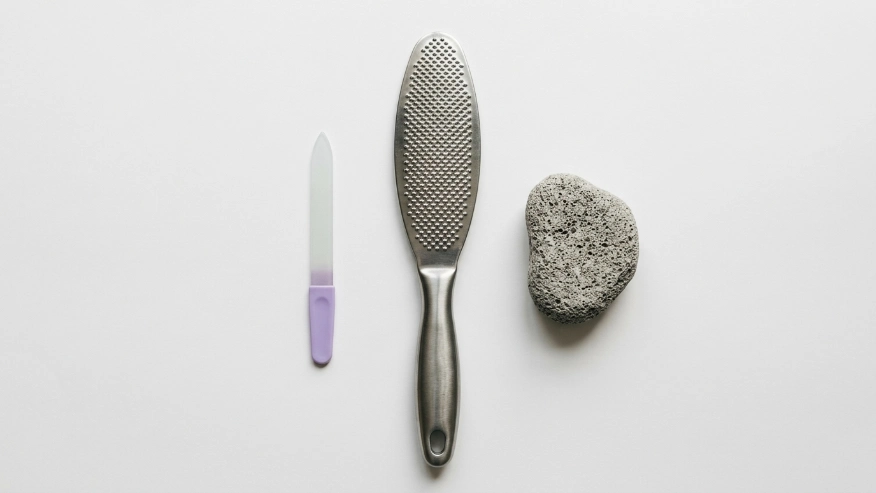
If you try to use a standard hand nail file on your feet, you will likely encounter several frustrating limitations:
- Inadequate Surface Area: Standard nail files are short and narrow. Filing the heel of your foot with a tiny emery board would take hours and yield poor results.
- Incorrect Grit: Hand files are designed to shape delicate keratin edges. They lack the abrasive power required to break down thick calluses or dense toenails.
- Hygiene Risks: Transferring tools between your hands and feet increases the risk of spreading fungus, such as athlete’s foot or toenail fungus, to your fingernails.
Safe Alternatives for Foot and Toenail Maintenance
Instead of reaching for your manicure set when tending to your feet, use these dedicated tools and practices:
1. For Thick Toenails
Use large, heavy-duty toenail clippers with straight edges. If you need to smooth the edges, use a coarse metal file or a diamond-coated nail file explicitly rated for artificial or thick nails, keeping strokes moving in one direction.
2. For Dry Heels and Calluses
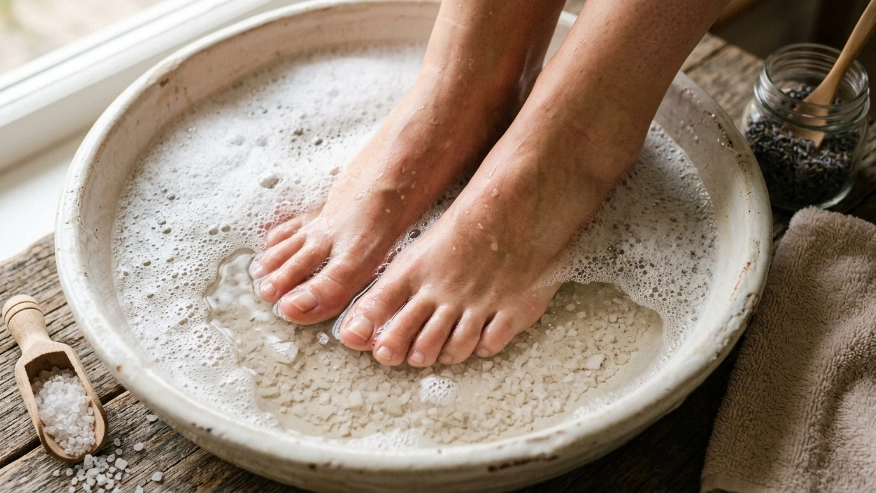
Soak your feet in warm water for ten minutes to soften the skin. Gently use a pumice stone or a stainless steel foot file to buff away dead skin cells. Never use razor blades or cheese-grater style scrapers unless advised by a medical professional, as these can easily cause deep cuts and infections.
Common Mistakes to Avoid
- Filing toenails into deep corners: This practice encourages ingrown toenails. Always trim and file your toenails straight across.
- Using unsterilized tools: Always clean and disinfect your foot files and clippers with rubbing alcohol before and after every use.
- Filing dry, hardened calluses aggressively: Filing dry skin can cause friction burns and micro-tears. Always soften your skin in a foot bath first.
- Sharing tools among family members: Sharing files or pumice stones spreads fungal infections and bacteria between individuals.
When to See a Nail Technician or Dermatologist
While at-home foot care keeps your feet looking neat, certain conditions require professional medical intervention. You should schedule an appointment with a podiatrist or dermatologist if you experience:
- Persistent, deep heel cracks that bleed or cause pain.
- Signs of a bacterial or fungal infection, such as yellow, crumbling toenails, redness, swelling, or pus.
- Severe calluses caused by underlying structural foot issues or improper footwear.
- Diabetes or poor circulation, which makes any DIY foot care risky due to reduced healing capacity.
Expert Tip: If you have diabetes, neuropathy, or circulatory issues, avoid all DIY foot filing and sharp tool usage entirely. Always visit a certified podiatrist for safe foot maintenance.
FAQs
Can you use a glass nail file on toenails?
Yes, glass nail files work wonderfully on toenails as long as the toenails are not excessively thick. Glass files seal the keratin layers as they file, preventing splitting. However, they are still too small to be used on the soles of your feet or thick heels.
How often should you file your feet?
You should use a foot file or pumice stone no more than one to two times per week. Over-filing can strip away necessary protective skin layers, leading to raw, tender skin and accelerated callus regrowth.
Can foot fungus spread if I use the same nail file on hands and feet?
Yes. Fungal spores from toenails can easily transfer to your fingernails if you use the same files or clippers without thorough sterilization between uses. It is best to keep separate, clearly marked sets of tools for your hands and feet.
What is the best tool for removing hard heel skin?
A pumice stone or a professional-grade stainless steel foot rasp used on damp skin is the most effective and controlled tool for managing hard heel calluses at home.
Should I file my feet when they are wet or dry?
It is generally safer to use foot files on skin that has been softened in a warm bath for 10 minutes, but pat dry slightly so the tool does not slip. Pumice stones work best on damp skin, while some metal rasps are designed for dry skin—always check the manufacturer instructions for your specific tool.
Conclusion
So, can you use nail file on feet? While a standard hand nail file is completely inadequate and unhygienic for your feet, proper foot care requires dedicated tools like pumice stones, foot rasps, and heavy-duty clippers. By using the right equipment for the right job, practicing good hygiene, and knowing your limits, you can maintain smooth, healthy feet safely at home.
Ready to upgrade your routine? Explore our collection of expert-approved pedicure guides and product reviews on NailPrime to find the best tools for your next self-care session.

