
Can You Use a Nail File on a Wart? Safety, Risks, and Proper Care

Finding a rough bump near your nail bed can cause instant worry. You might wonder if it is a stubborn callus, a blister, or a common skin growth. When people spot a rough patch on their fingers or toes, reaching for a grooming tool often feels like the fastest fix. However, figuring out can you use nail file on wart growths requires careful thought about skin safety, hygiene, and the nature of viral infections.
Introduction
Dealing with skin growths around your hands and fingernails can disrupt your daily grooming routine. Many people attempt at-home removal methods using everyday manicure supplies when unwanted textures appear.
Understanding whether can you use nail file on wart issues is safe helps protect your skin from unnecessary damage and spreading. Warts are caused by viruses that thrive in the outer layers of the skin. Treating them incorrectly can lead to severe complications, secondary bacterial infections, or the spread of the virus to other areas of your hands.
This guide explores the safety risks of filing warts, how proper hygiene plays a role, safe alternative treatments, and when it is time to consult a healthcare professional.
Quick Answer
No, you should not use a standard cosmetic nail file on a wart. Warts are caused by a contagious viral infection. Using a regular nail file can tear the skin, cause bleeding, and spread the virus to other fingers or tools. If filing is part of a doctor-approved treatment plan, it requires strict sanitary steps and a disposable emery board rather than a reusable salon file.
Understanding Warts Versus Normal Nail Issues
Before attempting any at-home care, it helps to understand what you are dealing with. Many non-experts confuse periungual warts—which grow around or under the fingernails—with everyday calluses, dry cuticles, or hangnail trauma.
Periungual warts often feature tiny black dots, which are actually small, coagulated blood vessels. They disrupt the normal lines of your skin fingerprint. Unlike simple dry skin, a wart is a living tissue mass driven by the human papillomavirus (HPV).
According to research shared by the American Academy of Dermatology, skin warts are highly contagious through direct contact or tiny breaks in the skin barrier. Because your hands touch your face, other parts of your body, and other people constantly, managing a hand wart requires extreme caution.
The Hidden Dangers of Filing a Wart
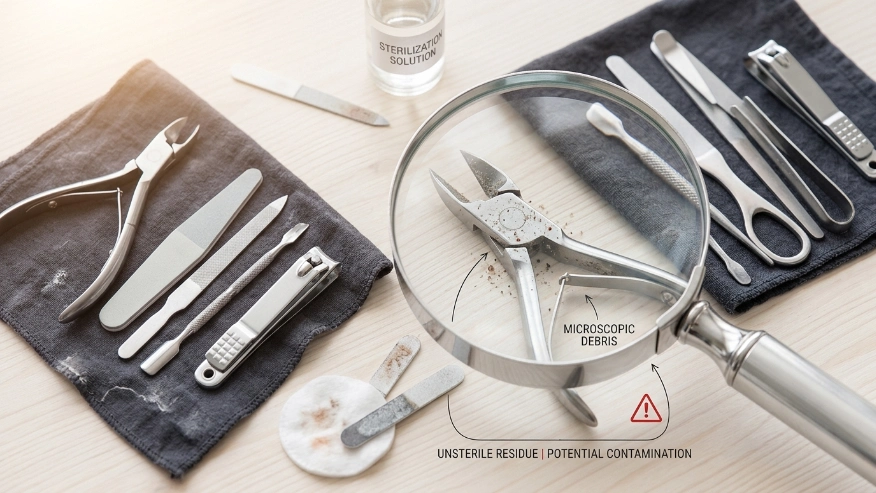
It is common to see advice online suggesting that thinning down a wart with an abrasive surface helps topical treatments penetrate better. While medical professionals sometimes advise gentle reduction of dead surface skin, doing this yourself with regular grooming tools carries major risks.
1. Spreading the Viral Infection
A nail file works by shaving down hard keratin. When you file a wart, microscopic skin particles containing the active virus catch onto the abrasive surface. If you use that same file on healthy nails later, you risk introducing the virus to micro-abrasions around your cuticles.
2. Micro-Tears and Bleeding
Warts are rich in tiny blood vessels. Aggressive filing easily causes tears, leading to bleeding. Open wounds on your fingers make it easy for secondary bacterial infections to enter.
3. Cross-Contamination of Tools
Reusable glass, metal, or cushioned foam nail files hold onto skin debris. Unless sterilized thoroughly, they become breeding grounds for bacteria and viral particles, threatening anyone else who might use your kit.
Safe At-Home Management vs. Professional Care
If you are managing a minor skin growth under medical guidance, safety protocols change drastically. The Centers for Disease Control and Prevention emphasizes proper hand hygiene and safe disposal of personal care items to prevent the transmission of contagious skin conditions.
If a doctor approves gentle surface reduction, specific guidelines must be followed:
- Never use luxury or metal salon files: Reserve your expensive glass or metal tools strictly for natural nail shaping.
- Use single-use emery boards: If filing is permitted, use a cheap, disposable paper board and throw it away immediately afterward.
- Sanitize surrounding areas: Wash your hands thoroughly with antibacterial soap before and after handling any affected skin.
- Avoid picking or cutting: Never use cuticle nippers, clippers, or razors to chop off a wart, as this causes severe trauma.
Comparison of Wart Care Methods
| Method | Safety Level | Effectiveness | Key Risk Factor |
|---|---|---|---|
| Standard Nail File | Low | Low | Spreads virus, causes bleeding |
| Disposable Emery Board | Moderate (If doctor-approved) | Moderate | Requires immediate disposal |
| Over-the-Counter Salicylic Acid | Moderate | High | Skin irritation if misapplied |
| Dermatologist Cryotherapy | High | Very High | Temporary discomfort, blistering |
Expert Tip
Expert Tip: If you must gently file dead skin over a treated wart as part of a doctor’s care plan, always soak the area in warm water first to soften the tissue, use a disposable file once, and immediately bag and throw it away to protect your healthy skin.
Common Mistakes to Avoid
When dealing with suspicious skin bumps near the nail bed, avoiding common missteps protects your hand health:
- Sharing grooming kits: Never share nail clippers, pushers, or files with family members if you have an undiagnosed hand growth.
- Ignoring pain: Warts that cause sharp pain when pressed or interfere with typing and gripping need professional evaluation.
- Ignoring the cuticle seal: Damaging the delicate skin seal around your nail matrix while trying to file away a growth can lead to chronic nail deformities.
- Using harsh chemicals: Applying random household cleaners or unverified chemical solutions to sensitive finger skin can cause severe chemical burns.
When to See a Nail Technician or Dermatologist
Knowing when to step away from DIY routines is essential. While nail technicians are skilled in manicures, structural nail enhancements, and routine cuticle care, they are not medical doctors and cannot diagnose or treat viral infections.
Book an appointment with a dermatologist if:
- The growth does not respond to standard over-the-counter care after several weeks.
- The bump changes color, bleeds spontaneously, or becomes intensely painful.
- You notice red streaks spreading up your finger or hand, which indicates a bacterial infection.
- The growth is located directly under the nail matrix, which can cause permanent nail damage if mistreated.
Frequently Asked Questions
Question 1? Can a nail technician remove a wart during a manicure?
Answer here: No. Professional nail technicians are trained in cosmetic care and sanitation, but they cannot legally or safely treat medical conditions like warts. If a salon worker spots a suspected wart, they will typically refuse to work on that specific finger to prevent cross-contamination.
Question 2? Can I use a glass nail file on a wart if I sterilize it afterward?
Answer here: It is still strongly discouraged. Glass files are durable and non-porous, but viral particles can be notoriously difficult to completely eradicate through standard home sanitizing methods, risking reinfection later.
Question 3? What happens if I accidentally file a wart and it bleeds?
Answer here: Stop immediately, rinse the finger with clean water, apply an antiseptic ointment, and cover it with a sterile bandage. Do not use that file again, and monitor the area for signs of spreading or infection.
Question 4? Are periungual warts harder to treat than other types?
Answer here: Yes. Warts that grow around or underneath the fingernails are notoriously stubborn because they sit in sensitive areas close to the nail bed, making aggressive treatments painful and tricky to manage at home.
Question 5? Will a wart go away on its own without filing?
Answer here: Many common warts eventually resolve on their own as the immune system fights off the virus, though this process can take months or even years without intervention.
Conclusion
Navigating skin health around your hands requires patience and safe practices. While wondering can you use nail file on wart spots is a common thought, using standard cosmetic tools on viral growths introduces unnecessary risks like infection and spreading. Always prioritize safety, opt for disposable tools only when medically advised, and seek professional dermatological care for persistent growths. Making smart choices protects both your skin and your natural nail health for the long run.

