
What Are the Biggest Toenail Care Mistakes to Avoid? 12 Habits to Stop

Toenail care seems simple until a routine trim leaves a sore corner, a rough file damages the nail, or a small irritation turns into something harder to manage. Many common problems start with everyday habits that feel harmless.
So, what are the biggest toenail care mistakes to avoid? Cutting nails too short, rounding the corners, filing aggressively, sharing tools, cutting cuticles, ignoring tight shoes, and trying to fix painful nail problems yourself are some of the most important ones.
The good news is that healthy toenail care does not require an expensive pedicure routine. A few better trimming, filing, hygiene, and footwear habits can protect your nails while helping them look cleaner and smoother.
This guide explains the most common mistakes, how to correct them, which tools work best, and when a toenail problem deserves professional attention.
Quick Answer
The biggest toenail care mistakes to avoid include cutting nails too short, rounding the corners, filing too aggressively, sharing tools, cutting cuticles, ignoring moisture, and wearing tight shoes. Trim toenails straight across, smooth rough edges gently, keep tools clean, and seek professional help for persistent pain, swelling, drainage, or major nail changes.
1. Cutting Toenails Too Short
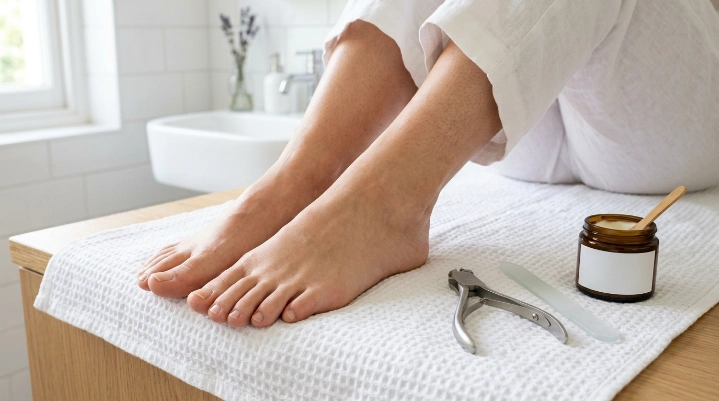
One of the easiest mistakes to make is trimming a toenail until almost no white edge remains. A very short nail may look neat, but it can increase pressure between the surrounding skin and the nail as it grows.
This is especially important for the big toe.
The American Academy of Dermatology recommends trimming toenails straight across rather than cutting deeply into the corners.
A safer goal is to leave the toenail at a moderate length instead of trying to make it as short as possible.
Avoid:
- Cutting below the end of the toe
- Digging into the side corners
- Cutting painful areas repeatedly
- Trimming more simply because the nail looks uneven
If a small edge feels sharp after trimming, use a nail file gently instead of removing another large piece of nail.
2. Rounding the Corners of Your Toenails
You may round your fingernails for a softer shape, but toenails need different treatment.
Cutting deeply around the corners can encourage the nail edge to press into nearby skin. Mayo Clinic lists cutting toenails too short or not cutting straight across among the causes and risk factors for ingrown toenails.
For routine trimming:
- Start on one side of the toenail.
- Make small cuts across the nail.
- Keep the overall edge fairly straight.
- Use a file only to remove sharp or rough points.
You do not have to create a perfectly square-looking nail. The goal is simply to avoid carving the corners downward into the skin.
3. Filing Toenails Too Aggressively
A nail file is useful for smoothing a freshly trimmed toenail, fixing a snag, or gently refining its shape. Problems begin when filing becomes aggressive.
Heavy pressure can thin the edge of the nail unnecessarily. Repeatedly sawing a rough file back and forth can also leave the edge less smooth rather than more polished.
The AAD advises smoothing rough edges with a nail file or emery board and filing in the same direction because aggressive back-and-forth filing can weaken nails.
When filing natural toenails:
- Use light pressure.
- Work gradually.
- Stop when the edge feels smooth.
- Do not try to file away deep discoloration or thickening.
- Replace worn, dirty, or damaged disposable files.
More filing is not automatically better. Your goal is to smooth the free edge, not grind down the entire nail plate.
4. Using the Wrong Nail File
Not every file in a manicure kit is ideal for natural toenails.
Very coarse files designed for artificial nail enhancements can be unnecessarily harsh on natural nails. On the other hand, a worn-out emery board may require excessive pressure to accomplish anything.
Here is a simple comparison:
| Tool | Typical Cost* | Best Use | Main Consideration |
|---|---|---|---|
| Emery board | $1–$5 | Quick smoothing | Often inexpensive and disposable |
| Glass nail file | $5–$15 | Gentle edge shaping | Washable and reusable if cared for properly |
| Metal nail file | $3–$10 | Occasional smoothing | Can feel aggressive with heavy pressure |
| Toenail clipper | $5–$20 | Routine trimming | Choose a sharp, easy-to-control tool |
| Nail nipper | $10–$30 | Thicker toenails | Sharp jaws require extra control |
*Approximate retail ranges vary by brand, quality, and location.
For most healthy natural toenails, the best tool is the one you can control comfortably without scraping the skin or removing too much nail.
If your toenails are unusually thick, Mayo Clinic notes that nail nippers can make trimming easier, but they are very sharp and require extra caution.
5. Filing or Cutting Toenails When They Hurt
A painful toenail is not simply a nail that needs more grooming.
If the side of your toe is tender, swollen, red, or painful when touched, repeatedly clipping and filing the area can make irritation worse.
Similarly, do not try to dig underneath a sore nail with:
- A nail file
- Cuticle pusher
- Scissors
- Tweezers
- Pointed manicure tools
Pain may be related to an ingrown toenail, injury, inflammation, infection, or another nail problem.
Stop DIY grooming when the process hurts.
Pain is information. Do not keep removing nail material simply because you want the toe to look smoother.
6. Cutting or Removing the Cuticles Around Toenails
The cuticle area may look like extra skin that should be trimmed during a pedicure, but it serves a protective role around the nail.
The AAD recommends leaving cuticles alone because damaging or cutting them can make it easier for germs to enter and contribute to infection.
Instead of cutting aggressively:
- Wash the feet gently.
- Moisturize dry skin around the nails.
- Avoid picking or tearing loose skin.
- Stop if the area becomes painful or bleeds.
If you get professional pedicures, you can also ask the technician not to cut your cuticles.
A neat pedicure should never require damaging healthy skin.
7. Sharing Toenail Clippers and Files
Sharing a nail file with a family member may seem harmless, but nail-grooming tools can pick up material from nails and skin.
This is especially important if anyone has a fungal infection, broken skin, or an unexplained nail change. AAD guidance on preventing nail fungus recommends not sharing nail-grooming tools.
Ideally, keep your own:
- Toenail clippers
- Nail files
- Nippers
- Pedicure tools
Reusable tools should be cleaned and dried properly between uses.
Disposable emery boards are difficult to clean thoroughly, so replacing them regularly is often more practical than keeping one indefinitely.
Expert Tip: Keep a small toenail-care kit that belongs only to you. Having dedicated clippers and files makes good hygiene easier and prevents someone else from accidentally using your tools.
8. Using Dirty or Rusty Tools
Even if you never share your pedicure tools, they still need maintenance.
Old debris around the clipper blades, damaged surfaces, rust, or moisture left inside a closed kit are signs that your tools need attention.
The AAD recommends regularly disinfecting nail clippers and nail scissors and drying them completely before storage.
Before using a tool, check:
- Are the cutting edges clean?
- Is there visible rust?
- Does the tool open and close smoothly?
- Is the file surface damaged?
- Has the tool completely dried since cleaning?
A dull clipper can crush or tear the nail instead of making a controlled cut.
When a tool can no longer be cleaned properly or performs poorly, replacing it is usually the smarter choice.
9. Digging Aggressively Under the Toenails
Cleaning underneath your toenails is reasonable. Scraping deeply underneath them is not.
The skin beneath the free edge contributes to the natural protective barrier around your nail. Sharp tools can injure this area and create tiny openings in the skin.
For routine cleaning, use warm water, mild soap, and gentle washing rather than forcing a pointed object underneath the nail.
If there seems to be material trapped unusually deep beneath the nail, or the nail is separating from the nail bed, do not automatically scrape harder.
Persistent lifting, discoloration, thickening, or changes in shape deserve closer attention. The AAD recommends having concerning changes in nail color, texture, or shape evaluated by a dermatologist.
10. Keeping Feet Damp for Long Periods
Toenail care is not only about trimming and filing.
Regularly staying in damp socks or sweaty shoes can create a warm, moist environment around the feet. Keeping nails clean and dry is an important part of basic nail hygiene.
Helpful habits include:
- Change out of sweaty socks.
- Dry carefully between the toes after bathing.
- Let damp shoes dry before wearing them again.
- Rotate footwear when practical.
- Wear footwear in shared public shower and pool areas.
If you frequently get pedicures or use polish, still pay attention to what the natural nail looks like when products are removed.
Polish can make toenails pretty, but it should not prevent you from noticing persistent changes.
11. Wearing Shoes That Constantly Press on Your Toenails
A perfect trimming routine cannot fully compensate for shoes that squeeze your toes every day.
Footwear that pushes the toes together or repeatedly presses against the nail can contribute to discomfort and nail problems.
Mayo Clinic recommends properly fitting shoes as part of ingrown toenail prevention because excessive pressure can encourage the nail to grow into surrounding tissue.
Pay attention to:
- Toe-box width
- Pressure on the big toenail
- Toes hitting the front of the shoe
- Pain after walking
- Repeated bruising
- Nail changes after running or exercise
Fashion matters, but comfort and fit should matter too.
If a pair of shoes consistently makes your toenails sore, changing your nail shape is probably not the best solution.
12. Trying to Fix Every Toenail Problem at Home
DIY toenail care works well for normal trimming, light filing, moisturizing, and basic hygiene.
It has limits.
Trying to cut out a painful ingrown nail, grind down severely thickened nails, repeatedly file discoloration, or cover an unhealthy-looking nail with polish can delay proper evaluation.
This is especially important when a toenail problem continues getting worse.
Signs You Should Not Ignore
Watch for:
- Increasing pain
- Redness that spreads
- Swelling
- Drainage or pus
- Bleeding
- Strong odor
- Significant nail lifting
- Persistent thickening
- A new or changing dark streak
- Major changes in nail color or shape
These symptoms do not all mean the same thing, and you cannot reliably diagnose the cause from appearance alone.
A Simple, Safer Toenail Care Routine
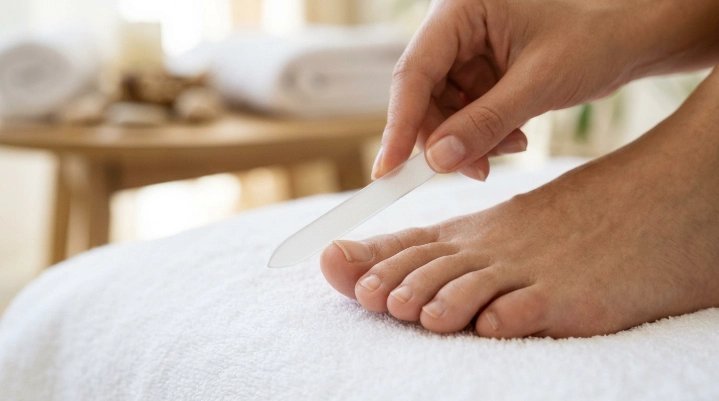
You do not need a complicated pedicure routine to maintain your toenails.
Step 1: Soften the Nails if Needed
Toenails are often easier to trim after bathing or showering.
If your nails are thick, soaking them briefly in warm water may make them easier to manage. Dry your feet afterward so you have a stable grip on your tools.
Step 2: Use Clean, Sharp Clippers
Choose toenail clippers that fit comfortably in your hand.
Make several controlled cuts instead of attempting to remove a thick nail in one aggressive clip.
Step 3: Trim Mostly Straight Across
Keep the nail at a moderate length and avoid digging into the side corners.
Step 4: Smooth Rough Edges
Use a clean nail file with light pressure.
File only as much as needed to prevent the edge from catching on socks or clothing.
Step 5: Check the Skin Around the Nail
Look for redness, swelling, cuts, or tenderness.
Do not continue grooming a painful area.
Step 6: Moisturize Dry Skin
Apply moisturizer to dry skin around the feet and nail area. Avoid leaving heavy moisture trapped between the toes.
Step 7: Clean and Store Your Tools
Let reusable tools dry completely before returning them to a closed storage case.
DIY Toenail Care vs. a Professional Pedicure
For healthy toenails, home care is usually straightforward and inexpensive. Basic clippers and a good file may last for many grooming sessions.
A professional pedicure can be useful when you want cosmetic shaping, polish, or help reaching your toenails comfortably.
However, a nail technician is primarily a beauty professional, not a replacement for medical evaluation.
If you have:
- A suspected infection
- Significant inflammation
- Severe pain
- Persistent nail changes
- An injured nail
- A complicated ingrown toenail
a healthcare professional may be more appropriate than a cosmetic pedicure.
People with diabetes, poor circulation, or reduced feeling in their feet should be particularly cautious about cutting thick or difficult toenails themselves. Mayo Clinic specifically recommends discussing safe trimming with a healthcare professional in these circumstances.
Common Mistakes to Avoid
For an easier reminder, avoid these common toenail-care habits:
- Cutting nails extremely short
- Rounding deeply into the corners
- Filing aggressively back and forth
- Using coarse files with heavy pressure
- Trying to file away thick or discolored nail
- Cutting healthy cuticles
- Sharing clippers or files
- Using dirty, dull, or rusty tools
- Digging under nails with pointed objects
- Ignoring sweaty socks and damp footwear
- Continuing to wear shoes that hurt your toes
- Attempting painful DIY procedures
- Covering persistent nail changes without investigating them
A good toenail routine should feel controlled and gentle. Pain, bleeding, or significant skin damage should never be considered a normal part of grooming.
When to See a Nail Technician or Dermatologist
A nail technician can help with routine cosmetic care when your toenails and surrounding skin are healthy.
For example, a technician may help with:
- Basic trimming
- Gentle filing
- Polish application
- Cosmetic shaping
- Routine pedicure maintenance
Choose a clean salon that follows appropriate tool hygiene practices, and tell the technician if something feels painful.
A dermatologist, podiatrist, or other qualified healthcare professional is a better choice when the concern may be medical.
Make an appointment if you notice persistent pain, swelling, drainage, recurring ingrown nails, significant thickening, unexplained nail lifting, or major changes in color or shape.
The AAD also advises getting new or changing nail abnormalities checked because some nail changes can signal infections or other medical conditions.
Do not feel pressured to diagnose the problem from pictures online. A professional can examine the nail, surrounding skin, and your symptoms together.
FAQs
Should you cut toenails straight across?
Yes. For routine toenail care, trimming mostly straight across helps reduce the risk of the corners growing into nearby skin. Avoid cutting the nail extremely short or digging deeply into its sides.
Is it bad to file toenails back and forth?
Aggressive back-and-forth filing can weaken or roughen the nail edge. Use gentle pressure and controlled strokes, removing only enough nail to smooth sharp areas.
Is a glass nail file good for toenails?
A glass file can work well for smoothing natural toenail edges because it is reusable and easy to wash. Regardless of material, use gentle pressure and stop if filing causes discomfort.
How often should I cut my toenails?
There is no single schedule that works for everyone because toenails grow at different rates. Trim them when the free edge becomes long enough to need shortening rather than following a rigid weekly schedule.
Can I cut an ingrown toenail myself?
Do not dig into a painful nail corner or repeatedly cut the sides in an attempt to remove it. Mild cases may sometimes be managed conservatively, but worsening pain, inflammation, drainage, or recurrent ingrown nails should be evaluated professionally.
Should I cut my toenail cuticles?
Generally, no. The cuticle helps protect the area where the nail grows. Aggressive cutting can damage the skin barrier and make it easier for germs to enter.
When should a toenail change worry me?
Persistent pain, swelling, pus, significant thickening, nail lifting, major discoloration, or a new or changing dark streak should not simply be filed or covered with polish. Have concerning or unexplained changes assessed by a healthcare professional.
Conclusion
The answer to “What are the biggest toenail care mistakes to avoid?” comes down to one simple idea: do less damage while grooming.
Trim your toenails at a moderate length and mostly straight across. File gently instead of aggressively reshaping the nail. Keep your personal tools clean, avoid cutting healthy cuticles, wear shoes that give your toes enough room, and pay attention when a nail becomes painful or changes appearance.
A simple routine can handle most everyday toenail maintenance. But DIY care has limits. If you see persistent swelling, pain, drainage, severe thickening, discoloration, or another unexplained change, stop trying to fix it with clippers and files and get appropriate professional advice.
Treat your toenails gently, keep your tools hygienic, and make nail health—not just appearance—the priority.

