
What Causes Toenail Damage? Common Reasons, Warning Signs, and How to Prevent It

Toenails can seem tough, but they are surprisingly easy to damage. If you have noticed peeling, cracking, discoloration, rough edges, or nails that break more often than they used to, you may be wondering: what causes toenail damage?
Toenail damage can happen from simple daily habits like trimming incorrectly, wearing tight shoes, using harsh products, or filing too aggressively. Sometimes, damage is also a sign that your nails need extra care or professional attention.
Understanding the cause is the first step toward healthier toenails. In this guide, we’ll look at the most common causes of toenail damage, how to recognize problems early, safe nail-care habits, mistakes to avoid, and when it is better to see a nail technician or dermatologist.
Quick Answer
Toenail damage is commonly caused by improper trimming, aggressive filing, tight footwear, repeated pressure, moisture problems, harsh chemicals, injuries, and poor nail-care habits. Gentle maintenance, clean tools, proper shoes, and avoiding over-treatment can help prevent weak, cracked, or unhealthy toenails.
Common Causes of Toenail Damage
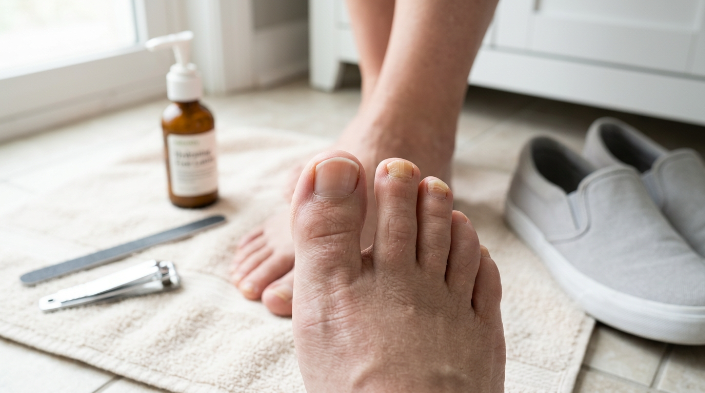
Toenails can become damaged from everyday activities that put stress on the nail plate, surrounding skin, or nail bed. Some causes are easy to fix, while others may require professional advice.
1. Cutting Toenails Too Short
One of the most common causes of toenail problems is trimming nails too aggressively.
Cutting toenails too short can:
- Increase pressure on the nail bed
- Make the skin around the nail more irritated
- Increase the chance of painful edges
- Contribute to ingrown toenails
Toenails usually do best when they are trimmed straight across and left with a small amount of visible white edge.
2. Filing Too Hard or Using the Wrong Nail File
Nail files are useful tools, but excessive filing can weaken toenails.
Using a rough file or moving it aggressively back and forth may create tiny cracks in the nail layers. Over time, this can make nails thinner and more likely to split.
A gentle file with an appropriate grit is usually safer for natural nails. Avoid trying to reshape thick toenails by removing too much surface material.
If you are building a complete routine, choosing the right nail-care tools matters. A helpful guide to essential nail care tools and techniques can help you understand which tools are useful and how to use them safely.
3. Wearing Tight Shoes
Your footwear can have a major impact on toenail health.
Shoes that squeeze your toes may repeatedly push against the nails, causing:
- Bruising under the nail
- Nail lifting
- Cracking
- Changes in nail shape
This is especially common for people who spend long hours walking, standing, running, or wearing narrow shoes.
Choose shoes with enough room for your toes to move comfortably.
4. Moisture and Poor Nail Hygiene

Toenails are exposed to sweat, water, and bacteria every day. Keeping feet constantly damp can create an environment where nail problems are more likely.
Helpful habits include:
- Drying feet completely after bathing
- Changing socks regularly
- Cleaning nail tools properly
- Avoiding sharing personal nail equipment
The American Academy of Dermatology’s nail care recommendations explain why keeping nails clean, dry, and protected is an important part of preventing common nail issues.
5. Injuries and Repeated Pressure
A single injury can damage a toenail, but repeated small injuries can also create problems.
Common examples include:
- Dropping something on your toe
- Stubbing your toe frequently
- Running with poorly fitted shoes
- Repeated pressure from sports activities
Sometimes the nail may change color or slowly separate after an injury. Toenails grow slowly, so visible improvement may take months.
6. Harsh Chemicals and Over-Treatment
Many people enjoy polished toenails, gels, and salon treatments. These can be safe when done properly, but frequent or incorrect use may contribute to damage.
Possible causes include:
- Excessive acetone exposure
- Peeling off gel products instead of removing them correctly
- Using strong products on already weak nails
- Skipping breaks between treatments
The goal is not to avoid all beauty treatments. Instead, match your routine to your nail condition.
7. Improper Use of Nail Tools
Different tools have different purposes. Using the wrong tool can create unnecessary damage.
| Tool | Best Use | Possible Problem |
|---|---|---|
| Nail clipper | Cutting length | Cutting too deep can injure skin |
| Nail file | Smoothing edges | Over-filing can thin nails |
| Buffer | Gentle surface smoothing | Too much buffing weakens nails |
| Cuticle tool | Light maintenance | Aggressive pushing can irritate skin |
Expert Tip: A nail file should shape your toenail, not remove large amounts of nail thickness. If you need heavy filing to fix a problem, the nail may need professional attention instead.
Signs Your Toenails May Be Damaged
Toenail damage does not always look dramatic at first. Watch for changes such as:
- Splitting or peeling layers
- Increased brittleness
- Rough or uneven surfaces
- Nail lifting from the skin
- Persistent discoloration
- Pain or sensitivity
- Swelling around the nail
Some changes are cosmetic, but others can signal irritation, injury, or infection.
DIY Care vs. Professional Help
| Situation | Home Care May Help | Professional Advice Is Better |
|---|---|---|
| Minor rough edges | Gentle filing | — |
| Dry toenails | Moisturizing routine | If cracking continues |
| Mild splitting | Protection and trimming | Severe or repeated splitting |
| Pain or swelling | — | Nail technician or dermatologist |
| Possible infection signs | — | Medical evaluation |
DIY care works well for routine maintenance, but it has limits. Trying to fix painful, infected, or severely damaged nails at home may make the problem worse.
How to Prevent Toenail Damage
Healthy toenails usually come from consistent small habits rather than expensive treatments.
Follow These Simple Steps
- Trim carefullyCut toenails straight across and avoid digging into corners.
- Use clean toolsWash and dry nail tools after use. Replace worn files when needed.
- File gentlySmooth rough edges without repeatedly thinning the nail.
- Protect your feetWear comfortable shoes with enough toe space.
- Moisturize regularlyDry nails are more likely to become brittle and split.
- Avoid picking or peelingRemoving damaged layers by force can create more injury.
Common Mistakes to Avoid
- Cutting toenails extremely short
- Filing in one spot repeatedly
- Sharing nail tools without cleaning them
- Ignoring pain or swelling
- Wearing uncomfortable shoes for long periods
- Removing nail products aggressively
- Treating possible infections with random home remedies
When to See a Nail Technician or Dermatologist
A professional can help when toenail problems go beyond normal grooming concerns.
Consider getting advice if you notice:
- Persistent pain
- Redness or swelling
- Drainage near the nail
- A nail that keeps lifting
- Sudden major changes in appearance
- Damage that does not improve with gentle care
A nail technician may help with cosmetic concerns, while a dermatologist is the better choice for possible medical issues.
FAQs
1. What causes toenail damage most often?
The most common causes include incorrect trimming, tight shoes, aggressive filing, injuries, moisture problems, and harsh nail treatments.
2. Can filing damage toenails?
Yes. Filing too aggressively or using a file that is too rough can weaken the nail surface and cause splitting.
3. How can I repair damaged toenails?
Start with gentle trimming, proper hydration, clean tools, and avoiding additional stress. Severely damaged nails may need professional advice.
4. Do tight shoes really affect toenails?
Yes. Constant pressure from tight footwear can contribute to bruising, lifting, and other toenail problems.
5. Should I remove damaged nail layers myself?
No. Peeling or scraping damaged layers can increase injury. Allow the nail to grow naturally or seek professional guidance.
6. How often should I file my toenails?
File only when needed to smooth edges or maintain shape. Frequent aggressive filing is unnecessary and may cause damage.
7. When should toenail discoloration be checked?
If discoloration is persistent, worsening, painful, or combined with swelling or nail changes, it is best to seek professional advice.
Conclusion
So, what causes toenail damage? The answer is usually a combination of everyday habits, pressure, improper tools, and over-treatment. The good news is that many toenail problems can be prevented with gentle care and smarter routines.
Use clean tools, trim carefully, avoid harsh treatment, and pay attention to warning signs. Healthy toenails do not require complicated routines — they need consistent, safe care.
If your toenails show ongoing pain, major changes, or signs of infection, choose professional guidance instead of trying to fix the problem alone.

