
Why Is My Toenail Breaking Repeatedly? Common Causes and What to Do

You trim your toenail, smooth the rough edge, and expect it to grow out normally—only to find it cracked, split, or broken again a few weeks later. If you’re wondering, “Why is my toenail breaking repeatedly?”, the answer is often a mix of dryness, repeated pressure, improper filing, or an underlying nail problem.
An occasional chipped toenail usually isn’t a big concern. Repeated breakage is different because it can mean the nail keeps experiencing the same stress before it has time to grow out.
Below, we’ll look at the most common reasons toenails keep breaking, how your nail file and everyday habits can contribute, what you can safely try at home, and when a professional should take a closer look.
Quick Answer
If your toenail is breaking repeatedly, common causes include dryness, tight shoes, repeated impact, overly aggressive filing, or a fungal nail infection. Keep the nail trimmed straight across, smooth rough edges gently, moisturize dry nails, and reduce pressure from footwear. Persistent discoloration, thickening, pain, or crumbling should be professionally evaluated.
Why Does My Toenail Keep Breaking?
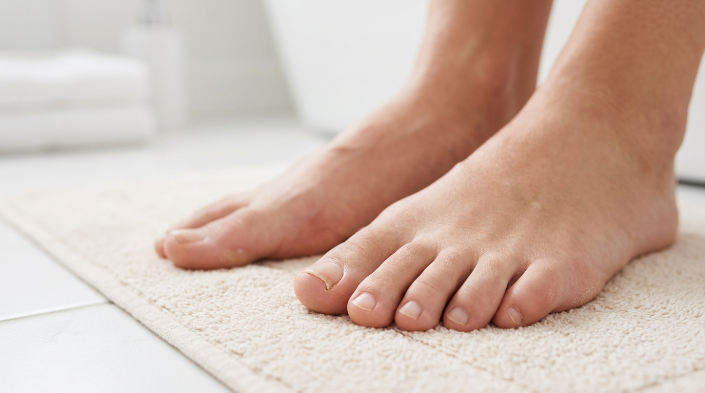
Toenails are made from layers of keratin, a tough protein that also makes up your fingernails and hair. Although toenails feel hard, they aren’t indestructible.
Repeated pressure or damage can weaken those layers until part of the nail cracks or separates. Because toenails grow slowly, the damaged area can remain vulnerable for months.
The key is to look at how the nail is breaking and what else is happening around it.
For example, a nail that repeatedly splits at the same outer corner after wearing narrow shoes points toward a different problem than a nail that has become yellow, thick, and crumbly.
Common Reasons a Toenail Keeps Breaking
1. Your Shoes Keep Putting Pressure on the Nail
Shoes are one of the easiest causes to overlook.
If your toes repeatedly hit the front or top of a shoe, the nail receives tiny amounts of trauma every time you walk, run, or exercise. You might not feel enough pressure for it to hurt, but the repeated stress can still weaken the nail.
This is especially common with:
- Shoes with narrow toe boxes
- High heels that push your toes forward
- Running or hiking shoes that are too short
- Tight boots
- Shoes worn with thick socks that reduce toe space
Check your footwear if the same toenail—particularly your big toenail—keeps cracking in the same place.
Your toes should have enough room to sit naturally without being squeezed together or repeatedly hitting the end of the shoe.
2. The Toenail Is Too Dry
A dry toenail can become less flexible and more likely to split.
Frequent exposure to water followed by drying, harsh nail products, dry weather, and repeated polish removal may all contribute to dryness.
After trimming, apply a simple moisturizer to the nail and surrounding skin. The American Academy of Dermatology’s nail-trimming guidance recommends moisturizing after trimming because dry nails can split more easily.
Don’t confuse moisturizing with keeping your feet damp, though. Your feet should still be dried thoroughly after bathing, especially between the toes.
3. You’re Filing the Nail Too Aggressively
A nail file is useful for removing snags and smoothing a freshly trimmed edge, but more filing isn’t necessarily better.
Using a very coarse file on a natural toenail can remove nail material too quickly. Heavy pressure and aggressive back-and-forth sawing can also leave the edge vulnerable to peeling and splitting.
For routine natural-nail maintenance, choose a fine or medium-fine file and work gently.
The goal isn’t to grind the toenail into shape. You’re simply smoothing sharp or uneven areas after trimming.
Expert Tip: If a toenail keeps splitting, don’t repeatedly file deeper into the crack. Trim only what can be safely removed, gently smooth the snag, and let healthy nail grow forward.
4. You’re Letting the Toenail Grow Too Long
Long toenails have more opportunities to catch on socks, bedding, shoes, and other surfaces.
Extra length can also make the nail hit the front of your shoe more easily.
Keeping toenails at a manageable length reduces leverage on the free edge—the part extending beyond the skin.
However, don’t solve the problem by cutting them extremely short. Cutting deeply into the corners can irritate the surrounding skin and contribute to ingrown toenails.
For toenails, the American Academy of Dermatology recommends trimming straight across.
5. The Nail Has Been Injured
Think back over the past few months.
Did you stub your toe? Drop something on it? Start running more often? Wear uncomfortable shoes to an event? Have an aggressive pedicure?
A toenail can remain visibly affected long after the original injury because it grows slowly. The damaged portion must gradually move toward the tip before it can be trimmed away.
If you repeatedly disturb that weakened section before it grows out, the nail may appear to “keep” breaking even though you’re dealing with the same original damage.
6. Nail Fungus May Be Weakening It
Repeated breaking isn’t always cosmetic damage.
A fungal nail infection can cause a toenail to become brittle, crumbly, thickened, misshapen, or discolored. The Mayo Clinic’s overview of nail fungus also notes that an affected nail can separate from the nail bed.
Look for changes such as:
- Yellow, white, or brown discoloration
- Increasing thickness
- Crumbling around the edge
- Debris beneath the nail
- Distorted shape
- Nail lifting
- More than one nail becoming affected
The NHS guide to fungal nail infections similarly lists brittle, discolored, and thicker-than-usual nails as common signs.
Don’t assume every broken toenail is fungal. Trauma and other nail conditions can produce similar changes. If the nail’s appearance is changing significantly, professional evaluation is safer than repeatedly treating it based on appearance alone.
7. Repeated Pedicures or Nail Products May Be Adding Stress
Pedicures can make your feet look polished, but aggressive nail preparation can work against a fragile toenail.
Repeated heavy buffing, forceful filing, scraping beneath the nail, or removing product aggressively can thin or traumatize the nail.
If one toenail keeps breaking, consider giving it a break from cosmetic treatments while it grows.
Regular nail polish itself doesn’t automatically mean your nail will break, but constantly removing and reapplying products can make it harder to notice changes in the natural nail underneath.
What Your Broken Toenail May Be Telling You
Use the pattern as a clue rather than trying to diagnose the nail from one symptom.
| What you notice | Possible explanation | Sensible next step |
|---|---|---|
| Break at the same corner | Shoe pressure or repeated snagging | Check shoe fit and gently smooth the edge |
| Dry, thin-looking split | Dryness or aggressive filing | Moisturize and use a gentler file |
| Break after running or hiking | Repetitive trauma | Reassess shoe length and toe room |
| Yellow, thick, crumbly nail | Possible fungal infection | Consider professional evaluation |
| Crack after a known injury | Nail trauma | Protect it while healthy nail grows |
| Pain, swelling, or redness | Injury, ingrown nail, or possible infection | Stop DIY treatment and seek professional advice |
| Nail lifting from the nail bed | Trauma or another nail condition | Avoid pulling it off and have it assessed if persistent |
This table is a starting point, not a diagnosis. Several nail problems can look similar.
How to Care for a Toenail That Keeps Breaking
If the nail isn’t painful, infected-looking, severely damaged, or significantly discolored, a gentle home-care routine may help protect it while it grows.
1. Trim It Carefully
Toenails are usually easier to trim after a bath or shower because they’re softer.
Use a clean toenail clipper and make controlled cuts across the nail rather than tearing or peeling away loose pieces.
Keep the overall edge fairly straight.
2. Smooth Snags With the Right Nail File
After clipping, inspect the edge.
If you feel a sharp point that could catch on your sock, smooth it with a clean, fine nail file or emery board.
Use light pressure. You’re trying to refine the edge, not substantially shorten the nail.
If your file feels extremely rough against the natural nail, switch to something gentler.
3. Stop Picking at the Split
A small crack can be surprisingly tempting to peel.
Don’t.
Pulling a loose layer can take healthy nail with it and make the split extend farther back.
If a loose piece can be safely trimmed without touching attached or sensitive tissue, use clean clippers. Otherwise, protect the area and let it grow.
4. Moisturize the Nail and Surrounding Skin
After washing and thoroughly drying your feet, apply moisturizer to dry nail surfaces and surrounding skin.
A basic fragrance-free moisturizer can be a good choice if your skin is sensitive.
Stop using any product that causes burning, itching, redness, or swelling.
5. Give Your Toes More Room
Check your most frequently worn shoes.
Stand up while wearing them and pay attention to whether your longest toe is hitting the front. Also notice whether the top of the shoe presses down against the toenail.
If the nail repeatedly experiences pressure, no amount of filing will fully solve the problem.
6. Keep Your Nail Tools Clean
Nail hygiene matters even when you’re the only person using the tools.
The American Academy of Dermatology recommends regularly disinfecting nail clippers and scissors.
Avoid sharing nail files or clippers, particularly when someone has a suspected fungal or other nail infection.
Disposable emery boards should be replaced once they’re worn, dirty, or difficult to clean properly. Reusable tools should be cleaned according to their material and manufacturer instructions and allowed to dry completely before storage.
Which Nail File Is Best for a Toenail That Keeps Breaking?
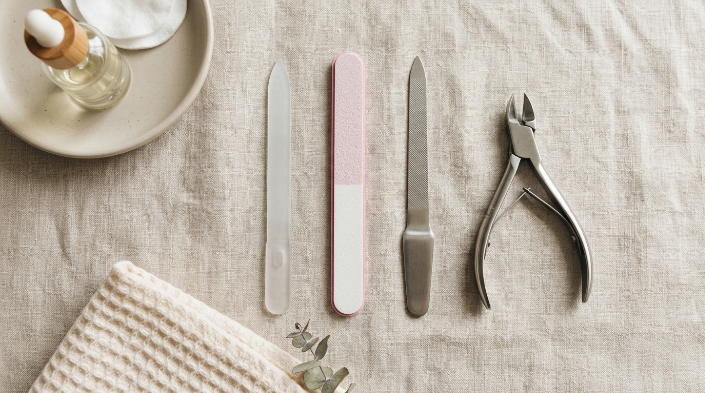
The best choice depends on the thickness and condition of your toenail.
For an ordinary natural toenail with a fragile edge, a fine-grit glass file or gentle emery board can offer more control than an extremely coarse abrasive.
Here’s a simple comparison:
| Nail file type | Advantages | Limitations | Best use |
|---|---|---|---|
| Fine glass file | Smooth, reusable, easy to control | Can break if dropped; higher initial cost | Gentle edge smoothing |
| Emery board | Affordable and easy to replace | Wears out and isn’t ideal for long-term reuse | Basic home maintenance |
| Metal file | Durable and washable depending on design | May feel aggressive on thin nails | Thick nails when used carefully |
| Electric file | Fast and powerful | Easy to over-file without skill | Better suited to trained or experienced users |
If the nail is unusually thick, painful, severely distorted, or difficult to cut, don’t automatically reach for the most aggressive file you can find.
A nail technician may help with cosmetic shaping, while a podiatrist or dermatologist is more appropriate when the problem may involve disease, infection, significant injury, or recurring pain.
DIY Care vs. Professional Help
Basic DIY care makes sense when you’re dealing with a small snag, mild dryness, or an obvious break caused by catching the nail.
DIY care becomes less appropriate when you don’t know why the nail is changing.
A licensed nail technician can help with safe cosmetic maintenance and may recognize when a nail doesn’t look suitable for a normal pedicure. However, a nail technician shouldn’t replace medical evaluation for a suspected infection or unexplained nail disorder.
A dermatologist, podiatrist, or other qualified healthcare professional can evaluate recurring nail changes and determine whether treatment or testing is appropriate.
Common Mistakes to Avoid
If your toenail keeps splitting, avoid turning a small problem into a bigger one.
- Don’t peel off cracked pieces. You may tear healthy attached nail.
- Don’t file aggressively. More pressure isn’t necessarily more effective.
- Don’t dig deeply into the corners. This can irritate the skin and contribute to ingrown-nail problems.
- Don’t keep wearing shoes that repeatedly hit the nail. The same trauma will continue.
- Don’t share nail files or clippers. Shared tools can transfer germs.
- Don’t cover a suspicious nail indefinitely with polish. You need to be able to monitor changes.
- Don’t assume discoloration automatically means fungus. Several conditions and injuries can change a nail’s appearance.
- Don’t ignore pain, redness, swelling, drainage, or worsening changes. Those symptoms deserve more than cosmetic treatment.
When to See a Nail Technician or Dermatologist
A simple broken edge can usually be managed at home. Repeated or unexplained breakage deserves more attention.
Consider seeing a nail technician when the nail is otherwise healthy but you need help safely shaping a difficult edge or adjusting your pedicure routine.
Consider seeing a dermatologist, podiatrist, or other healthcare professional if:
- The nail repeatedly breaks without an obvious reason
- It becomes yellow, brown, white, greenish, or otherwise unusually discolored
- The nail becomes thick, distorted, or increasingly crumbly
- It starts lifting from the nail bed
- The surrounding skin is red, swollen, warm, or painful
- You notice bleeding or drainage
- The problem spreads to other nails
- Walking or wearing shoes becomes painful
- Home care isn’t improving the problem
Mayo Clinic advises seeking medical attention when nail changes become increasingly discolored, thickened, or misshapen, as well as for swelling, pain, bleeding around the nails, or difficulty walking.
If you have diabetes, circulation problems, a weakened immune system, or another condition that makes foot problems higher-risk, seek appropriate medical guidance rather than aggressively treating or filing a damaged toenail yourself.
FAQs
Why does my big toenail keep breaking?
Your big toenail receives a lot of pressure from footwear, walking, exercise, and accidental bumps. Repeated breaks may come from tight shoes, excessive length, dryness, past trauma, or a nail condition. Check for additional changes such as thickening, discoloration, crumbling, or pain.
Can a nail file cause my toenail to split?
Yes, overly aggressive filing can contribute to a weak or rough nail edge. Avoid excessive pressure and harsh back-and-forth filing. Use a gentler file for natural nails and stop if the nail feels thin, tender, or increasingly damaged.
Should I cut off a cracked toenail?
You can carefully trim a loose edge if it isn’t attached to sensitive tissue, but don’t pull or tear it. If the crack extends deeply into the attached nail, causes bleeding, or hurts, leave it alone and consider professional care.
What deficiency causes toenails to break?
Nail changes can sometimes occur alongside nutritional or health problems, but a repeatedly broken toenail does not identify a specific deficiency by itself. Local causes such as footwear pressure, dryness, trauma, and infection also need to be considered. Persistent unexplained changes are worth discussing with a healthcare professional.
Does a brittle toenail mean I have fungus?
Not necessarily. Nail fungus can make toenails brittle or crumbly, but trauma, dryness, repeated pressure, and other conditions can cause similar changes. Thickening, discoloration, crumbling, lifting, or changes affecting multiple nails make professional evaluation more useful.
How long does a damaged toenail take to grow out?
Toenails grow much more slowly than fingernails, so visible improvement can take months. The important thing is to protect the new growth rather than repeatedly damaging the same area while waiting for it to move toward the tip.
Should I get a pedicure if my toenail keeps breaking?
A gentle pedicure may be reasonable when you’re dealing with a simple cosmetic break and the surrounding nail and skin look healthy. Skip routine salon treatment and seek appropriate professional advice if you notice significant pain, swelling, drainage, unusual discoloration, lifting, or suspected infection.
Conclusion
If you’ve been asking, “Why is my toenail breaking repeatedly?”, start by looking at the everyday factors that repeatedly affect it: shoe pressure, dryness, excessive length, past injuries, and your trimming and filing technique.
Keep the nail comfortably short, trim it straight across, gently smooth snags with an appropriate nail file, moisturize dry nails, keep tools clean, and give your toes enough room inside your shoes.
Most importantly, watch the whole nail, not just the broken edge. A toenail that becomes thick, discolored, crumbly, painful, swollen, or detached may need professional evaluation rather than another round of DIY filing.
Give the nail a gentler routine and enough time to grow. If it keeps breaking despite those changes—or develops warning signs—make your next step a professional assessment instead of trying to file the problem away.

