
10 Best Nail Dehydrators for Stronger Gel & Acrylic Adhesion

Every long-lasting gel or acrylic manicure starts with the same unglamorous step: getting the natural nail dry, clean, and ready to bond. Skip it, and even the best polish or enhancement system will lift, peel, or bubble within days. A nail dehydrator strips away oils, moisture, and surface debris from the nail plate, giving whatever product goes on next something solid to grip.
Nail prep isn’t a single product category so much as a small system. Dehydrators pull moisture and oil off the nail surface, primers adjust pH and add tackiness for grip, and some combo formulas do both jobs in one bottle. Picking the right one comes down to matching the formula to your system, whether that’s gel polish, acrylic, hard gel, or press-ons, and understanding whether you need a standalone dehydrator or a full prep-and-bond kit.
The products below cover single dehydrators, two-step primer sets, and multi-purpose formulas that also nourish the nail. Bottle size, acid-free versus traditional formulas, and how quickly each one dries all factor into which is worth keeping in a kit.
Best for beginners on a budget: Mia Secret Nail Prep Dehydrator
Best complete prep system: Mia Secret Nail Prep & XtraBond Primer
Best for gel polish retention: Young Nails Protein Bond
Best value two-bottle set: Beetles Nail Dehydrator and Primer Set
Best for acrylic nail techs: Mia Secret Dehydrator and Primer Kit
Best fast-drying formula: Morovan Dehydrator and Primer Set
Best for nail health support: modelones 3-in-One Dehydrator and Primer
Best fragrance-free formula: V Beauty Pure Nail Dehydrator
Best for Gel-X extensions: Aprés pH Bonder
Best for at-home gel manicures: modelones Acid Free Prep Kit
Mia Secret Nail Prep Dehydrator
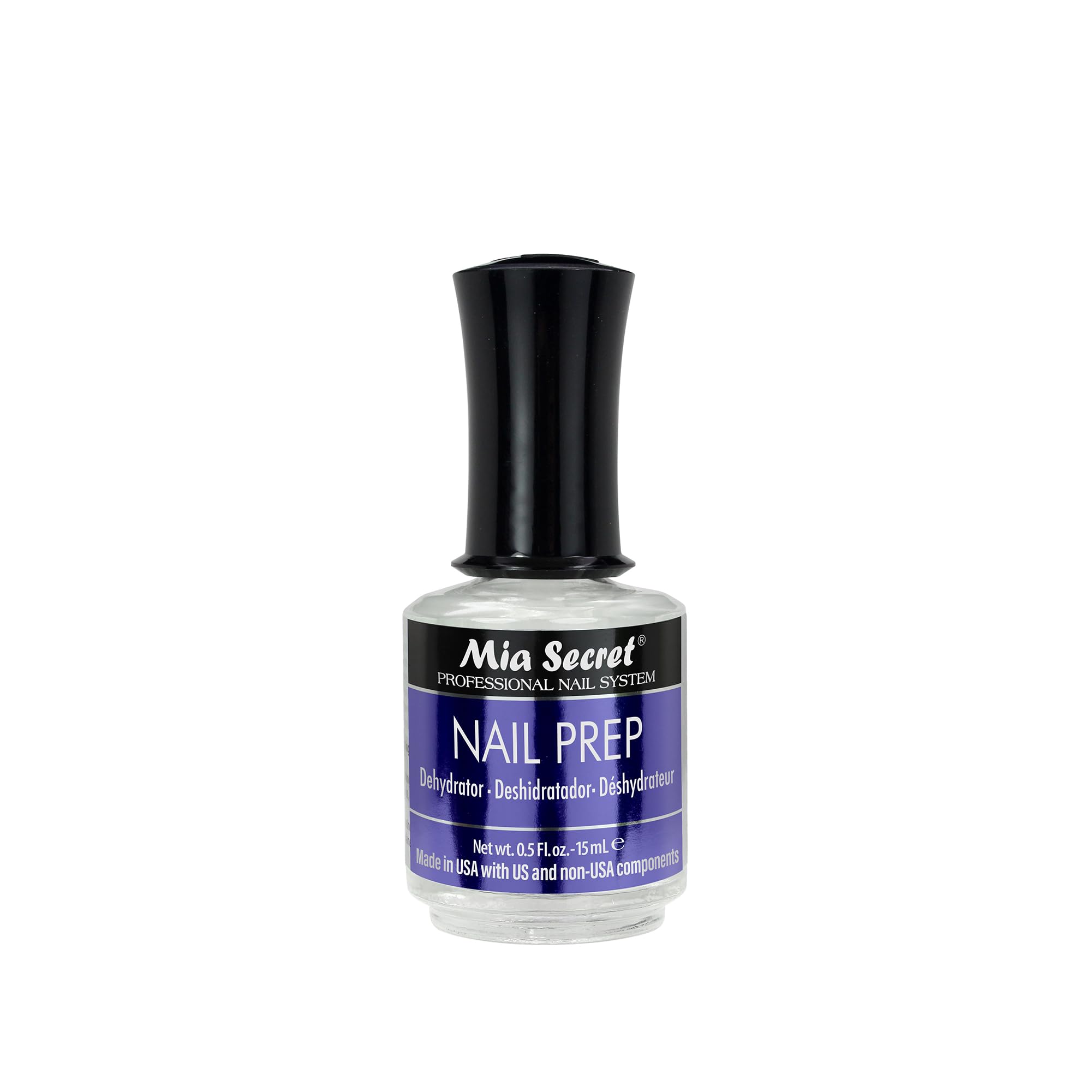
A no-frills, acid-free dehydrator that gets the job done for anyone starting out with acrylic or gel systems.
Pros
- Acid-free formula, gentle on the nail plate
- Works with any Mia Secret acrylic or gel system
- Simple, single-purpose product with no learning curve
Cons
- No priming or bonding action included
- Small 15ml bottle for frequent use
- Best paired with a separate primer for full adhesion
This dehydrator handles one job well: removing oils and moisture so nails are ready for product. It dries fast and leaves nails feeling clean, not tacky. For anyone who already owns a primer, this fills the gap affordably.
Nail techs who want a dedicated dehydrator without paying for a bundled primer will like the simplicity here. It’s not a complete system on its own, so pairing it with a bonding agent is worth considering for stubborn lifting issues.
Mia Secret Nail Prep & XtraBond Primer
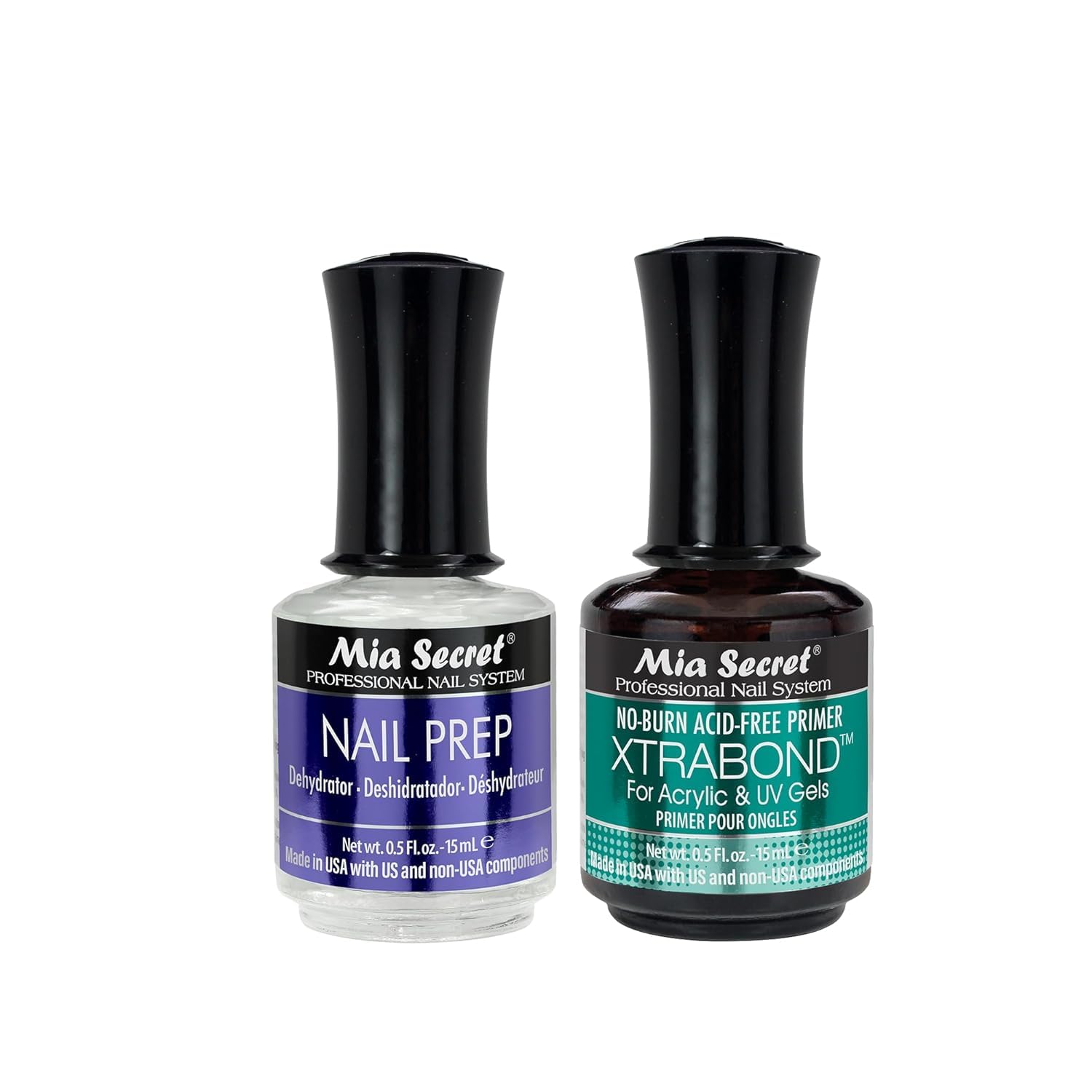
This two-bottle combo gives home users and pros a dehydrator and an acid-free primer in one purchase, covering both prep steps.
Pros
- Includes both dehydrator and primer
- Acid-free primer reduces irritation risk
- Fast-drying, salon-friendly formula
Cons
- Smaller bottles (0.25 oz each) need refilling sooner
- Primer can feel tacky if over-applied
- Best suited for gel and acrylic, not press-ons
This set solves the two-step prep puzzle in one order. The dehydrator clears the nail surface, and the XtraBond primer adds grip without the burning sensation older acid-based primers cause.
For anyone tired of buying dehydrator and primer separately, this bundle saves a step. Application is quick, and a little primer goes a long way, so the smaller bottle size lasts longer than it looks.
Young Nails Protein Bond
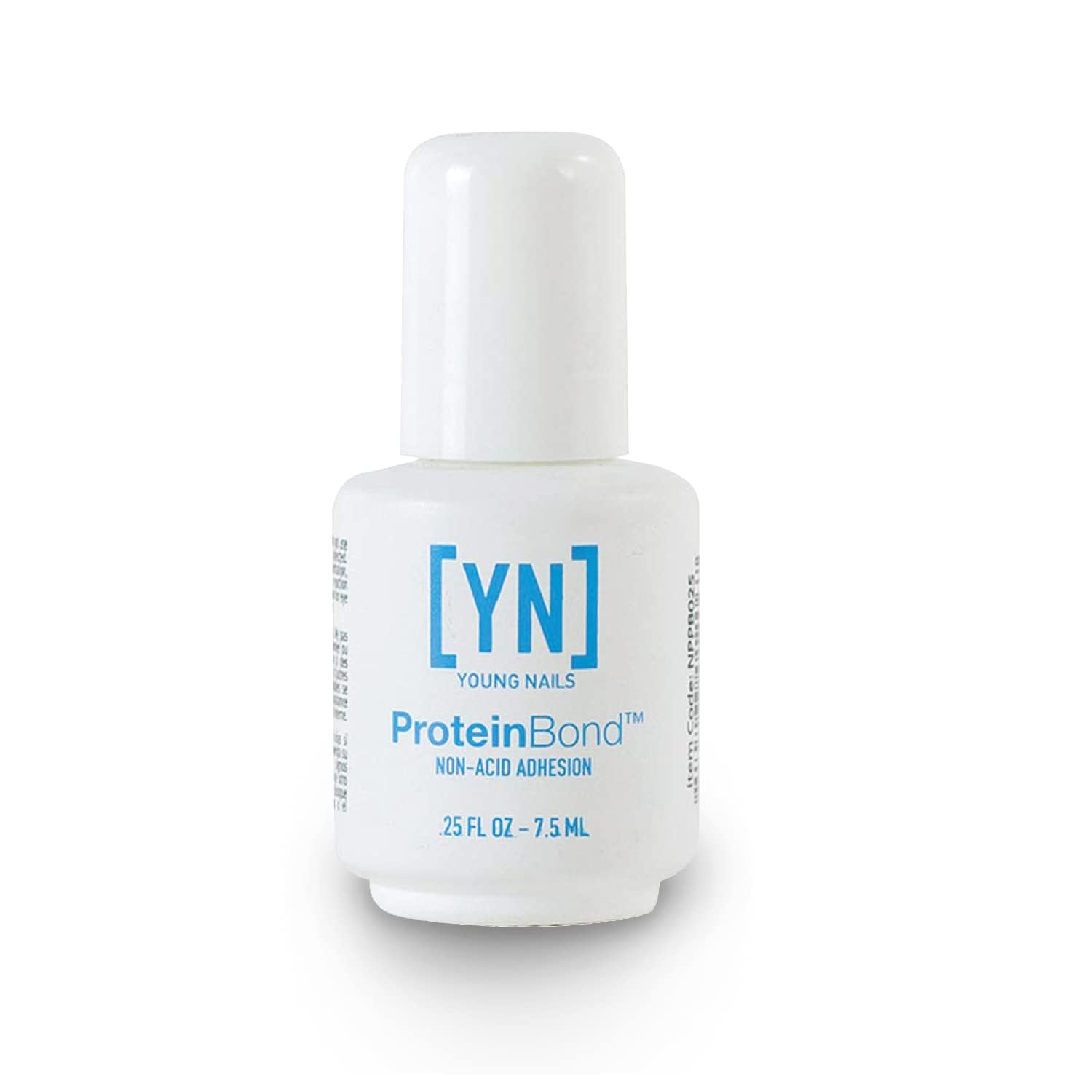
Reviewers consistently point to this as one of the strongest adhesion boosters on the market, and it earns that reputation with a protein-bonding formula that grips the keratin in natural nails.
Pros
- Non-acidic, so it won’t burn skin or cuticles
- Bonds directly to nail keratin for strong hold
- Trusted by professionals for gel, acrylic, and gel polish
Cons
- Small 0.25 oz bottle for the price
- Can feel very sticky if over-applied
- Two coats needed for acrylic application
This is a primer, not a dehydrator, so nails should be cleansed and filed first. Once applied, it creates a noticeably tacky surface that acts like double-sided tape for gel polish or acrylic.
Retention improvements are the main reason this one has such a loyal following. It’s a small bottle, but a thin coat covers several manicures, so the value holds up over time.
Beetles Nail Dehydrator and Primer Set
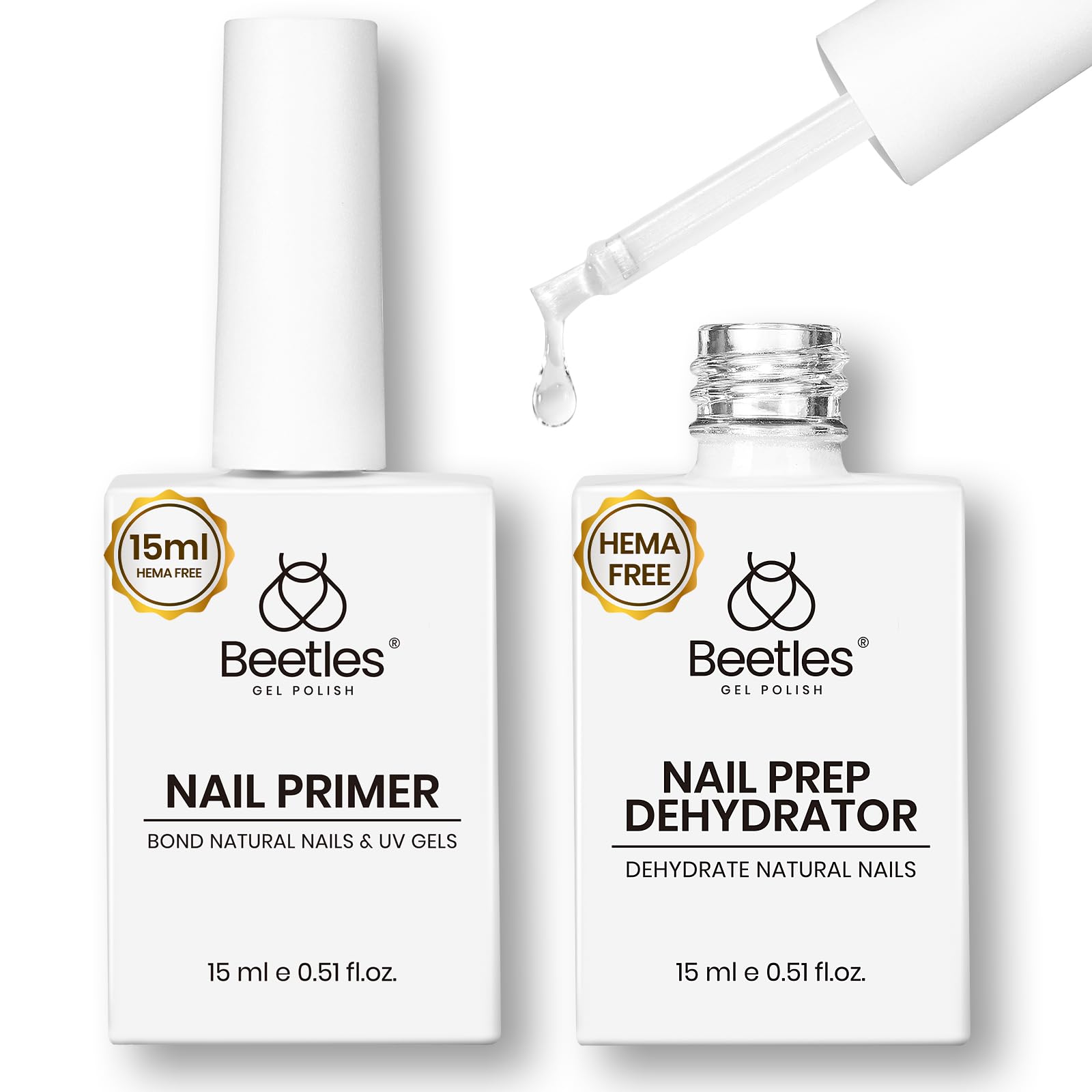
This HEMA-free two-bottle set offers a complete prep routine at a price that works well for at-home use.
Pros
- HEMA-free formula, gentler on sensitive nails
- Short-bristle brush design reaches nail texture well
- Two full 15ml bottles included
Cons
- Scent is noticeable to some users
- Primer dries fast, leaving little room for error
- Not formulated for extensions requiring extra hold
The dehydrator removes oil and dust efficiently, while the primer balances pH and preps the surface for base coat. The short-bristle brush design helps product settle into ridges on the nail surface rather than sitting on top.
For home gel manicures, this set delivers salon-level prep without a steep learning curve. The HEMA-free formula makes it a reasonable pick for anyone with sensitivities to harsher primers.
Mia Secret Dehydrator and Primer Kit

Acrylic nail techs looking for a no-burn primer paired with a reliable dehydrator will find this kit does both jobs without irritating cuticles.
Pros
- XTRABOND primer is acid-free and non-burning
- Works well across acrylic, gel, and traditional polish
- Bundled dehydrator handles moisture and oil removal
Cons
- Bottle includes a brush that some find too small
- Best results require careful, thin application
- Not a nourishing formula, purely functional
Acrylic systems demand strong adhesion, and this kit delivers it without the sting some acid-based primers cause on sensitive skin. The dehydrator step removes moisture fast, setting up the primer to bond properly.
This is a straightforward pick for anyone doing acrylic fills regularly. It skips added extras like nourishing oils, focusing purely on adhesion performance.
Morovan Dehydrator and Primer Set

This set dries fast and works well for anyone juggling several clients or a busy at-home nail routine.
Pros
- Quick-drying dehydrator and primer combo
- Mild scent compared to some competitors
- Comes packaged in a gift-ready box
Cons
- A few reports of leaking or dried-out bottles
- Primer application requires a light touch
- Two-step process takes a bit more time than single-bottle formulas
The dehydrator dries the cuticle area thoroughly, and the primer acts like a light adhesive layer between nail and product. Reviewers note it holds up well with builder gel and Polygel systems specifically.
Packaging quality varies slightly from bottle to bottle, based on user feedback. When both bottles arrive intact, the performance matches pricier professional brands.
modelones 3-in-One Dehydrator and Primer

This formula adds nourishing oils to the standard dehydrator-primer combo, making it a solid pick for anyone with weak or brittle nails.
Pros
- Contains jojoba oil and squalane for nail health
- Acid-free and HEMA-free formula
- Works for press-ons, gel, and acrylic
Cons
- Not a substitute for a dedicated base coat
- Nourishing oils can slightly slow dry time
- Single bottle handles three jobs, which limits customization
Unlike straight dehydrators, this one leaves nails feeling conditioned rather than stripped. The jojoba oil and squalane help offset the drying effect that comes with repeated nail prep.
Press-on users in particular seem to like the tacky finish this leaves behind, which helps adhesive grip better. It’s not meant to replace a base coat, just to prep the nail before one goes on.
V Beauty Pure Nail Dehydrator
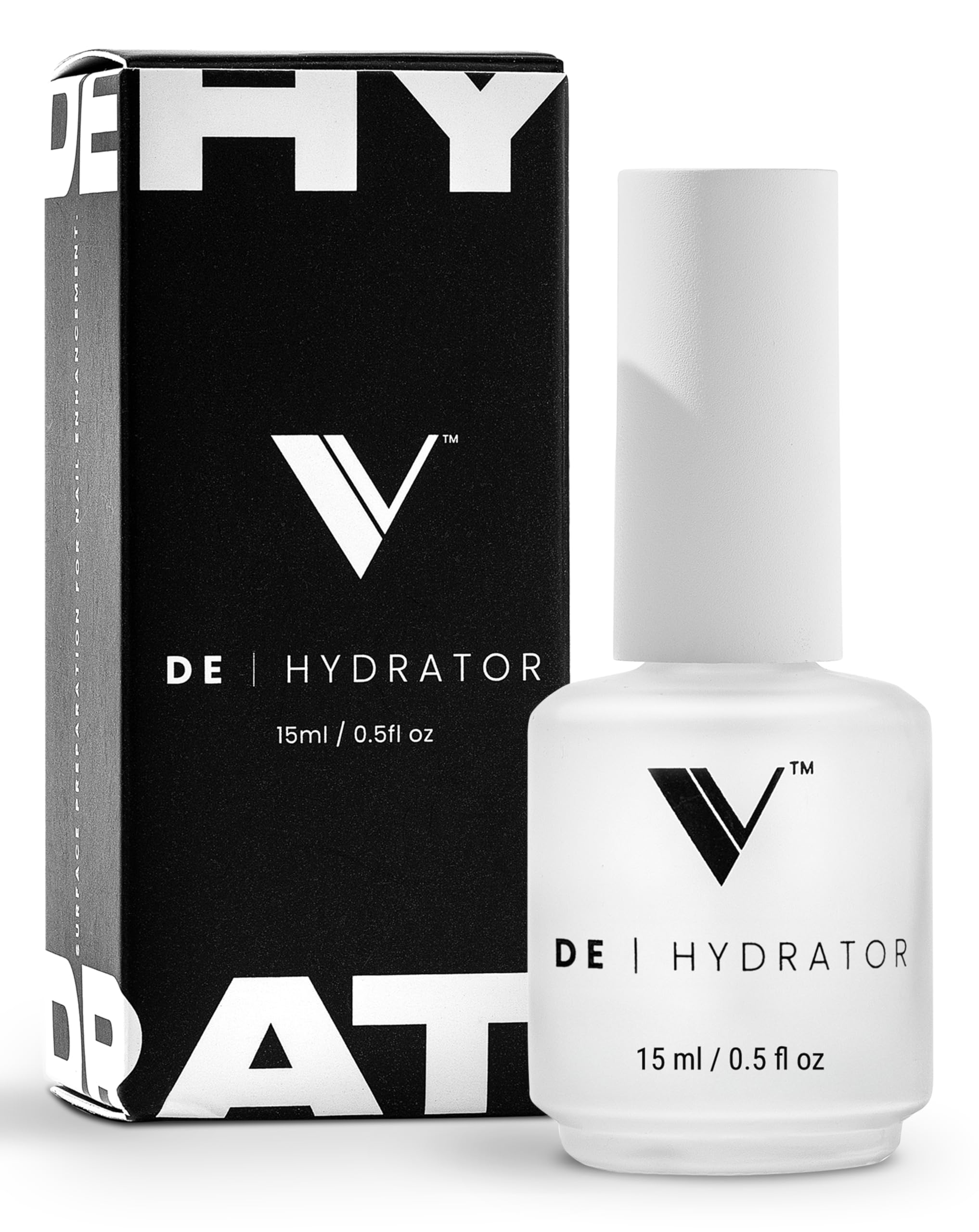
A fragrance-free, dye-free dehydrator built for sensitive skin without sacrificing adhesion strength.
Pros
- Fragrance-free formula reduces irritation risk
- Compatible with gel, acrylic, and press-on systems
- Well-reviewed for improving retention
Cons
- Standalone dehydrator, no bundled primer
- Smaller 0.5 fl oz bottle
- Best paired with V Beauty Pure’s other prep products
Clients with sensitivities to scented nail products tend to do well with this one. It removes oils and debris effectively without leaving behind a strong chemical smell.
Pairing it with a matching primer from the same line rounds out the prep routine. On its own, it’s a dependable first step, not a full system.
Aprés pH Bonder

Built specifically as the first step for Gel-X extensions, this pH bonder also holds up well for standard gel and acrylic work.
Pros
- Formulated for Gel-X extension adhesion
- Fast application, minimal prep time added
- Versatile enough for acrylic and gel polish too
Cons
- Smaller 15ml bottle for the price point
- A few reports of bottles leaking in transit
- Best results depend on proper natural nail cleansing first
Extensions rely on a clean bond between the tip and natural nail, and this bonder targets exactly that. It leaves the nail dry and slightly textured, ideal for the adhesive step that follows.
Even without doing extensions, gel polish users report longer wear with this in their routine. It dries fast enough to not slow down a full set.
modelones Acid Free Prep Kit

Two full bottles at a fair size make this one of the better values for regular at-home gel manicures.
Pros
- Two 15ml bottles, dehydrator and primer
- Acid-free, reduces burning or irritation
- Compatible with most major gel and acrylic brands
Cons
- Primer only works with gel polish, not acrylic alone
- Slight tackiness after application requires a light hand
- Occasional reports of an empty bottle on arrival
Home manicurists appreciate having two full-size bottles instead of the smaller sample sizes some competitors offer. The dehydrator clears the nail plate quickly, and the primer creates the sticky base gel polish needs to grip.
This kit performs close to salon-quality prep without a steep price tag. Checking that both bottles arrive full and sealed is worth doing before storing this away in a drawer.
Buying Guide
Dehydrator, Primer, or Both
A dehydrator alone removes oil and moisture from the nail plate. It’s the right choice for anyone who already uses a primer separately or works with a gel system that includes bonding in the base coat.
A primer adjusts the nail’s pH and adds a tacky layer for grip. Acid-based primers work well but can irritate skin and cuticles with repeated use. Acid-free versions do the same job more gently.
A combo dehydrator-and-primer set covers both steps in one purchase. This works well for beginners who don’t want to guess which additional product to buy separately.
Formula Types to Know
| Formula Type | What It Does | Best For |
|---|---|---|
| Standard Dehydrator | Removes oil and moisture | Anyone with an existing primer |
| Acid-Free Primer | Adds grip without burning | Sensitive skin, frequent use |
| HEMA-Free Formula | Avoids a common allergen in gel systems | Reactive or sensitive nails |
| 3-in-1 Nourishing Formula | Dehydrates, primes, and conditions | Weak or brittle natural nails |
Bottle Size and Value
Bottle sizes for this category typically range from 0.25 oz to 0.5 oz per bottle. A single tech doing frequent sets will go through a small bottle faster than a home user doing manicures every few weeks. Two-bottle sets often provide better value per use since dehydrator and primer are needed at different volumes.
Compatibility With Nail Systems
Not every formula works with every system. Some primers are formulated only for gel polish, while others handle acrylic, hard gel, and extensions as well. Checking the label for compatibility with the specific system in use avoids wasted product and weak adhesion.
Application Tips for Better Retention
- Apply dehydrator to the entire nail plate, avoiding the surrounding skin
- Let the dehydrator dry fully before adding primer or base coat
- Use primer sparingly; too much creates excess tackiness
- Avoid touching the nail after dehydrating and before applying product
- Store bottles tightly capped to prevent evaporation or contamination
Conclusion
Choosing between a standalone dehydrator and a full prep-and-bond set comes down to what’s already in a nail kit. Anyone with a reliable primer only needs a dehydrator to round things out, while beginners benefit more from a combo set that removes the guesswork.
Formula details matter more than marketing claims. Acid-free and HEMA-free options reduce irritation risk without sacrificing hold, and bottle size affects how often a repurchase is needed. Correct application, avoiding skin contact and letting each step dry fully, does as much for retention as the product itself.
For gel polish or acrylic that holds up for weeks instead of days, starting with the right prep step sets the tone for everything that follows.
FAQs
Do I need both a dehydrator and a primer? Most gel and acrylic systems benefit from both. The dehydrator removes oil and moisture, and the primer adds a tacky surface for the base coat or acrylic to grip. Skipping either step increases the risk of lifting.
Is acid-free primer as effective as traditional acid-based primer? Acid-free primers provide comparable adhesion for most gel polish and acrylic applications, without the burning sensation acid-based versions can cause on skin or cuticles. Professionals increasingly prefer acid-free formulas for client comfort.
What does HEMA-free mean, and does it matter? HEMA is a common ingredient in gel systems that some people develop sensitivities to over time. HEMA-free formulas avoid this ingredient, making them a safer choice for anyone with a known reaction or repeated exposure.
How long should dehydrator sit before adding primer or base coat? Dehydrator dries in seconds to about a minute, depending on the formula. Waiting until the nail looks matte and feels dry before moving to the next step improves adhesion.
Can these products be used on natural nails without any enhancements? Yes. Dehydrators and primers work for standard gel polish manicures on natural nails, not just acrylic or extensions. They help polish last longer without chipping or lifting early.
What happens if primer touches the skin around the nail? Contact with skin can cause mild irritation, especially with acid-based primers. Acid-free formulas are gentler, but keeping application confined to the nail plate is still the safest approach.

