
10 Best Nail Dehydrator for Weak Nails for Longer-Lasting, Stronger Manicures

Weak, thin, or peeling nails need extra care before any polish or enhancement goes on. A nail dehydrator removes the natural oils and moisture sitting on the nail plate, giving gel polish, acrylics, or press-ons a clean surface to grip. Without that step, even the best polish job tends to lift or peel within days.
Nail prep products come in a few different forms, and knowing the difference matters for anyone dealing with fragile nails. Dehydrators strip oil and moisture. Acid-free and pH bonding primers add a tacky layer that helps product stick without the harsh burn of old-school acid primers. Strengtheners work on a separate problem entirely, reinforcing the nail itself rather than prepping it for polish. Choosing the right combination, rather than assuming one bottle does everything, is the difference between a manicure that lasts and one that lifts within a week.
Ingredients and sensitivity matter just as much as bonding power. Look for acid-free or HEMA-free formulas if your skin reacts easily, and pay attention to whether a product is a straightforward dehydrator or a multi-step primer system. Drying time, scent strength, and compatibility with gel versus acrylic systems all affect how a product fits into an at-home routine. The picks below cover the full range, from single-purpose dehydrators to strengthening treatments for nails that need more than a prep step.
Best gift-ready set: Morovan Dehydrator and Primer Set
Best acid-free formula: Mia Secret Nail Prep Dehydrator
Best protein-bond primer: Young Nails Protein Bond
Best 3-in-1 prep and nourish: Modelones Nail Dehydrator and Primer
Best for beginners: Beetles Nail Dehydrator and Primer Set
Best fragrance-free option: V Beauty Pure Nail Dehydrator
Best classic salon staple: IBD Nail Dehydrator
Best for Gel-X extensions: Aprés pH Bonder
Best for nail rehab routines: Gelike EC Nail Care Set
Best for natural-nail strengthening: Nail-Aid Biotin Ultimate Strength
Morovan Dehydrator and Primer Set

This two-step set is a solid pick for anyone who wants a complete prep routine without buying separate bottles.
Pros
- Includes both dehydrator and acid-free primer in one box
- Works across gel, acrylic, and artificial nail systems
- Packaging makes it easy to gift or start a beginner kit
Cons
- Some buyers reported leaking or drying-out issues
- Small 0.5 oz bottles run out with frequent use
The dehydrator clears away oil and moisture, while the primer acts like a bonding layer between nail and product. Reviewers say the combination holds gel and acrylic for weeks without lifting, and the acid-free formula keeps the process gentler than older primer types. A few mentioned bottle leaks in shipping, worth checking on arrival.
Mia Secret Nail Prep Dehydrator
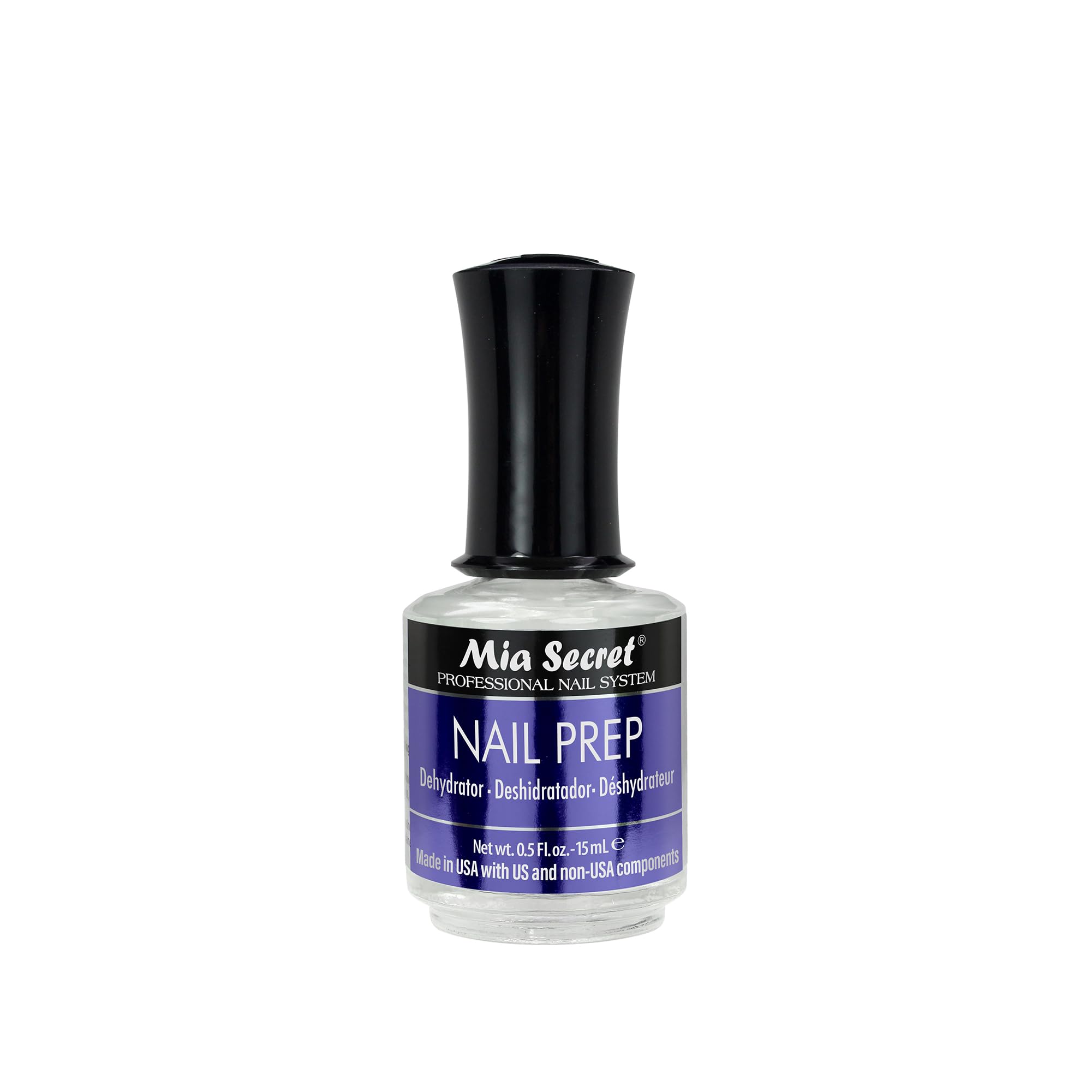
This is a straightforward, acid-free dehydrator built for anyone who wants prep without added tackifying agents.
Pros
- Acid-free formula suited for sensitive skin
- Compatible with a wide range of acrylic and gel systems
- Well-rated among frequent reviewers
Cons
- No bundled primer, so a separate bonding step may be needed
- Smaller 15ml bottle compared to some multi-packs
Mia Secret’s dehydrator focuses on one job: pulling moisture and oil off the nail plate before acrylic or gel application. It skips the acid found in older-style primers, making it a gentler choice for people who react to harsher chemical prep. Nail techs who work with Mia Secret’s own acrylic line will find it pairs naturally with that system, though it works with other brands too.
Young Nails Protein Bond
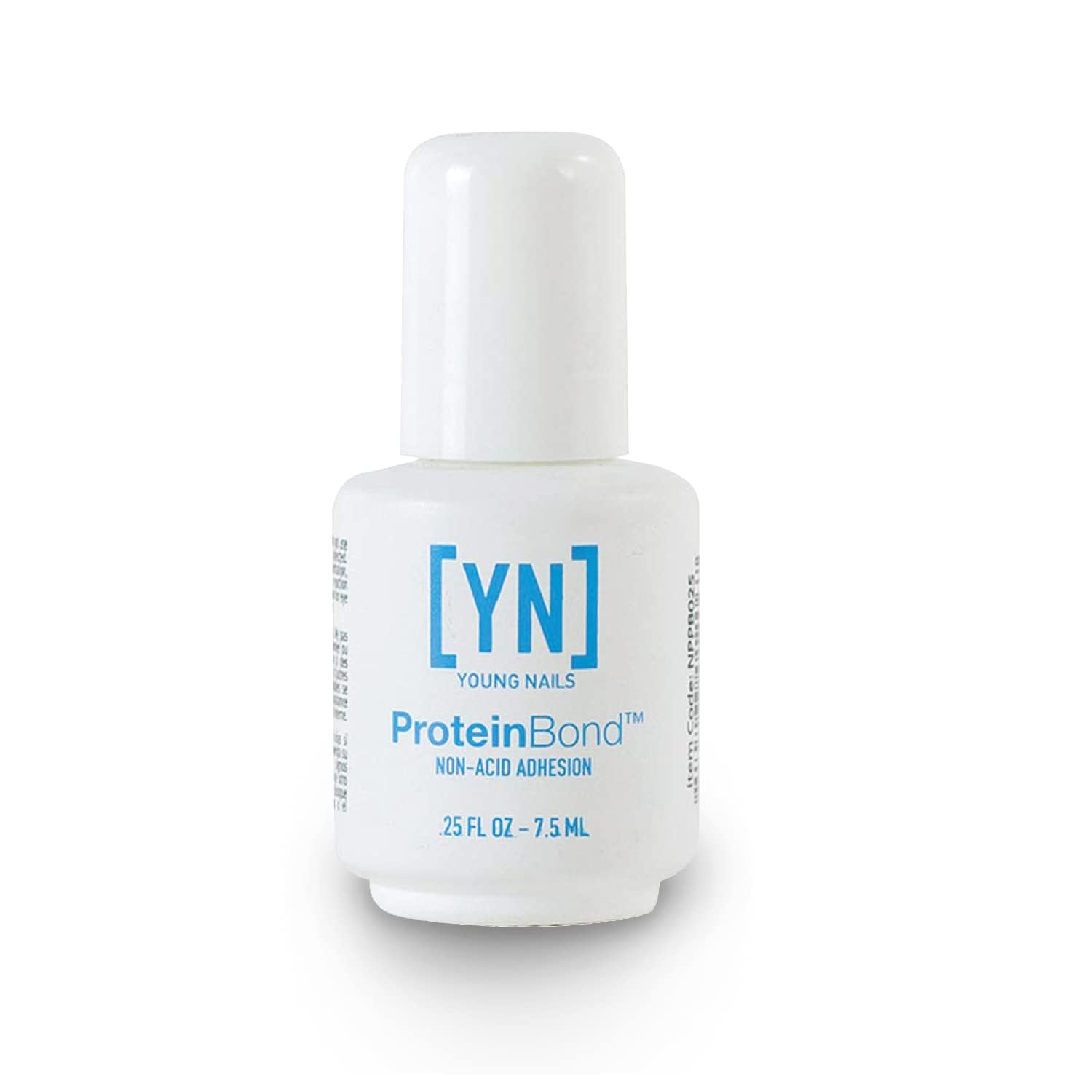
This non-acidic primer is built for people who want strong adhesion without the sting of traditional acid primers.
Pros
- Non-acidic formula bonds to nail keratin directly
- Compact size travels well for on-the-go touch-ups
- Works across gel, acrylic, and gel polish systems
Cons
- Small 0.25 oz bottle needs frequent restocking for salon use
- No dehydrator included, so a separate cleanse step helps first
Young Nails built its Protein Bond around a polymer that attaches to the nail’s own keratin structure, creating a tackier surface for gel or acrylic to grip. It skips the corrosive acid found in older bonding agents, which matters for anyone with sensitive or already-weakened nails. Pair it with a dehydrator step for the strongest hold.
Modelones Nail Dehydrator and Primer

This 3-in-1 formula is the strongest pick for readers who want prep and light nail nourishment from a single bottle.
Pros
- Combines dehydrator, primer, and nourishing oils in one product
- HEMA-free and acid-free, gentle on sensitive skin
- Contains squalane and jojoba oil for added nail care
Cons
- Cannot replace a base coat on its own
- Scent is noticeable to some users
Modelones built this to do triple duty: clean the nail, boost adhesion, and add a touch of nourishment through squalane and jojoba oil. That makes it a fitting option for people with weak nails who want prep and light conditioning at once, without adding another bottle to the routine. It is not a treatment for existing damage, but it does not add extra dryness either.
Beetles Nail Dehydrator and Primer Set
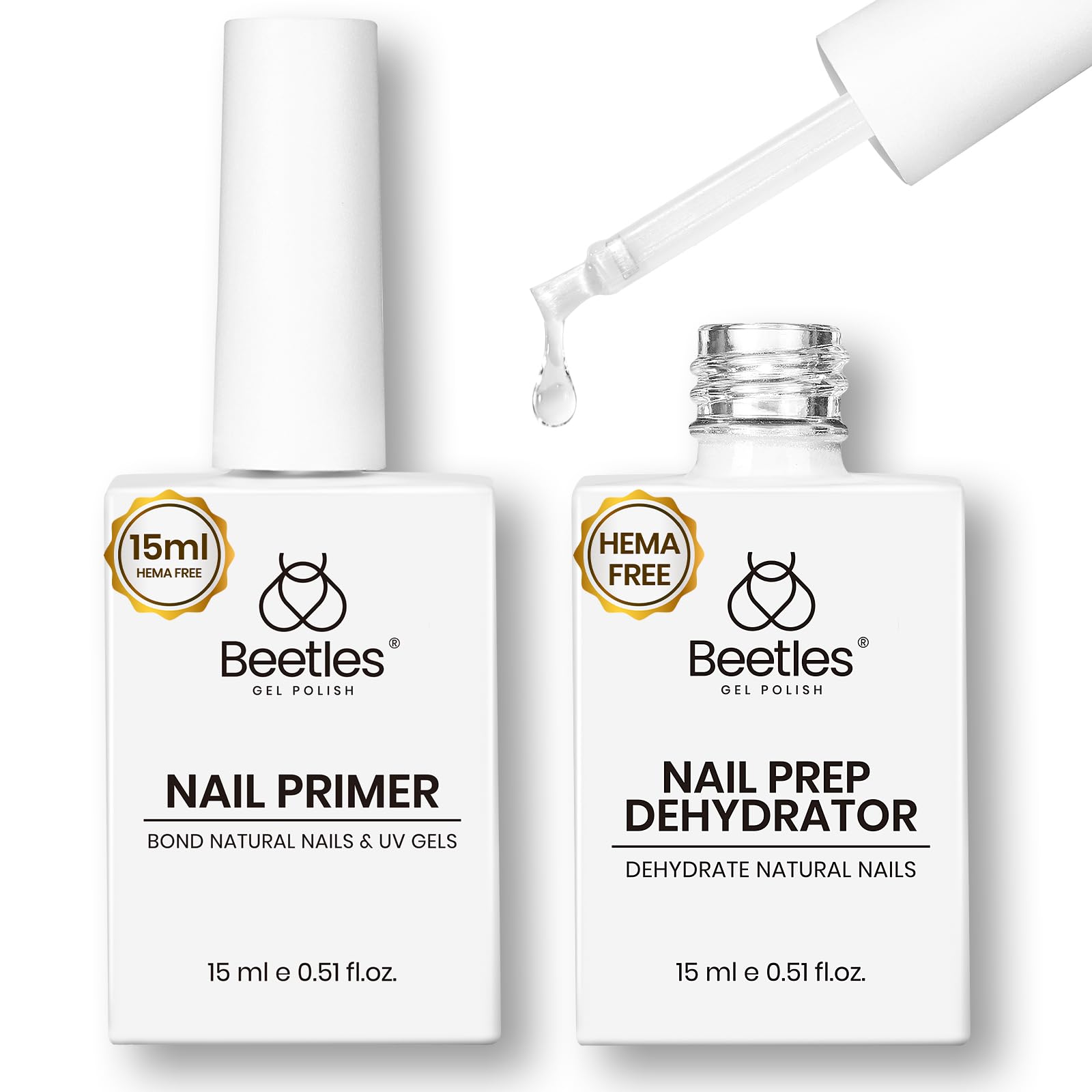
This set is an easy starting point for beginners thanks to its simple two-bottle system and short-bristle brush design.
Pros
- HEMA-free formula for both dehydrator and primer
- Short-bristle brush helps product reach nail grooves evenly
- Large customer base with a strong satisfaction record
Cons
- Two separate bottles require an extra prep step
- Some users find the primer scent stronger than expected
Beetles pairs a dehydrator with a primer designed to reduce oil, dust, and moisture before gel or acrylic goes on. The short-bristle brush is a small but useful detail, since it reaches nail grooves more precisely than standard wands. This is a dependable entry point for anyone new to at-home gel application.
V Beauty Pure Nail Dehydrator
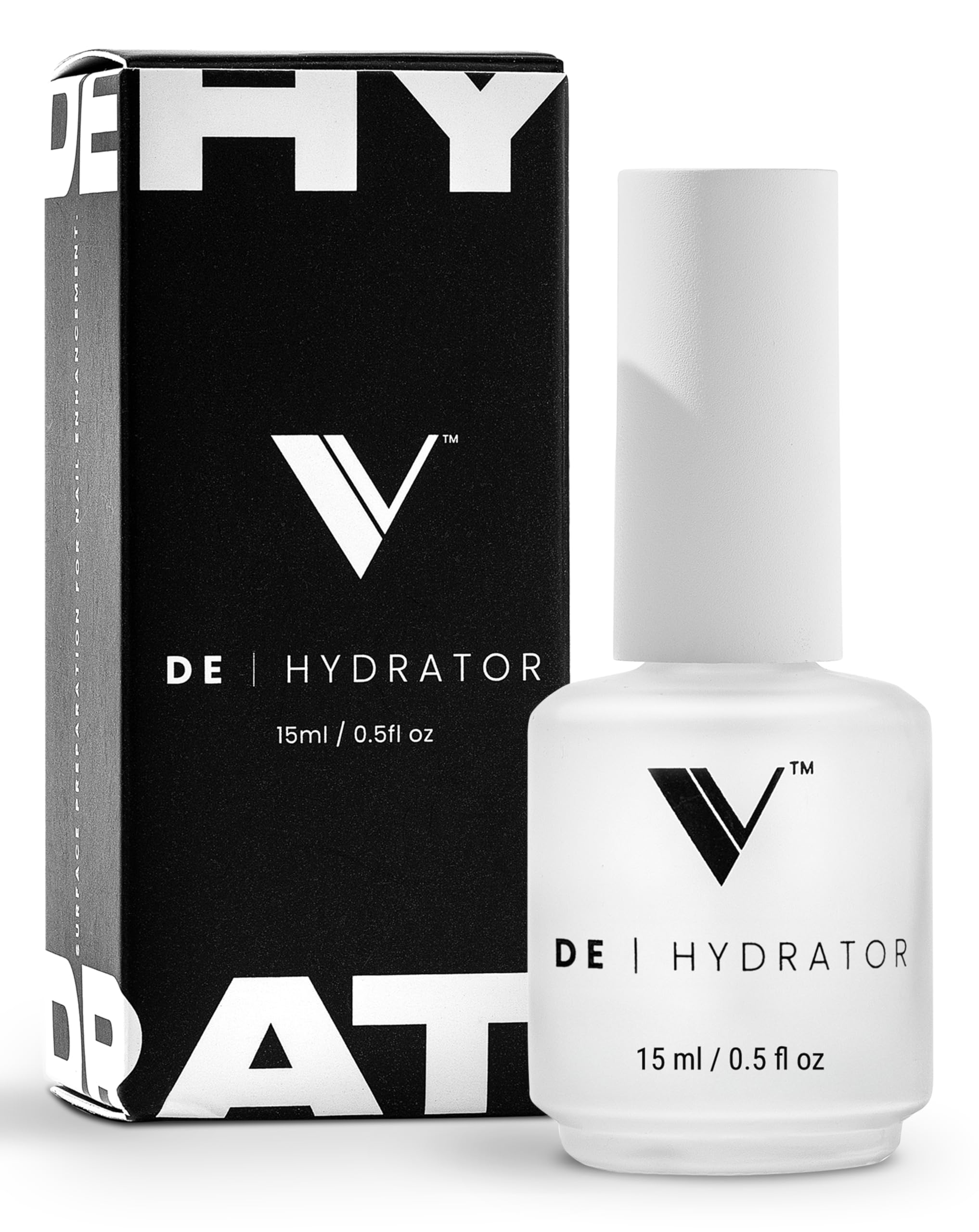
This dye-free dehydrator suits anyone who wants a clean, no-frills formula with minimal added ingredients.
Pros
- Fragrance-free and dye-free formula
- Works across gel, acrylic, and press-on applications
- Well-rated with a growing customer base
Cons
- Smaller brand with less long-term track record than salon staples
- No primer included in the same bottle
V Beauty Pure keeps its formula simple, skipping dyes and fragrance additives that can irritate sensitive skin. It removes oil and moisture from the nail plate to create a stable base for gel or acrylic, and several users report it working well specifically for press-on application. It functions as a single-step dehydrator, so a separate primer may still be worth adding for stronger adhesion.
IBD Nail Dehydrator

IBD has been a trusted name in professional nail supply for years, and this dehydrator holds up as a reliable, no-nonsense prep step.
Pros
- Long-standing brand with wide use among professional techs
- Dye-free, balances nail pH before application
- Works as a primer alternative for lighter prep needs
Cons
- Formula is basic compared to multi-function competitors
- Some bottles use a brush applicator rather than a spray, depending on batch
Nail techs with years of experience often mention IBD as a longtime staple, and the reviews back that up. It removes surface oil efficiently and helps reduce lifting without the strong chemical smell some primers carry. It works well as a lighter alternative to acid primers for people who don’t need the extra tack a bonding agent provides.
Aprés pH Bonder

This pH bonder is built specifically as the first step for Gel-X extensions, though it works for standard acrylic and gel too.
Pros
- Designed as the essential first step for Gel-X application
- Dehydrates and balances nail pH in one product
- Fast application supports quick prep routines
Cons
- Best known for Gel-X, so results with other systems vary by user
- Smaller brand recognition outside extension-focused routines
Aprés built its reputation on Gel-X extensions, and this pH bonder reflects that focus. It preps the natural nail for a clean, dry bonding surface, which several reviewers say helps their sets last three weeks or longer. It works with acrylic and gel too, making it a flexible choice for anyone doing extensions at home.
Gelike EC Nail Care Set
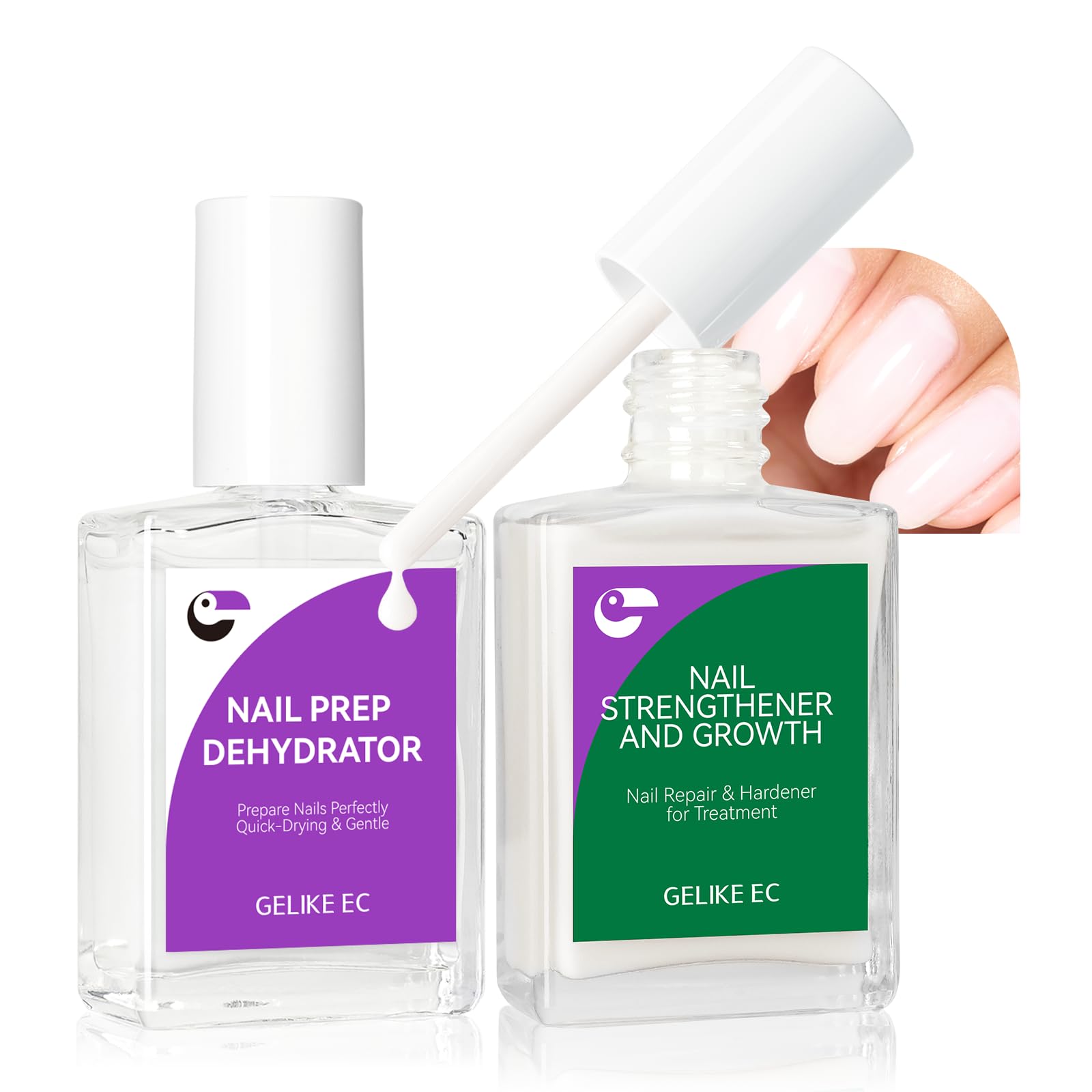
This set pairs a strengthener with a dehydrator, making it one of the few options built specifically for nail rehab alongside prep.
Pros
- Combines strengthening treatment with a separate dehydrator
- Keratin and jojoba oil support nail repair between manicures
- Vegan and cruelty-free formulas
Cons
- Smaller brand with a limited review history so far
- Strengthener adds natural tint, which may not suit all preferences
Gelike EC treats prep and repair as two separate jobs, which fits readers whose nails need more than a bonding step. The strengthener leans on keratin and jojoba oil to reinforce nails between gel or acrylic removals, while the dehydrator handles standard prep before polish. It won’t reverse existing damage overnight, but it supports healthier growth alongside a normal manicure routine.
Nail-Aid Biotin Ultimate Strength

This biotin-based treatment focuses entirely on natural-nail health, not adhesion prep, making it the right pick for readers whose main concern is nail strength.
Pros
- Concentrated biotin supports weak, peeling nails over time
- Can double as a base coat or glossy top coat
- 20-free, cruelty-free formula
Cons
- Not a dehydrator or primer, so it won’t help gel or acrylic adhesion
- Visible improvement takes consistent use, not one application
Nail-Aid takes a different approach from the other products on this list. Instead of prepping nails for polish, it works to reinforce the nail plate itself using concentrated biotin. Reviewers note visible improvement in nail texture within days of regular use, though it should be treated as a supportive treatment rather than a quick fix for long-term damage.
Buying Guide
Know the Difference Between Dehydrators, Primers, and Strengtheners
A dehydrator removes oil and moisture from the nail plate. A primer, whether acid-based or acid-free, adds a tacky layer that helps polish or acrylic grip that clean surface. A strengthener works on a different problem entirely, reinforcing the nail structure itself rather than prepping it for product. Weak nails often benefit from all three used at different times, not one product doing every job.
Check the Formula Type
| Formula Type | What It Does | Best For |
|---|---|---|
| Dehydrator only | Removes oil and moisture | Light prep before polish |
| Acid-free primer | Adds bonding tack without harsh acid | Sensitive or reactive skin |
| Acid-based primer | Stronger bond, more corrosive | Acrylic systems needing max hold |
| Strengthener | Reinforces nail structure | Recovery after damage or overuse |
Look for HEMA-Free and Acid-Free Labels
HEMA is a common allergen in gel and acrylic systems. HEMA-free formulas reduce the risk of skin reactions for people prone to sensitivity. Acid-free primers offer a gentler alternative to older bonding agents without giving up much adhesion strength.
Consider Drying Time and Scent
Fast-drying formulas speed up an at-home routine, especially for anyone doing full sets regularly. Scent strength varies a lot between brands. Fragrance-free options are worth prioritizing for anyone sensitive to strong chemical smells.
Match the Product to the Nail System
Some primers and dehydrators are built for specific systems, like Gel-X extensions or particular acrylic lines. Most work across brands, but checking compatibility avoids weak adhesion from mismatched chemistry.
Set Realistic Expectations for Weak Nails
No dehydrator or primer repairs existing nail damage. These products create better conditions for polish to stick, which reduces breakage from lifting and peeling polish. Actual nail strength improvement comes from separate strengthening treatments used consistently over weeks, not a single prep step.
Conclusion
Choosing the right nail prep product starts with identifying the actual problem. Nails that lift and peel polish early usually need better adhesion, which means a dehydrator paired with an acid-free or protein-bond primer. Nails that are naturally weak, thin, or breaking need a strengthening treatment used consistently, separate from any polish prep routine.
For most at-home gel or acrylic users, a two-step dehydrator and primer set covers the basics without added complexity. Sensitive-skin users should prioritize acid-free and HEMA-free labels over marketing claims about bond strength. Anyone dealing with ongoing nail damage benefits more from a dedicated strengthener used between manicures than from any single prep product.
FAQs
Can a nail dehydrator make weak nails healthier? A dehydrator preps the nail surface for polish adhesion. It does not repair or strengthen the nail itself. Separate strengthening treatments handle that job.
Is acid-free primer as strong as acid-based primer? Acid-free primers offer solid adhesion for most gel and acrylic applications with less irritation risk. Acid-based primers can provide stronger bonding for demanding acrylic systems, but they carry a higher chance of skin sensitivity.
Do I need both a dehydrator and a primer? Using both steps together typically gives the strongest, longest-lasting bond. A dehydrator alone works for lighter applications like press-ons, while primers add extra tack for gel and acrylic.
How often should I use a nail strengthener? Consistent use over several weeks shows the most noticeable improvement in nail texture and resilience. Occasional use provides limited benefit for ongoing weakness.
Are HEMA-free products necessary for everyone? HEMA-free formulas matter most for people with known sensitivities or allergic reactions to gel systems. Readers without sensitivity issues can use standard formulas without added risk.

