
Ingrown Toenail vs Normal Toenail: What Is the Difference?

A little tenderness beside your toenail can make you wonder whether the nail is simply growing normally or starting to become ingrown. That difference matters because a normal toenail usually needs basic grooming, while an ingrown nail may need changes to your trimming habits, footwear, or even professional treatment.
Understanding ingrown toenail vs normal toenail: what is the difference? comes down to looking at the nail edge, surrounding skin, pain level, swelling, and signs of infection.
Below, you’ll learn what a healthy toenail normally looks and feels like, the early signs of an ingrown nail, what can cause one, what you can safely do at home, and when it is smarter to stop DIY care and see a professional.
Quick Answer
A normal toenail grows forward over the nail bed without painfully digging into the surrounding skin. An ingrown toenail develops when a side or corner presses or grows into the skin, often causing tenderness, redness, swelling, or pain. More severe cases can develop drainage, pus, or infection.
Ingrown Toenail vs Normal Toenail: The Main Differences
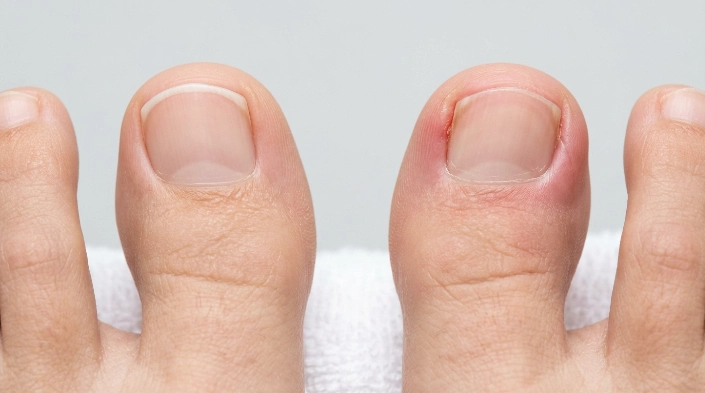
The easiest way to compare a normal and ingrown toenail is to look beyond the nail plate itself.
A toenail can naturally curve slightly at the sides without being ingrown. The important question is whether the nail edge is irritating or penetrating the surrounding skin.
| Feature | Normal Toenail | Possible Ingrown Toenail |
|---|---|---|
| Nail edge | Sits above or beside the skin comfortably | Presses or digs into the side of the toe |
| Pain | Usually painless | Tender or painful, especially with pressure |
| Skin color | Normal for your skin tone | May look red, pink, or inflamed |
| Swelling | None | Mild to noticeable swelling |
| Walking/shoes | Comfortable | Shoes may increase discomfort |
| Drainage | None | Possible fluid or pus if infected |
| Touch sensitivity | Usually comfortable | Side of nail may feel very tender |
| Treatment | Routine nail care | May require home care or professional treatment |
According to the Mayo Clinic’s information on ingrown toenails, an ingrown toenail occurs when the corner or side of the nail grows into the nearby soft tissue. Pain, inflamed skin, swelling, and sometimes infection may follow.
What Does a Normal Toenail Look Like?
A healthy-looking toenail generally grows forward from the nail root and stays attached to the nail bed underneath it.
The free edge—the part you trim—should extend beyond the attached nail bed without painfully pressing into the skin.
A normal toenail may:
- Have a gentle natural curve.
- Be slightly thicker than your fingernails.
- Have minor ridges.
- Vary somewhat in color from person to person.
- Grow slowly.
- Have corners that sit close to the skin without causing pain.
The important point is that normal nail growth should not repeatedly make the surrounding skin sore, swollen, or inflamed.
Not every unusual-looking toenail is ingrown. Toenails can change because of old injuries, fungal infections, repeated shoe pressure, aging, or other nail conditions.
What Does an Ingrown Toenail Look and Feel Like?
An ingrown toenail often starts at one corner or along one side of the nail.
At first, you may notice tenderness when you press the skin beside the nail. Tight shoes may suddenly feel uncomfortable even though they fit normally before.
As irritation increases, you may notice:
- Pain along one or both nail edges.
- Redness or inflammation around the nail.
- Swelling beside the nail.
- Skin appearing to rise over the nail edge.
- Increased pain while walking.
- Sensitivity when wearing closed-toe shoes.
- Fluid, drainage, or pus in a more serious case.
The big toe is affected particularly often, although an ingrown nail can develop on another toe. Mayo Clinic lists pain, tenderness, inflamed skin, swelling, and infection among the main symptoms.
Early Ingrown Toenail vs Infected Ingrown Toenail
A mildly ingrown toenail may simply feel tender with a little swelling.
An infected or significantly inflamed toe can look much more concerning.
Watch for increasing swelling, worsening pain, warmth, drainage, pus, spreading redness, or feeling generally unwell.
The NHS guide to ingrown toenails advises seeking medical help when an ingrown toenail remains painful and swollen, produces pus, does not improve with home care, or occurs in someone with diabetes.
Why Do Toenails Become Ingrown?
Ingrown toenails rarely have just one possible cause. Several everyday habits can encourage a nail edge to press into the skin.
Cutting Toenails Too Short
Very short nails leave little free edge extending beyond the end of the toe.
As the nail grows forward again, the side can begin pressing into nearby skin.
This is one reason cutting a toenail as short as possible is not automatically healthier.
Rounding the Corners Too Deeply
Many people shape toenails like fingernails by cutting deeply around both corners.
That attractive rounded shape may encourage the nail edge to grow into the skin.
For toenails, a straighter shape is generally safer.
The American Academy of Dermatology’s nail-trimming guidance recommends cutting toenails straight across to help reduce the risk of ingrown nails.
Tight or Narrow Shoes
Shoes with a narrow toe box can squeeze your toes together and repeatedly push skin against the nail.
High heels, tight athletic shoes, pointed shoes, or footwear that is simply too small can make an irritated nail edge more uncomfortable.
Toe Injuries
Stubbing your toe, dropping something on it, or repeatedly striking the front of a shoe during sports can change how a toenail grows.
Running, kicking sports, and similar activities may also expose the toes to repeated pressure.
Naturally Curved Nails
Some people naturally have more curved toenails.
That does not mean they will automatically develop ingrown nails, but strongly curved edges can make careful trimming and properly fitting footwear particularly important.
Can a Nail Look Ingrown Without Actually Being Ingrown?
Yes.
The skin beside your nail can become sore for reasons other than a truly ingrowing nail edge.
Possible look-alikes include:
- A small cut from trimming.
- Skin irritated during a pedicure.
- Pressure from tight shoes.
- A blister near the nail.
- Nail or skin infection.
- Thick or distorted nail growth.
- Trauma from picking at the corner.
- Irritation after aggressive filing.
If you cannot clearly see what is causing the pain, avoid digging into the corner to investigate.
Using clippers, metal tools, or files on tender skin can turn minor irritation into a larger injury.
How to Check Your Toenail at Home
You do not need to perform your own medical procedure to inspect a sore toenail.
Use good lighting and simply look at the nail and surrounding skin.
- Wash your hands and feet.
- Dry the toe carefully.
- Check both sides of the toenail.
- Look for swelling, redness, drainage, or damaged skin.
- Lightly notice whether one side is especially tender.
- Check whether your footwear presses directly against that area.
Do not push sharp tools under the nail to see where it ends.
If checking the nail causes significant pain, stop rather than forcing the skin away from it.
Safe Home Care for a Mild Ingrown Toenail
A mildly irritated ingrown toenail without obvious infection can sometimes improve with conservative home care.
Mayo Clinic describes measures such as warm soaks, protecting the tender area, and choosing roomy footwear as options for many uncomplicated cases.
Give the Toe More Room
Switch temporarily to shoes with a wide toe box.
Open-toe footwear may feel more comfortable when practical and safe.
The goal is to reduce repeated pressure while the irritated area settles.
Keep the Foot Clean
Wash your feet regularly and dry them thoroughly.
Clean skin is particularly important when the nail has already caused a small break in the surrounding tissue.
Avoid Re-Cutting the Painful Corner
It can be tempting to cut away the piece of nail that seems to be causing trouble.
However, repeatedly digging down the side may leave a sharp nail spike or injure the surrounding skin.
Let the nail grow enough to establish a safer edge unless a healthcare professional recommends another approach.
Monitor the Toe
A mildly irritated nail should not be assumed to be improving simply because you can tolerate the pain.
Check for changes such as increasing swelling, spreading inflammation, pus, or worsening tenderness.
Expert Tip: When you notice the first tender corner, check your shoe fit and trimming technique before reaching for another clipper. Repeatedly cutting deeper into the corner can make the cycle harder to break.
Toenail Clippers and Files: What Is Safe?
Simple tools are usually enough for routine toenail care.
| Tool | Best Use | Cost Level | Main Safety Point |
|---|---|---|---|
| Toenail clipper | Routine trimming | Low | Cut across rather than digging down the sides |
| Fine or medium nail file | Smoothing rough free edges | Low | Keep the file away from painful skin |
| Glass nail file | Controlled edge smoothing | Low–Moderate | Avoid heavy pressure |
| Nail nipper | Thick or difficult nails | Moderate | Very sharp; not ideal for digging out an ingrown corner |
After normal trimming, a nail file can gently smooth a sharp edge.
However, do not slide a file deeply between an ingrown nail and tender skin. The file can scrape already irritated tissue.
AAD guidance also recommends cleaning nail-grooming tools and smoothing rough edges carefully.
From a hygiene standpoint, your own clean tools are preferable to shared files or clippers. Disposable files should be replaced when dirty, damaged, or difficult to keep hygienic.
How to Trim Toenails to Help Prevent Ingrown Edges
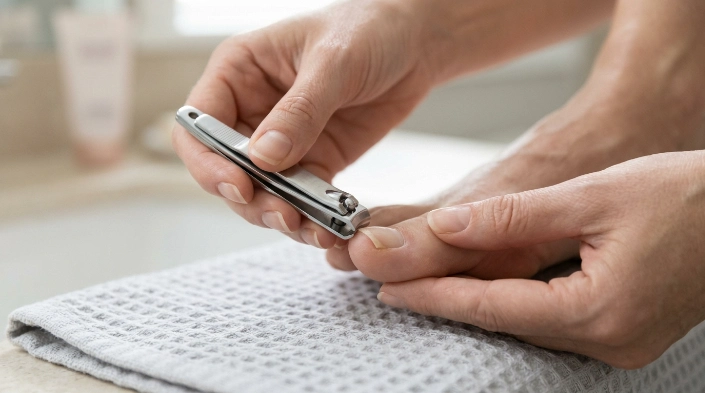
Your everyday trimming technique can make a meaningful difference.
1. Trim When the Nail Is Manageable
A very hard toenail can be easier to trim after bathing or briefly softening it in lukewarm water.
Dry your hands and feet before handling sharp tools so they do not slip.
2. Use a Toenail Clipper
A toenail clipper is generally wider and stronger than a small fingernail clipper.
Make controlled cuts instead of forcing the entire nail through the clipper at once.
3. Keep the Shape Mostly Straight
Avoid creating deeply curved corners.
The AAD specifically recommends cutting toenails straight across as a way to reduce ingrown toenail risk.
4. Do Not Cut Extremely Short
Leave a visible free edge rather than trimming into attached tissue.
If you are unsure whether the nail needs one more cut, leaving it slightly longer is usually more conservative than cutting into the corner.
5. File Only Rough Edges
Gently smooth sharp or jagged areas that could catch on socks.
Do not use filing as a way to dig a painful nail edge out of swollen skin.
Common Mistakes to Avoid
- Cutting a V shape into the middle of the toenail. This does not reliably control how the side edges grow.
- Digging deeply into painful corners. You may injure the skin or leave a sharp nail fragment behind.
- Cutting toenails extremely short. This can increase pressure between the growing nail and surrounding tissue.
- Rounding the corners aggressively. Keep the overall toenail shape straighter.
- Using dirty tools. Clean reusable clippers and files according to their care instructions.
- Picking at swollen skin. This can create additional injury.
- Continuing a pedicure when the toe is bleeding or draining. Cosmetic grooming should stop when there is an active skin problem.
- Wearing the same tight shoes while the toe hurts. Continued pressure can keep irritating the nail.
- Trying to hide an infected-looking nail with polish. Pain, pus, significant swelling, or spreading inflammation deserves attention rather than cosmetic coverage.
- Assuming every painful toenail is harmless. Persistent symptoms may need professional evaluation.
DIY Care vs Salon or Professional Care
A normal toenail or a mildly rough edge can usually be maintained at home with clean tools and careful trimming.
A nail technician can help with routine cosmetic grooming when the nail and surrounding skin are healthy.
However, a salon visit is not a substitute for medical evaluation when a toe is significantly painful, infected-looking, bleeding, or producing drainage.
For a painful or recurrent ingrown toenail, a podiatrist, dermatologist, or another appropriate healthcare professional may be better equipped to evaluate the problem.
More significant cases may require professional techniques such as lifting the affected nail edge or removing part of the nail. Mayo Clinic describes partial nail removal as one possible treatment for more severe cases involving substantial inflammation, pain, or pus.
When to See a Nail Technician or Dermatologist
A nail technician is appropriate for ordinary trimming, shaping, polish, and cosmetic pedicure care when the nail and skin are healthy.
Choose medical care instead when the problem goes beyond cosmetics.
Contact an appropriate healthcare professional if you notice:
- Severe or worsening toe pain.
- Significant swelling.
- Pus or other drainage.
- Spreading inflammation.
- Skin that is increasingly warm and tender.
- Difficulty walking because of the toe.
- Repeated ingrown toenails in the same area.
- A nail that is badly damaged or distorted.
- Symptoms that are not improving with conservative care.
People with diabetes, poor circulation, reduced sensation in the feet, or conditions that interfere with healing should be especially cautious about treating foot injuries themselves.
Mayo Clinic specifically notes a greater risk of complications from ingrown toenails in people with diabetes or conditions that reduce blood flow to the feet.
In those situations, do not aggressively cut, file, or dig around a painful nail without discussing appropriate foot care with your healthcare team.
How to Prevent Another Ingrown Toenail
Once a painful toe improves, a few habits can help reduce repeated irritation.
Keep toenails at a comfortable length and trim mostly straight across.
Wear shoes that allow your toes enough room instead of squeezing them together.
Keep your feet clean and dry, especially after exercise.
Avoid repeatedly picking at nail corners.
If you regularly get pedicures, tell your technician that you prefer your toenails not to be cut extremely short or deeply rounded at the sides.
Finally, watch nails that repeatedly curve inward. Recurring problems deserve professional assessment rather than increasingly aggressive home trimming.
FAQs
Can a normal toenail curve at the sides?
Yes. Toenails naturally vary in shape, and some people have more curved nails than others. Curvature alone does not necessarily mean the nail is ingrown. Pain, tenderness, swelling, and the nail pressing into surrounding skin are more important warning signs.
How do I know if my toenail is starting to become ingrown?
Early signs often include tenderness along one corner or side, mild swelling, and discomfort when shoes press against the toe. The nail edge may look as though it is pressing into the nearby skin.
Will an ingrown toenail fix itself?
A mild case may improve as the nail grows and pressure is reduced, especially when you stop cutting into the corner and wear roomy footwear. Persistent, worsening, infected-looking, or recurrent ingrown toenails should be evaluated professionally.
Should I cut out the corner of an ingrown toenail?
Avoid digging deeply into the side of a painful nail yourself. Aggressive cutting may injure the surrounding skin or leave a sharp piece of nail behind. Conservative care or professional treatment is safer when the corner is deeply embedded.
Can tight shoes cause an ingrown toenail?
Tight shoes can contribute by pushing the toes and surrounding skin against the nail. Shoes with adequate toe room are particularly useful when the nail edge is already tender.
Can a nail file fix an ingrown toenail?
A file can smooth a rough free edge, but it is not a treatment for a nail that is embedded in painful or swollen skin. Do not push a file under an irritated nail edge to try to release it.
Is redness around a toenail always an infection?
No. Pressure and irritation can cause redness without an infection. However, increasing redness or inflammation combined with worsening pain, warmth, swelling, pus, drainage, or feeling unwell should be taken more seriously and assessed by a healthcare professional.
Conclusion
When comparing an ingrown toenail vs normal toenail, the biggest difference is not simply how curved the nail looks. A normal toenail grows without painfully digging into surrounding skin, while an ingrown toenail commonly causes tenderness, inflammation, swelling, and sometimes infection.
For mild irritation, reducing shoe pressure, keeping the toe clean, and avoiding aggressive cutting may help.
For future prevention, trim toenails mostly straight across, avoid cutting them extremely short, use clean tools, and make sure your shoes give your toes enough space.
Most importantly, do not turn a painful nail problem into an aggressive DIY pedicure project. If you see pus, worsening swelling, spreading inflammation, severe pain, or repeated ingrown nails—or if you have diabetes or poor circulation—seek appropriate professional care.
Pay attention to what your toenail is telling you, use gentle grooming habits, and choose professional help when the problem moves beyond routine nail care.

