
How to Prevent Toenail Odor: Simple Habits That Keep Feet Fresh

If you notice an unpleasant smell when you trim your toenails, remove your socks, or take off your shoes, you may wonder whether something is wrong with your nails. In many cases, toenail odor comes from a combination of sweat, bacteria, trapped debris, damp footwear, or a fungal problem.
Learning how to prevent toenail odor usually starts with a few simple habits: keeping your feet clean, drying them thoroughly, trimming your nails correctly, and giving shoes enough time to dry between wears.
The good news is that you do not need an expensive pedicure routine. A consistent home-care routine can make a noticeable difference. This guide explains what causes toenail odor, how to prevent it, which tools are useful, what mistakes to avoid, and when persistent odor deserves professional attention.
Quick Answer
To prevent toenail odor, wash your feet daily, dry carefully around and between your toes, keep toenails short and clean, change damp socks promptly, and rotate shoes so they can dry. Avoid digging aggressively under the nails. Persistent odor with thick, yellow, cracked, painful, or lifting nails may require professional evaluation.
Why Do Toenails Start to Smell?
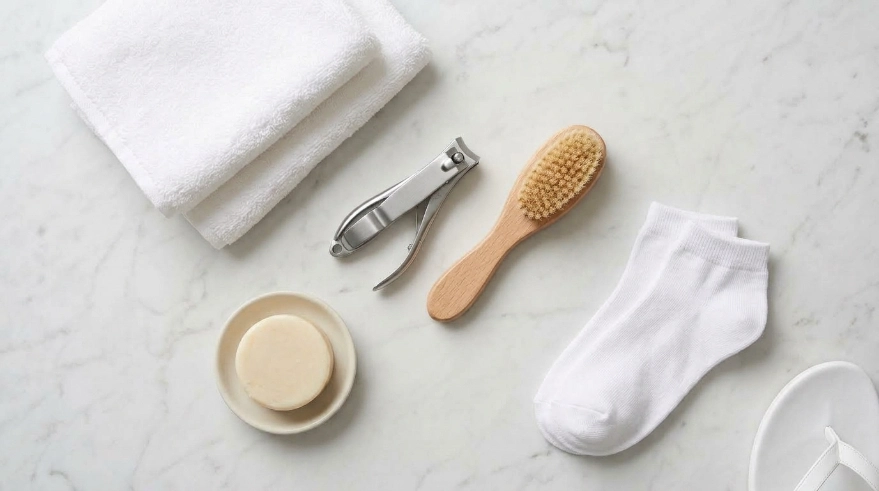
Your toenails themselves do not normally produce a strong smell. Odor usually develops because of what is happening around or underneath the nail.
Sweat is one of the biggest contributors. Feet contain many sweat glands, and moisture can collect inside socks and closed shoes. Bacteria living naturally on the skin can then break down sweat and create noticeable odors.
The NHS notes that common causes of smelly feet include sweat, bacteria, and fungal infections such as athlete’s foot. NHS guidance on smelly feet
Sweat and Damp Shoes
A long day in sneakers, work shoes, or boots creates a warm environment around your toes. If your shoes do not dry before you wear them again, odor-producing microorganisms have an easier environment in which to grow.
This does not necessarily mean your feet are dirty. Someone who showers every day can still develop foot odor if their shoes remain damp.
Debris Under the Toenails
Dead skin cells, lint, sock fibers, dirt, and natural nail debris can become trapped underneath the free edge of a toenail.
A small amount is normal. Problems are more likely when toenails become excessively long or the material is allowed to build up.
The solution is gentle cleaning—not digging beneath the nail with a sharp object.
Bacteria
Warmth, moisture, and sweat allow bacteria to multiply more easily. That is one reason odor often becomes stronger after exercise, hot weather, or wearing non-breathable shoes for several hours.
Athlete’s Foot
Athlete’s foot is a fungal skin infection that commonly develops between the toes. Symptoms can include itching, peeling, scaling, cracking, burning, or irritated skin.
The CDC explains that fungi responsible for athlete’s foot thrive particularly well in warm, dark, moist environments. Keeping the feet clean and dry and regularly changing socks and shoes can help reduce the risk. CDC foot-hygiene recommendations
Athlete’s foot can sometimes spread from the skin to the toenails.
Fungal Toenail Infection
Toenail fungus, medically called onychomycosis, can change both the appearance and smell of a nail.
Possible signs include:
- Yellow, white, or brown discoloration
- Thickened nails
- Brittle or crumbly edges
- Distorted nail shape
- Separation of the nail from the nail bed
- Debris underneath the nail
- Persistent unpleasant odor
Mayo Clinic lists a smelly nail among the possible symptoms of nail fungus, especially when it appears alongside thickening, discoloration, crumbling, or nail separation. Mayo Clinic’s nail fungus overview
Odor alone does not prove that you have toenail fungus. A healthcare professional may need to examine or test an abnormal nail before recommending treatment.
How to Prevent Toenail Odor Every Day
Preventing odor is easier when you manage both the nail and the environment surrounding it.
Here is a practical routine.
1. Wash Your Feet Every Day
Wash your feet with warm water and a gentle soap during your normal shower or bath.
Pay attention to:
- The tops of your toes
- The spaces between your toes
- Around the nail folds
- The bottoms of your feet
You do not need to scrub aggressively.
A soft washcloth or gentle foot brush can help remove sweat and surface debris without damaging the skin.
2. Dry Your Feet Thoroughly
This step is just as important as washing.
After bathing, use a clean towel and dry:
- Around every toenail
- Between every toe
- Underneath the toes
- The soles of the feet
Do not immediately put socks onto damp feet.
Moisture trapped between the toes creates an environment that fungi tend to like.
If you sweat heavily, giving your feet a few minutes to air-dry before putting on socks can help.
3. Keep Your Toenails Trimmed
Long toenails create more space where dirt, dead skin, and moisture can collect.
Trim toenails regularly using clean clippers.
For most people, toenails should be cut fairly straight across rather than deeply rounding the corners. Cutting deeply into the sides may irritate the surrounding skin and increase the chance of an ingrown nail.
Do not cut the nail extremely short.
Leave enough nail that you are not cutting into sensitive skin.
4. Clean Beneath the Nail Gently
If you can see debris beneath the free edge of your toenail, clean it carefully after bathing, when the material has softened.
You can use:
- A soft nail brush
- A clean washcloth
- Soap and water
Do not push scissors, pointed metal tools, needles, or other sharp objects underneath your toenails.
Aggressive cleaning can separate the nail from the nail bed or create tiny injuries that make infection easier.
The CDC’s nail-hygiene guidance recommends keeping nails short and clean and cleaning nail-grooming tools before use. CDC guidance on healthy nail hygiene
5. Put on Fresh Socks
Changing socks is one of the easiest ways to reduce the moisture surrounding your toenails.
Put on clean socks every day.
If your feet become sweaty after exercise, work, or walking in hot weather, change them again instead of remaining in damp socks for the rest of the day.
Breathable or moisture-managing socks can be especially helpful for people who sweat heavily.
6. Rotate Your Shoes
Wearing the same pair of damp shoes every day can keep moisture trapped inside them.
When possible, rotate between at least two pairs.
After wearing shoes:
- Remove them in a ventilated area.
- Loosen the laces.
- Pull the tongue forward.
- Let the inside dry completely.
- Remove damp insoles if appropriate.
Shoes that consistently stay wet or develop a strong lingering odor may eventually need replacing.
7. Choose Shoes That Give Your Toes Enough Space
Extremely tight shoes can trap heat and increase sweating.
They can also put repeated pressure on your toenails.
Look for footwear with enough room for your toes to move without being squeezed together.
Breathable uppers can also be useful when appropriate for your activity.
8. Wear Foot Protection in Damp Public Areas
Pool decks, gym showers, locker rooms, and similar communal wet environments can expose your feet to fungi.
Wear shower sandals or flip-flops instead of walking barefoot.
The American Academy of Dermatology also recommends footwear in warm, damp public areas and emphasizes keeping feet dry as part of preventing fungal nail infections. AAD tips for preventing nail fungus
9. Treat Athlete’s Foot Promptly
Do not ignore persistent itching or peeling between your toes.
Athlete’s foot can sometimes spread into the nails, making a relatively simple skin problem harder to manage.
If you suspect athlete’s foot, a pharmacist or healthcare professional can help you choose an appropriate antifungal product and explain how long it should be used.
Avoid assuming every rash is fungal, particularly if the skin is painful, badly inflamed, blistered, or not improving.
10. Keep Nail Tools Clean
Your toenail clippers, nail file, and other grooming tools should not accumulate old nail debris.
After use:
- Remove visible debris.
- Wash reusable tools when appropriate for the material.
- Disinfect tools according to their care instructions.
- Allow them to dry completely.
- Store them somewhere clean and dry.
Avoid sharing personal nail clippers or files.
The American Academy of Dermatology specifically recommends disinfecting nail clippers because contaminated grooming tools can contribute to the spread of fungal infections.
Simple Toenail Odor Prevention Checklist
| Situation | Helpful Habit | Why It Helps |
|---|---|---|
| Feet feel sweaty | Change into dry socks | Reduces prolonged moisture |
| Shoes are damp | Rotate to a dry pair | Gives footwear time to dry |
| Debris is visible under nails | Gently wash with a soft brush | Removes buildup without digging |
| Nails are getting long | Trim with clean clippers | Limits places where debris collects |
| Skin between toes is wet | Dry carefully after bathing | Makes the area less welcoming to fungi |
| Gym or pool shower | Wear shower sandals | Limits direct contact with contaminated surfaces |
| Clippers have nail debris | Clean before storing | Supports better grooming hygiene |
Useful Tools and Typical Costs
You do not need an elaborate foot-care kit.
Typical U.S. retail prices vary, but a simple setup may include:
| Item | Approximate Cost | What to Look For |
|---|---|---|
| Gentle soap | $4–$10 | Fragrance-free if your skin is sensitive |
| Soft nail brush | $4–$10 | Soft or medium bristles |
| Toenail clippers | $7–$20 | Stainless steel, comfortable grip |
| Nail file | $3–$12 | Smooth, controlled filing surface |
| Moisture-managing socks | $10–$25+ | Breathable fabric and comfortable fit |
| Shower sandals | $8–$25 | Easy-to-clean, non-slip sole |
Prices are only rough shopping ranges and can vary by brand and store.
More expensive tools do not automatically mean cleaner nails. Technique, regular cleaning, and consistent hygiene matter more.
What About Foot Powder, Deodorant, or Antiperspirant?
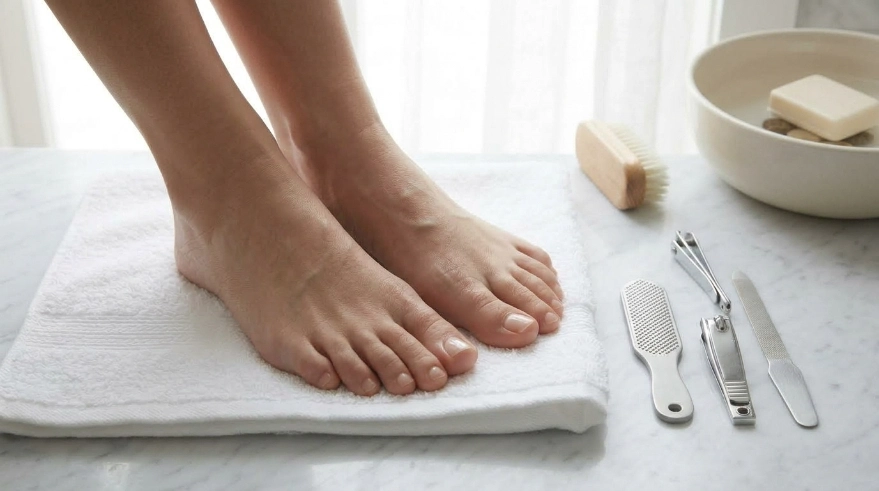
These products may help if sweat and shoe odor are the main problems.
A foot powder may help keep the area drier. Foot deodorant can reduce noticeable odor. Some antiperspirant products are designed to reduce sweating.
However, these products do not replace washing and drying.
They also do not cure a fungal toenail infection simply by covering its smell.
If you have eczema, very sensitive skin, cracked skin, or known fragrance allergies, choose products cautiously and stop using anything that causes burning, itching, swelling, or a rash.
DIY Care vs. Professional Help
Basic odor prevention is usually reasonable to handle at home when your nails and surrounding skin otherwise look healthy.
DIY care works best for:
- Normal sweat-related odor
- Mild debris buildup
- Routine trimming
- Shoe and sock hygiene
Professional care becomes more important when the nail is painful, thickened, damaged, repeatedly ingrown, or difficult to trim safely.
A salon nail technician can help with cosmetic grooming, but a nail technician should not be expected to diagnose or medically treat a suspected infection.
A dermatologist, podiatrist, or other qualified healthcare professional is the better choice when you suspect disease or infection.
Pedicure Hygiene Matters Too
Regular pedicures can make your feet feel fresh, but salon hygiene matters.
Before a pedicure, notice whether reusable tools and foot-care equipment appear properly cleaned between clients.
The CDC recommends choosing a clean, appropriately licensed salon and making sure shared instruments are properly sterilized or disinfected according to applicable procedures.
If the skin around a toenail is cut, bleeding, infected, or very inflamed, postponing a cosmetic pedicure may be safer.
Expert Tip: After showering, dry between your toes before applying socks, then check the inside of yesterday’s shoes. Clean feet placed straight back into damp shoes can quickly undo a good hygiene routine.
Common Mistakes to Avoid
Even well-intentioned nail care can cause problems when it becomes too aggressive.
Avoid these common mistakes:
- Digging deeply beneath the nail. This can damage or separate the nail from the skin underneath.
- Cutting toenails extremely short. Very short nails can make the surrounding skin easier to irritate.
- Rounding deeply into nail corners. This may encourage ingrown toenails in some people.
- Putting socks over wet feet. Dry your toes first.
- Wearing the same damp shoes every day. Let footwear dry completely when possible.
- Sharing nail clippers or files. Personal tools are easier to keep hygienic.
- Covering abnormal nails with polish and ignoring them. Cosmetic coverage does not treat an infection.
- Assuming every smell means fungus. Sweat and bacterial buildup are also common causes.
- Assuming every abnormal nail can be treated at home. Discoloration, pain, swelling, drainage, or major nail changes deserve more attention.
When to See a Nail Technician or Dermatologist
A nail technician can be useful for routine trimming, polishing, or cosmetic foot care when your nails and skin are otherwise healthy.
For suspected infection or disease, choose a healthcare professional instead.
Consider making an appointment with a dermatologist, podiatrist, or other medical professional if you notice:
- Persistent odor despite improving hygiene
- Increasing nail thickness
- Yellow, brown, white, or unusual discoloration
- Crumbling or splitting
- A nail lifting away from the nail bed
- Swelling around the nail
- Increasing redness or warmth
- Pus or drainage
- Bleeding
- Significant pain
- Trouble walking
- Repeated athlete’s foot that does not improve
Mayo Clinic recommends medical evaluation when nail changes continue despite self-care and specifically highlights concerns such as bleeding, swelling, pain, or difficulty walking.
People with diabetes, poor circulation, reduced sensation in the feet, or a weakened immune system should be especially cautious about treating foot or nail problems themselves because complications may be more serious.
FAQs
Can toenails smell even if I wash my feet every day?
Yes. Odor may remain if shoes stay damp, socks hold sweat against the feet, debris is trapped beneath the nails, or a fungal condition is present. Washing helps, but drying and footwear hygiene matter too.
Does toenail odor always mean fungus?
No. Sweat, bacteria, damp footwear, and trapped debris can all create odor. Fungus becomes more suspicious when odor appears with thickening, discoloration, crumbling, lifting, or persistent athlete’s foot.
How often should I clean under my toenails?
Gentle cleaning during your normal bathing routine is usually enough. You do not need to scrape beneath the nail every day. Use soap, water, and a soft nail brush rather than sharp tools.
Should I put deodorant directly on my toenails?
A foot deodorant may help with general foot odor, but it does not address every cause of toenail odor. Follow the product directions, avoid irritated or broken skin, and discontinue use if it causes a reaction.
Can nail polish cause toenail odor?
Polish itself is not usually the main cause of foot odor. However, repeatedly covering a damaged or abnormal toenail can make changes harder to notice. Remove polish periodically so you can examine your natural nail.
Will cutting my toenails shorter stop the smell?
Keeping nails reasonably short can reduce places where debris collects, but cutting them extremely short is unnecessary and may irritate the skin. Odor prevention also depends on clean socks, dry feet, and dry footwear.
Why does my toenail smell when I cut it?
Trapped nail debris, sweat, bacteria, or a fungal infection may become more noticeable when a thick or long nail is trimmed. If the nail is also yellow, thick, crumbly, painful, or separating from the skin underneath, consider getting it evaluated.
Conclusion
Knowing how to prevent toenail odor is mostly about controlling moisture and keeping your nails, socks, shoes, and grooming tools clean.
Wash your feet daily, dry carefully between your toes, trim toenails regularly, clean underneath them gently, change sweaty socks, and allow shoes to dry before wearing them again. These habits are simple, affordable, and often more useful than trying to cover odor with fragranced products.
At the same time, pay attention to what your toenails are telling you. Persistent odor combined with discoloration, thickening, pain, crumbling, swelling, or drainage is not something to hide with polish or deodorant.
Start with a consistent hygiene routine today, and if your nail continues to look or smell unusual, choose professional evaluation rather than aggressive DIY treatment.

