
Natural Nails for Teens: A Simple Guide to Healthy, Neat, Low-Maintenance Care

If you’re looking for a low-fuss way to keep nails healthy, natural nails are usually the easiest place to begin. For teens, the goal is practical, comfortable nails that can handle school, sports, chores, and daily life without constant repair.
The simplest routine is also the most effective: keep nails short, file them gently, moisturize after washing, and avoid habits that cause peeling or breakage. That alone can make a noticeable difference in how nails look and feel over time.
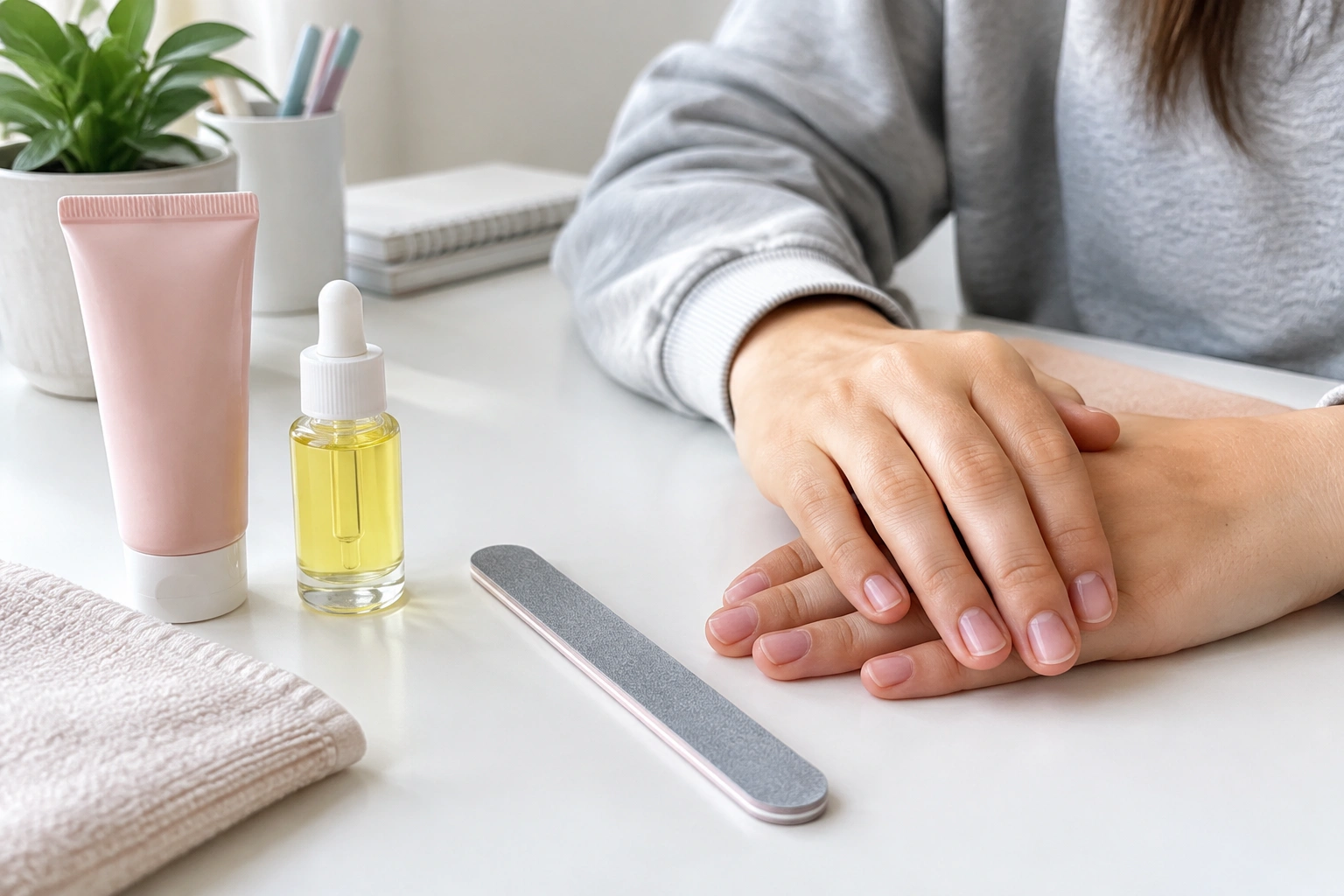
Quick Answer: The Simplest Teen Nail-Care Routine
If you want the shortest possible version, use this:
- Wash hands and nails with mild soap.
- Dry well, especially around the nail edges.
- Trim nails if they start catching on things.
- File in one direction to smooth snags.
- Rub in hand cream after washing.
- Use cuticle oil on dry nail folds if needed.
- Keep nails out of your mouth and away from picking.
That routine works well because it focuses on prevention instead of damage control. Keeping nails short, neat, and moisturized can help reduce everyday breaks and snags.
What Makes Natural Nails a Smart Choice for Teens
Natural nails are often easier to manage than acrylics or gels because they don’t require fills, strong removal steps, or frequent salon upkeep. For a teen, that matters. School schedules, sports, band, and part-time jobs already put nails through a lot.
Short, natural nails also tend to be more practical for everyday tasks like writing, typing, and handling sports gear. In teen nail design guides, short square and short almond shapes are often described as practical choices because they stay comfortable for daily use. That’s a helpful rule of thumb if you want nails that look tidy without getting in the way.
The trade-off is simple: natural nails may not stay styled as long as enhancements, but they’re often easier to maintain and less likely to involve lifting, heavy filing, or removal damage.
The Best Natural Nail Care Routine for Teens
A good routine does not need to be elaborate. It just needs to be consistent.
After washing your hands
Dry your hands fully, including around the nail edges. Nails that stay damp for long periods can feel softer and more likely to snag. This is especially relevant if you wash your hands often at school or work.
Once or twice a week
Check the edges of each nail. If one is catching on fabric or hair, smooth it before it tears further. A small snag can turn into a split if you ignore it.
Every day
Use hand cream after washing. If your nail folds feel dry, add cuticle oil to those spots as well. Moisture helps nails look smoother and can make the surrounding skin less ragged.
How often to trim and file
A simple teen-friendly schedule depends on how fast your nails grow and how much wear they get:
– Fast-growing nails or sports-heavy schedules: trim and file about once a week, or sooner if the edge starts catching.
– Moderate wear: trim every 1 to 2 weeks and file as needed.
– Low wear or shorter nails: a quick file may be enough between trims.
If your nails start bending, snagging, or getting in the way during school, sports, or instrument practice, that’s usually a sign they need attention sooner.
When nails get too long
Trim them before they start bending or breaking. For many teens, keeping nails short to medium-short is the easiest way to avoid chips during sports, instrument practice, or heavy typing.
How to Trim and File Natural Nails Without Causing Breakage
Trimming and filing sound simple, but technique matters.
Clipping vs. filing
Clipping is faster and works well when you need to shorten nails quickly. Filing gives you more control over shape and is better for smoothing edges after a trim. If your nails split easily, filing can be gentler than repeatedly clipping tiny bits off the edge.
How to file
Use a fine nail file and move in one direction rather than sawing back and forth aggressively. Back-and-forth filing can roughen the edge and leave it more likely to peel.
Best shapes for everyday life
Short square and short almond are practical choices for teens because they are comfortable for writing and daily tasks. If you play sports or use your hands a lot, a rounded or softly square edge can reduce snags even more.
A simple decision rule
- Choose clipping if the nail is getting too long fast.
- Choose filing if you only need to refine the edge or smooth a rough spot.
- Keep the shape short if your nails break easily or your schedule is busy.
Cuticle Care and Moisturizing That Actually Help
Cuticles are often misunderstood. The skin around the nail helps protect the nail area, so the goal is to keep it soft and intact, not to cut it aggressively.
Cuticle oil vs. hand lotion
Cuticle oil is useful when the skin around the nails is dry, cracked, or rough. It targets the nail area directly. Hand lotion is easier to use across your whole hand and is great after washing.
A practical approach is to use both:
– Hand cream after every hand wash when possible
– Cuticle oil at night or whenever the nail folds look dry
If you only want one product, hand cream is the easiest habit to keep. If your nails peel or the skin around them gets flaky, add cuticle oil too.
What to avoid
Don’t cut cuticles deeply or push them back hard. That can irritate the skin and make the area look worse, not better. Gentle moisturizing does more good than aggressive grooming.
How to Stop Nail Biting, Picking, and Other Damage Habits
Nail biting and picking are common, especially when stress or boredom kicks in. The solution is usually a small behavior change, not punishment.
Try a replacement habit
Keep a fidget item, hair tie, or pen nearby so your hands have something else to do. If your nails are the main target, giving your fingers another task can interrupt the habit.
Keep nails short
Short nails are harder to bite and less tempting to pick. That’s one reason many teens do better with a low-maintenance length.
Make rough edges disappear fast
A tiny snag can trigger picking. File it right away instead of waiting. Small repairs reduce the urge to “fix” the nail with your fingers.
Use a cue
Some teens do better with a reminder on their phone or a sticky note near the desk. The goal is not to shame the habit, but to catch it earlier.
If biting is severe or tied to stress, it may help to talk with a parent, counselor, or doctor about the bigger trigger.
How to Protect Nails from Water, Cleaning Products, and Daily Wear
Water and cleaning products can dry nails out over time, especially if your hands are wet and drying all day.
For chores and cleaning
Wear gloves for dishwashing or household cleaning when possible. That helps protect nails from repeated water exposure and harsh products.
For sports and busy days
Keep nails shorter if they chip during practice or get caught in equipment. A practical short shape is usually better than trying to grow out a long edge that breaks every week.
For school routines and hand sanitizer
If you wash your hands often or use hand sanitizer throughout the school day, moisturize right after when you can. Repeated sanitizer use and frequent handwashing can leave the skin around nails feeling dry, so a small amount of hand cream can help keep the area more comfortable.
For remover use
Use nail polish remover sparingly. If you need remover often, choose the gentlest option that gets the job done and avoid rubbing the nail surface harder than necessary.
Foods and Habits That Support Stronger Nails
Nails are made of keratin, a protein, so nutrition matters. That doesn’t mean one supplement will transform nails overnight. Growth is slow, and the body uses nutrients for many jobs before it sends them to the nails.
Focus on basics
A balanced diet with enough:
– Protein
– Iron
– Zinc
– Water
can support normal nail growth and overall health. Biotin is sometimes included in nail products, but most teens do not need extra biotin unless a clinician suggests it.
Easy teen-friendly examples
A lunch with eggs, beans, chicken, yogurt, nuts, or leafy greens is more useful than chasing a miracle product. Hydration also matters, especially if you’re active or in dry weather.
Keep expectations realistic
If your nails are weak from repeated biting, frequent wet hands, or harsh removers, it usually takes consistent care over time to see improvement. That’s normal.
For general skin and nail health tips from a medical source, the American Academy of Dermatology offers practical nail-care guidance.
Safe Nail Products for Teens: Clear Polish, Strengtheners, and Remover
Not every product is necessary, and some are better choices than others depending on your nails.
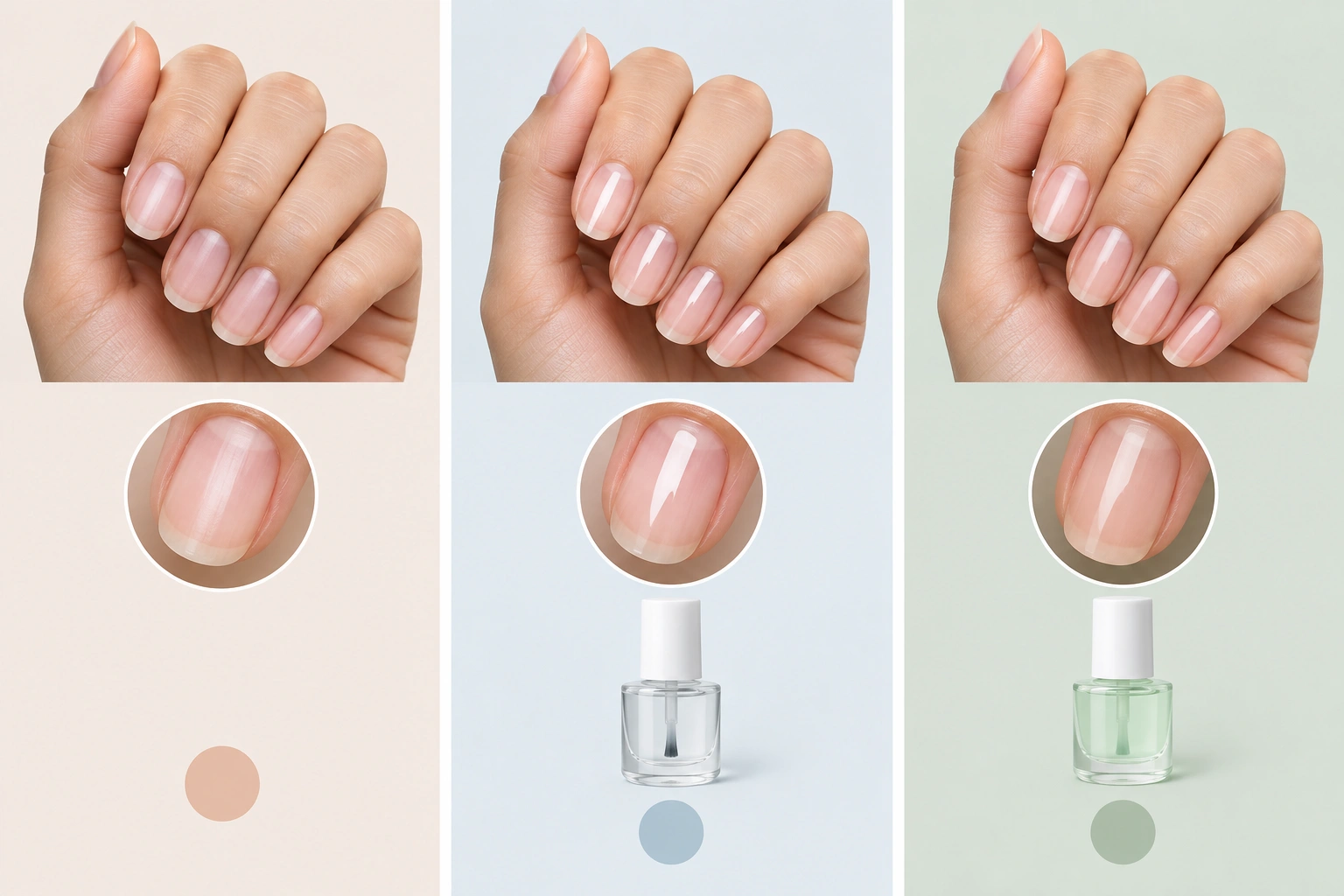
| Option | Best for | Trade-off |
|---|---|---|
| Bare nails | Lowest-maintenance routine | Shows chips and uneven edges more easily |
| Clear polish | A neater look with minimal styling | Needs gentle remover eventually |
| Nail strengthener | Nails that peel or feel weak | Can irritate some people if overused or if the formula is too strong |
Bare nails
This is the simplest route. If your main goal is healthy, natural nails with the least upkeep, bare nails are hard to beat.
Clear polish
Clear polish gives a polished look without adding much complexity. It can make nails look smoother and more finished, but you’ll likely need remover later.
Nail strengtheners
A strengthener may help some weak nails, but it is not automatically better than regular clear polish. If your nails are already fairly healthy, a strengthener may be unnecessary. If a product burns, stings, or makes nails feel drier, stop using it. For younger users, gentle formulas are the safest at-home choice, and minors should use stronger products with parent or guardian guidance.
Remover caution
Acetone-based remover works fast, but it can be drying. Use it sparingly and follow product directions. If your nails are already brittle, frequent remover use can make them feel worse. For at-home teen use, a mild remover used occasionally is usually a better fit than harsh products used often.
If you want a deeper look at product safety, see Nail Prime’s guide on whether nail dehydrator is safe for natural nails.
How to Make Natural Nails Look Neat Without Acrylics or Gel
You don’t need enhancements to look put together. Clean natural nails can look very polished with just a few small habits.
Keep the edge even
A smooth, even nail edge instantly looks neater than a jagged one. File away rough spots before they split.
Buff lightly, not aggressively
A very light buff can smooth the surface, but over-buffing thins the nail and can make it weaker. If you buff, keep it minimal.
Use sheer color if you want a finished look
A clear or barely-there polish can make nails look glossy and tidy without looking overdone. That works especially well for school, family events, or anyone who wants a low-key style.
Match shape to your routine
If you type a lot, play sports, or use your hands constantly, shorter nails with a soft shape will usually look better longer because they break less.
When to See a Nail Technician or Dermatologist
Some nail problems are just dryness or wear. Others need attention.
Make an appointment or ask a parent or guardian to help if you notice:
– Persistent yellow, green, or dark discoloration
– Pain, swelling, or tenderness around the nail
– Thickening that doesn’t improve
– Nail lifting away from the skin
– A nail that keeps breaking in the same place
– Persistent ridges, brittleness, or color changes that don’t go away
– Signs that look like a fungal nail infection
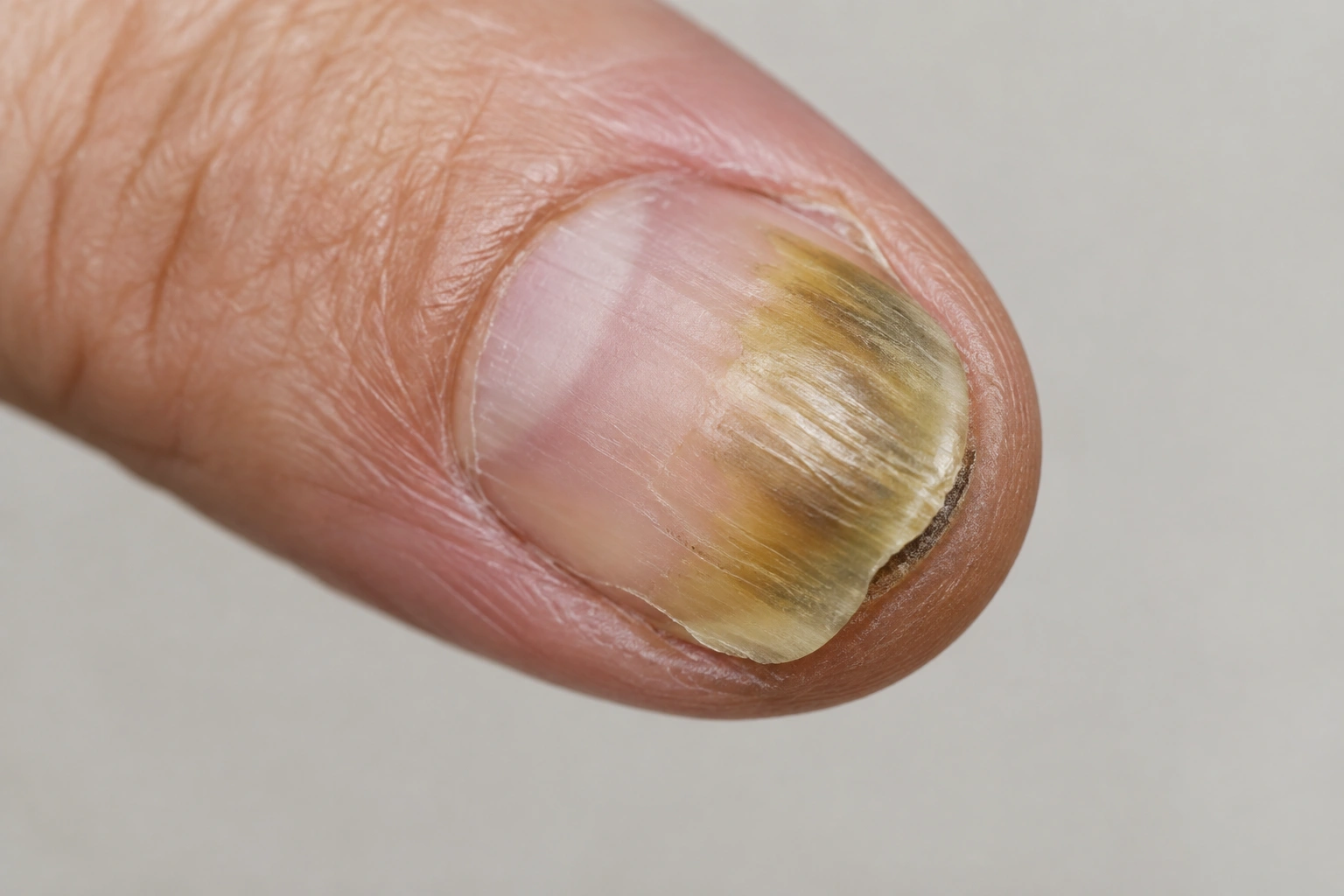
Even without pain, ongoing ridges, brittle nails, or discoloration can sometimes be worth a medical check, especially if the change is new or keeps coming back. In some cases, these changes can be linked to a nutrition issue or another health concern, not just surface damage.
A nail technician can help with safe grooming and product choices, but a dermatologist is the right person if the issue seems medical. Don’t try to cover up a changing nail with more polish if the nail itself looks infected or damaged.
Simple Teen Nail Care Wins That Add Up
Healthy nails are usually the result of small habits done consistently: short edges, gentle filing, regular moisturizing, and fewer chances for damage. That’s especially true for teens, whose routines need to fit real life instead of a complicated beauty schedule.
If you want a simple place to begin, pick just two habits this week: file snags as soon as you notice them, and apply hand cream after washing. Those two steps alone can help natural nails look cleaner, feel smoother, and break less often.
FAQ
How short should teen nails be?
Short enough that they don’t catch on clothing, break during sports, or interfere with typing or instruments. If they start snagging, they’re probably too long for your routine.
Should teens use bare nails or clear polish?
Bare nails are the lowest-maintenance option. Clear polish is a good choice if you want a neater look without much extra effort.
Is nail strengthener necessary for teens?
Not always. If your nails are already healthy, regular clear polish or bare nails may be enough. Strengtheners can be useful for some peeling nails, but stronger formulas can also be irritating for some users.
What should I do if my nails keep changing color or texture?
If discoloration, ridges, brittleness, or thickening keeps coming back, it’s worth asking a parent or guardian about a dermatologist or doctor visit.

