
Essential oils have been used for centuries as natural remedies for various health issues. They are concentrated extracts taken from plants and flowers, known for their scent and potential healing properties. People often use essential oils to treat skin problems, reduce inflammation, and promote relaxation.
Nail fungus is a common concern that causes discoloration, thickening, and brittleness in nails. Essential oils are popular for this issue because they can have antifungal and antimicrobial effects. Oils like tea tree, oregano, and lavender are commonly chosen to help fight nail fungus and soothe the skin around the nails.
When picking an essential oil for nail fungus, purity and concentration matter the most. It is important to choose oils that are 100% pure and organic to avoid harmful additives. Customers should also pay attention to how the oil is applied and check for any skin sensitivity or allergic reactions. With many options available, finding an effective and safe essential oil requires some careful research and testing.
We spent time researching and comparing popular essential oils to find the best ones for treating nail fungus effectively.
How We Selected the Best
The selection process focused on oils backed by research and known for antifungal properties. Experts looked for ingredients with proven effectiveness, such as tea tree oil and oregano oil. These oils are recognized by health sources like the National Center for Complementary and Integrative Health.
Next, safety was a top priority. Only oils with low risk of skin irritation and side effects were considered. The team checked user reviews to confirm the oils worked well for different skin types.
Ease of use and availability also mattered. Oils that are easy to apply and readily found in stores or online were preferred.
The final list balances effectiveness, safety, and convenience. It includes oils supported by scientific studies and trusted by many. This approach helps readers find reliable options for treating nail fungus.
Best Essential Oils for Nail Fungus
This list highlights the best essential oils that help fight nail fungus effectively. Each product is chosen for its quality, ingredients, and user feedback. These oils can support healthy nails when used correctly.
Neogentek Nail Fungus Essential Oil
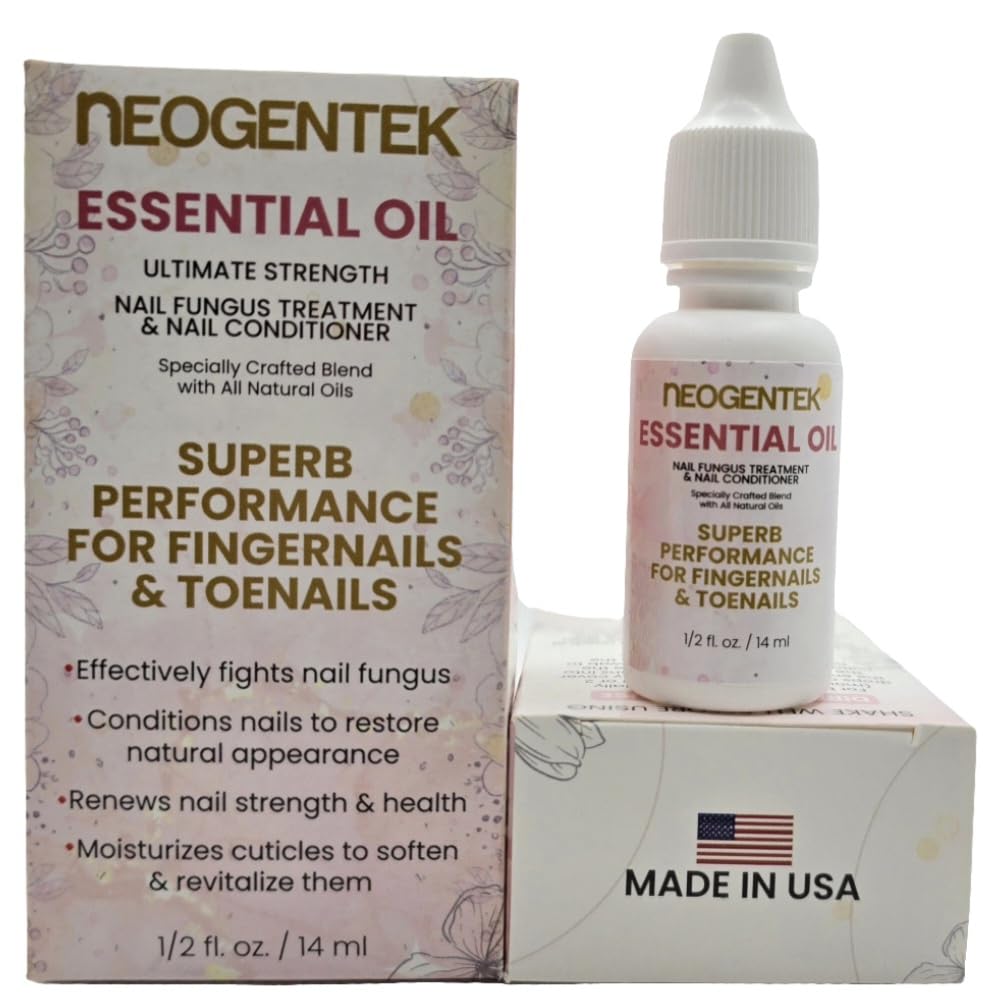
This oil is a solid choice for those looking to gently restore nails affected by fungus without harsh chemicals.
Pros
- Made in the USA with clean, natural ingredients
- Helps soften cuticles and improve nail appearance
- Developed by a pharmacist for better reliability
Cons
- Small bottle size may require frequent repurchase
- Needs consistent daily use for visible results
- Some users notice minimal impact on severe fungus
This essential oil blends natural ingredients designed to renew weak and discolored nails. It’s easy to apply and has a mild scent that many find pleasant compared to stronger chemical options. The moisturizing effect helps cuticles feel less dry and brittle.
Users have reported improvement over weeks, especially when using it regularly and filing nails beforehand. However, it is not a quick fix and some with serious nail fungus might need more intensive treatment.
Overall, this product works best as part of a daily nail care routine to support healthier nails over time rather than an instant cure.
Purely Northwest Nail Fungus Solution

This product helps fight nail fungus naturally but requires regular use to see results.
Pros
- Uses natural oils like tea tree and oregano
- Good for dry, cracked nails and cuticles
- Easy to apply with a liquid dropper
Cons
- Needs consistent daily application
- Some users find the smell strong
- May not work for severe fungus cases
The mix of tea tree and oregano oil feels soothing when applied. It absorbs quickly and does not leave a sticky residue. Over a few weeks, nails looked healthier and less discolored.
It’s clear that using this product daily is key. The natural ingredients help repair nails and improve their look, but it won’t work instantly. Some people might find the scent a bit sharp at first.
People with mild to moderate nail fungus may find this an effective option. It also helps with dry, broken skin around the nails, making it a good multi-purpose treatment.
NZ Country Manuka Oil

NZ Country Manuka Oil is a strong and pure choice for those looking to treat nail fungus naturally thanks to its powerful antibacterial properties.
Pros
- Highly concentrated, much stronger than tea tree oil
- Effective for various skin and nail issues
- Comes from a trusted New Zealand source with quality checks
Cons
- Very strong, earthy smell that might be off-putting
- Small bottle, so drop usage is necessary to make it last
- Price is higher compared to some other oils
This oil stands out because it is extracted from a rare Manuka plant native to New Zealand. It packs more healing power in a tiny amount, which means a little goes a long way.
It worked well when applied in small doses on affected toenails. The healing progress was noticeable after a few days of daily use, especially on redness and irritation.
However, some might find the scent too bold for daily use. It’s best used mixed with carrier oils or added sparingly to lotions or shampoos. For those looking for a natural option with strong results, this oil is worth trying.
UpNature Tea Tree Oil

A solid choice for anyone wanting a natural, pure essential oil to help with nail fungus and skin care.
Pros
- 100% pure USDA certified organic oil
- Works well for nails, scalp, and skin
- Comes with a dropper for easy use
Cons
- Strong, sharp smell some may find harsh
- Needs dilution before applying to skin
- Scent might be too intense for sensitive users
This tea tree oil stood out for its purity and quality. After using it on my nails, the formula felt soothing and helped with moisture around cuticles. The dropper made it simple to apply without waste.
The scent is strong and noticeable, almost like turpentine, so it’s best to use it diluted with a carrier oil. That keeps it gentle enough for skin and nails without irritation.
It’s versatile too—great for scalp care or mixing into homemade remedies. The organic certification adds trust that it’s free from harsh chemicals. Overall, it offers good value for anyone looking to treat nail fungus naturally.
Fiora Naturals Tea Tree Oil

This oil is a solid choice for those wanting pure and organic tea tree oil to help with nail fungus and other skin issues.
Pros
- Fully organic and undiluted for strong antifungal effect
- Versatile for skin, scalp, nails, and aromatherapy
- Free from synthetic additives and cruelty-free
Cons
- Has a strong, lingering natural scent that some may find overpowering
- Bottle size is small for frequent use
- Pure oil may need dilution before applying on skin
Fiora Naturals Tea Tree Oil stands out because it’s USDA certified organic and very pure. This means it’s effective without harsh chemicals, which is key for nail fungus care. The scent is strong, so it might bother people sensitive to smells.
Using it on nails felt easy enough, but a drop or two mixed with a carrier oil helped avoid any skin irritation. The oil also worked nicely to soothe dry, itchy skin around nails.
It’s a good option for those who want a multi-use oil that covers skin and scalp as well, not just nail fungus. The price fits the quality, especially since it’s unfiltered and undiluted.
KUKKA Tea Tree Oil
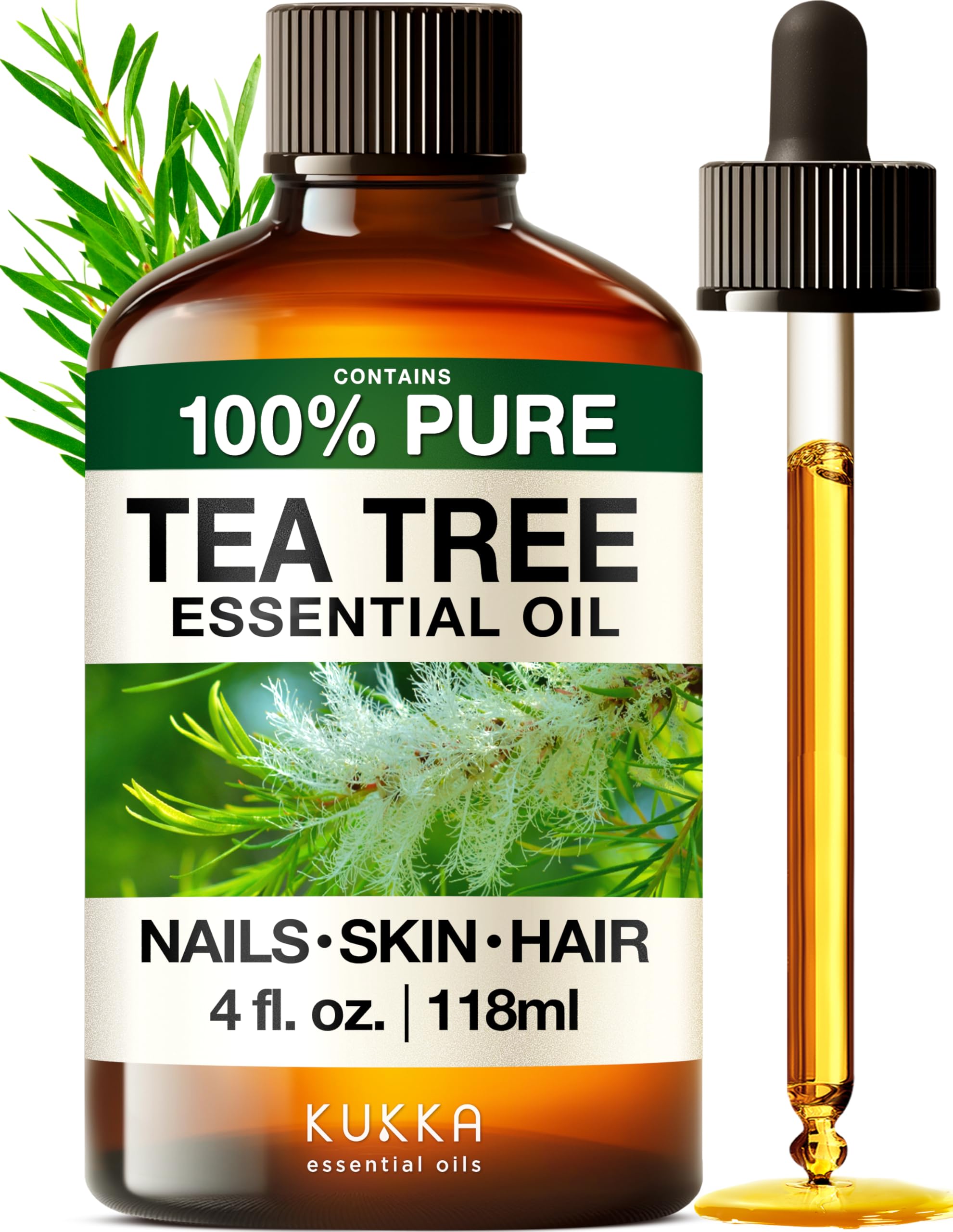
This tea tree oil is a solid choice for those wanting a natural and multi-use option to help with nail fungus and nail care.
Pros
- Versatile for hair, skin, and nails
- Strong, fresh scent that works well in blends
- Large bottle with a dropper for easy use
Cons
- Scent may be too strong for some users
- Needs dilution before applying on nails
- Packaging version ships randomly
KUKKA Tea Tree Oil stood out for its ability to strengthen and hydrate nails while also nurturing the skin around them. It has a clear herbal aroma that’s fresh but can take some getting used to, especially if sensitive to strong smells.
Users report feeling their nails become tougher and more resilient after regular use. The 4-ounce bottle is a good size and lasted a while, making it a practical option without frequent repurchasing.
While applying it, dilution with a carrier oil is important to avoid irritation. The oil comes with a dropper, which helps control the amount used, making treatment neat and easy. Overall, it’s a dependable choice for nail health.
Foot Cure Toenail Fungus Treatment
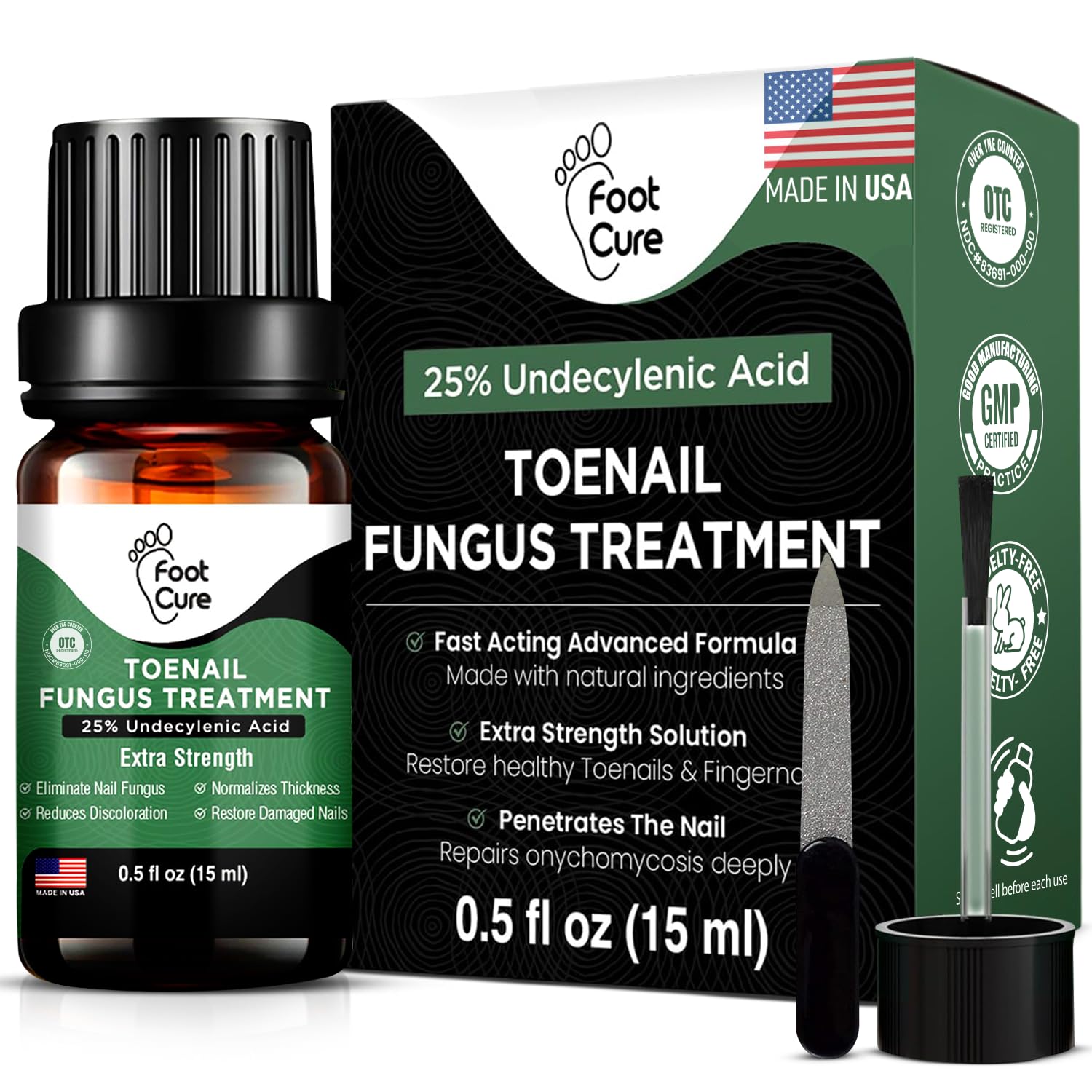
This treatment is a solid choice for those wanting to reduce nail fungus with natural oils but need to be patient for full results.
Pros
- Contains natural oils like tea tree and oregano that help fight fungus
- Easy to apply with targeted dropper and clear instructions
- Strengthens nails and improves nail health over time
Cons
- Results can take several weeks to appear
- May not completely eliminate stubborn fungus for everyone
- Some users need to combine it with other treatments for best effect
This product mixes undecylenic acid with tea tree and oregano oils to fight fungus while helping nails grow stronger. It feels light on the nails and dries quickly, which makes applying twice a day straightforward. The natural scent is not overwhelming, which is a plus for daily use.
It worked well for many users who stuck with the treatment for at least two months. However, it may only partially clear up more persistent infections. Customers mention a plateau effect, where progress slows, so consistency matters.
The bottle is small and handy, perfect for traveling. People who tried it appreciated that it softened thick nails and reduced redness or itching. Overall, this product offers a balanced approach between natural ingredients and effective anti-fungal power but might need longer use for full nail recovery.
DR.RAPID Toenail Fungus Treatment
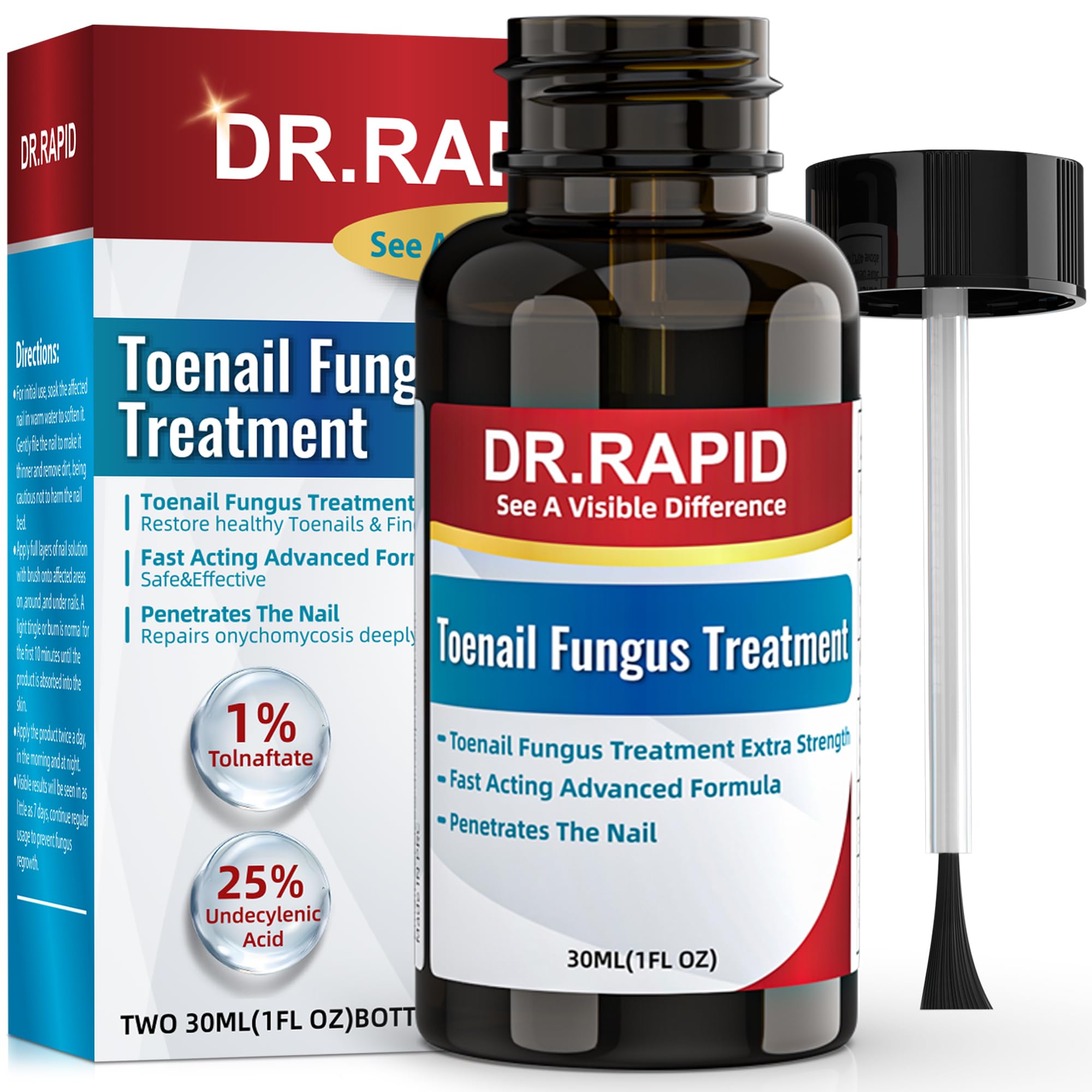
This treatment works well for people looking for a fast way to reduce nail fungus and repair damaged nails.
Pros
- Shows visible improvement in about a week
- Contains tea tree oil to soothe and strengthen nails
- Easy, precise application without mess
Cons
- Results can vary; some users see no change quickly
- Needs twice daily use for best effect
- Slight smell from natural oils might bother some
The treatment absorbs quickly and feels light on nails. It did not leave a greasy residue and was simple to apply with the small bottle tip.
Using it for a week gave some users noticeable lightening of yellow spots on nails, although it takes longer for full clearing. The tea tree oil added a calming effect during use.
For anyone with brittle or damaged nails from fungus, this option supports nail repair while fighting the infection. Consistency is important to prevent fungus from returning.
Kerasal Nail Fungus Extra Strength

A solid choice for those wanting to improve nail appearance with a gentle, easy-to-use formula.
Pros
- Targets nail fungus with precise application
- Gently exfoliates and hydrates nails
- Shows visible improvement in about two days
Cons
- May require consistent use for several weeks
- Not a guaranteed cure for severe fungus cases
- Some find it pricey compared to other treatments
The first thing noticed about Kerasal is how simple it is to apply. The precision tip helps put the liquid exactly where it’s needed without any mess. This makes it easy to fit into a daily routine.
Over a couple of weeks, the thick, rough texture of nails did seem to improve. The formula does a good job softening and smoothing nails, and some discoloration starts to fade. However, this product is more about nail care than fully killing fungus quickly.
It’s also important to mention patience is key. This isn’t a fast fix and works best when used regularly over an extended period. Those dealing with very severe infections might want to combine it with other treatments. Overall, Kerasal offers noticeable nail renewal with gentle ingredients.
First Botany Tea Tree Oil

This tea tree oil is a strong choice for those looking to treat nail fungus with a pure and potent natural product.
Pros
- High concentration of active Terpinen-4-ol
- 100% pure and undiluted, no fillers or additives
- Comes from fresh leaves with pharmaceutical quality
Cons
- Strong, sharp scent may be overpowering for some
- Small bottle size means it runs out fairly quickly
- Dropper cap isn’t screw-secure, easy to misplace
The oil has a very fresh and herbal smell that shows it’s powerful. It feels clean and natural during use, which is important for ongoing applications on nails. The high purity means it’s unlikely to irritate when used cautiously.
Applying it regularly seemed to reduce the visible signs of fungus over time. The concentrated Terpinen-4-ol content stands out compared to other oils on the market, making it potentially more effective if used properly.
A minor drawback is the scent, which is strong and can linger for hours. Also, the packaging could be improved; the dropper cap doesn’t screw in tight, so it needs careful handling to avoid spills or losing the cap. Overall, this product makes sense for anyone wanting a natural, high-quality tea tree oil for nail fungus.
Buying Guide
When choosing an essential oil for nail fungus, quality is very important. Buyers should look for pure oils without added fillers or chemicals. This ensures the oil is safe to use and works effectively.
Look for oils that are 100% natural and come with clear labeling about their ingredients. Oils that have been tested for purity and safety often include a certificate or lab report from the manufacturer.
The way the oil is extracted affects its strength. Cold-pressed or steam-distilled oils keep most of the active ingredients. Avoid oils made with synthetic methods or blended with other substances.
Price can also be a clue to quality, but the most expensive is not always the best. Compare prices with the size of the bottle and ingredient list to get good value.
Below is a helpful table to compare key features buyers should check before purchasing:
| Feature | What to Look For | Why It Matters |
|---|---|---|
| Purity | 100% natural, no additives | Avoids skin irritation |
| Extraction | Cold-pressed or steam-distilled | Maintains active antifungal compounds |
| Packaging | Dark glass bottle | Protects oil from light damage |
| Labeling | Ingredient list and origin clearly shown | Ensures transparency |
Finally, buyers should test a small amount of oil on the skin before applying it to nails. This helps check for allergic reactions or sensitivities. Proper storage, away from heat and sunlight, keeps the oil effective longer.
Comparison Breakdown
Tea tree oil is a popular choice for nail fungus because it has strong antifungal properties. It is easy to find, affordable, and often used in many treatments. However, some people may experience skin irritation with regular use.
Oregano oil is another powerful option. It contains carvacrol, which fights fungi effectively. It is stronger than tea tree oil, but it also has a stronger smell and can cause skin sensitivity if not diluted properly.
Lavender oil is known for its soothing effects. While it has antifungal benefits, it is milder than the other two oils. It is a good option for those with sensitive skin or who want a gentler treatment.
| Essential Oil | Strength | Skin Sensitivity | Smell | Cost |
|---|---|---|---|---|
| Tea Tree Oil | Moderate antifungal | Possible irritation | Medicinal, fresh | Low |
| Oregano Oil | High antifungal | High risk if undiluted | Strong, spicy | Medium |
| Lavender Oil | Mild antifungal | Low | Floral, soft | Medium |
Each oil has benefits depending on what the user needs. Tea tree is balanced, oregano is potent, and lavender is gentle.
FAQs
What causes nail fungus?
Nail fungus is caused by fungi that grow under the nail. It often happens in warm, moist environments. People who wear tight shoes or have sweaty feet are more likely to get it.
Can essential oils cure nail fungus?
Essential oils can help reduce fungal growth and improve nail health. However, they might not cure severe infections alone. It is often best to use them alongside medical treatments.
Which essential oil works best for nail fungus?
Tea tree oil is commonly used because it has antifungal properties. Oregano oil and lavender oil are also effective. Each oil works differently, so some trial may be needed.
How should essential oils be applied?
Essential oils should be diluted with a carrier oil, like coconut or olive oil. They should be applied directly to the affected nail once or twice a day. Avoid using undiluted oils as they can cause irritation.
Are there any side effects?
Some people may experience skin irritation or allergic reactions. Testing a small spot before regular use is recommended. If redness or discomfort increases, stop using the oil.
| Question | Short Answer | Notes |
|---|---|---|
| Can it spread? | Yes | Avoid sharing shoes or socks. |
| How long to see results? | Weeks to months | Depends on infection severity. |
| Can children use it? | Consult a doctor | Some oils are not safe for kids. |
Final Verdict
Many essential oils show promise in helping with nail fungus. Tea tree oil remains the most researched and widely recommended due to its antifungal properties. It can reduce fungal growth when applied regularly.
Other oils like oregano, lavender, and eucalyptus also offer antifungal benefits. These oils might work well alone or combined in a blend. Users should test for skin sensitivity before applying any oil.
| Essential Oil | Key Property | Usage Tip |
|---|---|---|
| Tea Tree | Antifungal | Apply diluted, twice daily |
| Oregano | Antimicrobial | Use with a carrier oil |
| Lavender | Soothing, antifungal | Can soothe irritated skin |
| Eucalyptus | Antifungal, anti-inflammatory | Use sparingly |
Consistency is important. Daily application over several weeks is usually needed to see improvement. Oils should be diluted with a carrier oil to avoid irritation or allergic reactions.
People with sensitive skin or allergies should consult a healthcare provider before use. Essential oils are not a guaranteed cure but can be part of a broader treatment plan.
Proper nail care, hygiene, and avoiding moisture build-up also support healing. Essential oils work best when these habits are followed.
