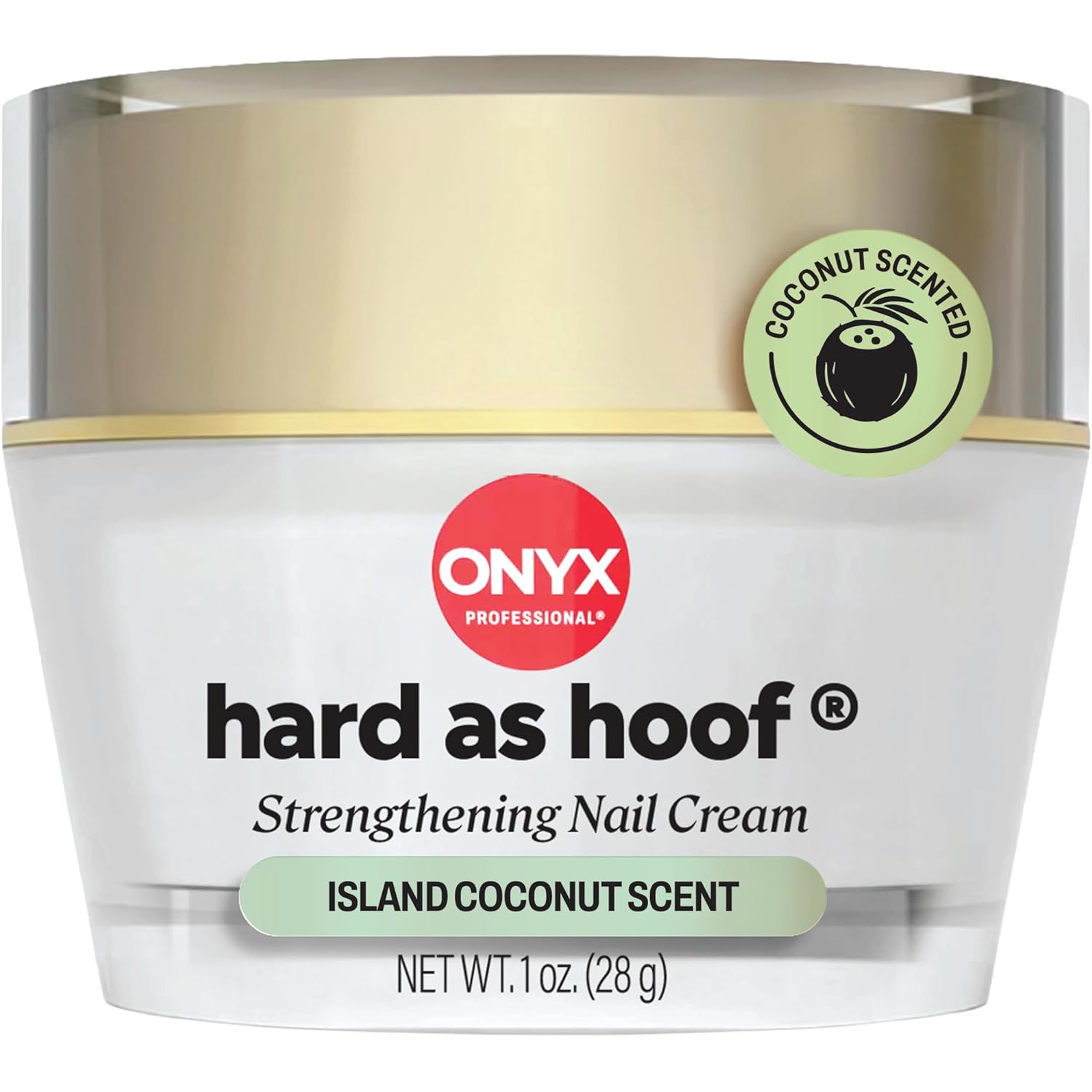
You probably notice dry, brittle nails when they snag or split. We’ll show simple steps you can use every day to keep nails hydrated and strong. Use a regular routine of oiling, moisturizing, and gentle care to stop dryness and build healthier nails.
We’ll share easy product picks, at-home remedies, and small habit changes that make a big difference. Ella Hart and our team tested these tips so you can pick the ones that fit your life and see results faster.
Key Takeaways
- Keep a short daily moisturizing routine to prevent nail dryness.
- Use light oils and creams plus gentle care to improve nail strength.
- Support nail health with good hydration, diet, and habits.
Understanding Nail Hydration and Moisture
Nails need the right balance of water and oils to stay flexible and strong. You’ll learn what keeps nail plates hydrated, common causes of dryness, and clear signs that your nails lack moisture.
The Science Behind Nail Hydration
Your nails are made of layered keratin protein that holds water and oils. Water content in a healthy nail typically sits around a low percentage; when that level drops, the keratin becomes stiff and brittle. The nail plate draws moisture from the nail bed and surrounding skin, so the condition of your cuticles and skin affects nail hydration.
Natural oils from the nail fold and skin help seal moisture into the nail plate. When that oil barrier is missing, moisture escapes faster. Topical moisturizers and oils can replace lost lipids and slow water loss, while consistent hydration supports flexibility and reduces splitting.
Why Nails Become Dry and Brittle
Exposure to water and chemicals strips oils from both the nail plate and cuticle. Frequent hand washing, dishwashing, and cleaning with harsh soaps or detergents repeatedly remove natural oils and raise water loss from nails.
Environmental factors like low humidity or cold weather reduce available moisture in the air and dry your skin and nails. Nutritional issues, certain medications, and health conditions (like thyroid problems) can also lower nail hydration by changing how your body manages fluids and keratin production.
Signs of Dehydrated Nails
Look for vertical ridges, white flaky layers, and edges that split or peel—these are common signs your nails lack moisture. Brittle nails break easily and bend without returning to shape; that springiness loss signals reduced water content.
You may also see dry, cracked cuticles and slow nail growth. If nails feel rough to the touch or nail polish chips more quickly than usual, that often means the surface lacks oils and moisture.
Daily Nail Moisturizing Routines
You need simple, repeatable steps that fit into your day. Pick products that lock in moisture, moisturize after wet tasks, and use a short massage to boost circulation and product absorption.
Choosing the Right Nail Moisturizer
Look for products with glycerin, hyaluronic acid, jojoba oil, vitamin E, or shea butter. These ingredients draw water in and seal it into the nail plate and cuticle skin. Avoid heavy fragrances and alcohol-based products that dry nails.
Use an oil (like jojoba or almond) if your cuticles split or peel. Use a thicker cream or balm at night when you can leave it on longer. Keep a small tube or bottle in your bag for daytime and one on your nightstand. If nails are brittle, choose formulas labeled for strengthening that include protein or keratin.
When and How Often to Moisturize
Moisturize at least twice daily: once in the morning and once before bed. Add a quick application after any handwashing, dishwashing, or exposure to cleaning products. Water and soaps strip oils quickly, so a short reapplication prevents drying.
At night, apply a thicker balm and wear cotton gloves for 15–30 minutes to boost absorption. After manicures, wait until polish is fully dry, then apply oil to the cuticles to maintain flexibility. Increase frequency to every 2–3 hours if your work exposes your hands to water or chemicals.
Gentle Massage Techniques for Nail Beds
Start with clean hands and a small drop of oil or cream on each nail. Use your opposite thumb and index finger to rub the base of the nail in small circles for 10–20 seconds. This lifts the cuticle slightly and helps the product sink into the skin.
Then stroke outward along the nail plate toward the tip to spread product and smooth edges. Finish by pressing the fingertip gently to stimulate blood flow for 5 seconds. Repeat for all nails; this simple routine improves absorption and supports healthier, less brittle nails.
Best Hydrating Nail Products
Choose products that deliver oil, water-based moisture, and a protective seal. Look for simple ingredient lists with things like jojoba, vitamin E, glycerin, shea, or hyaluronic acid.
Cuticle Oils and Balms
Cuticle oils and balms supply concentrated lipids to the nail fold and nail plate. Pick formulas with jojoba oil, almond oil, or vitamin E; these penetrate the skin and soften the cuticle without leaving a heavy film. Apply a drop of oil or a small dab of balm once or twice daily, then massage it in for 20–30 seconds to boost circulation and absorption.
Use a brush-top or dropper bottle for oils, and a small tin or tube for balms. Oils work well for quick absorption and layering under gloves. Balms create a thicker barrier that’s ideal overnight or before housework. Replace products if they smell rancid or separate.
Creams and Lotions for Nails
Creams and lotions add water-attracting ingredients and light oils to both nails and hands. Look for glycerin, shea butter, ceramides, or hyaluronic acid on the label to pull moisture into the nail plate and surrounding skin. Use a cream after washing hands and any time the skin feels tight.
Rub lotion into the nail edges and under the tips when possible. Thicker hand creams with lanolin or dimethicone offer short-term protection from water loss. Keep a small tube in your bag and a richer cream by the sink for frequent touch-ups.
Hydrating Nail Masks
Hydrating nail masks give an intensive treatment in 5–20 minutes. Masks often combine oils, humectants, and occlusives—like argan oil, glycerin, and shea—to restore moisture quickly. Use them weekly when nails are brittle or after long exposure to drying tasks.
You can buy single-use masks, jar masks, or make a simple DIY mask by mixing olive oil and honey. For best results, push back cuticles gently, apply the mask, cover with a plastic wrap or gloves, and leave on for the recommended time. Rinse or wipe off, then seal with oil or cream.
Natural Remedies for Moisturized Nails
These tips show simple oils, butters, and soaks that hydrate both the nail plate and the cuticle. You’ll learn which home ingredients work best and how to apply them safely for steady results.
Home Ingredients for Nail Hydration
Use oils that sink in and lock moisture: jojoba oil, coconut oil, and almond oil are top choices. Jojoba mimics skin oils and absorbs quickly. Coconut adds fatty acids that help with brittleness. Almond oil brings vitamin E to support flexible nails.
Butters like shea butter and cocoa butter work well for very dry cuticles. Warm a small amount between your fingers and massage into the cuticle and nail for 30–60 seconds. Do this nightly.
Avoid alcohol-heavy hand sanitizers and nail products with acetone. If you want research-backed info on oil benefits, check resources from the American Academy of Dermatology (https://www.aad.org). For safe ingredient use, refer to advice from the CDC on skin care (https://www.cdc.gov).
DIY Hydration Treatments
Try a 5–10 minute oil soak: warm 1 tablespoon olive or jojoba oil, soak fingertips, then pat dry and apply a light hand cream. Do this 2–3 times a week to restore flexibility.
Make a weekly strengthening mask: mix 1 tsp honey, 1 tsp olive oil, and 1 drop lemon juice. Honey attracts moisture and olive oil seals it. Apply for 10 minutes, rinse with lukewarm water, and immediately add a moisturizer.
For quick daily care, carry a cuticle oil pen with vitamin E or a 50/50 blend of jojoba and sweet almond oil. Apply after hand washing and before bed. These simple routines reduce peeling and splitting without special tools.
Essential Nail Care Habits
Keep nails hydrated by protecting them from water and harsh chemicals, wearing gloves when needed, and trimming and filing correctly. These habits reduce splitting, peeling, and dryness.
Limiting Exposure to Water and Harsh Chemicals
Frequent soaking and contact with cleaners strip natural oils from your nails and cuticles. Limit dishwashing or heavy cleaning to once a day when possible, and rinse hands with lukewarm water rather than hot water to avoid further drying.
Use mild, fragrance-free hand soap and pat your hands dry instead of rubbing. After washing, apply a hand cream and a dedicated cuticle oil to lock in moisture. If your work requires repeated hand washing, carry a small tube of moisturizer and apply after every third wash.
Avoid nail products with strong solvents, like extended exposure to nail polish remover with acetone. When you must use acetone, keep sessions short and follow with immediate oiling and moisturizing.
Using Protective Gloves
Wear nitrile or rubber gloves for household chores, gardening, or any task with water and chemicals. Choose gloves that fit snugly; loose gloves trap moisture and can promote fungal growth.
For light cleaning, use thin nitrile gloves so you still feel what you’re doing. For heavy-duty work, use thicker rubber gloves with cotton liners to absorb sweat and protect cuticles. Change liners if they get wet.
When doing long jobs, remove gloves for five minutes every hour to let skin breathe, then reapply moisturizer. For cold weather, use warm-lined gloves to prevent nails and skin from getting brittle.
Proper Nail Trimming and Filing
Trim nails straight across with clean, sharp clippers to reduce tearing and splitting. Cut too short only if you need to avoid catching; otherwise leave a small white edge to protect the nail tip.
File in one direction using a fine-grit file to shape nails smoothly. Avoid sawing back and forth; that frays the edge and causes splits. Round corners slightly to reduce snagging, but keep the top flat for strength.
Keep tools clean and dry. Disinfect clippers and files after each use, and replace disposable files regularly. If nails are layered or peeling, use a gentle buffer once every few weeks rather than daily.
Nutrition and Hydration for Healthy Nails
Good hydration and the right nutrients help prevent nail brittle-ness, splitting, and slow growth. Focus on drinking enough water and eating foods rich in specific vitamins, minerals, protein, and healthy fats.
Hydration From Within: The Importance of Water Intake
Water keeps the nail plate flexible and less likely to chip or peel. Aim for about 8 cups (about 2 liters) a day as a baseline, then adjust for activity, heat, or pregnancy.
Dehydration shows up as dry, brittle nails and ragged cuticles. Drinking regularly throughout the day helps, but also include water-rich foods like cucumber, watermelon, and oranges for extra moisture.
Limit excess caffeine and alcohol; they increase fluid loss. If you sweat a lot, add an electrolyte drink occasionally to replace sodium and potassium. Small, steady sips beat rare large amounts for consistent nail hydration.
Vitamins and Nutrients for Moisturized Nails
Protein forms the hard part of your nails (keratin). Eat lean meats, eggs, beans, and tofu to supply the amino acids your body needs for strong, hydrated nails.
Biotin (B7) supports nail strength; get it from eggs, nuts, and salmon or consider a supplement after checking with your healthcare provider. Iron and zinc help prevent thin, fragile nails; choose red meat, lentils, spinach, and pumpkin seeds.
Omega-3 fats keep the nail bed and cuticles supple. Include fatty fish, walnuts, chia seeds, or a fish oil supplement. Vitamin C aids collagen production, so add citrus, strawberries, and bell peppers to your meals.
Quick checklist:
- Protein: eggs, beans, poultry
- Biotin sources: egg yolk, almonds, salmon
- Iron/zinc: red meat, lentils, pumpkin seeds
- Omega-3: salmon, walnuts, chia
- Vitamin C: oranges, strawberries, bell peppers
Adjust portions to your age, weight, and health needs. If you suspect a deficiency, get a blood test and talk to your clinician before taking high-dose supplements.
Avoiding Common Nail Dehydration Mistakes
Dry, brittle nails often come from small habits you can change. Focus on cutting back harsh chemicals and building a simple moisturizing routine to keep nails flexible and strong.
Overusing Nail Polish Removers
Using remover too often strips natural oils from your nail plate and cuticles. Limit full polish removal to once a week when possible, and use a gentle, acetone-free remover for quick touch-ups. If you must use acetone, follow with a soak in warm water and a few drops of cuticle oil to restore moisture.
Wear protective gloves whenever you handle solvents or cleaning products. Household chemicals and prolonged water exposure together weaken nails. For safe product info, check the U.S. Food and Drug Administration guidance on cosmetic safety.
Try an alternative method for glitter or stubborn polish: apply a cotton pad soaked in remover, press for 10–20 seconds, then slide off instead of scrubbing. This reduces friction and lowers the chance of peeling and delamination.
Skipping Regular Moisturizing
Apply a moisturizer every morning and night to your nails and cuticles. Use a cream for hands plus a thicker cuticle oil with ingredients like jojoba or vitamin E for nails. Rub the oil into the base of each nail and along the sides to reach the nail matrix.
Carry a small tube of hand cream to reapply after washing dishes or using sanitizer. When you wash your hands, pat them dry and immediately reapply moisturizer to lock in hydration. For evidence-based skin and nail care tips, see resources from the American Academy of Dermatology.
Set a weekly treatment: soak nails in warm oil for 10 minutes or use an overnight oil wrap under cotton gloves. Consistent care prevents split nails and reduces hangnails without adding complex steps to your routine.
When to Seek Professional Nail Care
If your nails show signs of infection—redness, swelling, pus, or increasing pain—you should see a healthcare professional right away. Infections can worsen quickly and may need prescription treatment.
Seek professional care if your nails are lifting from the nail bed, have deep grooves, or change color to dark brown, black, or green. These can indicate fungal infection, trauma, or other medical issues that need diagnosis.
When nails are brittle and break despite good home care, a dermatologist or podiatrist can run tests and suggest medical treatments. You may need topical or oral medication, or a targeted treatment plan to restore nail health.
If you have a chronic health condition like diabetes, peripheral vascular disease, or immune suppression, get regular nail checks. Small problems can become serious in these cases and require early professional management.
Consider a professional if you notice nail pain that limits daily tasks or causes bleeding. A nail technician can help with grooming, but a medical provider should treat pain or structural damage.
Use this quick checklist to decide:
- Red flags: pain, pus, spreading redness
- Color or texture changes: dark stains, thickening, deep ridges
- Ongoing problems despite home care
- Underlying health conditions that raise risk
Bring photos or note the timeline of changes when you see a provider. This helps them diagnose and choose the right treatment faster.
Conclusion
You can keep your nails hydrated by using simple, regular habits. Apply oil or cream to your nails and cuticles daily, protect your hands from harsh soaps and cold, and drink enough water to support nail health.
Choose products with glycerin, shea butter, or vitamin E, and use gloves for chores that dry your skin. Trim and file gently to avoid splits, and give your nails short breaks from polish when they feel weak.
If you have persistent splitting, deep ridges, or pain, see a dermatologist. A professional can check for vitamin gaps, skin conditions, or infections that need treatment.
Quick checklist:
- Moisturize daily (oil or cream)
- Wear gloves for wet work
- Limit acetone use
- Stay hydrated and eat a balanced diet
Small changes add up. Keep routines simple and consistent, and your nails will become stronger and more flexible over time.