
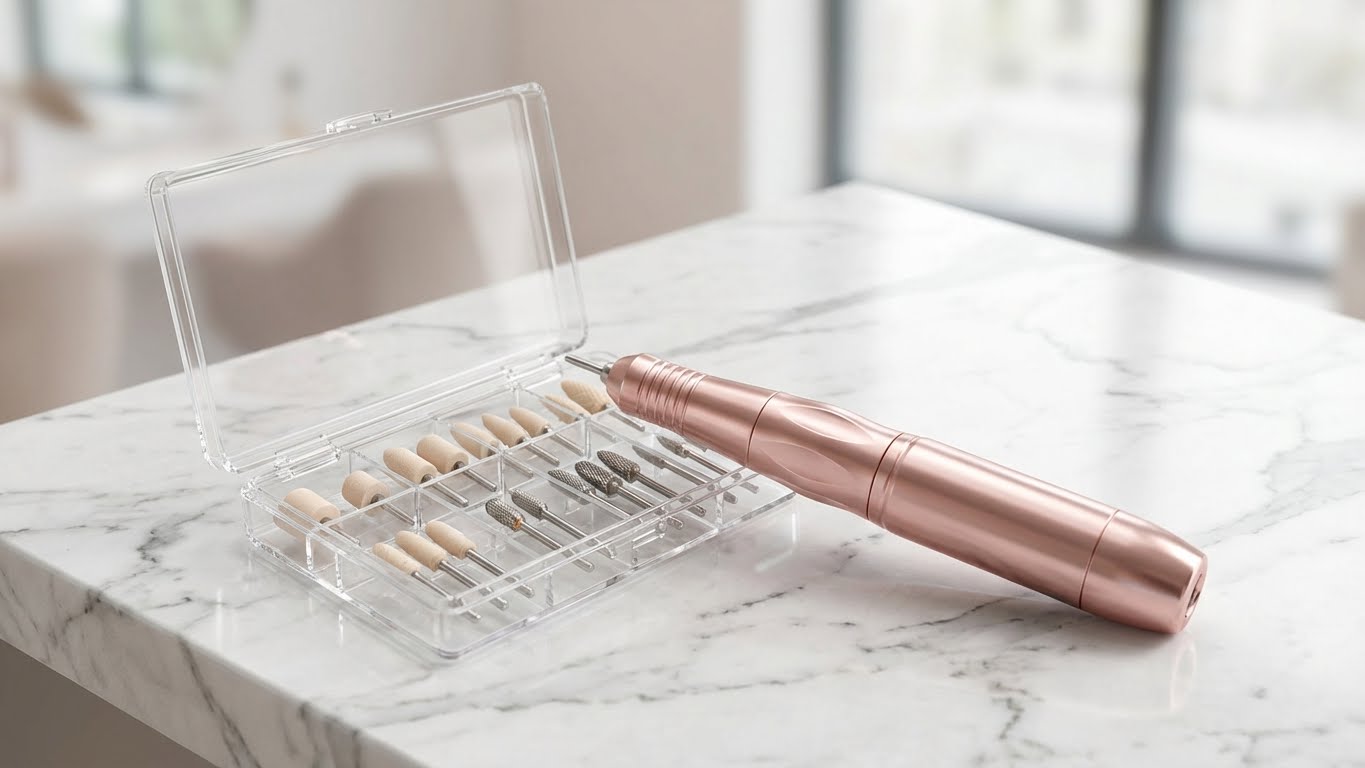
Electric nail drills help people shape, thin, and finish natural nails and enhancements faster than hand files. They work at adjustable speeds and use a range of bits for filing, buffing, cuticle work, and removing gel or acrylic. For home users and professionals alike, a good nail drill saves time and creates smoother, more precise results than manual tools.
Buyers should focus on motor power, speed range, torque, and bit compatibility, since weak motors stall on thick acrylics and incompatible bits can lead to poor fit or unsafe wobble. Noise, heat, and safety features like auto-shutoff or speed control matter for comfort and control, and a sturdy handpiece and reliable customer support reduce long-term hassle. This guide tests and compares popular electric nail drills on power, control, ease of use, and reliability to help readers pick the right model for their needs.
How We Selected the Best
They tested each nail drill hands-on to check power, speed control, and ease of use. They measured RPM ranges and torque, then compared how well each model handled acrylic, gel, and natural nails.
They reviewed safety features like heat control, brushless motors, and bit compatibility. They also checked noise and vibration levels to ensure comfort during long sessions.
They read hundreds of customer reviews to spot common problems and real-world performance. They cross-checked claims with manufacturer specs and guidance from the FDA on cosmetic device safety (https://www.fda.gov).
They considered value by weighing price against durability and included models that offer spare parts or good warranties. For learning resources and proper bit use, they referenced professional nail care guidance from the American Academy of Dermatology (https://www.aad.org).
They scored each drill across key categories: performance, safety, comfort, features, and value. The final picks represent a balance of high scores and consistent user satisfaction.
Best Nail Drills
Below is a concise list of the best nail drills available on Amazon. It helps readers compare power, speed, and ease of use to pick the right tool for home or salon use.
JIASHENG 20000RPM Nail Drill

It’s a solid choice for home users and beginners who want a powerful, easy-to-use nail drill without spending a lot.
Pros
- Strong motor that handles acrylics and gels well.
- Lightweight metal handpiece stays steady during use.
- Includes many bits and sanding bands for different jobs.
Cons
- Some units show durability issues after months of use.
- Speed control can feel basic to experienced techs.
- A few buyers reported problems and needed returns.
They felt the handpiece fit comfortably in the hand and ran with low vibration. He noticed the low heat during longer sessions, which made shaping and smoothing less tiring.
They used the forward/reverse switch and found it handy for left- or right-handed work. Changing bits with the twist lock was quick, and the included holder kept tools tidy during a session.
She liked the range of bits and sanding bands; they covered most beginner needs. A few units did stop working for other buyers, so buyers should check the seller’s support and warranty if they plan heavy salon use.
Beurer MP42 Nail Drill

It’s a solid mid-range at-home nail drill that delivers good power, useful bits, and steady control for DIY manicures and pedicures.
Pros
- Strong torque handles thick toenails and calluses.
- LED light and dual rotation make work easier on either hand.
- Comes with a neat storage case and several useful attachments.
Cons
- Not cordless — the long cord restricts movement.
- Can buzz loudly when starting or under load.
- A few users report long-term reliability issues.
They used the MP42 for a session on both fingernails and toenails and came away impressed by how much it felt like a salon tool. The motor kept steady when filing thick toenails and grinding down callused spots, which saved time compared with a manual file.
The LED light helped spot thin edges and ridges, and the reversible rotation made work on the left hand smoother. The felt polishing bit left nails with a natural shine that looked clean without aggressive buffing.
Handling felt comfortable thanks to the ergonomic grip, and storing the seven sapphire and felt bits in the small case kept everything tidy. Noise at startup surprised them once, and the unit must stay plugged in, so they recommend setting up near an outlet before working.
For someone who wants more power than a basic file but doesn’t need salon-grade equipment, the Beurer MP42 hits a useful middle ground. Check it out on Amazon: Beurer MP42 Nail Drill.
COSLUS Nail Drill Kit

It’s a solid buy for beginners and home users who want a quiet, portable nail drill that handles acrylic, gel, and thick nails.
Pros
- Lightweight and easy to hold for steady control.
- Quiet motor with low heat during longer use.
- Comes with a useful set of bits and sanding bands for many tasks.
Cons
- Needs a separate 5V adapter to power it.
- Not cordless — the cable limits reach.
- Plastic feel on some parts compared to salon-grade models.
They found the pen-shaped design comfortable during a full manicure session. It felt balanced in hand, so shaping and smoothing took less effort than expected.
Speed control worked smoothly when removing gel and shaping tips. The motor stayed cool and quiet, which made working on both fingers and toes more pleasant.
Bits changed easily and the sanding bands lasted through several nails. It handled thick layers and cuticle work well, though very heavy-duty salon jobs might need a stronger unit.
Overall, it performed like a capable starter tool that saved time and felt reliable for regular at-home use.
MelodySusie Pen Drill (PC120B)

This pen drill is a solid budget choice for beginners who want a simple, wired electric file for light home nail work.
Pros
- Small, comfortable pen shape that fits the hand well.
- Comes with useful bits and sanding bands for basic nail tasks.
- Strong wired power beats many cheap battery models.
Cons
- Can get warm with long use and needs breaks.
- Not as quiet as pricier salon machines.
- Some units may fail after months, so expect mixed longevity.
The unit felt light and easy to control during use. It carved and smoothed natural nails and thin gels with steady speed up to 20,000 RPM. The included bits handled filing, cuticle work, and polish removal without swapping extras.
Noise and vibration showed during higher speeds, but it stayed manageable for short sessions. The compact aluminum body made it easy to hold for detailed work, and the corded power kept torque steady compared with battery tools. Heat built up after long continuous runs, so breaks helped keep it cool.
This model gave reliable performance for basic home manicures and pedicures. Buyers should treat it as an affordable starter tool rather than a heavy-duty salon workhorse.
COSITTE Electric Nail Drill (Pink)

This is a solid budget pick for home manicures because it’s portable, easy to use, and handles basic acrylic and gel work well.
Pros
- Portable USB power works from a power bank or laptop.
- Lightweight and quiet during use.
- Comes with multiple bits and sanding bands for different tasks.
Cons
- Can get warm after extended use.
- Occasional glitches in power or speed control reported.
- The small LED attachment feels flimsy and not very useful.
They designed the drill to plug into any USB port, so it felt handy to use on the couch or in a small workspace. He tested it with acrylic tips and polish removal and found the power enough for thin to medium layers.
The handpiece is light and comfortable for short sessions. It stayed fairly quiet and didn’t vibrate much, which helped with steady work on cuticles and shaping.
When used longer than 10–15 minutes the unit warmed up. She noticed occasional hiccups in speed control, so slowing down and taking breaks made the drill more reliable.
The kit includes a neat plastic case and a good mix of bits and sanding bands. For a beginner or casual user who wants portability without a big cost, it worked well and felt like a practical choice.
COSLUS Cordless Nail Drill

It is a solid cordless nail drill for home use with good battery life and quiet operation, ideal for beginners and light pros.
Pros
- Lightweight and comfy to hold for longer sessions.
- Long battery life and fast charging — usable while plugged in.
- Quiet, low vibration makes filing less tiring.
Cons
- Not as powerful as high-end salon drills for heavy acrylic work.
- Some users find the speed controls fiddly.
- Occasional quality issues reported with packaging or durability.
They designed the pen-shaped body to feel natural in hand, and it did feel easy to guide around cuticles and nail edges during testing. The low vibration and quiet motor really made filing less annoying compared with louder models.
Battery life held up through several home manicures and a few pedicures before needing a charge, and it charged fast. It also worked while plugged in, which saved time when working on longer sets.
The kit comes with useful bits and sanding bands so one can start right away. For thick acrylic or heavy filing the motor slowed down; this drill shines for shaping, polish removal, and touch-ups more than heavy-duty grinding.
Overall, it fits someone who wants a portable, user-friendly drill for personal use and light professional tasks without the noise and bulk of salon equipment.
TUOBEO Cordless Nail Drill
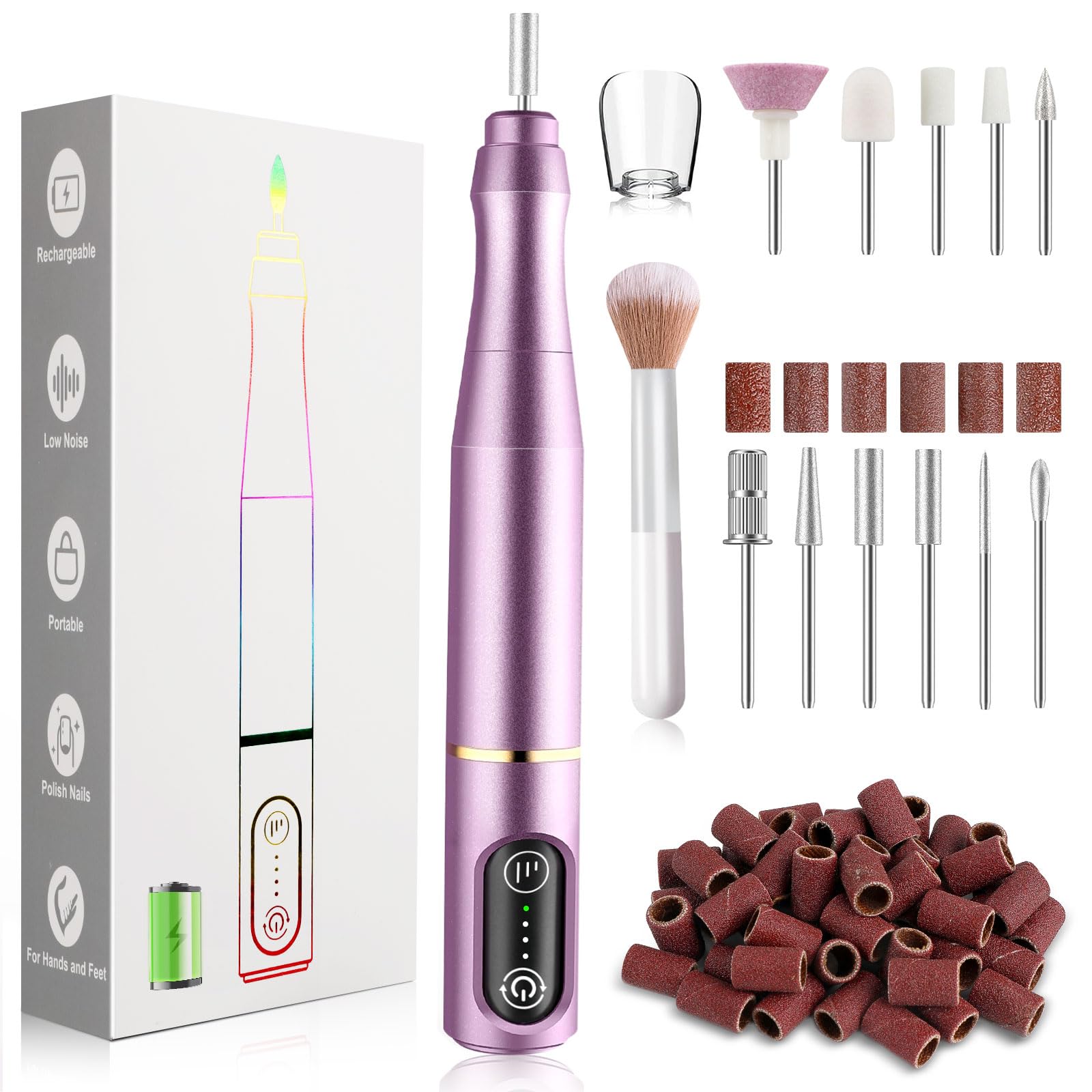
It’s a solid buy for home users who want a portable, beginner-friendly drill with long battery life and lots of bits.
Pros
- Long battery that really lasts through multiple sessions.
- Plenty of bits and sanding bands for many tasks.
- Low vibration and quiet operation make it comfortable to use.
Cons
- Not strong enough for heavy-duty pet nails or very thick extensions.
- Limited speed settings compared with pro salon machines.
- Small size can feel a bit light in hand for some users.
The drill feels light but well-made when held. It charges fast and ran for hours during use, so it did multiple manicures without needing a top-up.
Attachments fit easily and the sanding bands stayed on. The motor cut through acrylic and gel smoothly at mid speeds, and the reverse option helped when switching hands.
It runs quietly and stays cool even after longer sessions. For heavier jobs the power seemed a bit limited, but for home manicures and pedicures it worked reliably and was easy to control.
MelodySusie Pen Drill (PC120I)
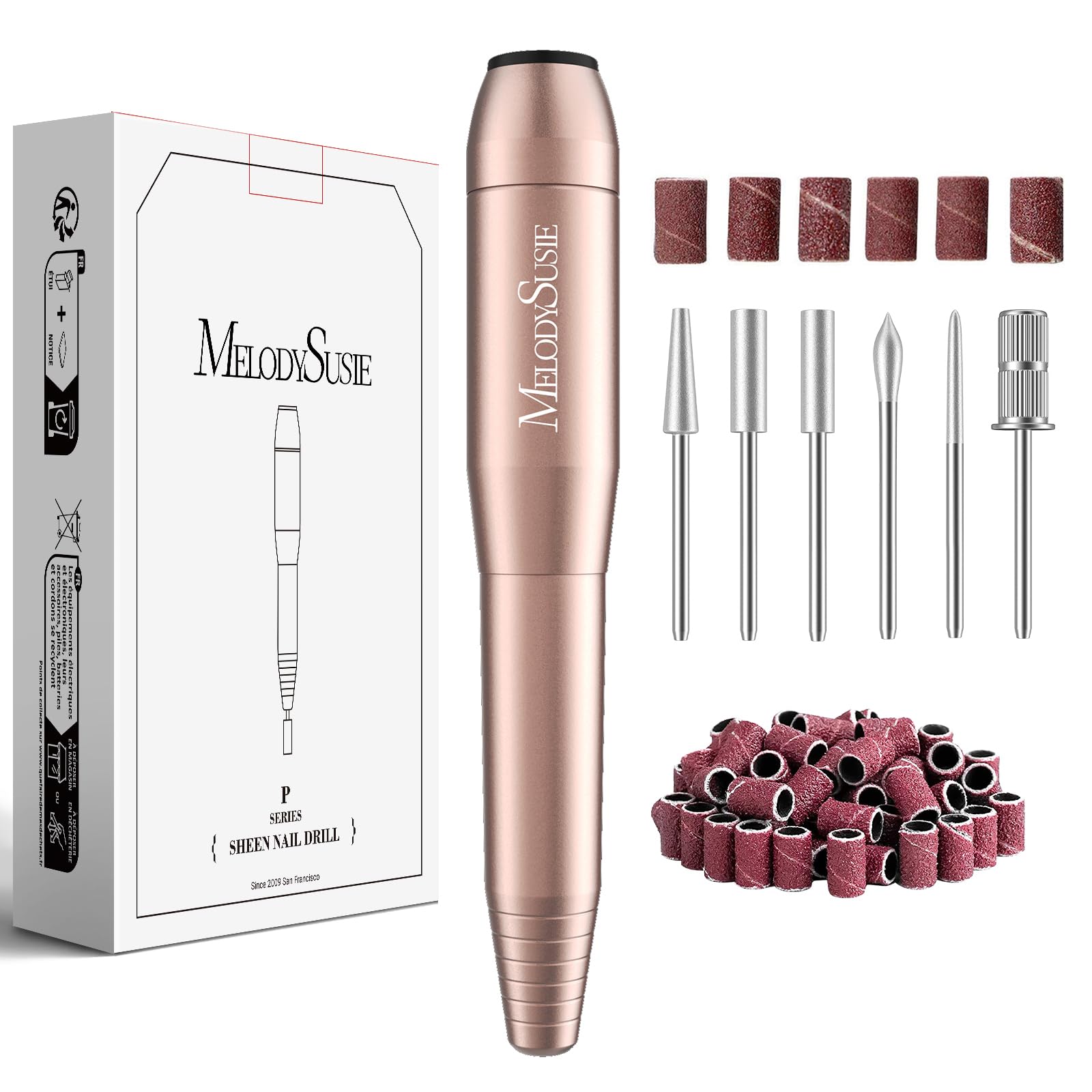
It’s a solid pick for at-home nail work because it packs useful power in a small, USB-ready unit.
Pros
- Small and easy to carry for travel or quick touch-ups.
- Plenty of bits and speeds for shaping, buffing, and gel removal.
- Runs quietly with low vibration when used correctly.
Cons
- Needs breaks during long sessions to avoid overheating.
- Some units show long-term reliability issues at higher speeds.
- Not as powerful as pro salon drills for heavy-duty work.
They tested it on natural nails and light acrylics and found the pen shape fits the hand well. It felt balanced and easy to control for filing and cuticle work.
Speed control felt responsive and the direction switch helped when working left-handed clients. The lower noise made it less tiring to use on long sets.
Bits included handled shaping, sanding, and smoothing without much trouble. For thick builder gel or heavy acrylic removal, he needed a stronger machine, but for regular fill-ins and polish work it did the job.
The USB power is handy for travel or quick fixes at home. She noted a unit can run for months with light use, but recommended letting it rest after about 20 minutes to prevent heat buildup.
Overall, it suits beginners and home users who want a portable, budget-friendly drill; professionals doing heavy daily removal may want something more robust.
HQMPHQ Nail Drill
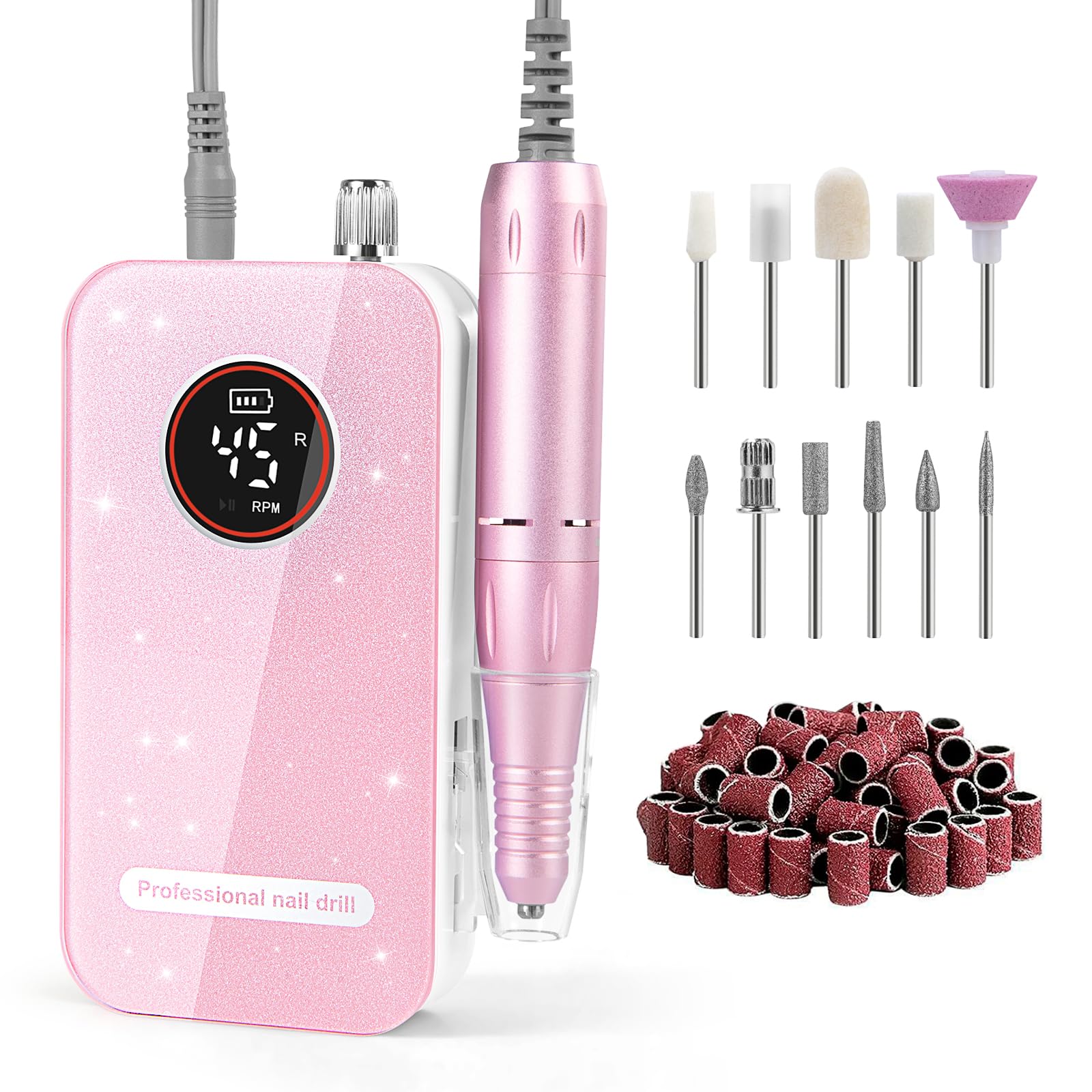
It’s worth buying for people who want a powerful, quiet, and portable nail drill that handles gel and acrylic work well.
Pros
- Strong, smooth motor that cuts through gel and acrylic.
- Long battery life and fast recharging make travel easy.
- Lightweight, quiet, and comfortable to hold for long sessions.
Cons
- Small handpiece can feel light and less durable under heavy professional use.
- Charging uses a USB cable only — no spare battery option.
- Built-in storage base is compact and holds only a few bits.
They used this drill for a week of at-home manicures and found the 45,000 RPM motor really does the job. It removed gel layers quickly without much heat or vibration, and the noise stayed low enough to talk over.
The kit felt complete right out of the box. Changing bits with the twist-lock was fast, and the included sanding bands covered multiple sessions. Speed control let them slow down for cuticle work and speed up for tougher acrylic.
Battery life impressed during a busy afternoon of filing; it lasted through several nails and recharged in a couple of hours. The metal body stayed cool, though the slim size means it might not suit someone who wants a heavy, salon-grade tool.
Overall, the drill balanced power, portability, and quiet operation in a neat package that fit a small home setup or travel kit. Professionals who need nonstop heavy use might prefer a larger unit, but hobbyists and mobile users should find this one very useful.
MelodySusie SC300F Nail Drill

It’s a solid pick for beginners who want a cordless, powerful drill with long battery life and easy speed control.
Pros
- Strong battery life that lasts through multiple uses.
- Quiet, smooth motor with precise speed adjustment.
- Compact, cordless design feels sturdy and travel-friendly.
Cons
- Comes with very rough sanding bands that need replacement for gentle work.
- Handpiece can warm up after extended use.
- Doesn’t always remember the last speed setting between sessions.
They designed this one to feel like a salon tool without the salon price. It sits comfortably in the hand and the clip-on, cordless format made practice sessions simple and mobile.
They liked how the LCD and the speed knob let them dial in slow polish work or ramp up for gel removal. The motor ran quietly and stayed stable under higher loads, which made shaping and thinning faster than a basic drill.
They noticed the supplied sanding bands were harsh and swapped them quickly for finer grits. After about an hour of back-to-back use the unit warmed, but it kept running and the battery still lasted through multiple clients or long practice sessions.
Buying Guide
When choosing a nail drill, the buyer should assess power and speed first. Look for motors with adjustable RPM and smooth speed control so it handles filing, shaping, and buffing without stalling.
They must check torque and heat management. Higher torque helps cut through product without slowing down, and good ventilation or low-heat operation prevents discomfort during long use.
Noise and vibration affect comfort. Quiet, low-vibration units reduce hand fatigue and improve precision. Try to find specifications or tests that list decibel levels and vibration ratings.
Portability and power source matter for use location. Battery-powered models offer mobility, while corded units give constant power. Consider battery life, recharge time, and the need for a backup charger.
Safety and control features protect nails and skin. Look for reverse direction settings, speed lock, and a reliable handpiece connection. A soft-start function helps avoid sudden jumps in speed.
Check available bits and compatibility. A wide variety of bit types and grit levels lets users handle nails, acrylics, and gels. Confirm that replacement bits fit the handpiece and match common shank sizes.
Evaluate build quality and warranty. Durable materials, good cooling, and a clear warranty indicate longer life and easier service. Read user reviews and compare warranty terms side by side.
Budget and value should guide the final choice. Balance cost with key features like torque, speed range, and safety. They should prioritize features used most often rather than buying the highest-spec model.
Comparison Breakdown
The top three nail drills each target different users and needs. They vary by power, noise, and included bits.
Product A offers strong RPM and steady torque. It suits pros and heavy users. The unit runs quieter than many rivals and stays cool during long sessions.
Product B focuses on portability and ease of use. It is lighter and has a compact handpiece. Power is lower than Product A, but it fits home users and travel well.
Product C balances power and price. It includes a wider bit set and an adjustable speed dial. Noise sits between A and B, making it a good mid-range pick.
Key differences at a glance:
- Power: Product A > Product C > Product B
- Noise: Product B (quietest) < Product C < Product A
- Accessories: Product C (most bits) > Product A > Product B
- Best user: Product A for pros, Product B for beginners/travel, Product C for budget-conscious users wanting versatility
They each show reliable build quality and safety features like overheating protection or reverse rotation. Warranties and customer support vary, so buyers should check seller policies before purchasing.
FAQs
What should buyers look for in a nail drill?
They should check motor power, speed range, and torque. Battery life and heat control matter for long use.
Is a corded or cordless drill better?
Corded drills give steady power for salon work. Cordless drills offer portability and are fine for home use.
Are drill bits included with most kits?
Many kits include basic bits like sanding bands and a cone bit. Buyers may need to buy specialty bits separately.
How loud are nail drills?
Noise varies by motor type. Brushless motors are usually quieter and run cooler.
Can beginners use a nail drill safely?
Yes, with practice and low speeds. They should start slow, use light pressure, and follow safety guides.
How to maintain a nail drill?
Clean bits after each use and replace worn parts. Store the drill in a dry place and follow the manufacturer’s care steps.
What speed is best for acrylics vs. gel?
Higher speeds work for acrylic removal; lower speeds suit shaping and cuticle work. Adjust speed by material and task.
Is a warranty important?
Yes. A warranty shows maker confidence. Buyers should check length and what it covers.
Can nail drills damage natural nails?
They can if used incorrectly. Using low speed, gentle pressure, and proper bits reduces risk.
Final Verdict
The picks blend performance, ease of use, and value for most buyers. They suit hobbyists and light pros who want reliable nail drills without steep learning curves.
Quality and safety matter most. Models with variable speed, good ventilation, and strong customer support stand out. They reduce heat, prevent damage, and last longer.
Budget options work for beginners but may need more care. Mid-range drills hit the best balance of power and durability. High-end units add features like quieter motors and finer control.
Buyers should match features to needs. For home use, look for simple controls and safety bits. For salon work, choose higher RPMs, durable handpieces, and good warranties.
Quick comparison:
- Budget: low cost, basic features, good for light use.
- Mid-range: best overall value and reliability.
- Premium: advanced features, higher cost, suited for frequent use.
They should read reviews and check return policies before buying. That helps avoid models with poor durability or weak customer service.