
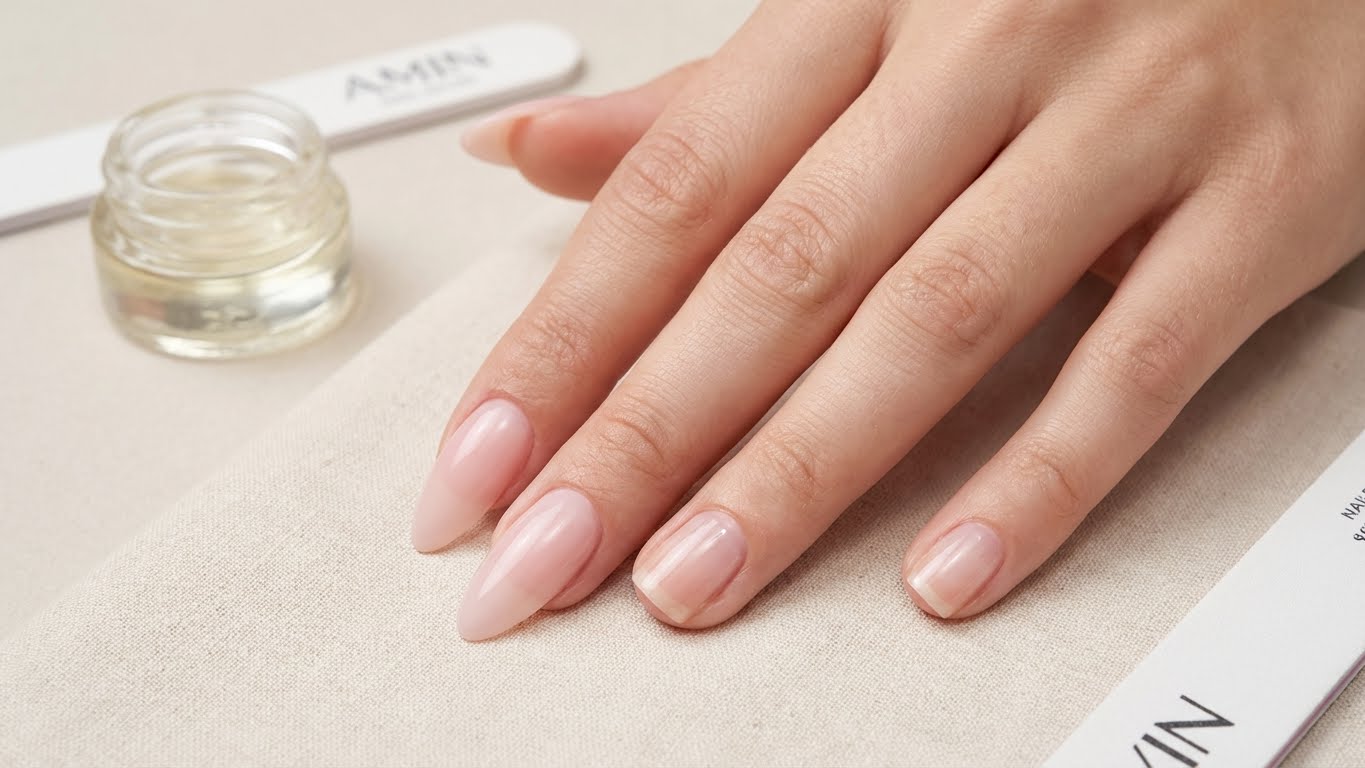
You can enjoy fake nails and still protect your natural nails if you take simple steps. Fake nails can cause damage, infections, or allergic reactions if applied or removed improperly, but careful choices and good care make serious problems much less likely.
Learn what materials and salon practices increase risk, and find safer options and removal tips that keep your nails healthy. Visit authoritative sources like the American Academy of Dermatology for nail health guidance and the CDC for infection prevention to get reliable, practical advice before your next manicure.
Key Takeaways
- Fake nails can harm your nails without correct application and care.
- Choose safer products and trusted salons to lower chemical and infection risks.
- Proper removal and nail maintenance reduce long-term damage.
When you read about health risks from fake nails, link to trustworthy sources that explain chemical exposure and infection risks. For example, cite a dermatology or government health page that discusses allergic reactions to nail adhesives and acrylic fumes to back up claims about contact dermatitis.
You should also link to sources about safe nail salon practices and infection control. A public health site or professional nail association page can explain proper tool sterilization and how to spot unsafe salons. These links help readers find detailed guidelines beyond this article.
Use descriptive anchor text that matches the topic, such as “allergic reactions to nail glue” and “salon hygiene and sterilization.” That makes the links useful for readers and helps search engines understand your content.
- Link sparingly: one or two external links per short section works best.
- Keep links relevant: only link where the external page adds clear, practical value.
- Monitor link quality: check that external pages stay current and trustworthy over time.
You can place links early in paragraphs where they directly support a specific statement. This practice improves credibility without overwhelming the reader.
What Are Fake Nails?
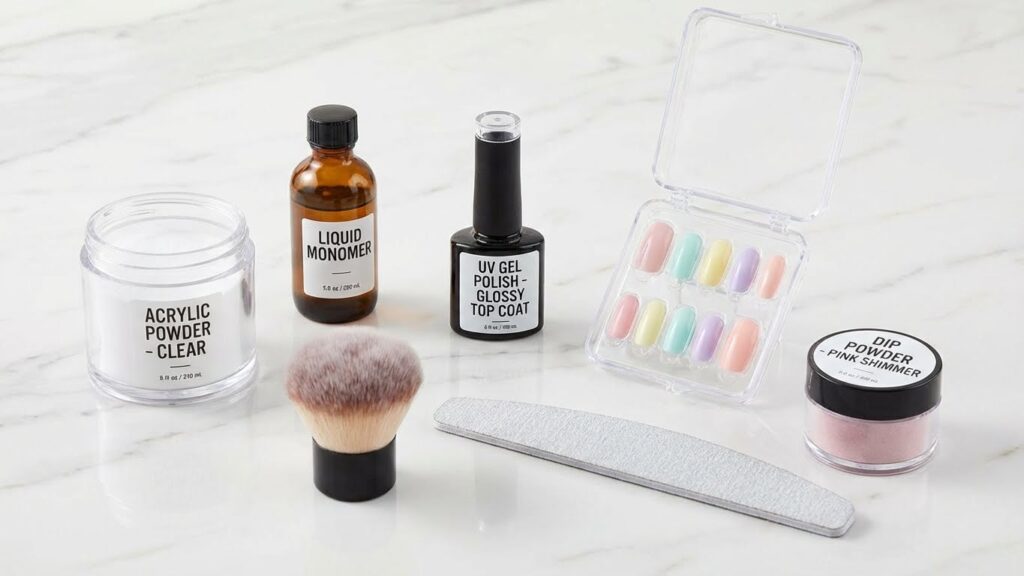
Fake nails are artificial extensions or coverings that sit on top of your natural nails to change their length, shape, or appearance. They vary in strength, look, and how long they last.
Types of Fake Nails
There are four common types you’ll see in salons and stores:
- Acrylic nails: Powder and liquid mix that hardens into a strong overlay or extension. Popular for durability and easy shaping.
- Gel nails: Thick gel cured under a UV or LED lamp. They look glossy and bend more than acrylics.
- Dip powder nails: Nail dipped into colored powder with an activator to set layers. They offer medium strength and many color options.
- Press-on nails: Pre-made plastic or resin nails you glue or stick on. They’re quick, cheap, and easy to remove.
Each type differs in how long it lasts, how much maintenance it needs, and how hard it is on your natural nails. Choose based on cost, time, and how often you want salon visits.
Materials Used in Fake Nails
Fake nails use several main materials with different risks and benefits.
- Acrylics use methyl methacrylate (MMA) or ethyl methacrylate (EMA). Salons should use EMA; MMA is harder and can damage your nail bed.
- Gels contain oligomers and monomers that cure under light. Improper curing or repeated exposure to UV lamps can dry or thin your nails.
- Dip powders are made from polymer powders and pigments. They bond with an activator but can still require filing that thins your nail.
- Press-ons are usually ABS plastic or resin. They avoid harsh chemicals but glue can pull at the nail if removed roughly.
All systems may include solvents, adhesives, and pigments. Those chemicals can cause allergic reactions, skin irritation, or a weakened nail plate if used incorrectly.
Application Methods
How fake nails are applied affects nail health and wear time.
- Acrylic application: Tech buffs the nail surface, applies primer, sculpts with acrylic mix, then files and shapes. Filing and the liquid monomer odor are common complaints.
- Gel application: Tech applies gel layers and cures each layer under UV/LED light. Proper curing time matters; undercured gel can remain tacky and trap bacteria.
- Dip application: Nail is prepped, base applied, dipped into powder repeatedly, then activator and topcoat finish the nail. Less odor but still requires surface filing.
- Press-on application: You either glue them on with nail glue or use adhesive tabs. They’re removable at home but can lift faster than permanent options.
Removal methods also matter: soaking off acrylics or gels improperly or prying off press-ons can strip layers of your natural nail. Ask for safe removal to reduce damage.
Potential Health Risks of Fake Nails
Fake nails can cause physical damage to your natural nails, raise the chance of infections, and trigger allergic reactions from chemicals in glues, powders, and polishes. Know the signs to watch for and actions to take if problems start.
Nail Damage and Weakening
Applying and removing fake nails often involves filing, buffing, and using strong adhesives or solvents. Overfiling thins the nail plate, making nails bend, split, or peel. Repeated lifting and refilling at the cuticle area stresses the nail root and can change nail shape over time.
Acetone soaks and aggressive filing during removal strip natural oils and weaken the keratin structure. That leaves nails brittle and prone to breakage for weeks or months. If you wear extensions constantly without breaks, your nails may not recover their natural strength.
Protective steps include asking your technician to minimize filing, using gentle removal methods, and giving your nails several weeks without enhancements so they can grow and rebuild.
Fungal and Bacterial Infections
Fake nails can trap moisture and debris between the enhancement and your natural nail. That trapped environment allows fungi and bacteria to grow. You might notice yellowing, thickening, a foul smell, or pus if an infection develops.
Infections can start from tiny gaps where the overlay lifts or from unclean tools and surfaces at the salon. DIY kits increase risk if you don’t sanitize tools properly. Some infections need prescription antifungal or antibiotic treatment, so see a clinician if you suspect one.
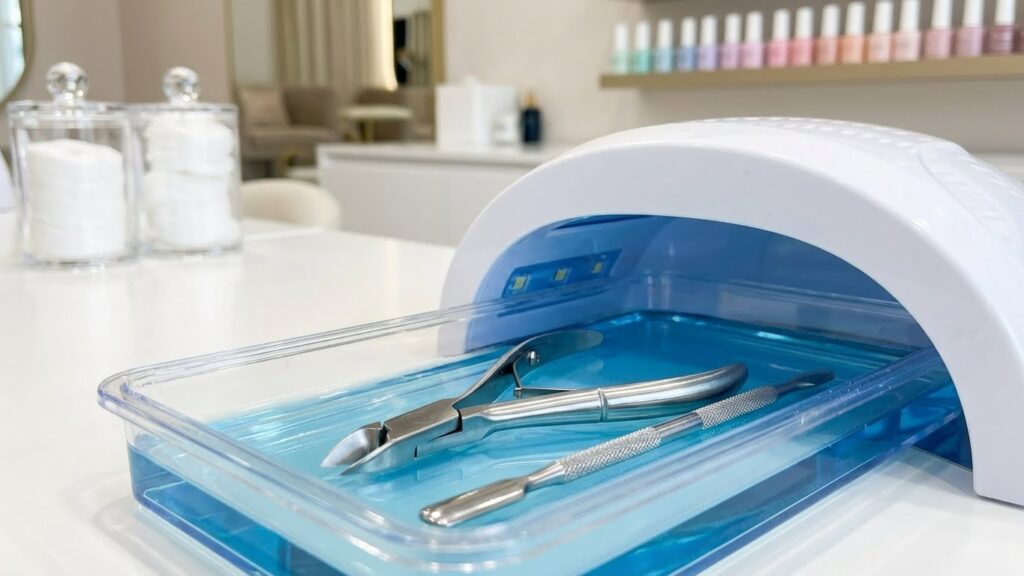
To lower infection risk, choose licensed salons that sterilize tools, avoid getting nails wet for long periods right after application, and remove enhancements promptly if you see signs of lifting, discoloration, or pain.
Allergic Reactions to Nail Products
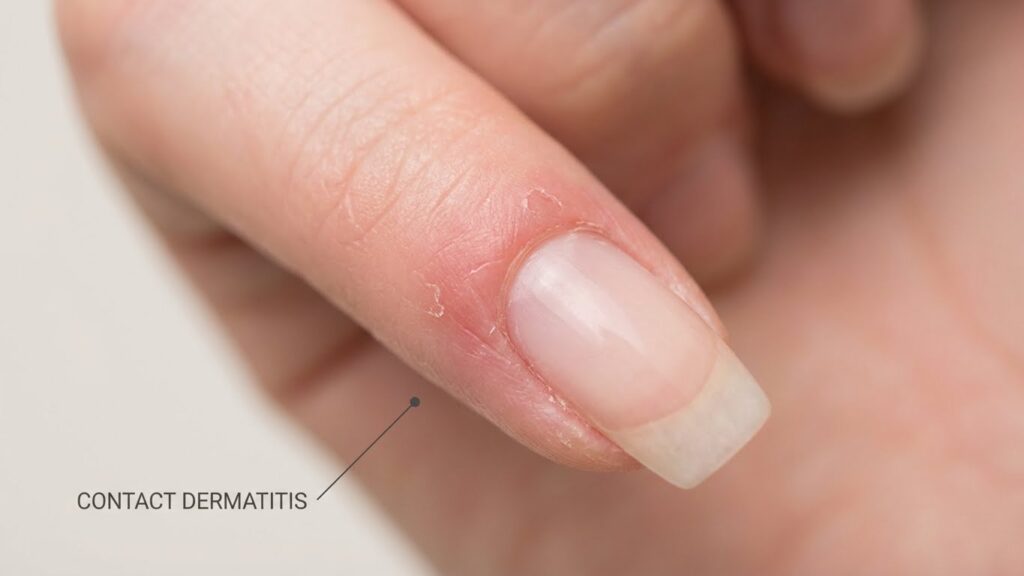
Many nail products contain chemicals like acrylic monomers, formaldehyde resins, toluene, and methacrylates that can cause allergic contact dermatitis. You may feel itching, redness, blistering, or swelling around the nail and adjacent skin hours to days after exposure.
Allergic reactions can worsen with repeated contact. Sensitization may develop over time, so a product that once seemed fine can later trigger a reaction. In severe cases, you could develop widespread rash or breathing symptoms from airborne dust in a salon.
If you suspect an allergy, stop using the product and see a dermatologist for testing. Ask technicians to use hypoallergenic formulas or avoid powder/liquid systems if you have a known sensitivity.
Chemical Exposure and Safety Concerns
You face real risks from specific chemicals and from breathing fumes when applying or removing fake nails. Know which ingredients cause skin or lung problems and how exposure usually happens.
Toxic Ingredients in Nail Products
Many nail products contain methacrylates, formaldehyde, toluene, and dibutyl phthalate. Methacrylates can cause allergic contact dermatitis and painful skin reactions if uncured resin touches your skin. Formaldehyde is a known irritant and can trigger respiratory symptoms and, in high exposures, has been linked to cancer in some studies. Toluene may cause headaches, dizziness, and long-term nervous system effects with repeated exposure.
Reduce risk by choosing products labeled “low-odor” or free of formaldehyde, toluene, and DBP. Ask your technician about product ingredients and avoid treatments that cause burning or prolonged stinging. If you develop redness, blisters, or persistent breathing trouble after a service, stop exposure and seek medical advice.
Inhalation of Nail Fumes
You inhale volatile organic compounds (VOCs) during filing, bonding, and curing. Filing acrylics or gels releases dust and tiny particles that carry monomers and catalysts. Curing lamps for gel nails don’t produce many fumes, but the liquid monomers you breathe before curing can irritate eyes, nose, and lungs.
Protect yourself by using local ventilation or a worktable with an extractor fan. Stand slightly to the side while your nails are filed and ask the tech to minimize air drafts that spread dust. If you get frequent headaches, sore throat, or wheeze after salon visits, choose longer cure times, better ventilation, or skip services that require strong-smelling products.
Proper Use and Application of Fake Nails
Use clean tools, follow product instructions, and protect your cuticles. Choose the right nail type for your lifestyle and plan regular breaks to let your natural nails recover.
Safe Application Practices
Start with clean, dry nails. Wash your hands, push back (don’t cut) cuticles gently, and wipe nails with alcohol or nail cleanser to remove oils. Buff lightly only if the product instructions require it; over-buffing thins the nail plate.
Follow the product directions exactly for glue, acrylic powder, or gel. Use thin layers and cure gel nails under the correct UV/LED lamp for the time listed. Avoid skin contact with adhesive and uncured gel to lower allergy and irritation risk.
Trim and file artificial nails to a sensible length for your daily tasks. Replace or remove lifting nails promptly to prevent water and debris from getting under the nail, which raises infection risk. Keep replacement materials and tools clean and disinfected.
Importance of Professional Application
A trained technician can match nail enhancements to your natural nail shape and thickness. Professionals know how to prep the nail without over-buffing, apply product evenly, and blend tips so stress points are minimized.
A salon follows hygiene practices you might miss at home. Proper sanitation of tools and stations reduces fungal and bacterial infection risk. Professionals also identify signs of nail damage or allergy early and may suggest safer product choices.
If you choose DIY, take a beginner class, use high-quality kits, and follow safety steps above. For long-term wear or frequent fills, professional services generally lower the risk of permanent nail thinning and repeated trauma.
Long-Term Effects of Wearing Fake Nails
Wearing fake nails for months or years can thin your real nails, raise infection risk, and expose you to repeated chemical and UV exposure. You may need frequent repairs that add more wear to the nail plate and cuticle.
Impact on Natural Nail Growth
When technicians file the nail plate to bond acrylic or gel, they remove layers of keratin. Over time this repeated thinning makes nails weaker and more prone to splitting or bending. If you frequently lift or peel off enhancements, you can strip the nail surface and slow healthy growth.
Chemical exposure from monomers, adhesives, and solvents can dry and brittle your nails. That dryness makes nails break more easily and can create ridges or uneven growth. Regular nail maintenance every 2–3 weeks may hide these changes, but the damage accumulates if you never give your nails a break.
Chronic Nail Bed Issues
Continuous use of fake nails can trap moisture between the enhancement and your nail. That trapped moisture creates a warm, dark space where fungi and bacteria can grow. Once an infection sets in, you might see discoloration, thickening, or pain that can last months and need medical treatment.
Repeated UV lamp use for curing gel products can cause localized skin damage over the nail fold and surrounding skin. Allergic contact dermatitis to acrylates or adhesives can develop slowly, causing redness, itching, and swelling that persist unless you stop exposure. Regularly inspect your nail beds and seek care if you notice persistent changes.
How to Minimize the Risks of Fake Nails
You can cut the biggest risks by picking safer products and keeping your nails clean and dry. Focus on gentle application, careful removal, and regular checks for signs of irritation or infection.
Choosing Safer Materials
Pick press-on or soak-off gel nails instead of long-term acrylics if you want less filing and fewer harsh chemicals. Look for products labeled “non-acrylic,” “soak-off,” or “formaldehyde-free.” Avoid cheap powders and glues that don’t list ingredients.
Ask your technician which adhesive and primer they use. If they use strong industrial primers or unnecessary drilling, walk away. Test a single nail first if you have sensitive skin or a history of allergies.
Carry a small kit of acetone-based remover and a cuticle oil so you can remove or treat nails quickly if you feel pain, burning, or swelling. Replace reusable tools and check expiration dates on glues and liquids.
Aftercare and Hygiene Tips
Keep nails and skin dry and clean to prevent fungi. Wipe the underside of fake nails daily and dry around cuticles after washing hands. If water gets trapped, gently lift the edge and dry with a clean, soft cloth.
Apply cuticle oil or a light hand cream daily to restore moisture lost during application. Trim natural nails beneath press-ons every few weeks to avoid catching and lifting.
Watch for warning signs: redness, persistent pain, pus, or a bad odor. If you see these, remove the nails and see a dermatologist. Never peel off glued nails; soak them in remover or have a pro take them off to avoid tearing your natural nail.
Alternative Nail Enhancement Options
You can get a polished look without risking long-term nail harm. Choose options that use gentler adhesives, avoid heavy filing, and let your nails rest between treatments.
Healthier Nail Treatments
Press-on nails offer a low-risk way to change length and design. Use adhesive tabs or a thin layer of non-acetone glue and avoid aggressive buffing of your natural nail. Remove press-ons with oil or warm, soapy water to loosen adhesive rather than prying.
Gel polish gives longer wear than regular polish but needs careful removal. Ask the technician to soak off gels instead of filing the nail plate. If you get gel extensions, choose soft gel (builder gel) rather than hard acrylics to reduce thinning.
Dip powder and poly gel sit between gel polish and acrylics for durability. Look for salons that use minimal filing and cure products under LED lights. For any enhancement, schedule breaks of at least a few weeks to let your nails recover.
Natural Nail Care Recommendations
Keep your nails trimmed and filed with a fine-grit file to prevent tears and splits. Push cuticles back gently — don’t cut them — and use a cuticle oil daily to maintain flexibility and reduce peeling.
Use a strengthening base coat if your nails are weak, and choose acetone-free polish removers when possible. Wear gloves for cleaning and chores to limit water and chemical exposure. If you notice persistent pain, swelling, or discoloration, stop enhancements and see a dermatologist.
FAQs
Do fake nails cause infections?
Yes, they can. Gaps between the fake nail and your natural nail can trap moisture and bacteria. That creates a place where fungal or bacterial infections can grow.
Will acrylics or gels weaken my natural nails?
They can. Filing and long-term use may thin and weaken your nails. Take breaks between sets to let your nails recover.
Are the chemicals in nail products dangerous?
Some chemicals can irritate your skin or lungs, especially if you work with them often. Use in a well-ventilated area and ask your technician about lower‑odor or safer products.
Can fake nails cause allergic reactions?
Yes. You might get redness, itching, or swelling from adhesives or monomers. If you notice a reaction, remove the nails and see a healthcare provider.
How can I reduce risks?
Choose a licensed tech, keep nails clean and dry, and avoid picking at the edges. Ask for gentler removal and give your nails time to breathe between applications.
How long should I leave fake nails on?
Follow the product or salon guidance, usually 2–4 weeks for fills. Don’t force removal; have them soaked or filed off professionally to avoid damage.
Are there safer alternatives?
Yes. Press-on nails, nail wraps, or strengthening polishes can give a similar look with less risk. You can also grow and care for your natural nails with regular trimming and moisturizers.
Conclusion
Fake nails can look great and last a long time, but they also bring real risks. You may face weakened natural nails, infections, or reactions if you skip proper care or use poor products.
You lower those risks by choosing a skilled nail tech and high-quality products. Ask about ventilation, follow aftercare steps, and avoid picking or forcing removals.
If you have recurring nail problems or skin reactions, stop using artificial nails and see a healthcare provider. Early treatment prevents small issues from becoming serious.
Use breaks between sets to let your natural nails recover. Simple habits—hydrating cuticles, gentle filing, and using nail-strengthening treatments—help your nails stay healthy.
Quick checklist:
- Get a licensed technician.
- Check salon hygiene and ventilation.
- Avoid long wear without breaks.
- Remove nails professionally when needed.
You can enjoy fake nails with fewer downsides by making careful choices and watching for warning signs.