
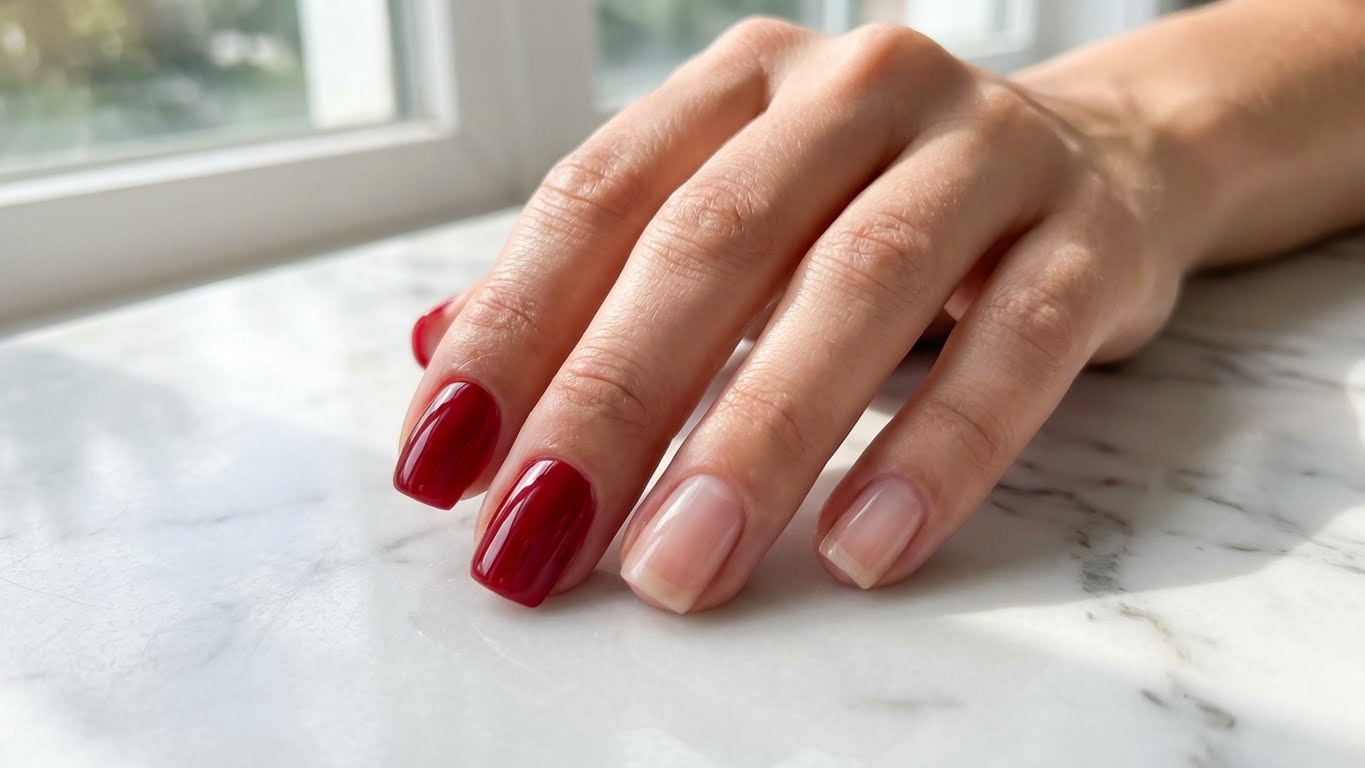
You can wear gel nails and still call them “fake” in the sense that they use added products to change your natural nails, but they often sit closer to your real nail and behave more like a long-lasting polish than a hard extension. Gel polish bonds to your nail and cures under a UV/LED lamp, so it gives a glossy, chip-resistant finish without always adding bulk or length.
If you want a durable, shiny manicure that can look natural, gel is a smart choice; if you want thick, long extensions or major shape changes, acrylics or hard gel extensions act more like traditional fake nails. Gel nails commonly count as a nail enhancement rather than your natural nail, but they can feel and appear more natural than many other fake options.
Key Takeaways
- Gel nails chemically bond and act as a long-lasting polish-like enhancement.
- They often look more natural than thick extensions but still alter your real nails.
- Choose gels for shine and wearability, and choose other systems for large length changes.
What Are Gel Nails?
Gel nails give you a glossy, long-lasting finish that bonds to your natural nail. They cure under a UV or LED lamp and come in soft (flexible) and hard (sculpting) forms. You’ll learn what gel is, how techs apply it, and how it differs from acrylics.
Definition of Gel Nails
Gel nails use a polymer-based gel that stays wet until cured under a lamp. Soft gel looks and feels more like natural nails and is slightly flexible. Hard gel is thicker, can be sculpted over forms, and provides stronger structure.
Ingredients usually include oligomers, monomers, and photoinitiators that react to light. The chemical reaction turns the gel from a paste into a hardened coating. Gel polish is a thinner soft-gel product applied like nail polish, while builder or hard gel builds length and shape.
You can get gel as a full set, an overlay, or just a polish layer. Proper curing and prep matter for adhesion and durability.
How Gel Nails Are Applied
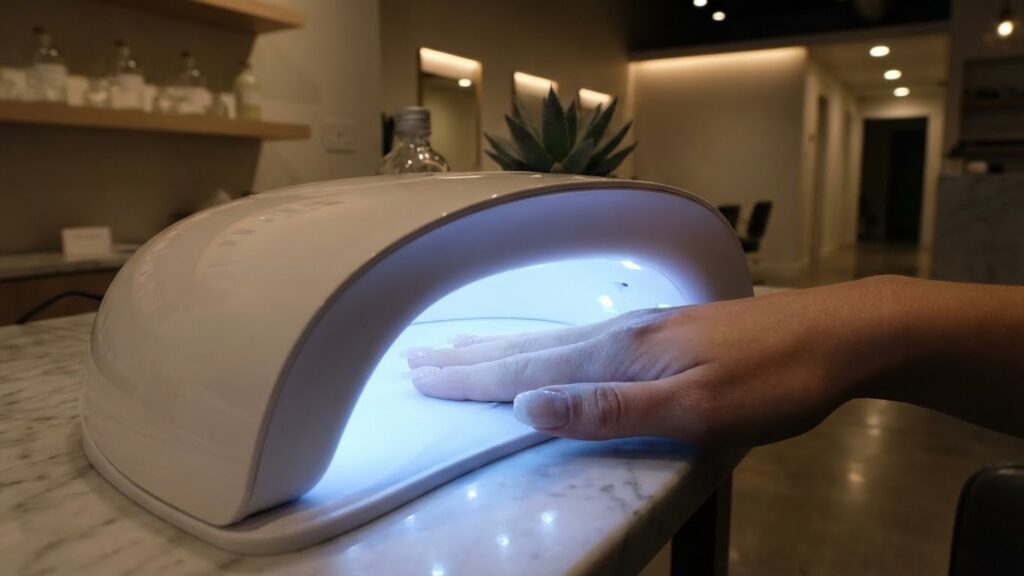
A typical salon application has these steps:
- Nail prep: file, push back cuticles, and lightly buff the nail surface.
- Base coat: thin layer of gel applied and cured under an LED or UV lamp.
- Color/build: one or more coats of gel polish or builder gel are applied, with curing between coats.
- Top coat: sealed with a glossy or matte top coat, then cured.
Removal varies by gel type. Soft gel polish is soaked off with acetone after filing the top layer. Hard gel often requires careful filing or professional removal to avoid damage. Proper curing times and clean brushes reduce lifting and chipping.
Differences Between Gel and Acrylic Nails
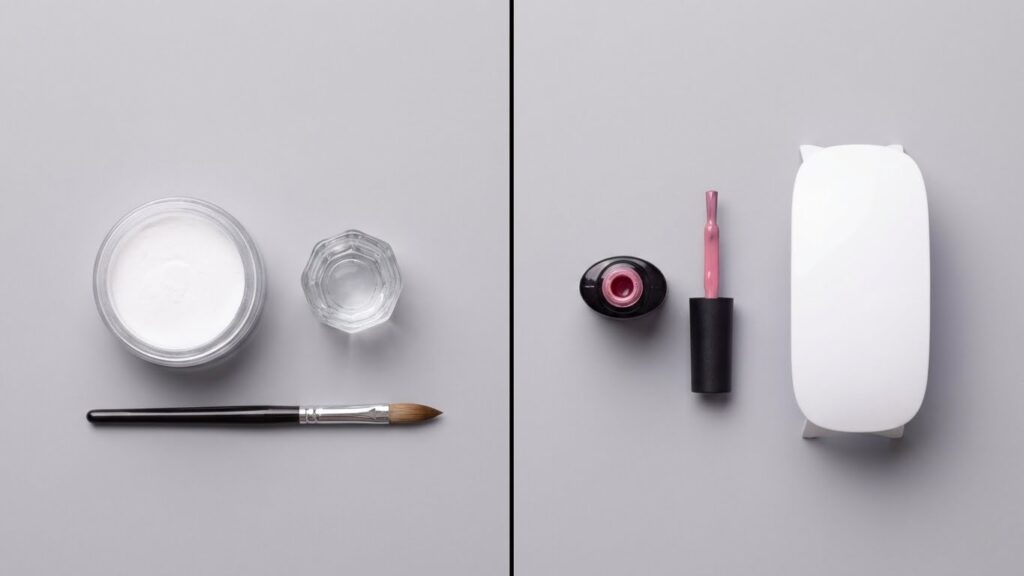
Composition: Gel cures by light-triggered polymerization. Acrylic is a chemical mix of liquid monomer and powder polymer that hardens at room temperature.
Application: Gel is applied in thin layers and cured with a lamp. Acrylic is formed by dipping brush into liquid and powder, then shaping before it sets.
Feel and finish: Gel tends to be glossier and more flexible. Acrylics feel harder and more rigid, so they can give extra strength for long or heavily used nails.
Removal and damage: Gel polish often soaks off, which can be gentler if done right. Acrylic removal commonly needs more aggressive filing and soaking. Both can damage nails if removed improperly or if nails are over-filed.
Are Gel Nails Considered Fake Nails?
Gel nails add a cured layer to your natural nails. They are not the same as full nail tips, but they are an artificial enhancement that changes your nail surface, strength, and appearance.
Understanding ‘Fake’ in Nail Terminology
People use “fake” to mean any nail that isn’t just natural polish. That includes press-ons, acrylic tips, and some gel systems. You should know that the word can mean different things to different people: for some, “fake” means removable tips glued on; for others, it means any non-natural product applied to the nail.
When a salon applies gel polish, they usually paint a liquid gel onto your natural nail and cure it under a UV or LED lamp. That process adds a manufactured layer, so many professionals call it an artificial enhancement. Still, many clients don’t call gel polish “fake” because it bonds directly to your nail and keeps your nail’s length intact.
Classification of Gel Nails
Gel nails fall into a few categories: gel polish, hard gel overlays, and builder gel or extensions. Gel polish is a pigmented lacquer cured on the natural nail. Hard and builder gels create thicker layers and can add length when sculpted over forms or tips.
Acrylic nails use a powder-liquid mix that hardens in air; gels cure with light. This difference affects feel, flexibility, and removal. You will find gel options that are softer and more flexible than acrylics. Salons often list the type on their menu, so ask whether you’re getting gel polish, a gel overlay, or a gel extension.
Natural Looking Results
Gel systems can look very natural because they follow your nail’s curve and can be thin. If you want a subtle, glossy finish that strengthens the nail, gel polish or a thin gel overlay often gives the most natural appearance.
For added length, gels can be sculpted to appear seamless. Your result depends on the technician’s skill, product quality, and how your natural nails react. If you want to avoid an obvious artificial look, ask for thin layers, color-matching to your nail bed, and careful shaping.
Materials and Composition of Gel Nails
Gel nails use a mix of plastic-like resins and additives that give them strength, flexibility, and shine. You’ll learn what’s in the product and how light turns it from a liquid or gel into a hard coating.
Gel Nail Products and Ingredients
Gel nail products usually contain acrylate or methacrylate monomers and oligomers. These are small molecules that join together when cured to form a solid polymer. Manufacturers add photoinitiators to start the reaction when light hits the gel.
You’ll also see plasticizers and fillers in many formulas. Plasticizers make the cured gel less brittle. Fillers can add thickness, opacity, or strength. Colored gels include pigments and sometimes UV stabilizers to keep color from fading.
Different gel types include:
- Base coat: promotes adhesion to your natural nail.
- Builder or hard gel: thicker for length and shape.
- Top coat: gives glossy, chip-resistant finish.
If you have skin sensitivities, watch for methacrylate-related ingredients. These can cause allergic reactions in some people.
Curing Process with UV or LED Light
Curing turns the liquid gel into a hard, durable layer through a chemical reaction called photopolymerization. You apply each gel layer, then place your hand under a UV or LED lamp. Light activates the photoinitiators and starts polymer chains forming.
LED lamps cure faster than traditional UV bulbs and often use different photoinitiators suited to LED wavelengths. Typical cure times range from 30 seconds to 2 minutes per layer, depending on lamp strength and product instructions.
Proper curing matters for durability and safety. Under-cured gel can remain tacky and lift, while overexposure to light is unnecessary. Follow the product’s recommended lamp type and cure time to get a solid, long-lasting finish.
Benefits of Gel Nails
Gel nails give you a hard, glossy finish that lasts and a wide range of looks you can keep for weeks. They resist chipping, cure quickly under a UV/LED lamp, and let you pick finishes from sheer natural to bold sculpted tips.
Durability and Longevity
Gel polish forms a cured, plastic-like layer on your nail that holds up to daily wear better than regular polish. Expect up to about two to three weeks of chip-free wear when application and curing are done correctly. The cured surface is flexible, so it bends with your natural nail instead of cracking like brittle acrylic.
Proper removal matters for nail health. You should soak or have a technician remove gel to avoid peeling layers off the nail plate. Also rotate breaks between gel services to let your nails breathe and reduce thinning or sensitivity.
Customization and Versatility
You can get a natural-looking manicure or dramatic extensions with gel systems. Gel polish works on your natural nail or over gel extensions; builders and sculpting gels let a tech shape length and curve while keeping a glossy finish.
Gels accept color, glitter, ombré, and nail art easily because they cure in layers. That means you can add thin details, seal them quickly under a lamp, and keep a smooth surface that resists smudging during the session.
Potential Drawbacks of Gel Nails
Gel nails can give long-lasting shine and strength, but they can also weaken your natural nails and require careful removal. You may face thinning, lifting, or increased breakage if application or removal goes wrong.
Possible Nail Damage
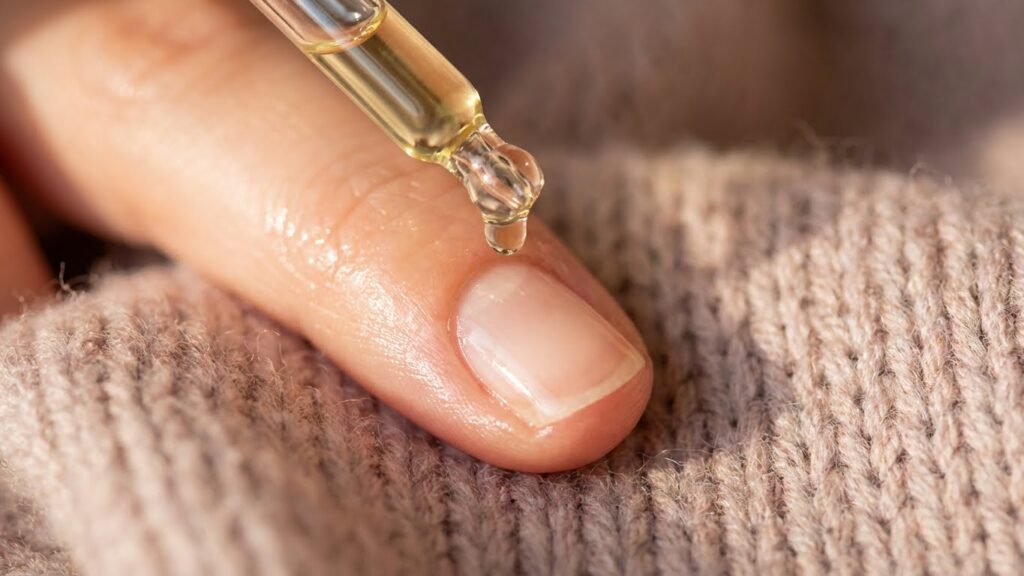
Gel polish can thin your nail plate when files or buffers remove the shine before application. If a technician over-files or you pick at lifted edges, the natural nail can peel or split. Repeated monthly gel cycles can make nails brittle and prone to cracking.
Chemical reactions during curing are usually safe, but UV or LED exposure can cause mild skin dryness or premature aging on your fingers without protection. Allergic reactions to gel ingredients are possible; watch for redness, itching, or persistent pain and stop treatments if those occur.
If gels lift and trap moisture, bacteria or fungus can grow under the gel. That can lead to discoloration, odor, or infection, which often needs professional treatment. Keep nails dry and report any persistent changes to a dermatologist or your nail tech.
Removal Process Considerations
Proper removal matters more than application. Soaking in acetone weakens the natural nail and surrounding skin; long or repeated soaks dry out your nails and cuticles. Use moisturizing treatments after removal and limit acetone exposure to reduce damage.
Mechanical scraping or peeling off cured gel can strip layers of your nail plate. Have a trained technician file and soak gels off, or follow precise at-home steps: gently buff top coat, wrap with acetone-soaked cotton, and wait the recommended time before easing the gel away. Never force or pry.
If you notice white spots, extreme thinning, or persistent pain after removal, give your nails a break for several weeks. During recovery, switch to strengthening polishes, biotin supplements if advised by your doctor, and avoid new gel applications until nails feel healthy.
How Gel Nails Compare to Natural Nails
Gel nails add a visible layer and shine, and they change how your nails behave during daily tasks. They offer a different look and require more care than natural nails.
Look and Feel
Gel nails have a glossy, smooth finish that looks like thick polish. They can be sheer or opaque and are often shinier than natural nails. If you choose extensions, gels can add length and a uniform shape that natural nails rarely keep without filing.
You will notice more rigidity with gel overlays. Soft gel feels slightly flexible, so it bends a bit under pressure, while hard gel feels firmer. Natural nails are thinner and more flexible, so they bend and chip more easily.
Color and texture stay consistent with gels until they grow out. Natural nails show growth at the base and can have ridges, spots, or uneven edges that gels can hide.
Maintenance Differences
Gelled nails need a UV or LED cure during application, which takes extra time compared with regular polish. You must return for fills or removal if the gel grows out or lifts; trying to peel gels off can damage your nail plate.
You should file and buff gently and keep polish intact to avoid lifting. Typical salon removals use soaking in acetone or careful drilling, both of which can dry or thin your natural nail if done often.
Expect maintenance intervals of about 2–4 weeks for fills or touch-ups. Natural nails need trimming, shaping, and regular polish changes but don’t require lamp curing or chemical removal unless you use polish.
Who Should Consider Gel Nails?
Gel nails suit people who want a natural look, long wear, and lower chance of chipping. They work well if you want color that lasts up to two to three weeks and a finish that stays glossy.
Suitability for Different Lifestyles
If you type, cook, or wash dishes a lot, gel polish can hold up better than regular polish and resist chips longer. You still need to avoid harsh scraping and prolonged soaking to keep the manicure intact.
Choose gel extensions when you want added length and a lighter feel than hard acrylics. If you need very strong, thick tips (for heavy-duty work or frequent impact), acrylics may be better. Gel manicures usually take 30–60 minutes at a salon, so factor in appointment time.
Budget matters. Gel fills and maintenance cost more than basic polish but less than some elaborate acrylic sets. If you travel often, gel’s durability can cut down on touch-ups.
Allergic Reactions and Sensitivities
Some people react to ingredients in gel products, especially certain acrylates and photoinitiators. If you’ve had redness, itching, or lifting after past gels, tell your technician before treatment.
Do a patch test or ask for low-allergy or “sensitive” formulations if you’re unsure. Removal can stress nails; improper filing or peeling increases risk of damage and irritation.
If you have nail or skin conditions—like fungus, severe psoriasis, or very thin nails—get advice from a dermatologist or experienced nail tech first. They can recommend safer options or timing to protect your nail health.
Gel Nails in Professional and At-Home Settings
You can get lasting, shiny gel nails at a salon or at home. Each choice affects cost, tools, skill needed, and nail health.
Salon Application
When you go to a salon, a trained technician shapes your nails, buffs the surface, and applies a base, two coats of gel polish, and a top coat. Each layer cures under a UV or LED lamp for 30–90 seconds per coat, which gives the smooth, chip-resistant finish you expect.
Salons use professional-grade gels and stronger lamps, which often produce a more even cure and longer wear. Technicians also remove gels with acetone wraps or filing to limit damage when done correctly.
Costs run higher than DIY, but you get expert application, faster service, and safer removal. If your nails are weak or you have concerns like lifting or infection, a salon visit helps spot problems early.
DIY Gel Nail Kits
At-home gel kits include LED lamps, base and top coats, and colored gels. You need to follow steps: prep nails, apply thin coats, cure each coat under the lamp, and finish with a wipe of isopropyl alcohol to remove tacky residue.
Kits save money and let you redo polish between salon visits. However, you must learn proper technique: over-buffing, thick layers, or improper curing can cause bubbling, lifting, or thinning of your nail plate. Removal at home requires soaking with acetone or careful filing; rushing this step increases damage risk.
Buy a lamp with consistent output, use thin coats, and read instructions to get results closer to salon quality.
Conclusion
You can think of gel nails as a form of artificial enhancement when the product builds thickness or extensions, but often they are just a long‑lasting polish applied to your natural nail. The key is how the product is used: pure gel polish works on your nails, while builder gels or gel extensions create an added structure.
If you want durable, glossy color with minimal bulk, gel polish is a good choice. If you need length or extra strength, ask for builder gel or extensions instead.
Consider practical factors before you decide. Budget, how long you want the wear, and how comfortable you are with salon removal all matter. Also check for LED/UV curing time and removal methods to protect your nail health.
Quick checklist:
- Ask whether the service uses gel polish or gel extensions.
- Confirm removal steps to avoid damage.
- Look for trained technicians and clean tools.
Choose the option that fits your routine and nail goals. Follow care and removal advice to keep your natural nails healthy while enjoying the finish you want.
FAQs
What makes gel nails different from natural nails? Gel nails are artificial enhancements cured under UV or LED light. They sit on top of your natural nail and can look very natural while adding strength and shine.
Are gel nails the same as acrylics? No. Acrylics use a liquid and powder mix that hardens in air, which creates a thicker, stiffer layer. Gel tends to be more flexible and often feels lighter on your nails.
Will gel nails damage your natural nails? They can if applied or removed improperly. To lower risk, get them from a licensed technician and use proper removal; the American Academy of Dermatology offers good guidance on safe practices (https://www.aad.org).
How long do gel nails last? Most gel manicures last about two to three weeks before growth or chipping is noticeable. Durability depends on your nail care, the salon’s technique, and the type of gel used.
Can you repair gel nails if they chip? Small chips may be filled or smoothed by a technician. Larger cracks usually require removal and reapplication for a clean, lasting finish.
How do you remove gel nails safely? Soak-off gel needs acetone and careful filing or soaking; avoid peeling to protect your nail bed. Walk-in advice from Healthpoint or similar clinic resources can help if you have concerns (https://www.healthline.com).
Conclusion
You can think of gel nails as a hybrid: they often use your natural nail as the base, but the gel polish creates a thicker, longer-lasting surface. Sometimes salons add gel extensions or tips, which are artificial. So gel nails can be either applied to natural nails or used with fake nail pieces depending on the service you choose.
If you want durability and shine without bulk, gel polish on your natural nails is a strong option. If you need length or a dramatic shape, gel extensions or tips give you that look. Ask your nail tech what method they plan to use so you get the result you want.
Pay attention to removal and nail health. Proper curing, gentle removal, and regular breaks help reduce damage. If you work in a setting where strict hygiene matters, check whether artificial nails are allowed or advisable.
Use this simple checklist when booking:
- Ask whether the service uses gel polish only or includes extensions.
- Confirm curing methods (LED or UV) and removal steps.
- Discuss nail health and any limits you need for work or activities.
You have choices that match different needs: natural-looking durability or artificial length and strength. Pick the option that fits your lifestyle and ask questions to protect your nails.