
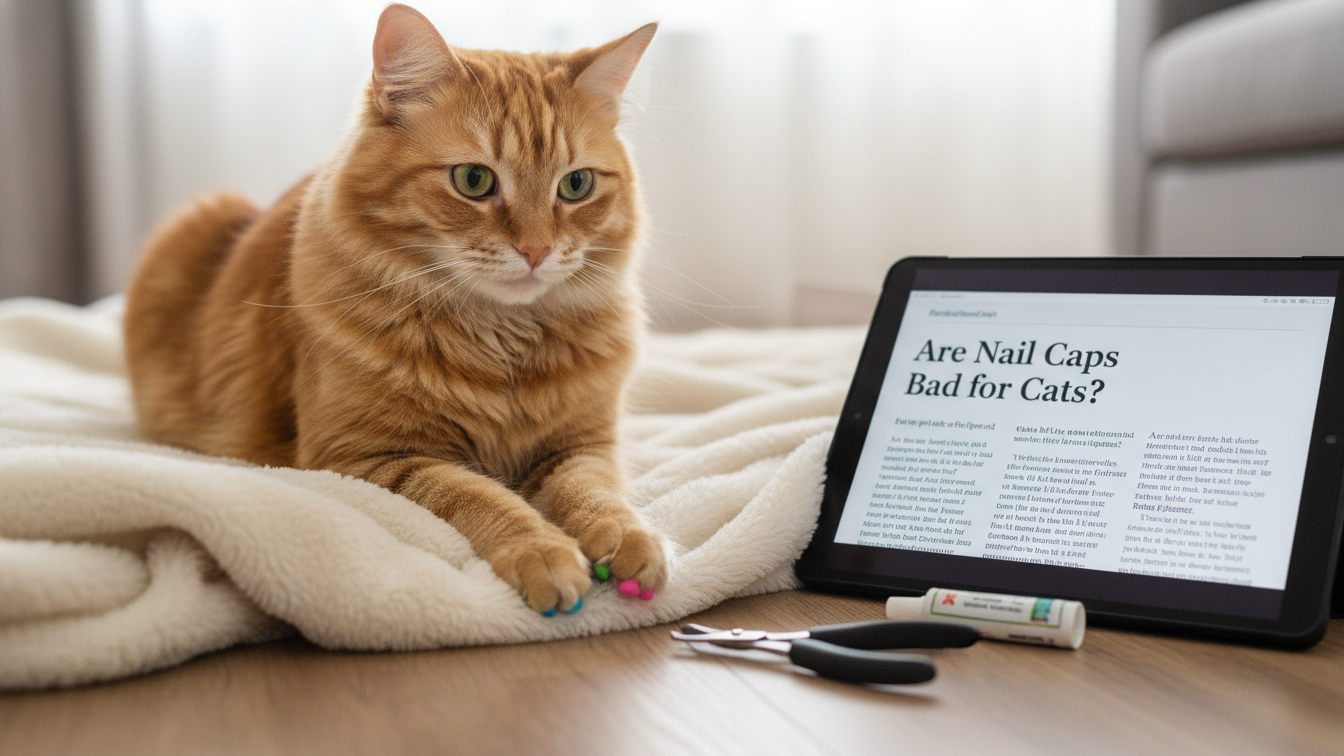
Many cat owners wonder if nail caps are bad for their pets. Nail caps are generally safe when applied properly and can be a good alternative to declawing, but they are not without some risks and drawbacks. They cover the tips of a cat’s claws to reduce damage caused by scratching, which can protect furniture and people from scratches.
While nail caps do not cause pain or stop cats from extending their claws, they may affect a cat’s natural scratching behavior. Scratching helps cats remove old nail layers and stretch their muscles. Nail caps also need to be checked and replaced regularly to avoid any issues like discomfort or infections.
Understanding both the benefits and risks of using nail caps is important before deciding if they are right for your cat. Proper application and monitoring can help keep your cat safe and comfortable without harming its natural instincts.
Key Takeways
- Nail caps can reduce scratching damage without causing pain.
- They may change natural scratching habits and require regular care.
- Correct use and monitoring are essential for a cat’s well-being.
What Are Nail Caps for Cats?
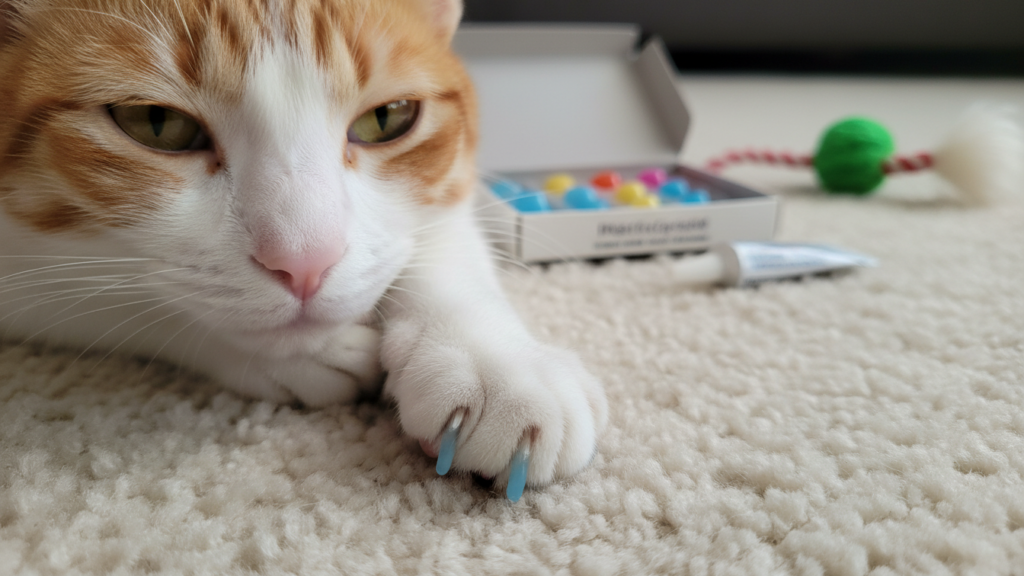
Nail caps are small plastic covers designed to fit over a cat’s claws. They are meant to protect furniture, people, and the cat itself from scratches. These caps are temporary and do not remove or harm the cat’s natural claws.
Materials and Types of Nail Caps
Nail caps are usually made from soft, non-toxic plastic. The most common material is vinyl, which is flexible and safe for cats. Some brands offer different colors and sizes to fit a variety of claw shapes and sizes.
There are two main types: pre-glued caps and glueless caps. Pre-glued caps come with adhesive already inside, which makes them easier to apply. Glueless caps require a special nail-safe glue to secure them to the claw.
The caps are lightweight and designed to allow the cat to extend and retract its claws naturally. They do not interfere with scratching behavior, but they do prevent damage by covering the sharp tips.
How Nail Caps Are Applied
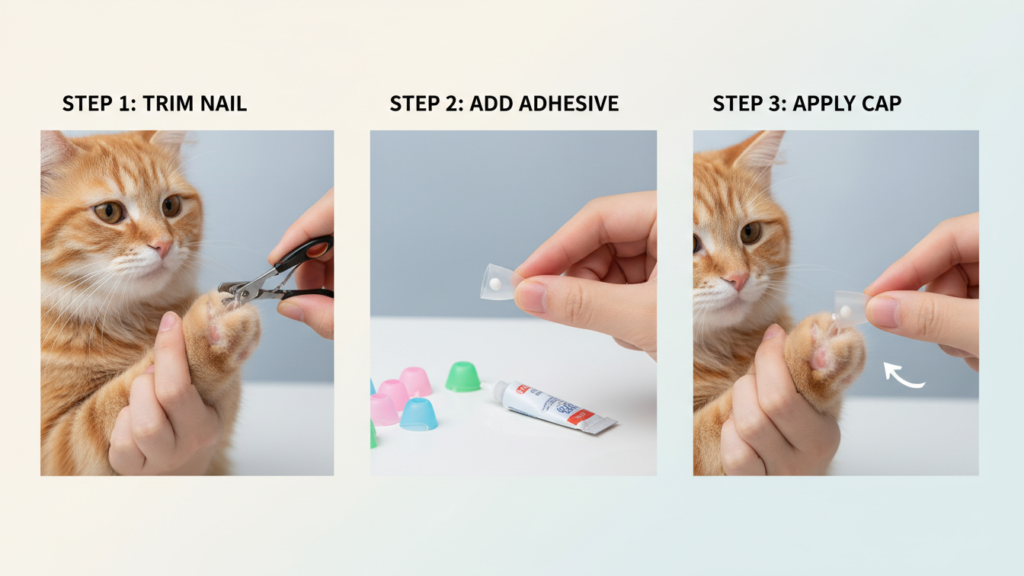
The nail caps are glued onto the cat’s claws, typically after trimming the nails. The cat’s claws need to be clean and dry for the glue to stick properly. A small dab of glue is placed inside each cap before it is slipped onto the claw.
Applying nail caps usually takes about 15 to 30 minutes for a full set of front claws. It is important to avoid the quick—the pink area inside the nail—when trimming before application.
Cats may take some time to adjust to the feeling of the caps. Owners are advised to monitor their pet for any signs of discomfort or attempts to chew them off.
Duration and Replacement Frequency
Nail caps typically last between 4 to 6 weeks. They fall off naturally as the cat’s nails grow and shed the outer layer. Because the nails grow continuously, the caps need regular replacement to keep working effectively.
If a cap loosens or falls off early, it can be re-glued or replaced. It’s common for some caps to come off during playing or scratching.
Owners should check the nail caps weekly to ensure they remain secure and to avoid any buildup of dirt or glue under the caps. Regular replacement keeps the cat comfortable and prevents damage to claws.
Benefits of Using Nail Caps
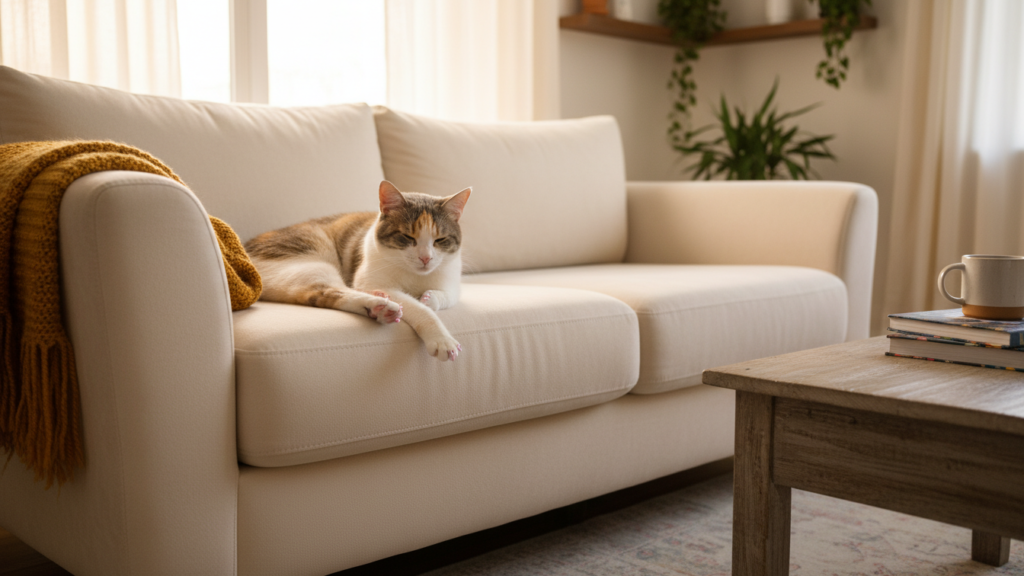
Nail caps offer practical advantages for both cats and their owners. They help keep homes intact, reduce unintentional injuries, and improve overall safety when handling cats. These benefits make nail caps a popular option for managing a cat’s natural scratching behavior.
Protecting Furniture and Household Items
Nail caps act as a barrier between a cat’s sharp claws and household surfaces. Furniture like sofas, curtains, and wooden floors are less likely to get scratched or damaged. Owners who have expensive or delicate items often find nail caps useful to prevent costly repairs.
These caps are made from soft plastic that covers the claw tips without hurting the cat. They reduce the sharpness but still allow the cat to stretch and move naturally. This helps preserve the cat’s normal scratching habits while protecting property.
Using nail caps can be especially helpful in homes with multiple cats or active kittens. The reduced damage lowers stress for both pets and owners related to clawing problems around the house.
Reducing Accidental Scratches
Cats can sometimes scratch accidentally during play or when startled. Nail caps cushion the claws, reducing the chance of injury. This is important in homes with children, elderly family members, or anyone with sensitive skin who might be hurt by sharp nails.
The soft plastic covers blunt the claws, so any accidental swipes cause less harm. Cats still use their claws but with less risk of breaking skin or causing pain. This can help families feel safer when interacting with their cats.
Nail caps can support calmer, less stressful handling because the risk of getting scratched is lower. This improvement in physical safety benefits both the cat and the people around it.
Supporting Cat Owner Safety
Handling cats during grooming, vet visits, or medication application can lead to scratches. Nail caps offer a protective layer that makes these tasks safer for owners and professionals alike.
With caps in place, owners can trim fur, clean ears, or give medicine more confidently. This reduces the stress and risk for both the cat and the person performing these activities. It also helps avoid injuries that might require medical treatment.
Cats may need some time to adjust, but once they do, nail caps can help improve daily interactions. This makes caring for the cat easier and safer, improving the overall experience for owners.
Potential Health Risks of Nail Caps
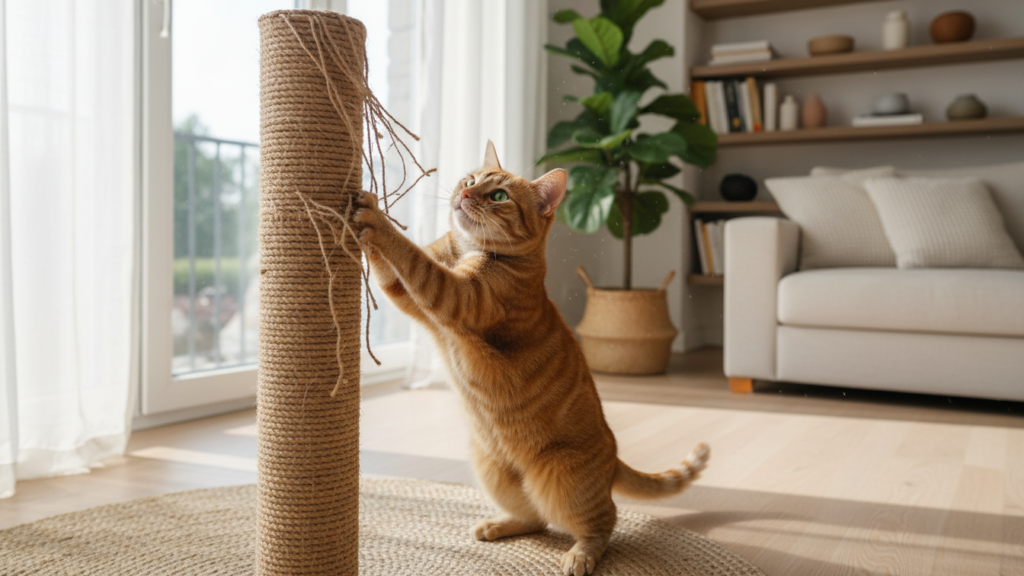
Nail caps can cause some issues for cats if not applied or monitored properly. These risks include discomfort, possible infections, and changes in how a cat moves. Understanding these helps owners watch for problems.
Physical Discomfort or Irritation
Nail caps may cause discomfort if they do not fit correctly. Caps that are too tight can pinch the nail or skin, leading to pain or irritation. On the other hand, loose caps may fall off quickly, causing stress as the cat tries to remove them.
Some cats take longer to get used to the feeling of the caps on their claws. During this adjustment period, a cat might scratch or bite at the caps, which can cause additional skin irritation.
Proper sizing and careful application reduce discomfort. Regular checks ensure the caps remain secure and fit well as the cat’s nails grow.
Infection and Inflammation Concerns
If nail caps are not kept clean or are left on too long, there is a small risk of infection around the nail bed. Dirt and debris can get trapped between the cap and the claw, potentially leading to inflammation.
Infections may show as redness, swelling, or discharge near the nail. Early treatment is important to prevent more serious issues. Owners should watch for signs of sores or swelling and remove caps promptly if problems occur.
Caps made from breathable vinyl help lower infection risks, but hygiene and regular nail inspection remain essential.
Movement and Mobility Issues
Nail caps can affect a cat’s normal walking or climbing, especially if a cat wears them outdoors. Cats rely on their claws for grip and balance, so caps might make climbing or running more difficult.
Some cats may become less confident moving in new caps, leading to hesitation or reluctance to jump. This can increase stress and disrupt natural behavior.
Owners should monitor a cat’s movement closely after applying nail caps and remove them if the cat shows signs of discomfort or mobility problems. Caps are generally safer for indoor cats who do not need to climb or escape quickly.
Behavioral Impact on Cats
Nail caps can change how cats feel and act in several ways. Some cats may experience stress or adjust their grooming habits. Their natural scratching behavior can also shift, sometimes causing confusion or frustration. Understanding these effects is important for pet owners considering nail caps.
Stress and Anxiety Responses
Cats rely on scratching not just to mark territory but also as a way to release tension. When nail caps are applied, some cats may feel discomfort or confusion because the caps change how their claws make contact with surfaces. This can trigger stress or anxiety in cats unaccustomed to the caps.
Signs of stress include hiding, reduced activity, or excessive grooming. However, many cats adapt quickly if the caps fit well and are regularly checked. If a cat shows persistent signs of anxiety, the nail caps might need adjustment or removal. Proper monitoring is essential to prevent long-term stress.
Impact on Natural Grooming
Cats use their claws for grooming, especially to help remove loose fur and dirt. Nail caps can make it more difficult for cats to perform these tasks, especially if the caps are bulky or too long. This may lead to frustration or less effective grooming, which can affect coat health.
Owners should ensure nail caps are lightweight and properly sized. Regular inspection is important to avoid issues like dirt buildup under the caps. Cats that struggle with grooming may need their nail caps replaced or temporarily removed to restore their comfort.
Effects on Scratching Instincts
Scratching is a key behavior for cats to stretch muscles, mark territory, and maintain claw health. Nail caps blunt the sharpness of claws but do not stop cats from scratching. This allows cats to keep their natural habits without damaging furniture or skin.
However, some cats might feel odd or frustrated at first because their claws feel different. Over time, most cats accept the change if the caps are applied correctly. If a cat stops scratching altogether, it could be a sign the caps are uncomfortable or too tight. Regular checks help prevent problems linked to inhibited scratching.
Appropriate Candidates for Nail Caps
Nail caps work best for cats with specific health and lifestyle factors. Not every cat is a good candidate, so evaluating age, health, and living environment is essential before use.
Age and Health Considerations
Cats should be old enough to tolerate nail cap application safely. Typically, cats younger than 10 weeks are too fragile, and their nails grow quickly, which makes caps less practical. Healthy adult cats without paw injuries or infections are best suited for nail caps.
Cats with joint problems or sensitive paws might find nail caps uncomfortable. Cats with poor grooming habits could also struggle with caps, as they need regular monitoring to avoid causing irritation or trapping dirt. If a cat has any paw health issues, nail caps should only be used under vet supervision.
Suitability for Indoor vs. Outdoor Cats
Nail caps are mainly recommended for indoor cats. Indoor cats are less likely to lose caps or injure themselves while wearing them. Since the caps prevent scratching damage inside the home, they help protect furniture without affecting the cat’s natural behavior.
Outdoor cats face more risks. Nail caps can wear off faster outdoors, and might impact a cat’s ability to climb or defend itself. Caps can also trap debris outdoors, which could cause infections. Therefore, nail caps are generally not suitable for outdoor cats or cats that roam freely.
Safe Application and Maintenance
Applying nail caps correctly and keeping an eye on the cat after application are key to using them safely. Proper sizing prevents discomfort, and regular checks help spot any problems early.
Proper Sizing and Installation Techniques
Choosing the right size is essential. Nail caps come in various sizes, so owners should measure their cat’s claws carefully before buying. A cap that is too tight can cause pain, while one that is too loose may fall off or get caught.
Before applying, the cat’s nails need to be clean and dry. Nail caps should be attached with a safe, non-toxic glue designed for pets. Owners should apply the cap firmly but gently, making sure it covers only the nail tip. It’s important not to glue the cap to the skin or nail bed, as this can cause injury.
Typically, nail caps last about 4 to 6 weeks and need replacing as the cat’s claws grow. If applied properly, they should not affect the cat’s ability to retract its claws or walk normally.
Monitoring for Signs of Problems
After application, cats should be watched closely for any signs of discomfort or irritation. Common problems include caps slipping off, swelling around the nail, or excessive licking of the paws.
If the cat tries to remove the caps frequently, it may indicate pain or improper sizing. Owners should also check for any changes in walking or behavior that suggest discomfort.
Regular inspections every few days are advised. Caps that loosen or cause problems need to be removed and replaced. If any redness, swelling, or signs of infection appear, owners should consult a veterinarian promptly.
Alternatives to Nail Caps
There are several ways to manage a cat’s scratching without using nail caps. These methods focus on reducing damage and keeping the cat comfortable. Options include trimming the nails regularly, providing good scratching surfaces, and using training techniques.
Regular Nail Trimming
Cutting a cat’s nails regularly helps reduce the harm caused by scratching. It keeps the claws shorter and less sharp. Owners should use special pet nail clippers, trimming only the tip to avoid cutting the quick, which is sensitive and can bleed.
Nail trimming usually needs to be done every 1-2 weeks, depending on the cat’s activity and nail growth. Regular trims prevent claws from growing too long and causing damage indoors.
Some cats tolerate trimming well, while others may need time to get used to it. Patience and gentle handling are key to making this process easier for both the cat and owner.
Scratching Posts and Pads
Providing scratching posts or pads encourages cats to scratch in appropriate places. These items satisfy the cat’s natural scratching instincts and help protect furniture.
Ideal scratching surfaces are made of materials like sisal, cardboard, or carpet. They should be sturdy and placed where the cat likes to scratch, such as near naps areas or windows.
Offering various scratching options, including vertical and horizontal types, helps meet a cat’s preferences. Keeping these posts clean and replacing worn materials keeps cats interested.
Using catnip spray or toys near the scratching post can attract cats and make them more likely to use it consistently.
Behavioral Training Options
Training can change a cat’s scratching habits. Redirecting scratching behavior to approved objects is common. Owners can gently move the cat from furniture to a scratching post.
Positive reinforcement, such as treats or praise when the cat uses the post, supports desired behavior. Using deterrents like double-sided tape on furniture discourages scratching.
Consistency is important. Training takes time, and frequent reminders help cats learn which areas are acceptable for scratching.
Avoid punishment, as it can cause stress or anxiety and worsens behavior. Instead, focus on clear, calm guidance to build good habits.
Conclusion
Nail caps are not inherently bad for cats, but their safety and effectiveness depend on proper use and individual cat behavior. They offer a humane alternative to declawing by covering nails and reducing damage to furniture and people.
Some benefits of nail caps include:
- Protecting household items
- Preventing injury from scratching
- Being non-permanent and removable
However, nail caps can have some downsides. Cats use scratching to care for their nails and mark territory, which may be affected by nail caps. If applied incorrectly or left on too long, they could cause discomfort or stress to the cat.
Key points to consider:
| Pros | Cons |
|---|---|
| Prevents damage | May limit natural scratching |
| Humane alternative | Needs regular replacement |
| Easy to apply and remove | Possible discomfort |
Owners should weigh these factors before choosing nail caps. Monitoring the cat closely and ensuring proper application is important to keep the cat safe and comfortable. Nail caps work best as part of a broader plan to manage scratching behavior.
