
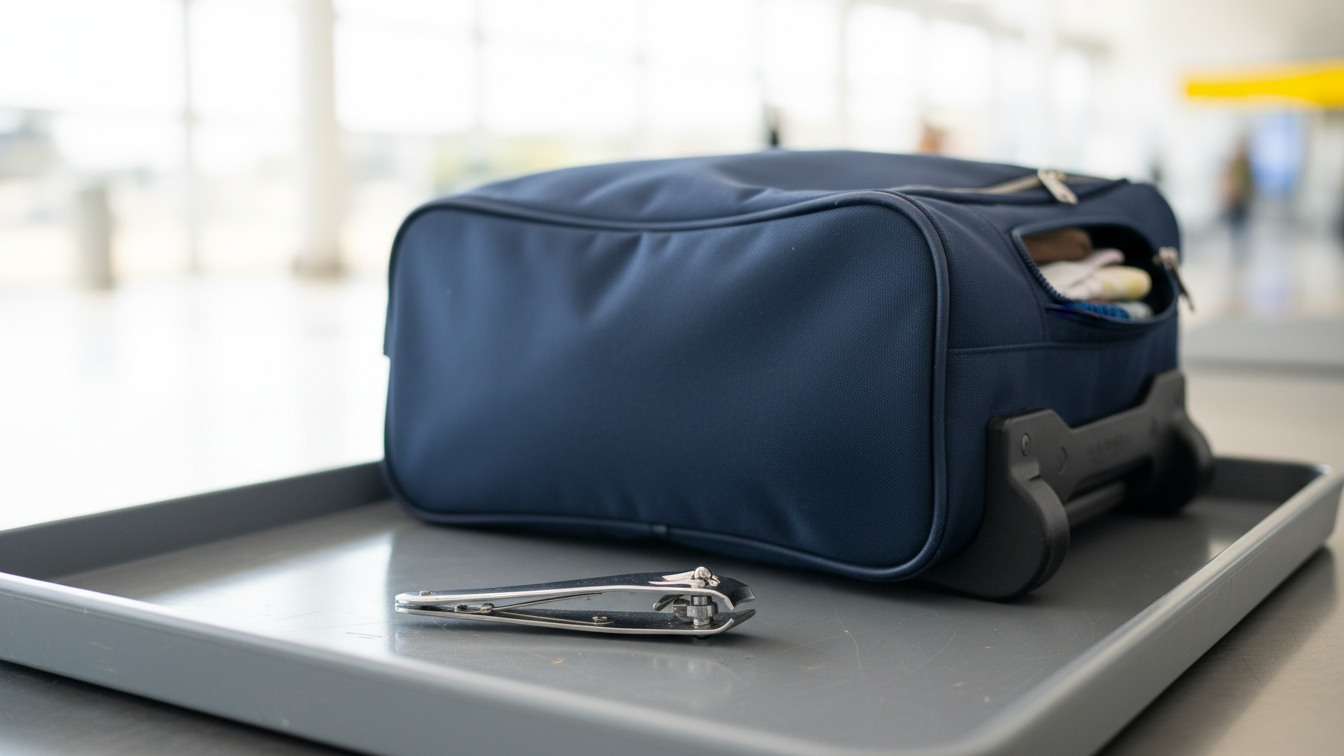
Many travelers wonder if they can bring nail clippers on a plane. The good news is that standard nail clippers are allowed in both carry-on and checked baggage by the TSA. This means you can keep your grooming routine intact without worrying about losing your nail clippers at airport security.
However, there are some rules to be aware of. Nail clippers with blades longer than four inches or those that are part of multi-tools with knives are usually not allowed in carry-on bags. Knowing these details can help passengers avoid delays and keep their travel smooth.
Understanding what is permitted and how to pack your nail care tools properly is important when flying. This guide will explain the key points to keep you prepared and hassle-free as you pass through airport security.
Key Takeways
- Nail clippers are generally allowed in both carry-on and checked bags.
- Sharp tools with long blades or multi-tools with knives may be restricted.
- Proper packing helps prevent delays during security checks.
TSA Guidelines for Nail Clippers
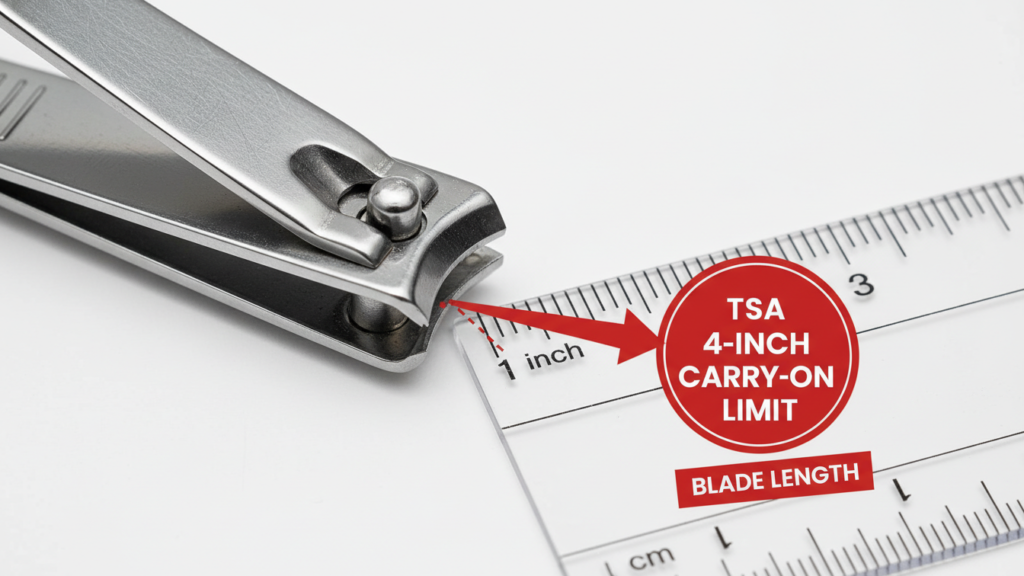
Travelers can carry nail clippers on planes, but there are specific rules about size, blade type, and how the clippers should be packed. Knowing these details helps to get through security smoothly without losing or damaging the item.
Permitted Items in Carry-Ons
Standard nail clippers are allowed in carry-on bags by the TSA. This includes small clippers and typical cuticle trimmers. The TSA treats these as sharp objects but does not ban them.
Items permitted must be small and without large, sharp blades. Nail scissors longer than 4 inches are not allowed in carry-ons and should go in checked luggage instead. Multi-tools that include nail clippers might be restricted based on their blade types.
Passengers should check their airline rules too, but usually, small nail clippers are accepted.
Special Considerations for Blades
Nail clippers with blades under 4 inches from the pivot point are generally allowed. If the clipper has unusually sharp or large blades, TSA officers might question it.
Clippers with sharp edges should be wrapped or kept in a secure case to prevent injury to security staff. Blade attachments on some specialty clippers can trigger additional inspection or confiscation.
The final decision on what passes security rests with the TSA officer on duty.
Packing Tips for Inspection
To avoid issues, put nail clippers in a small pouch or wrap them before placing them in your carry-on. This protects both the passenger and the TSA agents from accidental cuts during screening.
If the clipper is part of a larger multi-tool, keep it separately or check the entire tool if blade length exceeds limits. Labeling the pouch or packaging helps make the inspection process quicker.
Placing clippers in checked baggage is also an option, especially for larger or specialty tools. This can reduce delays at the checkpoint.
International Airline Rules
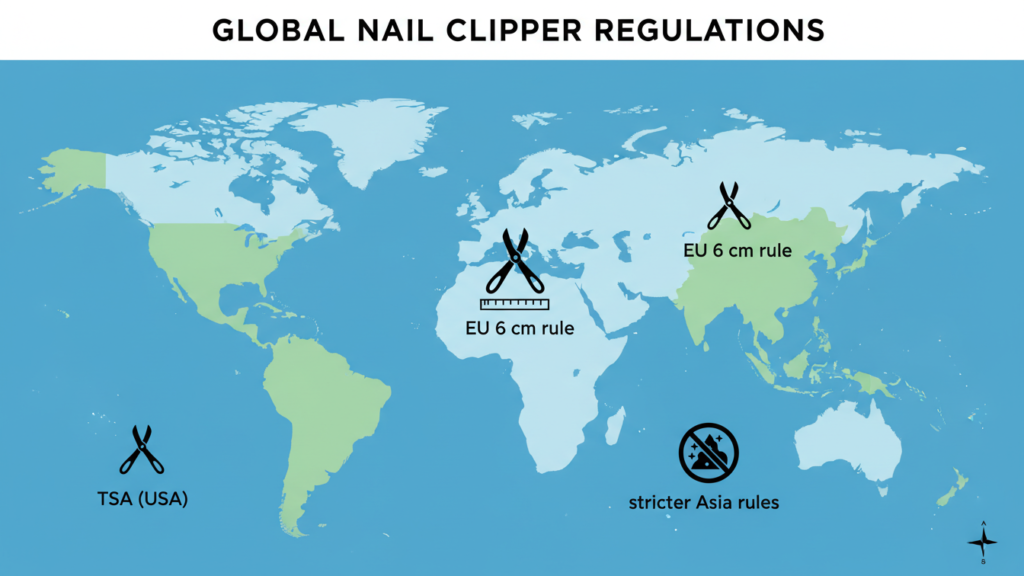
Rules for carrying nail clippers aboard airplanes vary by region. Some places allow standard clippers without issues, while others impose limits based on size or blade type. It is important to understand these details before flying internationally.
EU Airport Regulations
The European Union generally follows strict security measures for sharp objects. Nail clippers are allowed in carry-on bags if the blade is small, usually under 6 cm. Larger or multi-tool clippers with additional blades might be confiscated during screening.
Passengers are advised to keep clippers in a protective case to avoid injury during security checks. Checking with the specific airport or airline beforehand can prevent surprises.
The EU follows the European Union Aviation Safety Agency (EASA) guidelines, which focus on minimizing risks while allowing personal grooming tools. These rules mostly align with TSA standards in the U.S. but may vary slightly between member countries.
Differences With Asian Airlines
Asian airlines typically enforce strict rules on carry-on items, especially sharp objects. Standard nail clippers with short blades are mostly allowed, but multi-tools or clippers with scissors often face restrictions.
Countries like Japan and South Korea closely follow their national aviation security policies, which can be stricter than Western rules. For example, some airlines require nail clippers to be packed only in checked luggage.
It is common for airports in Asia to require passengers to declare sharp items when asked. Using sheathed clippers and checking airline policies before travel is important to avoid delays or confiscation.
Country-Specific Restrictions
Some countries outside the EU and Asia have unique rules regarding nail clippers. In Australia and Canada, small nail clippers are generally allowed in hand luggage, but any tool with an extended blade could be banned.
Middle Eastern countries often follow their own security guidelines, which may prohibit multi-tools containing nail clippers. Passengers should check official aviation websites or seek airline advice before flying through these regions.
In summary, while small standard clippers are widely accepted, variations exist based on blade size, type, and regional security priorities. Awareness of these differences can help travelers avoid problems at security checkpoints.
Checked Baggage vs. Carry-On Policies
Nail clippers are generally allowed in both checked and carry-on bags, but certain rules affect how they are treated during security checks. It is important to understand what happens at screening and how prohibited items are handled to avoid delays or confiscation.
Security Screening Procedures
Nail clippers typically pass through security without issue. TSA agents scan carry-on bags using X-ray machines, where small clippers usually do not raise concerns. Clippers with sharp edges or attachments may get closer inspection, but they are mostly allowed.
In checked baggage, nail clippers are less scrutinized. However, all sharp items must be securely wrapped or sheathed to prevent injury to handlers and inspectors. This helps avoid accidents during baggage handling.
Passengers should also review airline and international rules, as some countries may have stricter security standards. Following these procedures reduces the chances of delays or item confiscation.
Handling Prohibited Items
Items like nail scissors with blades over 4 inches are not allowed in carry-on luggage. They must be packed in checked bags. If prohibited, TSA will either confiscate the item or ask the traveler to remove it before proceeding.
Nail clippers rarely fall under prohibited item lists because they are small and do not present significant danger. Still, travelers should keep them in accessible places for inspection if needed.
It is crucial to avoid carrying other sharp tools in the same bag without protection. Proper packaging and awareness of TSA rules help prevent complications during airport security checks.
Traveling With Manicure Tools
When bringing nail care items on a plane, it’s important to know which tools are allowed and how to pack them. Some items are simple and easy to carry, while others need special attention to follow security rules.
Other Common Nail Care Items
Small nail clippers and cuticle clippers are generally allowed in both carry-on and checked bags. Nail scissors can be tricky: blades longer than 4 inches from the pivot point are not allowed in carry-on luggage, but smaller ones usually are. Items like nail files and buffers can be carried without issue if they are made of non-metal or are blunt in shape.
Manicure kits with multiple tools that include blades or knives are not allowed in carry-on bags. Multi-tools that fold out blades are also banned. Gel nail polish is permitted if it follows liquid rules, meaning each container must be 3.4 ounces or less and fit into a clear liquids bag.
Storing Metal Items Safely
Sharp items in checked bags must be wrapped or sheathed. This protects baggage handlers and security officers from injury during inspection. Simple nail clippers usually do not require additional wrapping, but scissors or larger sharp tools should be covered to prevent accidental cuts.
For carry-on luggage, nail clippers and blunt grooming tools are allowed without special packaging. However, if nail scissors are allowed, they should be packed securely to avoid injury or damage to other items. Using a small hard case or sheath for metal tools is recommended to keep them safe and organized.
Tips for Hassle-Free Security Screening
Planning and packing nail clippers correctly can help avoid delays at the security checkpoint. Clear organization and polite communication with security officers also play key roles in a smooth screening process. Travelers should focus on how to store their nail clippers and how to interact with agents if questions arise.
Organizing Personal Care Products
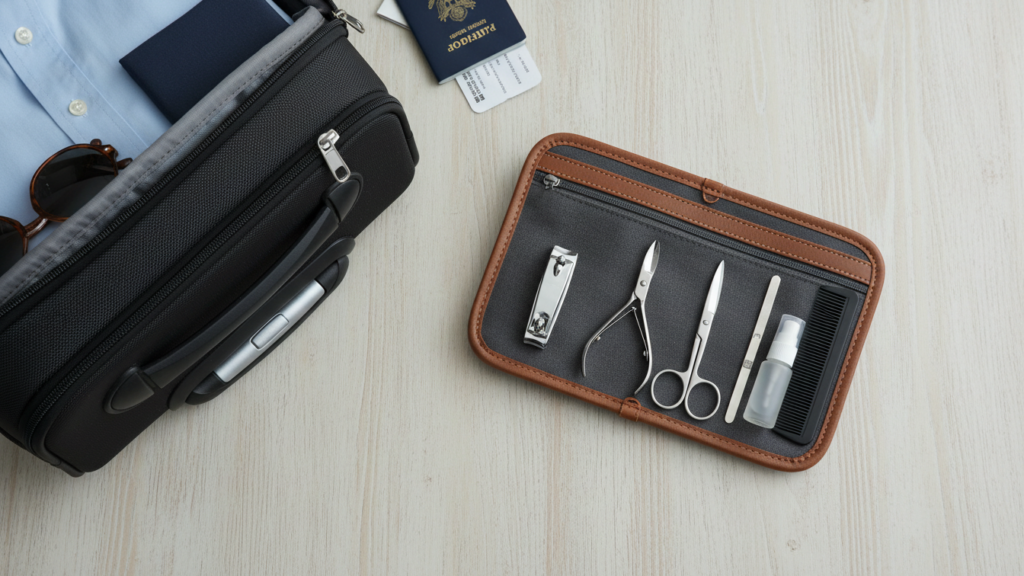
Nail clippers should be stored in a clear, easy-to-access part of the carry-on bag. Keeping them in a dedicated pouch or a small container helps prevent confusion during security checks. It is best to sheath the clippers or cover the blades to avoid any concerns about sharp edges.
If carrying other grooming tools, arrange them neatly to show they are for personal care. Avoid placing clippers next to items like knives or multi-tools, as this might raise flags. Labeling the grooming kit or using a transparent bag can speed up the process.
Communicating With Security Agents
If a security officer asks about the nail clippers, answering clearly and calmly helps. Travelers should explain it is a personal grooming tool and point out if it has a protective cover. Being cooperative and respectful reduces chances of extra screening.
If the clippers are part of a multi-tool, additional scrutiny is possible. In these cases, offering to remove the item for separate inspection can ease the process. Staying informed about TSA rules before the trip can give travelers confidence when talking with agents.
Consequences of Non-Compliance
Travelers who bring nail clippers that do not meet TSA rules or airline policies can face specific consequences. These mainly involve losing their items or experiencing delays during security checks. Knowing these risks helps avoid trouble at the airport.
Item Confiscation
If nail clippers are deemed too large, sharp, or part of a multi-tool with blades, security officers may take them away. This happens most often when clippers exceed the allowed size or if they look dangerous. Once confiscated, these items usually are not returned.
Passengers should pack such clippers in checked luggage to prevent this. Attempting to bring prohibited clippers through security can lead to losing a personal item permanently. It is important to check TSA guidelines before packing to avoid surprises.
Potential Delays During Boarding
Carrying nail clippers that do not comply with rules can slow down the boarding process. Security staff may need to take extra time to inspect the passenger’s bags or question the traveler. This can hold up the line and lead to missed connections if the delay is long.
Delays can be minimized by screening luggage ahead of time or removing questionable items before security. Being prepared and aware of allowed sizes reduces the chance of extra checks and frustration during boarding.
Special Considerations for Medical Needs
Passengers with medical needs may have some flexibility when bringing nail clippers on a plane. It is important to understand how to prepare and present these items during security screening to avoid delays or confiscation.
Bringing Nail Clippers for Health Reasons
If a passenger requires nail clippers for a medical condition, such as diabetes or other health issues affecting nail care, TSA often allows them on board even if they do not fully meet standard size rules. Small and medium-sized clippers are generally accepted, but specialty or larger clippers may need extra attention.
Travelers should pack clippers securely and clearly indicate their medical necessity. It helps to keep the clippers accessible for security personnel to check. Being upfront and polite during screening can reduce confusion and speed up the process.
Providing Documentation to Security
While documentation is not always required, having proof of medical need can assist at the security checkpoint. This may include a doctor’s note or medical ID indicating that nail care tools are necessary for health reasons.
Presenting documentation along with the nail clippers can clarify the purpose and avoid misunderstandings. Security officers may still inspect the item, but proper papers help verify its necessity, making it easier to carry the clippers through carry-on luggage.
Passengers should prepare any documents before arriving at the airport and keep them handy during screening to streamline the process.
Essential Travel Preparation Advice
Travelers should check their nail clippers before packing. Small, standard nail clippers are allowed in both carry-on and checked bags. However, specialty clippers or those attached to multi-tools might face restrictions. It is best to avoid bringing large or sharp tools in carry-on luggage.
Nail clippers should be kept clean and secured. Placing them in a small case or sheath prevents injury to baggage handlers and avoids damage. Wrapping or covering sharp edges adds a layer of safety for everyone involved.
When packing, travelers should be aware of airline and TSA rules. Most airlines follow TSA guidelines, which permit small nail clippers in carry-on baggage. Larger clippers or scissors with blades over 4 inches must go in checked luggage.
Before the flight, travelers can also review current security rules online. Regulations can change, so staying informed helps avoid surprises at the security checkpoint.
Key Tips:
- Pack nail clippers in carry-on or checked bags if small and standard.
- Avoid sharp or multi-tool clippers in carry-on luggage.
- Use a cover or case to protect the clippers and handlers.
- Verify rules with the airline or security websites before traveling.
This careful preparation helps ensure a smooth security screening process.
Conclusion
Nail clippers are generally allowed on planes in both carry-on and checked luggage. Standard nail clippers without additional sharp tools pose no significant security risk and are accepted by the TSA.
Items like nail scissors with blades longer than 4 inches or multi-tools that include knife blades are restricted in carry-ons. These must be packed in checked baggage to avoid issues at security checkpoints.
Travelers should keep in mind:
- Standard nail clippers: Allowed in carry-on and checked bags.
- Multi-tool clippers with blades: Not allowed in carry-on, only checked baggage.
- Nail scissors over 4 inches: Must go in checked luggage.
Being aware of these rules helps ensure a smoother and faster security process. Checking airline-specific policies can also prevent surprises.
Keeping nail care tools simple and easy to identify reduces the chance of delays or confiscation. It is best to avoid bringing any sharp objects that might be confused with weapons.
In short, nail clippers are safe to bring when packed correctly and used responsibly. This makes them a convenient item for travelers to carry on board or pack without worry.