Are Nail Oils Good for Dry, Brittle, and Weak Nails?

If your nails peel, split, or feel dry no matter how much hand cream you use, nail oil is worth a closer look. It is not a miracle fix, but it can be a practical, low-effort way to support the nails and cuticles you already have.

Nail oil is most useful when the problem is dryness. That includes rough cuticles, brittle edges, peeling layers, and nails that look dull after frequent washing, acetone remover, or repeated manicures. Used consistently, it can help the nail area feel more comfortable and look healthier by reducing dryness-related roughness.
What Nail Oil Actually Does
Nail oil is a conditioning product made for the nail plate, cuticles, and the skin around the nails. Most formulas use plant oils, sometimes with vitamin E or other emollients, to help reduce dryness and improve the feel and appearance of the nail area.
The basic idea is simple: dry nails are more likely to feel rigid and break. When the surrounding skin and nail plate are better conditioned, the nail can stay more flexible. That flexibility matters because very dry nails tend to split, peel, or snag more easily.
Jojoba is often highlighted because its structure is similar to the skin’s natural lipids, so it can tend to spread and condition the cuticle area in a way that feels familiar to skin. That does not make it magic, but it can make jojoba-based oils a practical option for helping the nail area stay conditioned.
A good nail and skin oil may also help keep the nail bed and cuticle area in better condition by supporting flexibility and reducing roughness. That does not mean it changes the structure of the nail overnight. It means it can help the nail area look and feel better with regular use.
Do Nail Oils Actually Work?
Yes, they can work well for the right problem. If your concern is dryness, nail oil often helps. If your nails are weak because they are dehydrated, exposed to harsh cleansers, or repeatedly polished and removed, the improvement may become noticeable over time.
What nail oil usually does best:
- softens dry cuticles
- reduces rough, flaky skin around the nail
- helps nails feel less rigid
- may make peeling and splitting less frequent when dryness is part of the cause
- improves the look of manicures by keeping the surrounding skin smoother
What it does not do:
- cure nail disease
- treat fungal infections
- instantly repair severe damage
- guarantee faster growth
That last point matters. Nail oil is maintenance, not a rescue product. If the nail problem is mostly cosmetic dryness, it can be very useful. If the nail is changing color, lifting, thickening, or becoming painful, oil is not the answer.
Why Dry, Brittle, or Peeling Nails Often Benefit Most
Dry nails tend to be the biggest winners here because moisture loss is often part of the problem. When the nail plate and cuticle area are dehydrated, the nail can become more prone to peeling at the free edge or splitting down the middle.
A few common examples:
- Frequent handwashing: water and soap can leave the nail area feeling stripped, especially if you wash many times a day.
- Acetone use: polish remover can leave nails and cuticles feeling dry and rough.
- Gel or acrylic wear: enhancements can look polished, but the surrounding skin still needs conditioning.
- Cold weather or indoor heating: both can make nails and cuticles feel more fragile.
In those situations, nail oil does not “fix” the cause, but it can reduce the dryness that makes the nails feel worse.
Why Jojoba-Based Oils Are Often Recommended
Jojoba oil comes up often for a reason. It is lightweight, spreads easily, and is comfortable for frequent use. Many people prefer it because it typically feels less heavy than richer oils and can be easier to apply several times a day without leaving as much of a greasy finish.
It is also a sensible choice for the nail area because it tends to work well as a cuticle-conditioning oil in daily routines. If you want something you can keep at your desk, by the sink, or in your bag, jojoba-based formulas are usually practical.
That said, jojoba is not the only useful ingredient. It is simply one of the easiest to live with, especially if you plan to use nail oil consistently.
Ingredients and Formulas Worth Looking For
When you compare nail oils, focus on texture, absorption, and how your skin reacts—not just the ingredient list.
Common ingredients and what they tend to offer
- Jojoba oil: lightweight, easy to use often, good for daily conditioning
- Vitamin E: commonly included for conditioning support and to help the formula feel more nourishing
- Sweet almond oil: a richer-feeling option that many people like for dry cuticles
- Argan oil: often used in smoother, more elegant-feeling blends
- Blended carrier oils: can combine fast absorption with a softer finish
Natural single oils vs blended commercial formulas
A simple oil can be a smart choice if you want fewer ingredients and a straightforward feel. A blended commercial nail oil may be better if you want easier application, quicker absorption, or a more polished finish.
Here is a practical rule:
- choose single-ingredient oils if you prefer simplicity and know your skin tolerates them well
- choose blends if you want a formula that feels less greasy and is easier to use every day
If your skin is sensitive, fragrance-free is usually the safer place to start. Fragrance and essential oils can be irritating for some people, especially around already-dry cuticles.
How to Apply Nail Oil Correctly
Nail oil works best when it reaches the whole nail area, not just the center of the nail plate.
A simple application routine
- Place a small drop on each nail or use the brush/applicator.
- Massage it into the cuticle line.
- Spread the remaining oil over the nail plate.
- Work a little into the skin at the sidewalls and the fingertip area.
- If you have a free edge, lightly smooth oil under the tip as well.
That last step is easy to forget, but dry nails often split near the edge. A little oil there may help reduce dryness-related rigidity.
You do not need to drown the nail in product. Enough to coat the nail and cuticle area is usually plenty. Absorption can vary by formula and by how dry your skin is, so a little visible residue does not always mean you used too much.
How Often to Use It and When to Expect Results
For most people, daily use is the sweet spot. If your nails are very dry, applying nail oil more than once a day can make sense, especially after handwashing or before bed.
A realistic timeline looks like this:
- within days: cuticles may feel softer
- after a couple of weeks: the nail area may look less rough and feel less dry
- with consistent use: peeling and splitting may become less frequent if dryness was a major trigger
If you use it once in a while, you may notice very little. Nail oil is one of those products where consistency matters more than intensity.
Nail Oil vs Hand Lotion, Cuticle Cream, and Nail Strengtheners
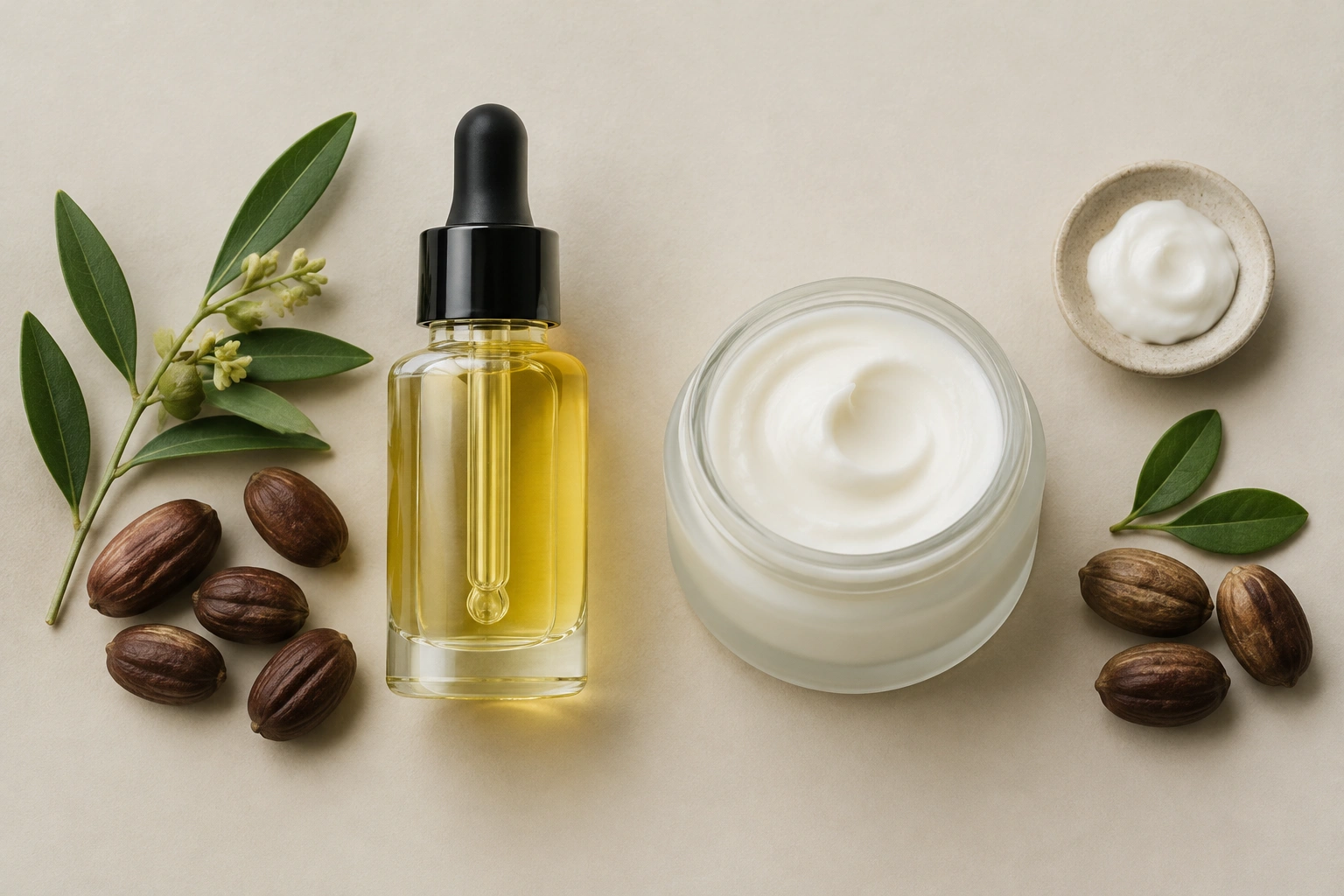
These products overlap, but they are not the same.
| Product | Best for | Texture/feel | Main trade-off |
|---|---|---|---|
| Nail oil | Dry nails, rough cuticles, flexibility | Lightweight to medium | Less rich than cream |
| Cuticle cream | Very dry skin around the nails | Thicker, more occlusive | Can feel heavier and slower to absorb |
| Hand lotion | Overall hand dryness | Varies from light to rich | Less targeted for nail plate conditioning |
| Nail strengthener | Nails that need structural support | Usually a treatment finish | Not designed to moisturize like oil |
If your nails are dry, nail oil is often the most targeted choice. If the skin around your nails is very rough, cuticle cream may feel more satisfying. If your whole hand is dry, lotion still matters. Many people do best with both lotion and oil rather than choosing only one.
A simple decision guide: choose nail oil for dry nail plates and cuticles, hand lotion for general hand dryness, and cuticle cream when the skin around the nails is especially rough or cracked. If you are deciding whether nail oil is worth buying, it is usually most useful when dryness is concentrated around the nails rather than across the whole hand.
Strengtheners are different again. They are not a replacement for hydration. If your nails are brittle because they are dry, a strengthener alone may not solve the problem.
How Nail Oil Fits With Polish, Gel, and Acrylic Nails
Nail oil is easy to use with regular polish, gel polish, and acrylics, but the application needs to be gentle.
With regular polish, oil is usually best around the cuticle and sidewalls rather than rubbed aggressively over fresh polish. Once the polish is fully dry, you can oil the nail area normally. If adhesion is a concern, avoid applying oil immediately before polish goes on, since residue can interfere with how well polish grips the nail.
With gel polish, oil can help keep the surrounding skin from drying out, which is useful because gel wear often comes with more dryness around the nail. Apply it around the cuticle line and massage lightly. After the gel is fully set, oil the surrounding skin as needed.
With acrylic nails, oil is helpful for the same reason: the enhancement may look smooth, but the skin around it can still get dry. Avoid rough rubbing near the edges so you do not disturb lifting-prone areas.
If you wear enhancements regularly, nail oil is one of the easiest ways to keep the nail area looking cared for between appointments.
What Nail Oil Can Improve—and What It Cannot Fix
Nail oil can improve the look and feel of dry nails. It can help cuticles appear smoother, reduce roughness, and make brittle nails less prone to snapping when dryness is the main issue.
It cannot fix everything.
It will not treat:
- fungal infections
- nail psoriasis
- persistent discoloration
- pain, swelling, or infection around the nail
- major structural damage from trauma
If a nail problem is medical, cosmetic oil is not enough. That is an important line to keep in mind so you do not waste time on a product that was never meant to solve the real issue.
Who Is Most Likely to Benefit
Nail oil is most useful for people who deal with dryness in everyday life. That includes:
- frequent hand washers
- people who use remover often
- manicure and pedicure regulars
- gel or acrylic wearers
- anyone with rough cuticles or peeling nail edges
- people living in dry climates or cold seasons
If your nails are already naturally flexible and your cuticles are comfortable, you may not notice a dramatic change. In that case, nail oil is more of a maintenance product than a problem solver.
Possible Downsides and When to Be Cautious
Nail oil is generally simple, but it is still worth being selective.
Watch for:
- fragrance or essential oil irritation if your skin is sensitive
- allergic reactions to specific plant oils
- broken, inflamed, or infected cuticles, which need more caution
- using too much product, which can feel messy and may interfere with grip
If the cuticle area is cracked and tender, use a gentle formula and avoid rubbing aggressively. And if the nail is painful, swollen, or changing in a way that does not seem like ordinary dryness, it is better to get it checked.
When to See a Nail Technician or Dermatologist
See a professional if the problem is not just dryness. A nail technician can help with routine care and product choices, but a dermatologist is the right person if you notice persistent changes such as:
- nail lifting
- thickening
- unusual color changes
- pain
- swelling
- signs of infection
- nail damage that keeps worsening
That distinction matters. Nail oil is for care and conditioning. It is not a substitute for diagnosis.
The Bottom Line
So, are nail oils good? Yes—especially if your main concern is dryness, rough cuticles, peeling, or brittle-looking nails. They are one of the simplest products you can add to a nail routine, and they often make the biggest difference when used consistently rather than occasionally.
If you want a practical place to begin, choose a lightweight jojoba-based oil, apply it daily to the cuticles and nail plate, and give it a few weeks before judging the results. For many people, that is enough to see whether nail oil deserves a permanent place in the routine.
FAQ
Is nail oil better than hand lotion?
Not always. Nail oil is usually better for conditioning the nail plate and cuticles, while hand lotion is better for overall hand dryness. Many people use both.
Is cuticle cream better than nail oil?
Cuticle cream can be better if the skin around the nails is very rough, dry, or flaky. Nail oil is often better if you want a lighter product for frequent use.
Should I use nail oil before or after polish?
After polish is fully dry or set is usually best. Avoid applying oil immediately before polish if adhesion is a concern.
Is jojoba oil better than richer oils?
It depends on your needs. Jojoba is a good everyday option for mildly dry or sensitive skin because it tends to feel lighter. Richer oils may feel more satisfying if your cuticles are very dry.
When is nail oil worth buying?
It is usually worth buying if your main issue is dryness around the nails, especially if hand cream alone is not enough. If your hands are only mildly dry, a basic hand cream may be sufficient.