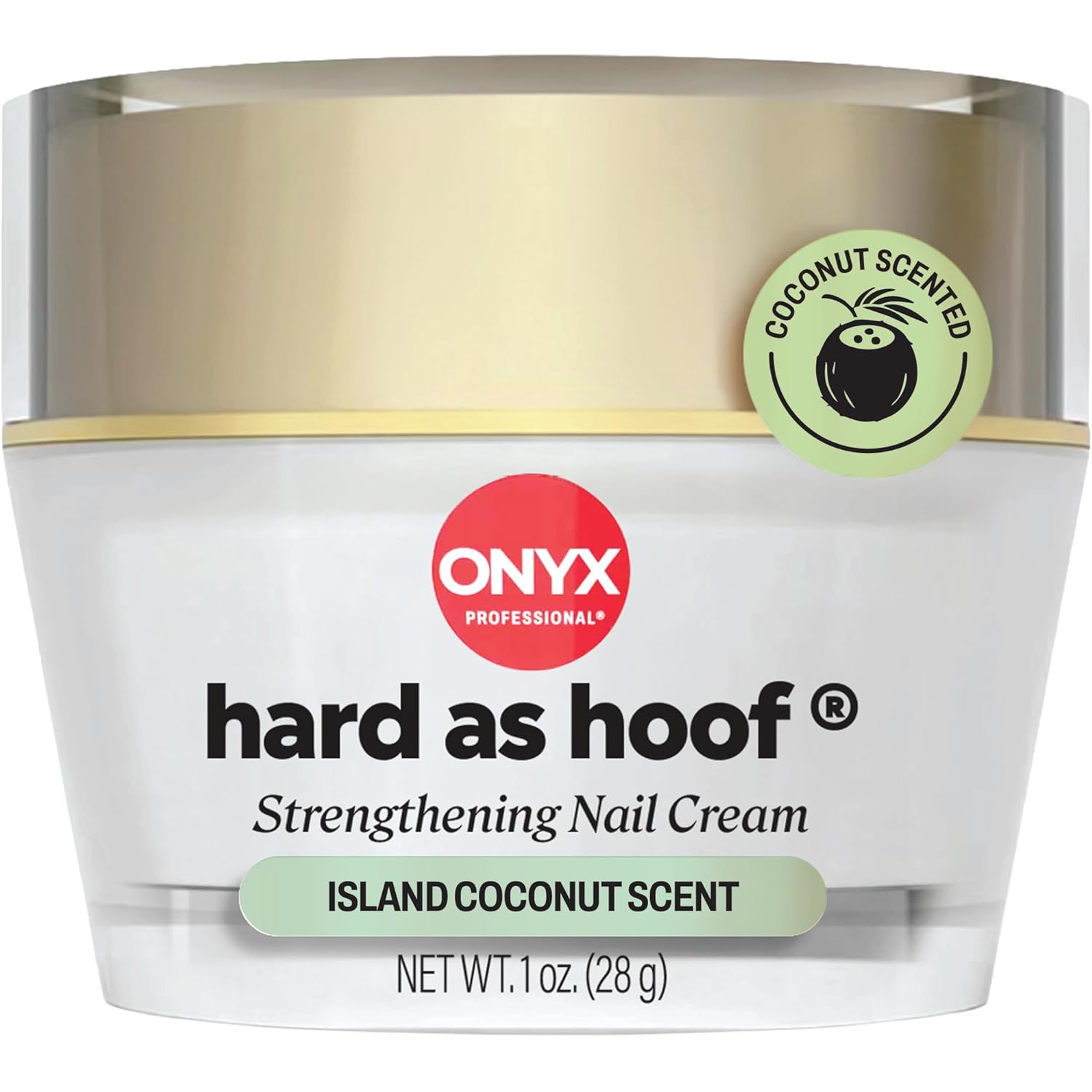
Nail oil helps keep nails and cuticles soft, reduces peeling, and supports healthier growth. Many formulas use lightweight oils like jojoba, argan, or vitamin E that absorb quickly and don’t leave a greasy feel. People often use nail oil as part of a weekly routine to repair damage from polish, gels, or frequent hand washing. When choosing a nail oil, look for ingredients that penetrate the nail plate (like jojoba or almond oil), plus added vitamins or proteins that strengthen nails. Packaging matters too: a brush or dropper can make application neater, and a stable pump reduces waste. The most…
Author: Ella Hart
Nail moisturizers help repair dry, cracked nails and the skin around them. They come as creams, oils, balms, or serums and aim to add hydration, strengthen brittle nails, and reduce peeling. People use them as part of a regular hand-care routine or to treat specific problems like hangnails and split nails. Choosing the right nail moisturizer depends on ingredients, texture, and how quickly it absorbs. Look for humectants like glycerin or hyaluronic acid for hydration, emollients such as shea butter or oils for softness, and proteins or keratin if nail strength is a priority. The most important factor is picking…
Nail ridge fillers smooth raised lines and uneven texture on nails to create a clean, uniform surface for polish or a natural look. They come as creams, gels, or polishes that fill ridges and hide discoloration while often adding strength and shine. People use them to improve nail appearance quickly or to prep nails for longer-lasting manicures. Buyers should focus on formula (cream, gel, or polish), drying time, and whether the product contains strengthening ingredients like keratin or calcium. They should also check for non-yellowing finishes and easy application and removal, since those factors affect everyday use and long-term nail…
Nail repair products help restore strength, smoothness, and appearance after gel polish or extensions. Many formulas target common post-gel issues like peeling, thinning, and surface ridges. Treatments come as oils, serums, creams, or strengthening polishes that either hydrate the nail plate, bond layers, or add protective protein and vitamins. Buyers should focus on active ingredients, application method, and drying time. Ingredients like hydrolyzed keratin, biotin, and vitamin E help rebuild the nail, while solvents or strong acids can cause further damage. Choose a product with proven strengthening ingredients and a gentle solvent-free formula to restore nails without adding more stress.…
Nail repair products help fix splits, ridges, and weak nails so nails look and feel healthier. They range from quick-fix glue and fiberglass wraps to strengthening serums and nail hardeners that build resilience over time. People choose different types depending on whether they need a fast mend for a broken tip, along-term treatment for brittle nails, or a base layer that supports salon enhancements. Choosing the right product depends on three things: the type of damage, ingredient safety, and ease of use. Some products work best for surface ridges, while others bond deep tears; formulas with harsh solvents can weaken…
Nail repair treatments help restore strength, smoothness, and appearance to damaged nails. They come as oils, creams, serums, and strengthening polishes that target issues like peeling, splitting, and brittleness. These products work by adding moisture, protein, or a protective layer to nails and cuticles so nails grow out healthier and break less often. Choosing the right treatment depends on what caused the damage and how fast results are needed. Look for active ingredients like biotin, keratin, formaldehyde-free hardeners, and nourishing oils, and pay attention to application style, drying time, and whether the formula suits sensitive skin. The most useful treatments…
Weak nails can split, peel, and break easily, making everyday tasks harder and nails look unhealthy. Nail treatments for weak nails include strengthening polishes, protein-enriched serums, cuticle oils, and hardeners that aim to rebuild nail structure, add moisture, and prevent breaking. These products work in different ways—some add a protective coating, while others deliver nutrients like biotin, keratin, or calcium to support nail growth. The key things to check when choosing a treatment are the active ingredients, ease of use, and potential for irritation. People should look for evidence-backed ingredients (like keratin or hydrolyzed protein), avoid harsh solvents that can…
Damaged nails can be thin, brittle, split, or constantly peeling, which makes everyday tasks harder and polish look uneven. Treatments for damaged nails range from strengthening polishes and concentrated serums to repair patches and intensive oil blends. These products aim to restore moisture, rebuild keratin bonds, and protect nails from further trauma so nails can grow stronger and look healthier. Choosing the right product depends on the type and cause of the damage. Important factors include whether the formula is moisturizing versus protein-building, how quickly it absorbs, whether it contains potentially irritating ingredients like formaldehyde or strong solvents, and how…
Nail treatments help repair, strengthen, and protect natural nails or enhance the look of manicures. They range from strengthening polishes and cuticle oils to professional salon gels and rebuilding systems. Many products aim to reduce peeling, add shine, or encourage growth, so shoppers can choose based on whether they want daily care, damage repair, or long-lasting polish. When choosing a nail treatment, the key things to check are active ingredients, application ease, and how long results last. Ingredients like biotin, keratin, and strengthening polymers affect repair and growth, while solvents and harsh acrylates can cause irritation for sensitive skin. Look…
Weak nails can crack, peel, and break easily, making basic tasks harder and nail polish look uneven. Nail enhancements—such as strengthening polishes, gel overlays, and acrylics—aim to add support, prevent splitting, and help nails grow healthier over time. Each type balances strength, flexibility, and natural look differently, so the right choice depends on daily activities and how long someone wants the results to last. The main things to watch for are ingredients that strengthen without causing damage, the level of upkeep required, and how gentle the removal process is on natural nails. Look for products with proven strengthening ingredients and…
Nail hardeners help make weak, peeling, or split nails stronger so they grow longer and look healthier. Many traditional formulas used formaldehyde or its releasers to harden nails, but those chemicals can cause irritation or sensitivity. You’ll find formaldehyde-free options that use safer alternatives like proteins, calcium, or polymers to add strength without harsh fumes. When choosing a formaldehyde-free hardener, pay attention to active ingredients, how it affects nail flexibility, and whether it layers well under polish. Also consider drying time, ease of removal, and if the formula avoids other common irritants like toluene or DBP. Look for a product…
Nail hardeners help strengthen weak, peeling, or brittle nails by adding a protective layer that reduces breakage and encourages growth. They come as clear or tinted polishes, treatments with formaldehyde or alternative proteins, and formulas for daily wear or short-term repair. People often pick a hardener to keep nails intact between salon visits or to rebuild damaged nails after exposure to water, chemicals, or acrylics. Buyers should focus on the active ingredients, drying time, and whether the formula is safe for frequent use—some strong hardeners contain formaldehyde, which works fast but can cause sensitivity, while gentler protein- or vitamin-based options…
Nail hardeners strengthen weak or peeling nails by adding a protective layer that resists breaks and splits. They come as clear polishes, fortifying topcoats, or treatments with proteins and minerals that build nail resilience over time. People often use them when nails thin from age, acrylics, gel removals, or daily wear to speed up growth and reduce chipping. Choosing the right nail hardener depends on nail condition and goals: look at active ingredients (like keratin, calcium, or formaldehyde alternatives), formula type (polish vs. treatment), and how often it needs reapplying. The most important factor is the ingredient list—pick a hardener…
Nail strengtheners help repair weak, peeling, or brittle nails by adding proteins, moisture, or a protective layer. They come as clear polishes, treatment formulas, or base coats that can be worn alone or under color. People use them to slow splitting, add flexibility, and give nails a smoother, healthier look without salon treatments. Choosing the right nail strengthener depends on what caused the problem and how someone plans to use it. Look for active ingredients like keratin, calcium, or collagen for rebuilding, and humectants like glycerin or hyaluronic acid for hydration; consider formula texture, dry time, and whether it doubles…
Strong, healthy nails make daily tasks easier and help polish a person’s look. Nail strengtheners are treatments designed to firm, repair, and protect brittle or peeling nails by adding protein, moisture, or a hardening layer that reduces breakage. They come as clear polishes, thicker gels, or treatments with ingredients like keratin, calcium, biotin, and formaldehyde alternatives. Choosing the right nail strengthener depends on what causes the weakness and how the person uses it. Some need a flexible formula to avoid cracking, while others need a medical-grade product for severe splitting; ingredients, drying time, and whether the formula is safe for…