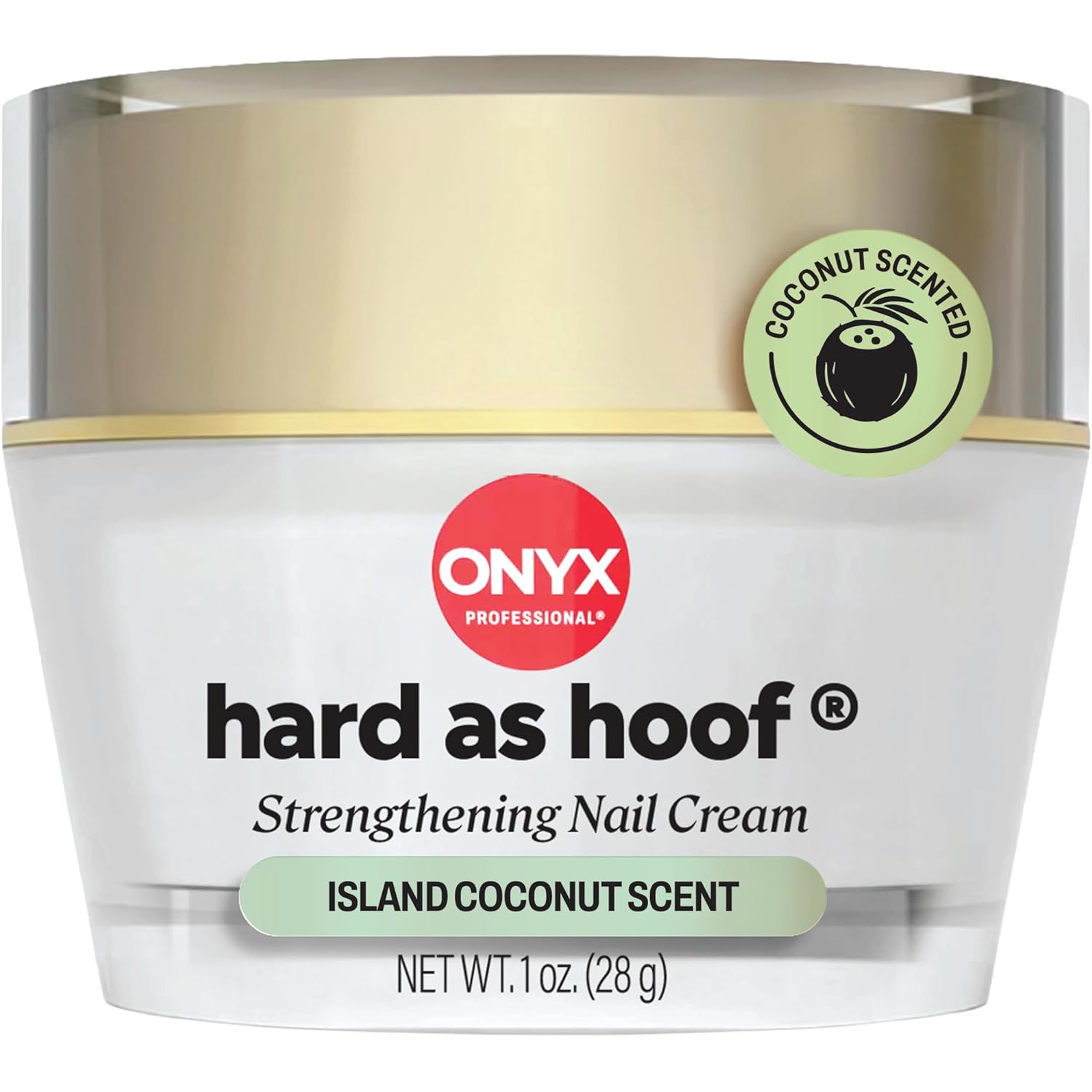
Beginner How to Strengthen Nails Tips Compared and Explained

Nail hardener is usually better for beginners with soft, bendy nails that need more temporary structure. Nail oil and moisture care is usually better for dry, peeling, or splitting nails, and it is often the easier low-maintenance starting point.
If you are searching for why nails break easily and how to fix the problem, the main choice for beginners is usually between a nail hardener and a moisture-first routine with nail oil. The better starting point depends on whether your nails need temporary structure, better hydration, or both.
- Structure vs hydration: Hardener firms nails; oil supports flexibility and moisture.
- Best match matters: Soft nails and dry nails usually need different routines.
- Beginners benefit from balance: Many nails need both protection and hydration.
- Gentle habits count: Filing, water exposure, and removal affect results.
Beginner How to Strengthen Nails: Which Approach Works Better?

Visual guide: Beginner How to Strengthen Nails: Which Approach Works Better?
For most beginners, the simplest answer is this: use a hardener when your nails are soft and bendy, but lean on oil and hydration care when your nails are dry, peeling, or splitting. Many people need a mix of both, because nails can be weak for different reasons.
“Strengthening” in 2026 usually means making nails less likely to bend, peel, or snap during normal daily life. It does not always mean making nails harder in the literal sense, because very hard nails can also become more brittle if they are overtreated or dried out.
Hardener gives nails more temporary structure, while oil and moisture care focus on flexibility, comfort, and long-term resilience. Beginners usually choose based on whether the main issue is bending or dryness.
Quick direct answer for beginners
If your nails bend, catch, and feel flimsy, a nail hardener may give the fastest visible change. If your nails peel, feel rough, or split at the tips, nail oil and hydration care usually make more sense first.
For many beginners, the safest plan is to start with gentle moisture care and add strengthening support only if needed. That approach is easier to maintain and less likely to make nails feel stiff or stressed.
What “strengthening nails” really means in 2026
Strengthening is less about making nails invincible and more about improving how they behave under everyday wear. Healthy-looking nails should flex a little, hold shape, and resist peeling without feeling paper-thin.
That is why two people can both say their nails are “weak” and still need different routines. One may need more structure, while the other may need less dryness and better protection from water and friction.
Strengthening Methods Compared: Nail Hardener vs. Nail Oil and Moisture Care
The biggest difference between these two approaches is that one changes the nail’s surface feel quickly, while the other supports the nail over time through flexibility and hydration. Neither method is magic on its own, and results can vary depending on nail condition, habits, and how often the treatment is used.
| Feature | Nail Hardener | Nail Oil and Moisture Care |
|---|---|---|
| Best for | Soft, bendy, easily dented nails | Dry, peeling, brittle, or splitting nails |
| Main effect | Temporary structure and firmness | Flexibility, comfort, and reduced dryness |
| Daily upkeep | More careful use and monitoring | Simple, repeatable, low-stress routine |
| Feel on nails | Can feel firmer or stiffer | Usually feels softer and more flexible |
| Removal/maintenance | May need gentle removal or reapplication | Usually no special removal needed |
Temporary structure
Best for beginners whose nails bend too easily and need a firmer surface for daily wear.
VS
Hydration-first support
Best for beginners whose nails peel, split, or feel dry after washing, filing, or polish changes.
Side-by-side comparison table: how each method works
Nail hardeners usually work by making the nail plate feel more rigid for a period of time. That can help if your nails are soft enough to fold or snag, but it may not solve dryness underneath.
Nail oil and moisture care work differently. They help reduce dryness around the nail plate and cuticle area, which can support flexibility and make nails less likely to crack along dry edges.
Key differences in results, feel, and daily upkeep
Hardeners tend to create a more noticeable “instant” change in how nails feel. That can be helpful for beginners who want nails to hold up better right away, but it also means you need to watch for stiffness or overuse.
Oil-based care usually feels gentler and easier to keep up with. The trade-off is that the changes can be slower and more subtle, especially if nails are already very weak from repeated water exposure or harsh removal.
How long each method usually takes to show changes
A hardener may make nails feel different after one or a few uses, though that does not always mean the nail is healthier underneath. The visible improvement can be quick, but the routine still needs to be used carefully.
Moisture care usually takes longer to show a difference. For many beginners, the payoff is gradual: less peeling, less roughness, and a more comfortable nail edge after consistent use.
When Each Nail Strengthening Method Makes the Most Sense
The best choice depends on the main problem you notice first. If you can identify whether your nails are too soft, too dry, or simply overworked, the decision becomes much easier.
This is usually the better fit when the nail surface feels too flexible and needs temporary support for daily tasks.
This is usually the better fit when dryness seems to be the main issue and you want a gentler routine.
Best for soft, peeling, or flexible nails
Soft nails often benefit more from structure than from extra oil alone. If your nails flatten, dent, or bend too much, a hardener can help them feel more stable during the day.
But if the same soft nails are also peeling, a moisture-first routine may still be needed in addition to structure. The goal is to avoid treating flexibility as the only problem when dryness is also part of it.
Best for dry, brittle, or splitting nails
Dry, brittle nails usually respond better to hydration support than to stronger and stronger hardening layers. Too much stiffness can make an already dry nail more likely to snap.
Oil and moisture care are often the better starting point here because they support the nail’s natural flexibility. That can be especially helpful if your nails split after washing, filing, or using remover often.
Best for beginners who want low-maintenance care
If you want the easiest routine to remember, moisture care is usually more beginner-friendly. It can fit into a simple daily habit and does not usually require much adjustment.
Hardeners can still work for beginners, but they usually need more attention. You may need to track how often you apply them and whether your nails start feeling too rigid or dry.
Best for people who use their hands a lot at work or home
If your hands are constantly exposed to washing, cleaning, typing, lifting, or food prep, your nails may need both protection and flexibility. In that case, moisture care is often the safer base because it supports the nail barrier without making it overly stiff.
Some people in hands-on jobs like a little hardener for extra support, but that depends on how their nails react. If your nails chip or crack from repeated impact, the right balance matters more than choosing one method alone.
Pros and Cons of Each Nail Strengthening Approach
Neither method is perfect for every nail type. The most useful comparison is to look at what each approach does well and where it can backfire if you rely on it too heavily.
Benefits of nail hardeners for temporary structure
Nail hardeners can be useful when your nails need a firmer surface fast. They may help reduce bending, make nails feel less flimsy, and give beginners a more controlled starting point.
That temporary structure can be especially helpful after a period of breakage or when nails are growing out unevenly. It can also make nails feel more manageable while you build a better long-term routine.
Drawbacks of overusing hardeners or protein-heavy routines
Too much hardening can make nails feel stiff, dry, or less forgiving. When nails become too rigid, they may crack more sharply instead of flexing safely.
Protein-heavy routines can also be confusing for beginners because more strength is not always better. If your nails already feel dry or rough, adding more firmness may not address the real issue.
- Can add temporary structure
- May help soft nails feel more stable
- Useful for short-term support
- Can feel too stiff if overused
- May not help dry or peeling nails enough
- Needs careful monitoring
Benefits of oil-based and hydration-focused care
Moisture care is gentle, easy to repeat, and often more forgiving for beginners. It can help nails and cuticles look and feel less dry, which may reduce peeling and edge splitting over time.
This approach also fits well into everyday hand care. It is easier to maintain because it usually works with your routine instead of demanding a lot of extra steps.
Drawbacks of relying on moisture care alone
If your nails are extremely soft, oil alone may not give enough immediate support. In that case, the nail may still bend too much before it has a chance to grow out stronger.
Moisture care also takes patience. If you are hoping for a fast structural fix, it may feel too subtle at first, even though it can still be the better long-term choice.
Safety, Removal, and Maintenance: What Beginners Need to Know
Strengthening nails should not create a new problem. The safest routine is the one that supports the nail without forcing it into constant stress, over-filing, or harsh removal.
If a treatment makes your nails burn, sting, itch, or look red and irritated, stop using it and check whether you may be reacting to a product or technique.
How to use strengthening treatments without making nails more fragile
Use strengthening care in moderation and pay attention to how your nails feel after a few days. If nails start feeling harder but also drier, that is a sign to slow down and rebalance with moisture care.
A simple routine is often better than stacking multiple treatments at once. Beginners usually get clearer results when they change one thing at a time.
What works best can vary by nail thickness, daily habits, water exposure, and whether the nail damage is new or long-term.
Why gentle removal matters for weak nails
Weak nails can become even more fragile if you scrape, peel, or force off any strengthening layer. Gentle removal helps prevent extra thinning and surface damage.
If you are also learning how to manage extensions or enhancements, it helps to understand safe removal methods like those covered in how to remove fake nails at home. Harsh removal can undo the progress you made with strengthening care.
Maintenance routines that support long-term nail health
Good maintenance usually includes light filing, cuticle care, hand protection, and regular moisture. You do not need a complicated routine, but you do need consistency.
Many beginners also benefit from learning the basics of shaping and filing. A gentle approach to natural nail filing can reduce snags that lead to peeling and breakage.
Apply oil or a hydrating step regularly, especially after washing hands.
File in one direction and avoid aggressive edge thinning.
Use gloves for cleaning, dishwashing, or heavy water exposure when possible.
When a nail tech or medical help is worth considering
If your nails keep breaking despite careful care, a licensed nail technician may help you assess whether the issue is technique, length, shape, or product buildup. A dermatologist or healthcare professional is worth considering if you notice pain, swelling, infection signs, fungus, or repeated allergic reactions.
Key nail insight hereHealthy nails are usually supported by balance, not extreme hardness.
Common Beginner Mistakes That Slow Nail Strengthening
Many nail routines fail because they are too intense, too inconsistent, or aimed at the wrong problem. Small habits often matter more than the treatment itself.
Using too much product or applying too often
More product does not always mean better results. Overdoing hardeners can make nails feel stiff, while overloading moisture care can leave beginners unsure whether the routine is actually helping.
A lighter, steady approach is easier to monitor. That makes it simpler to notice whether the nails are improving or becoming more sensitive.
Confusing hard nails with healthy nails
Hard nails are not automatically strong nails. A nail that feels very rigid can still chip or crack if it is dry or overworked.
The real goal is resilient nails that can flex a little without peeling, splitting, or snapping. That is why flexibility and hydration matter as much as firmness.
Skipping cuticle care and hand protection
Cuticle and skin care matter because the nail area is part of the same support system. If the skin around the nail is dry and irritated, the whole area can become more vulnerable.
Hand protection also matters when you wash dishes, clean, or handle repeated moisture. Those habits can undo progress if you do not protect the nail surface.
Ignoring water exposure, filing habits, and daily wear
Water exposure can soften nails temporarily, then leave them drier after repeated cycles. Filing too aggressively or wearing nails too long for your lifestyle can also create more breakage than any strengthening step can fix.
If your nails are recovering from enhancements, it may help to read about gel nail basics explained so you understand how wear and removal can affect nail condition over time.
Nails often look “weak” for different reasons at the same time, which is why a routine that combines hydration and light protection can be more useful than choosing only one fix.
Practical Examples: Which Nail Strengthening Choice Fits Real-Life Situations?
Real life is usually more helpful than theory. Here are a few common beginner situations and the approach that often makes the most sense.
Example: nails that bend and peel after washing dishes
This often points to a mix of softness and water stress. A hardener may help with bending, but moisture care and hand protection are still important so the nails do not become brittle.
In this case, the better choice is usually a balanced routine rather than a hardener-only plan.
Example: nails that break after trimming too short
When nails are cut too short, the edge can feel exposed and fragile. A gentle moisture routine plus careful filing is often more useful than trying to force extra hardness right away.
If the nail plate itself is soft, a light hardening step may help later, but only after the nail is no longer irritated by over-trimming.
Example: nails recovering from gel, acrylic, or frequent polish changes
Recovery nails often need patience, hydration, and less friction. If the surface feels thin or rough, moisture care is usually the first step because it supports comfort while the nail grows out.
If you are dealing with removal-related stress, it can also help to review safe off methods such as gentle fake nail removal without acetone when relevant to your routine.
Cost and time variation: quick fixes vs. steady improvement
Time and cost can vary depending on whether you stay at home or visit a salon, plus the products and techniques used. A quick structural fix may feel faster, but steady improvement often comes from the more boring routine you can actually maintain.
Final Recommendation: The Better Starting Point for Beginners
The best starting point depends on what your nails are doing right now. If they are soft and bendy, nail hardener can provide helpful temporary structure. If they are dry, peeling, or splitting, nail oil and moisture care is usually the better first move.
Nail hardener may fit nails that need more firmness, while moisture care may fit nails that need more flexibility and less dryness.
Moisture care is usually easier to maintain and does not require special removal, while hardeners may need more careful use and removal depending on the formula.
Summary of the strongest comparison points
Hardener is the more structure-focused option, but it can become too rigid if overused. Moisture care is gentler and often easier for beginners, but it may take longer to show visible improvement.
Both methods can help, but they solve different problems. The right choice is the one that matches your nail type, your routine, and how much upkeep you are willing to do.
Choose nail hardener if your main issue is bending and softness, but choose nail oil and moisture care if your nails are dry, peeling, or recovering from repeated wear. For many beginners, the most practical path is to start with hydration and add structure only if the nails still feel too flexible.
Final recap for choosing the right nail strengthening path
If you want the simplest beginner answer, start by identifying whether your nails need firmness or hydration. That one decision will usually tell you which routine is more likely to help without making things worse.
If the nail area is painful, swollen, bleeding, infected, or reacting badly to a product, stop the routine and contact a licensed nail technician, dermatologist, or healthcare professional.
Frequently Asked Questions
It depends on the main problem. Nail hardener may help soft, bendy nails, while nail oil is often better for dry, peeling, or splitting nails.
Hardener may change the feel of nails quickly, but moisture care usually takes longer. Visible improvement can vary by nail condition, routine, and daily wear.
Moisture care is usually easier to keep up with because it fits into a simple daily routine. Hardener can work well too, but it usually needs more careful monitoring.
Yes, overuse can make nails feel too stiff or dry. If that happens, it may help to slow down and add more moisture-focused care.
Stop the treatment and avoid further stress on the area. For pain, swelling, infection signs, fungus, bleeding, or strong reactions, contact a licensed nail technician, dermatologist, or healthcare professional.
No, cost and time can vary by salon, location, technique, and at-home routine. Quick fixes may seem faster, while steady improvement usually depends on consistency.