
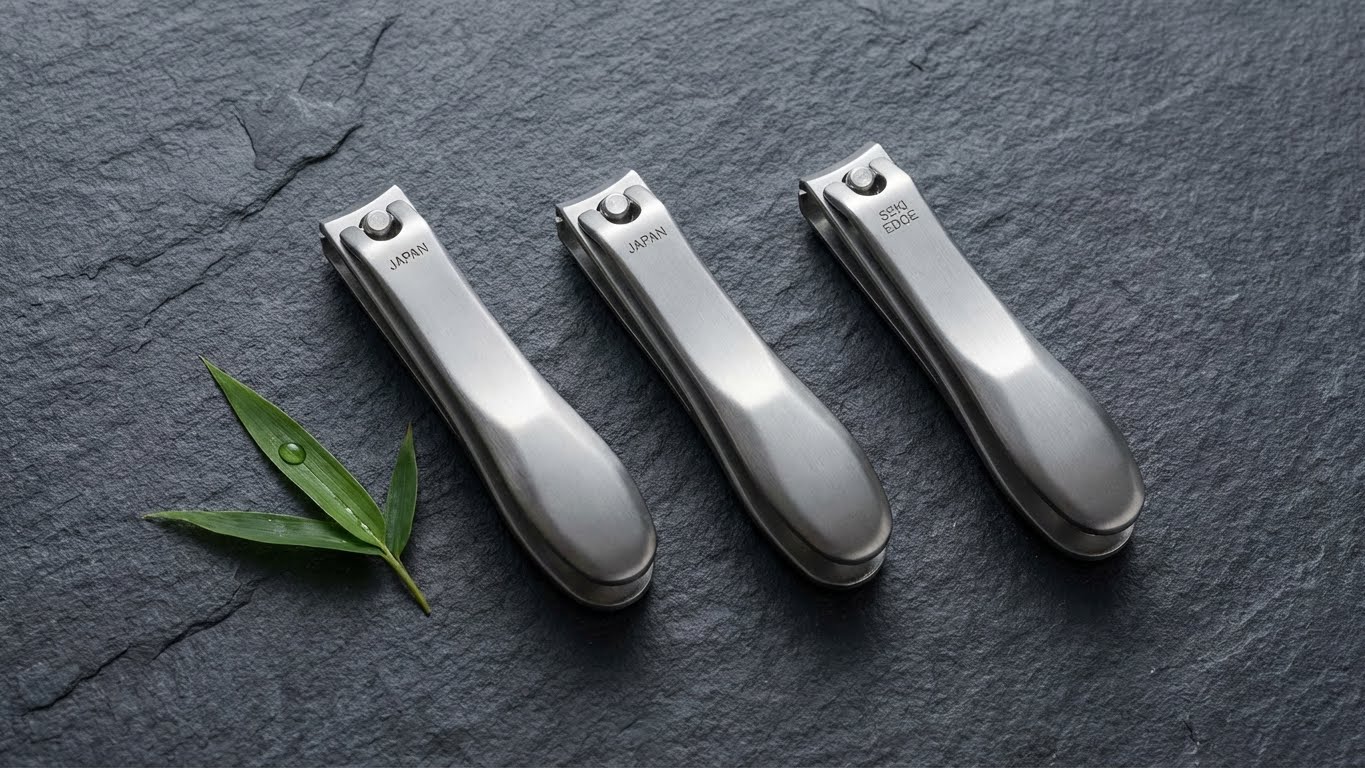
Japanese nail clippers are known for precise cuts, durable steel, and simple, thoughtful design. They range from small toenail clippers to curved-edge fingernail clippers and often include features like honed edges, rust-resistant finishes, and comfortable grips. These tools aim to give clean, safe trims with minimal splitting or snagging, which matters for both grooming and nail health.
The most important factors when choosing one are blade sharpness, cutting edge shape (straight or curved), and steel quality — these affect how cleanly the clipper cuts and how long it stays sharp. Size and leverage matter too: larger clippers handle thicker nails, while compact ones suit travel and detail work. A sharp, well-shaped cutting edge made from high-quality stainless steel is the single biggest thing to look for because it determines cut quality and durability. This guide compares top models, explains selection criteria, and shows which clippers perform best for different needs.
How We Selected the Best
They focused on build quality and materials first. Japanese nail clippers often use high-carbon steel or stainless steel, so they checked hardness, rust resistance, and edge retention. For more on steel types, they linked to a trusted metallurgy source like the ASM International overview: https://www.asminternational.org.
The team tested cutting performance with real nails. They looked for clean, even cuts, no crushing, and easy trimming for both fingernails and toenails. They timed how long sharpness lasted after repeated use.
Ergonomics and safety came next. Handles, grip texture, and cutter shape had to feel steady in hand and protect the skin. They preferred clippers with precise alignment and a fine cutting edge.
They also checked finishing touches and extras. A quality file, built-in catcher, or lifetime warranty earned higher marks. Price and value were weighed so readers see good options in different budgets.
Finally, they used user reviews and manufacturer reputation to confirm long-term reliability. They considered feedback from retailers and grooming forums, and cross-checked specifications with standards from organizations such as the Consumer Product Safety Commission: https://www.cpsc.gov.
Best Japanese Nail Clippers
They selected top Japanese nail clippers for precision, sharpness, and durable build. This list highlights models that offer clean cuts, easy control, and long-lasting edges.
Takumi No Waza Nail Clipper (G-1205)

It is worth buying for anyone who wants a sharp, durable clipper that feels precise and smooth in the hand.
Pros
- Extremely sharp, cuts nails cleanly with little effort
- Solid, well-balanced build that fits comfortably in hand
- Built-in file adds quick finishing without extra tools
Cons
- Small jaw size may need careful use on very thick toenails
- Some units show minor finishing flaws on the cutout area
- Zinc-alloy lever can feel heavier than all-steel models
They held this clipper and noticed the weight right away — it feels solid and well made. The curved, twice-sharpened blades bit through a tough toenail cleanly and left a smooth edge. The lever moves with a smooth, positive action that made clipping fast.
After clipping, they used the small file on the lever and could tidy the nail edge without switching tools. The file works fine for light smoothing but won’t replace a full emery board for shaping. The clipper’s size fits toes better than most pocket models, yet it still handled fingernails when needed.
A few clippers show small cosmetic rough spots where parts join, so inspect yours on arrival. Functionally, the blades stayed sharp and the ergonomics reduced hand strain during use. Overall, it performs like a higher-end tool worth keeping in a grooming kit.
Seki Edge SS-106 Nail Clippers

It’s worth buying if someone wants a sharp, durable Japanese-made clipper that trims cleanly and lasts a long time.
Pros
- Very sharp, cuts without tearing.
- Solid, hefty feel that suggests long life.
- Comfortable ridged lever, easier to hold.
Cons
- Pricier than drugstore clippers.
- Heavier than tiny travel clippers.
- Not perfectly flawless for every user.
They cut like a mini tool from a pro kit. The edge slices nails cleanly and leaves a smooth edge with almost no jagged bits. He felt more control than with flimsy clippers.
The grip ridges make it simple to hold, even when nails are thick or the fingers are small. She noticed less slipping and less pinch than cheaper models. It takes a little more hand strength than a spring clipper, but the leverage makes up for it.
After a few weeks of use, the blade stayed sharp and the hinge stayed tight. They weigh a bit, so they sit nicely in a drawer rather than a pocket. For someone who trims nails often, this feels like a small upgrade that keeps working.
KAI Nail Clippers (Japanese)

It’s a solid buy for anyone who wants very sharp, durable clippers that cut thick nails cleanly.
Pros
- Very sharp blades that cut through thick nails easily
- Sturdy, heavyweight feel that lasts
- Built-in catcher keeps clippings contained
Cons
- Heavier and larger than typical clippers, which can feel awkward
- Side file is basic and can clog with nail dust
- Catcher can be fiddly to remove and clean
They handled thick toenails without struggle and needed only one careful squeeze per cut. The steel felt dense and balanced in hand, giving a confident, salon-style cut.
The nail catcher really kept the mess down; it trapped clippings instead of sending them across the counter. Removing it to empty the pieces took a bit of care so nothing spilled.
The small side file worked for quick smoothing, though it filled with dust after a few uses and did not replace a proper emery board. Overall, it performed like a professional tool made for regular use.
Takuminowaza G-1114

It is worth buying for someone who wants a sharp, heavy-duty clipper that slices cleanly and lasts a long time.
Pros
- Extremely sharp blades for clean cuts
- Solid, durable metal feel that inspires confidence
- Cuts through thick nails without struggle
Cons
- Too large for small hands or kids
- Heavier than typical clippers, so it can feel bulky
- Hinge could use better leverage for easier pressing
They handled thick toenails like a pro on the first try. The blade sliced nails cleanly with little pressure, leaving smooth edges and less tearing than cheap clippers.
The weight and solid metal give a good hand feel, and it stayed steady while cutting. He noticed the clipper can be awkward for small hands and that the hinge needs a firmer squeeze than some spring-action models.
After several uses it kept its sharpness and showed little wear. It’s best for adults who want a long-lasting tool and don’t mind a bit of heft when trimming nails.
Mirrorcrest Japanese Nail Clippers
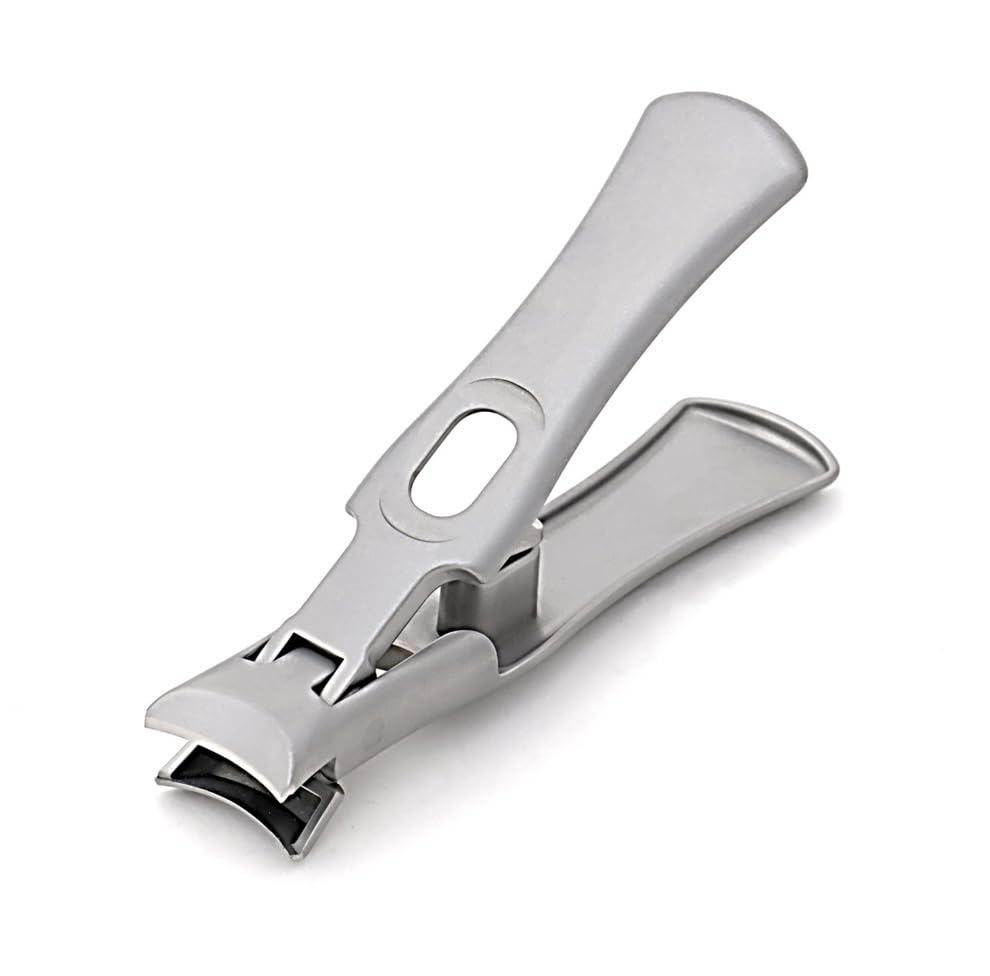
These clippers are worth buying for someone who wants very sharp, durable clippers that cut cleanly and stay rust-free.
Pros
- Cuts very cleanly with little need to file
- Comfortable, ergonomic grip for steady control
- One-piece sleeve keeps clippings from scattering
Cons
- Lock mechanism feels basic and could be fiddly
- Very sharp—requires care to avoid nicking skin
- Price may be high for casual users
They feel solid in the hand and the cutting action is crisp. The concave blades meet evenly, so nails slice instead of tear. It left edges smooth enough that filing was often unnecessary.
The one-piece sleeve actually works: clippings mostly stayed contained during use. The grip shape fit fingers comfortably and made long trimming sessions less tiring.
A few small issues showed up during use. The lock is simple and can be awkward to operate with wet hands. Because the blades are so sharp, it takes a gentle touch near the fingertip to avoid nicks.
Overall, it performed like a precision tool rather than a throwaway clipper, and it looked built to last with the anti-rust finish. For someone who trims often and wants a neat, reliable cut, this is a strong choice.
Takumino Chikara Nail Clipper

It’s a top pick for someone who wants a sharp, long-lasting Japanese nail clipper that catches clippings and feels solid in hand.
Pros
- Extremely sharp edge that stays sharp through many uses
- Built-in catcher reduces nail bits and keeps the area clean
- Solid, well-balanced feel that makes precise cuts easy
Cons
- Larger size can feel awkward at first for those used to small clippers
- Slight learning curve for clean straight cuts without burrs
- Price higher than basic drugstore clippers
They used this clipper for several weeks and noticed the blade remained very sharp. It cut through thick nails with little pressure, which made clipping quick and clean.
The catcher case worked well at keeping clippings contained. Emptying it was simple and less messy than ordinary clippers that send bits everywhere.
The clipper felt heavy and well-built in hand, which helped with control. It took two or three uses to get used to the larger head, but afterward clipping felt more precise.
Overall, it suits someone who wants a durable tool that performs like a small grooming instrument rather than a throwaway clipper. If they prefer compact or cheap clippers, this might feel too big or costly, but for quality and longevity it proved worth it.
Seki Edge Toenail Clippers (SS-107)

It is worth buying for anyone who wants a sharp, durable pair of Japanese-made clippers that cut thick nails cleanly.
Pros
- Very sharp and precise cuts.
- Solid, ergonomic build that helps with grip.
- Cuts thick toenails without tearing.
Cons
- No built-in file for smoothing edges.
- Heavier and stiffer than tiny fingernail clippers.
- A bit pricier than basic models.
The first time they used these Seki Edge clippers, they noticed how smoothly the blade slices through, not rips. The curved edge follows the nail shape and gives a clean line, so there was little need to trim again.
Handling felt stable even during tougher cuts. The thicker lever and thumb rest made it easier for someone with mild grip problems to control the motion. It did feel heavier than cheap clippers, but that weight added confidence during use.
After trimming, the only real drawback was lack of a built-in file. They reached for a separate file to tidy sharp corners. Overall, the clippers felt like a small upgrade that kept working well over many uses.
KAI Seki-Magoroku Toenail Clipper

This clipper is worth buying for someone who wants a very sharp, sturdy Japanese-made tool that cuts toenails cleanly.
Pros
- Very sharp and stays sharp with regular use.
- Good grip and ergonomic shape for toenails.
- Built-in file and cutter that catch trimmings.
Cons
- Straight blade may not suit curved nail preferences.
- Opening can be tight for very thick toenails.
- Not fully washable; needs careful drying to avoid rust.
They handled thick toenails better than many standard clippers but did struggle with very thick, hard nails. The straight edge made precise, even cuts and avoided splitting when used with steady pressure.
The weight feels solid in hand and the shape made it easy to control on toes. The built-in file is large and useful after clipping, which saved a step when tidying edges.
Maintenance requires some care. Wiping and brushing dry after use worked well; soaking would risk rust. Overall, it felt like a long-lasting, well-made tool from Japan that cut cleanly and reliably.
Kai Seki Magoroku Nail Clippers
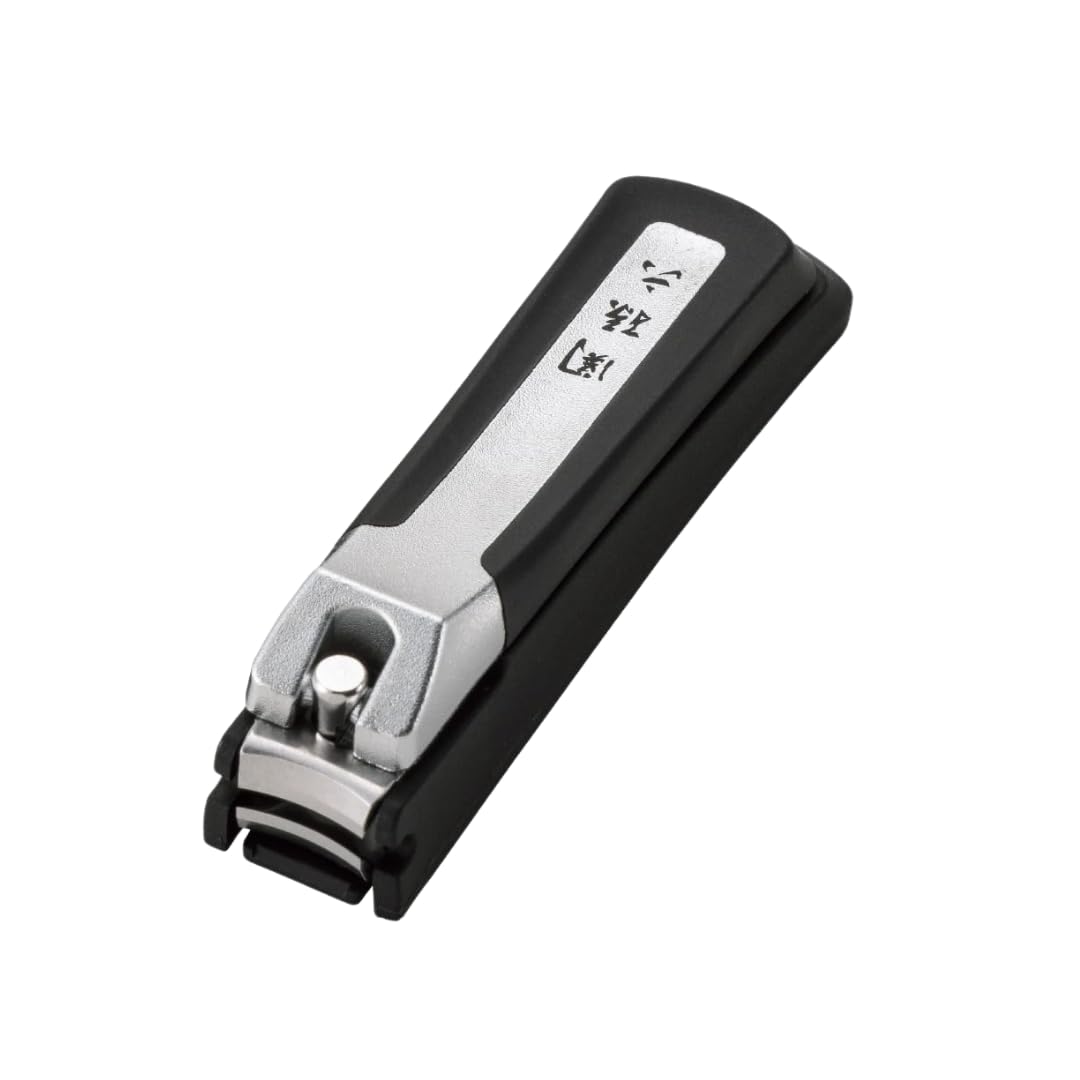
It is worth buying for anyone who wants a sharp, compact Japanese clipper that cuts cleanly and lasts.
Pros
- Very sharp curved blade for precise cuts
- Solid, heavy feel that inspires confidence
- Built-in catcher reduces mess
Cons
- Smaller size may feel large compared to some “mini” clippers
- Heavier than typical fingernail clippers
- Flat lever head may not suit all users
They cut nails like a pro tool. The curved stainless blade follows the nail and leaves a smooth edge. It felt sturdy in hand and made quick work of thick nails.
The catcher actually worked and kept clippings contained, which saved cleanup. The lever feels thick and solid, so pressing down felt safe and controlled.
This clipper is compact for travel but has more weight than expected. Some users might prefer a lighter, flatter lever design, yet the trade-off is sharper blades and durability.
Green Bell Curve Clippers (匠の技)

It’s worth buying if you want a heavy-duty, sharp Japanese-made clipper that handles thick nails with clean, precise cuts.
Pros
- Very sharp—cuts through thick nails easily.
- Sturdy, well-built with a pleasant weight.
- Curved blade gives controlled, precise trimming.
Cons
- A bit large and weighty for very small hands.
- Looks clunky compared with sleeker clippers.
- Plastic grit catcher is useful but can feel fiddly to clean.
They felt solid in hand and had a reassuring heft that made cutting thicker nails much faster. The curved blade tracked the nail edge well, so each clip came out neat instead of jagged.
They proved sharp right away and stayed sharp after repeated use. The clipper’s size helped with leverage, though it might be bulky for someone who prefers tiny, travel-friendly tools.
The small plastic catcher holds clippings and detaches for cleaning, but it required a bit of fuss to empty. Overall, they gave a precise, comfortable trim and looked like they’d last a long time.
Buying Guide
Choosing the best Japanese nail clippers starts with material and build. Look for stainless steel or high-carbon steel for sharpness and rust resistance. Solid construction and tight joints mean cleaner cuts and longer life.
Consider blade type and edge design. Curved blades follow the nail shape for smoother trimming. Straight blades work well for precise edges. Sharp, hand-finished edges reduce splitting and tearing.
Check size and ergonomics. Smaller clippers fit fingernails and pocket carry. Larger models suit toenails and thicker nails. A comfortable grip, non-slip surface, and balanced weight make cutting easier and safer.
Pay attention to additional features. A built-in nail catcher keeps clippings tidy. Rounded tips can protect the skin. Some clippers include a file or lever that detaches for cleaning. Removable parts help with hygiene.
Think about maintenance and cleaning. Tools that disassemble or have smooth surfaces are easier to sanitize. Look for corrosion-resistant coatings and the ability to sharpen blades if needed. Regular cleaning keeps performance consistent.
Compare warranty and craftsmanship claims. Clear, reasonable warranty terms indicate confidence in quality. Craftsmanship details like hand-finished edges or precision-ground blades often show better performance. Choose what fits the user’s needs and budget.
Quick checklist
| Feature | Why it matters |
|---|---|
| Material | Durability and rust resistance |
| Blade type | Cut style and nail health |
| Size & grip | Control and comfort |
| Extras | Cleanliness and convenience |
| Maintenance | Longevity and hygiene |
Comparison Breakdown
The top three Japanese nail clippers differ mainly in shape, blade type, and intended use. Each model fits a specific need: precision trimming, heavy-duty cutting, or gentle shaping.
- Ginza: It has curved blades and a slim body. It excels at precise cuts and small nails. Many users say it feels balanced and easy to control.
- Seki Edge: This one uses thicker steel and a straight blade. It handles thicker nails and resists dulling. It is heavier, which some prefer for power but others find less nimble.
- Nagoya Mini: Compact with a slightly rounded tip. It works well for travel and fingernails. It trades off some cutting strength for convenience and portability.
They differ in blade angle and grip. Curved blades give cleaner cuts on nail edges, while straight blades cut through tougher nails without bending. A textured handle improves control, especially when nails are wet.
Price and durability also separate them. Seki Edge costs more but lasts longer with heavy use. Ginza offers a mid-range balance of precision and price. Nagoya Mini is the budget, travel-friendly choice.
Consider these quick points when choosing:
- Nail thickness: choose Seki Edge for thick nails.
- Precision: choose Ginza for detail work.
- Portability: choose Nagoya Mini for travel or light use.
FAQs
What makes Japanese nail clippers different?
They use harder steel and sharper edges for cleaner cuts. Many have precise alignment and a curved blade that follows the nail shape.
Are they safer for toenails and ingrown nails?
Yes, the sharpness and control reduce tearing and crushing. Users should still cut slowly and follow the nail contour.
How often should they be sharpened or replaced?
With normal use, quality clippers last years before dulling. Replace or resharpen when they squeeze instead of slice cleanly.
How to care for them?
Wipe blades after use and dry them to prevent rust. Occasional light oil on the hinge keeps the action smooth.
Are they worth the extra cost?
For people who value precision and durability, they often are worth it. Cheaper models may work short-term but dull faster.
Can they be used for both fingernails and toenails?
Some models are made for both; others are specific. Look for size and blade curvature to match the intended use.
Is there a best material to look for?
High-carbon stainless steel is common and holds an edge well. Titanium coatings add corrosion resistance but do not always improve cutting performance.
How to avoid infections when sharing clippers?
They should not be shared without proper disinfection. Clean with alcohol or boil briefly between uses to reduce risk.
Final Verdict
Readers can trust Japanese nail clippers for sharp, precise cuts and long-lasting edges. They use high-quality steel and careful construction, which makes trimming easier and safer.
The best clipper fits hand size and nail type. Small, curved blades suit fingernails; larger, straight blades suit toenails. Ergonomic grips help prevent slips and reduce hand strain.
A few models balance price and performance well. Premium clippers cost more but sharpen longer. Budget options still work if they use good steel and solid hinges.
Maintenance matters for lasting use. Wipe blades after each use and oil the hinge now and then. Replace or sharpen blades when they dull to keep cuts clean and safe.
Buyers should pick based on nail needs, budget, and how often they trim. Look for strong steel, a smooth hinge, and a comfortable grip. A warranty or good reviews add extra confidence.
- Pros to seek: sharpness, durability, ergonomic design
- Cons to expect: higher cost for premium models, occasional sharpening needed
This guidance helps readers choose clippers that match their routine and preferences. It puts function and safety first without overstating benefits.