
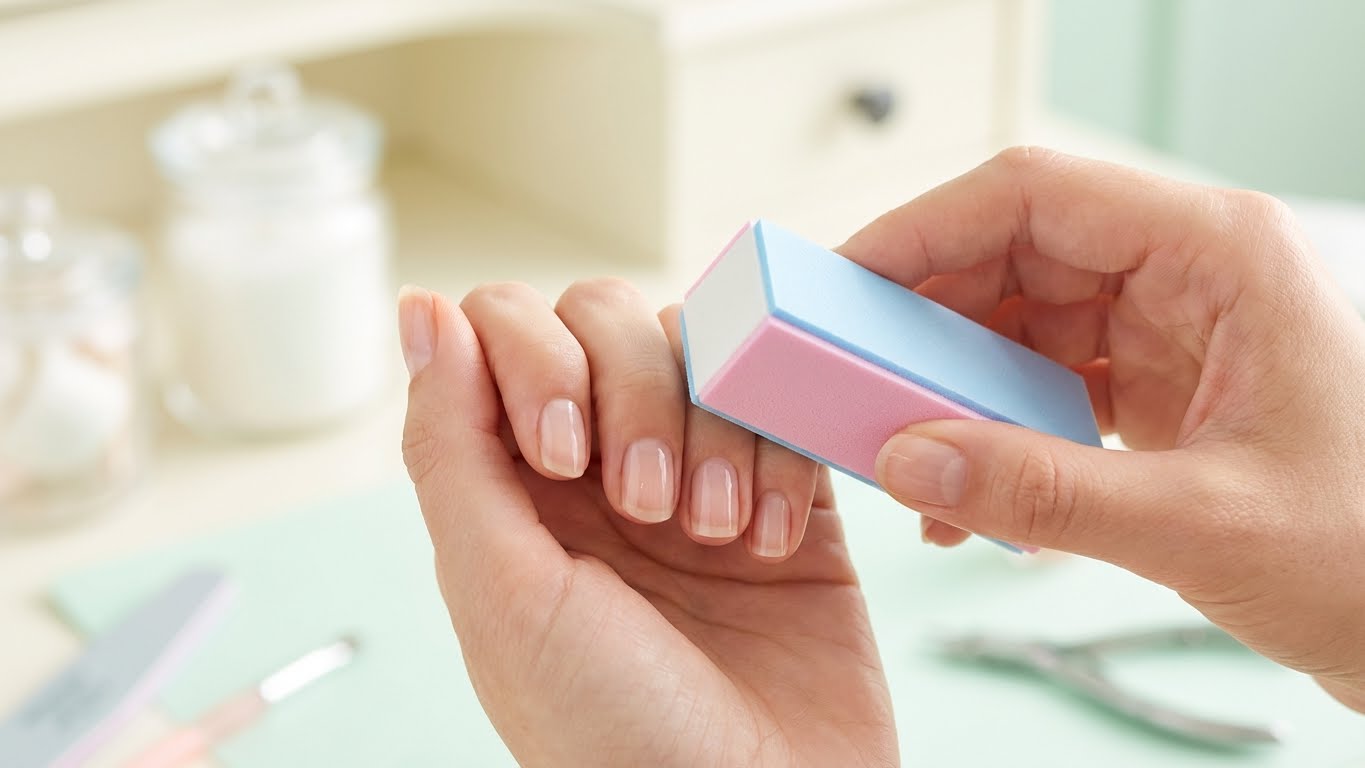
Nail buffers are small tools used to smooth, shine, and shape natural nails without polish. They come in blocks, files, or electric forms and aim to remove ridges, even the nail surface, and add a natural shine. For people who prefer low-maintenance nails, a good buffer can make nails look neat and healthy with little effort.
Buffers vary by grit, material, and shape, and those differences matter for natural nails. Coarse grits remove nail quickly and can thin or weaken nails if used too often; fine grits smooth and polish without damage. The best buffers balance grit and gentleness to refine and brighten natural nails without thinning them too much. This guide explains how the team tested buffers, what to look for when buying, and which models work best for different needs.
How We Selected the Best
They tested buffers on natural nails to check performance and safety. Each product was tried for ease of use, grit balance, and how well it smoothed without thinning the nail.
They compared materials and grit numbers to find options that reduce ridges but keep nail health. The team consulted guidance from the American Academy of Dermatology (https://www.aad.org) on nail care to avoid tools that cause damage.
Durability and value mattered too. They used each buffer multiple times to see if it wore down or lost effectiveness.
They looked at user feedback for real-world issues like dust, chipping, and comfort. Reviews helped spot consistent problems and real benefits.
They prioritized buffers that work without harsh pressure or frequent filing. The selection favored products that help shine and shape while protecting the natural nail.
Best Nail Buffers for Natural Nails
Below is a curated list of the best nail buffers for natural nails. It focuses on gentle, effective tools that smooth, shine, and strengthen without thinning the nail.
Maryton Nail Buffer Blocks

This is a solid, affordable buffer set that works well for prepping natural nails before polish or enhancements.
Pros
- Smooths nail surface without scratching.
- Durable — holds up to repeated use and washing.
- Good balance of grits for prepping and finishing.
Cons
- Smaller size than some people expect.
- Can feel firm if you prefer very soft buffers.
- Not labeled with grit numbers on each block.
They sanded rough spots and made polish adhere better when used before applications. The 180 side took down shine and small ridges quickly, and the 240 side left a neat, natural finish.
It felt like a professional tool in hand — grippy and sturdy. Using these at home saved time compared with flimsy emery boards, and they washed clean after a session.
Occasionally the blocks seemed a bit small for bigger fingertips, so extra care helped avoid over-buffing. Overall, they give consistent results and last through many weekly manicures.
Buy or learn more: Maryton Nail Buffer Blocks
Seacret Buffing Block

This buffer is worth buying for someone who wants shiny, natural nails without polish because it gives quick, long-lasting shine with minimal effort.
Pros
- Produces a glossy, clear-polish look fast
- Feels gentle when used sparingly
- Lasts several uses and keeps shine for days
Cons
- Can weaken nails if used too often
- Slightly pricier than basic buffers
- Plastic casing can feel bulky to store
They used the block for a simple at-home manicure and noticed a real shine right away. The white final side left nails reflective, like a clear top coat, and that finish held up through hand washing for several days.
He found the middle grit smoothed ridges without much pressure. It felt efficient on thin nails, so short sessions worked best to avoid thinning the nail plate.
They appreciated the two-pack so one could be kept for travel. Storage feels a bit bulky, but the block’s shape made it easy to grip while buffing.
Onsen Nail Buffer

It’s a good buy for anyone who wants a quick, lasting shine and healthier-looking natural nails without harsh chemicals.
Pros
- Smooths ridges and adds shine fast.
- Feels gentle; doesn’t thin nails with normal use.
- Comes with extra replacement shine pads.
Cons
- Takes several light passes to avoid over-buffing.
- Pads wear down and need replacing eventually.
- Not a substitute for nail-strengthening treatment if nails are very weak.
They used the buffer for a weekly tidy and noticed visible shine after only a few steps. The grit sequence really evens out small ridges and removes surface stains without feeling rough.
They found the moisture-lock finish lasted several days, keeping nails glossy without polish. Rebooting nails after gels felt helpful; the nails looked healthier after following the recommended routine.
Pads lasted for multiple sessions but did get thinner over time, so replacements matter. Overall, it felt like a simple, cost-effective tool for maintaining natural nails at home.
Revlon Shape ‘N’ Buff

It’s a solid buy for someone who wants a simple, all-in-one buffer that shapes nails and leaves a natural shine without polish.
Pros
- Easy to hold and use for quick at-home manicures
- Four surfaces smooth, shape, and add a glossy finish
- Lightweight and feels professional in the hand
Cons
- One side can feel quite coarse if handled roughly
- Not very durable for heavy, daily use — replacement needed after many sessions
- Block size is small for larger hands
They used it after a shower and found it handled ridges and shaping without thinning the nail. The buffer moved smoothly and the final shine looked natural, not fake or overly glossy.
He noticed the coarse face works fast but requires a gentle touch to avoid over-filing. Switching through the four sides felt intuitive, so manicures stayed quick and tidy.
They liked how compact and lightweight it is for travel or keeping in a purse. It won’t last forever, but it performs well for at-home maintenance and leaves nails looking clean and polished.
Link: Revlon Shape ‘N’ Buff Nail Buffer Block
Teenitor Nail Buffer Kit

This kit is worth buying for someone who wants a full at-home buffing routine without spending much, because it has many grits for shaping, smoothing, and shining.
Pros
- Lots of grit options for step-by-step care.
- Lightweight and easy to hold during use.
- Washable and simple to disinfect.
Cons
- Some pieces wear down faster than expected.
- A few edges feel thin or fragile.
- Not all boards differ much in feel.
They tested this set for a few routines and liked how it covered every step. The coarse files trim and shape nails quickly, while the mid grits smooth rough edges without over-filing.
They moved to the buffer blocks next and noticed the ridges diminish well. The fine polish side gave a clear shine that lasted several days on natural nails.
Holding these felt comfortable, though a couple of boards were a bit stiff to grip. For regular touch-ups, the set performs well; heavy use may mean replacing pieces sooner than solid metal or glass files.
Maryton Shine Buffer

It’s worth buying for affordable, all-in-one nail shine and basic nail care if you want quick, chemical-free results at home.
Pros
- Easy four-step use in one block.
- Gives a smooth, glossy finish without polish.
- Feels durable and lasts through several uses.
Cons
- Shine side is less glossy than some brands.
- A bit abrasive for very thin nails if used too hard.
- One side’s purpose isn’t obvious at first use.
They felt solid in hand and simple to use right away. After a few passes the nails looked smoother and the natural shine held for several days on my nails. It saved time compared with a multi-step kit.
The grit that files and smooths works well to blend ridges and even out edges. It can be rough if pressed too hard on weak nails, so gentle strokes work best. The polish-side gave a pleasant sheen but not mirror shine like higher-end buffers.
This block replaced the need for a top coat when she needed a quick touch-up before an event. It’s compact and easy to stash in a bag for travel or quick fixes. Buy it if you want a cheap, effective buffer for natural nails and plan to use light pressure for best results.
Tropical Shine Mini Buffer (2 Pack)

This is a good buy for someone who wants a compact, no-fuss buffer that shapes, smooths, and adds shine to natural nails.
Pros
- Small and easy to carry for touch-ups.
- Four grits let you shape, smooth, buff, and polish with one tool.
- Inexpensive and lasts through many uses if rinsed clean.
Cons
- Tiny size can feel awkward for larger hands.
- Shine side is decent but not mirror-level.
- Plastic core makes it less comfortable for long sessions.
They used the buffer on natural nails and found it did exactly what it says: the coarse side shaped edges neatly, while the finer side removed small ridges without thinning the nail too much. It felt light in the hand and worked quickly for a five-minute tidy-up.
They liked the polishing face for everyday shine, though it did not produce a glassy finish like high-end buffers. For regular natural nails it left a healthy gloss that lasted a few days without polish.
They found the compact size both a plus and a minus. It fit into a small makeup bag and was great for travel, but the tiny block required careful handling and could feel fiddly when doing all ten nails.
Overall, this buffer performs well for basic at-home nail care, especially for people who want a cheap, portable tool to keep natural nails smooth and a little shiny.
Maryton Fine Grit Nail Buffer

This is worth buying if you want a small, durable fine-grit buffer that smooths natural nails and preps them well for polish or press-ons.
Pros
- Smooths nail surface without scratching.
- Durable and washable for repeated use.
- Good value with five blocks in the pack.
Cons
- Small size may feel fiddly for big hands.
- Fine grit won’t remove heavy ridges quickly.
- Blocks wear down after extended use.
They used the Maryton buffer after a quick trim and found the 240 grit did a neat job evening out the nail plate. It left a soft shine that helped polish sit smoothly without streaks.
The blocks felt firm and easy to hold while filing the nail surface. They washed clean and kept shape for several uses, so they worked well for weekly at-home manicures.
It did not remove deep ridges or thick product — a coarser file would be faster for heavy shaping. Still, it made finishing touches simple and felt salon-grade for the price.
HomeyEra 4-Way Nail Buffer

It’s a solid, budget-friendly buffer that gives a quick salon-like shine for natural nails with minimal effort.
Pros
- Four distinct sides make the steps simple and fast.
- Soft EVA feel avoids harsh scraping on the nail surface.
- Compact and travel-friendly; easy to toss in a bag.
Cons
- Small size can be awkward near cuticles.
- Edges feel a bit sharp when working close to skin.
- Foam may wear faster than hard blocks with heavy use.
They used the buffer and found the four-step system intuitive. The pink side shaped nails cleanly, the green smoothed ridges, the blue buffed away dull spots, and the white left a clear shine that lasted days.
Holding the little block felt comfortable for quick touch-ups, but the compact cube made getting right under the nail edge tricky. They noticed the corners could press too close to skin when angling the block.
This set of four blocks worked well for at-home nail maintenance and saved time versus a multi-step salon trip. It won’t replace professional tools for heavy-duty work, but it gives polished results for natural nails at a low cost.
Maryton Mini Nail Buffer

This is a good buy for anyone who wants an easy, wallet-friendly way to get a glass-like shine on natural nails at home.
Pros
- Quick shine in seconds without polish
- Small, portable pieces for purse or travel
- Lots of pieces for repeated use
Cons
- Buff side wears down after a few nails
- Individual pieces can be fragile when pulled apart
- Not a long-term substitute for professional treatments
They used the Maryton buffer on both fingernails and toenails and saw a clear glossy finish within 30 seconds per nail. The green side smoothed ridges well on most nails, and the white side produced that mirror-like shine people like. It felt easy to control because the small blocks are light and compact.
Using the kit at home saved time and money compared with a salon trip. The reviewer tore off small squares to keep in a makeup bag and liked that each square lasted a few uses. For quick touch-ups before events, it worked reliably and gave a clean finished look.
Wear showed up after several uses on the same square, so the best approach was to use fresh pieces for the best effect. They noticed some squares split when pulled from the larger block, so handle them gently. Overall, the Maryton buffer is a practical, low-cost tool for keeping natural nails shiny between salon visits.
Buying Guide
Choosing the best nail buffer for natural nails starts with knowing the buffer’s grit. Lower grits (coarse) remove more material and can thin nails. Higher grits (fine) polish without damage.
Look for a buffer with multiple surfaces. A 4- to 6-step block gives shaping, smoothing, and shining. Each side should be labeled or obvious in texture.
Check the material and handle design. A soft cushioned block protects nails better than hard plastic. A comfortable grip helps control pressure and speed.
Consider grit numbers printed on the buffer. Typical useful range for natural nails is 240–400 for smoothing and 600–1200 for shine. Avoid using coarse grits on weak or thin nails.
Think about durability and hygiene. Replace worn buffers to avoid uneven abrasion. Washable or replaceable surfaces lower bacteria buildup and last longer.
Safety features matter. Rounded edges reduce the risk of digging into the cuticle. Look for gentle abrasive surfaces meant for natural nails, not harsh salon-level files.
Price and value should match needs. Less expensive buffers work for occasional touch-ups. Professionals or heavy users should choose items made for repeated use.
Care instructions affect lifespan. Store buffers dry and away from heat. Follow manufacturer guidance on how often to replace or sanitize.
Comparison Breakdown
The list compares three top nail buffers: a soft three-way block, a fine-grit glass buffer, and a multi-step foam buffer. Each suit different needs: gentle shine, durable smoothing, and quick finish.
- Three-way block: It has coarse, medium, and buff sides. They work well for natural nails and remove ridges without thinning the nail. It is affordable and easy to use, but may wear out faster.
- Glass buffer: It gives a long-lasting, glossy finish with very light abrasion. It is gentle and helps prevent splitting. It costs more but lasts much longer and cleans easily.
- Multi-step foam buffer: It blends shaping, smoothing, and shine in one tool. It is softer on the nail edges and reduces heat buildup. It performs best for quick at-home manicures but may not deliver the same high shine as glass.
They differ in durability, gentleness, and finish. Glass wins on longevity and shine. The three-way block wins on price and simplicity. The foam buffer wins on comfort and all-in-one convenience.
Choose based on nail condition and routine: frequent, careful users may prefer glass; budget shoppers may pick the block; those wanting quick, gentle results may like the foam option.
FAQs
What grit should they pick for natural nails?
They should choose a buffer with grits between 240 and 400. Lower grit (coarser) can thin nails; finer grit polishes safely.
How often can they use a buffer?
They can buff every 2–3 weeks. Over-buffing weakens nails, so less is better.
Can buffing replace nail strengtheners?
No. Buffing smooths and adds shine but does not add strength. Strengtheners or treatments build resilience.
Is a sponge buffer safe for thin nails?
Yes, if used gently. Sponge buffers are softer and reduce the risk of over-thinning.
How to avoid damaging the nail bed?
They should use light, short strokes and avoid the sidewalls. Stop if nails feel thin or sensitive.
Which materials last longest?
Glass and crystal buffers last longest and can be cleaned easily. Foam or emery buffers wear out faster.
Can buffing help nail polish adhere?
Light buffing creates a smooth surface that can improve adhesion. Avoid heavy buffing before polish to prevent weak spots.
How to clean a buffer?
They can wipe most buffers with a damp cloth and mild soap, then air dry. Replace the buffer if it shows wear or loss of grit.
Final Verdict
They can find a perfect buffer by matching grit and shape to their nail needs. Soft, multi-sided buffers work well for gentle shine and daily upkeep. Firm, higher-grit tools suit thicker nails and longer-lasting polish prep.
Choose a buffer that minimizes filing and focuses on smoothing the surface. Over-buffing thins natural nails, so pick one with a protective middle grit. A small, lightweight buffer feels easier to control and reduces accidental pressure.
For travel or quick touch-ups, compact blocks and mini buffers fit the bill. Salon-style glass or ceramic buffers last longer and stay hygienic with proper care. Consider durability and cleaning needs when deciding how often to replace the tool.
They should look for clear labels on grit and material. Products that list grits and intended use make selection simpler. Reading a few user reviews helps confirm how gentle or aggressive the buffer performs in real use.
Key buying tips:
- Prefer buffers with clear grit info.
- Avoid very low-grit tools for natural nails.
- Replace worn buffers to protect nail health.
This guidance helps readers pick a buffer that protects nail strength while delivering the desired shine.