
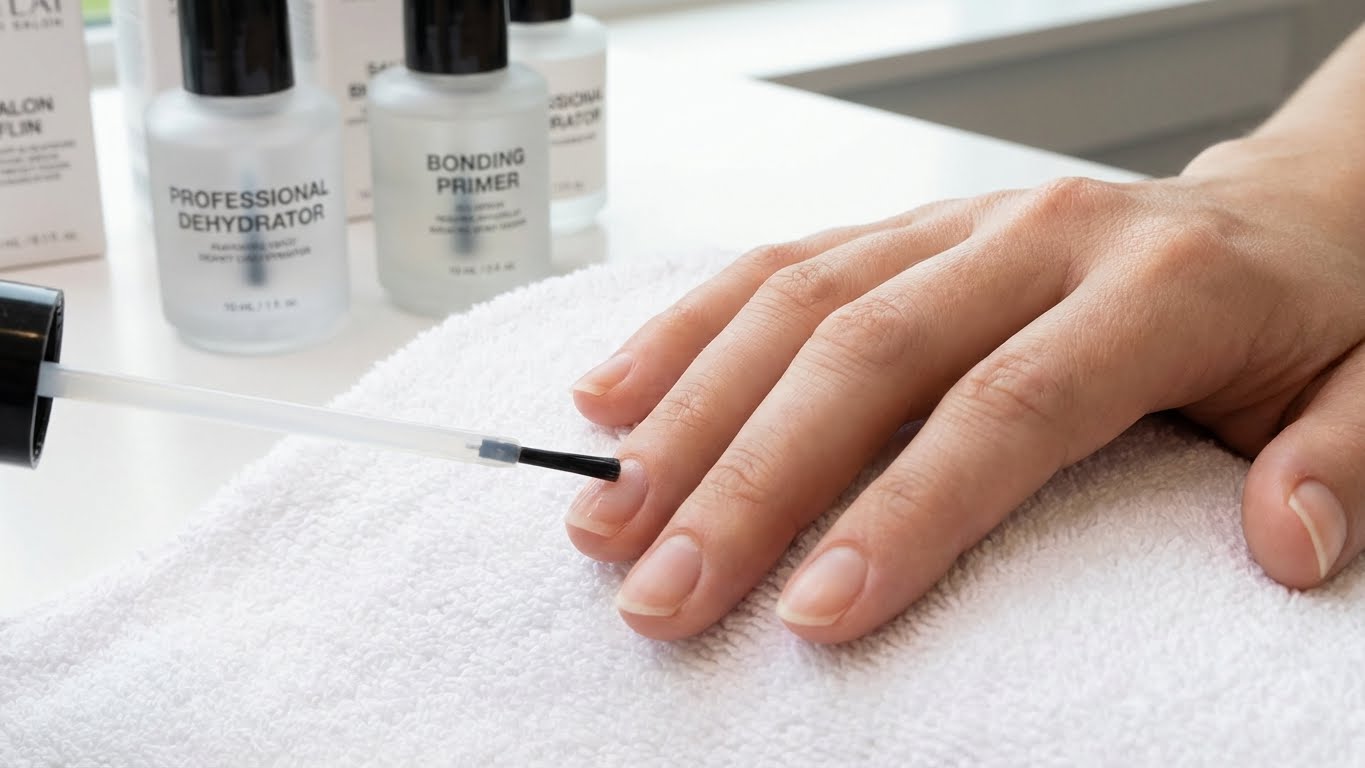
Nail dehydrators remove oils and moisture from the nail surface so polish and enhancements adhere better and last longer. They come as simple wipes, liquid solutions, or small bottles labeled as dehydrator or nail prep. Professionals and home users alike use them before gels, acrylics, and regular polish to reduce lifting and improve finish.
Buyers should focus on the product’s purpose, ingredients, and ease of use. Look for dehydrators that actually dry and degrease without irritating the skin; avoid products with strong solvents that can cause damage with repeated use. The most important thing is choosing a dehydrator that balances effective nail prep with gentle formulas and simple application. This guide tests and compares options to find reliable dehydrators for different needs.
How We Selected the Best
They tested each nail dehydrator in real-world conditions to see how well it prepped the nail surface and sped up polish adhesion. Tests included both natural nails and tips, with multiple brands of polish and primer to check compatibility.
They evaluated build quality, ease of use, and bottle applicators. Reviewers looked for non-greasy formulas and fast-drying results while noting any strong odors or skin irritation.
They measured drying time and tackiness using timed trials and touch tests. Results were compared across products to rank performance, consistency, and value.
They checked ingredient lists against safety data and industry guidance from the FDA and the Cosmetic Ingredient Review panel (https://www.fda.gov, https://www.cir-safety.org). This helped flag harmful chemicals and confirm safer choices.
They read user reviews and considered long-term reliability and customer support. Warranty, refill availability, and price were factored into the final picks.
Key selection criteria:
- Performance: dries quickly, reduces lifting
- Formula: low residue, skin-safe
- Usability: applicator, packaging, scent
- Value: price, durability, refills
They repeated tests across multiple runs to ensure consistent findings and to reduce one-off errors.
Best Nail Dehydrators
Below is the full list of the best nail dehydrators chosen for quality, ease of use, and value. It helps readers prepare natural nails for longer-lasting polish and better adhesion before the product list.
Morovan Nail Prep Set

This set is worth buying for DIY or salon use because it reliably dries and primes nails for longer-lasting gel and acrylic applications.
Pros
- Dries nails quickly and removes oil for better adhesion.
- Acid-free primer reduces corrosion while improving bond.
- Works with gels, acrylics, and dip systems.
Cons
- Primer can be messy if the bottle is not closed tightly.
- Less tacky than some primers, so technique matters.
- Small bottles mean frequent replacement for heavy users.
After using this kit, the dehydrator clearly cut down on lifting. It took just a few swipes per nail to remove surface oil, and products sat flatter and firmer. Nails held through everyday tasks longer than before.
The acid-free primer felt gentler on the nails. It did not sting, and it avoided the sharp chemical smell of some primers. Results improved when the user applied the primer carefully and avoided overpouring.
A minor annoyance came from the primer bottle: it can drip if left open or knocked over. For best results, apply the dehydrator a couple times, allow it to dry, then use a light coat of primer and press product on quickly. Overall, the set gives consistent, salon-like adhesion for at-home mani work.
Modelones Nail Dehydrator
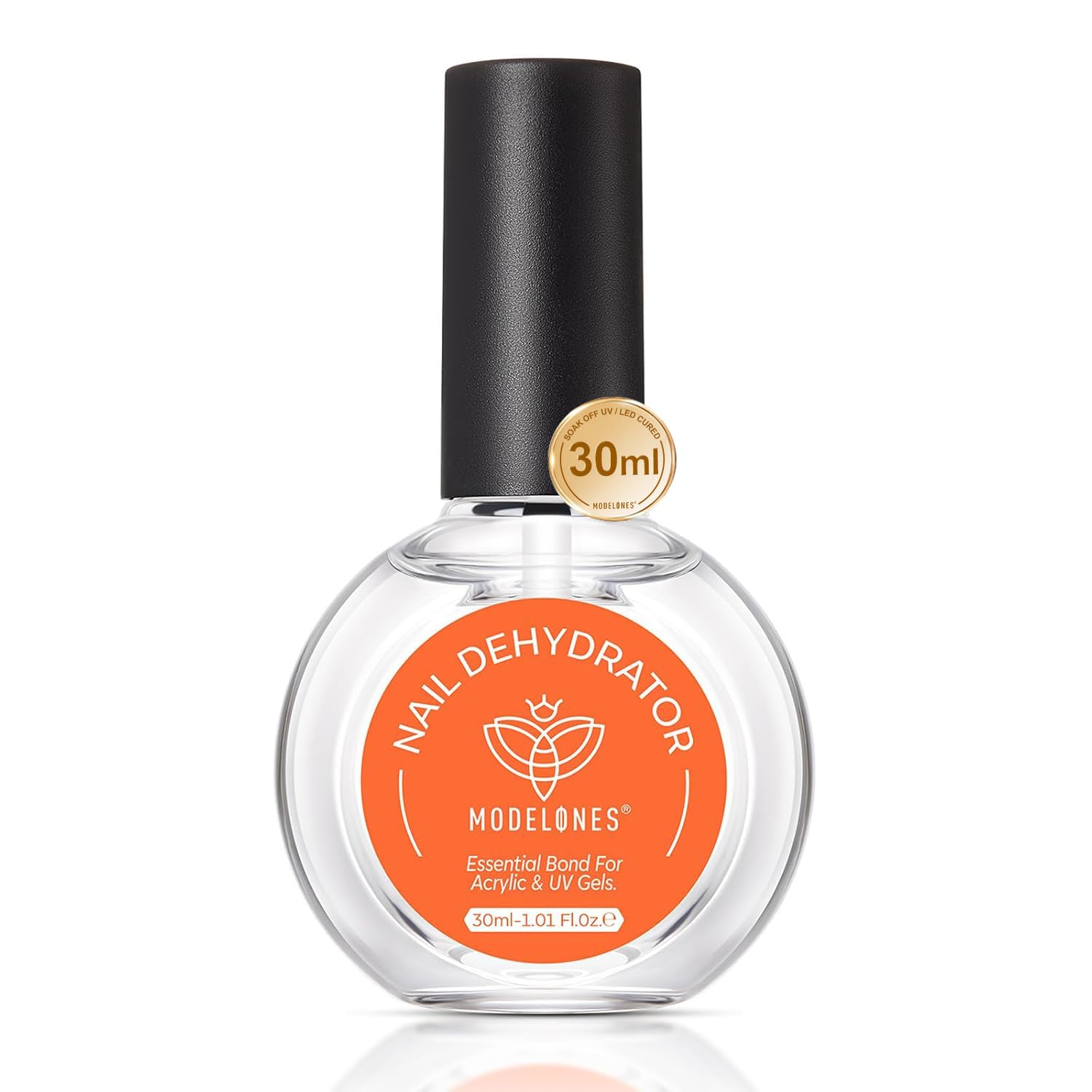
It’s worth buying if someone wants an affordable, easy-to-use dehydrator that helps press-ons, gels, and acrylics stick better.
Pros
- Dries nail oil well for a stronger bond
- Mild scent compared with some dehydrators
- Large bottle gives good value
Cons
- Feels slightly thick and viscous when applied
- Requires a skin patch test to avoid irritation
- Not a replacement for a primer when extra adhesion is needed
They used this like a thin polish before applying press-on nails and gel. The liquid sank into the nail plate and the surface looked drier and less shiny within seconds, which made the glue grab better.
Application felt simple and controlled because the formula doesn’t run off the brush. It did leave a faint chemical smell at first, but it faded quickly. Nails stayed put longer than when using rubbing alcohol alone.
This dehydrator works well across different systems—gel polish, acrylics, and press-ons all bonded better after using it. They advise testing on skin first and stopping if any discomfort appears.
Modelones Nail Dehydrator
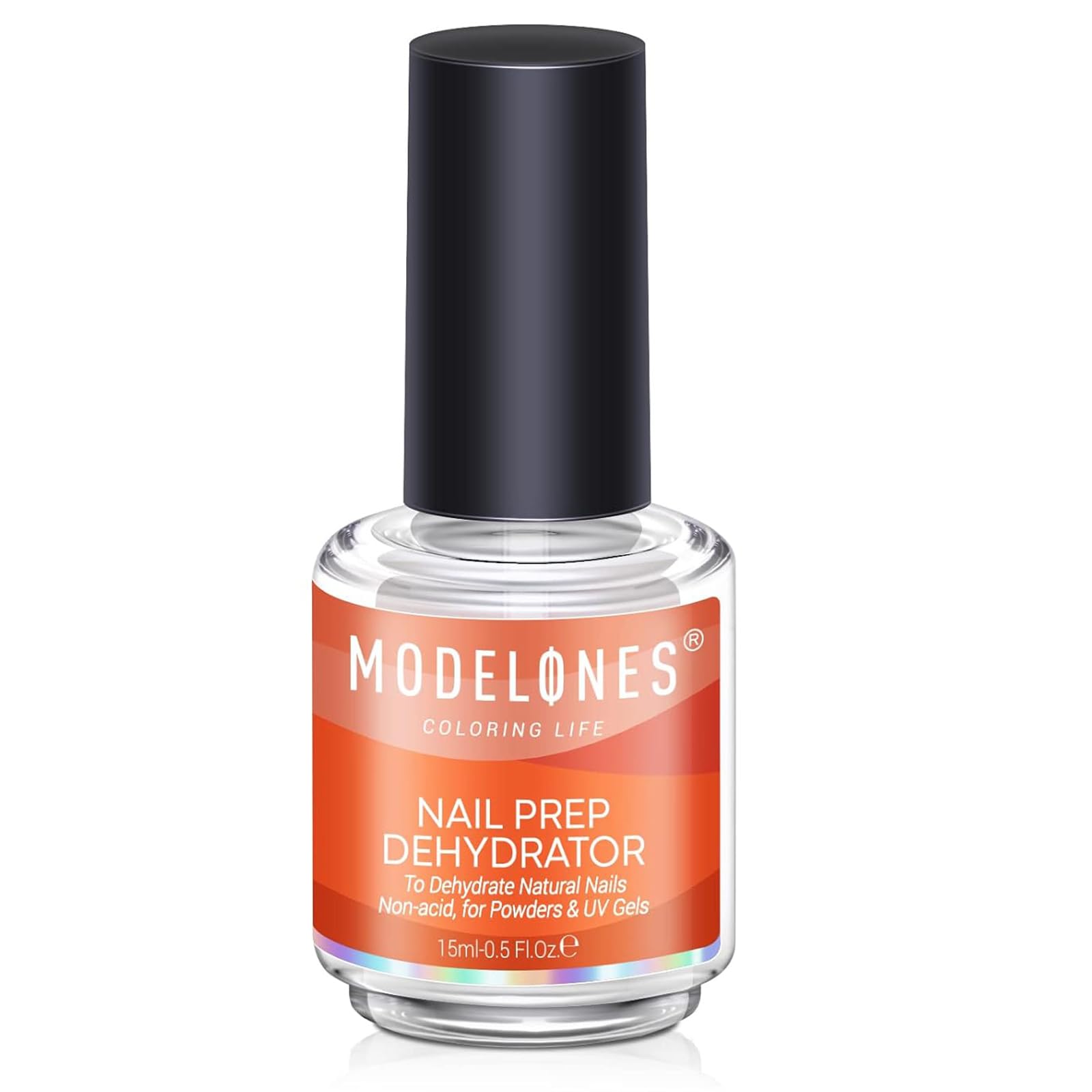
It’s worth buying if someone wants stronger gel or press-on adhesion and fewer lifts after a proper prep.
Pros
- Dries nail surface quickly for better adhesion
- Acid-free and HEMA-free, gentler on sensitive skin
- Small bottle lasts a long time with light use
Cons
- Small 15 ml bottle may feel tiny for frequent users
- Liquid applicator can drip if tipped too far
- May sting if skin contact occurs; do a patch test
They used this dehydrator before applying gel and press-on nails and noticed polish and glue stuck better than with alcohol alone. The scent was minimal and it felt safe on sensitive skin since it’s acid-free.
Applying it was easy: a wipe across each nail removed oil and improved adhesion right away. The bottle size made them cautious with how much they poured, but a little goes a long way.
After several wear cycles, lifting dropped and manicures lasted longer. They recommend a quick patch test first and steady hands during application to avoid skin contact.
Modelones Dehydrator & Primer Set

It’s a solid buy for DIY manicures because it dries nails fast and helps gel last longer when used correctly.
Pros
- Dries the nail plate quickly and removes oils.
- Feels sticky after primer so gel bonds well.
- Works with most gel and acrylic systems.
Cons
- Primer can sting if skin is nicked.
- Some users still report lifting after several days.
- Small bottles mean frequent repurchase for heavy users.
They used the dehydrator during a full at-home gel session and noticed the nail surface went bone-dry in seconds. The primer applied thin and tacky, which helped the gel sit tight instead of sliding.
During wear tests the kit improved adhesion for most nails, especially around the cuticle and free edge. A few nails in the batch lifted after a week, so results can vary with prep and product pairing.
Application felt easy and familiar to anyone used to salon steps. He recommends a careful skin test first and avoiding the primer on broken skin to prevent stinging.
Mia Secret Nail Prep Dehydrator
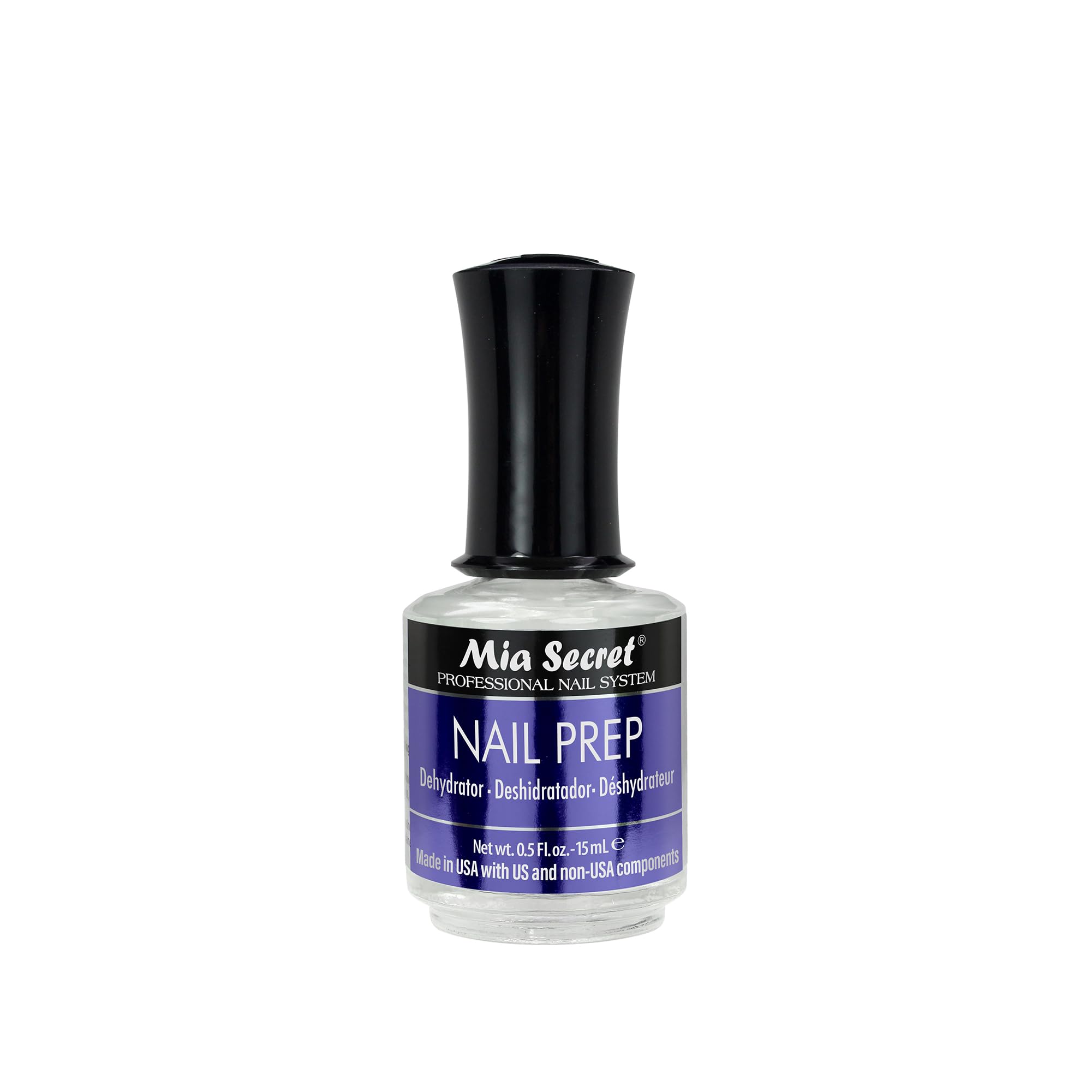
This is worth buying for anyone who wants stronger glue and longer-lasting acrylics because it dries the natural nail without acids and improves adhesion.
Pros
- Acid-free so it feels gentle on the nail.
- noticeably reduces lifting when used before acrylic or gel.
- Small bottle lasts a long time with light use.
Cons
- 15 ml bottle can run out faster for heavy salon use.
- No brush applicator; you need separate tools for application.
- Fragrance may be noticeable to some users.
They used this after filing and pushing back cuticles and saw a clear, tack-free finish that helped acrylic powder stick much better. The solvent feels light and doesn’t sting like acidic preps did in the past.
In practice it paired well with primer and bond products to lock down edges. Lashes of clients stayed secure for weeks, and the product cut down on redo appointments.
The bottle fits easily in a nail kit and the gel-like liquid spreads thinly without pooling. For a home user or occasional pro, it delivers consistent, predictable prep that makes acrylic and gel systems last longer.
V Beauty Pure Dehydrator
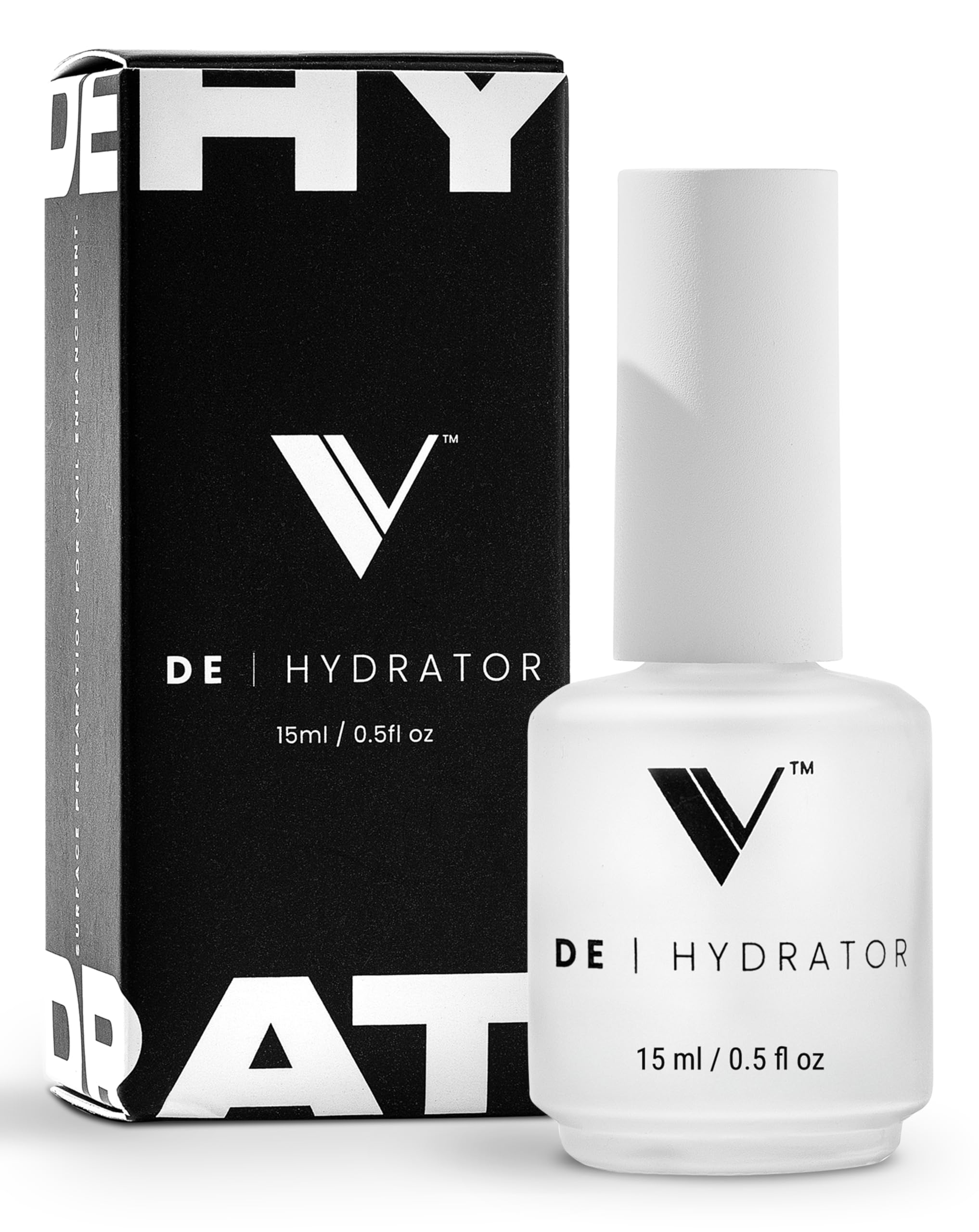
It’s worth buying for anyone who wants stronger gel or acrylic adhesion and fewer lifts.
Pros
- Dries nails fast for better polish and enhancement adhesion
- Gentle, dye-free formula that didn’t irritate skin during use
- Small bottle lasts through many appointments
Cons
- Bottle opening is small, so dispensing takes care
- 15 ml size may be small for busy pros who do many clients
- No strong scent can make it hard to tell if you’ve fully covered the nail
They used this dehydrator during a full set application and noticed glue and gel gripped much better afterward. The product removed oils and moisture quickly without stinging, and base layers felt tack-free and even.
Application was simple: a thin swipe per nail before primer or glue. Nails held for weeks during normal activities and did not lift at the edges as often as before.
The bottle is compact and easy to store in a kit, though the small opening needs steady hands to avoid wasting product. Overall, it delivered salon-level adhesion at a friendly price and felt reliable for both home users and professionals.
Morovan Nail Dehydrator

It’s worth buying if someone wants a fast, acid-free prep that helps gel and acrylic stick better.
Pros
- Dries nails quickly and reduces oils.
- Acid-free, gentle on skin and nail beds.
- Works with many systems: gel, acrylic, dip, and press-ons.
Cons
- Dries fast, which can make detailed designs harder.
- Small bottle means frequent repurchase for heavy users.
- Brush can bloom product if squeezed too hard.
They used this dehydrator between filing and base coat and noticed the nail surface felt cleaner and tack-free. The polish and acrylic seemed to grab immediately, and lifting reduced on both toes and fingers.
Application felt simple: a thin swipe with the brush was enough. It didn’t sting, and no lamp was needed to dry the prep, which saved time during the routine.
For detailed nail art, they had to work quicker because the product sets fast and can affect blending. Overall, it held primers and gels well and made press-on sets last longer in their tests.
Young Nails Protein Bond

It’s worth buying for anyone who needs stronger adhesion and longer-lasting gel or acrylic without acidic primers.
Pros
- Creates a tacky surface that helps polish and enhancements stick.
- Dries quickly and feels easy to work with during prep.
- Non-acidic formula reduces risk of nail damage for sensitive nails.
Cons
- Small bottle size means frequent replacement for heavy users.
- Strong chemical smell at first application.
- Pricier than some drugstore alternatives.
They used this bond after dehydrating and filing the nail plate and noticed a real grip under gel and acrylic. It felt sticky in the right way and helped keep edges from lifting during wear.
Application went smooth; the thin layer spread evenly and set fast enough to keep the salon pace. The non-acidic feel made it less harsh on the nail surface, which felt healthier after repeated use.
Scent can be sharp at first, so they worked in a ventilated area. For pros or committed home users, the performance justifies the cost and bottle size.
Modelones 3-in-1 Nail Dehydrator & Primer

It’s worth buying if someone wants a quick, all-in-one prep that helps polish and gels stick better while adding light nourishment.
Pros
- Saves time by combining dehydrator, primer, and nail nourishment.
- Feels gentle and has no strong chemical sting.
- Brush-on bottle is easy to control for at-home use.
Cons
- Small bottle means frequent repurchase for regular users.
- Some users reported mixed retention results on bare nails.
- Possible allergic reaction for sensitive skin — patch test is needed.
They used this on a full at-home manicure and noticed nails dried fast and tackiness improved immediately. The liquid applied smoothly with the brush and didn’t smell harsh, which made the prep step less annoying.
When paired with gel polish and tips it seemed to boost hold, especially after roughing the nail plate first. Results varied: some nails held three weeks, others lifted sooner on bare nails, so technique matters.
The added squalane and jojoba oil left nails feeling less brittle the next day. Overall, it works well as a time-saving prep step, but buyers should patch-test and expect to replace the small bottle regularly.
Beetles Nail Dehydrator & Primer

It’s worth buying for anyone who wants stronger gel adhesion and fewer lifts during at-home manicures.
Pros
- Helps nails hold gel and extensions longer.
- Hema-free and acid-free, gentler on natural nails.
- Small brush makes precise application easy.
Cons
- Strong chemical smell at first.
- Small bottles may run out quickly with frequent use.
- Brush can be stiff for very careful beginners.
They used this on natural nails and saw base coats stick better right away. The dehydrator removed oil and left the nail surface clean, so polish felt tacky in a good way and cured evenly.
Application felt quick. The short-bristled brush hit the whole nail without dragging product into the cuticle. Curing steps stayed normal, and finished nails showed less peeling after a week.
Some odor came through during use, which faded after curing. For regular users, the 15ml size means keeping extras on hand might be wise. Overall, it improved adhesion and gave more reliable, longer-lasting results.
Buying Guide
When choosing a nail dehydrator, the buyer should focus on how well the device prepares the nail surface. It must remove oils and moisture quickly to help polish and enhancements stick better. Look for products with clear instructions and consistent performance.
Consider the ingredients and drying method. Alcohol-based solutions dry fast but can be strong; non-alcohol options are gentler. Liquid wipes, sprays, or pads each work differently, so the buyer should pick what fits their routine.
Check safety and skin sensitivity information. The product should list active ingredients and warnings. If the user has sensitive skin, they should test a small area first.
Evaluate ease of use and packaging. Single-use pads or small bottles suit travel, while larger bottles save money at home. Packaging that prevents spills and includes a cap or pump reduces waste and mess.
Compare value and longevity. A cheaper option may not last long, while higher-capacity products can be more economical. The buyer should weigh price against how often they will use it.
Assess compatibility with nail systems. Some dehydrators work better with specific polish types or enhancement glues. The buyer should confirm the product fits the nail products they already use.
Look for clear labeling and manufacturing details. The product should state concentration, instructions, and any certifications. This helps the buyer make a safe, informed choice.
Quick checklist
| Feature | Why it matters |
|---|---|
| Drying method | Speed and gentleness |
| Ingredients | Safety and sensitivity |
| Packaging | Convenience and spill prevention |
| Size/price | Cost per use |
| Compatibility | Works with chosen nail products |
Comparison Breakdown
They compared three top nail dehydrators on build, speed, and value.
- Product A (brush-on pad): It has a thin brush applicator for control and low waste. It dries quickly and works well under polish. Customers note the cap seals tightly, reducing spills.
- Product B (wipe-off solution): It comes in a pump bottle with lint-free wipes. It removes oils fast and gives a smooth base for bonding. It costs more per use but reduces prep time for many users.
- Product C (spray formula): It sprays evenly and covers all nails fast. It’s handy for quick sessions and travel. Some users report needing two light sprays for best results.
They scored each on three factors: effectiveness, ease of use, and price.
- Effectiveness: A = high, B = high, C = moderate.
- Ease of use: A = moderate, B = high, C = high.
- Price: A = mid, B = high, C = low.
They recommend choosing based on routine. Choose A for precise application and pro finish. Choose B for salon-style prep and speed. Choose C for quick touch-ups and budget.
FAQs
What does a nail dehydrator do?
A nail dehydrator removes surface oils and moisture from the nail plate. This helps nail products like glue, polish, or gel adhere better and last longer.
How often should it be used?
Use it before each application of nail enhancements or polish. One thin wipe per nail usually works well.
Is a dehydrator the same as a primer?
No. A dehydrator and a primer serve different roles. Dehydrator cleans and dries; primer chemically bonds some products to the nail.
Are there any safety concerns?
Follow product directions and avoid skin contact. If irritation or burning occurs, stop using it and rinse with water.
Can it replace proper nail prep?
It cannot replace filing, pushing back cuticles, or cleaning under the nail. Those steps remain important for long-lasting results.
Which types are best for sensitive skin?
Look for alcohol-free or mild formulas and do a patch test first. Some brands label products for sensitive skin or low odor.
How should it be stored?
Keep it in a cool, dry place away from direct sunlight. Close the cap tightly to prevent evaporation.
Does it affect natural nails over time?
Used correctly and sparingly, it should not damage nails. Overuse or using harsh formulas can dry nails and cuticles.
Final Verdict
They should pick a nail dehydrator that fits their routine and budget. A good dehydrator removes oils quickly, helps polish or enhancements bond better, and reduces lifting.
Quality models offer consistent application, easy use, and low odor. Cheaper options can work but may need extra prep or more time between coats.
Consider size and portability if they travel or work on clients. Look for bottles with controlled applicators and formulas labeled for gel, acrylic, or polish compatibility.
Maintenance matters. Wiping tips and keeping caps tight extend shelf life. Replacing old products prevents poor adhesion and reactions.
Recommended features to prioritize:
- Fast-drying formula that’s non-damaging
- Applicator that prevents spills and waste
- Compatibility with their chosen nail systems
They will get the best results by pairing the dehydrator with a proper cleanser and bond promoter. This combination creates a cleaner surface and stronger adhesion for longer-lasting manicures.