
9 Best Nail Dehydrator and Primer Options for Long-Lasting Gel and Acrylic Nails

Nail lifting and premature peeling almost always trace back to one step: prep. A gel or acrylic manicure can only bond as well as the nail surface underneath it, which is why dehydrators and primers exist as the unglamorous workhorses of any manicure kit. They strip away oils and moisture, then create a surface that gel polish or acrylic can actually grip.
Dehydrators pull excess moisture and natural oils off the nail plate, while primers add a tacky layer that helps product stick. Some brands combine both jobs into one bottle; others sell them as two-step sets designed to work together. The chemistry matters too: older acid-based primers work well but can irritate skin and cuticles, while newer acid-free and non-acidic formulas aim for similar hold with less risk of burning.
The best nail dehydrator and primer for a given routine depends on nail condition, product type (gel versus acrylic), and how sensitive the skin around the nail tends to be. People with oily nail beds or a history of lifting may want a stronger two-step system, while those with reactive skin may prefer acid-free, HEMA-free formulas. Bottle size and price per milliliter matter for frequent users, especially nail techs going through product fast.
Best for sensitive skin: Young Nails Protein Bond
Best two-step system: Mia Secret Nail Dehydrator and Primer
Best value set: Beetles Nail Dehydrator and Primer Set 15 ml
Best for beginners: modelones Nail Dehydrator and Primer
Best gift-ready kit: Morovan Nail Prep Dehydrate and Primer
Best large-capacity set: Beetles 20 ml Nail Dehydrator and Primer Set
Best for long-wear acrylics: SAVILAND Nail Dehydrator and Primer
Best air-dry formula: CANNI Nail Dehydrator and Primer Set
Best budget pick: JODSONE Nail Dehydrate and Primer Set
Young Nails Protein Bond
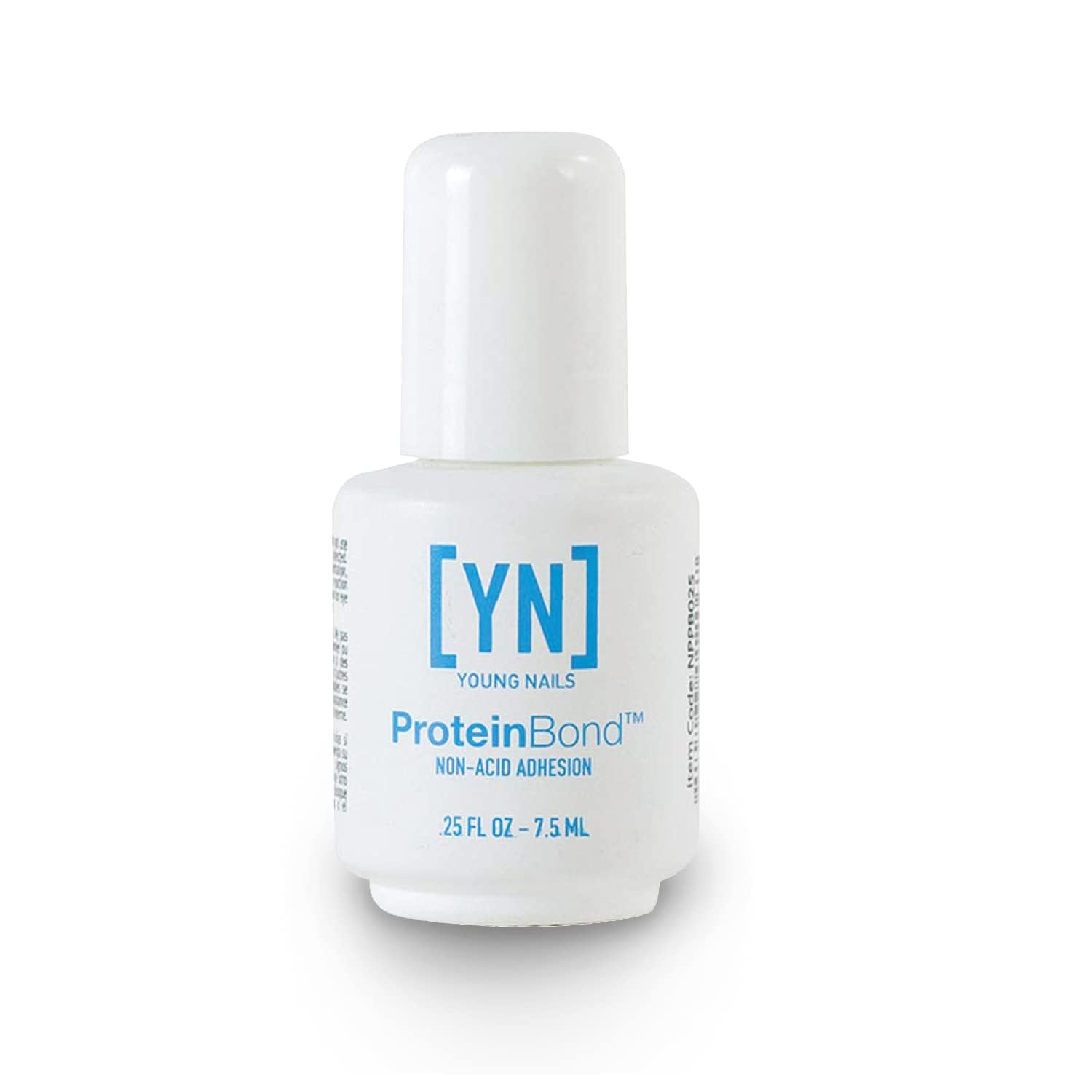
This single-bottle primer suits anyone who wants strong adhesion without the sting of traditional acid primers.
Pros
- Non-acidic formula reduces irritation risk
- Bonds to the nail’s keratin for a tackier surface
- Works across gel, acrylic, and gel polish
Cons
- No dehydrator included, so a separate one may be needed
- Small 0.25 oz size means frequent reorders for pros
- Requires careful application to avoid over-saturating the nail
Young Nails built its reputation on this protein-bond approach, which skips the harsh acids found in older primers. Instead, it targets the nail’s own protein structure to create grip. That makes it a solid pick for people whose skin reacts to stronger chemical primers.
Because it is a single product, users with dry or oily nail beds may still want a dehydrator step beforehand. The small bottle size keeps it affordable to try, but heavy users will burn through it fast.
Mia Secret Nail Dehydrator and Primer

This two-step system pairs a dehydrator with an acid-free primer, making it a dependable choice for people who want a full prep routine in one purchase.
Pros
- Complete dehydrator-plus-primer system
- Acid-free formula designed to avoid burning
- Works well for acrylic, gel, and polish applications
Cons
- Two bottles to manage instead of one
- Smaller fill sizes per bottle
- Brush quality varies by batch, according to some users
Nail students and at-home users often reach for this set because it handles both prep steps without guesswork. The dehydrator removes surface oils first, then the primer adds tack for better hold.
Reviewers frequently mention longer-lasting gel manicures after switching to this combo. The acid-free claim holds up for most skin types, though a patch test is smart for anyone with reactive skin.
Beetles Nail Dehydrator and Primer Set 15 ml
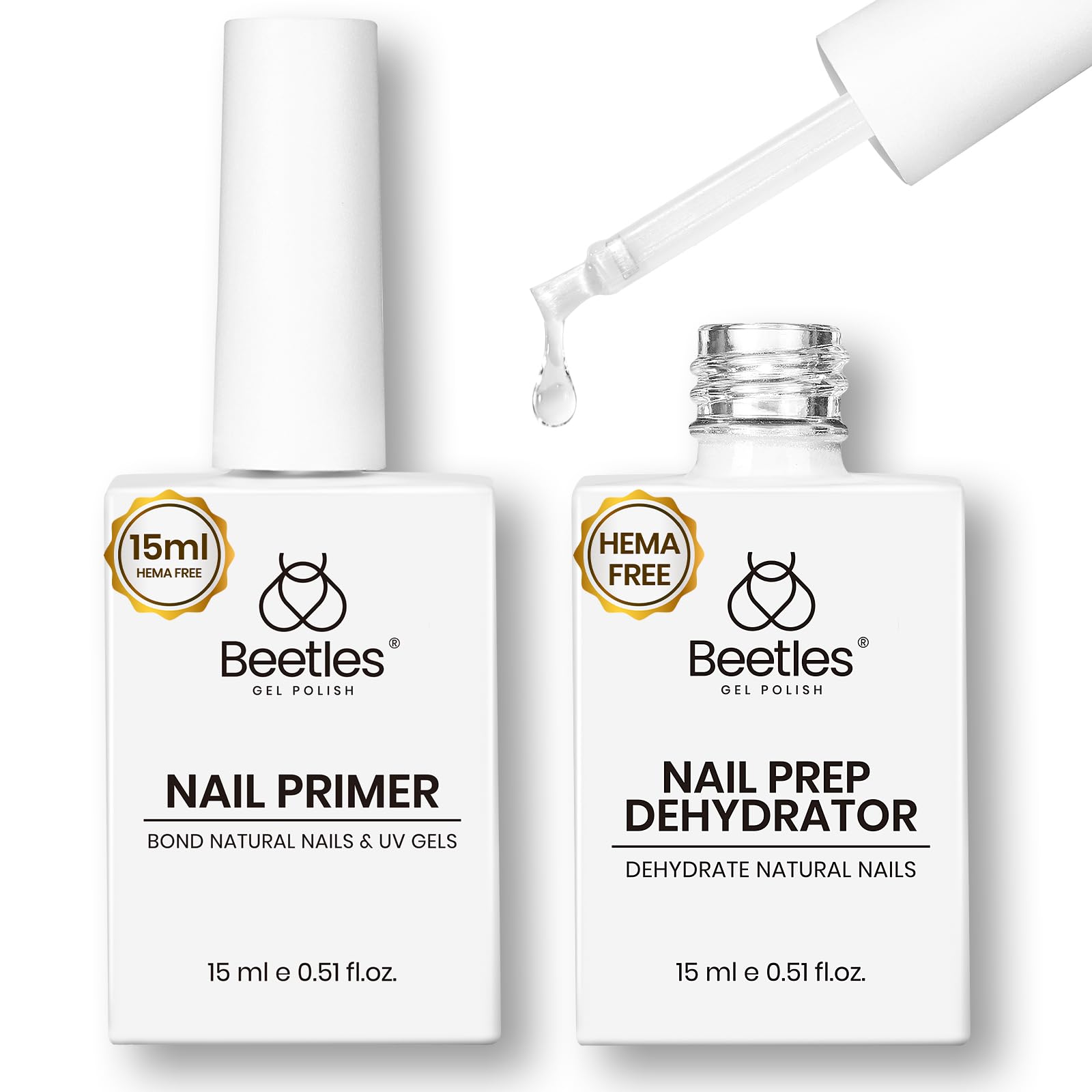
This HEMA-free set delivers dependable prep at a price that suits both occasional and frequent users.
Pros
- HEMA-free formula is gentler on natural nails
- Short-bristle brush design improves surface contact
- Two-bottle system covers both dehydrating and priming
Cons
- Some users report inconsistent lifting prevention
- Bottles are small for frequent professional use
- Scent may be noticeable to sensitive users
The 6mm short-bristle brush sets this set apart, letting the primer settle into fine ridges on the nail surface instead of sitting on top. That design detail helps explain why many reviewers report better polish longevity.
HEMA-free formulas appeal to people concerned about allergic reactions tied to that common acrylic ingredient. Results vary by nail type, but the overall prep quality holds up well for the price.
modelones Nail Dehydrator and Primer

This beginner-friendly kit offers a simple two-step routine with clear instructions, making it easy to get consistent results at home.
Pros
- Straightforward two-step process
- Acid-free formula reduces skin irritation risk
- Compatible with gel, acrylic, and extension systems
Cons
- Primer is meant for gel polish only, not all product types
- A few buyers received bottles with less product than expected
- Slight stickiness after primer application can surprise first-time users
The natural tackiness left behind after applying the primer is intentional. It gives gel polish or acrylic something to grip, and it fades once product is applied over it.
Home users appreciate the clear labeling and simple steps. Quality control has been inconsistent for a small number of buyers, so checking bottle fill upon arrival is a reasonable precaution.
Morovan Nail Prep Dehydrate and Primer

This gift-boxed set works well for anyone who wants a polished-looking kit alongside solid dehydrating and priming performance.
Pros
- Acid-free primer reduces corrosion risk to nails
- Dehydrator targets oil and moisture at the cuticle area
- Attractive packaging suits gifting
Cons
- Small overall volume per bottle
- Aloe scent may not appeal to everyone
- Less brand history compared to some competitors
Morovan markets this set as a gift option, and the packaging supports that positioning. Underneath the presentation, the formula does the expected job: dehydrate first, then prime for better product adhesion.
The double-protection approach, pairing dehydration with an acid-free primer, aims to stop lifting before it starts. Results depend on proper application, since skipping the dehydrating step can undercut the primer’s effectiveness.
Beetles 20 ml Nail Dehydrator and Primer Set

This larger-format set suits people who go through prep products quickly, whether that’s a busy home user or a nail tech with steady clients.
Pros
- Larger 20 ml bottles reduce reorder frequency
- HEMA-free formula for gentler contact
- Short-bristle brush improves nail surface penetration
Cons
- Bulkier bottles take up more storage space
- Premium size means a higher upfront cost
- Not necessary for occasional at-home use
Beetles scaled up its original prep set to meet demand from frequent users. The larger bottles cut down on how often buyers need to reorder, which adds convenience for regular manicure routines.
The brush design carries over from the brand’s smaller set, helping primer settle into the nail surface rather than sitting on top. Occasional users may find the size more than they need.
SAVILAND Nail Dehydrator and Primer

This set targets long-wear acrylic and gel manicures with a no-lamp-needed formula that dries quickly on its own.
Pros
- No UV or LED lamp required to dry
- Acid-free bond reduces corrosion risk
- Compatible with natural, acrylic, and false nails
Cons
- Smaller ratings history than some competitors
- Air-dry time varies by room temperature and humidity
- Gift-box packaging adds cost without changing performance
The air-dry feature appeals to anyone without a UV lamp on hand, since the formula sets in under a minute at room temperature. That convenience matters for quick touch-ups between full manicures.
SAVILAND positions this as protection against lifting for acrylics specifically, and the acid-free bond formula supports that without the harsh feel of older primers. Application technique still affects how well it holds up over multiple weeks.
CANNI Nail Dehydrator and Primer Set

This air-dry system suits DIY users who want a fast, no-lamp routine for prepping nails before gel or acrylic application.
Pros
- Air-dries without a UV or LED lamp
- Removes excess oils for a cleaner bonding surface
- Works across natural, acrylic, and extension nail types
Cons
- Smaller bottle sizes limit use between reorders
- Fewer reviews available compared to bigger-name brands
- Scent and texture may take getting used to
CANNI’s pre-dehydrator step focuses on pulling moisture away before the primer goes on, which the brand says improves bonding. The lack of a lamp requirement makes the whole process faster for at-home routines.
This set works for both natural nails and enhancements like acrylics, so it covers a fairly wide range of manicure types. Brittle or weak nails may see the biggest improvement in adhesion and durability.
JODSONE Nail Dehydrate and Primer Set
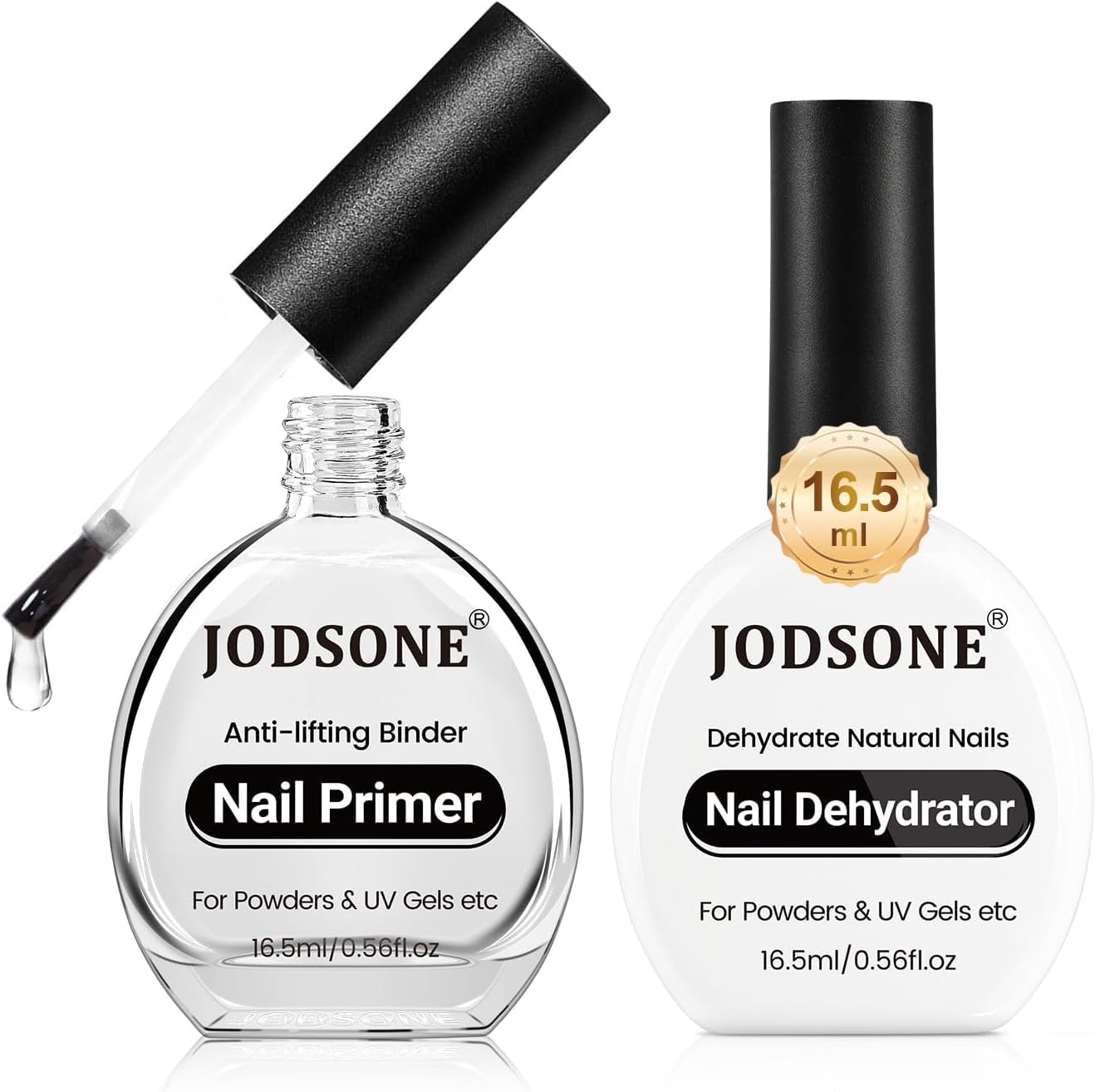
This budget-friendly set covers the basics of dehydrating and priming without a big price tag.
Pros
- Affordable price point for two bottles
- Low-odor formula noted by several buyers
- Simple application suited to beginners
Cons
- Smaller brand presence and less product history
- Fewer reviews than more established competitors
- Longevity claims are less tested across nail types
JODSONE’s set handles the core two steps: dehydrate the nail bed, then apply primer for better product grip. The low-odor formula stands out for people sensitive to strong chemical smells during application.
As a newer entrant, it lacks the long track record of bigger nail brands. For occasional DIY manicures, though, it covers the fundamentals at a reasonable cost.
Buying Guide
Choosing a nail dehydrator and primer comes down to matching the formula to nail condition, manicure type, and how often the product gets used. A few key features separate a good prep system from one that leaves gel polish or acrylic lifting within days.
Acid-Free vs. Acid-Based Primers
Acid-based primers create strong adhesion but can irritate skin and cuticles with repeated use. Acid-free and non-acidic formulas aim for similar bonding strength with less risk of burning, making them a better fit for sensitive skin or frequent application.
Single-Bottle vs. Two-Step Systems
Some products combine dehydrating and priming into one bottle, while others split the job into two separate steps.
| Format | Best For | Trade-off |
|---|---|---|
| Single-bottle primer | Quick touch-ups, minimal storage | May skip dedicated dehydration |
| Two-step dehydrator + primer | Oily nail beds, lifting-prone nails | More bottles to manage and apply |
HEMA-Free Formulas
HEMA (hydroxyethyl methacrylate) is a common ingredient in gel and acrylic systems that can trigger allergic reactions in some users. HEMA-free primers and dehydrators reduce that risk while aiming to preserve adhesion strength.
Bottle Size and Value
Frequent users, including nail techs, benefit from larger bottle sizes that lower the cost per milliliter. Occasional DIY users may prefer smaller bottles to avoid product expiring before it’s used up.
Application and Drying Time
Most dehydrators and primers air-dry within a minute, without needing a UV or LED lamp. Faster drying times support quicker manicure sessions, especially for multi-step gel applications.
Compatibility With Manicure Type
Not every primer works the same across acrylic, gel polish, and gel extensions. Checking product labeling for compatibility with the intended manicure type helps avoid weak adhesion or wasted product.
Conclusion
Strong, long-lasting gel and acrylic manicures start with proper nail prep, not just a good polish or powder. Dehydrators clear away oil and moisture, while primers give product something to hold onto, and the right combination reduces lifting and peeling over time.
Sensitive skin pairs well with acid-free or HEMA-free formulas, while nails prone to lifting may benefit from a dedicated two-step dehydrator-and-primer system. Frequent users get more value from larger bottles, while occasional DIY manicures work fine with smaller, single-purpose options.
Testing a small amount on one or two nails before a full manicure helps confirm compatibility with skin sensitivity and the chosen gel or acrylic system. Matching the formula to actual nail needs, rather than choosing based on packaging or price alone, makes the biggest difference in manicure longevity.
FAQs
Do I need both a dehydrator and a primer? Using both steps gives the best results for most people. The dehydrator removes oil and moisture, and the primer adds a surface for polish or acrylic to grip. Skipping either step can shorten how long a manicure lasts.
Are acid-free primers as effective as acid-based ones? Acid-free primers offer solid adhesion for most nail types while lowering the risk of skin irritation. Acid-based primers may create slightly stronger bonds in some cases, but they carry a higher risk of burning skin or cuticles with repeated use.
What does HEMA-free mean, and does it matter? HEMA is an ingredient found in many gel and acrylic products that can cause allergic reactions in some users over time. HEMA-free formulas swap in alternative ingredients, which matters most for people with known sensitivities or frequent product exposure.
How long does dehydrator and primer application take? Most formulas air-dry in under a minute without needing a lamp. Full nail prep, including filing and cleansing beforehand, typically adds a few extra minutes to the process.
Can these products cause lifting if applied incorrectly? Yes. Applying primer before the nail is fully dehydrated, or applying too much product, can trap moisture and lead to lifting. Following the manufacturer’s application order and drying times helps avoid this issue.

