
10 Best Nail Dehydrator for Gel Polish: Stronger, Longer-Lasting Manicures

Gel polish only sticks as well as the nail underneath it lets it. Oils on the nail plate, leftover moisture, and a slightly uneven pH all get in the way of a clean bond, and that’s usually why a fresh manicure starts lifting at the edges after just a few days. A nail dehydrator solves the first part of that problem by pulling excess oil and moisture off the nail surface, giving gel, acrylic, or dip powder something clean to grip.
Dehydrators and primers do different jobs, even though brands often sell them together. A dehydrator dries and cleans the nail plate. A primer, whether it’s acid-free, non-acid, or a pH-bonding formula, adds a slightly tacky layer that helps product adhere. Some manicures need both steps, while others do fine with just a dehydrator if the base coat already has strong adhesion built in. Beginners tend to get the best results from a combo set, while people with sensitive skin or thin nails often prefer acid-free or HEMA-free versions that skip harsh chemicals.
Bottle size, formula type, and whether a primer is included all affect value and how well a product fits into an at-home routine versus a salon setting. Some sets are built for volume and frequent use, while single dehydrators work well for people who already own a primer they like. The ten products below cover a range of needs, from beginner-friendly kits to professional-strength formulas for stubborn lifting.
Best for stubborn lifting: Morovan Dehydrator and Primer Set
Best for sensitive nails: Beetles Nail Dehydrator and Primer Set
Best for acrylic systems: Mia Secret Nail Prep Dehydrator
Best for spray application: IBD Nail Dehydrator
Best for professional-strength bonding: Young Nails Protein Bond
Best for Gelish gel systems: Gelish MINI pH Bond
Best budget single bottle: Morovan Acid Free Nail Dehydrator
Best for non-yellowing wear: V Beauty Pure Nail Dehydrator
Best 3-in-1 nourishing formula: modelones Nail Dehydrator and Primer
Best value two-pack: JODSONE Nail Dehydrator and Primer Set
Morovan Dehydrator and Primer Set

Buy this set if lifting has been a recurring problem and a combo dehydrator-primer kit sounds like the fix.
Pros
- Dehydrator and acid-free primer included in one box
- Compatible with gel, acrylic, and dipping systems
- Fast-drying formula speeds up prep
Cons
- Small 0.5 oz bottles won’t last for heavy salon use
- Some buyers reported bottles arriving with leaks
This two-step set tackles both oil removal and bonding in one purchase. The dehydrator strips moisture and surface oil from the nail bed, while the acid-free primer creates a tacky layer that grips gel or acrylic product. Reviewers with a history of peeling nails say this combination extends wear noticeably compared to skipping prep altogether. The primer is described as gentle rather than harsh, which suits people who found traditional acid primers uncomfortable. A handful of buyers mentioned bottle leaks during shipping, so it’s worth checking the seal on arrival.
Beetles Nail Dehydrator and Primer Set
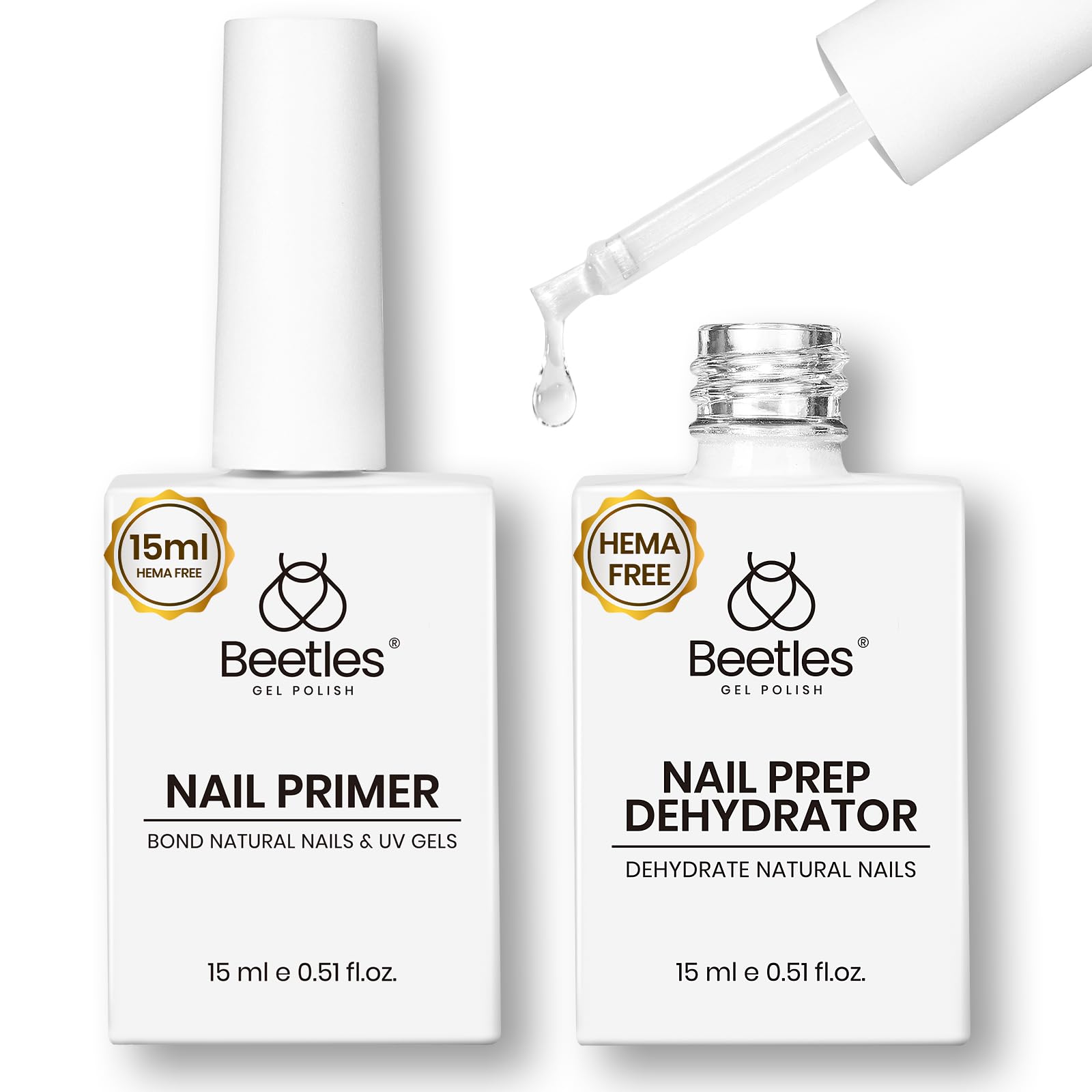
This is a solid pick for anyone who wants a HEMA-free formula that’s gentle enough for reactive skin without giving up adhesion strength.
Pros
- HEMA-free formula reduces irritation risk
- Short-bristled brush design fits nail contours closely
- Larger 15 ml bottles offer more uses per set
Cons
- Not ideal for extremely oily nail beds without a second coat
- Primer step still needed for maximum hold
The brush design deserves a mention here. Its shorter bristles hug the nail surface better than standard brushes, helping the primer settle into filed grooves for a stronger physical bond. Since the formula skips HEMA, it’s a reasonable option for people who’ve had reactions to other gel systems. The dehydrator handles oil and dust removal well, and together the pair balances nail pH before base coat application. Wear time reports commonly land in the two-to-four-week range depending on nail prep and lifestyle.
Mia Secret Nail Prep Dehydrator
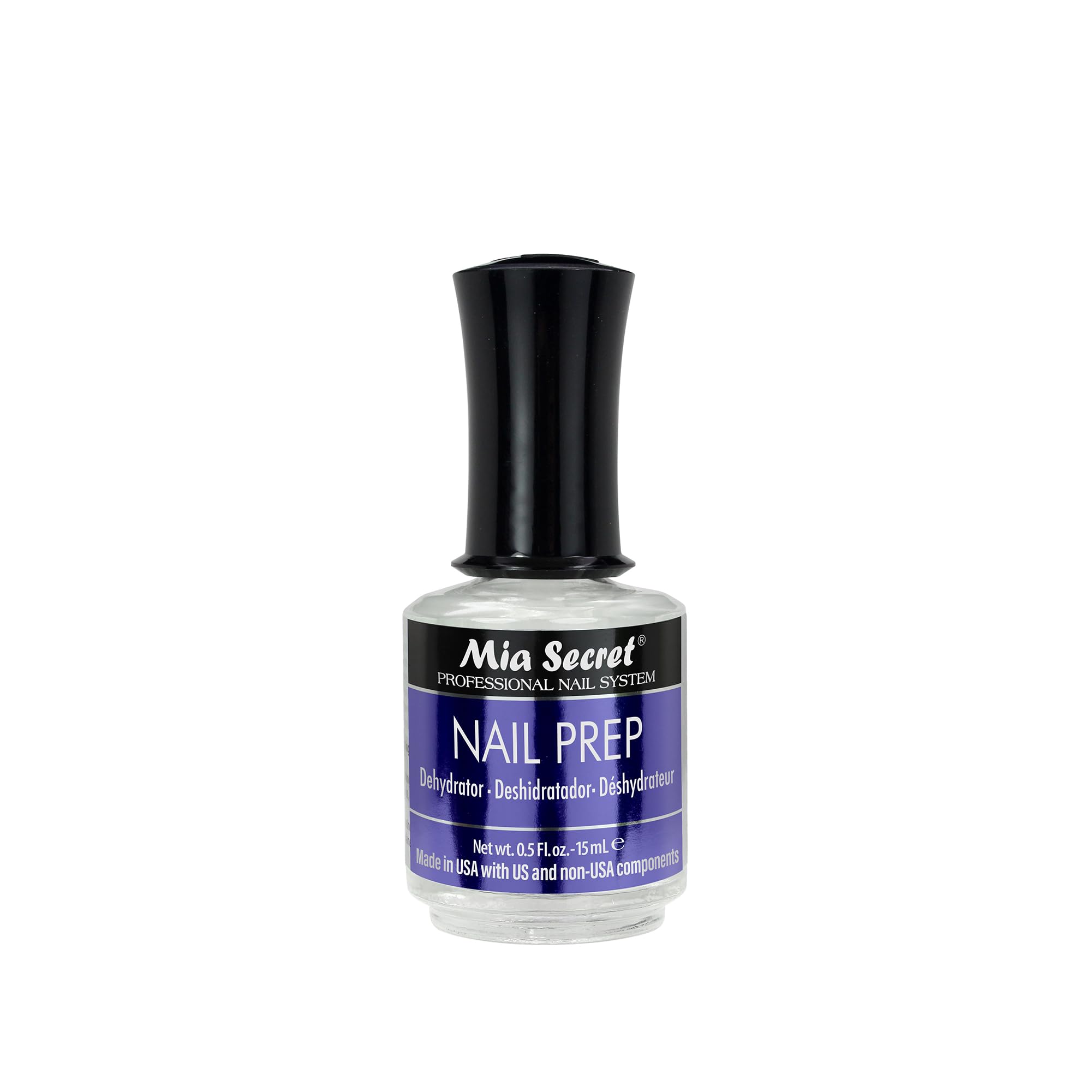
Acrylic users who already have a primer in their kit will like this straightforward, acid-free dehydrator on its own.
Pros
- Acid-free formula is comfortable on natural nails
- Works well alongside Mia Secret acrylic and gel systems
- Long-lasting bottle based on user reports
Cons
- Sold without a primer, so a separate bonding agent may be needed
- Best suited to users already familiar with multi-step prep
This dehydrator is built specifically to prep nails before acrylic powder or gel application. It doesn’t include a primer, so anyone new to acrylics may want to pair it with a bonding agent like Young Nails Protein Bond. Reviewers who work with acrylic systems regularly say a small amount goes a long way, and the bottle lasts through many applications. The acid-free formula avoids the sting some people feel with older-style primers, making it a comfortable step for sensitive nail beds.
IBD Nail Dehydrator

This spray-style dehydrator suits anyone who wants to avoid dipping a brush into the bottle and risking contamination.
Pros
- Spray application avoids file dust contaminating the liquid
- Dye-free formula keeps nail beds clean during prep
- Works as a primer alternative for lighter adhesion needs
Cons
- Spray format uses product faster than brush-on bottles
- Not as strong as a dedicated primer for heavy lifting issues
IBD’s dehydrator sprays on instead of brushing on, which keeps the bottle clean since a brush never touches nail dust or debris. That’s a small but practical difference for anyone doing several manicures from the same bottle. It removes surface oils and balances pH without added dyes, prepping nails for gel, acrylic, or standard polish. Some long-time nail techs use it as a lighter alternative to a full primer step, especially for press-on application or simpler manicures that don’t need heavy-duty bonding.
Young Nails Protein Bond
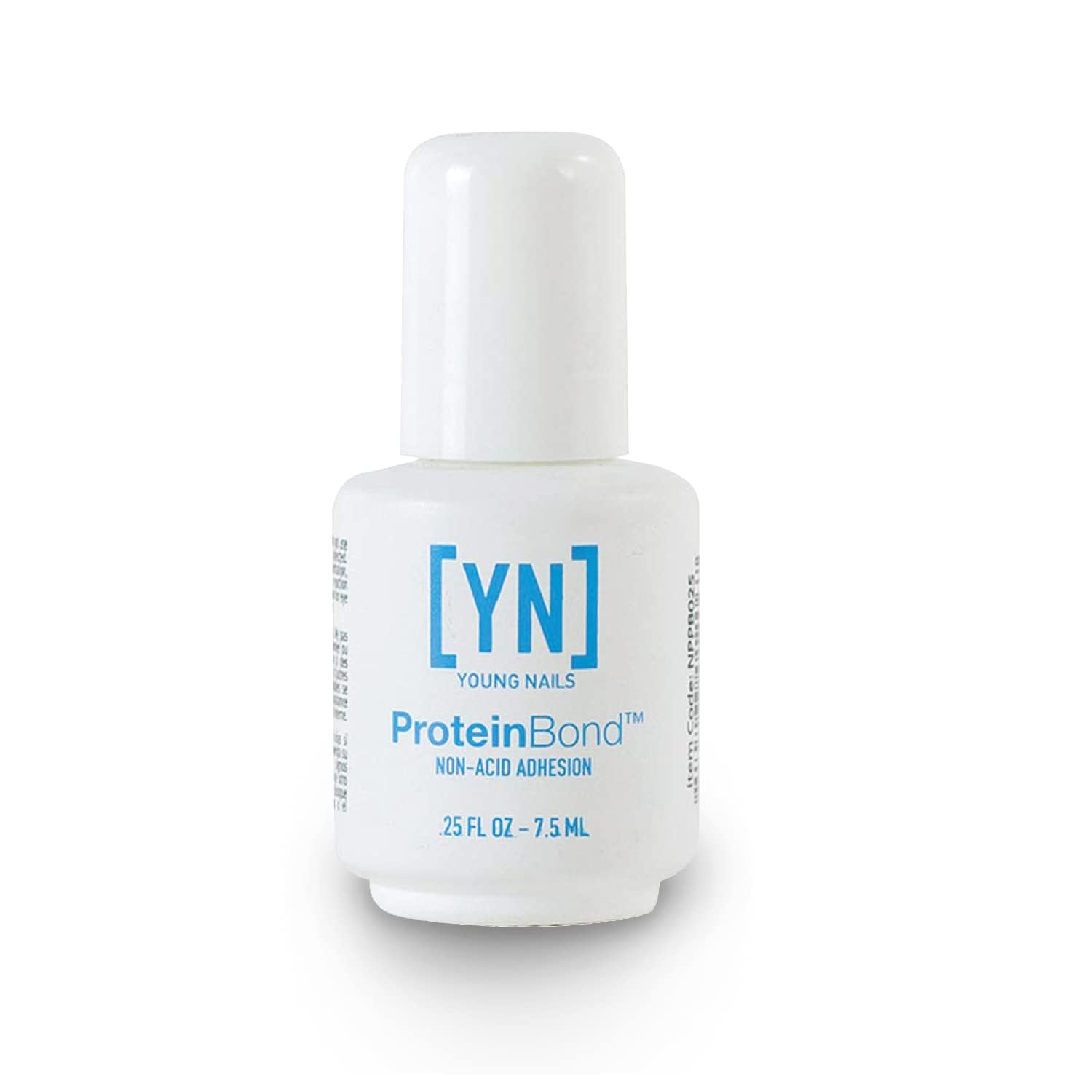
Choose this one when previous primers haven’t stopped lifting and a professional-strength, non-acidic bonder is worth the investment.
Pros
- Bonds directly to the nail’s keratin structure for strong hold
- Non-acidic formula avoids the corrosive feel of older primers
- Trusted by many licensed nail technicians
Cons
- Small 0.25 oz bottle feels pricey for the amount
- Requires careful, thin application to avoid product buildup
Protein Bond works differently than a simple dehydrator. It’s a primer that chemically bonds to keratin in the nail, creating a sticky surface gel and acrylic grip onto. That protein-level bond is why many nail techs reach for it when clients have chronic lifting problems. It skips the acidic burn of older-style primers, so it’s comfortable to use even on thin or damaged nails. The bottle is small, but a little goes a long way since only a thin coat is needed.
Gelish MINI pH Bond
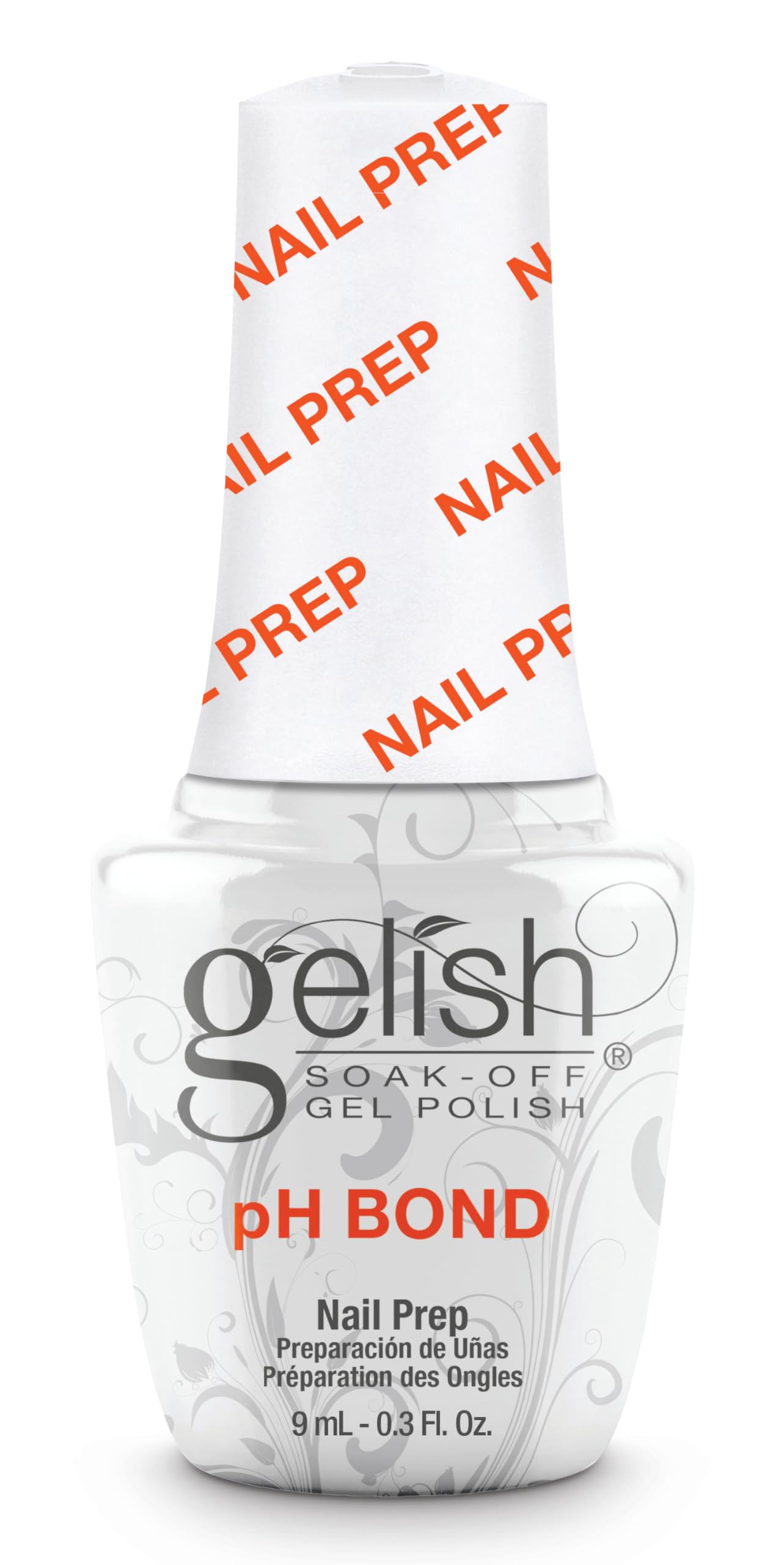
Gelish users looking for a matched prep step will appreciate this pH-balancing formula designed around the brand’s own gel polish line.
Pros
- Balances nail pH while removing surface oil
- Fast-drying so prep doesn’t slow down the manicure
- Compatible with gel systems outside the Gelish brand too
Cons
- Smaller bottle size than some competitors for the price
- Feels more like a dehydrator than a tacky primer
pH Bond does double duty as a dehydrator and light prep primer, balancing the nail’s natural pH so gel polish adheres evenly. Some reviewers noted it dries less tacky than expected, closer to a dehydrator feel than a traditional bonding primer. That’s not a flaw, just a difference worth knowing before application. It works with other gel polish brands beyond Gelish, and the fast-drying formula fits well into a quick at-home routine without adding much time to the process.
Morovan Acid Free Nail Dehydrator
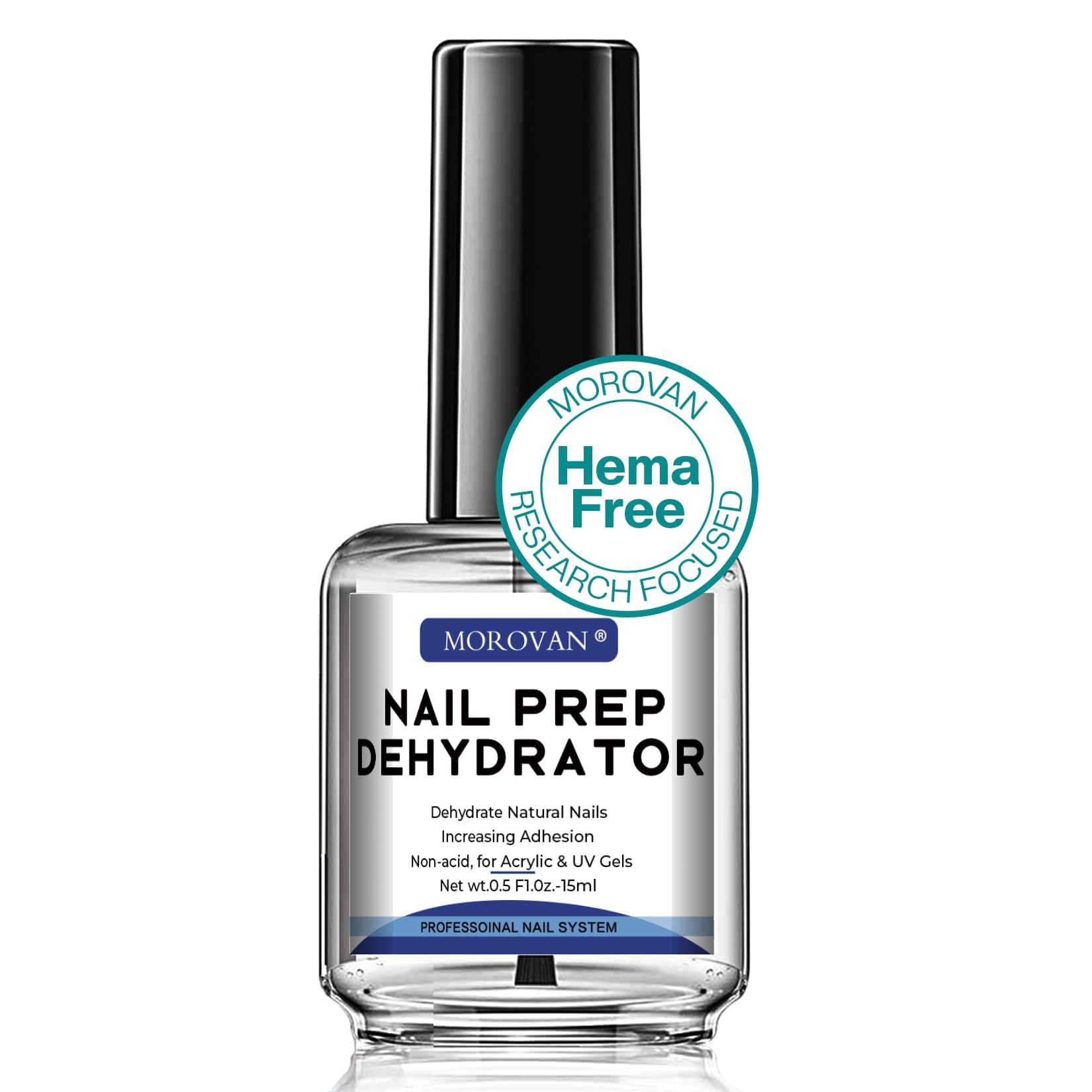
This single-bottle dehydrator is a smart budget pick for anyone who already owns a primer and just needs a reliable prep step.
Pros
- Acid-free and non-toxic formula
- Compatible with gel, acrylic, and dip powder systems
- Competitively priced for a standalone dehydrator
Cons
- No primer included, so a separate bonding product is needed for maximum hold
- Brush can wear down faster than expected with regular use
Morovan’s standalone dehydrator focuses on one job: removing oil, dust, and bacteria from the nail bed before base coat. It skips the yellow tint and shine some dehydrators leave behind, drying to a clean matte finish. Reviewers who pair it with a separate primer report solid results, with wear extending well past the point where unprepped nails typically start lifting. A few buyers mentioned the brush frays with regular use, which is worth watching for if this becomes a weekly step.
V Beauty Pure Nail Dehydrator
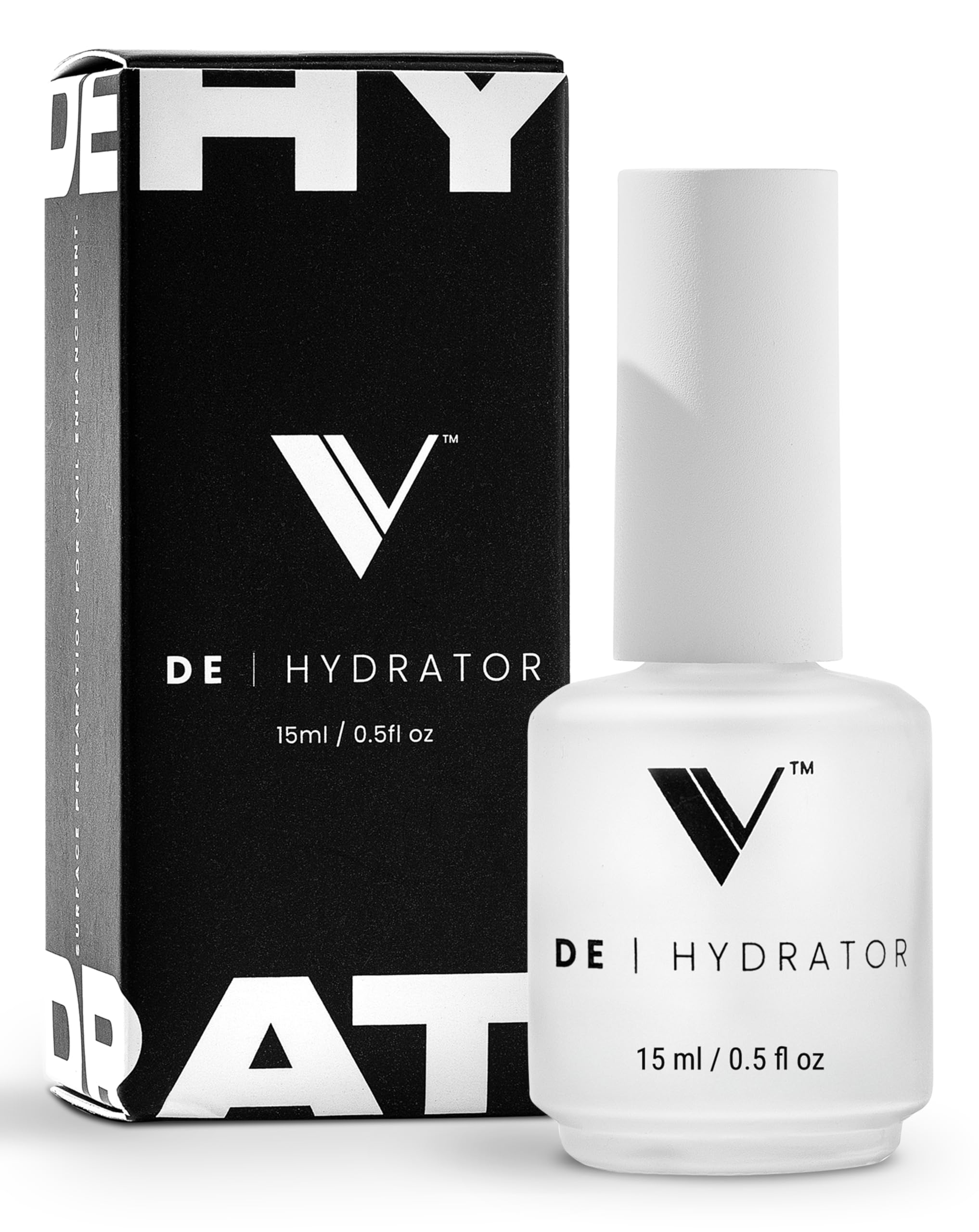
Anyone worried about yellowing over repeated gel applications should look at this dye-free, fragrance-free dehydrator.
Pros
- Dye-free formula reduces risk of nail discoloration
- Fragrance-free, suitable for sensitive users
- Works across gel, acrylic, and enhancement systems
Cons
- Smaller brand with fewer long-term reviews than competitors
- Best results reported when paired with matching bond and base coat products
V Beauty Pure markets this as a foundational step in a larger prep system, and reviewers who paired it with the brand’s bonder and base coat reported the best retention. Used alone, it still handles oil and moisture removal effectively without leaving nails looking yellow or dull over repeated applications. The fragrance-free formula is worth noting for anyone sensitive to strong chemical smells during application, a common complaint with older dehydrator formulas.
modelones Nail Dehydrator and Primer

This 3-in-1 formula suits anyone who wants nail nourishment built into their prep step instead of treating it separately.
Pros
- Combines dehydrating, priming, and nourishing in one bottle
- Contains jojoba oil and squalane for nail strength
- Acid-free and HEMA-free formula
Cons
- Cannot function as a base coat on its own
- Newer product with a smaller review history
Squalane and jojoba oil set this formula apart from standard dehydrators, which usually focus only on stripping moisture and oil. Here, the same bottle also nourishes the nail plate, which is a nice option for anyone whose nails get brittle from frequent gel or acrylic cycles. It still needs to be followed by a proper base coat, since it isn’t designed to replace one. The acid-free and HEMA-free formula make it a gentler choice for people managing sensitive or reactive skin.
JODSONE Nail Dehydrator and Primer Set
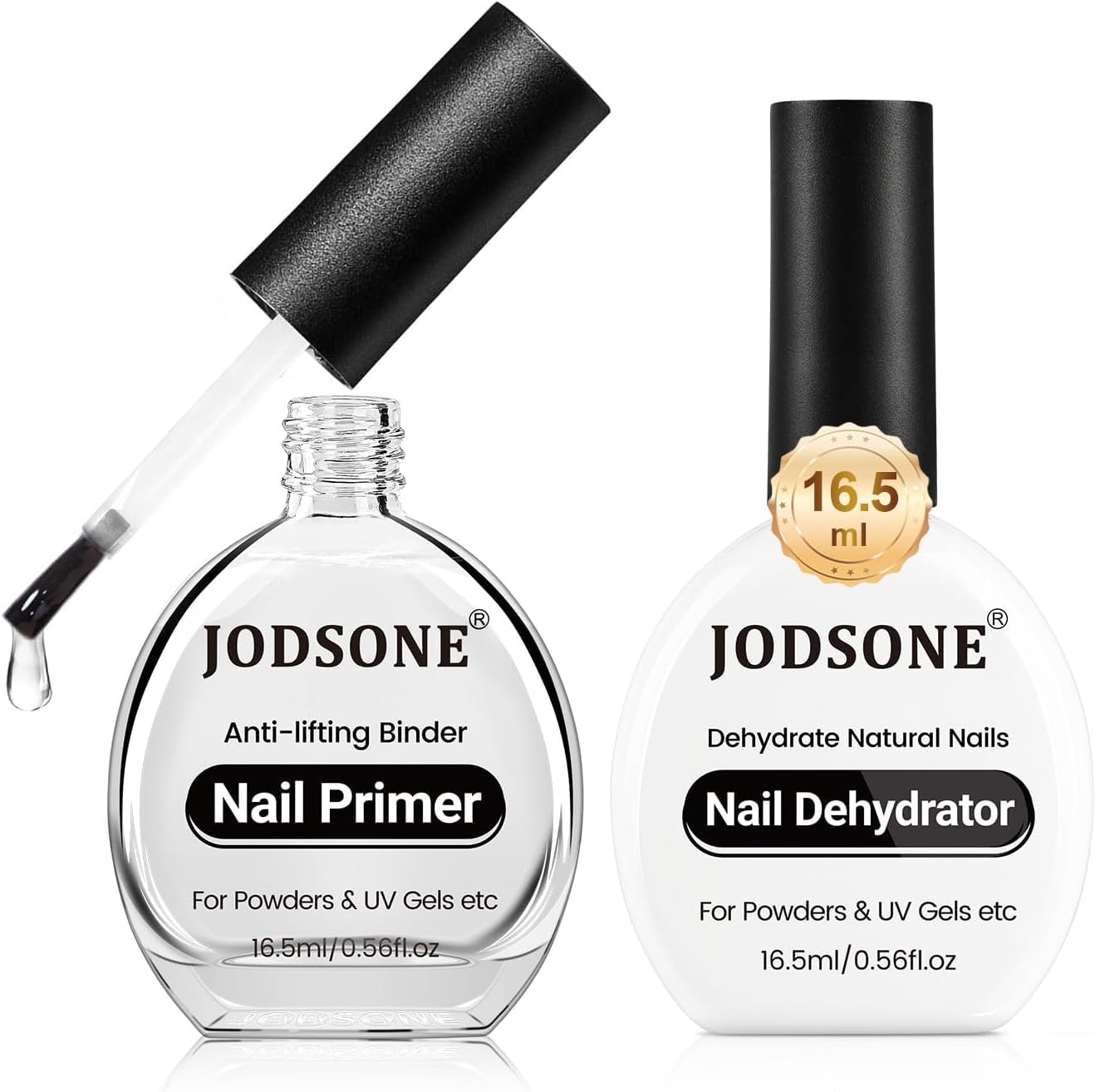
Buyers looking for a two-bottle set at a reasonable price should consider this dehydrator and primer combo.
Pros
- Dehydrator and primer bottles are larger than many competitors
- Low odor formula is comfortable during application
- Good value for the amount of product included
Cons
- Brand has less long-term reputation than established nail care names
- Instructions require careful reading for correct step order
JODSONE’s set gives buyers two full bottles at 16.5 ml each, which is larger than several competing kits in this price range. The dehydrator removes oil from the nail bed while the primer adds the tacky layer gel or acrylic needs to bond. Reviewers describe the scent as mild compared to older-style primers, a plus for anyone doing nails in a small space. As with any two-step system, following the order (dehydrate first, then prime) affects how well the final manicure holds up.
Buying Guide
Dehydrator vs. Primer: Know the Difference
A dehydrator removes oil, moisture, and surface debris from the nail plate. It doesn’t add tackiness on its own. A primer, whether acid-free, non-acid, or pH-bonding, creates a sticky layer that helps gel or acrylic grip the nail. Some products combine both steps in one bottle, while others require buying them separately.
| Product Type | What It Does | Best For |
|---|---|---|
| Dehydrator only | Removes oil and moisture | Users who already own a primer |
| Primer only | Adds tacky bonding layer | Users who dehydrate with acetone or a separate product |
| Combo dehydrator + primer | Cleans and bonds in one kit | Beginners wanting an all-in-one solution |
| 3-in-1 formula | Cleans, bonds, and nourishes | Users prone to brittle or weak nails |
Acid-Free vs. Traditional Acid Primers
Traditional acid primers work well but can feel harsh, sometimes causing a burning sensation near the cuticle if applied carelessly. Acid-free and non-acid formulas rely on different bonding chemistry to achieve similar adhesion without that sting. They’re gentler for sensitive skin and beginners still learning proper application technique.
HEMA-Free Formulas
HEMA (hydroxyethyl methacrylate) is a common ingredient in gel systems that can trigger allergic reactions in some people over time. HEMA-free dehydrators and primers reduce that risk, which matters for anyone who does gel manicures frequently or has noticed sensitivity developing.
Bottle Size and Value
Bottle sizes for dehydrators and primers typically range from 0.25 oz to 0.5 oz per product. Smaller bottles suit occasional at-home use, while larger sets or multi-packs offer better value for frequent manicures or shared household use.
Application Tips
- Apply dehydrator to clean, filed nails before any base coat.
- Let the dehydrator dry fully before adding primer, if using one.
- Use a thin, even coat of primer to avoid product buildup near the cuticle.
- Avoid skin contact, especially with acid-based primers, to prevent irritation.
- Store bottles upright and tightly capped to prevent evaporation or leaks.
Conclusion
Choosing the right nail dehydrator comes down to matching the formula to specific prep needs. Beginners generally do well with a combo dehydrator-primer set, since it removes the guesswork of pairing separate products correctly. People managing sensitive skin or allergy concerns should prioritize acid-free and HEMA-free formulas, even if they cost slightly more per bottle.
Anyone dealing with recurring lifting issues might get more benefit from a dedicated bonding primer like Young Nails Protein Bond, used alongside a basic dehydrator. Budget-focused buyers can stick with single-purpose dehydrators and pair them with whatever primer they already trust. Whatever the pick, proper application technique, clean nail prep, and correct dry time between steps affect the final result as much as the product itself.
FAQs
Do I need both a dehydrator and a primer? Not always. A dehydrator alone removes oil and moisture, which helps gel adhere better. A primer adds an extra tacky layer for stronger bonding, which matters more for acrylic systems or nails prone to lifting.
Can a nail dehydrator replace acetone? Dehydrators and acetone serve different purposes. Acetone removes old polish and some surface oil, while a dehydrator specifically strips remaining moisture and oil right before base coat application.
Are acid-free primers as effective as traditional acid primers? Acid-free primers can perform similarly for most at-home users, especially when paired with a good dehydrator. Traditional acid primers sometimes offer stronger bonding for difficult cases, but they carry more risk of skin irritation.
How long does a bottle of nail dehydrator last? It depends on bottle size and how often manicures happen. A 0.5 oz bottle used for personal manicures every two weeks can last several months, since only a small amount is needed per application.
Can nail dehydrator cause skin irritation? Dehydrator formulas are generally mild, but contact with skin or cuticles should still be avoided. Primers, especially acid-based ones, carry a higher risk of irritation if they touch the skin repeatedly.
Is HEMA-free the same as acid-free? No. HEMA-free refers to the absence of a specific allergy-triggering ingredient found in some gel systems. Acid-free refers to the primer’s pH and how it interacts with the nail plate. A product can be one, both, or neither.

