
10 Best Nail Dehydrator for Salon Use: Professional Prep Picks for Gel and Acrylic Nails

Nail prep determines whether a set holds for three weeks or lifts by day three. Before any gel polish, acrylic, or hard gel goes on, the natural nail plate needs to be free of oil, moisture, and surface debris. That’s the job of a dehydrator. A separate step, called a primer or pH bonder, then adjusts the nail’s surface chemistry so product actually grips instead of sliding around on a slick plate.
Salons see the cost of skipping this step constantly: callbacks for lifting, gel that pops off in a week, and clients who blame the polish when the real issue was prep. A quality dehydrator and primer combination is one of the cheapest ways to cut down on redos and protect a salon’s reputation for durable manicures. Acid-free and HEMA-free formulas matter too, since more clients are asking about sensitivities and technicians are on their hands with these products all day.
Bottle size, drying speed, and whether a product ships as a single dehydrator or a two-step kit all affect how it fits into a busy chair schedule. Some technicians want one bottle that dehydrates and primes together. Others prefer separating those steps for more control over acrylic adhesion versus gel polish adhesion. The following ten picks cover both approaches, along with formulas suited to sensitive clients and higher-volume days.
Best for acrylic systems: Mia Secret 15 ml Nail Dehydrator and Primer Kit
Best for sensitive clients: Young Nails Protein Bond
Best single-step dehydrator: Mia Secret Professional Nail Prep Dehydrator
Best for gel polish specifically: Gelish MINI pH Bond
Best budget two-step kit: Morovan Nail Prep Dehydrate and Primer Set
Best for high-volume salons: Beetles Nail Dehydrator and Primer Set
Best value two-pack: modelones Nail Dehydrator and Primer Prep Kit
Best for nail health support: modelones 3-in-One Nourishing Prep
Best for long-wear retention: GAOY Nail Dehydrator and Primer Set
Best air-dry formula: CANNI Nail Dehydrator and Primer Set
Mia Secret Nail Dehydrator and Primer Kit

This two-bottle system is a solid pick for technicians running acrylic services who want a dedicated dehydrator and a separate no-burn primer.
Pros
- Acid-free primer formula reduces cuticle irritation
- Works across acrylic, gel, and traditional polish
- Well-established brand with a long professional track record
Cons
- Smaller bottle sizes require reordering for high-volume use
- Two-step process adds time versus all-in-one formulas
XTRABOND, the primer half of this kit, bonds without the burning sensation some acid-based primers cause. That makes it a reasonable choice for clients who’ve complained about stinging with other brands. The Nail Prep dehydrator strips oils and moisture efficiently, giving the primer a clean surface to grip.
Technicians doing back-to-back acrylic fills will want to keep a backup bottle on hand, since the 0.5 oz size moves fast in a busy chair.
Young Nails Protein Bond
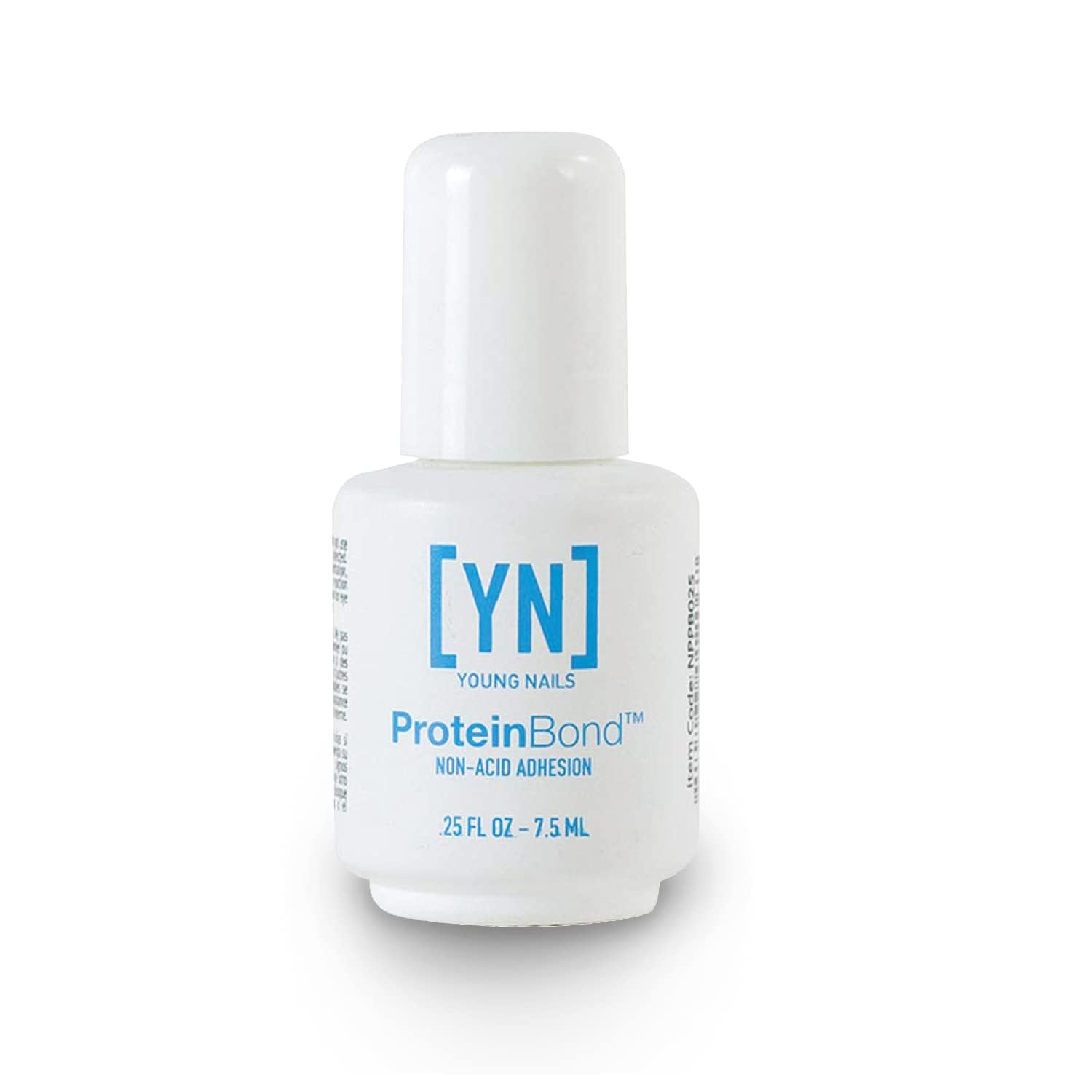
Protein Bond is the primer to reach for when a client has sensitive skin or a history of reacting to acid-based primers.
Pros
- Non-acidic formula bonds to keratin without corrosive chemicals
- Strong reputation among licensed technicians for retention
- Works across gel, acrylic, and gel polish
Cons
- Small 0.25 oz bottle empties quickly in a busy salon
- Higher cost per ounce than larger kits
Instead of etching the nail plate the way acid primers do, Protein Bond binds to the nail’s own protein structure. Technicians report noticeably fewer lifting callbacks after switching, particularly on clients who bite their nails or have thin, damage-prone plates.
The bottle size is the main tradeoff. Salons doing gel manicures all day should budget for frequent reorders, since the compact size doesn’t stretch as far as two-step kits with larger fill volumes.
Mia Secret Professional Nail Prep Dehydrator
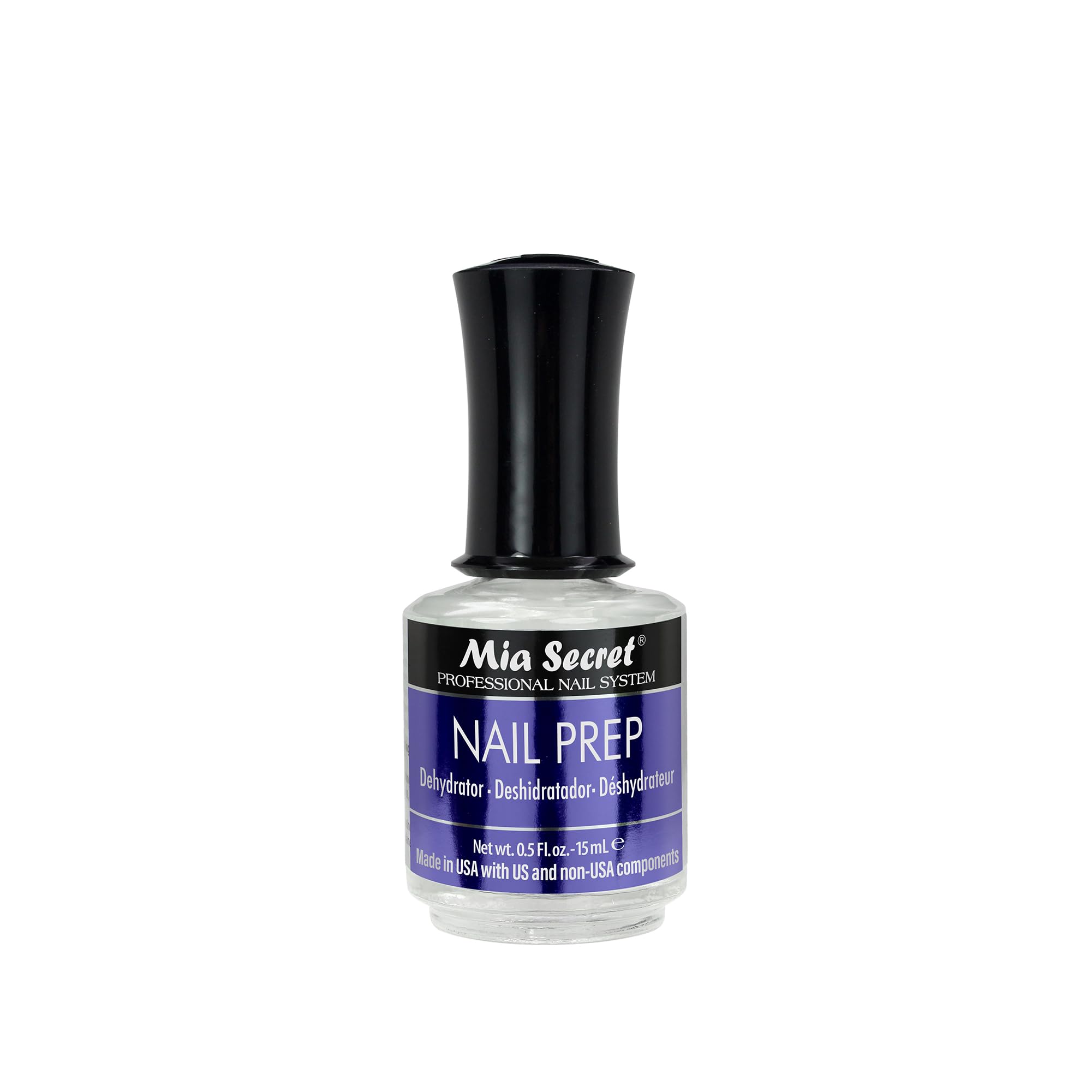
This standalone dehydrator suits technicians who already have a primer they like and just need a reliable oil-removal step.
Pros
- Acid-free formula safe for repeated daily use
- Compatible with all Mia Secret acrylic and gel systems
- Well-rated among Spanish-speaking nail professionals in reviews
Cons
- Sold without a primer, so it’s not a full prep kit alone
- Best matched to Mia Secret’s own product line
Some technicians say this dehydrator works well enough on its own that they skip a wet primer step entirely when using Mia Secret acrylics. That won’t hold true for every gel system, so it’s worth testing on a single nail before committing to a full set.
For salons already stocked with Mia Secret acrylic powders, buying the dehydrator separately from the primer kit above can save money over time.
Gelish MINI pH Bond
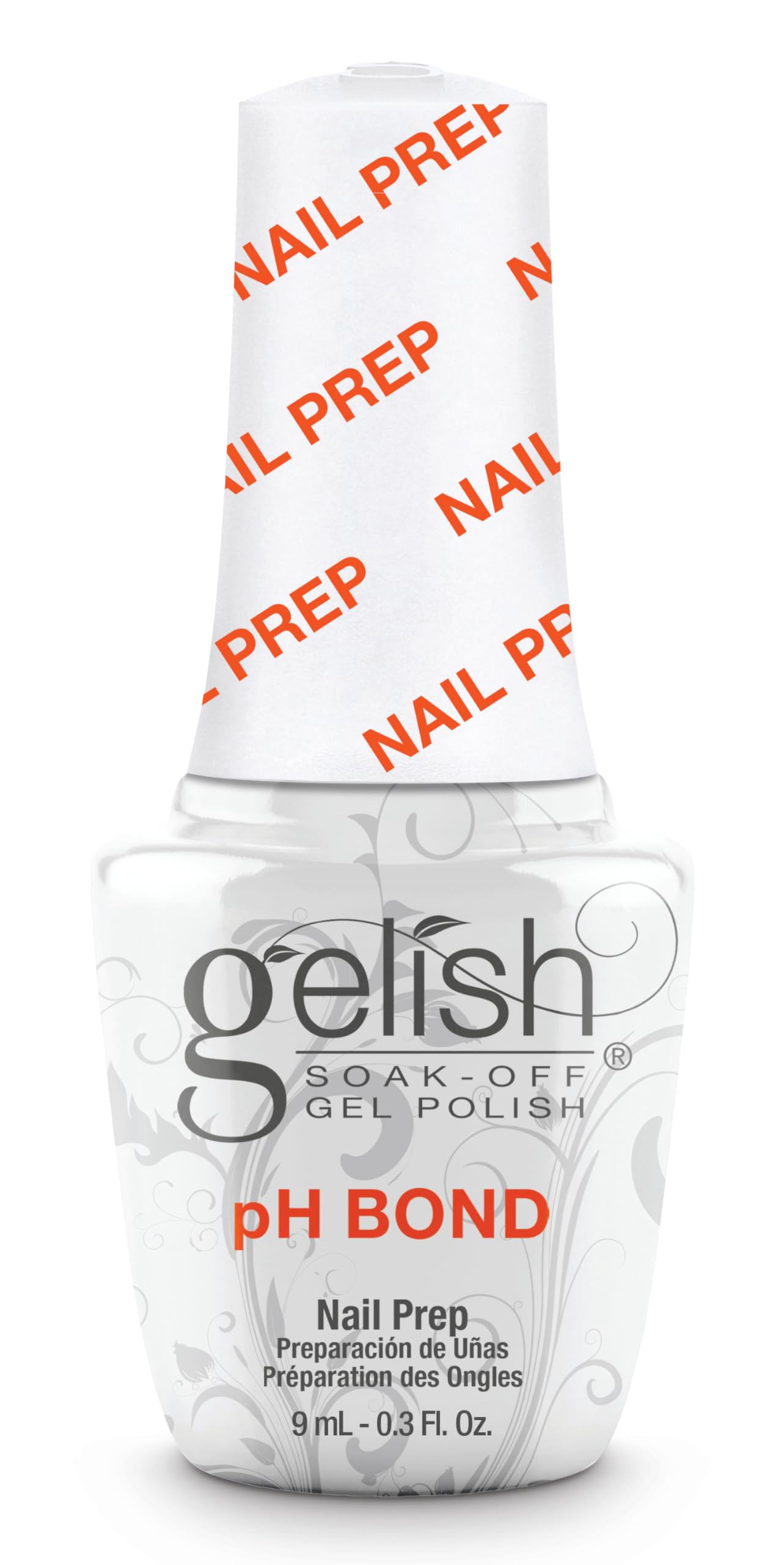
pH Bond is built specifically for gel polish services and works best in salons that don’t run heavy acrylic volume.
Pros
- Fast-drying, no-wipe formula speeds up appointments
- Balances nail pH for smoother gel polish adhesion
- Trusted name from a long-running professional gel brand
Cons
- Bottle is noticeably smaller than the label volume suggests
- Less suited to acrylic-heavy service menus
Technicians who learned gel application through Gelish’s system will recognize this step immediately. It skips the tacky feel some primers leave behind, drying to a smoother finish before polish goes on.
The bottle runs smaller than expected, according to multiple reviewers, so factor that into cost-per-service calculations before switching an entire salon over to it.
Morovan Nail Prep Dehydrate and Primer Set

This two-bottle set is a practical budget option for salons that want a complete dehydrator and primer kit without a premium price tag.
Pros
- Acid-free primer reduces irritation risk
- Compatible with most acrylic and gel systems on the market
- Packaged as a gift-ready set, useful for retail upsells
Cons
- Formula performance is less consistent than higher-end brands in some reports
- Smaller bottles compared to professional-size refills
The primer works like double-sided tape between the nail plate and the enhancement product, according to the manufacturer’s description, which lines up with how most nail primers function chemically. Paired with the dehydrator, it gives a full prep routine in one purchase.
Salon owners buying in bulk for a team should check unit pricing carefully, since the individual bottles are smaller than some single-product dehydrators on this list.
Beetles Nail Dehydrator and Primer Set
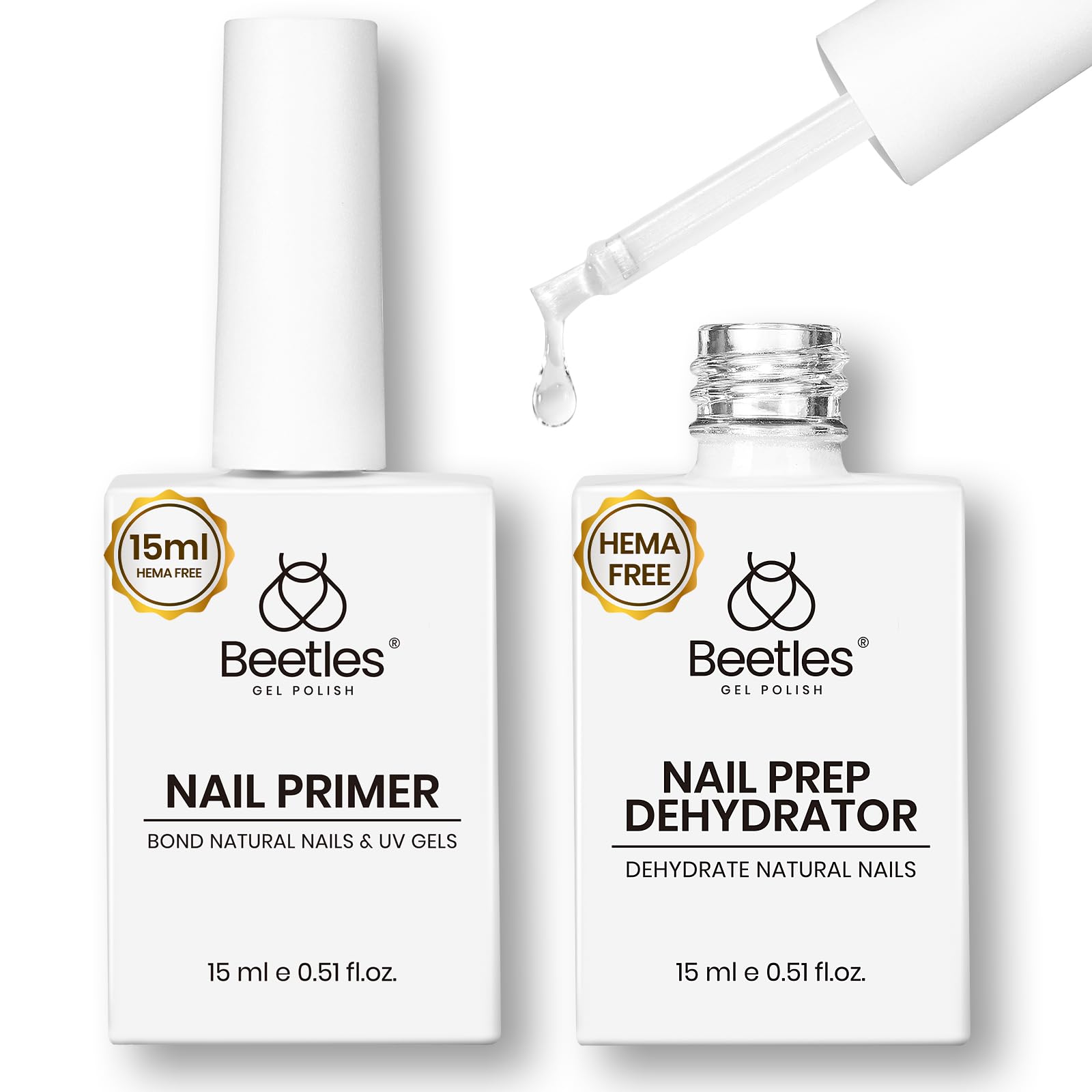
This is a strong option for high-volume salons that want a HEMA-free set with a large customer base already vouching for consistent results.
Pros
- HEMA-free formula reduces allergy risk for sensitive clients
- Short-bristled brush design applies primer more precisely
- Two full 15 ml bottles for extended use between reorders
Cons
- Formula is milder than acid-based primers, so it may need reapplication on stubborn cases
- Best paired with beetles’ own gel system for predictable results
The 6mm short-bristled brush is a small but meaningful detail. It sits closer to the nail plate, so the primer gets into the fine grooves left by buffing instead of just coating the surface.
For salons doing dozens of gel manicures a week, the two full-size bottles offer decent runway before restocking becomes urgent.
modelones Nail Dehydrator and Primer Prep Kit

This two-pack kit is a dependable, moderately priced choice for technicians who want a straightforward dehydrator-and-primer routine without brand loyalty to a single acrylic system.
Pros
- Acid-free, HEMA-free formula suits sensitive clients
- Compatible with most gel and acrylic systems on the market
- Two 15 ml bottles offer good value per ounce
Cons
- Primer is formulated for gel polish only, not acrylic bonding
- A small number of buyers reported bottles arriving underfilled
The slight tackiness left after applying the primer is expected, and it’s actually a sign the product is working correctly to help gel polish or acrylic grip the nail. Technicians new to this brand should mention that to clients so it doesn’t feel like a mistake.
Reviewers consistently mention this as a comparable alternative to pricier professional brands, which makes it a fair pick for salons watching supply costs.
modelones 3-in-One Nourishing Prep

This single-bottle formula combines dehydrating, priming, and nourishing steps, making it a time-saver for technicians who want fewer bottles on the desk.
Pros
- Squalane and jojoba oil support nail health during prep
- Acid-free and HEMA-free formula
- One bottle handles three prep functions
Cons
- Cannot function as a standalone base coat
- Nourishing oils may reduce grip slightly compared to pure dehydrators
Squalane and jojoba oil are unusual additions for a prep product, since most dehydrators focus purely on stripping moisture rather than adding it back. This formula tries to do both, which suits clients with brittle or damage-prone nails.
Technicians should still follow up with a proper base coat, since the manufacturer is clear that this product isn’t a substitute for one.
GAOY Nail Dehydrator and Primer Set
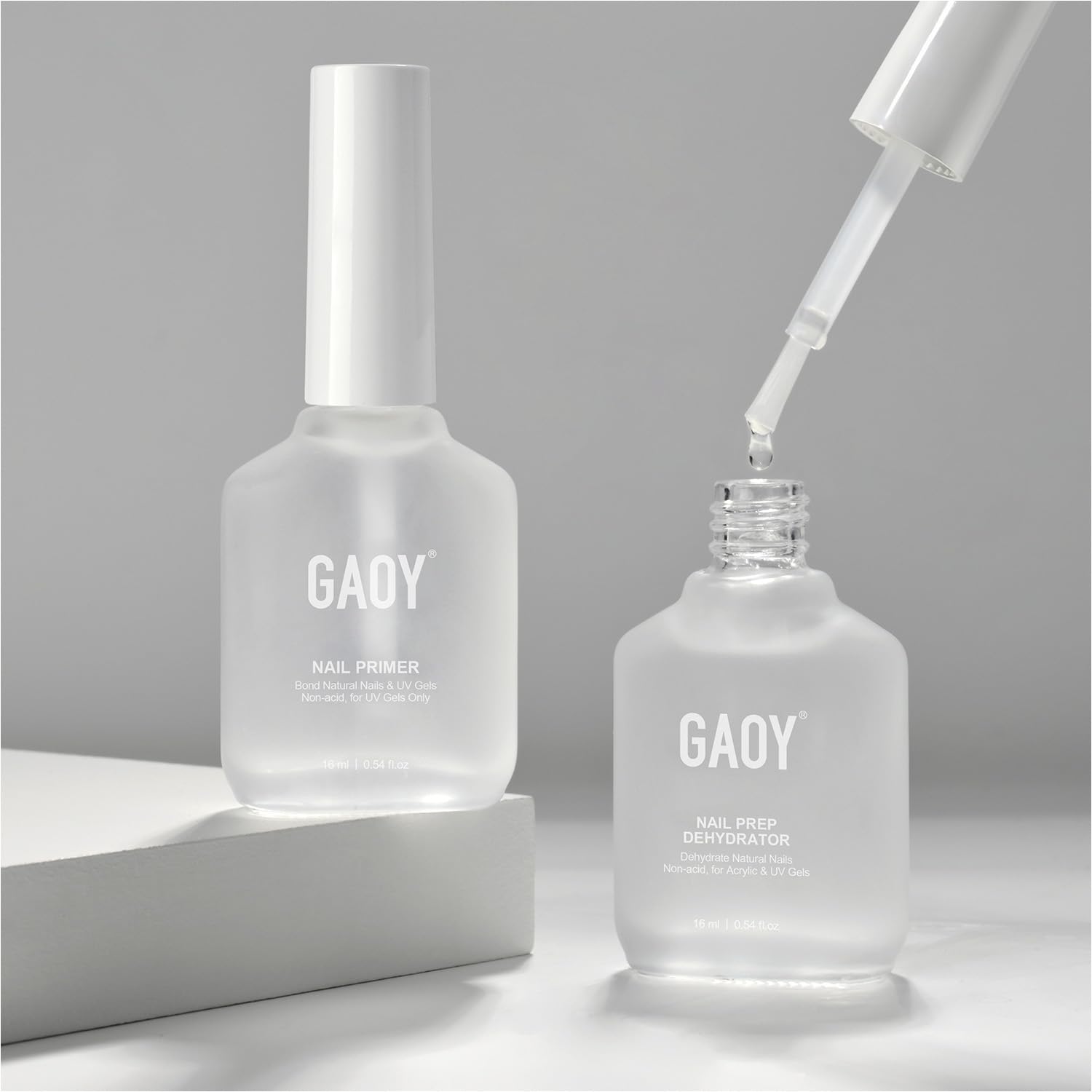
GAOY’s two-piece set stands out for retention claims that multiple reviewers back up with specific wear-time reports.
Pros
- Acid-free formula dries in about 10 seconds
- Reviewers frequently report gel manicures lasting close to a month
- Compact two-bottle set fits easily in a technician’s kit
Cons
- Smaller brand with less long-term market history than established names
- No fragrance-free claim listed for scent-sensitive clients
Reviewers consistently mention it as a dependable prep step for at-home gel manicures and press-ons, with several noting reduced yellowing over time. That last point matters for clients who wear gel polish continuously without breaks.
As a newer brand, GAOY has less of a professional track record than names like Mia Secret or Young Nails, so it may suit budget-conscious independent technicians more than established salons with brand commitments.
CANNI Nail Dehydrator and Primer Set

CANNI’s air-dry formula is worth considering for salons that want a prep step that doesn’t require curing under a UV or LED lamp.
Pros
- Air-dry formula skips the lamp-curing step entirely
- Suitable for natural nails, acrylics, and extensions
- Acid-free formula reduces irritation risk
Cons
- Smaller review base than more established competitors
- 9 ml bottles are on the smaller side for daily salon use
Skipping the lamp step can shave a small but real amount of time off each appointment, which adds up across a full day of bookings. That efficiency is the main draw here.
Because this brand has a shorter track record on Amazon than Mia Secret or Young Nails, salons should test a bottle on a handful of clients before switching their full prep routine over.
Buying Guide
Understand the Three Roles: Dehydrator, Primer, and pH Bonder
A dehydrator removes oil, moisture, and residue from the nail plate. It does not create adhesion by itself; it just clears the surface so the next product can do its job.
A primer, sometimes called a bonding agent, creates a tacky or chemically reactive layer that helps gel, acrylic, or polish grip the nail. Acid-based primers etch the nail surface. Acid-free and non-acidic primers, including protein-bond formulas, work through different chemistry that’s gentler on skin and cuticles.
A pH bonder adjusts the natural acidity of the nail plate to a level that suits gel polish adhesion. Some products combine all three functions in one bottle, while others split them into a two-step system.
| Step | Purpose | Common Formula Types |
|---|---|---|
| Dehydrator | Removes oil and moisture | Alcohol-based, acetone-based |
| Primer | Creates adhesion layer | Acid-based, acid-free, non-acidic protein bond |
| pH Bonder | Balances nail surface pH | Gel-based, fast-drying |
Acid-Free and HEMA-Free Formulas
Acid-free primers reduce the risk of burning sensations and skin irritation, which matters for clients with sensitive skin or thin nail plates. HEMA-free formulas lower the chance of an allergic reaction, since HEMA (hydroxyethyl methacrylate) is one of the more common sensitizers in nail products.
Technicians working with allergy-prone or first-time clients should keep at least one acid-free, HEMA-free option in the kit and confirm ingredient claims against the manufacturer’s safety data sheet before use.
Single-Step Products vs. Two-Step Kits
A single dehydrator works well for technicians who already use a primer they trust and just need the oil-removal step. Two-step kits pair a dehydrator and primer together, which simplifies ordering and keeps formulas matched for compatibility.
High-volume salons often prefer two-step kits for consistency across a team of technicians, while solo practitioners with an established routine may mix and match individual products.
Bottle Size and Drying Time
Bottle sizes on this list range from small 0.25 oz primers to larger 0.5 oz dehydrator-and-primer duos. Smaller bottles cost less upfront but need more frequent reordering in a busy salon.
Drying time affects appointment pacing. Fast-drying, no-wipe formulas save a few seconds per nail, which adds up over a full day of bookings.
Compatibility With Nail Systems
Not every primer works equally well with every gel or acrylic brand. Checking a product’s listed compatibility against the specific acrylic powder, gel polish, or extension system in use helps avoid adhesion problems traced back to mismatched chemistry rather than technique.
Conclusion
Reliable nail prep comes down to matching the right dehydrator or primer to the service being performed and the client sitting in the chair. Acrylic-heavy salons benefit from acid-free primer kits built for that system, while gel polish specialists get more consistent results from a dedicated pH bonder. Clients with sensitivities do best with non-acidic, HEMA-free formulas, even if that means a smaller bottle and a higher cost per ounce.
Testing a new product on one or two clients before switching an entire salon’s supply is worth the extra step. Formulas react differently across nail types, and a quick trial run catches compatibility issues before they turn into a lifting complaint. Keeping both a standalone dehydrator and a trusted primer on hand gives technicians flexibility to adjust prep for acrylics, gel polish, or sensitive-skin appointments without restocking mid-week.
FAQs
What’s the difference between a nail dehydrator and a nail primer?
A dehydrator removes oil, moisture, and residue from the nail plate. A primer creates a bonding layer so gel, acrylic, or polish adheres to that clean surface. Most salon-quality prep routines use both, in that order.
Can I skip the primer if I use a dehydrator?
Skipping the primer often leads to weaker adhesion, especially with acrylic systems. Some acid-free dehydrators offer enough surface prep on their own for light gel polish use, but manufacturer instructions should confirm this before skipping a step.
Are acid-free primers as effective as acid-based ones?
Acid-free primers work through different chemistry and generally offer gentler application with less irritation. Many technicians report comparable retention, though results vary by nail system and application technique.
Is HEMA-free important for all clients?
HEMA-free formulas matter most for clients with known sensitivities or allergy history. For clients without prior reactions, standard formulas typically work fine, but keeping a HEMA-free option available protects against unexpected reactions.
How often should salons replace prep bottles?
Replace bottles when the formula changes color, thickens, or loses its scent, which signals it may no longer perform as intended. High-volume salons should also track usage against bottle size to avoid running out mid-appointment.

