
10 Best Nail Dehydrators for Pedicure Prep and Lasting Polish Wear

A good pedicure starts long before the polish comes out. Toenails hold onto natural oils and moisture even more than fingernails, which makes it harder for gel, acrylic, or regular polish to grip the nail plate. That’s where a nail dehydrator earns its place in a prep routine.
Dehydrators work by clearing away oil, moisture, and surface debris so polish has a clean, dry base to bond with. Some formulas stop there, while others combine a dehydrator with a primer step that adds tackiness for extra grip. Knowing the difference matters when picking a product, since primers and acid-based bonders serve a different purpose than a straightforward dehydrator.
Choosing the right one depends on a few things: whether it’s acid-free, whether it contains HEMA (a common allergen in nail products), how fast it dries, and whether it plays well with sensitive skin around the cuticle. The best choice for most at-home pedicures is a HEMA-free, acid-free dehydrator that dries quickly and won’t yellow the nail over time. The ten products below cover a range of budgets, formulas, and use cases for gel, acrylic, and press-on fans alike.
Best for sensitive nails: Mia Secret Nail Prep Dehydrator
Best for combo prep: Mia Secret pH Balance Dehydrator & XtraBond Primer
Best value two-pack: Mia Secret 15ml Dehydrator and Primer Kit
Best for gel polish beginners: Gelish MINI pH Bond
Best for stubborn lifting: Young Nails Protein Bond
Best fragrance-free option: V Beauty Pure Nail Dehydrator
Best for nail nourishment: modelones 3-in-One Dehydrator and Primer
Best budget two-pack: modelones Dehydrator and Primer Kit
Best for press-on nails: Beetles Nail Dehydrator and Primer Set
Best for fast-drying prep: LOUINSTIC Nail Prep Dehydrator and Primer
Mia Secret Nail Prep Dehydrator
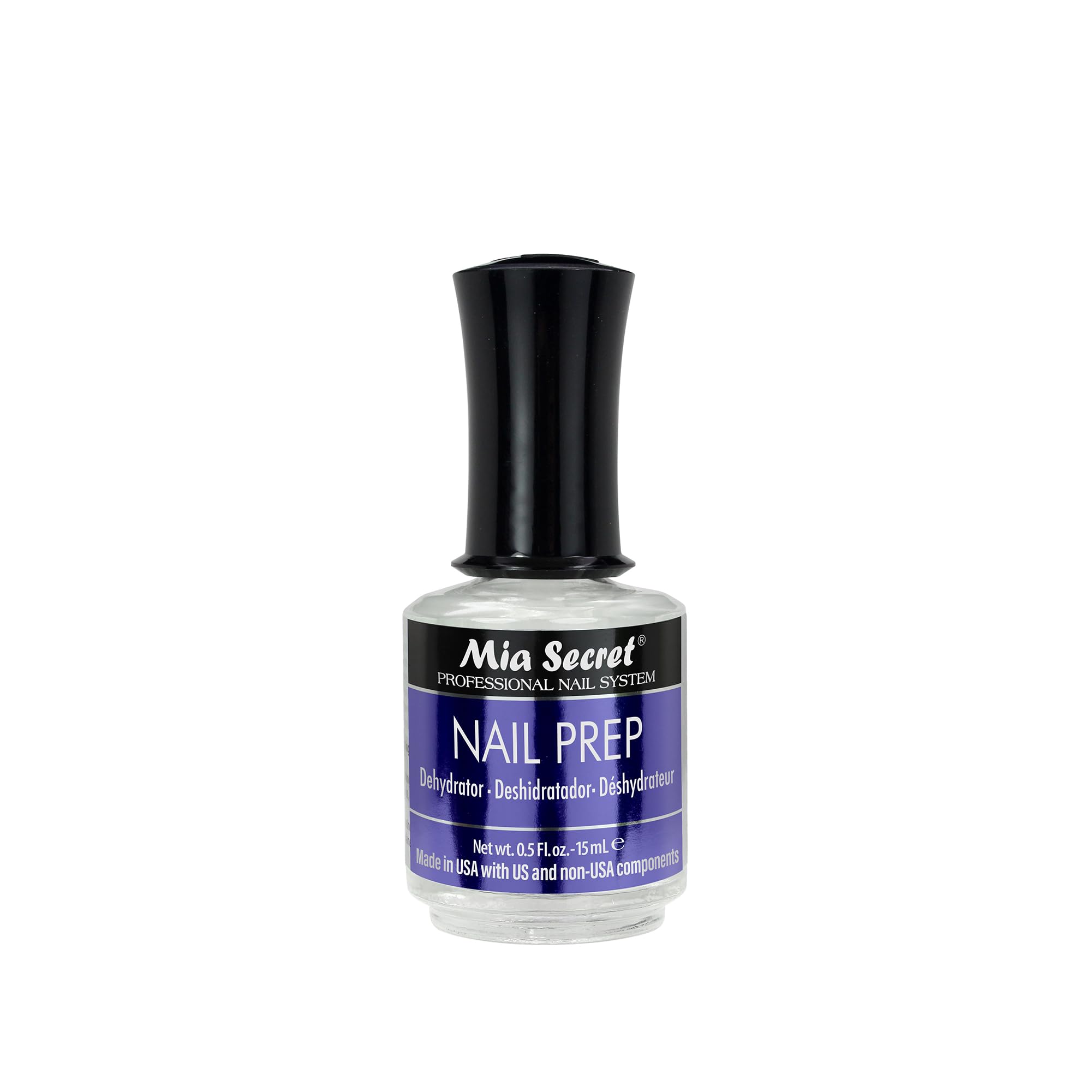
This is a solid pick for anyone who wants a straightforward, acid-free dehydrator without a bundled primer.
Pros
- Acid-free formula suited for sensitive nails
- Works with acrylic and gel systems, including gel polish
- Compact bottle fits easily in a home nail kit
Cons
- No primer included, so extra bonding step needed separately
- Small 15ml size may need frequent reordering
- No brush applicator mentioned in listing
The formula does one job well: pulling moisture and oil off the nail plate before polish goes on. For toenails, which tend to hold more oil than fingernails, that dehydrating step alone can noticeably improve how well polish grips. It skips added bonding agents, so pairing it with a primer is worth considering for gel or acrylic pedicures prone to lifting.
Mia Secret pH Balance Dehydrator & XtraBond Primer
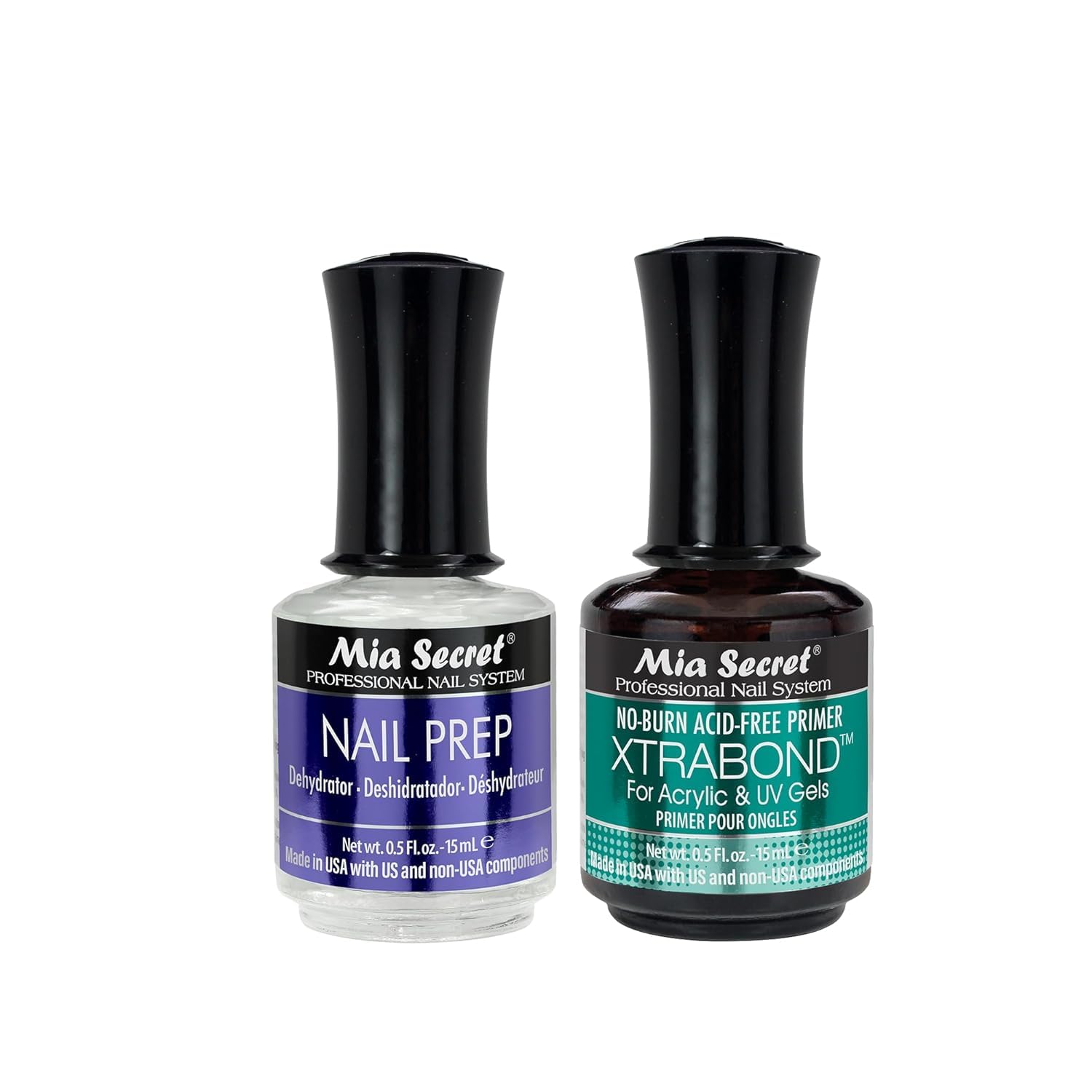
This two-in-one set pairs a pH dehydrator with an acid-free primer, giving beginners a complete prep system in one purchase.
Pros
- Combines dehydrator and primer for full prep in two steps
- Acid-free primer reduces risk of skin irritation
- Fast-drying formula speeds up application
Cons
- Smaller 0.25 oz bottles mean less product per pack
- A few buyers reported receiving an empty dehydrator bottle
- Requires two separate application steps
Toenail beds vary in texture, and this pairing handles that well by dehydrating first, then adding a tacky primer layer for grip. Reviewers doing acrylic and gel pedicures at home mention better retention with less peeling at the edges. The dehydrator and primer bottles are on the small side, so heavy users may go through them quickly.
Mia Secret 15ml Dehydrator and Primer Kit

This kit offers the same Mia Secret dehydrator and XtraBond primer duo in a slightly larger format, making it a practical choice for frequent DIY pedicures.
Pros
- Two full-size 15ml bottles for extended use
- Acid-free primer avoids burning or irritation
- Includes a brush applicator for easier control
Cons
- Not formulated specifically with HEMA-free labeling
- Best suited for users already familiar with primer application
- Bottles look similar, so labeling matters to avoid mix-ups
Anyone who does pedicures monthly, or preps nails for family members, benefits from the larger volume here. The dehydrator removes surface oil while XtraBond adds the grip layer gel and acrylic need to resist lifting at the toe edges. It’s a dependable two-step system for people who already understand the difference between prep and primer.
Gelish MINI pH Bond
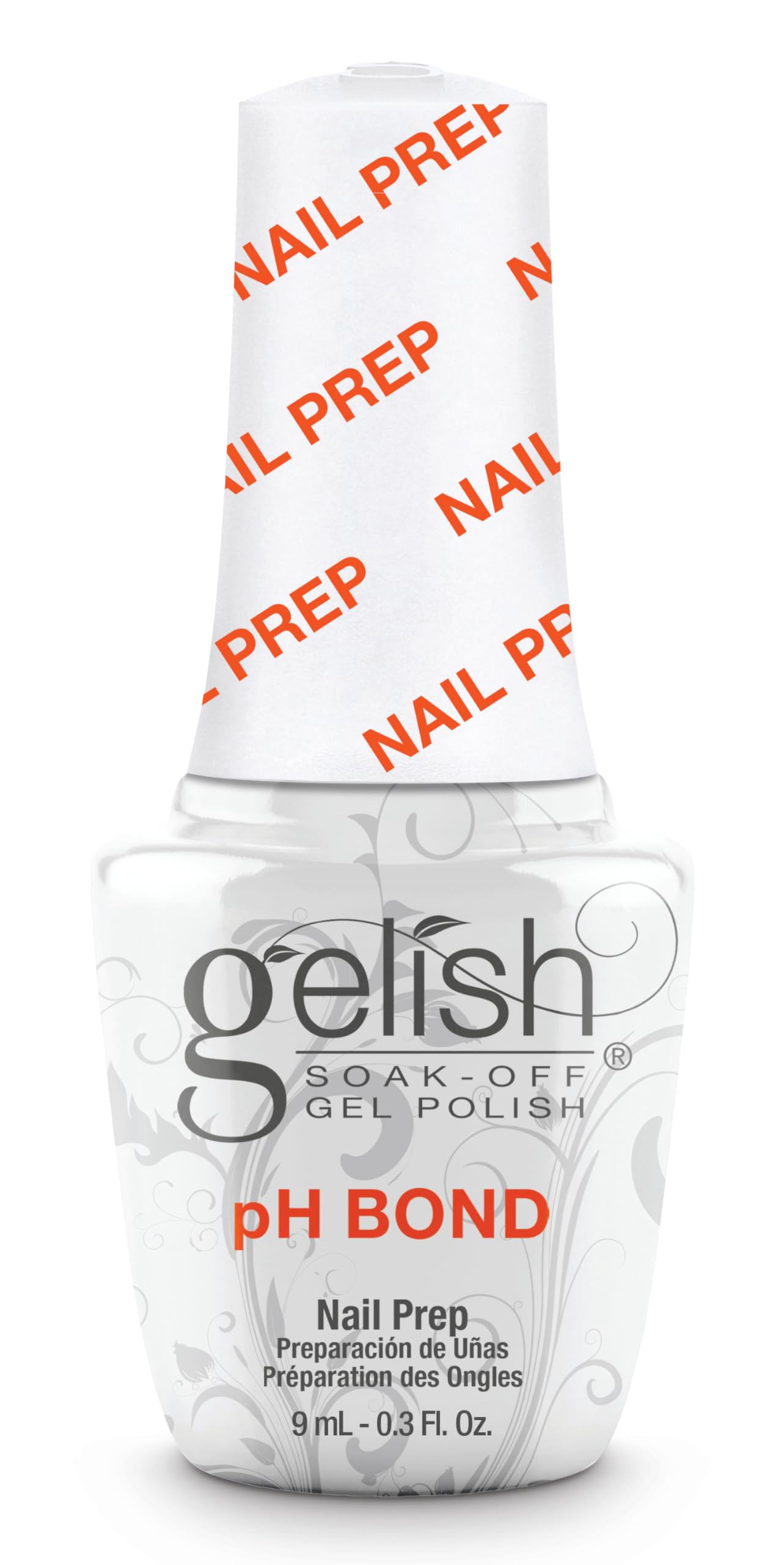
This is a good entry point for gel polish beginners who want a trusted salon brand in a smaller, easy-to-try size.
Pros
- Balances nail pH and removes oil before gel application
- Dries quickly, cutting down prep time
- Works with gel systems beyond the Gelish brand
Cons
- Bottle size runs smaller than the label suggests
- Not primarily designed for acrylic use
- Some buyers expected a tackier finish
Gelish built its reputation on gel polish systems, and this pH Bond formula reflects that focus. It’s less about heavy bonding and more about creating a clean, balanced surface before color goes on. For pedicures using gel polish only (not acrylic extensions), this is an easy, low-fuss option.
Young Nails Protein Bond
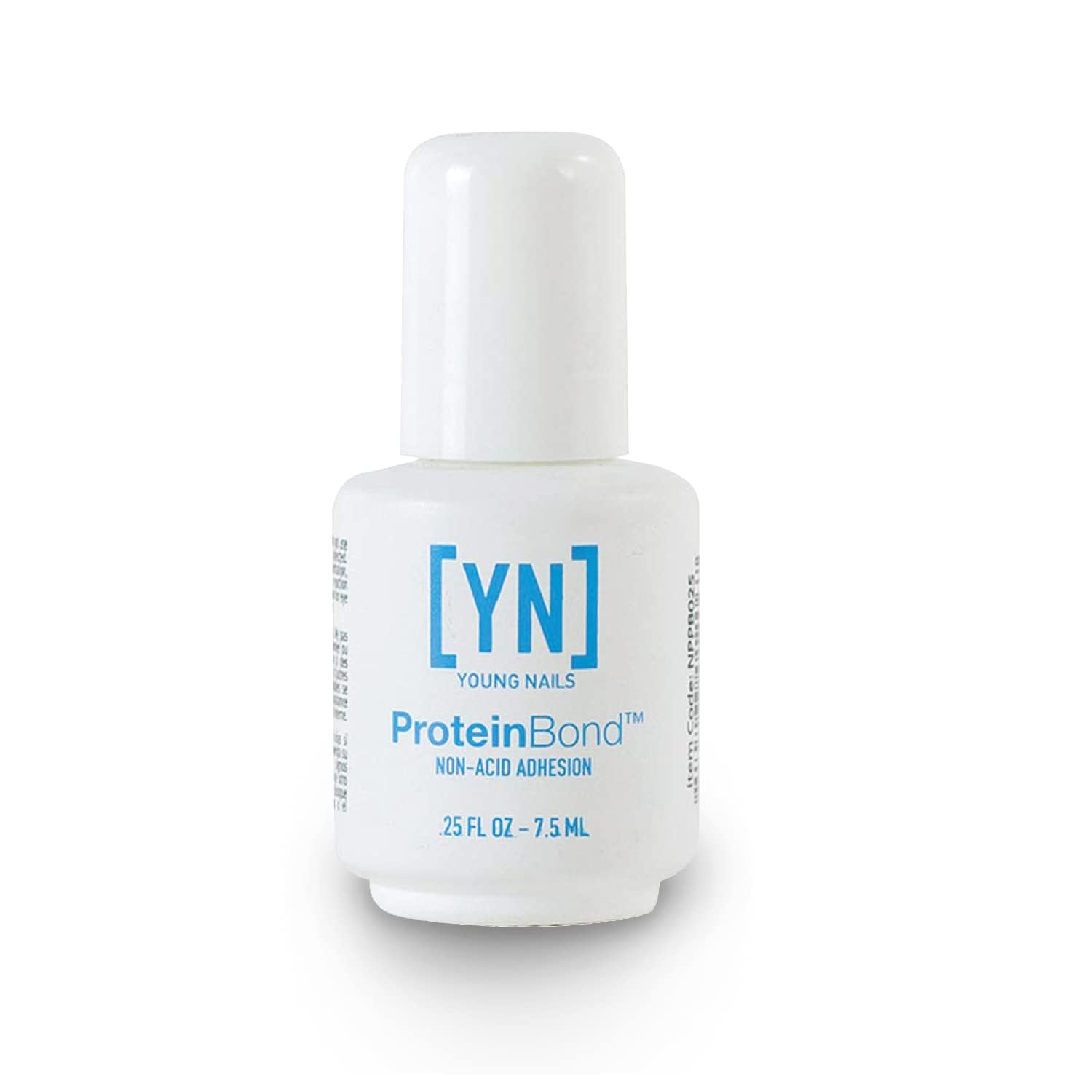
This non-acidic primer is the strongest pick here for anyone dealing with recurring lifting on gel or acrylic pedicures.
Pros
- Non-acidic formula bonds to the nail’s keratin structure
- Works across gel, acrylic, and gel polish systems
- Widely used by professionals for retention issues
Cons
- Small 0.25 oz bottle empties fast with regular use
- Technically a primer, not a dehydrator, so a separate dehydrating step helps
- A few reports of leaking during shipping
This product name uses the word “dehydrator” loosely. It functions primarily as a bonding primer, working best after nails have been cleaned and dried. Reviewers doing gel manicures and pedicures report noticeably longer wear when this follows a proper dehydrating step, especially on toenails prone to lifting at the sidewalls.
V Beauty Pure Nail Dehydrator
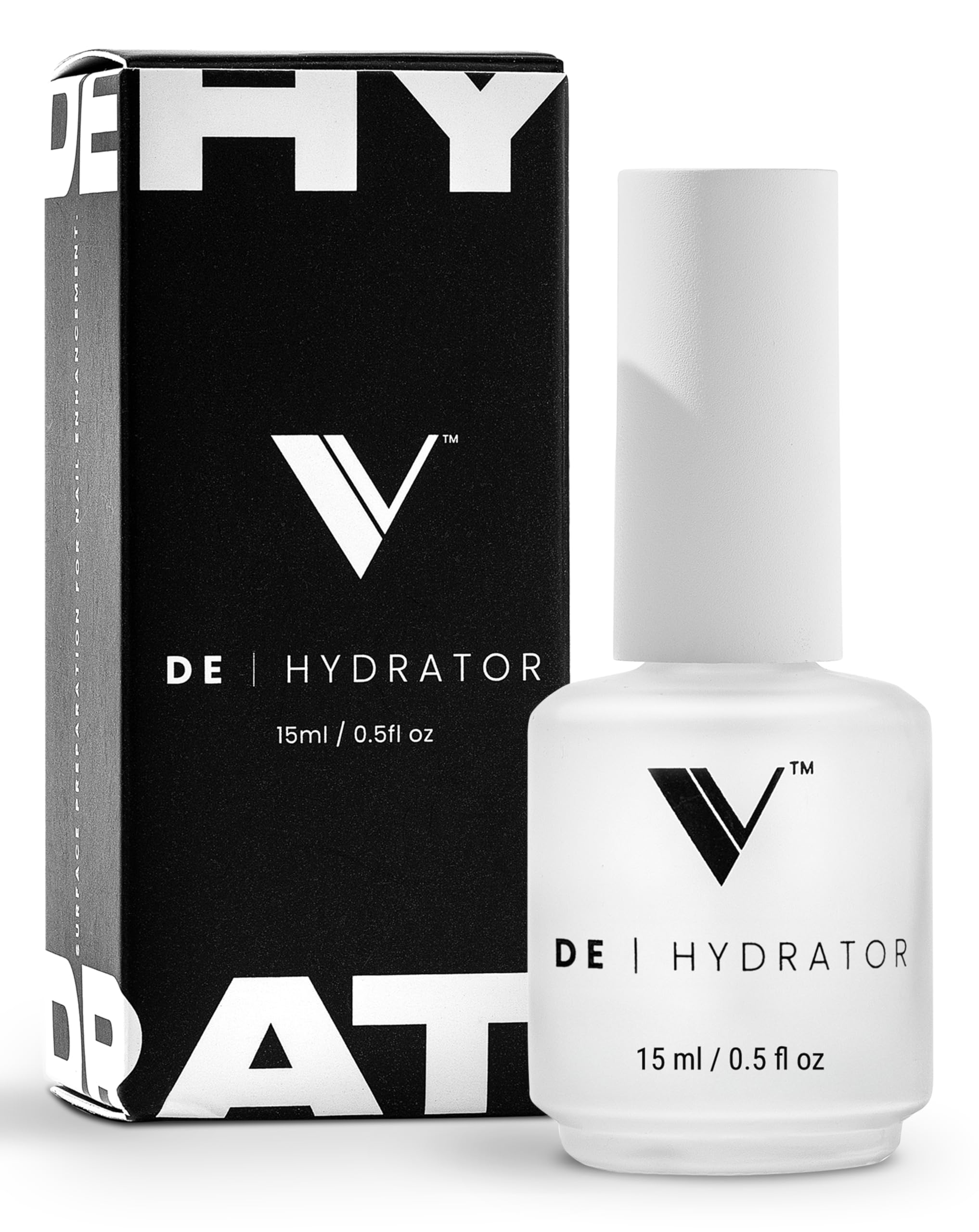
This fragrance-free formula suits anyone with sensitive skin or a preference for unscented nail products.
Pros
- Fragrance-free, gentle formula suited to sensitive skin
- Compatible with gel, acrylic, and press-on nail prep
- Dye-free, reducing risk of staining tools or nails
Cons
- Single-purpose dehydrator, no bundled primer
- Newer brand with a shorter track record than legacy names
- Best paired with a separate primer for stubborn lifting
Toenails covered by socks and shoes all day can trap extra moisture, and this fragrance-free dehydrator handles that oil and moisture removal without added scent or dye. It’s a clean, simple first step for gel or acrylic pedicures, though those fighting frequent lifting may want to add a bonding primer on top.
modelones 3-in-One Dehydrator and Primer

This one bottle handles dehydrating, priming, and light nourishing, which makes it convenient for at-home users who want fewer steps.
Pros
- HEMA-free and acid-free, gentle on skin and nails
- Contains jojoba oil and squalane for added nourishment
- One bottle replaces two or three separate products
Cons
- Cannot double as a base coat, per the manufacturer’s own note
- Multi-purpose formula may prime less aggressively than dedicated bonders
- Newer product with fewer long-term reviews
Combining prep and nourishment in one step appeals to anyone doing pedicures at home without a full salon cabinet. The added oils aim to counteract some of the drying effect nail dehydrators are known for. It’s not a heavy-duty bonding primer, so acrylic pedicures with a history of lifting may need extra reinforcement.
modelones Dehydrator and Primer Kit

This budget-friendly two-pack covers both dehydrating and priming steps and has built a large, consistent review base.
Pros
- Two full bottles (dehydrator and primer) in one purchase
- Compatible with a wide range of gel and acrylic systems
- Competitively priced for the amount of product included
Cons
- Primer is meant for gel polish only, not general use
- A few reports of empty or leaking bottles on arrival
- Sticky residue after primer application takes getting used to
The tackiness left behind after the primer step is normal and expected, though it can surprise first-time users. Once applied correctly, reviewers doing gel pedicures at home report noticeably less peeling at the tips. The low price point makes this an easy add-on for anyone building a beginner nail kit.
Beetles Nail Dehydrator and Primer Set
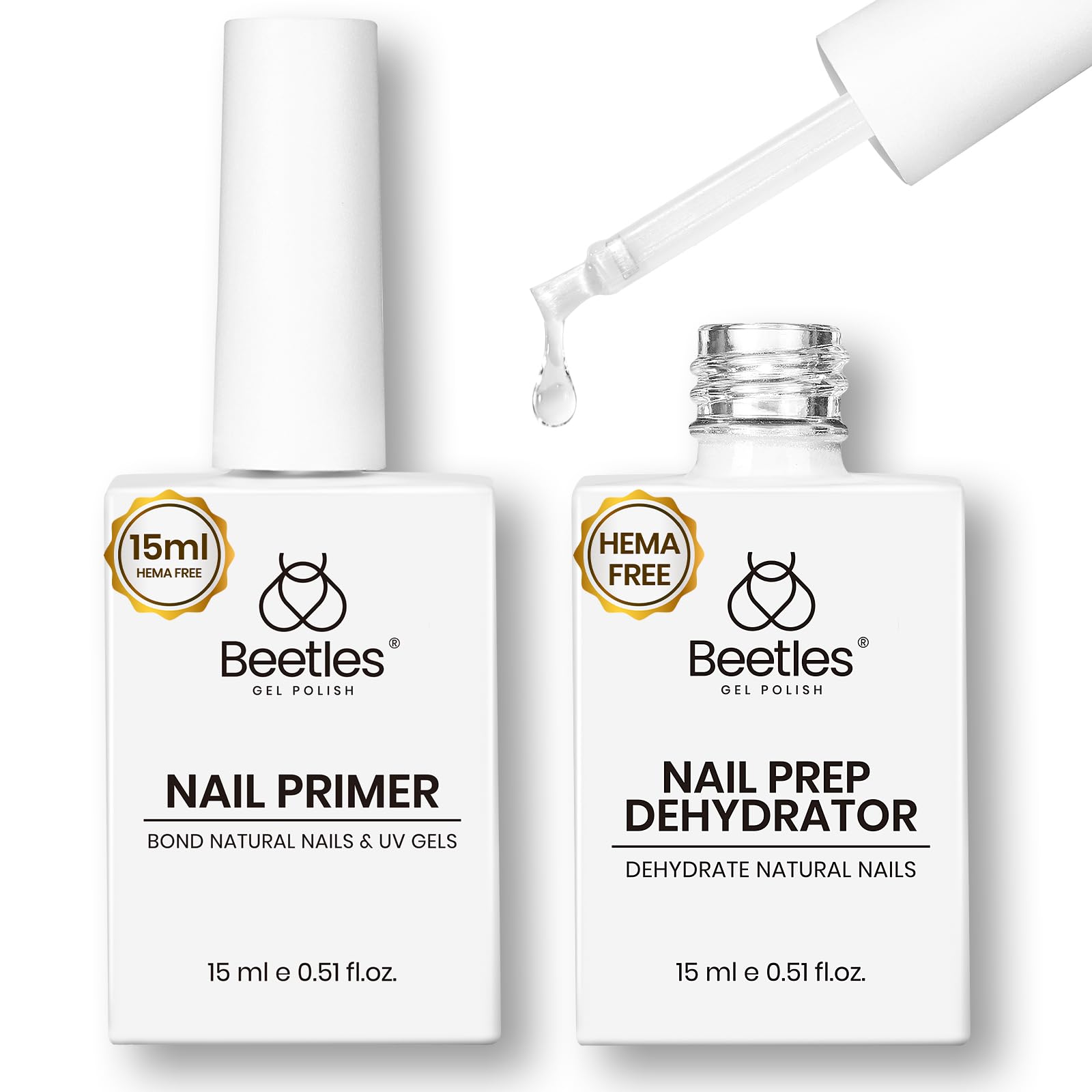
This set stands out for its short-bristled brush design, which helps the primer reach into fine grinding marks on the nail surface.
Pros
- HEMA-free formula gentle enough for sensitive skin
- Unique short-bristle brush improves primer penetration
- Large, well-established review history
Cons
- Best results depend on proper filing before application
- Some reviewers experienced peeling with certain gel brands
- Two-step process takes slightly more time than a single product
Press-on nail fans and gel polish beginners both show up frequently in this product’s reviews, citing better adhesion and reduced bubbling. The compact brush design is a small but useful detail, helping primer settle into the nail’s texture rather than sitting on top. For pedicures, that texture-level grip helps polish resist chipping from shoes and friction.
LOUINSTIC Nail Prep Dehydrator and Primer

This set is built for speed, with an air-dry primer that sets in about fifteen seconds without a UV lamp.
Pros
- HEMA-free, acid-free formula with low odor
- Fast air-dry time, no lamp required
- Works across acrylic, gel, polish, and press-on systems
Cons
- Newer brand with a smaller review history
- Sticky tackiness after drying may feel unfamiliar to beginners
- Chrome powder inclusion is a nice extra, not a core feature
Anyone doing quick pedicure touch-ups will appreciate not waiting on a lamp between prep steps. The primer’s tacky finish after air-drying is intentional, helping polish or acrylic grip the nail plate. For beginners newer to primer-based systems, that sticky texture is worth expecting rather than wiping off.
Buying Guide
Dehydrator vs. Primer: Know the Difference
A dehydrator removes oil, moisture, and residue from the nail plate. A primer adds a tacky or bonding layer on top of that clean surface. Some products combine both steps in one bottle; others sell them separately.
For pedicures specifically, dehydrating matters more than it might for hands, since toenails sit inside shoes and socks that trap moisture throughout the day.
Check the Formula Type
| Formula Feature | What It Means |
|---|---|
| Acid-free | Gentler on skin and nail plate, less risk of burning |
| HEMA-free | Reduces risk of allergic reaction common with some bonding agents |
| Non-yellowing | Helps prevent nail discoloration over repeated use |
| Fragrance-free | Better for sensitive skin or scent sensitivities |
Match the Product to Your Nail System
Gel polish, hard gel, acrylic, and press-on nails each respond a little differently to prep products. A dehydrator alone often works for simple gel polish manicures, while acrylic and extensions usually benefit from an added primer step for stronger adhesion.
Bottle Size and Value
Bottles typically range from small trial sizes around 0.25 oz to standard 0.5 oz bottles. Frequent at-home users get more value from larger sizes or two-packs, while occasional users may prefer smaller bottles that won’t sit unused for months.
Application Tips and Cautions
Applying too much primer or dehydrator near the cuticle can cause irritation, so a thin, even coat directly on the nail plate works best. Filing and cleaning the nail surface before applying any prep product improves results more than the product itself. Even a well-formulated dehydrator can’t fully compensate for skipped filing or a dirty nail bed.
Conclusion
Choosing between these ten products comes down to what a pedicure routine actually needs. A simple gel polish manicure calls for a basic dehydrator, while acrylic extensions or nails prone to lifting benefit from a dedicated primer or a combined dehydrator-primer kit.
Beginners doing occasional at-home pedicures can start with a small two-in-one kit, while frequent users may prefer buying dehydrator and primer separately in larger sizes. Checking for HEMA-free and acid-free labeling helps reduce the chance of irritation, especially for anyone with sensitive skin around the toenails.
Proper nail prep, including filing and cleaning before applying any product, plays as big a role in polish longevity as the dehydrator or primer itself.
FAQs
Do I need a dehydrator for toenails specifically? Toenails hold moisture from socks and shoes throughout the day, so dehydrating before polish helps remove that oil and improves adhesion.
Can I use a fingernail dehydrator on toenails? Yes. Most dehydrators and primers work the same way on both fingernails and toenails since they target the same nail plate surface.
What’s the difference between a dehydrator and a primer? A dehydrator removes oil and moisture from the nail. A primer adds a tacky bonding layer on top, which helps polish or gel grip the surface.
Are HEMA-free products safer? HEMA is a common ingredient linked to allergic reactions in some users. HEMA-free formulas reduce that risk, though sensitivity varies by individual.
Can these products cause yellowing over time? Some acid-based primers can contribute to yellowing with repeated use. Acid-free and non-yellowing formulas are designed to reduce that risk.
Do these work for press-on nails? Several products in this list, including the Beetles and LOUINSTIC kits, are compatible with press-on nail applications alongside gel and acrylic systems.

