
10 Best Nail Files for Soft Nails: Expert Picks for Gentle, Damage-Free Shaping

Soft nails chip, split, and wear down faster than hard nails, so the right file can make a big difference in keeping them healthy. Nail files for soft nails are gentler and designed to shape without tearing or thinning the nail plate. They come in types like glass, fine-grit emery, and cushioned buffers, each suited to different routines and nail conditions.
When choosing a file for soft nails, pay attention to grit, material, and edge finish—these determine how much nail is removed and how likely it is to cause splitting. A fine-grit or glass file with a smooth edge is usually the safest choice because it shapes without causing micro-tears that lead to breaks. We tested and compared several gentle files to find ones that shape softly, last well, and protect fragile nails.
Best Nail Files for Soft Nails
Below is our full list of the best nail files for soft nails. We chose gentle, effective options that prevent splitting and shape nails without tearing. Use our picks to make filing easier and healthier for soft nails.
HomeyEra 6-Piece Nail File & Buffer Set

We recommend this set if you want a full range of grits for gentle shaping and shine on soft nails.
Pros
- Lots of grit options for shaping, smoothing, and shining.
- Feels cushioned and gentle on thin or weak nails.
- Good value for the number of pieces included.
Cons
- Some pieces have a strong chemical smell at first.
- Not as long-lasting as metal or crystal files.
- A few grits feel redundant for casual users.
We used this kit for a few weeks and liked how gentle the cushioned boards were on our thin nails. The coarser grits removed length quickly without chipping, and the finer pads left a smooth edge that didn’t split.
Shining with the 1000/4000 piece gave a real polish-like finish after a few passes. The buffer felt soft in hand and didn’t overheat our nails when we buffed.
Cleaning was easy; a quick rinse and air dry kept them usable. The initial smell faded after airing out. For the price, the variety makes this a solid basic kit for home manicures.
Soft Touch Nail File, Double Sided – 280/320 Grit (5 Pack)

We recommend this file if you want a gentle, durable option for soft natural nails because it smooths edges without thinning the nail.
Pros
- Gentle on thin nails—won’t bite into the edge.
- Washable and holds up for several uses.
- Dual grits let us remove ridges and refine the edge.
Cons
- Not aggressive enough for thick or artificial nails.
- Wear after several uses means replacement is needed.
- Basic plastic core feels light, not luxe.
We used these after a few at-home manicures. The 280/320 combo felt just right for our soft nails: coarse enough to shape, fine enough to smooth without splits. Filing felt smooth instead of gritty, and the pink color made them easy to spot in a bag.
They cleaned easily and survived a few washes without falling apart. After about five full manicures the edges dulled, so we replaced them, which felt reasonable for the price. Handling is lightweight; it’s handy for travel but not as sturdy as a thicker handle file.
If you mostly wear natural nails and need a reliable everyday file, these work well. Avoid them if you need heavy shaping or use on gel and acrylics.
Bona Fide Glass Nail File (Pastel Green Violet)
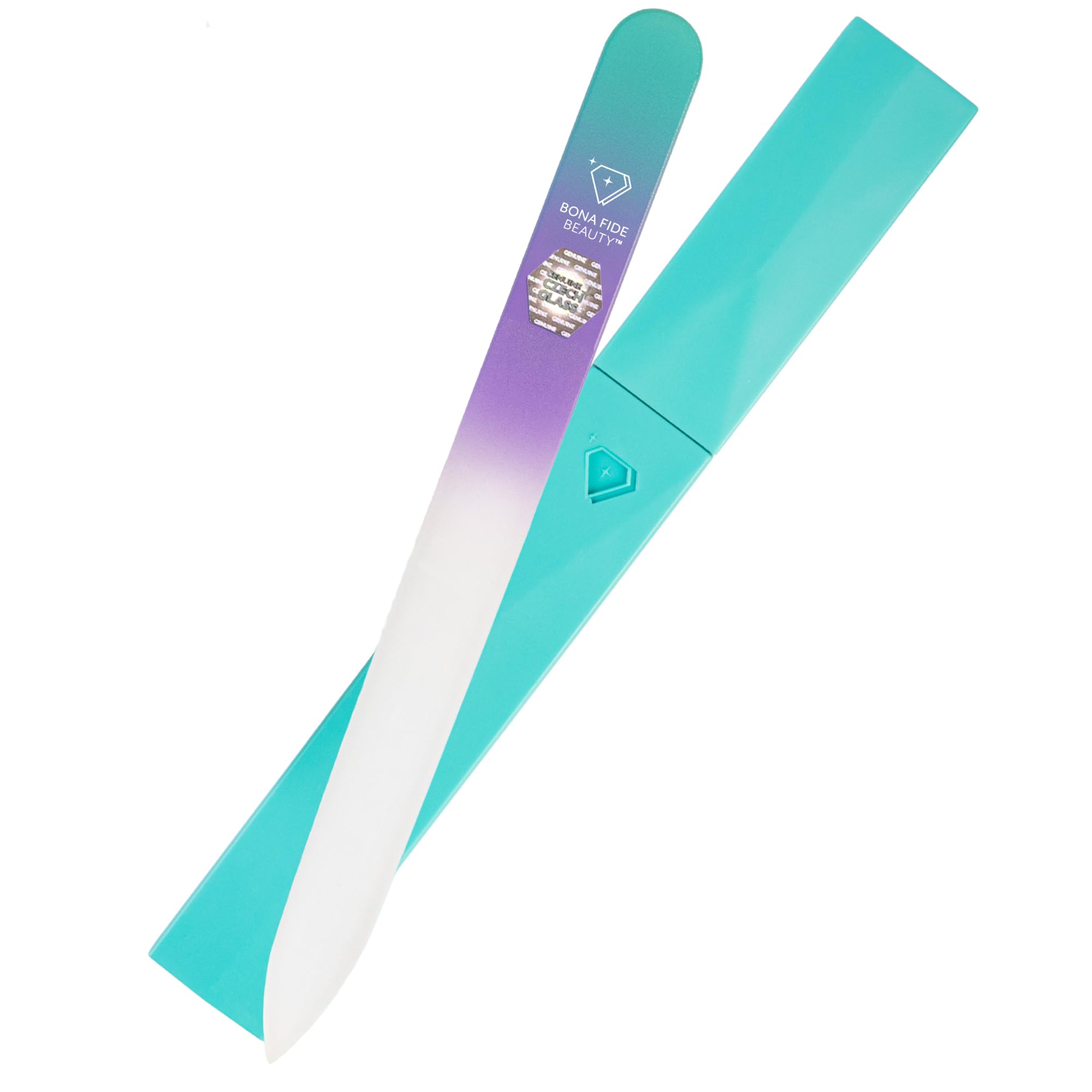
We recommend this file if you want gentle shaping that stops splitting and lasts longer than emery boards.
Pros
- Very smooth finish that seals nail edges
- Fine grit feels gentle on soft, thin nails
- Comes with a hard case for travel and storage
Cons
- Glass can break if dropped
- Slower removal than coarse files
- Needs careful handling when wet
We used this file on soft, peeling nails and noticed it removed ridges without roughing the edges. Filing felt almost effortless once we adjusted to light pressure. Our nails looked neater and did not fray after a few uses.
The fine grit takes a little more time, but it keeps nails from splitting. We liked that the grit is part of the glass, so it stayed sharp after weeks of use. Cleaning was quick—just rinse and dry.
The pastel finish and case make it easy to grab for touch-ups on the go. Handle it like glass to avoid chipping or breaking. Overall, it feels like a salon tool you can safely use at home.
AhaTopia Nail File & Buffer Kit

We recommend this kit for soft nails because it files gently and gives a natural shine without thinning the nail too much.
Pros
- Gentle on soft, natural nails.
- Good mix of coarse and fine sides for shaping and smoothing.
- Buff blocks give a quick, lasting shine.
Cons
- Coarse side can be too rough if used aggressively.
- Buff block polish wears down after many uses.
- Some files feel thin compared to salon boards.
We used the emery boards on nails that bend easily and found they shape without chipping. The 180 side smooths edges well, and we didn’t feel the nails getting paper-thin after light filing.
The four-way buffer gives an instant glossy finish. One quick pass on each side made nails look neater and slightly more even. It won’t replace a gel topcoat, but it makes bare nails presentable for days.
Carrying the set in a small pouch worked well for quick touch-ups. Reusing the files for several weeks held up fine for personal use, though heavy-duty use might wear the coarse grit faster.
Cliganic Nail Files (12-Pack)
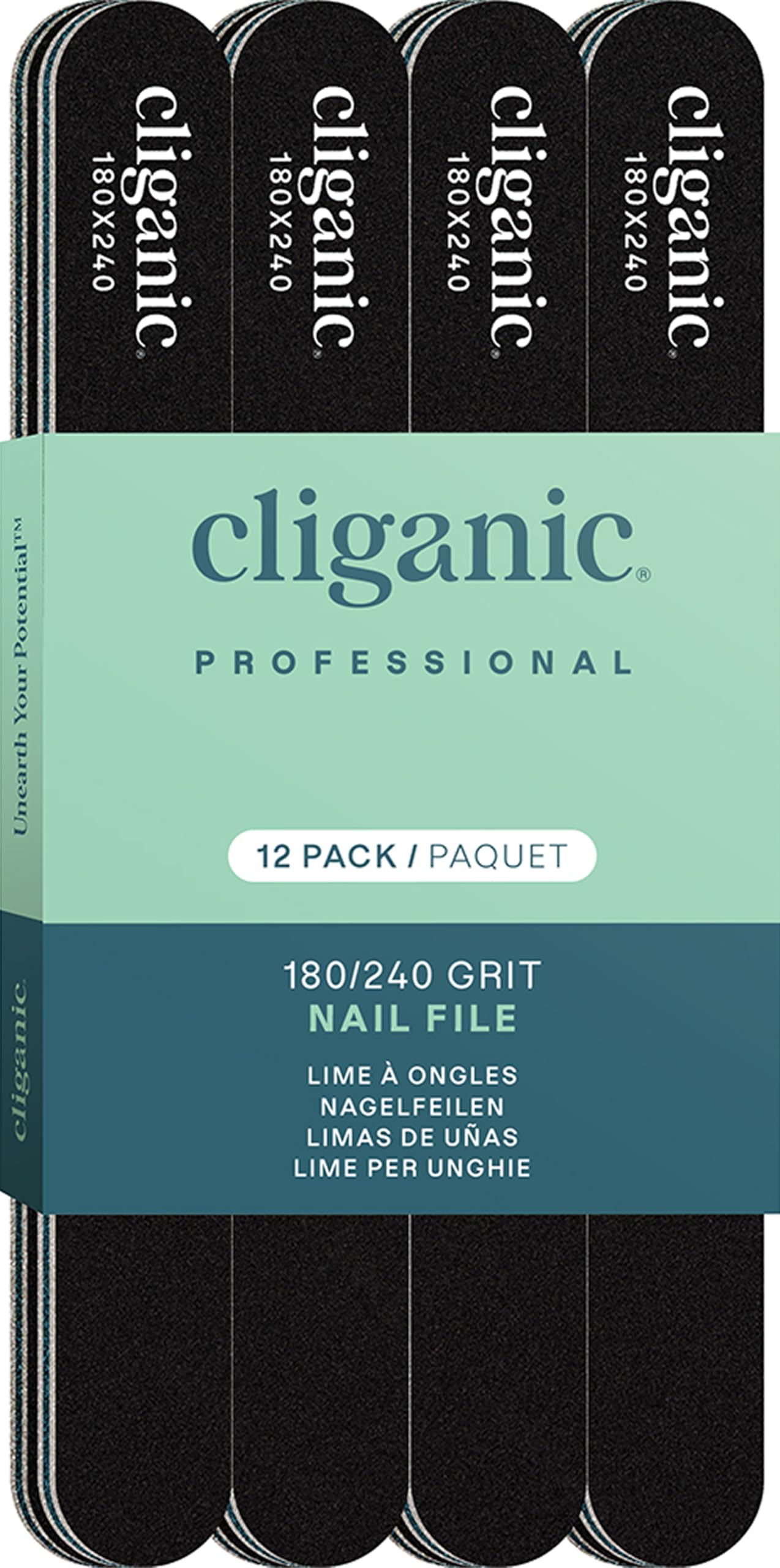
We recommend this set if you want affordable, durable emery boards that handle soft nails without tearing.
Pros
- Lasts longer than cheap store boards
- Double-sided grits for shaping and finishing
- Easy to rinse and reuse
Cons
- 180 grit can feel too rough on very thin nails
- Emery edges may need a light smooth after heavy use
- Pack feels bulky if you only need one or two files
We used these on soft, thin nails and on a few acrylic tips. The 240 side gave a smooth finish without shredding the nail edge, while the 180 side shaped quickly. The files stayed intact through several uses and rinses.
When we worked on very soft nails, we filed gently and kept short strokes. That approach avoided the rough 180 grit tearing the nail. For regular natural nails, the finer side finished the edge nicely.
The pack gives plenty of spares for home use and spa days. We liked that replacements were always on hand, but the set may be more than you need if you travel light.
Revlon Shape ‘N’ Buff

We recommend this if you want a simple, all-in-one buffer that shapes soft nails without tearing them.
Pros
- Smooths and shines in one tool
- Gentle on soft, thin nails
- Small and easy to store
Cons
- Wears out with heavy use
- Not for heavy-duty nail shaping
- Coarse side can feel rough if used too hard
We tried this Revlon block on soft nails and liked how it felt under our fingers. The shaping side removes length without snagging, and the finer faces gave a natural shine that lasted a few days.
The four different surfaces make it easy to move from filing to buffing without swapping tools. We noticed the buffer made nails look healthier right away, which helped when we couldn’t wear polish.
After several uses the block softened a bit, so it’s best to replace it every few months if you use it often. For gentle daily maintenance on soft nails, this is a reliable, low-cost choice.
Teenitor Nail File Set

We recommend this set if you want an affordable, full-step kit that works well on soft, natural nails.
Pros
- Lots of grit choices for shaping, smoothing, and shining.
- Feels sturdy and cleans up easily after use.
- Buffers give a quick, visible shine.
Cons
- Coarser grits can feel too rough if you press hard.
- Some lower-grit pieces seemed less useful to us.
- Shapes are basic; precision tools are not included.
We used this Teenitor set for several at-home sessions. The different grits let us go from shaping to shine without switching brands. Files handled soft nails gently when we used light strokes.
Shaping with the 150/180 pieces worked fast, but we had to be careful because 150 is aggressive on thin nails. The finer grits and buffer blocks smoothed ridges and left a neat edge without splitting when we took it slow.
The 1000/4000 shine block made nails look polished in minutes. It didn’t replace a salon buffing machine, but it gave a glossy finish that lasted about a week for us. Cleaning the emery surfaces was simple; we rinsed and dried them after each use.
BLESWIN 12-Pack Fine Emery Boards

We recommend this set if you want gentle, reliable files for soft natural nails that hold up for typical home or salon use.
Pros
- Fine grit feels gentle on natural nails.
- Double-sided and sturdy for controlled filing.
- Washable and easy to clean for reuse.
Cons
- Grit can wear down faster with heavy use.
- Some pieces feel rougher than expected for 240 grit.
- Not ideal for heavy acrylic or thick tips.
We used these emery boards for several weeks and they handled soft nails well. Filing felt smooth without tearing, and the shape gave good control when rounding edges.
The double-sided grit made switching directions quick. We liked that the boards felt rigid enough to avoid bending and gave a consistent stroke on most nails.
Cleaning under running water worked and kept them fresh between sessions. With repeated heavy use they showed wear faster than premium salon files, so keep extras on hand if you file often.
HomeyEra Nail Files (12 Pack)

We recommend this pack if you want durable, dual-grit emery boards that hold up for both natural and thicker nails.
Pros
- Durable, thicker boards that don’t bend easily.
- Dual 100/180 grit works for shaping and smoothing.
- Long length gives better control and reach.
Cons
- Grit can be a bit coarse for very thin, fragile nails.
- Bulk pack may be more than casual users need.
- Not cushioned like foam buffers for polishing shine.
We used these files at home and in a small group test. The boards felt sturdy in our hands and kept their shape while filing. The 7.1-inch size gave us steady control, especially on toes.
One side cuts through length fast with the 100 grit, and the 180 side tidies up the edges without shredding. We liked how the finer side smoothed rough tips after quick shaping.
After several uses the grit stayed effective and the boards didn’t flake. For people who like a reliable, replaceable file set, these work well.
Treamlyn 10-Pack Rough Nail Files

We recommend this pack if you want budget-friendly, strong files that remove bulk fast but may wear out sooner with heavy use.
Pros
- Fast at shortening and shaping thick or acrylic nails.
- Feels sturdy and doesn’t bend during use.
- Ten files give good value and last for multiple sessions.
Cons
- Grit can smooth out after repeated heavy use.
- Not ideal if you prefer very fine, delicate filing.
- Sandpaper finish sheds a little if you scrub hard.
We used these on both natural and acrylic nails and found the 100-grit side shaves bulk quickly. It made quick work of shortening and shaping without flexing, which saved time when doing full sets.
The 180-grit side smoothed edges well after shaping. It left nails ready for buffing or polish, though we noticed the roughness fades faster when used on thick acrylics all the time.
Ten pieces in the pack kept us stocked for weeks and made it easy to hand one to a client or family member. For light home use the files felt like a smart buy; for heavy salon use you may need to replace them more often.
Buying Guide
We look for files that protect soft nails and give a smooth shape. Choose a gentle grit and a file shape that matches your nail tips.
We prefer lower-grit numbers only for thicker nails; for soft nails pick fine to medium grits. Fine grit (240–400) reduces splitting. Medium grit (180–240) helps reshape without heavy abrasion.
We check file material and flex. Flexible emery or buffered glass files bend slightly and cut less deep. Rigid metal files can tear soft nails, so avoid them.
We evaluate shape and size. A rounded or oval file follows the natural curve and reduces pressure. A small file fits fingernails for better control. Longer files work well for steady strokes.
We consider surface finish and coating. Smooth edges prevent snags. A sealed or coated surface sheds fewer particles and lasts longer.
We weigh ease of cleaning and hygiene. Wet‑safe or washable files remove residue and lower infection risk. Disposable options are good for travel or shared use.
We balance cost and durability. Inexpensive files may wear out faster. A mid‑range option that we can clean and reuse often gives better value.
We test filing technique too. Light, single‑direction strokes cut less than sawing. Use a gentle touch and finish with a buffer to smooth the nail edge.
Quick feature checklist
| Feature | Why it matters |
|---|---|
| Grit (fine/medium) | Prevents splitting |
| Flexibility | Reduces tearing |
| Shape (oval/rounded) | Matches nail curve |
| Washable | Easier hygiene |
| Smooth edges | No snags |
Editor’s Choice
We choose a file that balances gentleness and control for soft nails. It shapes without splitting and keeps thin edges from peeling.
Our top pick is a fine-grit glass file with a cushioned handle. Glass is gentle, easy to clean, and lasts a long time. The fine grit reduces snagging on fragile nail layers.
We also like a double-sided emery board with a soft foam core. The foam absorbs pressure so we don’t press too hard. One side is fine for trimming, the other slightly coarser for smooth shaping.
Key reasons for our picks:
- Gentle abrasive reduces chipping.
- Ergonomic handle helps steady movement.
- Durable material means fewer replacements.
We test by filing slow, with light strokes, and finishing with a very fine buffer. This method lowers stress on thin nails and keeps edges neat.
Conclusion
We recommend choosing a fine-grit glass or crystal file for soft nails because it shapes gently and seals the edge. These files last longer and reduce splitting compared with coarse emery boards.
We prefer a 180–240 grit if nails are very thin, and 240–400 grit for slightly soft but healthy nails. Using the right grit keeps nails strong and cuts down on peeling.
We suggest filing in one direction with light pressure. This simple habit prevents fraying and avoids weakening the nail plate.
We also advise pairing a gentle file with nail oil and a biotin-rich diet. Hydration and nutrients help nails grow stronger over time.
Key quick tips:
- Use glass/crystal files for gentleness and longevity.
- Pick higher grit for softer nails.
- File one way, lightly.
- Apply nail oil regularly.
We trust these choices will make nail care easier and safer for soft nails.
FAQS
Q: Which grit is best for soft nails?
We recommend 240–400 grit for shaping and 400–600 grit for smoothing. Finer grits reduce splitting and give a cleaner finish.
Q: Can we use metal files on soft nails?
No. Metal files are too harsh and can tear soft nails. Use glass, ceramic, or fine emery boards instead.
Q: How often should we file soft nails?
File gently every 7–10 days or as needed to maintain shape. Frequent light filing works better than aggressive sessions.
Q: Should we file wet or dry nails?
File dry nails to avoid fraying. If nails are very soft from water, wait until they dry slightly before filing.
Q: How do we prevent peeling and breakage?
Keep nails trimmed, use a buffer rarely, and apply a strengthening treatment. Wear gloves for chores and avoid harsh chemicals.
Q: Are electric files safe for soft nails?
They can be if we use low speed and gentle tips. Practice caution and avoid aggressive pressure to prevent thinning.
Quick care checklist:
- Use 240–600 grit tools.
- File in one direction.
- Keep nails dry before filing.
- Apply a nail strengthener weekly.
If we follow these steps, our soft nails will look neater and stay healthier.

