
10 Best Nail Files for Thick Nails: Top-Rated Options for Professional Results

Thick nails need more than a gentle file; they demand tools that can shape, thin, and smooth without splitting or taking forever. Nail files and buffers come in many forms—coarse emery boards, diamond files, glass/ceramic files, and electric nail drills with carbide or diamond bits—and each works differently on dense, strong nails. We focus on practical tools that cut through thickness without causing pain or damage.
When choosing a file for thick nails, grit, material, and durability matter most. Coarse grits remove bulk fast but can fray edges, while diamond or glass files last longer and give a cleaner finish. Power tools speed the job but require care and the right bit to avoid heat or tearing. We tested options across grit types and tools to find files that remove bulk efficiently, protect nail health, and hold up to regular use.
Best Nail Files for Thick Nails
We tested and reviewed top nail files that handle thick, strong nails without tearing or clogging. Below is our list of the best options to shape, thin, and smooth thick nails safely and quickly.
IDOU Heavy Duty Nail Files (2-pack)
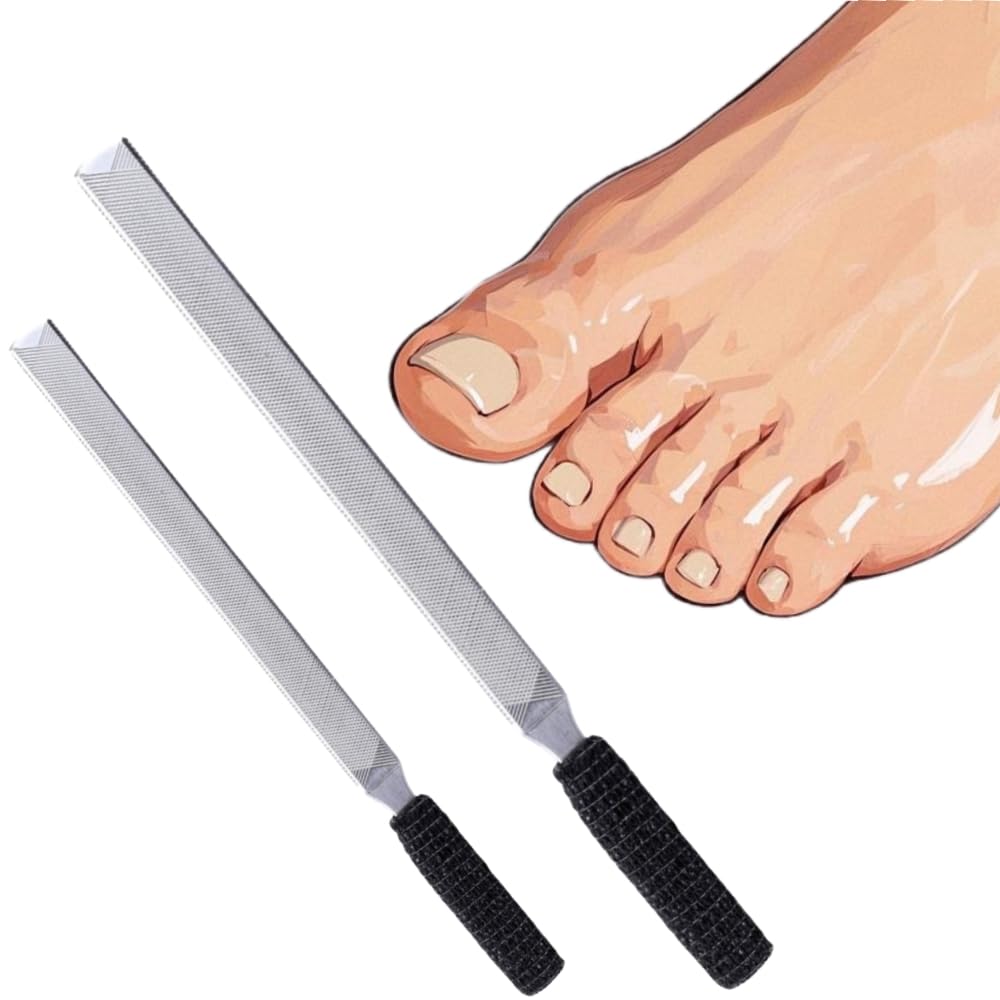
We recommend this set if you need a tough, long-lasting file for very thick toenails or pet nails because it cuts through hard material faster than emery boards.
Pros
- Very sturdy and cuts through thick nails quickly
- Non-slip grip feels secure during use
- Two sizes give better reach and control
Cons
- Grit is coarse, rough on thin or delicate nails
- Takes force and time on extra-wide nails
- Not ideal for polishing or smoothing final edges
We tried these on our own thick toenails and on a dog after clipping. The metal teeth bite in and remove material fast, so you spend less time filing than with paper files. The larger 7″ file gives reach when needed; the smaller 5″ one fits in a pocket.
The rubber-wrapped handles made it easier to hold without slipping when our hands sweated a bit. We felt secure while working and could control the angle to avoid scraping skin.
Finishing still needs a gentler file or buffer for a smooth look. We used a finer emery board after to soften edges. Overall, this set worked well for heavy-duty jobs but is too coarse for everyday polishing.
FVION Metal Nail File (2-pack)
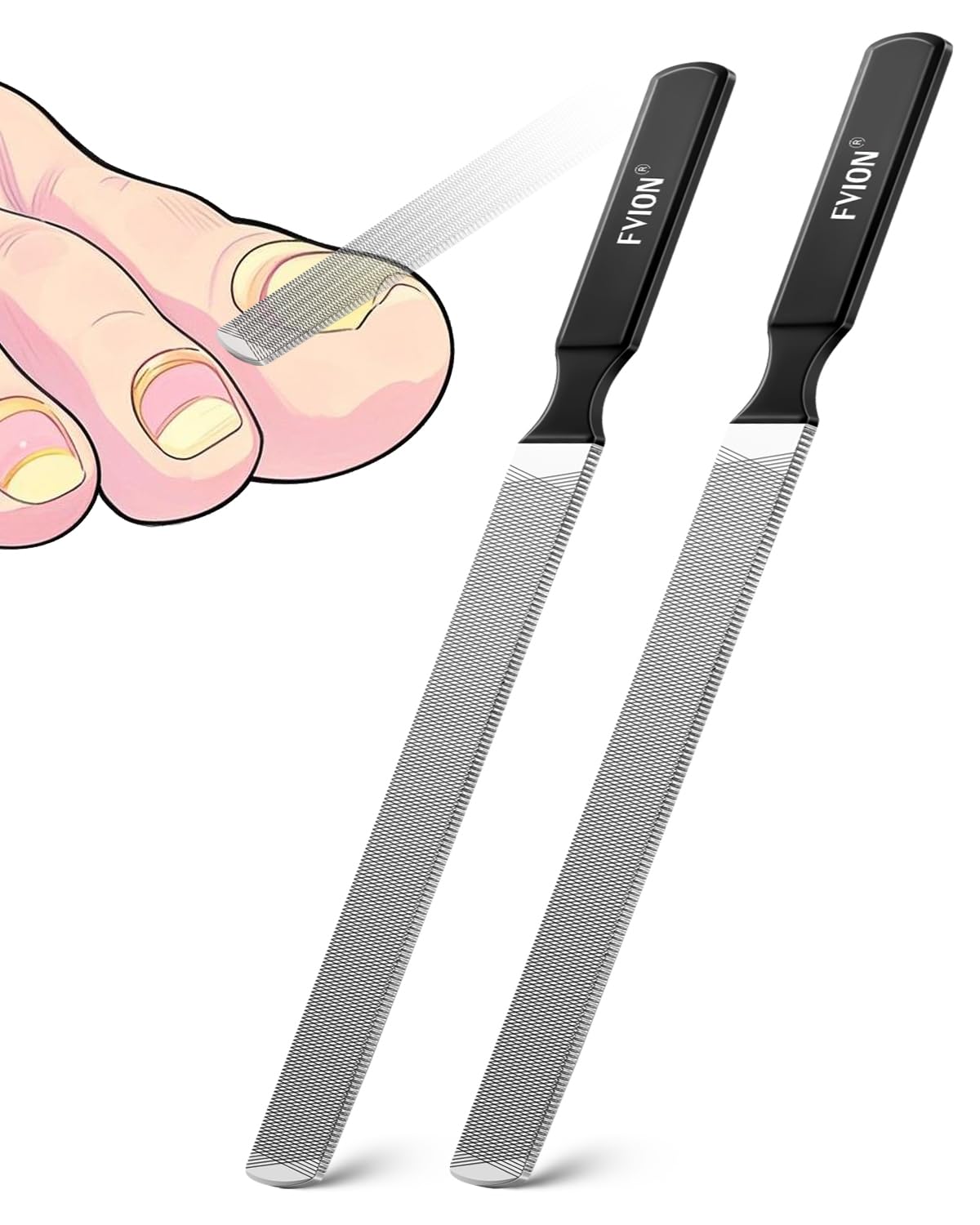
We recommend this if you need a sturdy, reusable file that quickly trims thick nails without fraying.
Pros
- Files thick toenails down fast
- Feels durable and easy to clean
- Compact and comes with a protective sleeve
Cons
- Grip is a bit short for some hands
- Takes effort on very dense nails
- Metal surface can feel coarse at first
We used these files on several people with thick toenails and found they remove bulk quickly. The double-sided texture lets us start aggressive and finish smoother without switching tools.
Cleaning felt easy — rinse and dry — and the stainless steel held up when we scrubbed away residue. The files are heavier than disposable emery boards, so they feel solid in hand and won’t wear out after a few uses.
We noticed the handle length is small, which made it awkward for larger hands during long sessions. When we pushed harder on very thick or fungal nails, the file required steady pressure and time, but it still did the job without shredding the nail.
3 Swords Sapphire Nail File Set

We recommend this if you want a long-lasting, sturdy file that handles thick nails without shredding.
Pros
- Files through thick nails quickly.
- Dual sides let us shape and smooth in one tool.
- Feels solid and lasts for months of regular use.
Cons
- Heavier than disposable emery boards.
- Metal grit can feel aggressive at first.
- Not ideal if you prefer ultra-soft buffers only.
We used these files on both finger and toenails and found they cut through dense nail material with steady control. The coarse side shapes fast; the fine side leaves a neat, smooth edge. The grip kept the file steady when we worked on stubborn toenails.
The metal surface held up after many uses. It did not bald like cheap files, and it cleaned easily under water. We noticed it takes a short learning curve to avoid filing too aggressively at the start.
The integrated buffer and cuticle pusher are handy when traveling. For anyone who trims thick or hard nails often, this set feels like a solid, reliable tool.
IDOU 7″ Heavy Duty Toe Nail File
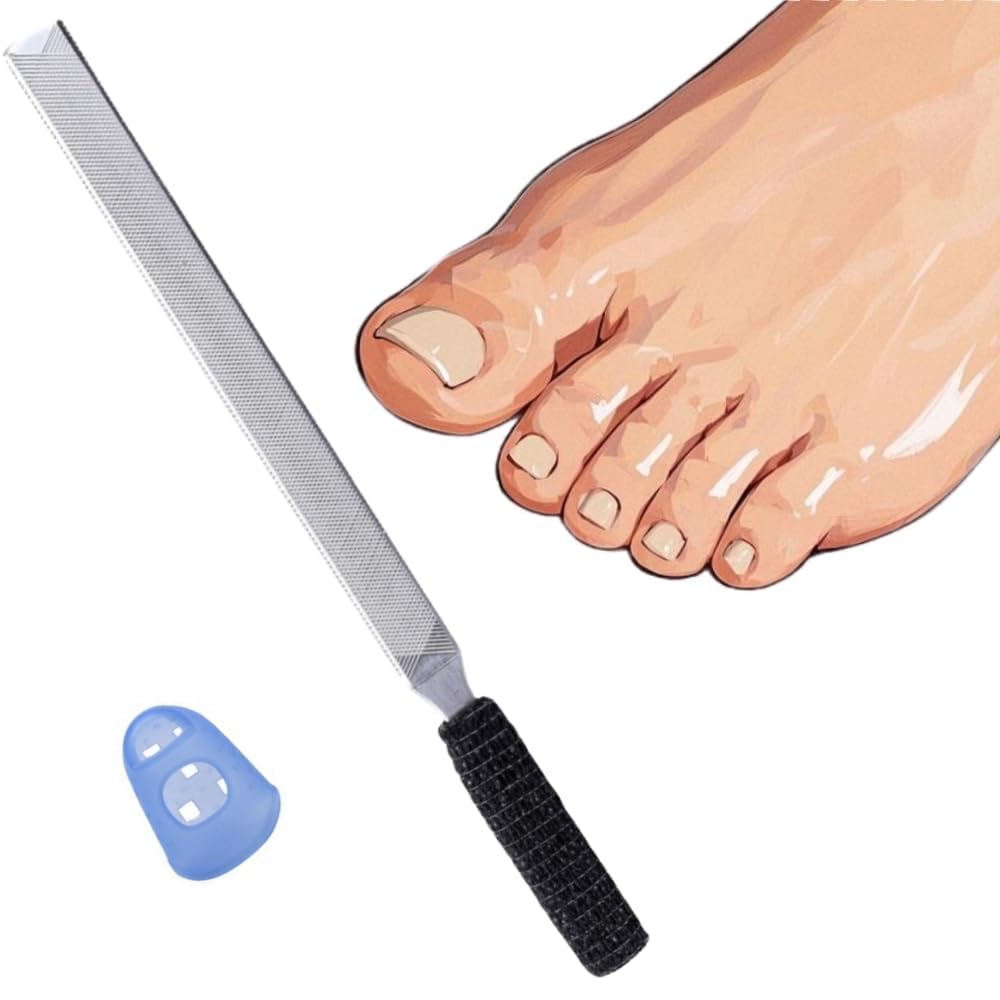
We recommend this file if you need a tough tool that cuts through thick toenails fast and lasts a long time.
Pros
- Cuts thick nails quickly
- Sturdy stainless steel build
- Non-slip handle for better control
Cons
- Very coarse — can feel aggressive
- Not for thin or fragile nails
- Harder to reach some toenails
We used this file on stubborn, thick toenails and it felt solid right away. The four-sided steel surface removed bulk in a few strokes, so we didn’t need to hack at the nail for long.
The handle grips well even when our hands got a bit sweaty. That made it easier to control direction and pressure without slipping, which helped avoid accidental gouges.
Because the grit is coarse, we went slow near the nail edges. It’s great for heavy nails and even worked on a dog’s nails when we tested it, but we wouldn’t use it on thin nails or brittle edges.
The tool feels much more durable than disposable emery boards. It’s lightweight and pocket-friendly, so we tossed it in our kit for travel and yard work.
If you want to try it, get it here: IDOU 7″ Heavy Duty Toe Nail File.
Cliganic 12-Pack Nail Files
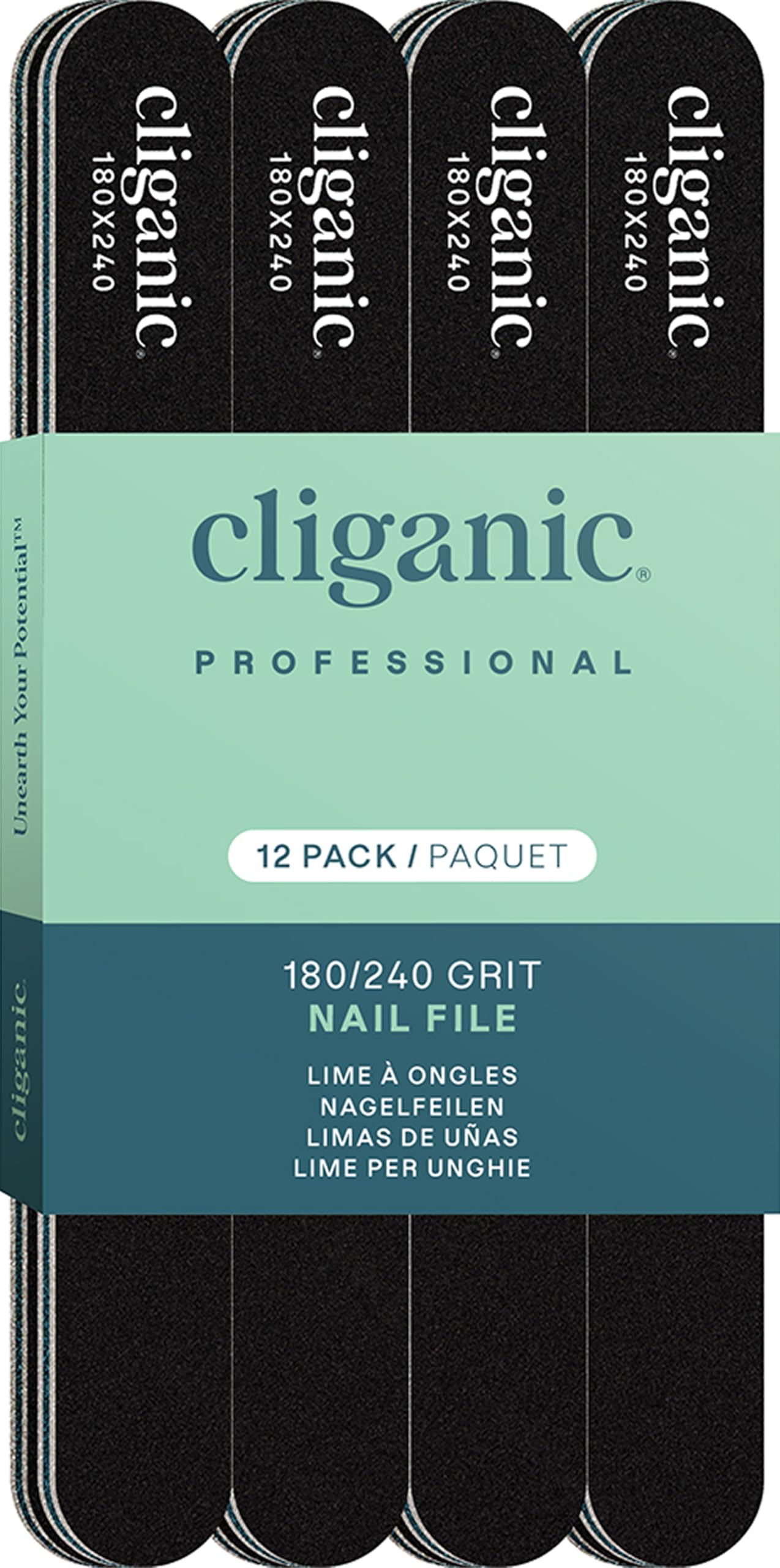
We recommend this set if you need sturdy, low-cost files that handle thick nails without falling apart.
Pros
- Durable double-sided grit lasts through many uses.
- Good for thick acrylics and heavy natural nails.
- Washable and easy to clean.
Cons
- 180 grit can feel too rough on delicate natural nails.
- Emery board edges may need a light finishing pass.
- Thin shape offers less leverage for very thick nails.
We used these files on both my partner’s acrylics and our own thick natural nails. The 180 side removed length fast and felt solid under pressure. It did not crumble like some cheap emery boards.
Finishing with the 240 side gave a clean edge, though we still smoothed with a buffer when we wanted a super-soft finish. The boards stayed intact after several rinses, which saved us money and time.
The pack of 12 is handy for at-home spa days or sharing, and the size fits well in a kit. If you have sensitive nails, use the fine side gently; otherwise these cut through thick nails without much fuss.
MR.GREEN Steel File
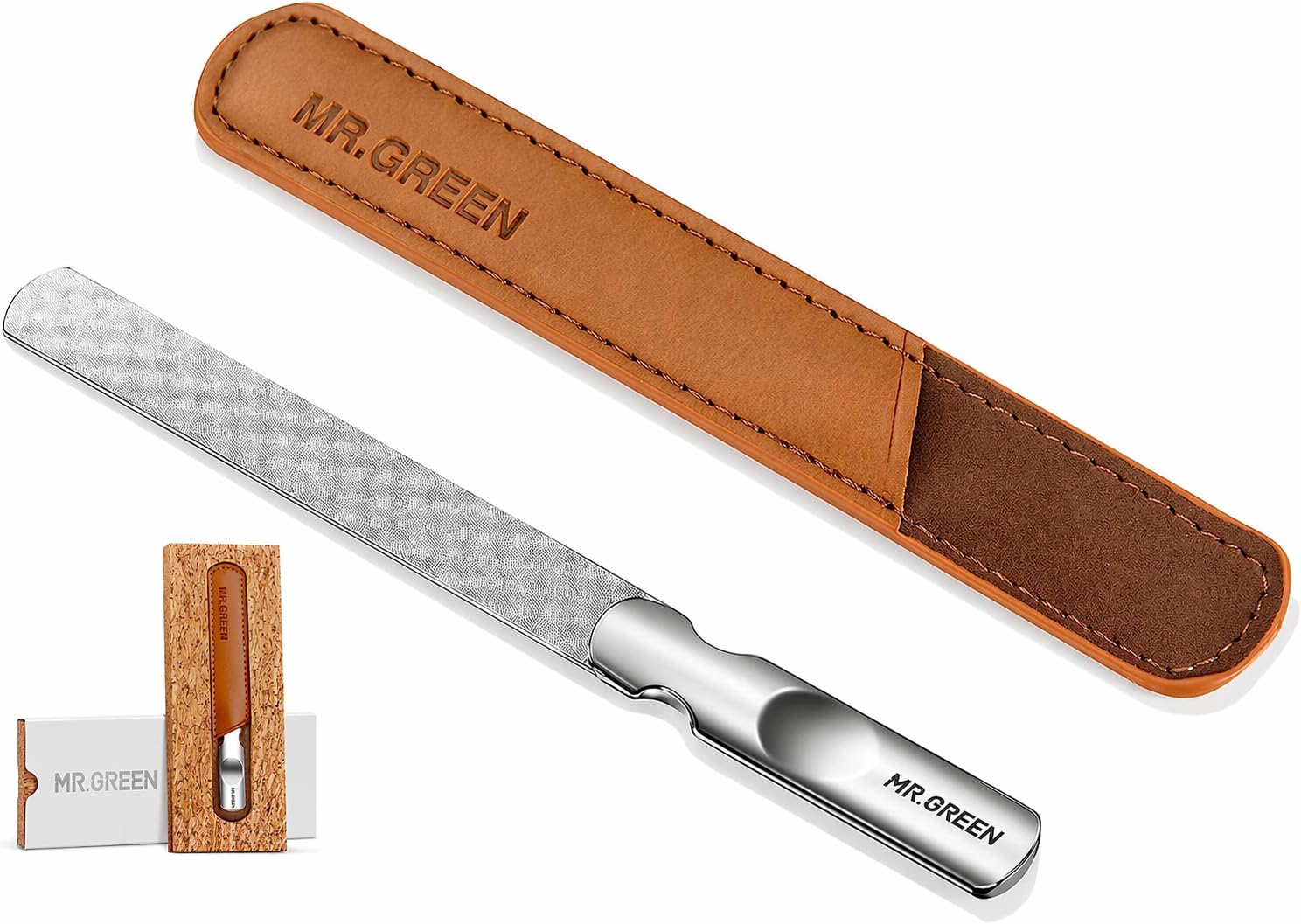
We recommend this file if you want a durable metal option that shapes thick nails fast and cleans up easily.
Pros
- Files thick nails quickly with the coarse side.
- Two textures let us shape and smooth without switching tools.
- Metal build feels long-lasting and rinses clean.
Cons
- Edges can be sharp if you’re not careful.
- Heavier than emery boards for travel comfort.
- Fine grit may be too gentle for very thick or hard nails.
We used this file on my partner’s and our own nails and noticed how fast it removes length. The coarse side bites in and cuts down thick tips without bending like softer files.
Cleaning felt simple — warm water rinsed away dust and the metal didn’t rust after drying. The leather case keeps it safe in a drawer or kit.
The handle gives a good grip so the file stays steady while we work, though the metal weight takes getting used to during long sessions. Watch your fingertip near the edges; they can feel sharp if you file too close to the nail bed.
HeeYaa 10 Pack Nail Files
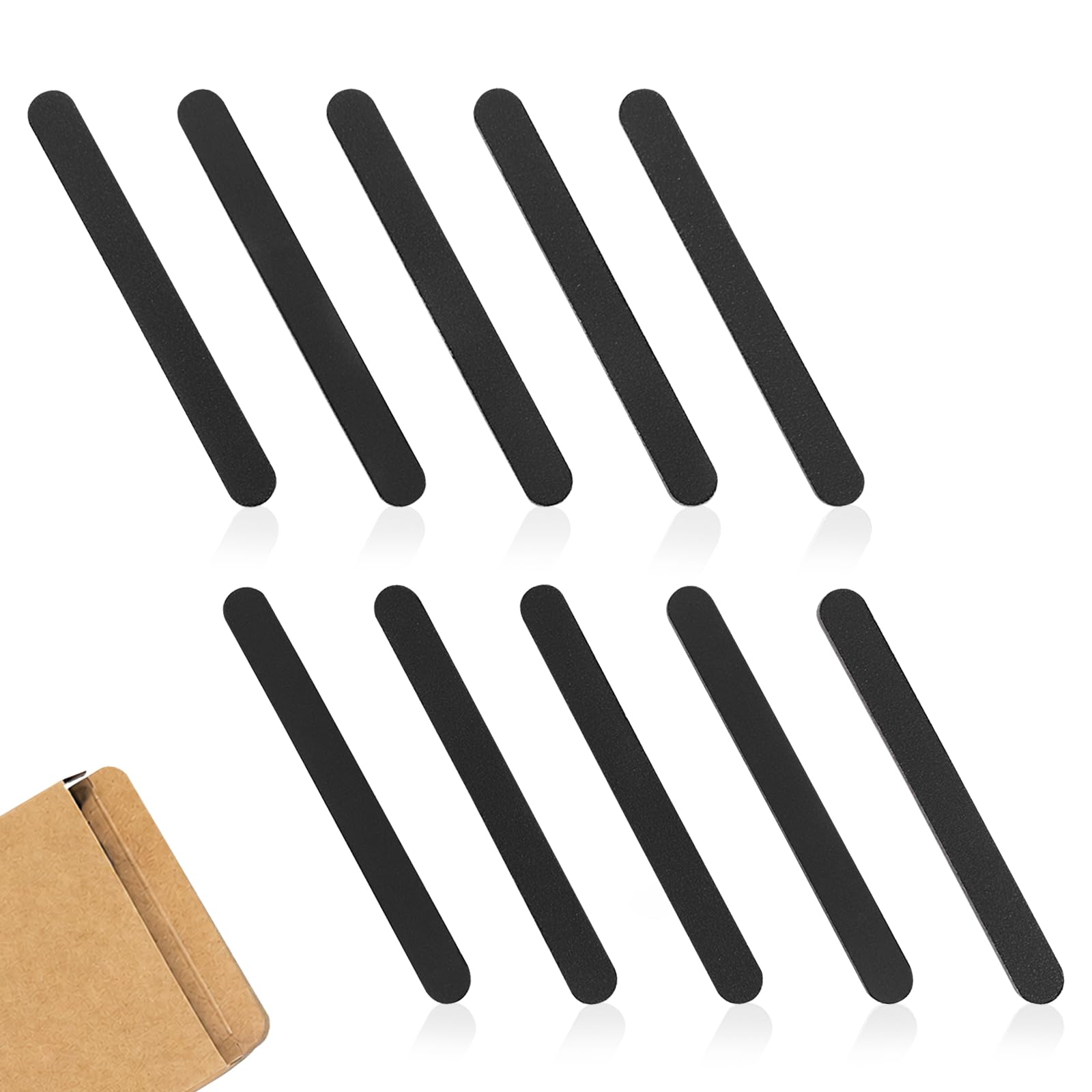
We recommend this pack if you want durable, coarse-to-fine files that handle thick nails without falling apart.
Pros
- Very sturdy feel thanks to the red PP core.
- Two grits (100/180) cover heavy shaping and smoothing.
- Large pack and nice box make storage and sharing easy.
Cons
- File size is bulky for small purses.
- One or two files in a pack may be unevenly finished.
- Coarse side removes material quickly, so use with care.
We used these files on thick toenails and thumbs during a weekend trim. The 100 grit shaves down length fast, and the 180 grit tidies the edge without shredding. They stayed rigid under pressure, so filing felt controlled.
The grip is simple but comfortable; the files felt thicker than many emery boards. That thickness helped when we worked at an angle, and none bent or broke after several uses.
Packaging is thoughtful and neat. The kraft box keeps files organized and the ten-count supply means we could keep a few in the bathroom and a few in the salon kit without running out.
HomeyEra 100/180 Nail Files (12 Pack)

We recommend these if you need durable, coarse files that actually shape thick nails without bending or falling apart.
Pros
- Heavy-duty grit that files thick nails fast
- Long, square shape gives a solid grip and control
- Pack of 12 means good value and fewer trips to replace files
Cons
- Coarse side can feel aggressive if used too hard
- Not cushioned like foam files, so it can be a bit stiff on natural nails
- Uses emery material that wears over time with heavy use
We tried these on both acrylic tips and dense toenails. The 100 grit cuts through stubborn edges quickly, and the 180 side smooths without leaving rough ridges. The firm build made it easy to push through thicker layers without the file bending.
We liked the length and square shape because it felt balanced in our hand. That helped when shaping corners and filing straight across toenails. The files held grit through several uses; they didn’t fall apart after a few nails like some cheap boards.
We noticed the coarse side can be harsh on soft natural nails if you’re not careful. We recommend using light strokes on natural nails and saving the 100 grit for acrylics or very thick nails. Overall, these are solid, no-nonsense files that do the job and last longer than drugstore emery boards.
Baluca Thick Nail File (2-pack)
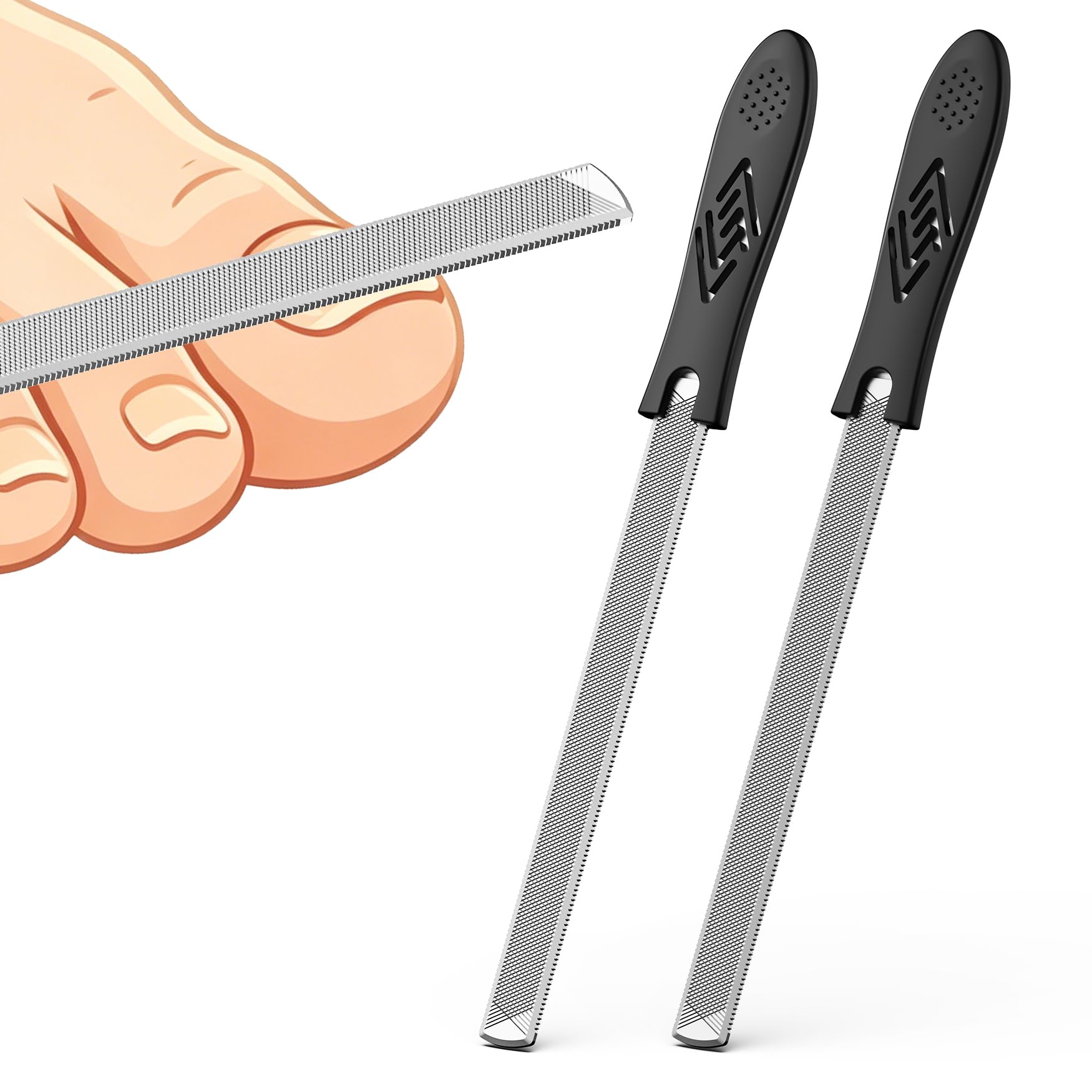
We recommend this if you need a tough, long-lasting file for very thick toenails because it removes bulk fast and feels sturdy in hand.
Pros
- Covers a lot of nail with each stroke.
- Built from rust-proof stainless steel that lasts.
- Ergonomic grip reduces hand strain.
Cons
- Very coarse surface can leave nails rough.
- Less precise for small nails or delicate shaping.
- Metal feel may be uncomfortable for some users.
We used these files on both our big toes and finger nails. The wide 4.7-inch abrasive face really shaves down thick spots quickly. Filing felt faster than regular emery boards.
The handle gives good control and the rubberized grip keeps the file steady. We noticed less wrist fatigue when working on stubborn nails, which helped during longer sessions.
Edges and corners require patience since the file is bulky. When we tried fine smoothing afterward, nails needed a softer buffer to remove roughness left by the coarse grit.
Overall, this feels like a durable tool that replaces many disposable boards. It suits anyone with dense, hard nails, seniors, or people who want a single heavy-duty file that lasts.
Baluca Long Stainless Nail File

We recommend this if you want a sturdy metal file that handles very thick nails without breaking down.
Pros
- Long filing surface covers more nail with each stroke.
- Strong stainless steel that feels built to last.
- Two grits let us shape and smooth in one tool.
Cons
- Works best filing in one direction, which can feel slow.
- Leaves small metal dust unless you clean well after use.
- Size can feel bulky for fine detail or travel.
We used this on both fingernails and toenails. The long 4.72-inch surface really sped up filing thick nails. It took fewer passes than emery boards, and the different sides let us shape then refine without swapping tools.
The metal felt solid in our hands and did not flex when tackling tough nail edges. It did shed tiny filings, so we wiped nails and the file after use. Filing in one direction felt necessary for best results, which takes some getting used to.
Seniors or anyone with weak grip will like the length and grip; it reduced awkward hand positions. The size made it slightly awkward in a small makeup bag, but the included sleeve kept it clean between uses.
Buying Guide
We focus on durability and grit when choosing a nail file for thick nails. A coarse grit removes bulk faster, while a finer grit smooths edges. Look for files labeled 80–180 grit for shaping thick nails and 240+ for finishing.
We check the file material next. Glass and ceramic files last long and resist wear. Metal files are strong but can be harsh; use them gently.
We consider file shape and handle comfort. A wider, slightly curved file covers more surface and gives better control. Handles with non-slip grips reduce slips and allow safer filing.
We inspect construction and edge safety. Rounded edges and sealed surfaces prevent layers from splitting. Files that resist chipping maintain consistent performance.
We weigh portability and maintenance. Compact files fit in a kit, while heavier files are steadier at home. Reusable files that clean easily save money and stay hygienic.
We use this quick checklist when shopping:
- Grit range: coarse for shaping, fine for finishing.
- Material: long-lasting and smooth (glass/ceramic preferred).
- Shape: wide or curved for better contact.
- Handle: non-slip and comfortable.
- Maintenance: easy to clean and durable.
We test files gently at first to gauge aggressiveness and avoid over-filing.
Editor’s Choice
We picked a top nail file that balances power, control, and gentle care for thick nails. It files through dense nail material without tearing or splitting, so you spend less time shaping and more time on the finish.
We like a coarse grit for initial shaping and a finer grit for smoothing. The best option we chose has a dual-grit surface and a sturdy core so it stays stable under pressure.
Features we value most:
- Coarse + fine grit for fast shaping and smooth edges
- Ergonomic handle to reduce slipping and fatigue
- Durable build that resists wear and keeps grit intact
We tested speed and nail health. The chosen file removed bulk quickly while leaving the nail surface even and free of frays.
Care is simple. Rinse or wipe it after use and replace when the grit wears down to keep nails healthy and prevent snagging.
Conclusion
We picked nail files that work well on thick nails and stand up to regular use. Our choices focus on grit, durability, and ease of use so you get reliable shaping without damage.
We recommend starting with a coarse file to reduce length, then moving to a finer grit to smooth edges. Glass or ceramic files work well for maintenance, while metal or coarse emery is best for heavy reshaping.
We value comfort and control, so handle shape and grit progression matter. Replace disposable files when they wear out, and clean reusable files after each use to prevent buildup.
We listed options for different budgets and needs so you can choose what fits your routine. Try one or two types to find what feels best before committing to a full set.
FAQS
What grit file should we use for thick nails?
Use a coarse file (80–100 grit) to shorten very thick nails. Follow with a medium grit (180–240) to shape and smooth the edge. Finish with a fine buffer if the surface feels rough.
Can electric nail files damage thick nails?
Yes, if we use high speed or too much pressure. Choose a low-speed setting and a proper bit for natural nails. Practice on one nail first.
How often should we file thick nails?
File every 1–2 weeks to keep length and shape under control. Thicker nails grow slower, so we may need less frequent shaping than thin nails.
Are glass files good for thick nails?
Glass files offer a gentle, even edge and work for many people. They are slower at removing bulk, so pair them with a coarser tool when trimming thicker nails.
Do we need different files for toenails and fingernails?
We often use firmer, coarser files for toenails because they are usually thicker. Fingernails can use medium grits for shaping and fine grits for smoothing.
How do we avoid splitting and peeling?
File in one direction, not back and forth. Keep nails dry before filing and avoid metal files on fragile nails. Use cuticle oil and a nail strengthener when needed.
What tools should we carry for travel?
A sturdy coarse file, a medium file, and a compact buffer cover most needs. Add clippers if we expect to remove a lot of length.

