
10 Best Nail Files for Toenail Fungus: Expert Picks for Effective Home Care

Toenail fungus can make feet look and feel unhealthy, slow nail growth, and sometimes cause pain or thickening that makes trimming hard. Nail files and grinders help remove dead, infected nail material and thin thick nails so topical treatments can reach the nail bed more easily. We focus on tools made for toenails—coarser grits, sturdy shapes, and electric options that handle thicker, infected nails without tearing or splitting.
The key things to watch for are grit level, durability, and safety features like rounded edges and variable speed settings for electric files. A good toenail-fungus file should remove hard, infected nail safely while minimizing pain and preventing further nail damage. We tested a range of manual and electric files to find the ones that make treating toenail fungus easier and more effective.
Best Nail Files for Toenail Fungus
Below is our full list of the best nail files for treating and managing toenail fungus. We chose files that remove damaged nail tissue gently, reduce debris, and help prep nails for topical treatments.
IDOU 7″ Heavy-Duty Toenail File
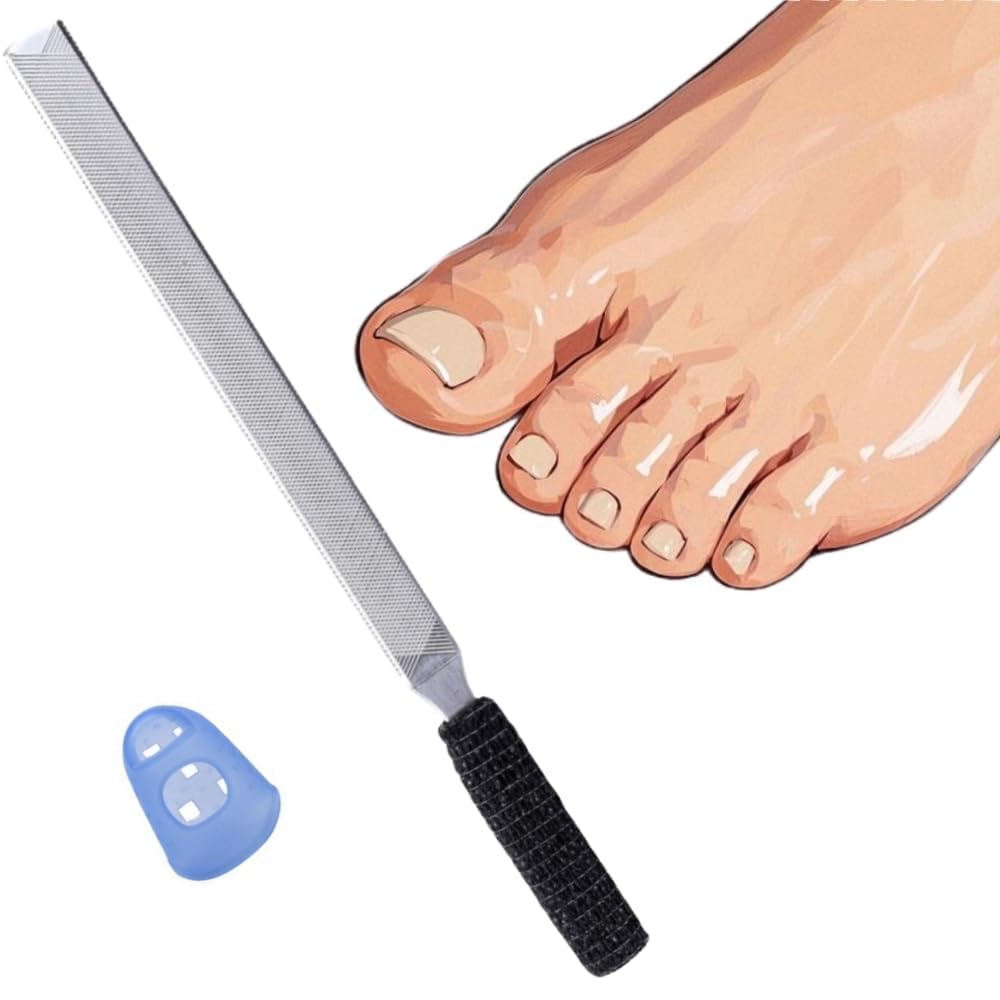
We recommend this if you need a sturdy, long-lasting file for very thick toenails and occasional fungal nails.
Pros
- Very strong and durable stainless steel construction
- Four gritty sides cover coarse shaping to lighter smoothing
- Non-slip handle makes it easier to control on thick nails
Cons
- Coarse grit can feel too rough on thinner nails
- Hard to reach some toenails without bending or help
- Metal surface may feel cold or sharp at first
We tried this file on a stubborn, thick toenail and it removed bulk quickly. The coarse edge chews through tough nail material while the finer side smooths the ridge in one session.
Our hands stayed steady thanks to the rubberized grip. The file feels solid, not like disposable emery boards, so it gives confidence when working on thick, fungal-affected nails.
A warning from our trials: go slow near the edges. The aggressive grit can thin a healthy nail if you press too hard. For thin or brittle nails, use gentler tools after initial shaping.
This file also handled a dog’s very thick nails in a pinch. It’s compact enough to toss in a travel kit and feels like it will last for years.
IDOU Heavy Duty Toe Nail Files (2-Pack)
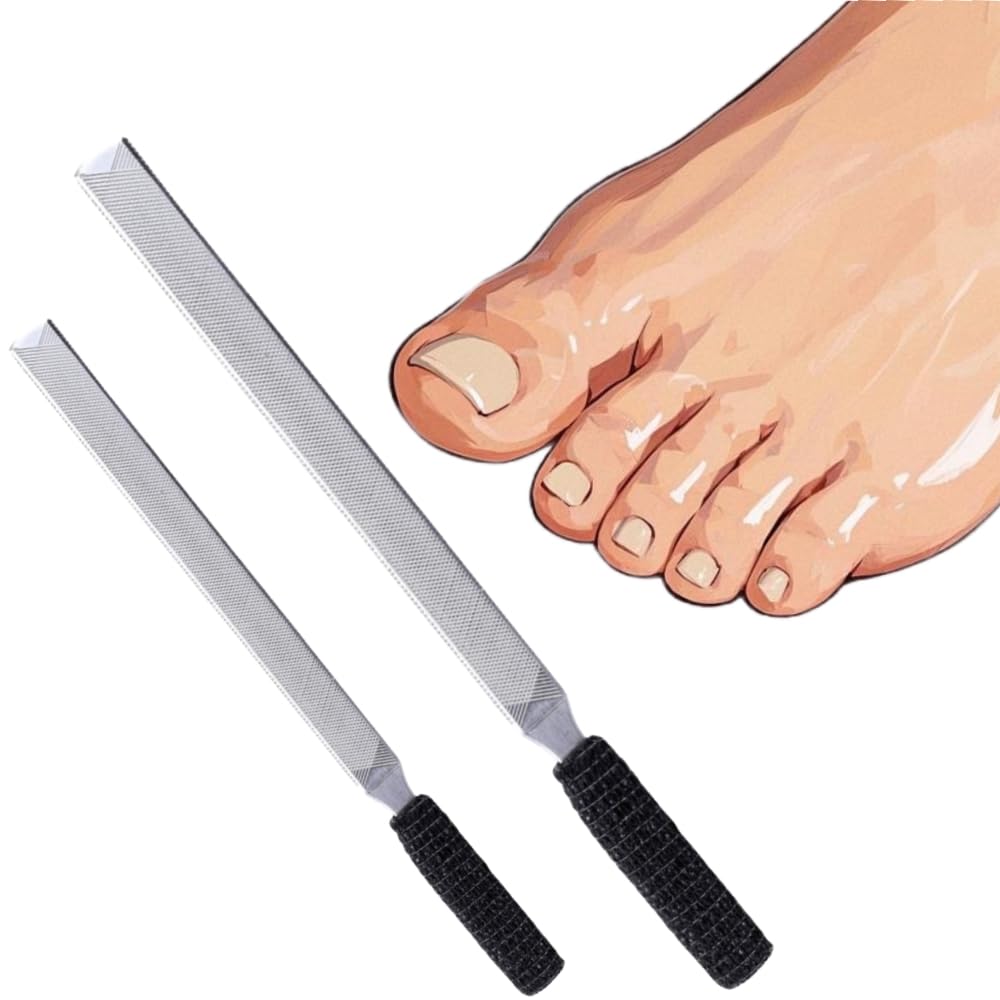
We recommend this set if you need a tough, long-lasting metal file for very thick toenails or nails affected by fungus because it removes hard edges quickly and resists wear.
Pros
- Very coarse and fast on thick, stubborn nails
- Non-slip grips make it easy to hold and control
- Durable stainless steel; feels like it will last
Cons
- Too abrasive for thin or fragile nails
- Coarse grit can be harsh if you press too hard
- Not ideal for shaping or smoothing final surface
We used these files on several thick toenails and liked how quickly they took down hard nail edges. The 7″ file gave good reach and the 5″ felt better for close work. Both stayed steady in our hands thanks to the wrapped grips.
The coarse 4-sided surfaces remove bulk fast. That saved time compared with emery boards, but it left a rough finish that needed a finer buffer afterward. We found it best for removing thickness rather than polishing.
These files felt strong and didn’t flex when we applied pressure. They worked well on nails that looked thick from fungal changes, but we took care not to over-file. For delicate nails, choose a gentler tool after using this one.
Baluca Toenail File
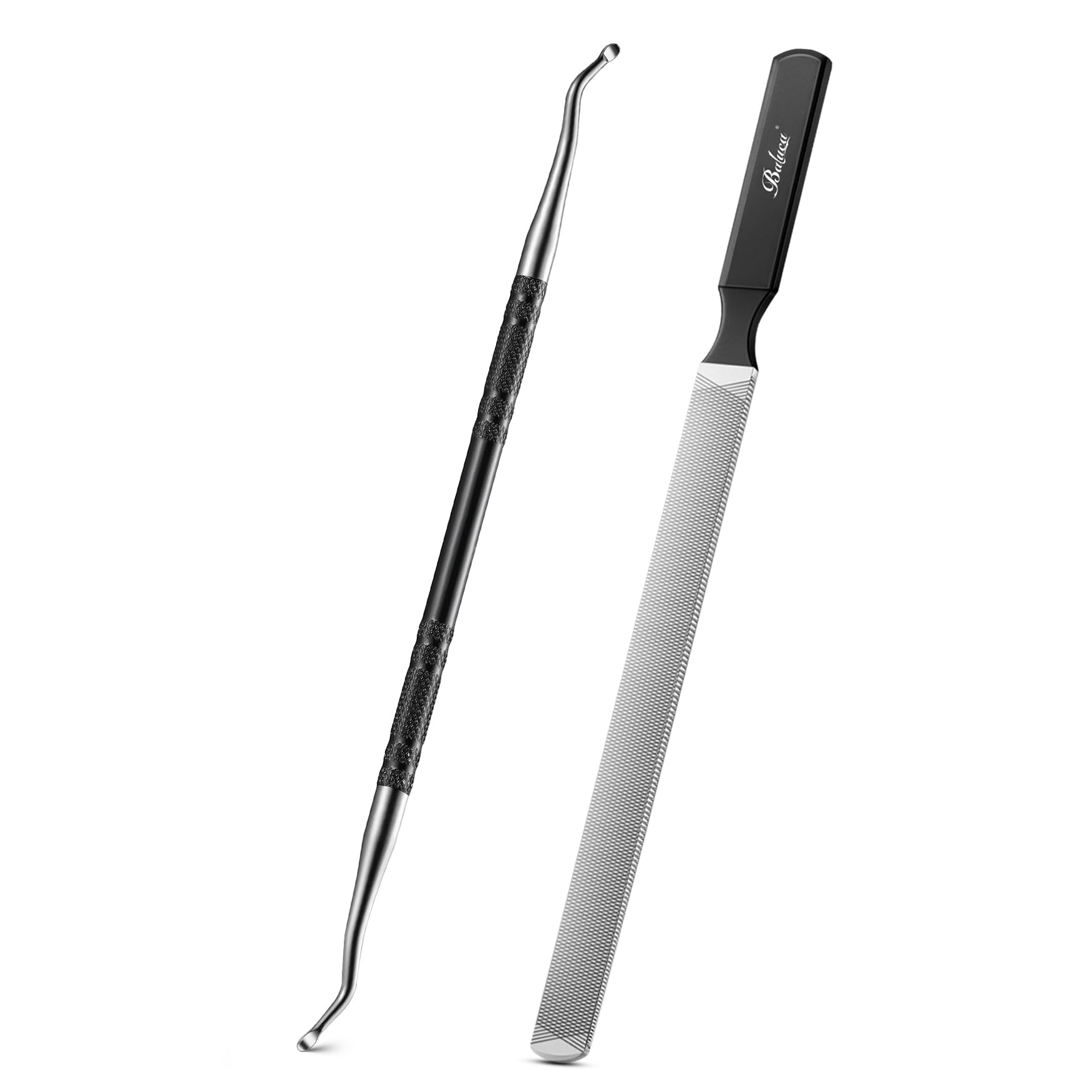
We recommend this if you need a heavy-duty file that tackles thick, fungal-prone nails quickly and gives simple ingrown relief.
Pros
- Grinds down very thick nails fast.
- Sturdy stainless steel holds up over time.
- Built-in lifter helps with ingrown nails and debris.
Cons
- Coarse grit may feel too aggressive for sensitive nails.
- Grit doesn’t reach the very edge in spots.
- Single lifter tip could use more variation.
We used this file on several stubborn, thick toenails and saw real progress in minutes. The coarse surface removed bulk quickly, which saved time compared with flimsy emery boards.
The lifter end worked well to loosen trapped debris and ease mild ingrowns without digging. Its metal handle gave us control and felt solid in hand during use.
A few nails needed a lighter touch afterward because the grit is aggressive; we found it best to follow with a gentler file. Also, the abrasive stops short near the edges in a couple spots, so small touch-ups were required.
Overall, this tool felt like a reliable, travel-ready option for anyone fighting thick or fungal nails, especially seniors or frequent travelers.
BEZOX Long Metal Nail File
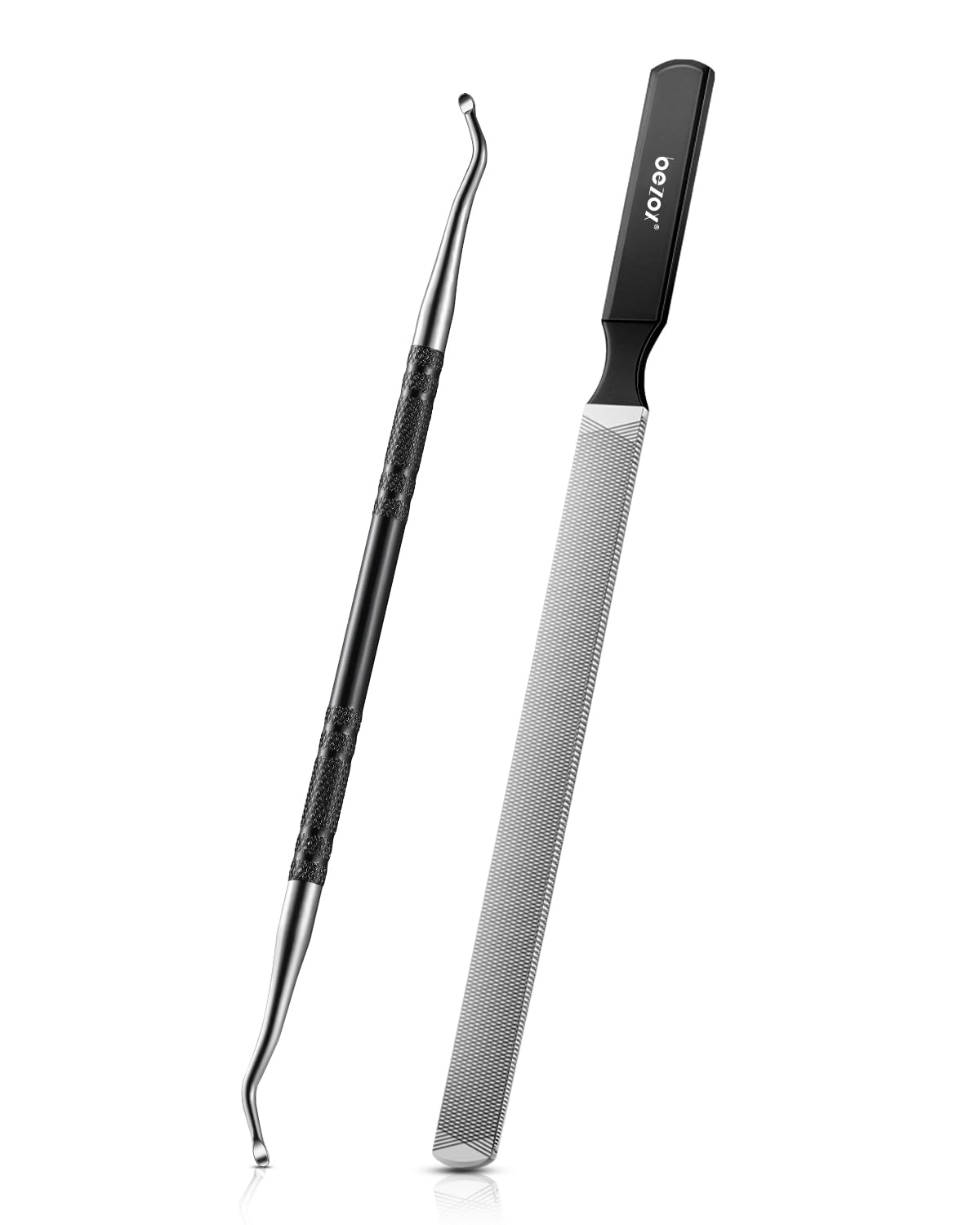
We recommend this if you need a tough, stainless steel file that trims thick or fungal toenails and includes a practical lifter for under-nail cleaning.
Pros
- Cuts through thick nails quickly
- Dual-ended tool lifts and cleans under the nail
- Long handle gives extra reach and good grip
Cons
- Coarse grit can feel rough if you need gentle shaping
- Metal tool needs steady hands to avoid over-filing
- Not a complete treatment for fungus on its own
We used the BEZOX file on a stubborn, thick toenail and it really shaved down bulk fast. The long steel felt solid in our hand and gave the leverage needed without slipping.
One end files with a coarse grit that makes quick work of fungal or thickened nail layers. The other end lifts debris and helps with ingrown edges, which saved us time when cleaning under the nail.
The stainless steel stayed rust-free after rinsing, and the compact size fit easily in our travel kit. Take care not to over-file; use medicine or a doctor’s plan alongside this tool for best fungal care.
MR.GREEN Stainless Steel File
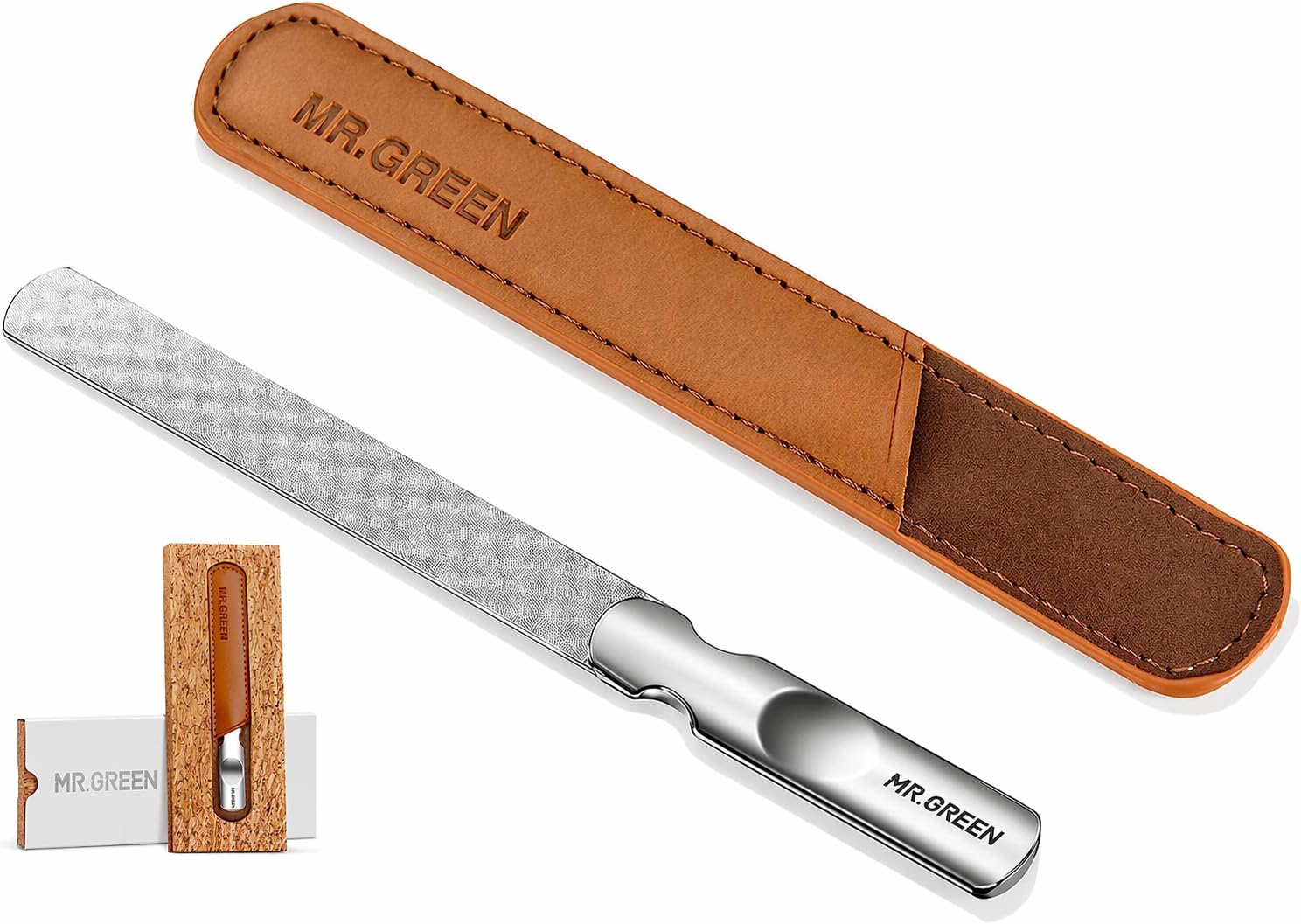
We recommend this file if you want a tough, reusable tool that shapes and smooths nails without bending.
Pros
- Durable stainless steel; cleans easily and won’t warp.
- Double-sided grit lets us shape quickly and then smooth edges.
- Comes with a leather case for tidy storage and travel.
Cons
- Edges can feel sharp if we press the wrong way.
- Heavier than emery or glass files, which some may not prefer.
- Fine grit may take longer on very thick fungus-affected nails.
We used this MR.GREEN file for several sessions and liked how fast the coarse side cut down thick edges. It felt solid in our hand and didn’t flex when we worked on tougher toenails.
The fine side left a smooth, rounded finish that reduced snags and catching on socks. Rinsing it under water removed residue easily, so it felt hygienic after cleaning.
A warning: the metal edges can be sharp if you scrub too close to the skin. We found light, controlled strokes work best to avoid irritation near the nail bed.
The leather sleeve keeps the file protected in a bag, and the size made it simple to pack for trips. Overall, this is a long-lasting option for people who prefer metal files and want something washable and sturdy.
COSLUS C43 Wide Grinder Kit

We recommend this kit if you want a cordless, multi-speed tool that handles thick toenails and calluses at home.
Pros
- Strong motor that cuts through thick nails without bogging down.
- Wide sapphire grinder covers more surface, so jobs finish faster.
- Cordless and lightweight — easy to use standing or sitting.
Cons
- Learning curve for speed and pressure to avoid over-filing.
- Small bits can be fiddly to swap and store.
- LED light useful but not very bright for low-light work.
We used the COSLUS C43 on a few stubborn toenails and on callused heels. The motor felt solid and kept steady even when we pressed a bit harder. The wide sapphire bit removed material faster than thin bits we’ve tried before.
The five speed options let us start slow near the edge of the nail and ramp up for thick centers. Changing rotation direction helped when we needed a cleaner finish. Battery life lasted through multiple sessions after a full charge.
Bits fit securely in the handpiece, though swapping them takes care and a small touch. The included dust cover helped keep the area cleaner. Overall, this kit gave salon-style results at home once we learned the right speed and pressure.
HeeYaa Nail Files (10 Pack)
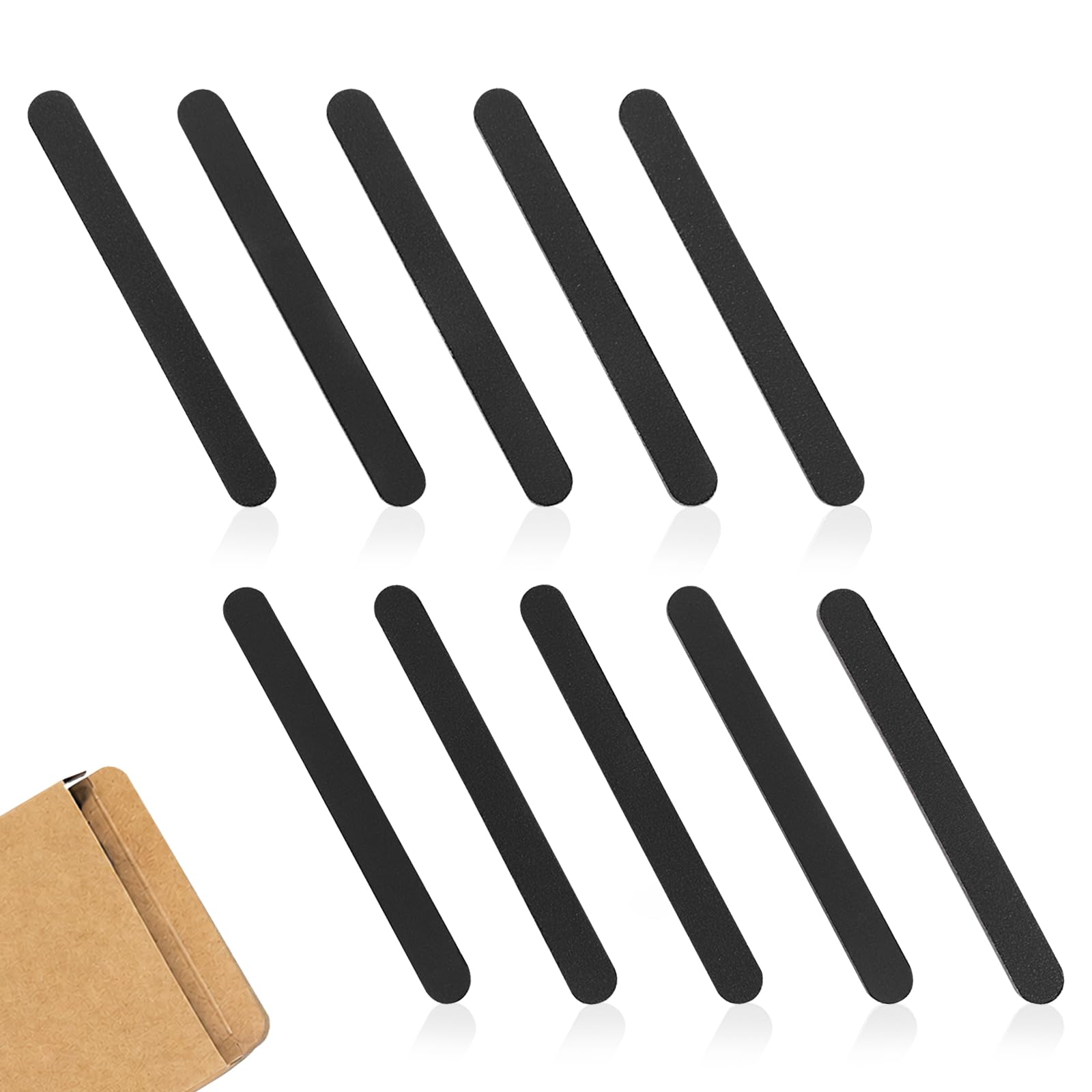
We recommend this pack if you want sturdy, double-sided files that last and help prep toenails before antifungal treatment.
Pros
- Strong PP core that resists bending and breaking
- Two grits (100/180) let us shape and smooth with one tool
- Large pack with neat box makes storage simple
Cons
- Files feel bulky for purse carry
- Coarse side can remove a lot quickly if not careful
- Some packs have inconsistent finish quality
We used these files on thick, discolored toenails and felt the grit cut through the nail without shredding. The heft and red core gave a solid grip while working, so we could file more precisely than with flimsy emery boards.
The double-sided 100/180 grit setup saved time. We used the 100 grit to shorten and thin the nail before applying antifungal cream, then flipped to 180 to smooth edges and reduce snagging on socks.
The box of ten lasted through multiple sessions and held up well in our bathroom shelf. Carrying one in a small bag felt awkward, but for home use these files gave reliable results and stood up to repeated cleaning.
FVION Toenail File Duo
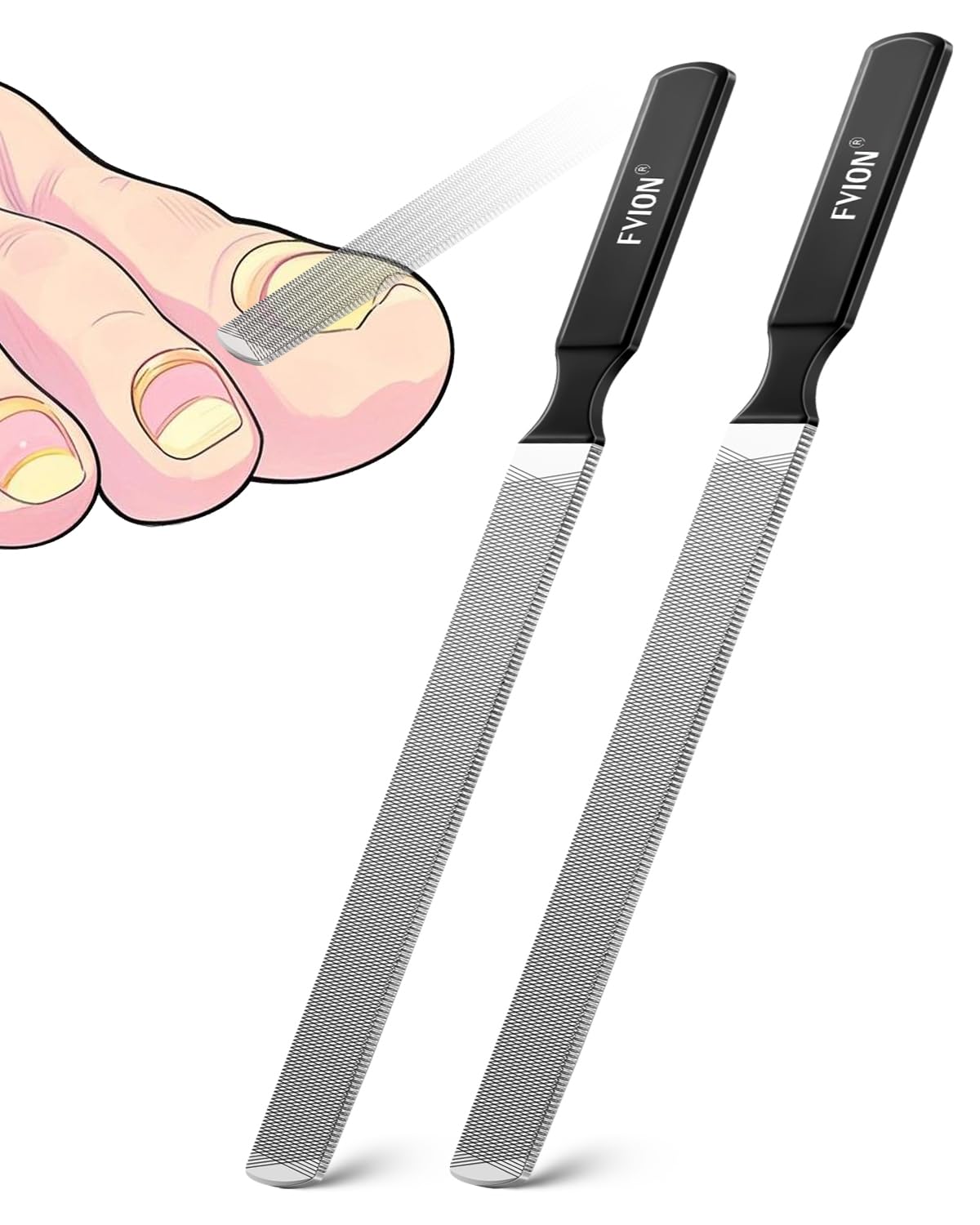
We recommend this if you need a sturdy metal file that shaves down thick, fungus-affected toenails without frequent replacement.
Pros
- Files very thick nails without bending.
- Easy to wash and reuse; feels durable.
- Comes with a protective sleeve for travel.
Cons
- Grip feels a bit short for some hands.
- Takes effort and time on very large thick nails.
- Metal texture may feel rough at first.
We used these files on thick, discolored toenails and found they remove bulk quickly. The double-sided surface gives a coarse side for heavy filing and a finer side to smooth edges, so one tool handled both steps.
Handling felt solid and not flimsy like paper files. The stainless steel cleaned easily under water and didn’t rust after several uses. That made maintenance simple for ongoing fungal care.
Filing takes patience; you must work slowly to avoid discomfort and to get an even surface. For routine touch-ups and for seniors who struggle with clippers, these files save time and avoid jagged cuts.
This set suits anyone who wants a reusable, heavy-duty option for toenail fungus management without visiting a clinic.
3 Swords Sapphire Nail File Set

We recommend this set for toenail fungus care because the sapphire-coated metal files shape thick nails quickly and last a long time.
Pros
- Durable sapphire coating that stays effective for months.
- Dual grit lets us shape and then smooth without switching tools.
- Comfortable grip and compact size for easy control on toes.
Cons
- Metal file can feel stiff on very sensitive skin.
- Not disposable — needs cleaning between uses for fungus safety.
- Buffer included is basic compared with the files.
We used the 3 Swords files on thick, discolored toenails and found they cut down bulk fast. The coarse side removes the thicker edges without snagging, and the fine side tidies the surface so nails don’t catch on socks.
Holding the black grip felt secure while working on awkward angles near the nail bed. The metal build gave us steady pressure, which made filing faster than with emery boards.
For hygiene, we rinsed and wiped the files after each use and kept one set stored separately from our fingernail tools. That extra step matters when treating nails that may have fungus, because metal files are reusable and need proper cleaning.
IDOU 2PCS Long Metal Nail File
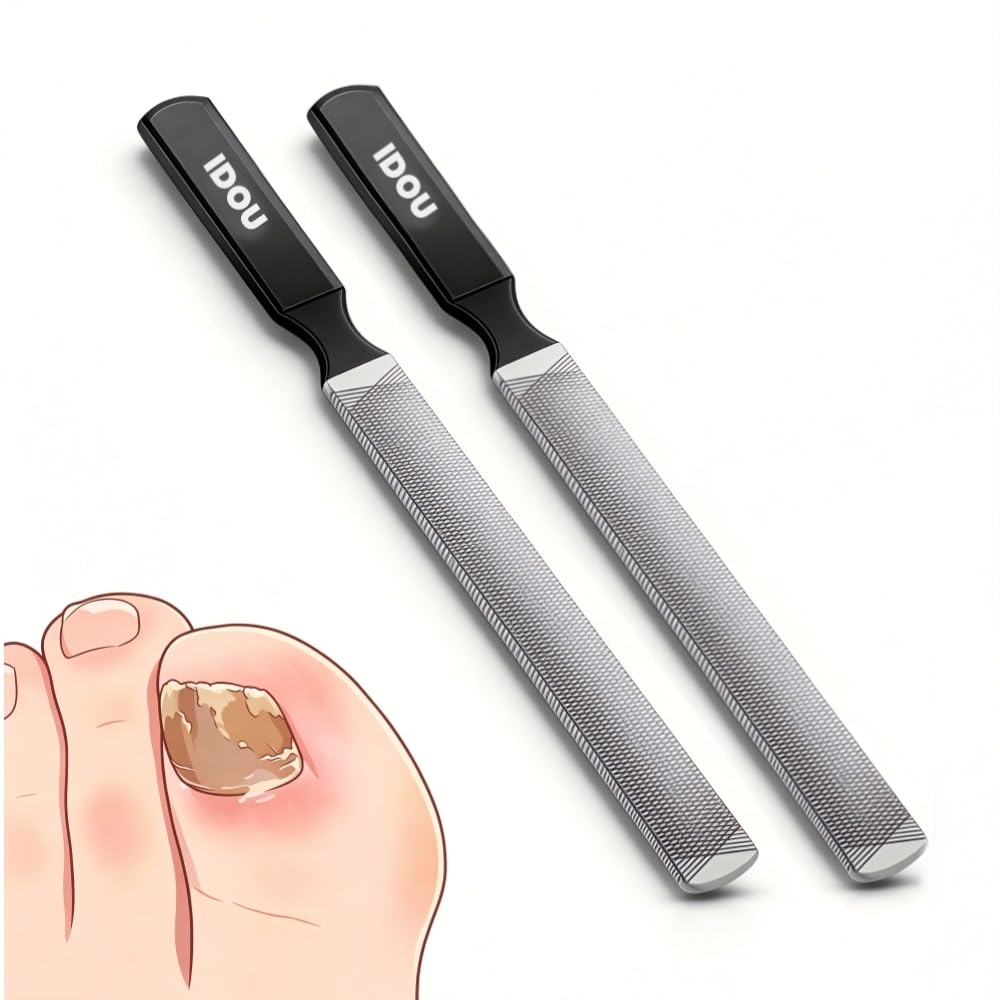
We recommend this file set if you need a sturdy, fast way to thin thick toenails and prefer a tool that lasts longer than emery boards.
Pros
- Cuts down filing time with a long 7″ surface.
- Two grits let us quickly reduce thickness then smooth edges.
- Solid stainless steel holds up to repeated use and cleaning.
Cons
- Metal can feel heavy for some users during long sessions.
- Not for severe infections or people with poor circulation.
- Coarse grit may be aggressive if used too hard.
We used these files on several thick toenails and noticed how much faster one stroke moved material compared with small emery boards. The long length gives good reach and the handle felt balanced in our hand while working on hard, yellowed nails.
Switching from the coarse side to the fine side smoothed the edges cleanly. The metal stays rigid so you avoid bending or tearing the nail like cheap files can. Cleaning and disinfecting felt simple since the tools are stainless steel.
A few times we applied too much pressure and felt the file grab; beginners should work gently and stop if the nail or skin hurts. Also skip these if you have active infections, diabetes, or poor circulation. For routine thick-nail upkeep, they beat disposable boards for speed and durability.
Buy from Amazon: IDOU 2PCS Long Metal Nail File.
Buying Guide
We look for files that remove infected nail material safely and gently. Choose tools with the right grit so you can file thick nails without tearing them.
We prefer durable materials like metal or ceramic because they last and resist bending. Sturdy handles and non-slip grips help maintain control and reduce risk of injury.
We check grit ranges: coarse for heavy filing, medium for shaping, and fine for smoothing. Use a coarse file sparingly; finish with finer grit to avoid rough edges that trap moisture.
We also value hygiene features. Files that can be cleaned, sanitized, or replaced help prevent reinfection. Avoid porous files that absorb moisture or debris.
We consider size and shape next. Small, narrow files reach tight corners; wide, flat files work well on broad surfaces. Pick a shape that matches your nail thickness and toe shape for easier, safer use.
We pay attention to safety and ease of use. Rounded tips, guarded edges, and comfortable angles reduce cuts. If we have reduced dexterity, choose longer handles and less aggressive grits.
We recommend checking care instructions and lifespan. Know whether a file can be disinfected or needs regular replacement. Keep multiple files: one for infected nails and one for healthy nails to avoid cross-contamination.
Editor’s Choice
We picked the file we recommend most for fungal toenails because it balances safety, durability, and ease of use. It reduces thick edges without tearing the nail or pushing fungus deeper.
The top pick is a four-sided emery file with a coarse side for thick nails and finer grits for smoothing. It has an anti-slip handle so we keep steady control while filing.
We like that it’s washable and reusable. You can clean it with soap and water or a 70% isopropyl wipe to help lower germ buildup.
Key features:
- Grit range: coarse to fine for shaping and smoothing.
- Material: rust-resistant metal core with emery coating.
- Grip: non-slip handle for steady filing.
- Care: washable and disinfectable.
Use it gently and avoid aggressive scraping, which can hurt the nail or skin. Replace the file when the surface wears smooth or after a fungal infection has cleared and you’ve treated it.
Conclusion
We looked at options that help manage toenail fungus and reduce spread. Choosing the right file depends on how severe the infection is, your comfort, and whether you prefer single-use or reusable tools.
We recommend files with coarse grit for thick nails and fine grit for smoothing edges. Metal or professional-grade files last longer, while disposable files reduce the risk of reinfection when used correctly.
We advise keeping tools clean and using a new or sterilized file each time we treat an infected nail. We also suggest pairing filing with antifungal treatments and good foot hygiene for better results.
We prefer products that balance effectiveness with safety. If we have severe or painful symptoms, we should see a healthcare provider before trying more aggressive filing or home treatments.
FAQS
What type of file works best for toenail fungus?
We recommend a coarse metal file or an emery board with a coarse side. These remove thickened nail enough for topical medicine to reach the nail bed.
How often should we file infected nails?
File once or twice a week to thin the nail. Thinner nails absorb medication better and reduce pressure in shoes.
Can filing spread the fungus?
Yes, fungus can spread if tools are shared. Always disinfect files after each use or use a single-use disposable file.
How do we disinfect nail files?
Soak metal files in 70% isopropyl alcohol for 10 minutes or boil them for 5 minutes. For emery boards, throw them away after use if infection is active.
Should we combine filing with other treatments?
Yes. Filing works best with topical antifungals or oral medicine prescribed by a doctor. It speeds up treatment but usually does not cure fungus alone.
Are electric nail drills safe?
They can be, if used gently and cleaned between uses. We advise low speed and light pressure to avoid damaging the nail or surrounding skin.
When should we see a doctor?
See a doctor if the nail is very thick, painful, or not improving after a few weeks of care. We should also seek help if we have diabetes or poor circulation.
Quick care checklist:
- File weekly • Disinfect tools • Use antifungal treatment • Wear breathable shoes

