
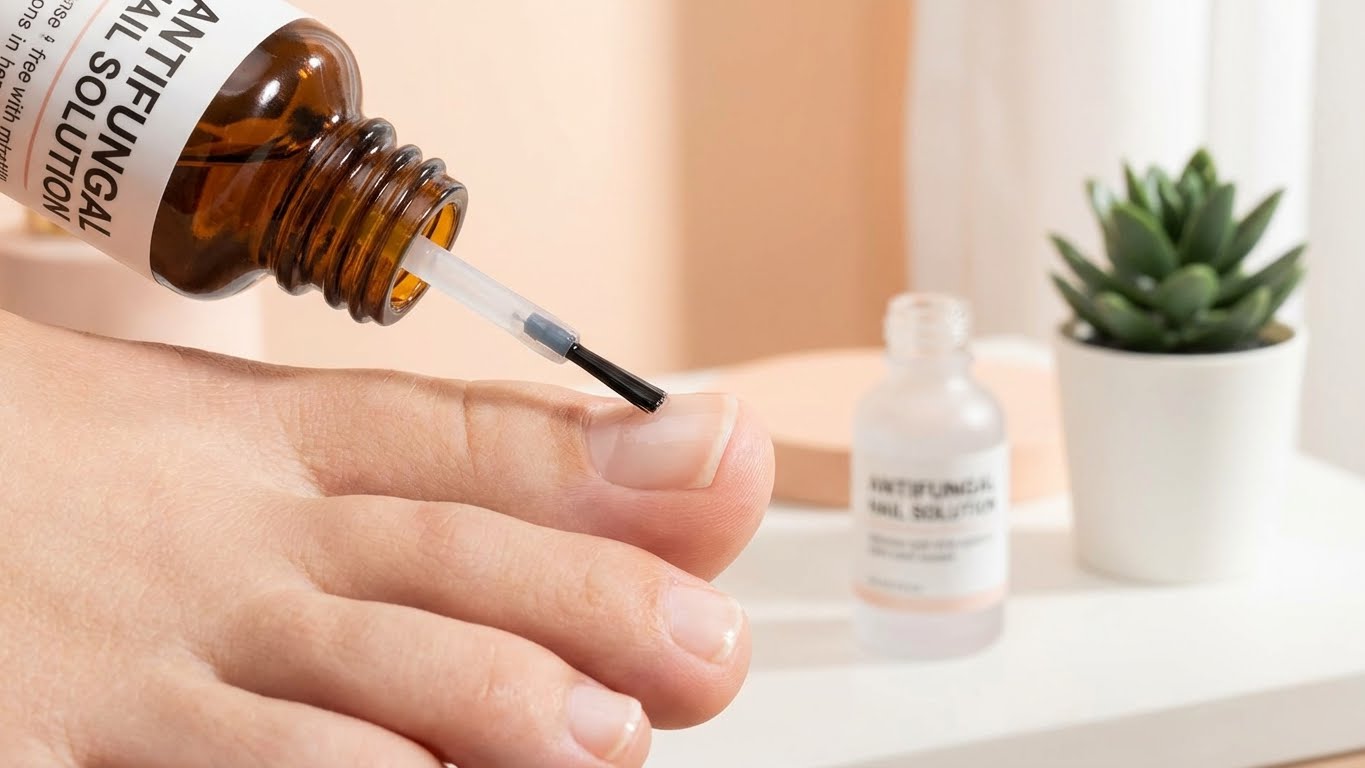
Toenail and fingernail fungus is a common infection that makes nails thick, discolored, and brittle. Over-the-counter and prescription antifungal medicines work in different ways—topical creams and lacquers sit on the nail surface, while oral pills reach the fungus through the bloodstream. People choose a product based on how severe the infection is and how quickly they need results.
The most important factors when choosing a treatment are effectiveness against the specific fungus, treatment duration, side effects, and how well the medicine can reach the nail bed. Prescription oral antifungals often clear infections faster but carry higher risk of side effects, while topical treatments are safer but may take much longer and work best on mild cases. This guide compares popular options, explains how choices were evaluated, and helps readers pick the right medicine for their needs.
How We Selected the Best
The team reviewed products based on effectiveness, safety, and ease of use. They checked clinical studies and guidance from the Centers for Disease Control and Prevention (CDC) to confirm which treatments work for nail fungus (onychomycosis). https://www.cdc.gov/fungal/diseases/skin-and-nails/index.html
They compared active ingredients like terbinafine and ciclopirox, and looked at cure rates, treatment length, and side effects. They also considered drug interactions and suitability for people with diabetes or weakened immune systems.
User experience mattered too. They read hundreds of user reviews to judge how easy the treatments are to apply and whether results matched expectations. Packaging, applicator design, and dosing schedules were part of the evaluation.
Cost and availability influenced rankings. The team checked prices, insurance coverage options, and whether a product required a prescription. They used drug information from the U.S. Food and Drug Administration (FDA) for approvals and safety updates. https://www.fda.gov
Each product had to meet multiple criteria before it could be recommended. This balanced approach helps readers choose a treatment that fits medical needs and daily life.
Best Nail Fungus Medicine
Below is a list of the best nail fungus medicines. It helps readers compare treatments for mild to moderate infections so they can pick a safe, effective option.
Kerasal Nail Renewal

It is worth buying for people who want a simple, non-prescription option to improve nail appearance and reduce thickness over time.
Pros
- Targets rough, thick, and discolored nails with a precise tip.
- Feels gentle — hydrates and smooths without strong chemicals.
- Easy to add to a nightly or daily routine.
Cons
- Results vary and can take weeks to show.
- Not a guaranteed cure for deep fungal infections.
- Requires regular use and patience.
They used the small precision tip and found it easy to aim at damaged spots. The gel went on cleanly and didn’t stain their socks or sheets, which made nightly use less annoying.
After a few weeks the nails looked smoother and less thick in spots. New nail growth near the cuticle appeared clearer on some toes, while other nails needed longer treatment or medical help.
It worked best as a cosmetic repair and maintenance step, not a full medical cure for severe infections. Those with persistent or painful fungal infections should see a doctor, but for surface damage and discoloration this felt like a practical, low-effort fix.
NONYX Nail Clarifying Gel
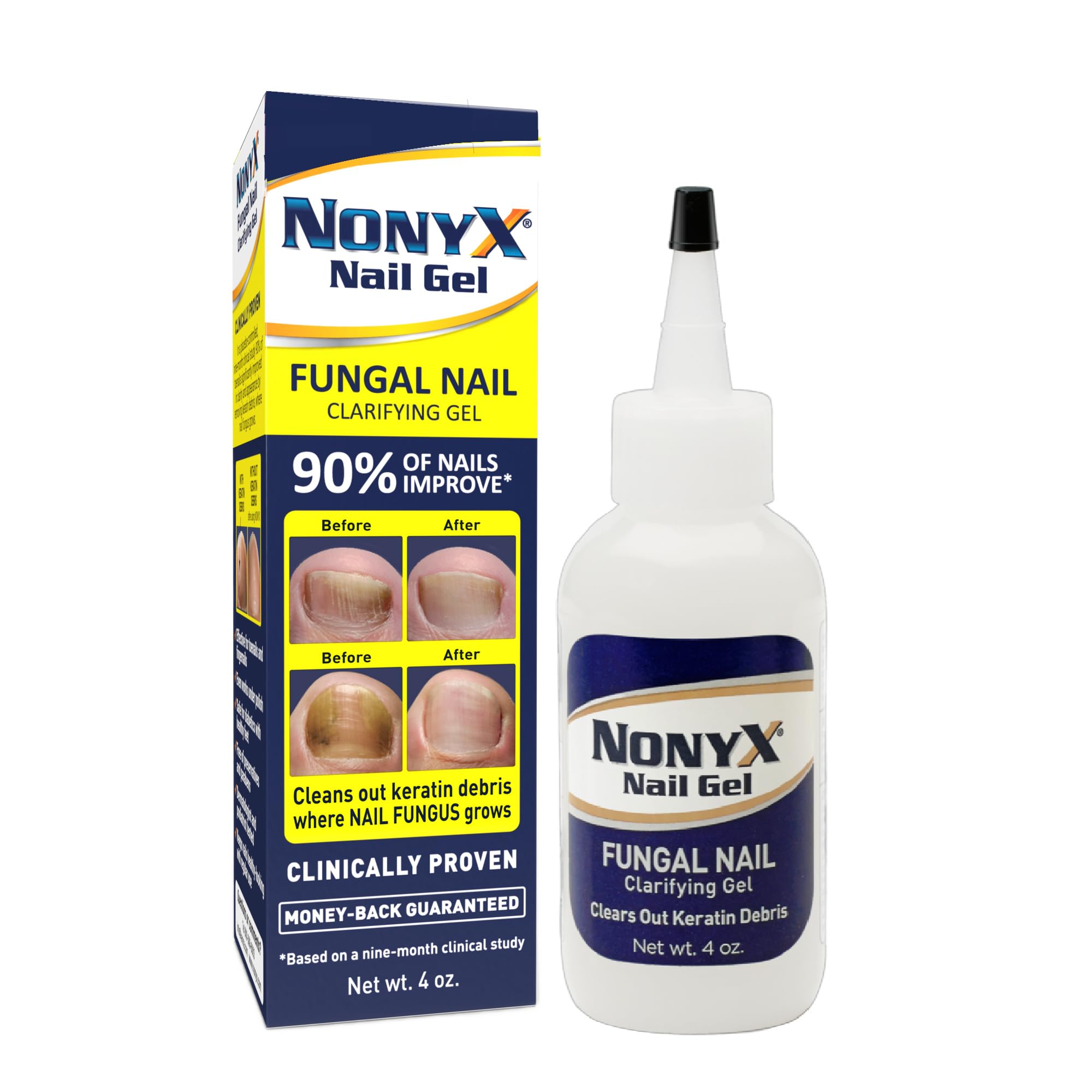
It is worth buying for people who want a simple, doctor-recommended topical that can improve nail appearance over months.
Pros
- Clinically shown to improve nails in many users.
- Easy to apply, dries clear, and works under polish.
- Large bottle lasts months, so it feels economical.
Cons
- Results come slowly; nails can take months to grow out.
- Some users see no change, especially with severe infections.
- Needs regular use and patience to maintain results.
They found the gel easy to use and liked that it dried clear. Application only a few times a month fit into a normal routine and allowed wearing polish while treating nails.
It did improve yellowing and thick areas for many people in real use. The texture felt lightweight and non-staining, and the bottle size meant fewer refills compared to smaller treatments.
A few users did not get the results they hoped for, so it is not a guaranteed cure. It helps most with mild-to-moderate discoloration and keratin buildup rather than severe active infections.
Buyers can check the product and current price here: NONYX Nail Clarifying Gel.
Foot Cure Extra Strength
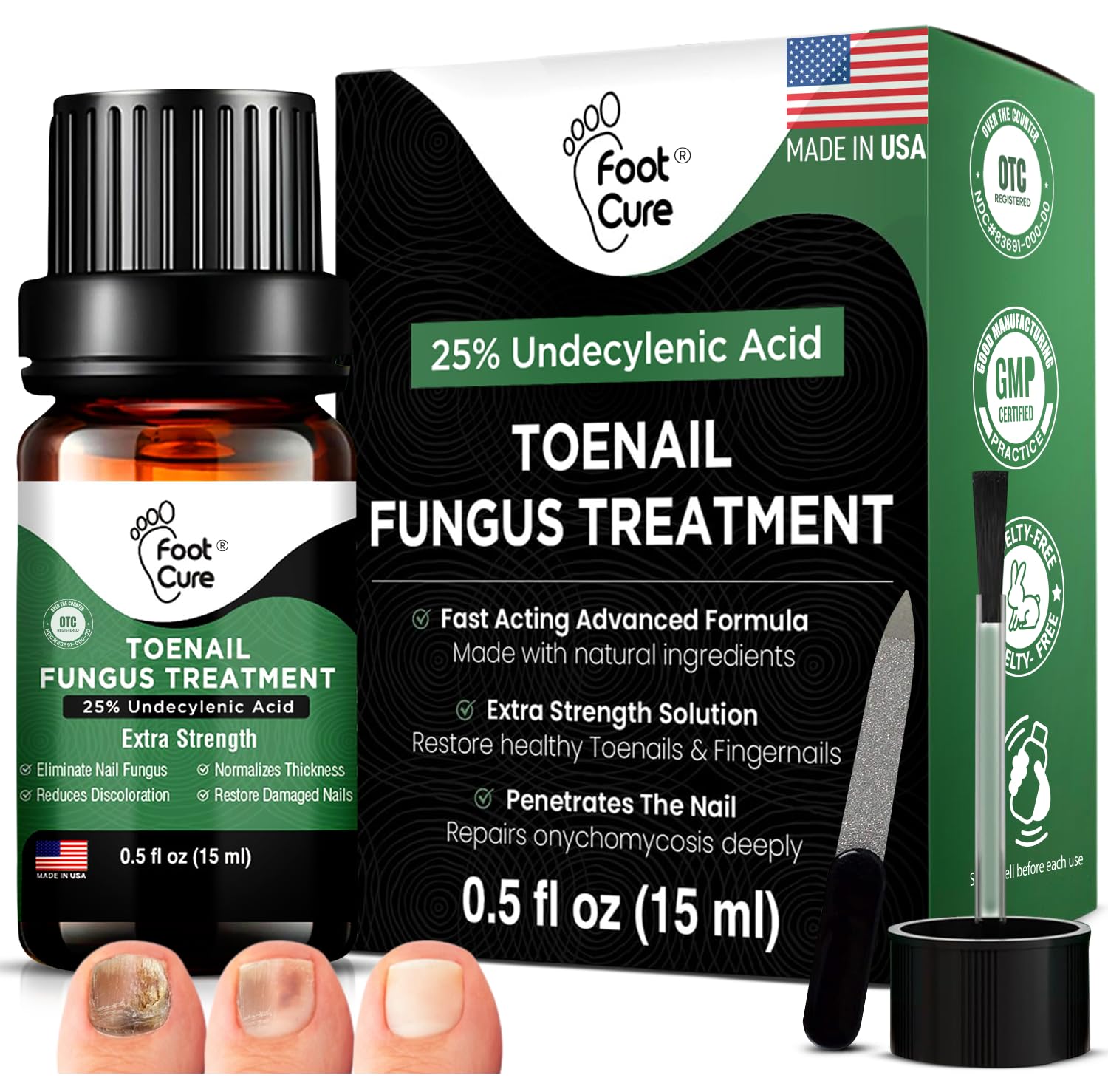
Foot Cure is worth trying for mild to moderate nail fungus because it felt easy to use and showed slow but visible improvement for many users over weeks.
Pros
- Oil formula soaks into the nail and surrounding skin.
- Uses natural oils (tea tree, oregano) plus 25% undecylenic acid.
- Small bottle is easy to carry and apply.
Cons
- Results take weeks to months with daily use.
- Some people see little or no change.
- Bottle is small for long treatment courses.
They packaged this as an oil-rich liquid and it behaves like one. Application felt simple: warm soak, apply a few drops, let it dry. The oil left a light residue at first but absorbed after a short time.
Consistency matters. The treatment worked slowly in my use and for many reviewers; nails need months to look normal again. A few users reported fast improvement, but others needed additional measures or stronger remedies.
Users who expect quick fixes may get frustrated. For someone willing to apply daily and be patient, it can reduce discoloration and soften thick nails, making trims easier and improving comfort.
DERMATOOL Toenail Fungus Treatment

This product is worth trying for persistent toenail fungus because it soaks in, goes on clear, and showed steady improvement with regular use.
Pros
- Dries fast and applies cleanly with the brush.
- Contains tolnaftate plus natural oils for a gentle feel.
- Company offers a money-back promise.
Cons
- Needs consistent, long-term use to see results.
- Twice-daily routine can be time-consuming.
- Top layers may improve before the root clears.
They reached under and around the nail easily with the thin applicator brush. After using it twice a day for several weeks, the nail looked less yellow and felt smoother. The clear formula did not stain shoes or skin.
He noticed the product absorbed quickly and did not leave a greasy film. It calmed itching and reduced flaking within days, though full nail regrowth took months. The mix of tolnaftate and tea tree oil felt reassuring for someone avoiding harsh chemicals.
Someone with severe or long-standing fungus may need months of steady use or to combine this with other treatments. Customer service responded promptly for returns in one case, which adds confidence. For a compact, easy-to-use topical option, this felt practical and reliable.
Fungi-Nail Anti-Fungal Solution

This product is worth trying for mild skin fungal infections around nails because it delivers tolnaftate directly and soothes irritation.
Pros
- Targets fungus around nails and skin with a pinpoint applicator.
- Feels light, non-greasy, and has a mild scent.
- Includes aloe and tea tree oil to calm and hydrate skin.
Cons
- Not a quick fix — needs consistent long-term use.
- Designed mainly for skin around the nail, so it may not fully penetrate thick nails.
- Bottle applicator can be messy if not handled carefully.
They used Fungi-Nail on the skin around a toenail and noticed reduced itching within a week. The applicator makes it easy to apply right where it’s needed, and the liquid absorbed without leaving residue.
After about a month of steady use, the area looked cleaner and less inflamed, though the nail itself took longer to show change. It helped prevent new irritation and felt soothing after showers.
For someone who wants an affordable topical option to treat skin-level fungal issues and support nail health, this is a practical choice. It works best when paired with good foot hygiene and patience for gradual results.
BUCAOAGU Toenail Fungus Pen (5-Pack)
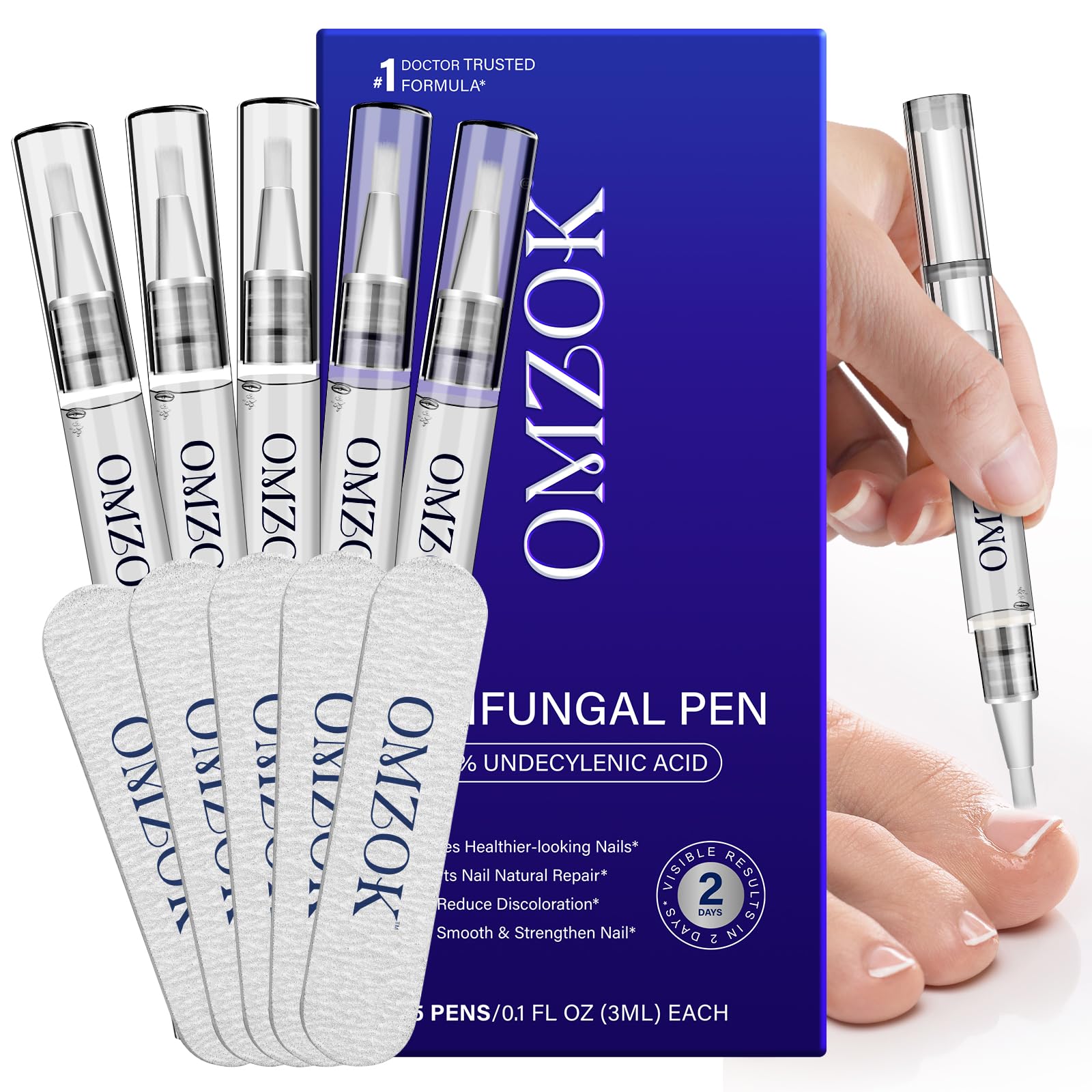
This pen is worth trying if someone wants a targeted, easy-to-use treatment that combines strong antifungal acid with natural oils to improve nail appearance.
Pros
- Precise pen applicator for neat, direct use
- Strong 25% undecylenic acid that soaks into the nail
- Natural oils help soothe and nourish surrounding skin
Cons
- Needs daily, consistent use for weeks to see change
- Small liquid volume means frequent repurchase for multiple nails
- May require filing the nail first, which adds a step
They found the pen simple to use and less messy than creams. The twist-to-dispense tip gives thin, even layers that dried fast and didn’t leave a sticky residue.
After about a week the nail looked less dull and felt less brittle. It didn’t fix everything overnight, but repeated applications visibly reduced discoloration and thickening over time.
The natural oils like tea tree and jojoba made the skin feel calmer after treatment. For anyone treating multiple nails, the pack stretches the supply, though heavy cases may run out sooner.
Tobcharm Toenail Fungus Treatment (2-pack)
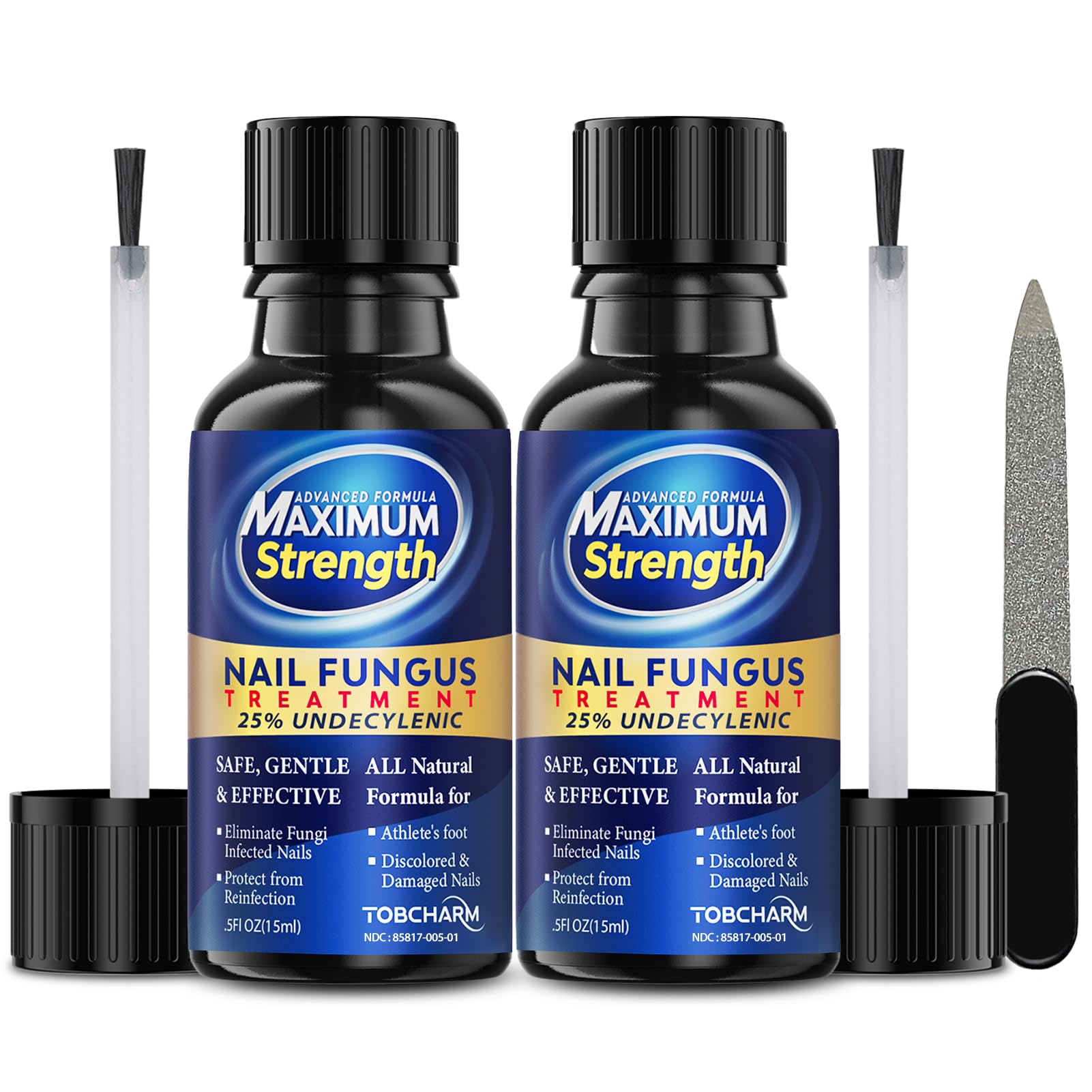
This treatment is worth trying for people who want a strong, natural-feeling option to tackle stubborn toenail fungus.
Pros
- Strong 25% undecylenic acid formula that felt effective on tough cases.
- Comes as two bottles, so there was enough product for consistent use.
- Oil blend and easy brush applicator made daily application simple.
Cons
- Results need time and steady use; it did not work overnight.
- Applicator brush can be flimsy and may fall out of the cap.
- Some users might prefer a different scent or texture from the oil mix.
They packaged the bottles neatly and the brush made it simple to apply under and around the nail. The liquid soaked in quickly and did not leave a heavy residue.
After a few weeks of twice-daily use, the nails showed gradual improvement. The 25% undecylenic acid seemed to reduce discoloration and slow fungal progress when combined with regular filing.
Patience mattered most. With steady use over months the nails looked healthier and some users reported full clearance, but the product requires commitment and daily care.
DR.RAPID Toenail Fungi Pen (Pack of 3)
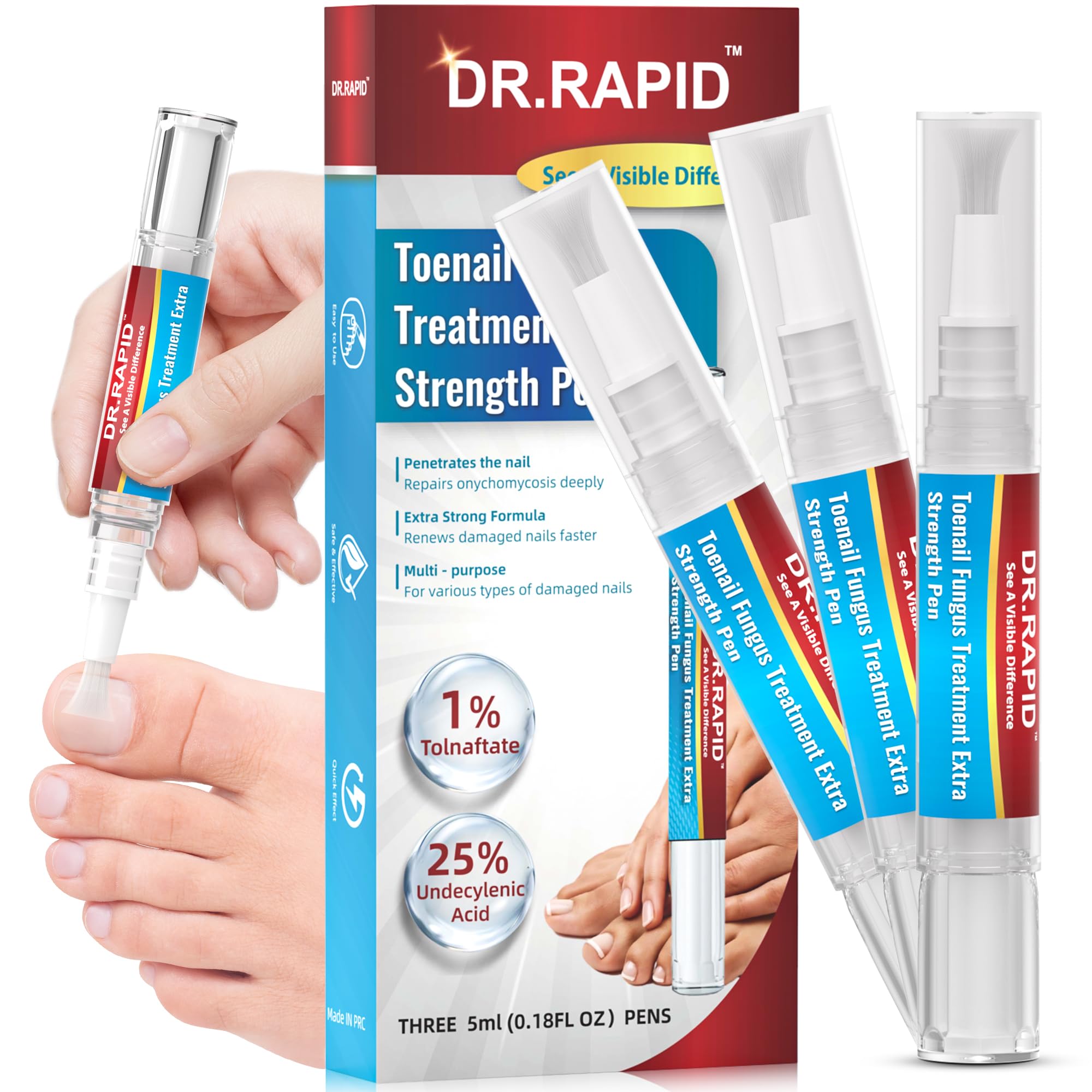
It’s worth buying for people who want a quick, easy, extra-strength topical option to treat visible nail fungus and help nails look healthier.
Pros
- Fast-drying, no sticky residue.
- Precise brush tip for exact application.
- Strong active ingredient (25% undecylenic acid).
Cons
- Needs consistent twice-daily use for weeks or months.
- Results vary with severe or deep infections.
- Small tube means limited product per nail.
They made the applicator like a marker, and it really felt convenient during use. The brush lets the liquid go right where it’s needed without smearing onto skin or socks.
The formula dried fast and didn’t have a strong smell, so it worked well under shoes. After a few weeks of steady use, nails looked less yellow and felt smoother.
Three small pens in the pack made it easy to keep one at home and one in a travel bag. For people with mild to moderate nail fungus, this feels like a practical, low-mess choice.
Imperial Feet Toe Fungus Treatment

It is worth trying if someone wants a strong, easy-to-apply liquid that many users say helps reduce yellowing and thickness over weeks.
Pros
- Drops applicator avoids touching the nail, lowering contamination risk.
- Large 75 ml bottle gives more treatments for the price.
- Users report visible improvement within 1–2 weeks with steady use.
Cons
- Results take weeks and need regular application to work.
- Some past formula changes worry a few long-time users.
- Not a miracle cure for every severe fungal case.
They applied the drops for several weeks and noticed the nail looked less yellow and felt softer. The liquid goes on cleanly and does not need rubbing in, so it’s simple to use before bed.
The bottle size impressed them — it lasted longer than small tubes and felt like better value. The no-contact dropper kept the product sanitary, which made daily use less messy.
A few people reported slower results or said an older formula worked better. If someone has a heavy infection, they should consider seeing a provider while trying this product.
Tobcharm Toenail Fungus Treatment

It is worth trying for mild to moderate nail fungus because it felt fast-acting and helped nails look cleaner after regular use.
Pros
- Strong antifungal ingredient (25% undecylenic acid) seems to stop spread.
- Absorbs quickly and pairs well with filing for better results.
- Affordable compared with some brand-name options.
Cons
- Needs daily, consistent use for weeks or months to see full effects.
- Some users may need to file thick nails before it works well.
- Scent and texture might not suit everyone.
They applied the drops and cream twice a day and noticed the solution soaked in fast. The liquid stage made it easy to target under the nail edge, and the cream helped cover the thicker parts. It felt simple to use at home.
After three weeks the treated nails looked less discolored and growth seemed healthier. He filed the nail first on one toe and found the product worked much better after that step. Results took time but seemed steady with daily use.
It did not cure severe cases overnight. Some users reported needing months of treatment and repeat bottles. For someone patient and consistent, it offered a budget-friendly option that improved nail appearance and slowed fungus.
Buying Guide
When choosing nail fungus medicine, look at type and strength first. Topical treatments work for mild cases, while oral medicines reach deeper infections. Pick the kind that matches the infection severity.
Check the active ingredient and how it works. Some ingredients target fungus directly; others slow growth. Reading the active ingredient helps avoid duplicates with other meds.
Evaluate safety and side effects. Oral medicines may need blood tests or have interactions with other drugs. Topical options usually have fewer systemic risks.
Consider treatment duration and ease of use. Longer courses may give better results but require daily commitment. Choose a formulation the person will use consistently.
Look for clear application instructions and convenient packaging. Dropper bottles, brushes, or pre-measured doses reduce dosing errors. Packaging that protects the product from contamination is helpful.
Think about cost and access. Prescription medicines may need a doctor but can be cheaper long term if they work faster. Over-the-counter options offer easier access but may take longer to clear the infection.
Review contraindications and special populations. Pregnant or nursing people, those with liver disease, or on many medicines should consult a clinician. Always check labels for warnings.
Compare independent evidence and approvals. Look for products with clinical studies or regulatory approval. Reliable information helps set realistic expectations.
Comparison Breakdown
They compare three top options: oral terbinafine, topical ciclopirox, and topical efinaconazole. Each works differently and suits different needs.
- Oral terbinafine is strongest for many infections. It usually clears fungus faster, but it can cause liver issues and needs a prescription and blood tests.
- Topical ciclopirox is gentler and available as a nail lacquer. It has fewer side effects and no blood tests, but it often takes longer and may not work on deep infections.
- Topical efinaconazole penetrates the nail well and targets fungus directly. It balances effectiveness and safety, but it is expensive and requires daily use for several months.
They should weigh effectiveness, safety, and convenience. For severe or long-standing infections, a doctor may prefer oral terbinafine. For mild cases or people who cannot take oral drugs, ciclopirox or efinaconazole are reasonable choices.
Compare cost, required monitoring, and treatment length when choosing. Oral treatment is cost-effective for many but has medical risks. Topicals cost more over time but avoid systemic side effects.
FAQs
What is the fastest way to treat nail fungus?
Topical antifungal medicines can help mild cases, but oral prescriptions usually work faster for severe infections. A doctor will recommend the best option based on the nail’s condition.
How long does treatment take?
Treatment often lasts weeks to months. Nails grow slowly, so visible improvement can take 3–12 months.
Are over-the-counter options effective?
Some OTC antifungal creams and lacquers help early, mild infections. They are less effective on thick or long-standing fungal nails.
Are there side effects?
Oral antifungals can cause liver changes, skin rashes, or digestive upset in some people. Topical products usually cause fewer side effects, like local irritation.
Can nail fungus come back?
Yes. Recurrence is common if shoes, socks, or toenail care stay contaminated. Good foot hygiene and treating shoes can lower the risk.
When should someone see a doctor?
If the nail is painful, spreading, or not improving after OTC treatment, a doctor should evaluate it. A lab test may be needed to confirm fungus and pick the right medicine.
Can home remedies work?
Some home remedies, like vinegar soaks or tea tree oil, may help minor cases but lack strong clinical proof. They should not replace medical treatment for persistent infections.
Final Verdict
They should choose a medicine based on infection severity, treatment speed, and safety. Topical treatments work for mild cases and have fewer side effects. Oral medicines often clear infections faster but carry higher risk and need doctor monitoring.
Consider these factors when choosing:
- Effectiveness — Oral antifungals tend to be most effective for deep or widespread infections.
- Side effects — Topicals cause fewer systemic side effects; orals can affect the liver and interact with other drugs.
- Treatment length — Expect weeks to months of consistent use, depending on medication and nail growth.
If someone has diabetes, liver disease, or takes multiple medicines, they should consult a doctor before starting oral therapy. For mild cases, they can try topical antifungals first and switch if there’s no improvement after a few months. They should follow instructions closely and keep nails clean and dry to support healing.
For faster results with medical oversight, oral antifungals are often best. For lower risk and ease of use, topical options work well for early or limited infections. Regular follow-up helps track progress and reduce recurrence.