
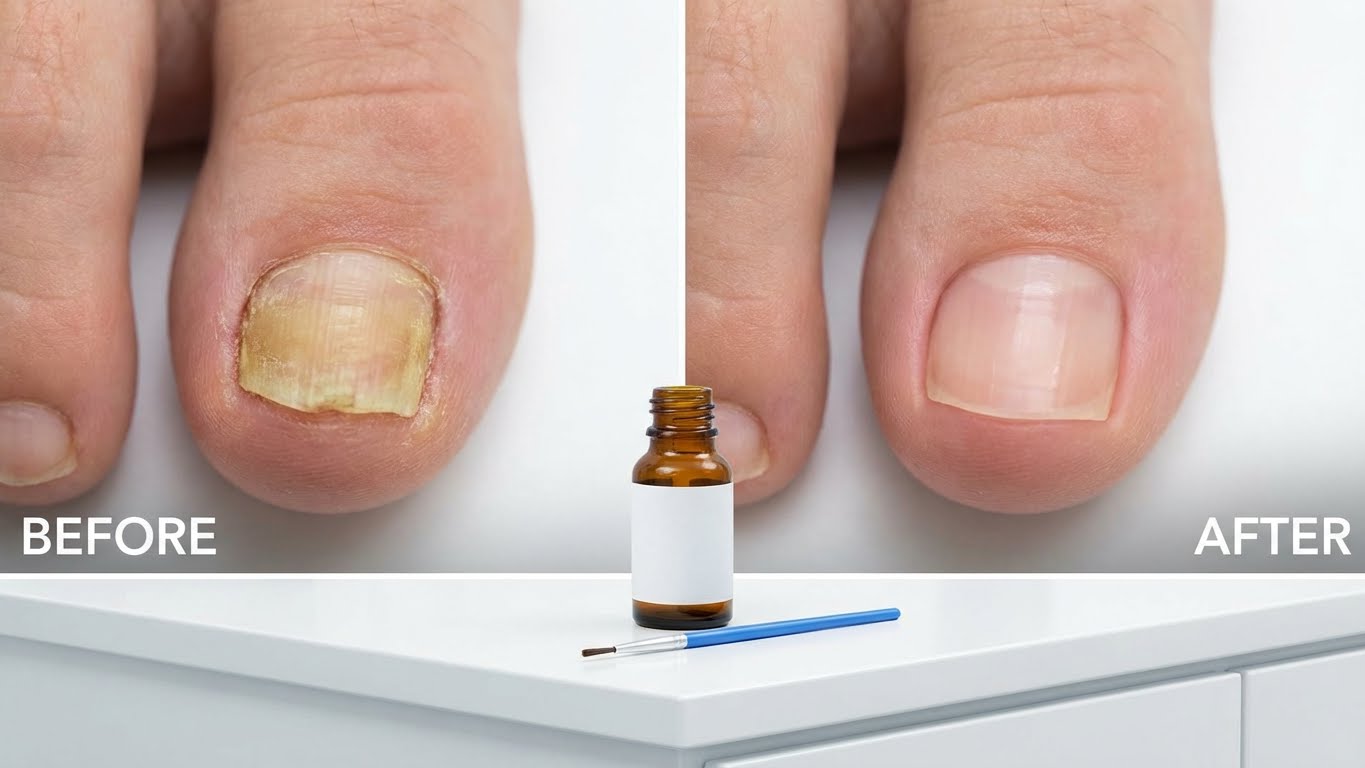
Nail fungus is a common condition that discolors, thickens, and weakens nails. Treatments range from topical creams and medicated lacquers to prescription oral pills and laser therapy, each aiming to kill the fungus and restore healthy nail growth. Over-the-counter topical options work well for mild cases, while oral medications and professional procedures are better for persistent or severe infections.
When choosing a treatment, the most important factors are effectiveness, safety, treatment time, and ease of use. Pick a product that matches the infection severity and offers clinical evidence or clear usage instructions; for persistent infections, a combination of topical and oral treatments or a clinician-guided plan is often necessary. The rest of the article explains how products were selected, compares top options, and offers buying and treatment advice to help readers choose the best approach.
How We Selected the Best
They focused on proven safety and effectiveness first. Clinical studies, product labels, and guidance from the CDC and Mayo Clinic informed choices; these sources guided which treatments have real evidence and which do not. (https://www.cdc.gov/fungal and https://www.mayoclinic.org)
They checked active ingredients and strength. Treatments with antifungal agents like terbinafine or ciclopirox scored higher because studies show better cure rates.
They reviewed ease of use and instructions. Daily topical drops, nail lacquers, and short oral courses were weighed against longer or complex regimens. Simpler treatments scored better for real-world use.
They considered side effects and interactions. Oral medicines can be effective but may carry more risk, so they flagged safety concerns and recommended consulting a clinician for prescriptions.
They read customer reviews and real-world reports. Consistent reports of improvement added support, while frequent complaints about irritation or no effect lowered ranks.
They compared price and availability. Affordable, widely available options earned higher marks if they still met effectiveness and safety criteria.
Best Nail Fungus Treatments
Below is a carefully selected list of the best nail fungus treatments. It covers topical options, oral medicines, and natural remedies that are effective, safe, and easy to use.
Dr. Budwa Toenail Treatment
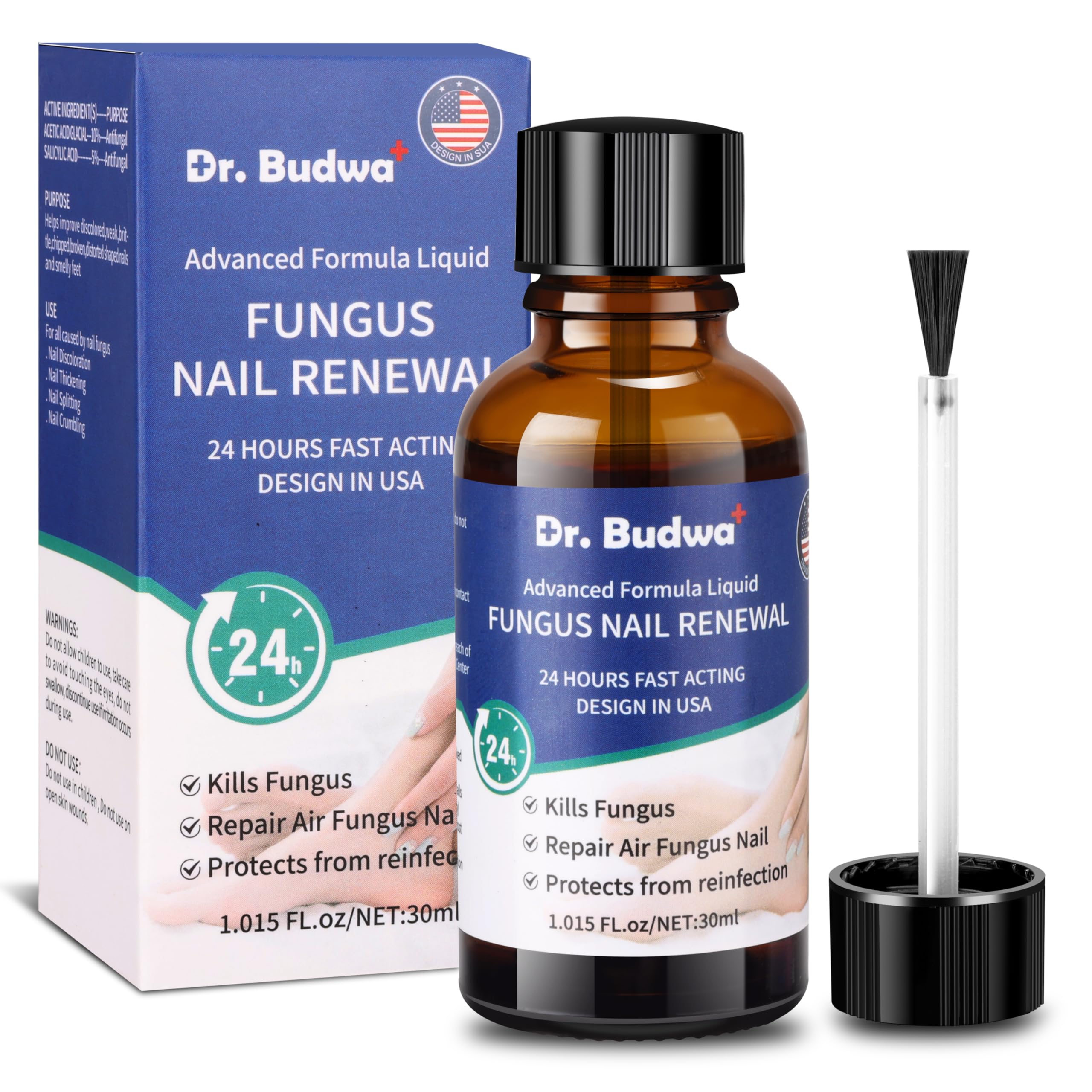
It is a solid choice for someone who wants an easy-to-use, extra-strength topical that visibly improves nail appearance with regular use.
Pros
- Strong formula that soaks in and reaches under the nail.
- Brush applicator makes targeted, no-mess application simple.
- Gentle on surrounding skin while treating fungus.
Cons
- Not an instant cure — needs consistent daily use.
- Small bottle for long-term treatment of several nails.
- May take weeks to show clear new nail growth.
They tested the brush applicator and found it very handy. The liquid spreads precisely and rarely got on healthy skin, which made daily use less messy than other drop treatments.
After a week of daily application, the nail looked less yellow and felt less brittle. The scent was mild and it absorbed fast, so it did not leave a greasy film on socks or bed sheets.
Over several weeks the nail slowly showed clearer growth. It did not deliver overnight results, but steady improvement made it clear the formula was working at the nail bed rather than only masking symptoms.
The bottle size means someone treating multiple toes might need more than one pack for a full course. Still, the confidence in visible improvement and the clean applicator make this a practical pick for at-home care.
Kerasal Nail Renewal

It is worth trying for visible improvement in nail appearance because it gently smooths and hydrates damaged nails with targeted application.
Pros
- Targets specific spots with the precision tip for tidy application.
- Softens and thins nails using urea and lactic acid without strong chemicals.
- Works into a daily routine and often shows early visual change.
Cons
- Not a guaranteed cure for fungal infections — results vary.
- Can take weeks of daily use for clear improvement.
- Some users see little to no benefit.
They used the little applicator and found it easy to aim at the damaged area. Applying a thin line felt simple and clean, and the small bottle lasted through repeated use.
After a few weeks the nail looked less thick and felt smoother around the edges. It did not erase deep or long-standing infections quickly, but it improved the nail surface and reduced roughness.
Inconsistent results popped up among users; some saw steady gains while others saw no change. It makes a good first step for people who want a low-risk, non-prescription option to restore nail appearance.
Foot Cure Toenail Treatment
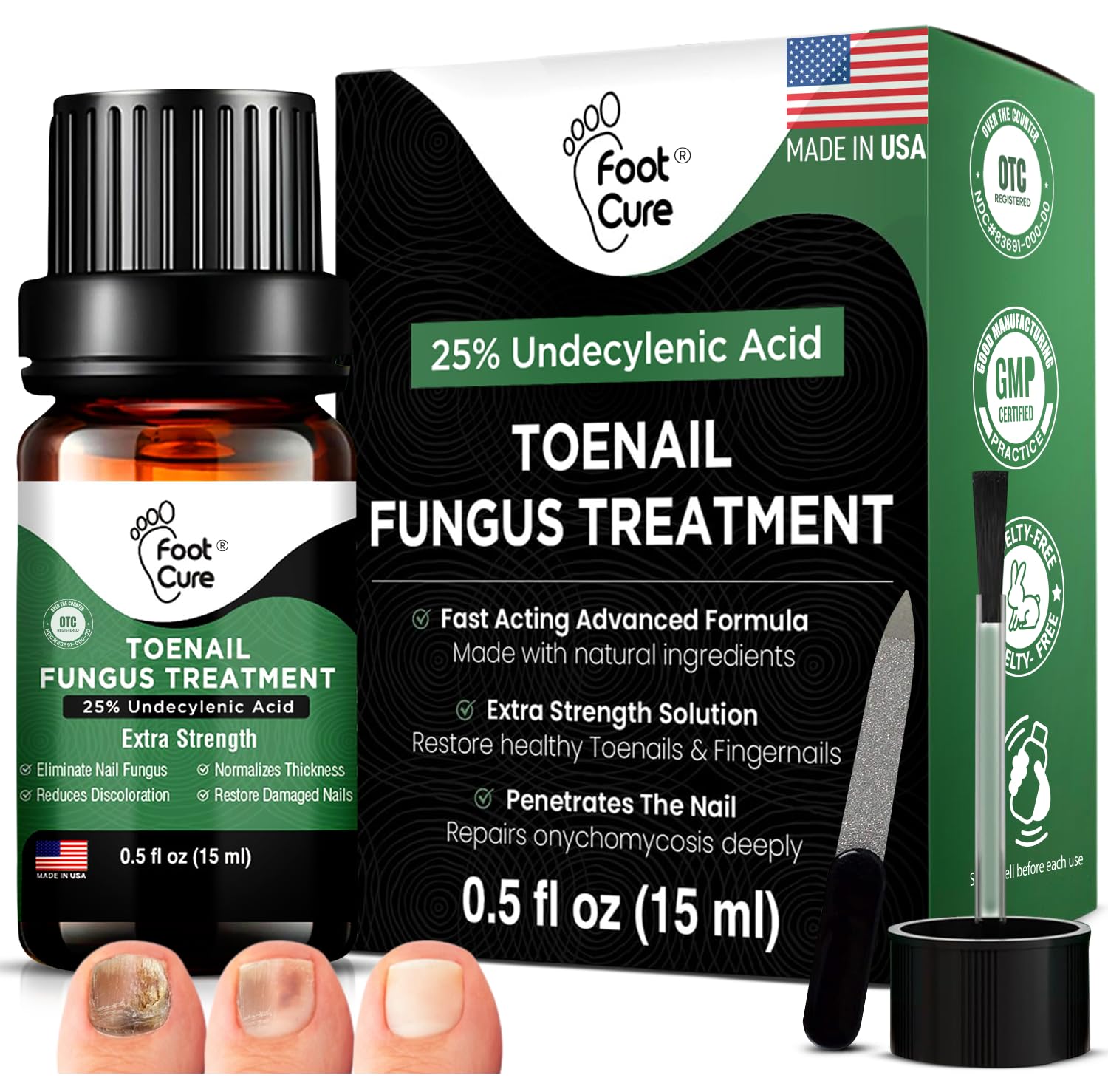
This product is worth trying for mild to moderate nail fungus because it combines undecylenic acid with tea tree and oregano oils but needs steady use and patience.
Pros
- Feels nourishing and not overly harsh on skin.
- Oil formula covers and soaks into the nail well.
- Made in the USA with a clear application routine.
Cons
- Results take weeks to months and need strict daily use.
- Small bottle — may run out before full effect.
- Some users see little or no change on severe infections.
He applied the oil after soaking his feet and liked how it spread without stinging. The scent of tea tree and oregano is strong but faded as it dried, and the brush applicator made targeted use simple.
She noticed gradual improvements after about two months when used every day; nails looked less yellow and felt softer. Others reported mixed outcomes, so it worked best for recent or mild cases in his experience.
They found the bottle size meant buying another if treatment continued past eight weeks. If someone expects a quick fix, this will likely feel slow, but for steady users it can brighten and strengthen nails over time.
PHARMBANNER Toenail Fungus Treatment Kit
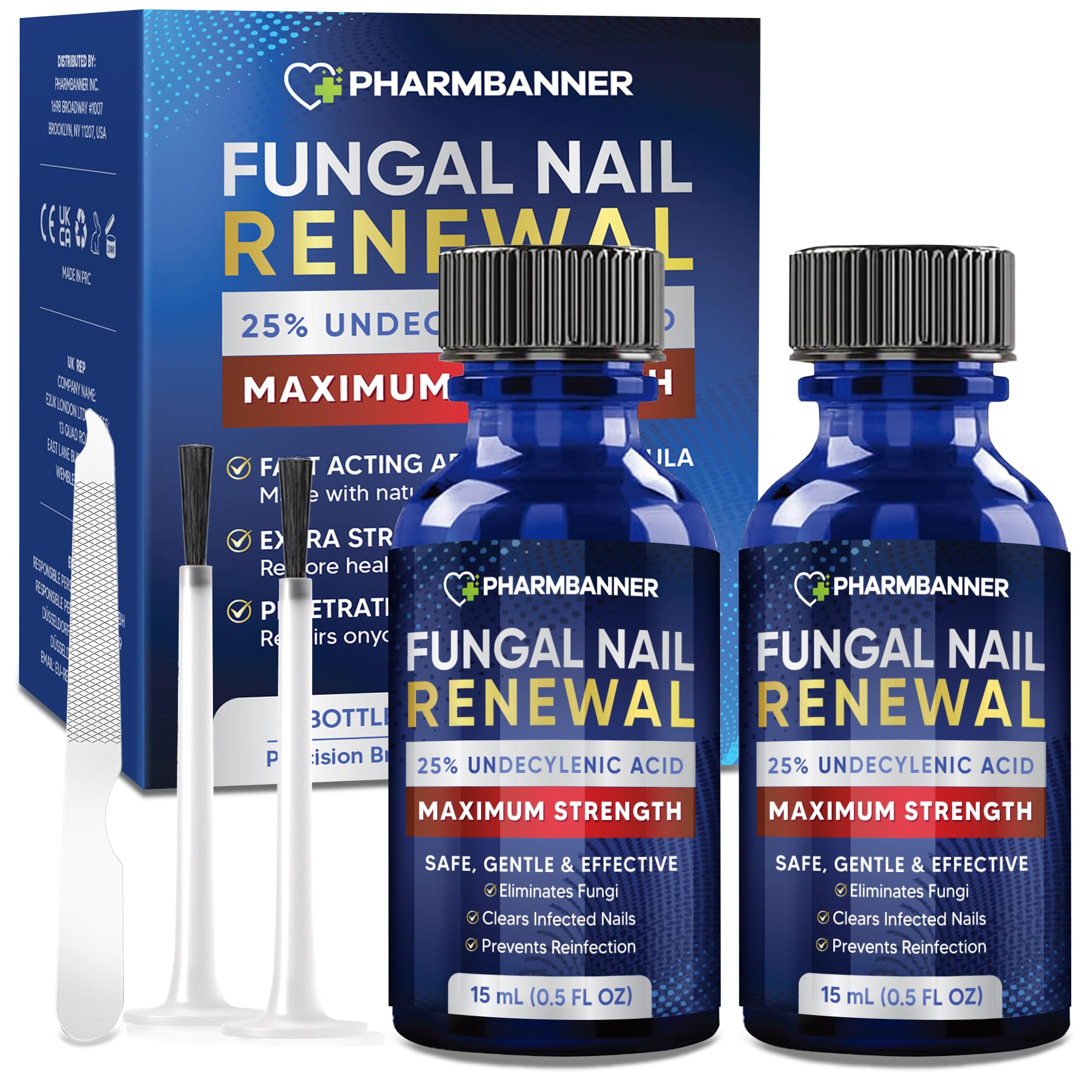
It’s a solid buy for someone wanting a strong topical option that treats discoloration and thick nails with an easy brush-on routine.
Pros
- High-strength 25% undecylenic acid penetrates the nail well.
- Comes with precision brushes and a file for neat, targeted use.
- Moisturizing oils help reduce dryness and irritation during treatment.
Cons
- Strong active ingredient can sting on broken skin.
- Requires daily, consistent use for visible results.
- Small 1 fl oz size may run out sooner than expected for widespread cases.
They packaged everything needed in one kit, and using the brush made application quick and tidy. The liquid dries fast and doesn’t leave a sticky feel, which kept socks and shoes clean after each use.
After a few weeks of daily use, the edges looked less yellow and new growth seemed clearer. The oil blend softened the skin around the nails, so filing felt easier and less painful.
It can sting if the skin is cracked, so he took care to trim and file before applying. For persistent or severe infections, a doctor’s advice is still wise, but for mild to moderate cases this felt like a dependable, easy at-home option.
Comfort Toenail Fungus Treatment

It is worth buying for someone who wants an easy, natural-feeling liquid treatment that showed visible nail improvement in a short time.
Pros
- Works fast for surface improvement and reduces yellowness.
- Brush applicator makes daily use simple and neat.
- Feels gentle and has little to no strong odor.
Cons
- May tint nails yellow temporarily while healing.
- Needs consistent daily use for best results.
- Results vary on deep or long-standing infections.
They noticed the bottle is small but lasts through regular twice-daily use. The brush applicator reached the nail base and edges easily, so treating multiple nails felt manageable. It absorbed quickly and did not sting or leave a heavy residue.
After a week of steady use the treated nails looked less discolored and felt smoother at the edges. Thick or very old infections did not clear immediately, but the surface improved and new nail growth appeared healthier. The product seemed to remove damaged layers gradually rather than overnight.
Ingredients that include plant extracts and bee venom gave a natural, mild impression and did not cause irritation in their experience. Users should expect to keep using it until new, clear nail growth replaces the damaged part. For a compact, easy at-home option that showed quick visible changes, this one performed well overall.
Fungi-Nail Anti-Fungal Solution

It’s worth trying for skin and edge-of-nail fungus because it’s a simple, clinically proven topical that soothes and stops spread when used regularly.
Pros
- Clinically proven active ingredient that targets fungus.
- Easy, mess-free applicator reaches skin around the nail.
- Feels soothing with added oils like aloe and tea tree.
Cons
- Works slowly; needs steady, long-term use.
- Not ideal for penetrating thick, grown-in nail fungus.
- Bottle may be confusing if buyer expects nail-penetrating polish.
They found the applicator easy to use and liked that the liquid didn’t smell strong. It sank in quickly and calmed itching and burning after a few days.
Consistency mattered most in their experience. Over weeks they saw the skin around nails look healthier, though full nail clearing took much longer or needed other treatments.
If someone wants a low-cost, clinic-backed topical to treat skin and edge infections, this is a practical choice. It pairs well with keeping feet dry and following a doctor’s guidance for stubborn nail infections.
NONYX Nail Clarifying Gel
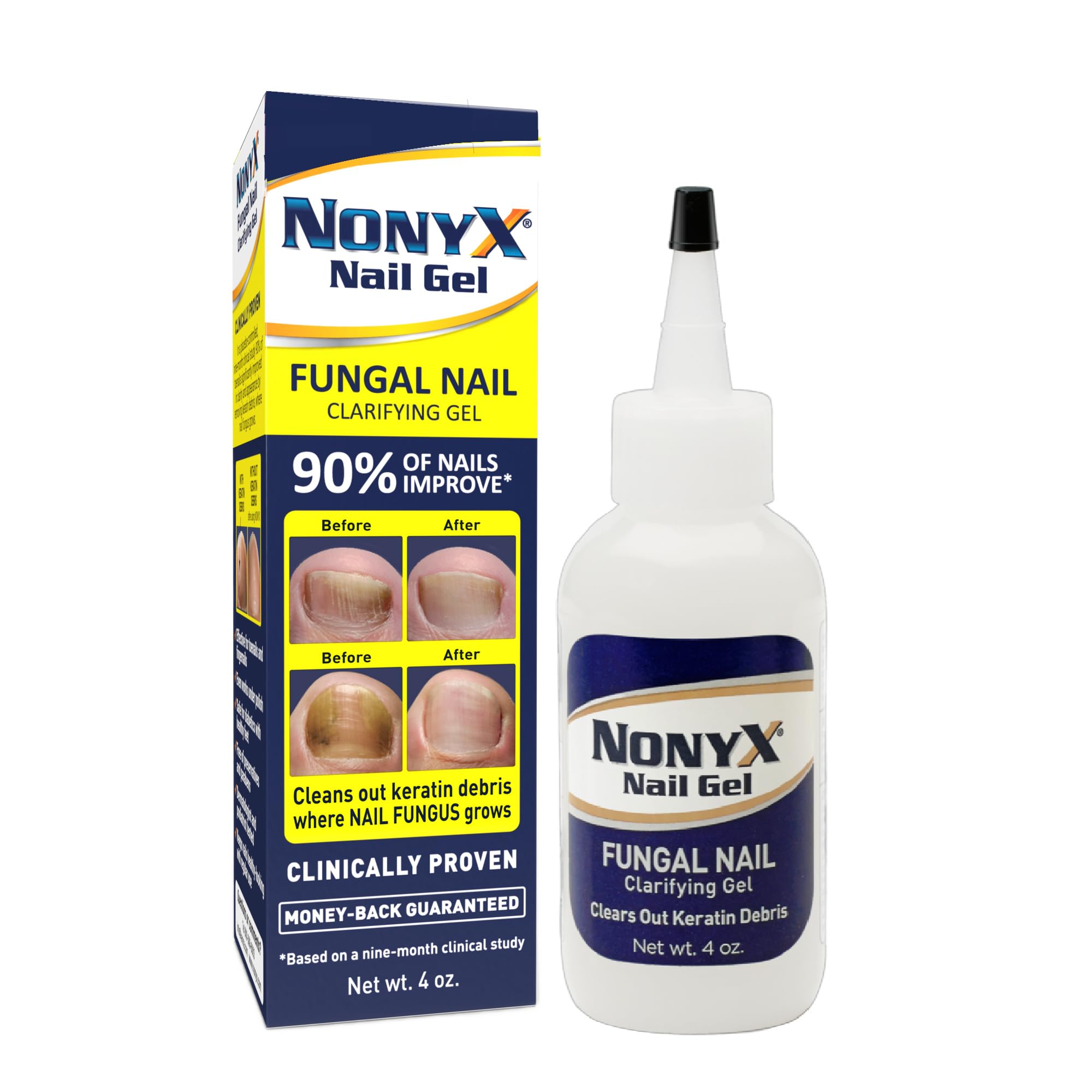
It is worth buying for people who want a proven, easy-to-use topical option that can improve many nails over months.
Pros
- Clinically shown to help most nails improve.
- Large bottle lasts months and dries clear.
- Works under nail polish and is gentle enough for regular use.
Cons
- Results take time — nails grow slowly.
- Not a quick cure for severe infections.
- Some users report no change after long use.
They noticed the gel felt simple to apply and went on clear without a strong smell. It did not stain sheets or polish, which made daily use easier.
After a few weeks, they saw subtle changes at the nail edge and less flaking. The biggest difference appeared over months as nails slowly grew out healthier-looking tips.
It worked well under polish, so they kept wearing color while treating nails. For people patient enough to wait for nail regrowth, this product offers a cost-effective, podiatrist-recommended option.
Kerasal Nail Repair

It’s worth trying for mildly discolored or brittle nails because it hydrates and softens nails so other treatments work better.
Pros
- Softened and smoothed nails fast
- Easy dropper application for targeted use
- Helps thin and reduce discoloration over weeks
Cons
- Slow to show full results — needs weeks of use
- Small bottle; may run out before major improvement
- Works better on mild damage than severe fungal infections
They noticed the nail felt less rough within days and the product absorbed without leaving a sticky film. Applying twice a day at first fit into their routine, then once daily maintenance kept nails from getting brittle again.
After a few weeks, yellowing and thickness started to fade on some nails, but stubborn or long-standing fungal cases took much longer. The bottle size meant frequent reorders for heavy users, and one user felt it wasn’t enough for deep infections.
Overall, it worked best as a supportive repair step alongside proper foot care rather than a one-stop cure for severe fungus. Try it if nails are brittle or mildly discolored; consult a doctor for persistent or worsening infections.
Treatonic Toenail Kit
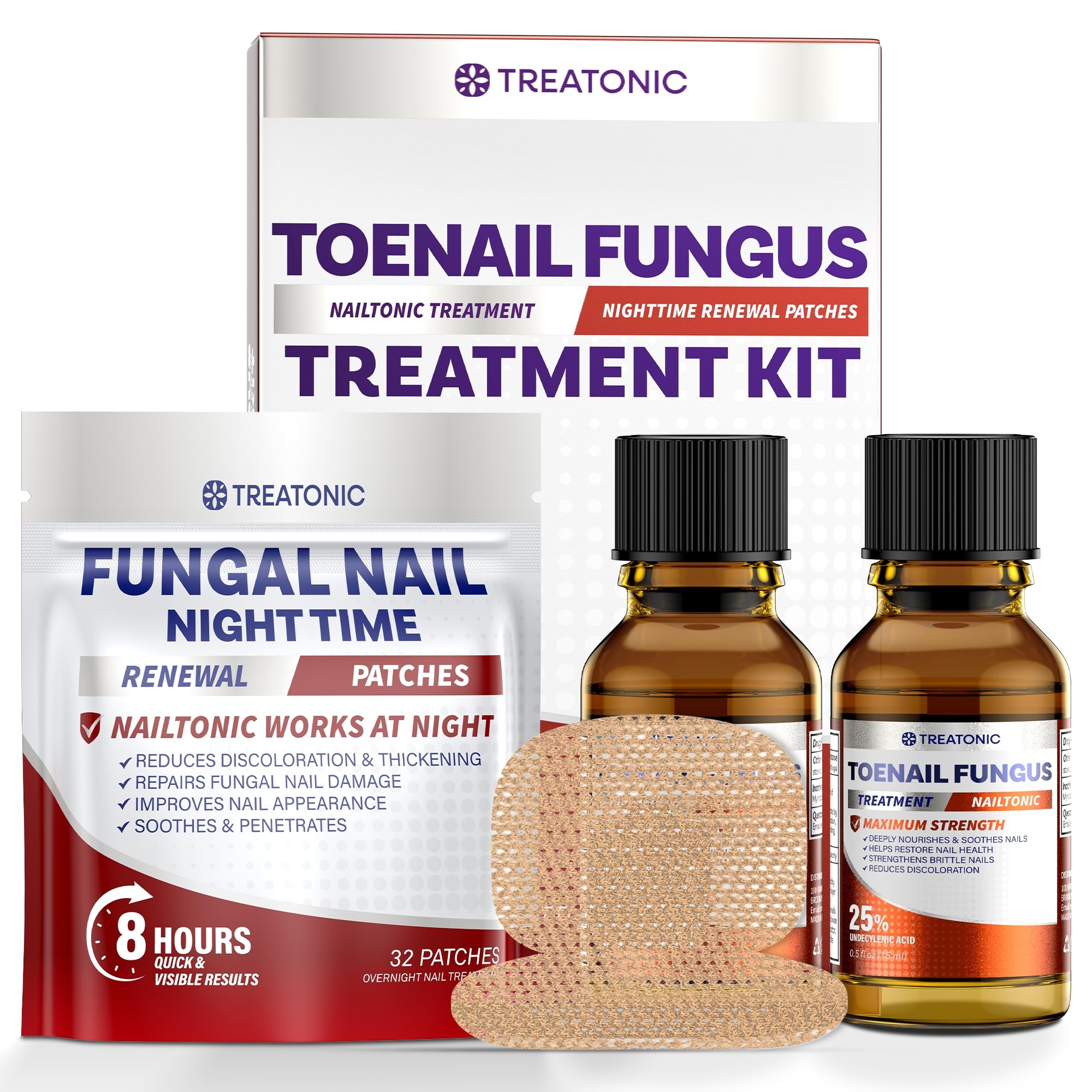
This kit is worth buying for people who want an easy, two-step routine that targets fungus day and night.
Pros
- Strong antifungal formula that soaks in quickly.
- Night patches stay on and work while sleeping.
- Simple routine that fits active lifestyles.
Cons
- Needs daily use for several weeks to see clear results.
- Some may find the patch adhesive bothers shoes at first.
- Not a one-application cure for severe infections.
They used the liquid morning drops and found absorption fast with no greasy feel. It cut down on yellowing and the nail felt firmer after a few weeks.
At night the breathable patches stayed in place under socks and shoes. The patches kept the treatment locked to the nail and helped smooth rough texture overnight.
Overall, the two-step approach felt practical and low-mess. It suits someone who wants a clear routine and visible improvement without prescription treatments.
BUCAOAGU Toenail Fungus Pen (5 Pack)
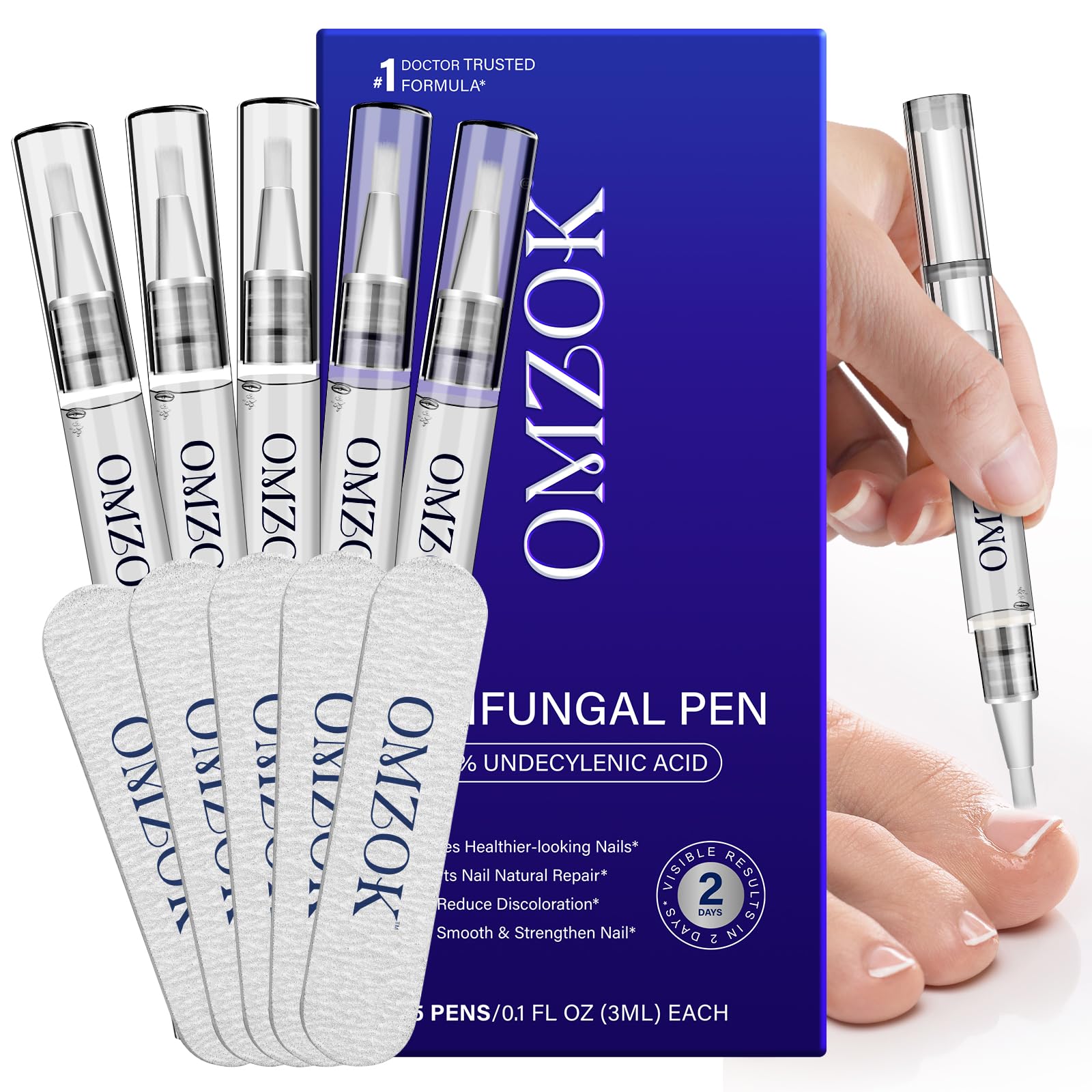
This pen is worth buying for people who want a quick, targeted antifungal with natural oils and a strong active ingredient.
Pros
- Targets the nail precisely with a pen applicator.
- 25% undecylenic acid plus tea tree and other oils soothes and treats.
- Absorbs quickly and feels non-greasy.
Cons
- Needs daily use and nail filing to see results.
- May take weeks before visible improvement.
- Five-pack can take up space if only one nail is affected.
They designed the pen for direct application, and it really makes treating a single nail easy. He found the tip lets the liquid hit the nail instead of surrounding skin, which cut down on waste.
The formula smells faintly of tea tree and aloe and dries fast. She noticed the skin around the nail felt less irritated after a few uses, and the solution did not leave a sticky film.
Using it meant filing the nail thin first and applying twice daily. They saw gradual changes over several weeks: less yellowing and a thinner nail where the fungus was active.
The package of five pens gives extra value for ongoing treatment or for sharing. It helped restore a cleaner look with steady use, but patience is required to fully clear more severe infections.
Buying Guide
Choose treatments that match the severity and location of the infection. For mild cases, topical options may work. For deeper or long-standing infections, look for treatments that penetrate the nail or consult a clinician.
Look for proven active ingredients and check clinical support. Read ingredient lists for antifungal agents and avoid unproven additives. Verify concentration when applicable; higher strength can mean better effect but also more risk of side effects.
Consider application form and ease of use. Liquids and solutions often penetrate better. Creams and ointments are easier to apply but may sit on the surface. Pick what the person will use consistently.
Check safety and interactions. People taking other medicines or with liver issues should seek medical advice before starting oral treatments. Pregnant or breastfeeding people should confirm safety with a provider.
Compare treatment duration and follow-up needs. Faster-acting products are rare; many require weeks to months of use. Note that nail regrowth takes time, so realistic expectations help maintain adherence.
Use this quick checklist before buying:
- Active ingredient and concentration
- Delivery form (liquid, lacquer, cream, oral)
- Safety, side effects, and interactions
- Treatment length and follow-up needs
- Ease of use and cost
If results stall after a reasonable period, they should consult a healthcare professional for testing or prescription options.
Comparison Breakdown
The list compares three top treatments: a prescription oral pill, an over-the-counter topical solution, and a medicated nail lacquer. Each targets fungus but works differently and has different timelines.
- Prescription oral pill: It acts systemically and often clears fungus faster. It requires a doctor, has higher success rates, and can cause side effects like liver issues, so monitoring is needed.
- Over-the-counter topical solution: It is easy to get and has fewer side effects. It works best on early or mild infections and needs daily use for months. Results are slower and less reliable on thick or long-standing infections.
- Medicated nail lacquer: It combines ease of use with direct nail delivery. It is applied regularly and can help when fungus is limited to the nail surface. Penetration into the nail can be limited, so it may work better with filing or professional trimming.
They differ in cost, convenience, and speed. The oral pill often costs more and needs tests. Topicals and lacquers cost less and allow self-treatment. Choice depends on infection severity, medical history, and how quickly they want results.
Simple steps can improve outcomes: consistent use, keeping nails trimmed, and good foot hygiene. Combining treatments under medical advice can help in stubborn cases.
FAQs
What causes nail fungus?
Nail fungus is caused by fungi called dermatophytes, yeasts, or molds. It thrives in warm, moist places like shoes, pools, and locker rooms.
How long to see results from treatment?
Oral medicines often show improvement in weeks but full cure can take months. Topical treatments may take longer and work best for mild cases.
Are over-the-counter treatments effective?
OTC antifungal creams and nail lacquers can help mild infections. They are less effective for severe or thickened nails.
When should someone see a doctor?
They should see a doctor if the infection is painful, spreads, or does not improve after a few weeks of OTC care. A doctor can prescribe stronger oral or topical medicines.
Can nail fungus come back?
Yes, recurrence is common. Preventive steps like keeping feet dry, changing socks, and trimming nails help lower risk.
Are home remedies useful?
Some home remedies, like tea tree oil, may reduce symptoms but lack strong proof for cure. They are best used with medical treatments, not instead of them.
Is treatment safe for everyone?
Some oral antifungals can have side effects and interact with other drugs. A healthcare provider should check for risks before prescribing them.
Final Verdict
Treatment choice depends on fungus type, severity, and patient needs. Prescription oral antifungals often work fastest for deep infections, while topical treatments suit mild cases or as follow-up care.
Patients with diabetes or immune issues should consult a doctor before starting any treatment. They face higher risks and may need blood tests or longer therapy.
Consistency matters. Daily application or completing a full oral course gives the best chance of clearing the infection and lowering relapse risk.
Side effects and interactions vary. Oral drugs can affect the liver and interact with other medicines. Topicals have fewer systemic risks but may take months to show full effect.
Combining approaches can help. Many clinicians recommend an oral course plus daily topical use for faster, more durable results.
Key points to remember:
- Match treatment to severity and health conditions.
- Follow the full treatment plan.
- Seek medical advice for persistent or worsening cases.
People should weigh benefits, risks, cost, and convenience. Choosing the right option improves outcomes and reduces the chance the fungus returns.