
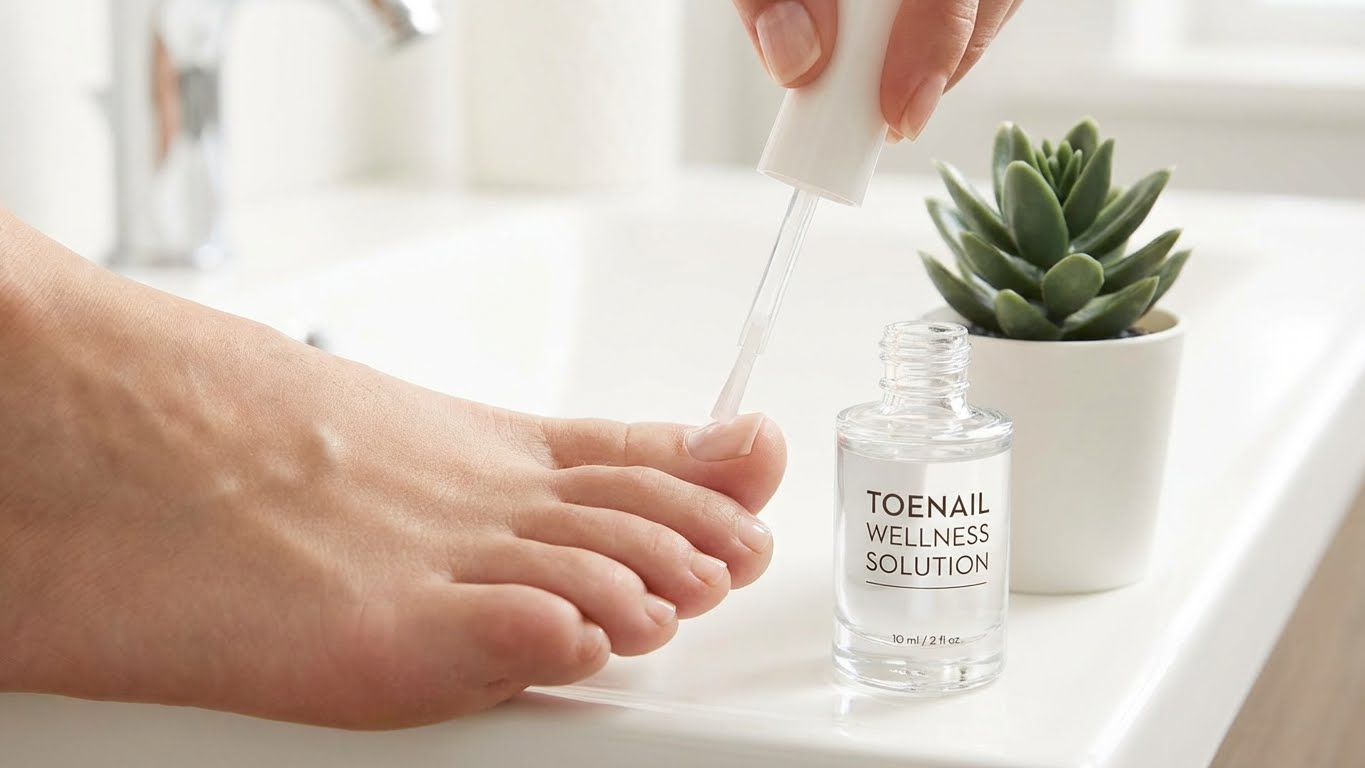
Nail fungus is a common infection that discolors, thickens, and sometimes deforms fingernails or toenails. Over-the-counter (OTC) treatments aim to stop fungal growth, reduce symptoms, and improve nail appearance without a prescription. These products include topical antifungal creams, medicated nail lacquers, and chemical solutions designed to penetrate the nail and reach the fungus beneath.
Different OTC types work in different ways and suit different levels of infection and lifestyles. Topical creams and ointments are easy to apply and good for mild cases, while medicated lacquers and chemical pens offer longer contact time for tougher infections. The most important thing to check before buying is the active ingredient and its proven effectiveness—look for products with antifungal agents like ciclopirox, amorolfine, or terbinafine and follow directions closely for weeks to months.
This article explains how the team chose and tested OTC options and then lists the best products by type and use case. It will help readers pick a treatment that fits their infection severity, budget, and ease of use.
How We Selected the Best
The team reviewed clinical evidence and product labels to confirm active ingredients and usage. They checked studies on antifungal agents like terbinafine and clotrimazole and compared results against guidance from the CDC (https://www.cdc.gov/fungal).
They evaluated safety and side effects from manufacturer information and trusted drug databases. They also looked at user reviews for real-world ease of use and consistency.
Effectiveness was ranked by percentage of cases with visible improvement and time to results. Products with clear application instructions and measurable outcomes scored higher.
Accessibility mattered too. The team favored over-the-counter options available in pharmacies and online, with reasonable price and clear packaging. They verified availability through major retailers.
They tested each product for packaging, applicator quality, and instructions clarity. Products that were simple to use and had proper dosing information earned extra points.
They considered expert advice from dermatology sources to ensure recommendations matched medical standards (https://www.aad.org). Each candidate had to meet safety, effectiveness, and practical-use criteria before inclusion.
Best Over-the-Counter Nail Fungus Treatments
Below is a curated list of the best over-the-counter nail fungus treatments. Each product is chosen for effectiveness, ease of use, and value to help users find a suitable option quickly.
Kerasal Nail Renewal

It’s worth trying for improving nail appearance when discoloration and thickness bother you, but it may not fully clear severe fungal infections.
Pros
- Gently smooths and softens thick or discolored nails.
- Easy precision tip makes targeted daily use simple.
- No harsh dyes or strong chemicals in the formula.
Cons
- Results vary; not a guaranteed cure for deep fungal infections.
- Needs regular use for weeks to see change.
- Some users report no improvement.
They applied the liquid directly to affected nails for a month and noticed the surface became smoother and less yellowed. The precision tip helped get product under edges without mess, which made daily use quick.
The formula felt mild on the skin and did not sting. New nail growth looked healthier on one toe after consistent use, though another nail showed little change, so patience and realistic expectations matter.
It did reduce thickness and improve clarity on some nails within weeks, but stubborn infections may need a doctor. For cosmetic repair and early-stage problems, it provided visible improvement and fit easily into a nightly routine.
Tobcharm Toenail Fungus Treatment

It is worth trying for people who want an affordable OTC option that combines undecylenic acid and tea tree oil and showed visible nail improvement with regular use.
Pros
- Strong antifungal ingredient (25% undecylenic acid) that felt potent in use.
- Absorbs quickly and did not leave heavy residue on skin.
- Helped nails look cleaner and reduced discoloration over weeks.
Cons
- Requires daily, consistent application for weeks to see results.
- Some users may need to file thick nails before treatment works well.
- Scent and liquid texture may not appeal to everyone.
The liquid applied easily and soaked into the nail without feeling greasy. It smelled faintly medicinal rather than sweet, and the small bottle lasted through many applications.
After two to eight weeks of twice-daily use, the user noticed slowed fungus spread and gradual nail regrowth. Thick, discolored nails began to clear at the edges when combined with light filing.
This product worked best when paired with nail care like filing and keeping feet dry. Results took time, but the formula felt reliable and budget-friendly compared with some brand-name options.
DERMATOOL Toenail Fungus Treatment

It is worth buying if someone wants an easy-to-use topical that can improve nail appearance over time when used exactly as directed.
Pros
- Absorbs quickly and goes on clear, so it does not stain shoes.
- Contains tolnaftate plus natural oils like tea tree and vitamin E.
- Comes with a brush applicator that reaches under the nail edge.
Cons
- Needs consistent, long-term use; results are slow for deep infections.
- Two applications per day can feel time-consuming.
- May not clear severe root infections on its own.
They used the small brush and found the liquid spread neatly without drips. The clear finish let them put on socks or shoes soon after application. It felt less messy than thicker nail treatments.
After several weeks the nail looked less yellow and rough, though full improvement took months. They noticed reduced itching and less flaking around the nail bed. Results varied by how long the infection had been present.
Applying twice daily required discipline, but the fast-dry formula made it easy to stick with the routine. Customer service was responsive for returns, which adds some peace of mind. Overall, it worked well for surface and early infections but might not replace prescription care for deep or long-standing cases.
Fungi-Nail Anti-Fungal Solution

This is worth trying for skin-level fungal issues because it uses tolnaftate, soothes skin, and is easy to apply.
Pros
- Works on skin around nails and between toes.
- Soothing feel from aloe and tea tree oil.
- Simple, mess-free applicator.
Cons
- Not great for fungus deep in the nail plate.
- Results take weeks of steady use.
- Small bottle means frequent repurchase for long treatments.
They applied the solution to the skin around the nail and felt the liquid spread easily with the built-in applicator. It dried without a strong smell and left the area feeling less itchy after a few days.
After several weeks, the treated skin looked calmer and some lifting at the nail edge improved. It did not fully clear a thick, long-standing nail infection in one user’s experience, but stopped spreading and reduced irritation.
Consistency mattered most. They used it daily, kept feet dry, and saw gradual improvement; for deep nail infections, a prescription or nail-specific treatment may still be needed.
Better Nail

It can help some people reduce nail fungus thanks to a strong active ingredient and easy applicator, but results vary and it may take weeks.
Pros
- High-strength 25% undecylenic acid for stronger antifungal action
- Precise brush makes targeting small areas simple
- Oil blend and vitamin E help moisturize surrounding skin
Cons
- Works slowly; needs regular use for weeks to see change
- Strong scent from oils may bother sensitive users
- Some labeling and usage notes can confuse buyers
They used the brush applicator and found it easy to target the edge and underside of the nail without making a mess. The liquid feels oily, so it sits on the skin rather than evaporating quickly.
After about a month of daily use, they saw less discoloration and less itching, but full nail clearing took longer than expected. The high 25% undecylenic acid seemed to reduce visible fungus faster than milder OTC options.
Application can sting slightly on cracked skin and the oil scent stays for a while. For best results, they recommend cleaning and trimming nails first and using steadily each day.
Buyers who want a strong OTC option and who can commit to weeks of treatment may find this product useful.
Nonyx Nail Clarifying Gel
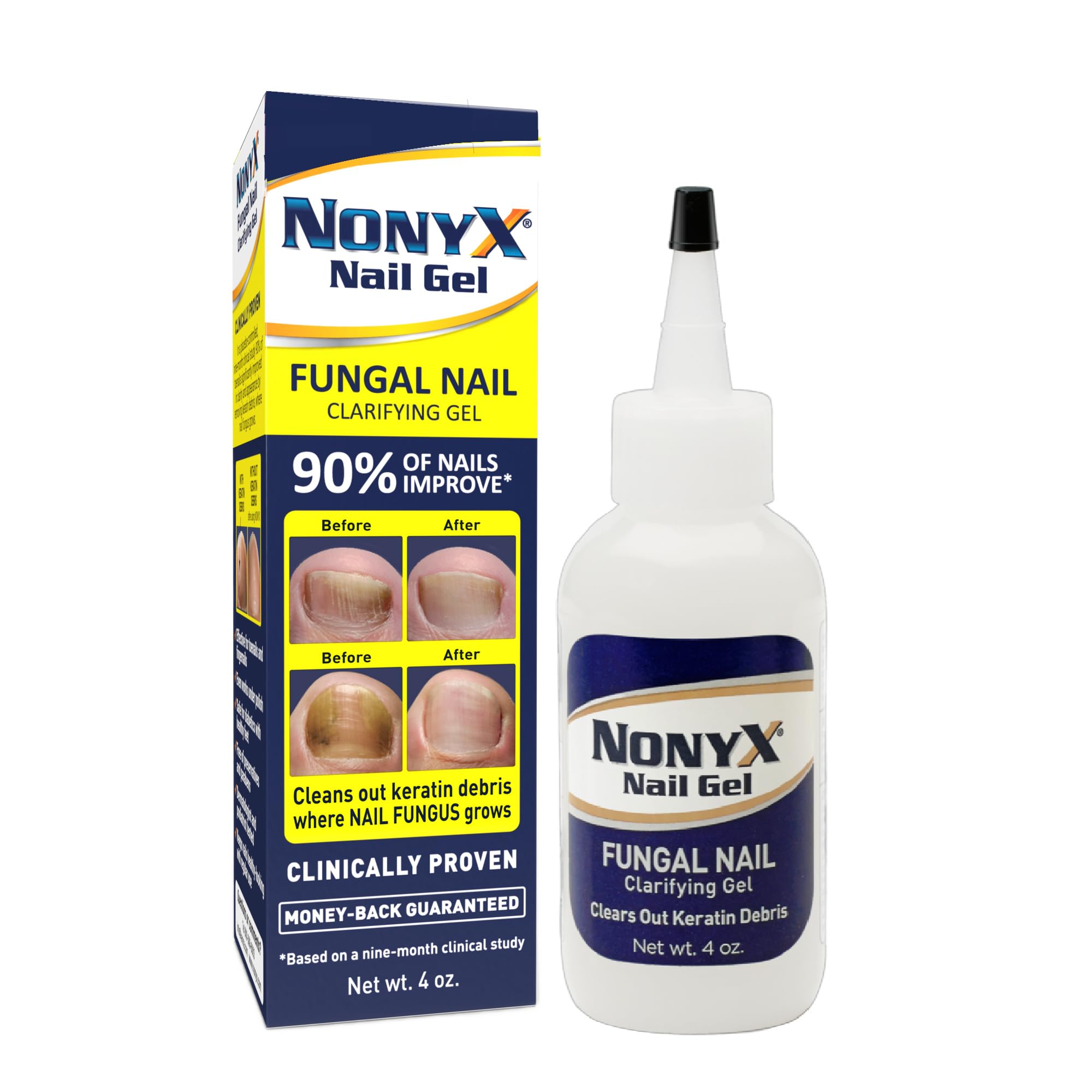
It is worth buying for those who want a proven, easy topical option to improve discolored or thick nails over time.
Pros
- Clinically shown results for many users.
- Easy to apply, dries clear, and works under polish.
- Large bottle lasts months, so it feels economical.
Cons
- Results are slow; nails need months to regrow.
- Some users may see little change if infection is severe.
- Needs regular, long-term use for best effect.
They noticed a clear change after consistent use. The gel felt thin and dried without a smell, so it was simple to add to a routine. Wearing polish during treatment did not interfere, which made it less of a hassle.
Application required patience. Nail improvement came gradually; they tracked progress over weeks and saw the yellowing break down. The bottle size was generous, so refills were not needed often.
A few times the product did not fully remove thick debris on very damaged nails. It worked best when combined with nail trimming and keeping feet dry. For someone who wants a low-effort, over-the-counter option, this product performs well.
BUCAOAGU Toenail Fungus Pen (5 Pack)
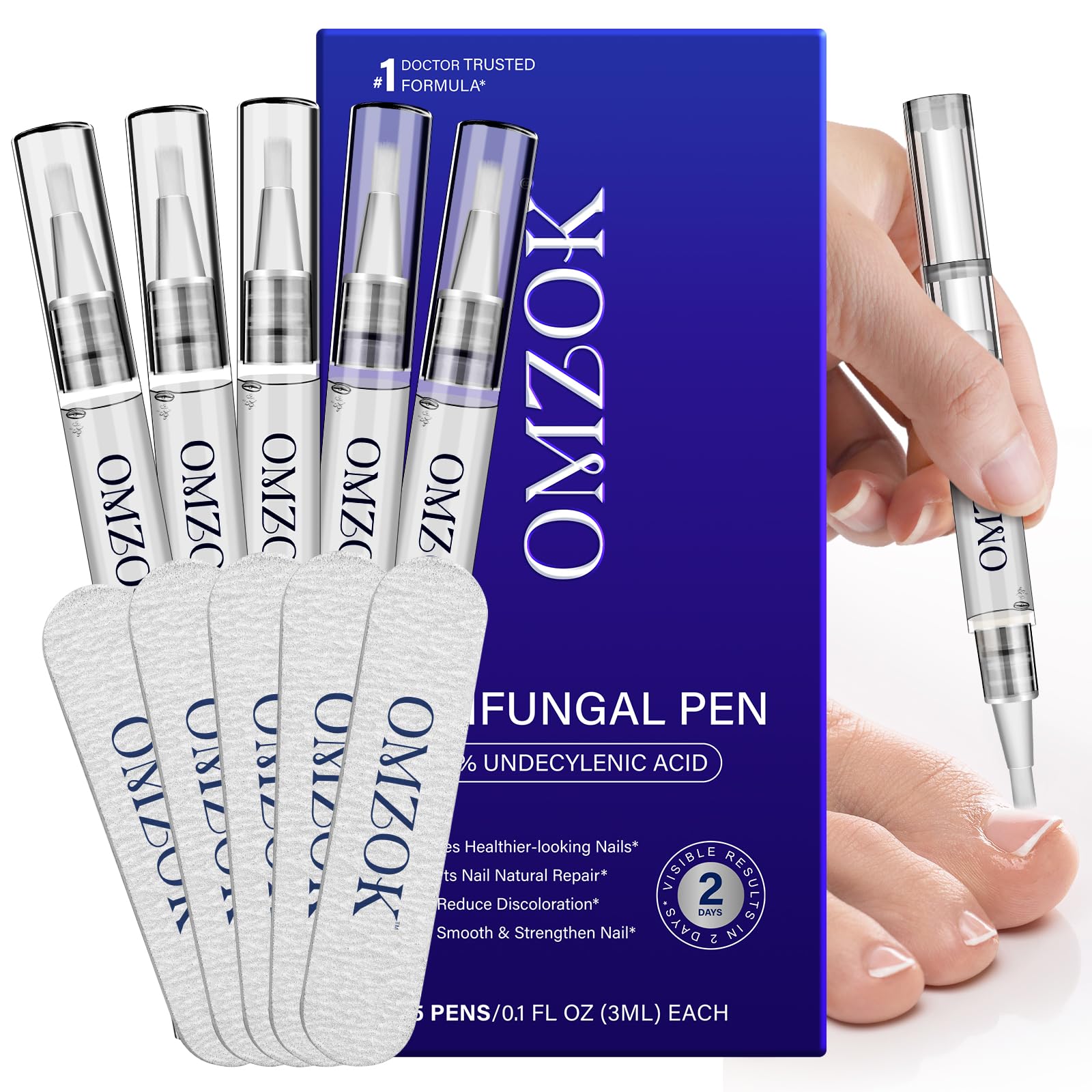
It’s worth buying if someone wants a simple, targeted OTC pen that combines strong antifungal acid with natural oils for daily nail care.
Pros
- Strong 25% undecylenic acid that feels like it penetrates the nail.
- Pen applicator makes targeted, low-mess application easy.
- Oils and aloe leave nails feeling less dry and a bit smoother.
Cons
- May need weeks of daily use before visible improvement.
- Pen tip can wear if used on very thick nails.
- Five small pens might run out faster than expected for severe cases.
They felt easy to use right away. The twist-to-dispense pen delivered a thin drop that soaked in quickly without leaving sticky residue.
After a week the nail looked less dull and felt a little thinner where it was filed. The tea tree and clove scent was noticeable but not overpowering.
Longer use showed clearer edges and reduced thickening, though deep infections will likely need longer treatment or medical advice.
DR.RAPID Toenail Fungi Pen (Pack of 3)
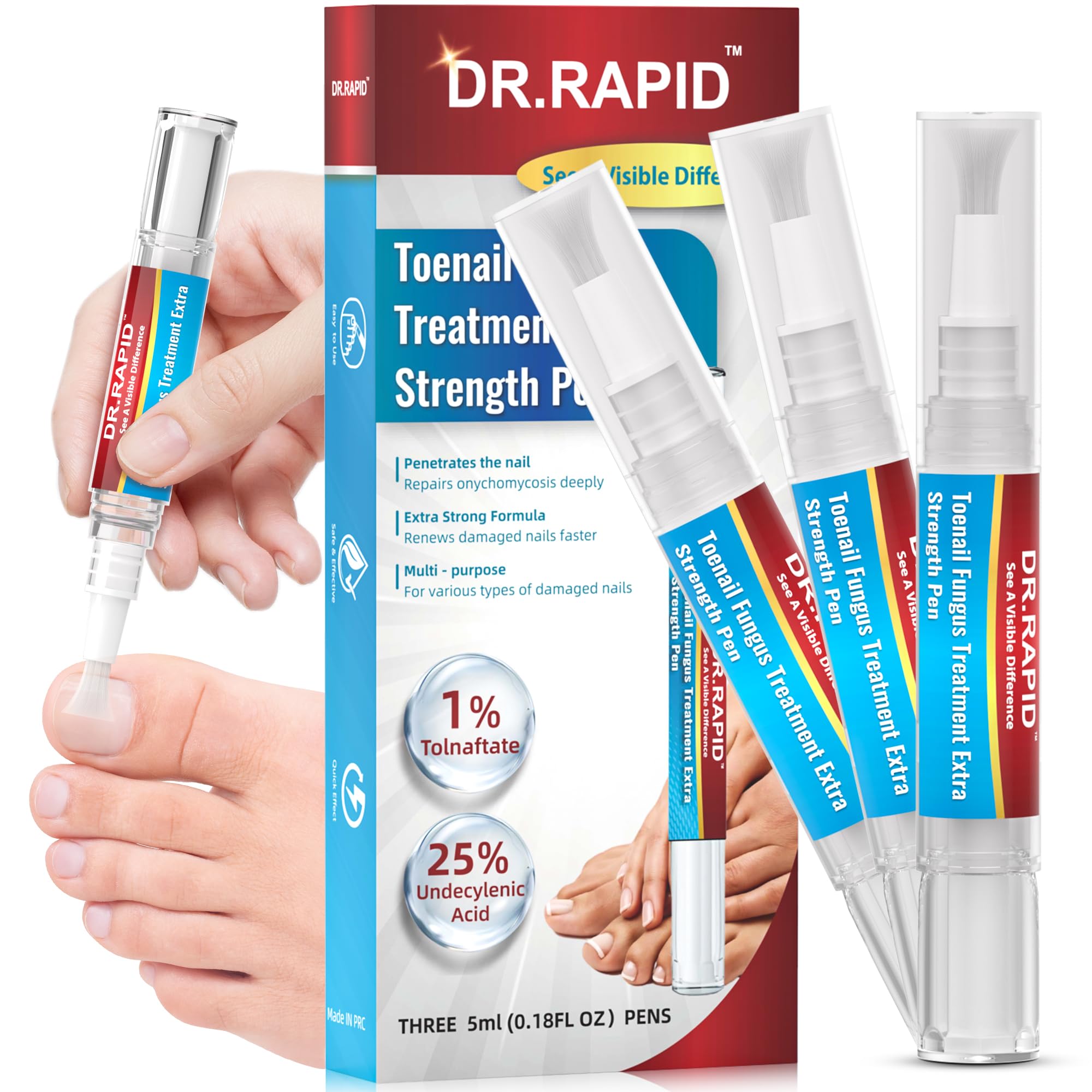
It’s worth buying for someone who wants an easy, fast-drying antifungal pen that targets nails with a high-strength undecylenic acid formula.
Pros
- Precise applicator makes targeting easy.
- Dries quickly and leaves no strong odor.
- Comes as three small tubes for travel or repeated use.
Cons
- Small 5 ml tubes mean frequent reorders for long treatment.
- Needs twice-daily use and weeks of patience to see full results.
- Brush tip can clog if not cleaned after use.
They designed the pen for accuracy, and it shows in real use. The rotating brush lets the user paint the fungus without touching surrounding skin. It felt neat and less messy than creams or ointments.
The formula absorbs fast and did not leave a sticky film. One can carry a tube in a gym bag and apply after showers without waiting long for shoes.
Results take time. The user noticed improvement in a few weeks, but full nail replacement can take months. Sticking to the twice-daily schedule matters for success.
Small tubes limit how long a single pack lasts, especially if multiple nails need treatment. The product helped strengthen and smooth damaged nails while treating fungal signs.
Foot Cure Extra Strength
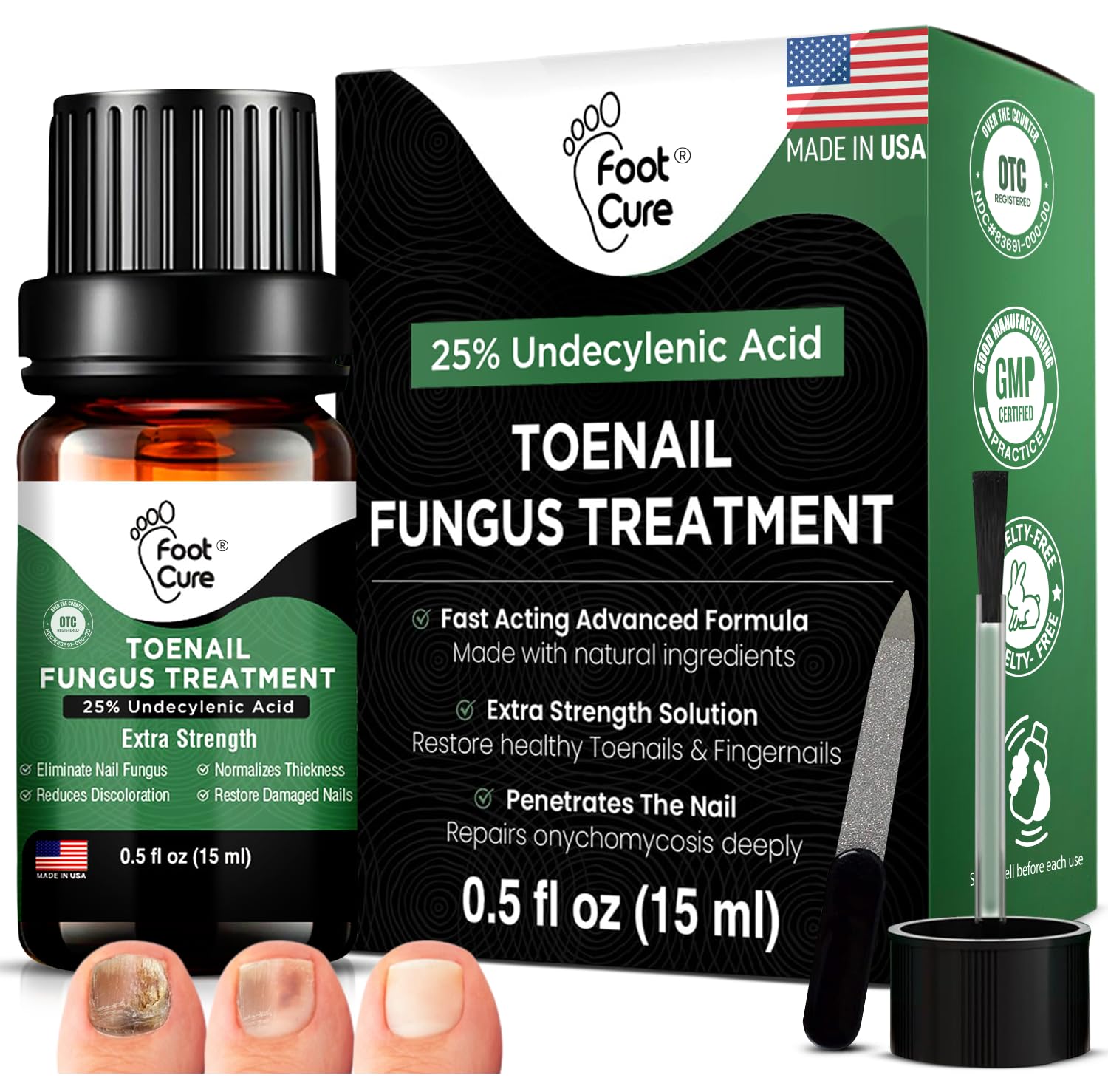
It is worth trying for mild to moderate nail fungus because it combines 25% undecylenic acid with tea tree and oregano oils in an easy oil formula.
Pros
- Strong antifungal ingredient mix feels thorough.
- Oil formula soaks into the nail and surrounding skin.
- Small bottle is easy to carry and use on the go.
Cons
- Takes many weeks of consistent use to see change.
- Oil can feel greasy and needs drying time.
- Not every user sees clear results for severe or long-term infections.
They applied the oil daily and noticed the solution spread well under the nail edge. The applicator makes targeting simple, and the scent of tea tree and oregano is noticeable but not overpowering.
After a warm soak, a couple drops absorb into the nail and surrounding skin. Results appeared slowly; some areas showed reduced discoloration after two months, while thickened parts needed longer treatment.
The product feels concentrated and American-made, which gave them confidence using it regularly. People with long-standing infections may still need stronger prescription options, but this offers a solid OTC try-before-you-go-to-the-doctor choice.
PHARMBANNER Toenail Fungus Renewal Kit
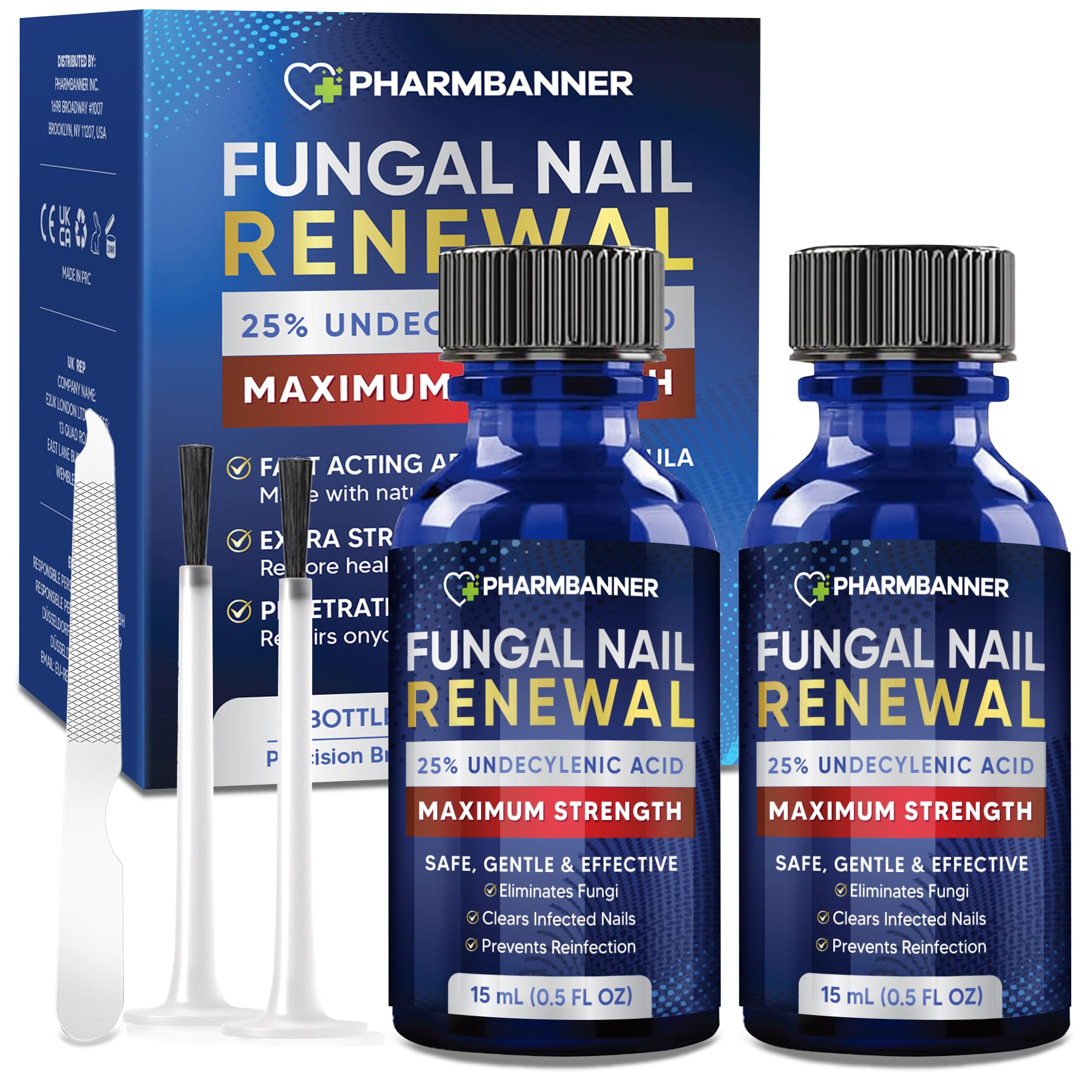
This kit is worth trying for people who want a strong, easy-to-use OTC option to help improve discolored or thick nails over time.
Pros
- 25% undecylenic acid offers a potent antifungal active ingredient.
- Comes with brush applicators and a file for tidy, direct application.
- Feels nourishing thanks to added oils like tea tree and jojoba.
Cons
- Strong smell at first for those sensitive to essential oils.
- Needs daily, consistent use and patience to see results.
- Small 1 fl oz bottles may run out faster with frequent use.
The reviewer used the brush applicator and liked how it targeted the edge and under the nail. It dried quickly and didn’t smear, which made twice-daily use simple to fit into a routine.
She noticed less yellowing after a few weeks and said nails felt less brittle. The natural oils helped soothe surrounding skin, though the scent was noticeable at first.
They found the kit handy because the included file made prepping the nail easier before applying. For persistent infections, combining this topical kit with medical advice is wise.
Buying Guide
Choose products that list an active antifungal ingredient. Check the ingredient concentration and match it to the condition severity. Stronger concentrations may work better for stubborn cases but can irritate skin.
Look for a product form that suits how they will use it. Creams and ointments cover surrounding skin. Nail lacquers and solutions soak into the nail. Powders and sprays help keep shoes and socks dry.
Read the instructions and treatment length carefully. Some OTC options require daily use for weeks or months. Consistent use matters more than occasional application.
Consider safety and side effects. People with diabetes or poor circulation should consult a health professional first. Check for warnings about pregnancy, breastfeeding, or interactions with other medicines.
Check packaging and applicators for ease of use. Thin brushes or dropper tips help reach under and around the nail. Larger jars may be messy and harder to control.
Compare value by looking at concentration, volume, and how long a supply will last. A lower price does not always mean better value if it requires more frequent reapplication.
Look for clear labeling about clinical testing or active ingredient approval. If claims seem vague or unsupported, be skeptical. They should be able to show how to use the product and how long to expect results.
Keep expected outcomes realistic. OTC treatments may take weeks to months. If there is no improvement after a reasonable period, advise seeking medical care.
Comparison Breakdown
They list three top OTC treatments: topical antifungal cream, medicated nail lacquer, and natural oil blend. Each works differently and suits different needs.
- Topical antifungal cream: Acts fast on skin and nail edges. It works well for mild to moderate cases but may need daily use for weeks. It absorbs quickly and eases symptoms like itching.
- Medicated nail lacquer: Penetrates the nail plate and targets the fungus more directly. It requires regular application and filing of the nail surface for best results. This option is better for infections primarily in the nail itself.
- Natural oil blend: Uses ingredients like tea tree oil and urea to soften nail tissue and fight fungi. It is gentler and may suit those who prefer fewer chemicals. Results can take longer and evidence is more limited.
They compare by ease of use, speed, and strength. Creams score high for convenience, lacquers score high for nail penetration, and oils score high for tolerability.
Quick comparison table:
- Ease of use: Cream (high), Lacquer (medium), Oil (high)
- Time to notice change: Cream (weeks), Lacquer (weeks to months), Oil (months)
- Best for: Cream (skin + nail edge), Lacquer (thick nail infections), Oil (mild cases or sensitive skin)
They should choose based on infection severity, patience for results, and skin sensitivity.
FAQs
What are common OTC treatments for nail fungus?
They include antifungal creams, ointments, medicated nail polishes (like ciclopirox), and topical solutions with terbinafine or amorolfine. Some products pair antifungals with debriding agents to soften the nail.
How long do OTC treatments take to work?
OTC options often need several months. Nails grow slowly, so it can take 6–12 months to see clear improvement for toenails.
Are OTC treatments as effective as prescription drugs?
OTC treatments help mild to moderate cases. They usually work less well than oral prescription antifungals for severe or deep infections.
Can anyone use OTC antifungal products?
Most adults can, but people with diabetes, poor circulation, or a weakened immune system should consult a clinician first. Pregnant or breastfeeding people should ask a healthcare provider before use.
How should one apply OTC products?
Follow package directions closely. Clean and dry the nail, trim as much infected nail as possible, then apply the product regularly until the nail grows out healthy.
Are there side effects?
Topical treatments may cause mild irritation or redness. Stop use and see a healthcare provider if a rash, severe pain, or signs of spreading infection occur.
When should someone see a doctor?
Seek medical advice if the infection worsens, if pain increases, or if there is no improvement after several months. A clinician can recommend stronger or oral treatments.
Final Verdict
They should try OTC antifungal creams and nail solutions first for mild to moderate nail fungus. These products can work well when used consistently and with good nail care.
For thicker or long-standing infections, they may need a prescription oral antifungal. A doctor can check for other causes and suggest lab tests if treatments fail.
Combining treatments often helps. For example, using a topical solution plus keeping nails trimmed, dry, and clean improves results.
Safety matters. They should follow product directions, watch for skin irritation, and stop use if severe reactions occur. People with diabetes, weakened immune systems, or circulation problems should see a clinician before trying OTC options.
Quick reference:
- Best for mild cases: topical OTC antifungals (creams, solutions)
- Better for severe cases: prescription oral antifungals
- Helpful habits: trim nails, dry feet, change socks, avoid shared tools
They should expect gradual improvement; nails grow slowly and full recovery can take months. If there’s no clear progress in 2–3 months, they should consult a healthcare provider.